



-
Mens Mesh G-String Briefs by Love In Leather - BlackLove In Leather Mens Mesh G-String Briefs feature innovative mesh construction with strategic G-string coverage designed for masculine confidence. Available in S/M and L/XL sizes, the breathable net fabric provides optimal ventilation while creating striking visual patterns. These briefs celebrate the male form through...
- $12.99
$14.99- $12.99
- Unit price
- per
VISIT XVIDEO FOR ADULT DVDS



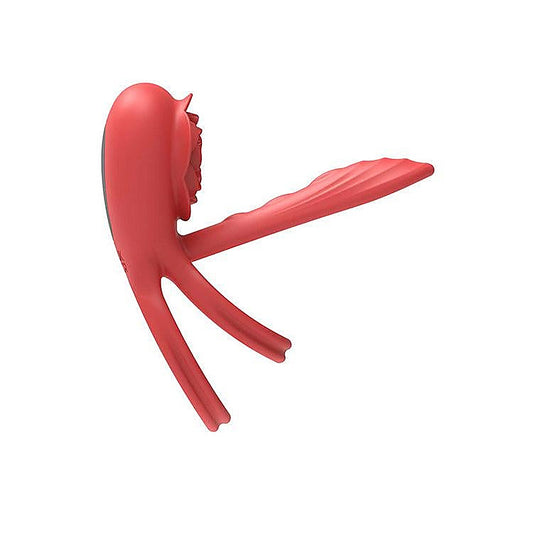
Vibrating Rose Girth Enhancer by Adam & Eve
- Red
Adam & Eve VIBRATING ROSE GIRTH ENHANCER is a dual-ring cock ring with clitoral stimulator designed for couples seeking enhanced performance and shared pleasure. Measuring 3 inches long with 7 vibration modes and a textured clitoral stimulator, it combines penile support with external stimulation....
- $99.99
$119.99- $99.99
- Unit price
- per
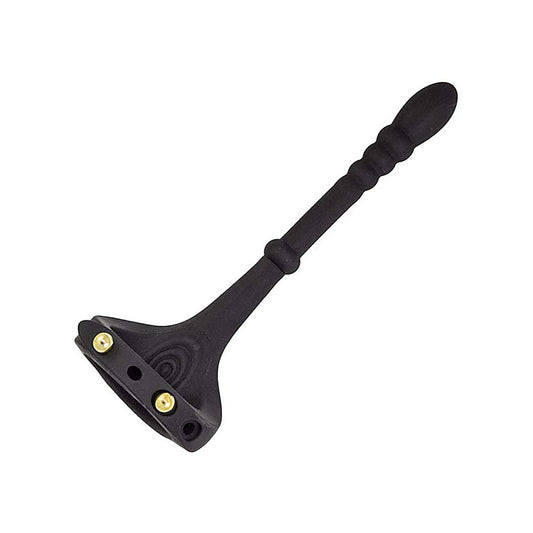
Magic Dual Pleasure Erection Enhancer Massager by Nasstoys
- Black
Nasstoys Magic Dual Pleasure Erection Enhancer Massager is a rechargeable cock ring with attached anal vibrator designed for prostate and perineum stimulation. Featuring 7 vibration functions, an adjustable silicone ring, and a bendable 6-inch insertable anal wand, it delivers targeted sensation during solo or...
- $69.99
$74.99- $69.99
- Unit price
- per
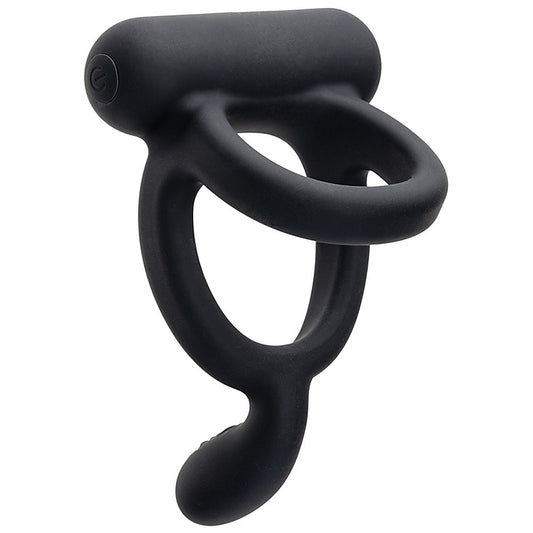
Closer Intimate Rechargeable Caress Penis Ring
- Black
CalExotics Closer Intimate Rechargeable Caress Penis Ring is a dual-motor cock ring with vibrating taint tickler designed for partnered penetration. The stretchy silicone construction fits shaft and scrotum diameters of 1.5 and 1.75 inches respectively, delivering 10 vibration speeds across dual motors. IPX7 waterproof...
- $64.99
$74.99- $64.99
- Unit price
- per

Tanga underwear sits between briefs and minimal styles, with high-cut sides, a structured front pouch, and partial rear coverage. They're built for movement and airflow without sacrificing support, making them ideal for daily wear, fitted clothing, or active use.
At a glance
|
🚚 Plain, discreet packaging • 🔒 Discreet billing • 🔁 Hygiene-conscious returns |
About Tanga Underwear
Tanga underwear combines the coverage of briefs with the airflow of minimal styles. The design features a contoured front pouch for support, slim side straps that leave the hips exposed, and a partial rear panel. This shape reduces bulk while keeping your anatomy in place, making tangas reliable for both everyday wear and more active settings. Modern tangas use microfibre, nylon, and spandex blends for stretch and quick-drying. Many include mesh inserts for cooling and jacquard waistbands for comfort during extended wear.
Tangas work well for people who want breathability without sacrificing front support. They're popular under fitted trousers, uniforms, or gym wear because the reduced fabric means fewer visible lines and less heat build-up. If you enjoy the security of a pouch but find full briefs too warm, or you want more coverage than a jockstrap, tangas bridge that gap. If you're interested in exploring other support styles, Bondage Whips represent a completely different category of adult gear.
What makes Tanga Underwear different
Tangas stand out because they balance exposure with reliable support. The high-cut sides and minimal rear coverage let your skin breathe, while the structured pouch keeps you held in place without the bulk of full briefs. Flat seams and flexible waistband tension mean they stay put through movement and heat without shifting or marking under clothes. This combination makes them practical for everyday wear, active pursuits, and intimate moments. Unlike other minimal styles, tangas don't compromise on front definition or security. Paddles serve a completely different function in adult play.
Types of Tanga Underwear
Tanga styles vary by use case and aesthetic preference, though all maintain the signature high-cut sides and structured front.
Sport tangas. These use wide elastic bands and dense stitching for maximum tension control during movement. They're designed for gym, running, or active play where you need reliable support without distraction. Mesh panels enhance airflow during intense activity.
Fashion tangas. Sheer fabrics, lace accents, and narrow sides emphasise aesthetics while keeping the core support structure. They're popular for intimate settings where appearance matters as much as comfort. BDSM Ticklers and Spankers offer a different kind of sensation play entirely.
Everyday tangas. Smooth microfibre models in neutral colours prioritise discreet lines under work wear, casual clothing, or uniforms. They're your go-to for all-day comfort without fuss.
Mesh tangas. Lightweight mesh throughout maximises cooling for warm climates or leisure wear. They offer the visual appeal of lace with superior breathability.
How they compare
| Style | Material | Best for | Sizing | Notes |
|---|---|---|---|---|
| Sport tanga | Nylon, spandex blend | Gym, running, active wear | 70–105 cm | Wide bands, dense stitching, mesh panels for airflow |
| Everyday microfibre tanga | Microfibre, spandex | Work, casual, all-day wear | 70–105 cm | Smooth finish, no visible lines, quick-dry, durable |
| Fashion lace tanga | Nylon, spandex, lace | Intimate settings, visual appeal | 70–105 cm | Sheer accents, narrower sides, aesthetic focus |
| Mesh tanga | Mesh, nylon, spandex | Warm climates, leisure, cooling | 70–105 cm | Lightweight, breathable, see-through panels |
How to choose a tanga underwear
Start by thinking about your main use. If you're wearing them under work clothes or fitted trousers, a smooth microfibre tanga in a neutral colour keeps lines invisible. For gym or active movement, opt for a sport tanga with strong elastics and mesh panels to manage sweat and stay in place. If appearance matters—say, for intimate moments—a fashion tanga with lace or sheer details works well. Consider the climate too: mesh tangas excel in heat, while thicker microfibre provides durability in cooler seasons.
Fit is crucial. A tanga should hold your pouch snugly without restricting flex, and the side straps should sit stable on your hips without riding up or sliding down. Tight fits limit movement; loose fits shift during wear. Most tangas use high-stretch elastics that adapt naturally to your body while keeping consistent positioning. Standard sizing runs from 70 to 105 centimetres at the waist, so measure yourself or refer to the brand's size guide. If you're exploring other forms of restraint or control, Bondage Tape offers a different approach to sensation and restriction.
Tips from the Adultsmart team
Hard-won pointers from the Adultsmart team, alongside our panel of sexologists, educators, and adult-industry contributors. Meet our experts →
After years of helping customers find the right tanga, we've noticed most people underestimate how much the waistband matters. A loose waistband will creep down or twist throughout the day, no matter how good the pouch is. Always check the size guide carefully—if you're between sizes, go snug rather than loose. The stretch in modern elastics means they'll feel firm at first but settle into a comfortable hold within a few wears.
Many first-time tanga wearers choose fashion styles because they look great, then get frustrated because sheer fabrics don't offer the same support or durability as microfibre. If you're buying your first tanga for everyday wear, start with a sport or everyday microfibre style. You'll get reliable support, longer lifespan, and better value. Once you know how tangas fit your body, you can experiment with lace or mesh variations for specific occasions.
Seam placement makes a real difference in how a tanga sits. Flat seams on the sides prevent marks and chafing, especially under tight clothing or during movement. If you're prone to chafing or sensitive skin, prioritise flat-seam construction over decorative stitching. Double stitching at the hip straps and pouch corners adds durability—these stress points take the most wear through washing and movement cycles.
| Please read — safety first. Charge only with the supplied cable and keep the charging port dry unless the sex toy is waterproof-rated. Pair and update through the official app, and switch the device off fully between sessions so the motor and battery aren't left under load. This information is general in nature only and is not medical advice; it does not account for your individual circumstances. If you have a relevant health condition or experience any persistent discomfort, discontinue use and seek advice from a qualified medical professional. |
Care and cleaning
Machine wash your tanga in cool water with mild detergent to preserve elasticity and fabric integrity. Avoid fabric softener, which can reduce breathability and cause slipping. Air dry whenever possible—heat from the dryer can degrade spandex and elastic over time. If you need to dry quickly, use a low heat setting. Wash separately from rough fabrics like denim to prevent pilling or snagging. Properly cared for, a quality tanga lasts through many wash cycles.
Learn more
Tanga underwear is personal gear, and caring for it properly extends its life and keeps it hygienic. For those curious about the broader world of intimate wear and personal expression, Selling Used Underwear explores another aspect of this market. Browse our full tanga range to find your fit.
Why shop Tanga Underwear at Adultsmart
Ready to shop with the details sorted? Adultsmart stocks tanga underwear in multiple styles, materials, and sizes, so you can find exactly what suits your body and needs. We pack discreetly and bill with neutral descriptions to protect your privacy. Body-safe, clearly labelled, and chosen by people who use this gear.
Tanga Underwear FAQ
What makes Tanga Underwear different from briefs?
Tanga Underwear has narrow sides and partial rear coverage for less bulk, while briefs use full panels. Tangas keep the same front support with lighter fabric and more freedom of motion.
Can tangas be washed like regular underwear?
Yes, wash in cool water with mild detergent to protect stretch fibres and elastic seams. Air drying maintains shape longer than machine drying.
Is Tanga Underwear suitable for sport use?
Yes, sport tangas provide strong front support with open sides that reduce friction and heat. Microfibre or mesh fabrics enhance breathability during activity.
How should a tanga waistband fit?
The waistband should sit flat at the hips without twisting. Side straps must stay parallel and firm enough to hold the pouch in position without digging into the skin.
Do tangas show lines under clothing?
No, tangas use smooth seams and narrow sides, which minimise fabric outlines under fitted trousers or shorts.
What fabrics offer best comfort for daily wear?
Microfibre and modal blends provide softness and stretch with quick drying performance, keeping comfort through long wear hours.
Can tangas be worn under business clothing?
Yes, choose neutral colours and soft waistbands. The reduced side fabric keeps clean lines under formal or light materials.
How does a tanga differ from a thong?
A thong uses a single rear string, while a tanga has a narrow rear panel or two straps, giving more stability and comfort for long wear.
Are tangas available in multiple pouch types?
Yes, tangas come with standard, contoured, or anatomical pouches to suit different lift and shape preferences.
Which style suits hot weather best?
Tangas made from mesh or microfibre are best for hot climates as they allow high airflow and wick moisture efficiently.
Recently Viewed Products
Example product title
- $19.99
- $19.99
- Unit price
- per
Example product title
- $19.99
- $19.99
- Unit price
- per
Example product title
- $19.99
- $19.99
- Unit price
- per
Example product title
- $19.99
- $19.99
- Unit price
- per
Example product title
- $19.99
- $19.99
- Unit price
- per
Example product title
- $19.99
- $19.99
- Unit price
- per
Example product title
- $19.99
- $19.99
- Unit price
- per
Example product title
- $19.99
- $19.99
- Unit price
- per
Example product title
- $19.99
- $19.99
- Unit price
- per
Example product title
- $19.99
- $19.99
- Unit price
- per
Why Shop With Adultsmart?
- Choosing a selection results in a full page refresh.