



-
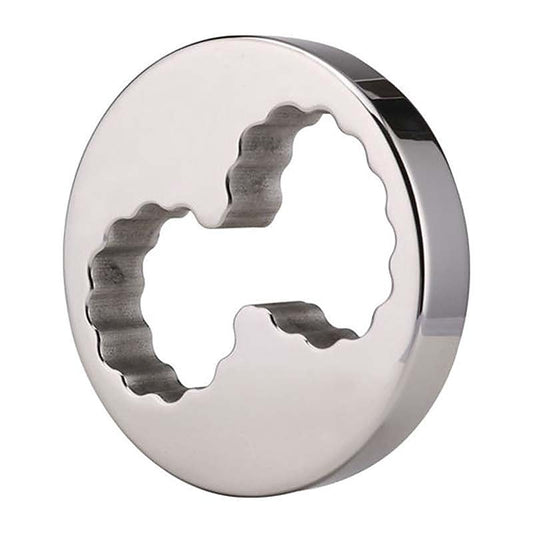
Stainless Steel Pleasure Enhancers by BDStyleBDStyle Stainless Steel Pleasure Enhancers are adjustable ball stretchers crafted from body-safe stainless steel in three customizable sizes. Featuring a smooth, non-porous construction that conducts temperature naturally, these stretchers deliver secure, comfortable fit with sleek minimalist design. They suit people seeking durable, temperature-responsive sensation...
- From $53.99
$59.99- From $53.99
- Unit price
- per
-
Designer Scrotum Stretchers by BDStyleBDStyle Designer Scrotum Stretchers are premium stainless steel accessories engineered for progressive enhancement through consistent tension. Crafted from surgical-grade 316L stainless steel, these stretchers weigh precisely enough to create natural elongation over time while maintaining comfort during extended wear. The polished finish provides both...
- $44.99
$49.99- $44.99
- Unit price
- per
-
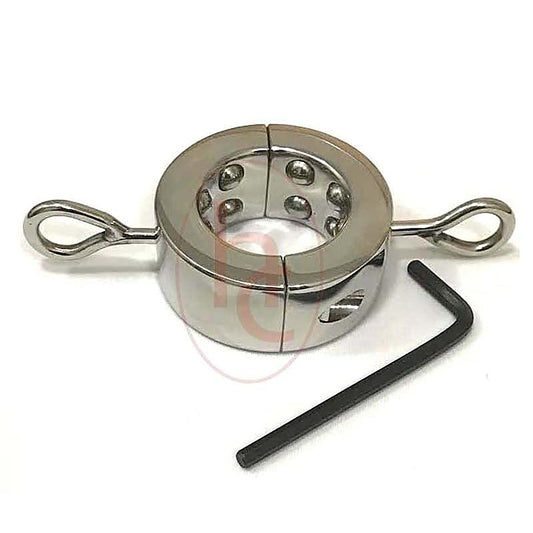
Testicle Stretcher With Matte Nodules by BDStyleBDStyle's Testicle Stretcher With Matte Nodules is a precision metal CBT device designed for ball stretching and pressure play. Featuring a 36mm inner diameter with 25mm width and strategic matte nodule placement, it includes an Allen key-operated screw closure for adjustable pressure control. The...
- $71.99
$79.99- $71.99
- Unit price
- per
-
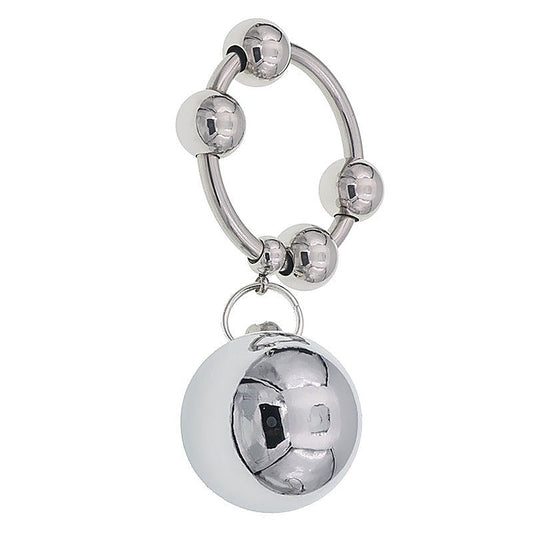
Metal Testicle Weight Hanger Cock Ring by BDStyleBDStyle Metal Testicle Weight Hanger is a stainless steel testicular weight designed for advanced sensory play. Weighing 300 grams with 35mm internal diameter and 30mm height, it delivers sustained pressure for gradual sensation enhancement. The polished steel construction conducts temperature naturally, supporting warming or...
- $30.99
$34.99- $30.99
- Unit price
- per
-
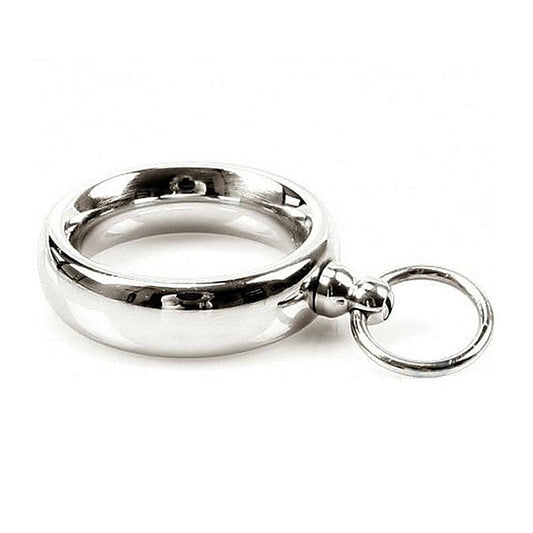
Mens Donut Metal Cock Ring by Hell's CoutureThe Donut Metal Cock Ring by Hell's Couture is a medical-grade stainless steel ring engineered for enhanced sensation and extended wear. Featuring 7mm thickness, available in 40mm, 45mm, and 50mm sizes, it conducts temperature naturally for warming or cooling play. The integrated O-ring attachment...
- $19.99
$29.99- $19.99
- Unit price
- per
VISIT XVIDEO FOR ADULT DVDS



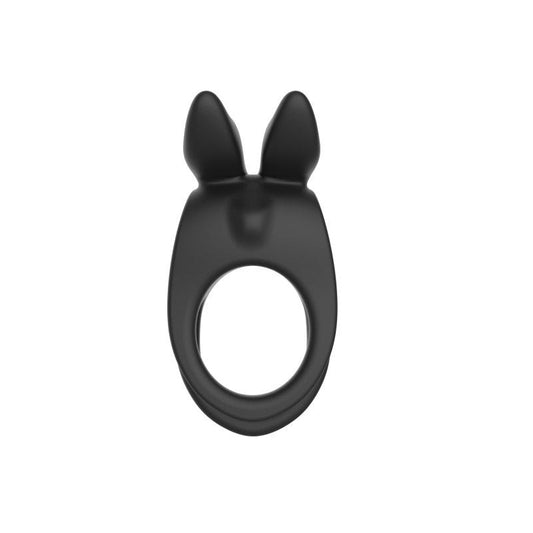
Men 10 Mode Vibrating Rabbit Cock Ring by Ashella
- Black
Ashella Men 10 Mode Vibrating Rabbit Cock Ring is a dual-ring vibrator designed for partnered stimulation and performance enhancement. Measuring 45.2 x 91.1 x 43.1mm with 10 vibration modes across 3 speed settings, it combines a supportive shaft and ball ring with external bunny...
- $34.99
$39.99- $34.99
- Unit price
- per
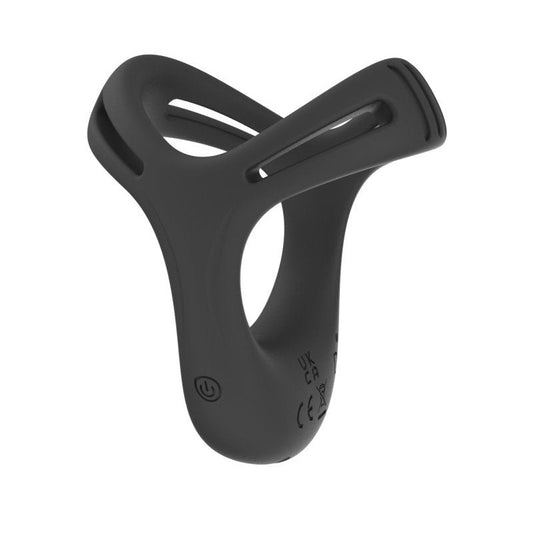
Men 10 Mode Vibrating Sling Ring by Ashella
- Black
Ashella Men 10 Mode Vibrating Sling Ring is a vibrating cock ring designed for enhanced support and dual-partner stimulation. Featuring 10 vibration modes across 3 speed settings, this silicone ring stretches to secure both shaft and balls for extended performance. At 63 x 55.5...
- $34.99
$39.99- $34.99
- Unit price
- per
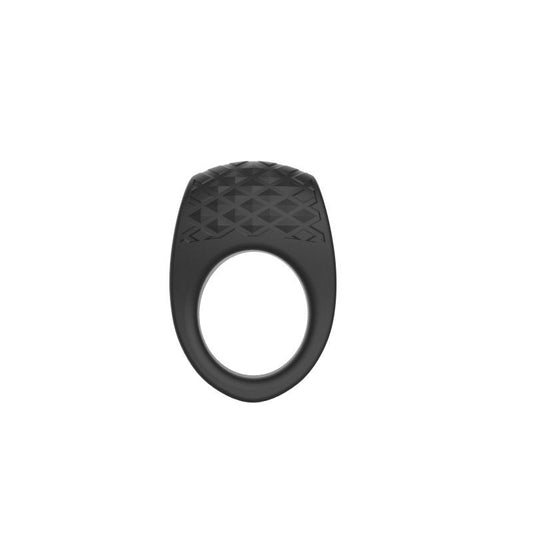
Men 10 Mode Vibrating Cock Ring by Ashella
- Black
The Ashella Men Vibrating Cock Ring is a silicone erection ring featuring 10 vibration modes across 3 speed settings. Measuring 45.5 x 66.7 x 29.4mm with rechargeable USB power lasting one hour per charge, it delivers customizable stimulation for solo or partnered play. The...
- $34.99
$39.99- $34.99
- Unit price
- per
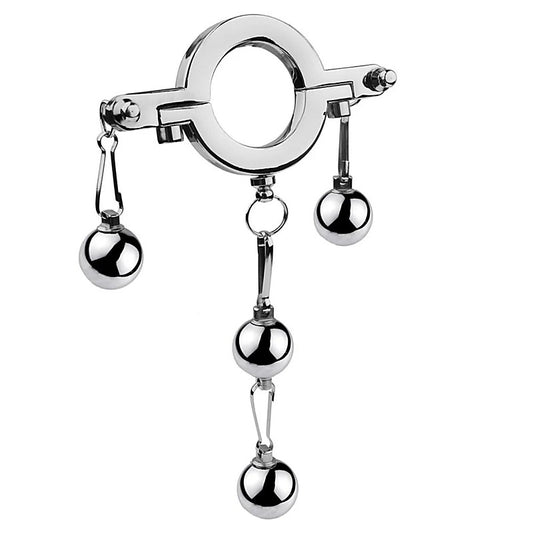





Narrow Fit Ball Stretchers are cock rings designed to deliver concentrated downward pull across a smaller surface area, intensifying tension at the scrotal base. Built from stainless steel, alloy, or leather, they're for experienced users seeking focused stretch response over shorter sessions with strict monitoring.
At a glance
|
🚚 Plain, discreet packaging • 🔒 Discreet billing • 🔁 Hygiene-conscious returns |
About Narrow Fit Ball Stretchers
Narrow Fit Ball Stretchers are cock rings built to concentrate downward force across a compact width. The smaller surface area raises intensity at the scrotal neck, making each session more direct and responsive. Most models use stainless steel, alloy, or leather, with precision machining to ensure even alignment and rounded edges that prevent skin drag during load changes. Some leather versions include snaps or buckles for minor fit adjustments.
These stretchers suit experienced users who have already mastered tension timing and body awareness. If you're familiar with other cock ring types, Bondage Ball Gags offer a different pressure point for those exploring broader restraint. Narrow models are not for beginners; they demand closer monitoring and shorter wear times because the focused load path carries higher compression risk.
What makes Narrow Fit Ball Stretchers different
The key difference is surface area. A wider ring spreads the same downward force across more skin, while a narrow ring concentrates it. This raises local pressure and tissue response significantly. Because they don't distribute load widely, short sessions with frequent circulation checks are essential for safety. Users often pair narrow stretchers with other gear like Penis Pumps to track progressive tension gains over time. The intensity makes them a step up for anyone ready for advanced work.
Types of Narrow Fit Ball Stretchers
Fixed Metal Stretchers. Stainless steel or alloy rings with a set internal diameter and no adjustment. They deliver consistent, unchanging tension and are easy to clean and inspect for wear. Best for users who know their exact fit and prefer simplicity.
Adjustable Leather Stretchers. High-grade leather with snaps or buckles that allow minor diameter changes. They conform slightly to body heat and offer a softer contact feel. Useful for users fine-tuning fit across multiple sessions, or those who experience slight size variation. Similar adjustability appears in Inflatable Butt Plugs, which use air chambers rather than manual snaps.
Graduated Ring Sets. Multiple narrow rings in ascending diameters, allowing progressive tension training. Users start with a looser fit and advance to tighter rings over weeks or months. Ideal for tracking measurable elongation and building data on tissue response.
Precision-Bore Rings. Metal rings with a highly polished internal surface to reduce friction and skin drag. They're designed for users who wear them frequently and need minimal discomfort during load transitions.
How they compare
| Model | Material | Best for | Control or Base | Safety |
|---|---|---|---|---|
| Fixed Metal Ring | Stainless steel or alloy | Users with known exact fit | Fixed diameter, no adjustment | Easy to inspect; clean bore finish |
| Adjustable Leather Stretcher | High-grade leather with snaps | Fine-tuning fit across sessions | Minor diameter adjustment via snaps | Softer contact; conforms to body heat |
| Graduated Ring Set | Stainless steel, multiple rings | Progressive tension training over weeks | User selects ring; no adjustment per ring | Allows slow progression; measurable data tracking |
| Precision-Bore Ring | Polished stainless steel | Frequent wear with minimal friction | Fixed diameter; highly polished interior | Reduced skin drag; safe for longer sessions |
How to choose a narrow fit ball stretcher
Start by measuring your scrotal base when warm, as heat causes natural expansion. Measure the circumference at the widest point just behind the glans, then divide by π to find the diameter you need. A correct fit grips securely without restricting blood flow; you should be able to slip one finger between the ring and your skin. Remember that narrow rings feel tighter than wider ones because the same force concentrates over less area, so don't size up expecting a looser feel—you'll only end up with a ring that's too large.
Choose your material based on your monitoring habits and comfort level. Metal rings are fixed and demand precision in sizing; they suit users who measure carefully and stick to one fit. Leather with snaps allows small adjustments if your warm size varies slightly day to day. If you're new to narrow stretchers, Tail Butt Plugs may seem unrelated, but many users explore multiple gear types to understand their body's response patterns. Start with shorter sessions—ten to fifteen minutes—before advancing to longer wear. Always check colour, warmth, and sensation every five minutes during your first few uses.
Tips from the Adultsmart team
Hard-won pointers from the Adultsmart team, alongside our panel of sexologists, educators, and adult-industry contributors. Meet our experts →
After years of helping customers with Narrow Fit Ball Stretchers, the most common mistake we see is sizing based on cold measurements. Your scrotum expands when warm, and so does the diameter you'll need. Measure after a warm shower or after ten minutes of body heat. If you measure cold and buy a ring that fits, it'll be too tight once you warm up—and that's when circulation problems start. Always measure warm, and if you're between sizes, choose the larger one.
Fit the ring slowly the first time. Many users rush and accidentally fold skin into the bore, which causes pinching and discomfort that makes them think the ring is wrong when it's actually the fit technique. Relax, use a small amount of lubricant if needed, and guide the ring on gently while seated or lying down. Once it's on, do a two-minute check: look for any skin bunching, feel for even pressure, and confirm you can slip a finger underneath. If anything feels uneven, remove it and refit.
Keep detailed notes on load, duration, and how your body responds—colour changes, warmth, sensation, and any soreness after removal. Narrow stretchers demand this monitoring because the focused pressure leaves less margin for error. If you notice coolness, numbness, or colour changes to dark red or purple, stop immediately and remove the ring. These are signs of restricted blood flow. Once you've logged several safe sessions, you'll understand your individual tolerance and can gradually extend duration or try the next size up in a set.
| Please read — safety first. Charge only with the supplied cable and keep the charging port dry unless the sex toy is waterproof-rated. Pair and update through the official app, and switch the device off fully between sessions so the motor and battery aren't left under load. This information is general in nature only and is not medical advice; it does not account for your individual circumstances. If you have a relevant health condition or experience any persistent discomfort, discontinue use and seek advice from a qualified medical professional. |
Care and cleaning
Metal stretchers should be washed in warm soapy water and dried fully after each use. Inspect the bore and all seams for dents, rough edges, or cracks that might catch skin. Leather versions need gentle wiping with a soft cloth and should air dry completely before storage. Never use leather near water for extended periods, as saturation weakens the material. Store all stretchers in a dry place away from humidity, and check them regularly for any signs of wear or damage before use.
Learn more
Fitting is one of the most overlooked steps in getting safe, enjoyable results. Read Just A Perfect Fit for a deeper dive into measurement, material choice, and how to spot a good fit by feel and appearance. Understanding your body's response signals is the foundation of safe, rewarding practice.
Why shop Narrow Fit Ball Stretchers at Adultsmart
Keen to get this right the first time? Adultsmart stocks a carefully selected range of Narrow Fit Ball Stretchers in metal and leather, with detailed sizing guides to match you to the right fit. Every order arrives in discreet, unmarked packaging with neutral billing. Trusted Australian adult retailer — discreet, knowledgeable, and here to help.
Narrow Fit Ball Stretchers FAQ
Why use a narrow fit stretcher instead of a wider one?
Narrow fit stretchers create stronger pressure in a smaller zone, helping advanced users target deeper elongation. The focused contact allows measurable tension change under low weight, ideal for precision sessions or progressive scrotal control routines that demand accurate load management.
How should narrow stretchers be maintained?
Clean with warm soapy water after use, dry completely, and inspect for burrs or seam wear. For leather, wipe gently and condition as needed. Store gear separately to prevent scratches. Regular inspection and documentation of changes maintain performance accuracy across repeated training cycles.
How does width affect overall pressure and control?
A narrower design increases local compression, producing higher tension response at the same weight. This allows short, controlled sessions with clear feedback. Wider designs spread the load and reduce intensity, while narrow versions concentrate pull, making them best for targeted, time-limited endurance work.
What is the typical size range for narrow stretchers?
Most narrow stretchers range between one and three centimetres in width. These compact dimensions raise the load effect while staying stable. Selecting correct internal diameter remains essential. Too tight increases risk, while too loose allows unwanted slip and uneven distribution of pressure during training.
Can beginners use narrow stretchers safely?
Beginners should not start with narrow units. The focused compression needs training experience to manage correctly. Start with wide or adjustable models, learn circulation control, then move to narrow designs once you can track warmth and timing accurately through the full training cycle.
How long should a narrow stretcher be worn?
Sessions should remain short, typically fifteen to thirty minutes. This duration gives measurable pull without strain. Extended use under high compression raises risk of numbness or marks. Rest between sessions and increase time only after proven stability in multiple clean runs.
What are the main risks with narrow stretchers?
Primary risks include restricted blood flow, pinching, or uneven compression due to misalignment. Skin should stay warm, flexible, and evenly coloured. Numbness, sharp edge contact, or tingling indicate removal is required. Controlled use and strict timing logs reduce these risks significantly.
Can I combine a narrow stretcher with heavier gear?
Yes, many advanced users stack narrow rings under wider ones or pair them with weighted units. This builds controlled tension gradients. Always confirm each piece aligns flush and inspect edges before load. Use the setup for short intervals to avoid pressure overlap or seam pinch.
How do I check for over-compression during training?
Monitor warmth and sensitivity at fifteen minute intervals. Press lightly near the scrotal base to confirm normal return colour. If the area feels cool, firm, or numb, remove immediately. Controlled testing and record keeping prevent damage while allowing progressive calibration of load and time.
What materials give best performance in narrow stretchers?
Stainless steel provides stability and consistent bore shape. Alloy versions are lighter for short-term control work. Leather offers minimal flexibility for users refining grip pressure. Material choice depends on training goal—stainless steel for endurance, leather for adaptive fit, and alloy for rotation balance.
Recently Viewed Products
Example product title
- $19.99
- $19.99
- Unit price
- per
Example product title
- $19.99
- $19.99
- Unit price
- per
Example product title
- $19.99
- $19.99
- Unit price
- per
Example product title
- $19.99
- $19.99
- Unit price
- per
Example product title
- $19.99
- $19.99
- Unit price
- per
Example product title
- $19.99
- $19.99
- Unit price
- per
Example product title
- $19.99
- $19.99
- Unit price
- per
Example product title
- $19.99
- $19.99
- Unit price
- per
Example product title
- $19.99
- $19.99
- Unit price
- per
Example product title
- $19.99
- $19.99
- Unit price
- per
Why Shop With Adultsmart?
- Choosing a selection results in a full page refresh.