




-
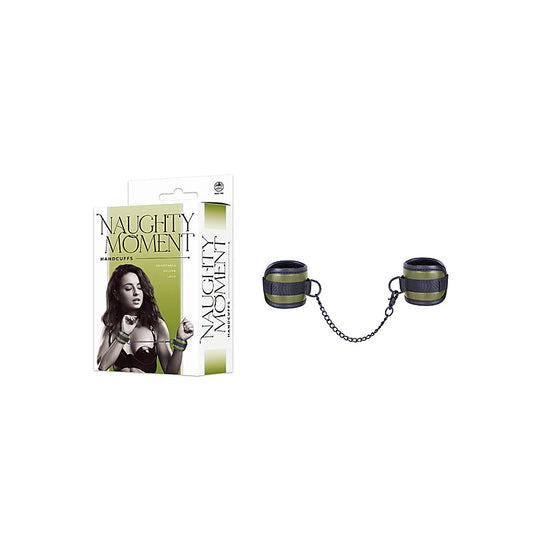
Handcuffs Restraints by NANMA Corporation - GreenNanma Corporation Naughty Moment Adjustable Handcuffs are padded restraint cuffs with Velcro closures and metal chain connection. At 6 inches wrist circumference capacity, they feature soft interior padding and durable outer material for secure hold. The adjustable design suits different wrist sizes for extended...
- $19.99
$24.99- $19.99
- Unit price
- per
-
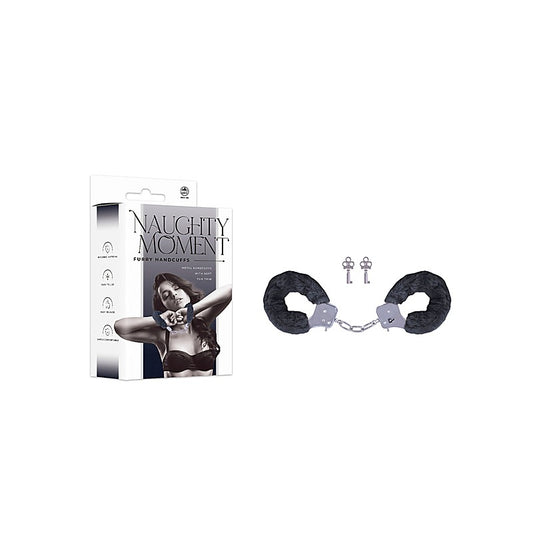
Naughty Moment Handcuff With Furry Sleeve - GreenNanma Corporation Naughty Moment Handcuffs are metal restraints with soft fur trim designed for light bondage and roleplay. The plush-lined cuffs measure adjustably to fit different wrist sizes while connected by a sturdy chain. Featuring quick-release keys and safety mechanisms, they deliver comfortable restraint...
- $14.99
$19.99- $14.99
- Unit price
- per
-
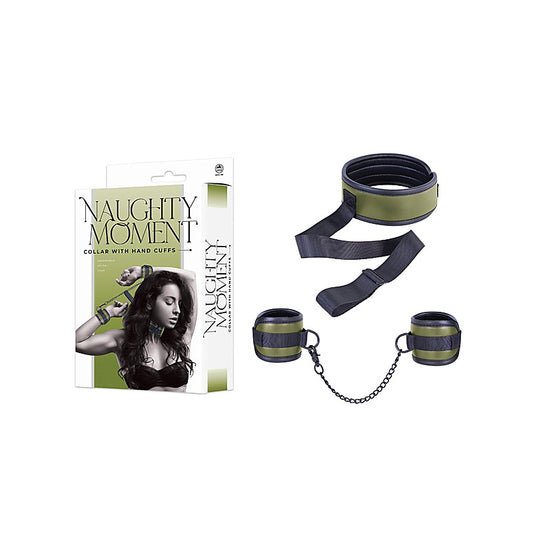
Collar With Handcuffs by NANMA Corporation - GreenNanma Naughty Moment BDSM Collar with Hand Cuffs is a padded restraint set combining an adjustable neck collar with matching wrist cuffs connected by metal chain. The collar features Velcro locking at 8-12 inches adjustable circumference, while padded wrist cuffs secure with adjustable straps....
- $24.99
$29.99- $24.99
- Unit price
- per
-
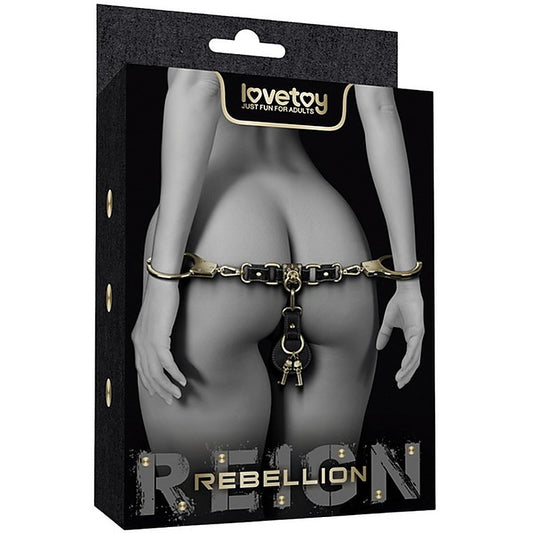
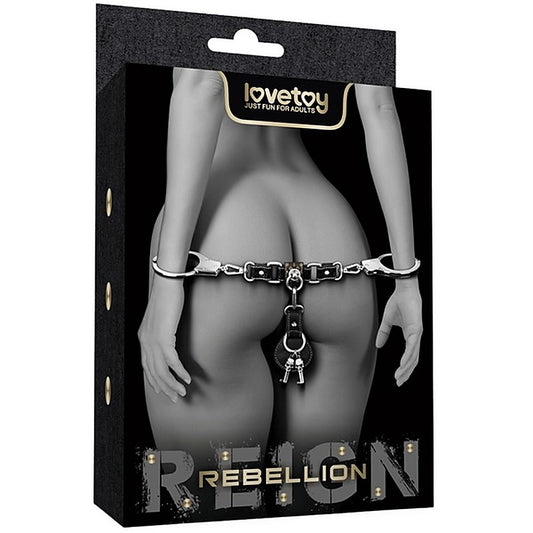
Heavy Metal Handcuffs Restraints Bronze by Lovetoy - BronzeLovetoy Heavy Metal Bondage Play Handcuffs is a metal and PU leather restraint set designed for BDSM exploration and roleplay. Measuring 17.2 inches in total length with an 8.66-inch chain, these antique bronze cuffs weigh 327 grams and feature dual unlocking methods: a skull...
- $94.99
$104.99- $94.99
- Unit price
- per
-
Bondage Cotton Cuffs by Chisa - BlackChisa Bondage Cotton Wrist and Ankle Cuffs are soft fabric restraints designed for bondage play with slip-on entry. Measuring 45cm in circumference with 3cm diameter padding, these cotton cuffs weigh 45g each. The simple slip design allows quick application and removal without buckles or...
- $29.99
$34.99- $29.99
- Unit price
- per
-
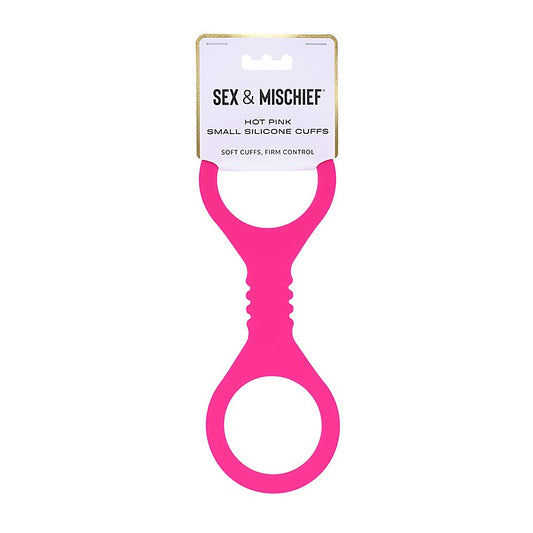
Sex & Mischief Silicone Cuffs Restraints by SportsheetsSex & Mischief Hot Pink Fetish Play Silicone Hand Cuffs are restraint cuffs made from body-safe silicone in vibrant hot pink. Measuring approximately 2.5 inches wide with a stretch-to-fit design, they secure wrists quickly without pinching or discomfort. Available in Small and Large sizes,...
- From $24.99
$29.99- From $24.99
- Unit price
- per
-
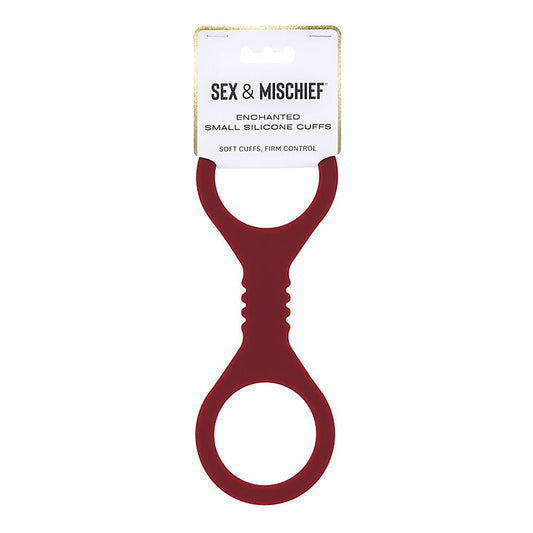
Sex & Mischief Enchanted Silicone Cuffs RestraintsSex & Mischief Enchanted Silicone BDSM Wrist Cuffs in Burgundy are soft silicone restraints designed for wrist binding during BDSM play. Measuring 2.5 inches wide with a stretch-to-fit design, they accommodate both small and large wrists without buckles or fasteners. The burgundy silicone provides...
- From $24.99
$29.99- From $24.99
- Unit price
- per
-
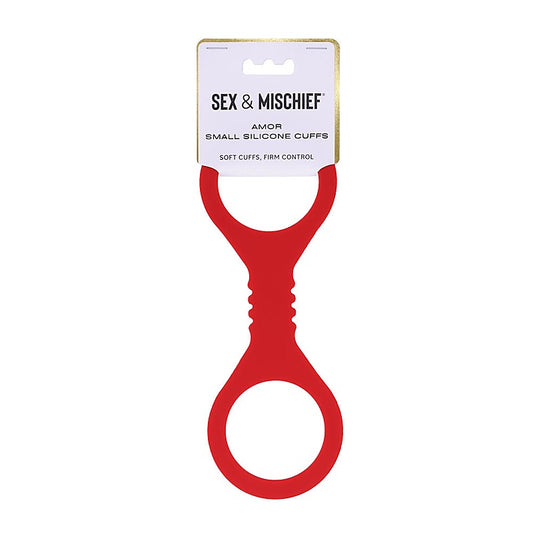
Sex & Mischief Amor Silicone Cuffs RestraintsSex & Mischief Amor Silicone Hand Cuffs are restraint cuffs crafted from body-safe silicone in fiery red. Available in Small and Large sizes for wrists or ankles, they measure approximately 3 inches in diameter with 0.5-inch thickness. The flexible silicone design provides secure restraint...
- From $24.99
$29.99- From $24.99
- Unit price
- per
-
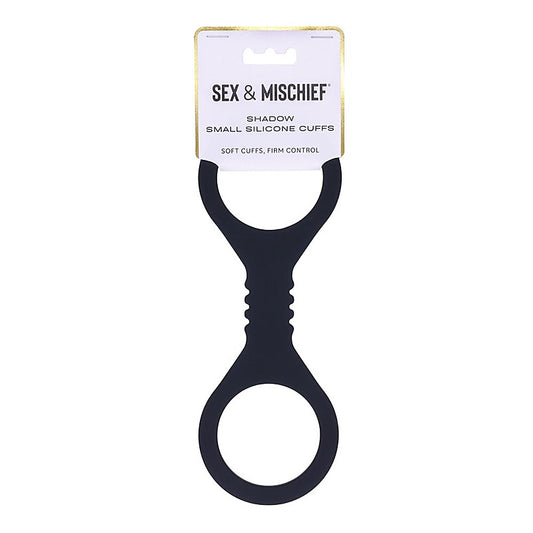
Sex & Mischief Shadow Silicone Cuffs RestraintsSex & Mischief Shadow Silicone Wrist Cuffs are restraint cuffs made from 100% body-safe silicone in sleek black. Available in Small and Large sizes, they stretch to fit securely and lock wrists in place during bondage play. The lightweight, durable design allows quick restraint...
- From $24.99
$29.99- From $24.99
- Unit price
- per
-
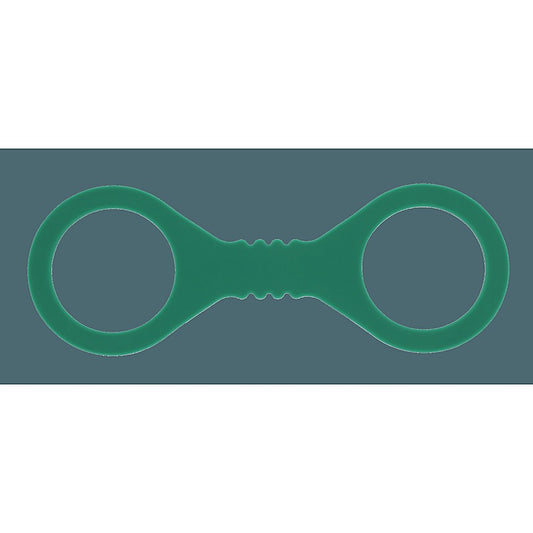
Indica Silicone Cuffs by SportsheetsSex & Mischief Indica Silicone Bondage Hand Cuffs in emerald green are stretchy, body-safe silicone restraints designed for wrist and ankle restraint during light bondage play. Available in Small and Large sizes, these cuffs slip on instantly without buckles or fasteners, delivering quick restraint...
- From $24.99
$29.99- From $24.99
- Unit price
- per
-
Comfortable Printed Hand Cuffs by Shots ToysShots Toys Comfortable Printed Hand Cuffs are bonded leather wrist restraints with adjustable velcro fastening and metal hardware. Measuring 1.97 inches wide with a 0.79-inch thickness, they fit snugly around wrists without pinching. The waterproof, phthalate-free construction supports solo restraint play or partnered bondage...
- $34.99
$39.99- $34.99
- Unit price
- per
-
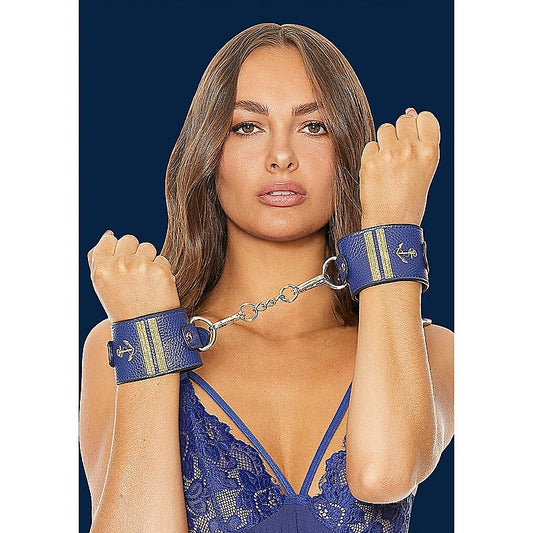
Sailor Theme Bondage Wrist Cuffs by Shots Toys - BlueShots Toys Sailor Theme Bondage Wrist Cuffs are adjustable restraint cuffs designed for wrist bondage and roleplay. Measuring 13.39 inches long with 70% PU and 30% neoprene construction, they feature gold-toned metal hardware with adjustable buckles for custom fit. The waterproof, phthalate-free design suits...
- $44.99
$49.99- $44.99
- Unit price
- per
-
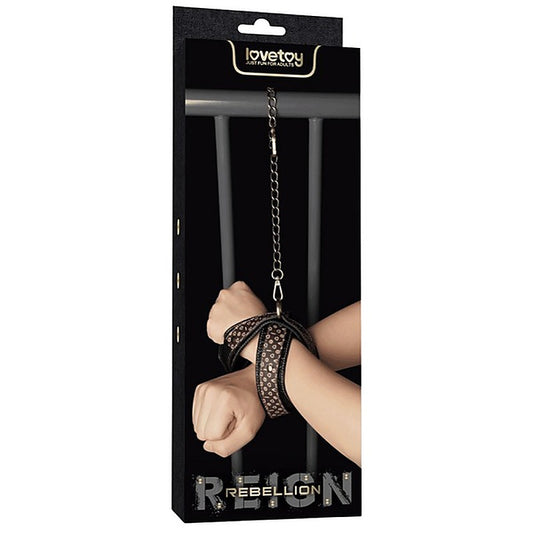
Crossed Handcuffs Restraints by LovetoyLovetoy Crossed Shaped Design Fetish Handcuffs is a premium restraint set featuring cross-shaped PU wrist cuffs with velcro adjustment spanning 12–15.5 inches circumference and a 14.5-inch bronze chain connector. The cuffs measure 18 inches long by 1.57 inches wide with embedded bronze hardware for...
- $59.99
$69.99- $59.99
- Unit price
- per
-
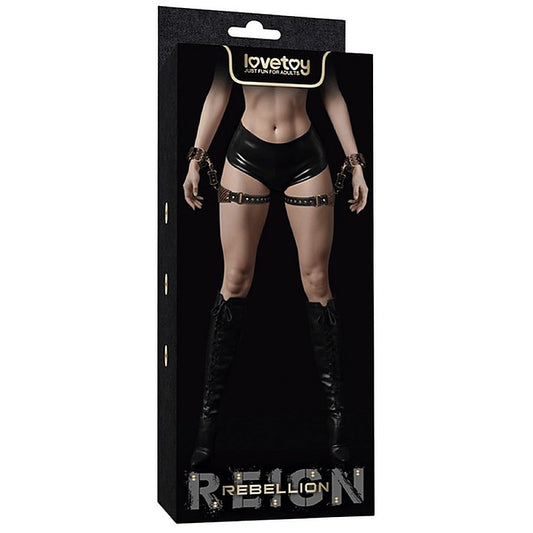
Thigh Cuffs Set by LovetoyLovetoy Premium PU Leather BDSM Thigh Cuffs Set is a dual-restraint system featuring adjustable thigh and wrist cuffs with integrated connection clips. Thigh cuffs expand from 16 to 27 inches circumference while handcuffs adjust from 7.8 to 10 inches. Made from premium PU leather...
- $99.99
$109.99- $99.99
- Unit price
- per
-
Heavy Metal Handcuffs Restraints Silver by Lovetoy - SilverLovetoy Heavy Metal BDSM Play Unisex Handcuffs is a zinc alloy restraint accessory featuring dual unlock mechanisms and 327-gram weight for power exchange play. The 8.66-inch chain allows moderate separation while skull keys or a side slider mechanism provide flexible release control. Premium PU...
- $89.99
$99.99- $89.99
- Unit price
- per
-
Wrist to Thigh Cuff Set by Chisa - BlackChisa Soft and Sturdy Wrist to Thigh Cuff Set is a four-piece polyurethane restraint system designed for bondage exploration. Each cuff measures approximately 3 inches wide with adjustable velcro closures fitting wrists and thighs. The soft PU material provides comfort during extended wear while...
- $69.99
$79.99- $69.99
- Unit price
- per
-
Fetish Full Body Harness With Double Cuffs by BDStyleBDStyle Fetish Full Body Harness With Double Cuffs is a comprehensive restraint system combining full-body strapping with detachable wrist and ankle cuffs. Featuring adjustable buckle fastenings across chest, waist, hips, and legs, it accommodates diverse body proportions from petite to plus-sized frames. The integrated...
- $69.99
$74.99- $69.99
- Unit price
- per
-
Sex Position Master with Restraint Cuffs by BDStyle - BlackBDStyle Sex Position Master with Restraint Cuffs is a padded position support system with integrated restraint functionality designed for couples exploring power exchange dynamics. Featuring adjustable nylon tethers, faux fur ankle cuffs, and neoprene wrist cuffs, it accommodates diverse body types and flexibility levels....
- $54.99
$59.99- $54.99
- Unit price
- per
-
Wild Roses Wrist Cuffs by Scala - BlackScala TABOOM Wild Roses Bondage Wrist Cuffs Set combines romantic aesthetics with genuine restraint functionality through real leather rose embellishments and premium faux leather construction. Each cuff features adjustable sizing, sturdy metal clips for secure attachment, and arrives in luxury storage packaging. The three-dimensional...
- $84.99
$104.99- $84.99
- Unit price
- per
-
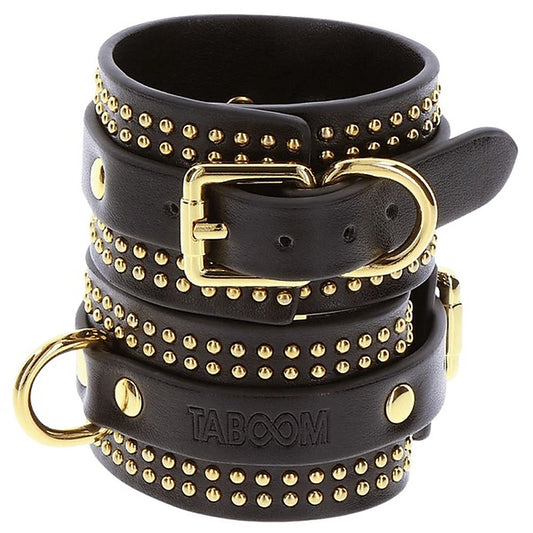
Studded Wrist Cuffs Set by Scala - BlackScala Taboom Studded Wrist Cuffs Set is a vegan leather bondage restraint featuring gold stud embellishments and adjustable sizing for secure wrist fit. The black leather construction with gold-tone hardware creates visual impact suitable for BDSM scenes or alternative fashion styling. These cuffs deliver...
- $74.99
$94.99- $74.99
- Unit price
- per
-
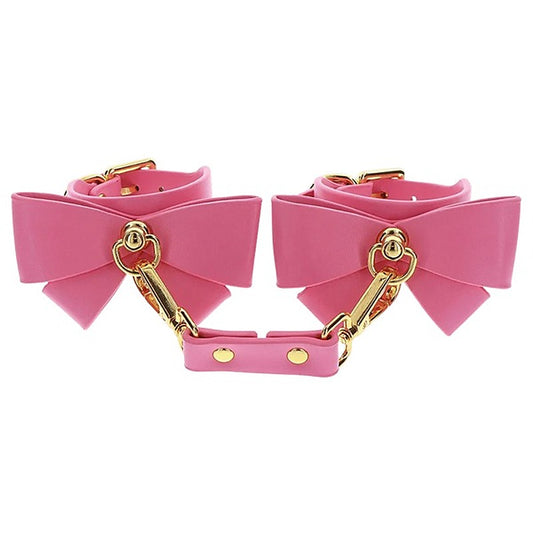
Wrist Cuffs Pink by Scala - PinkScala Vegan PU Leather BDSM Play Wrist Cuffs are soft pink restraints designed for bondage play and alternative fashion styling. Featuring gold-plated hardware and decorative bow accents, these adjustable cuffs accommodate various wrist sizes while maintaining secure engagement. The vegan leather construction appeals to...
- $74.99
$94.99- $74.99
- Unit price
- per
-
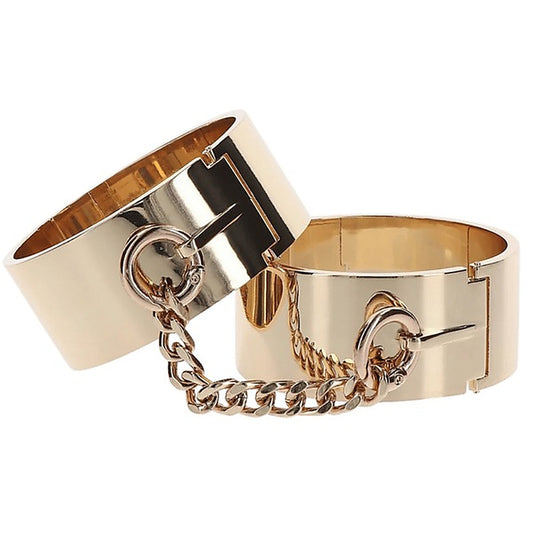
Slave Wrist Cuffs by Scala - GoldScala Taboom Gold Metal Slave Wrist Cuffs are rose gold-plated metal restraints designed for bondage and statement wear. Featuring solid metal construction with a polished finish, these fixed-sizing cuffs deliver genuine restriction and weigh approximately 150g per pair. The rose gold aesthetic transitions seamlessly...
- $99.99
$124.99- $99.99
- Unit price
- per
-
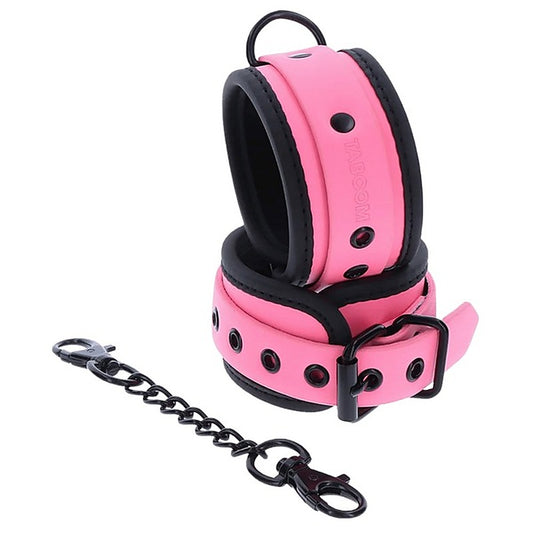
Glow Wrist Cuffs by Scala - PinkScala Taboom Glow In the Dark Wrist Cuffs are vegan leather restraint cuffs featuring photoluminescent material that radiates ethereal illumination in darkness. The adjustable sizing accommodates various wrist dimensions, while solid metal hardware ensures reliable restraint capability. These cuffs charge under normal lighting and...
- $64.99
$79.99- $64.99
- Unit price
- per
-
D-Ring Collar and Wrist Cuffs by Scala - RedScala Taboom D-Ring Collar and Wrist Cuffs is a three-piece vegan leather restraint set featuring coordinated D-rings that accept wrist cuff clips directly. The collar and adjustable cuffs create secure hands-at-throat positioning without additional hardware. Built from high-quality vegan leather with welded metal D-rings,...
- $94.99
$119.99- $94.99
- Unit price
- per
-
Wrist Cuffs Red by Scala - RedScala Luxurious and Fashionable TABOOM Wrist Cuffs are premium vegan leather restraint cuffs designed for both bondage play and high-fashion accessory wear. Measuring adjustable to fit most wrists, they feature solid metal hardware with secure clip connections and reinforced stitching at stress points. The...
- $69.99
$84.99- $69.99
- Unit price
- per
-
Wrist Cuffs Black by Scala - BlackScala High Quality Adjustable Taboom Wrist Cuffs are vegan leather restraint cuffs featuring plush velvet interior lining and adjustable buckle closures. The cuffs accommodate wrist sizes from petite to large with solid metal D-rings and clips for secure attachment to bondage gear or furniture....
- $69.99
$84.99- $69.99
- Unit price
- per
-
Glow In Dark Bondage Wrist Cuffs by Love In LeatherLove In Leather Glow In Dark Bondage Wrist Cuffs are photoluminescent restraint accessories featuring 5-centimeter width with premium black PU construction and velveteen lining. The photoluminescent center strap and edging charge in 10 minutes sunlight or 20-25 minutes indoor light, producing hours of ethereal...
- $49.99
$59.99- $49.99
- Unit price
- per
-
Silver Tip Leather Wrist Cuffs by Love In LeatherLove In Leather Silver Tip Leather Wrist Cuffs are premium restraint accessories featuring soft padded leather construction with rotating toggle D-rings and distinctive silver metal tips. The adjustable fit ranges from 15 to 21 centimeters with a 15-centimeter double clip chain connection. These cuffs...
- $39.99
$49.99- $39.99
- Unit price
- per
-
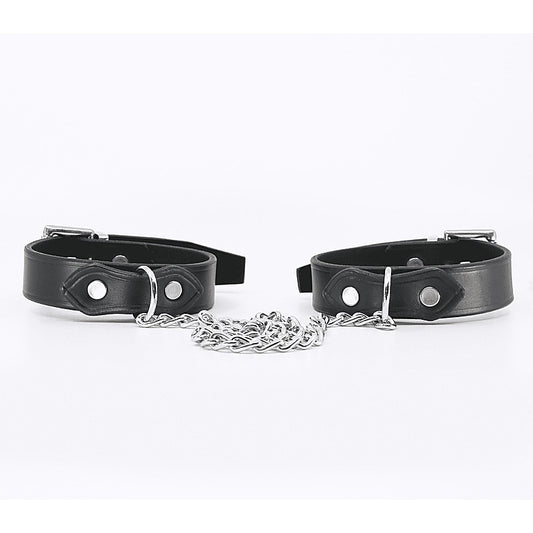
Woven Chain Link Wrist Cuffs by Love In LeatherLove In Leather Woven Chain Link Wrist Cuffs are professional restraint accessories combining woven leather and detachable 16-centimeter chain connection. Each cuff features a center D-ring for versatile attachment points, buckle closure with keeper system, and coordinated matching pieces for comprehensive restraint systems. These...
- $39.99
$49.99- $39.99
- Unit price
- per
-
Premium Faux Leather Wrist Cuffs by Love In LeatherLove In Leather Premium Faux Leather Wrist Cuffs are padded restraint accessories featuring blue faux suede exteriors with black lining and gold-toned hardware. Each cuff measures approximately 2.5 inches wide with strategic cushioning throughout, buckle closure with keeper strap, and vegan-friendly construction. These cuffs...
- $39.99
$49.99- $39.99
- Unit price
- per
-
Adjustable Spreader Bar With Cuffs by Love In LeatherLove In Leather Adjustable Spreader Bar with Cuffs is a black metal restraint system with extending length from 45 to 63 centimeters, featuring premium leather cuffs with pivoting mechanisms and lockable buckle closures. The wing nut and thumb screw adjustment allows incremental positioning modifications,...
- $89.99
$104.99- $89.99
- Unit price
- per
-
BDSM Play Metal Spreader Bar by Love In LeatherLove In Leather BDSM Play Metal Spreader Bar is a 50-centimeter restraint system featuring lightweight metal alloy construction with adjustable vegan leatherette cuffs. The bar includes lockable security with padlocks, professional 5-centimeter O-rings, and 2-centimeter dee rings for versatile wrist and ankle positioning. It...
- $54.99
$64.99- $54.99
- Unit price
- per
-
Bondage Play Wrist To Neck Shackle by Love In LeatherLove In Leather Bondage Play Wrist To Neck Shackle is a dual-restraint system crafted from premium Italian leather with a 51-centimeter chain connecting wrist and neck attachment points. The one-inch width straps feature edge-dyed finishes and professional-grade buckle closures with dee rings. It suits...
- $94.99
$109.99- $94.99
- Unit price
- per
-
Heavyweight Silicone Wrist Cuffs by Love In LeatherLove In Leather Heavyweight Silicone Wrist Cuffs are professional-grade restraint cuffs constructed from medical-grade silicone. Measuring 36cm end-to-end with 5.5cm width and adjustable fit from 18.5cm to 29cm, they accommodate diverse wrist sizes. The 30cm double snap chain enables positioning versatility, while chrome hardware...
- $49.99
$59.99- $49.99
- Unit price
- per
-
BDSM Hand Cuffs With Coloured Hardware by Love In Leather - GoldLove In Leather BDSM Hand Cuffs With Coloured Hardware are premium padded flat leather restraints featuring adjustable 37cm length with 6.5cm width and fit range of 18.5cm to 29.5cm. Three hardware finish options—gold, rose gold, or pewter—enable personalized aesthetic expression. The 22cm double snap...
- $99.99
$114.99- $99.99
- Unit price
- per
-
Padded Faux Leather Wrist Cuffs by Love In LeatherLove In Leather Padded Faux Leather Wrist Cuffs are professional-grade bondage restraints constructed from grain-effect vegan leather with soft lining and light padding. Measuring 31.5cm end to end with 5.5cm width, they feature matte black buckle closures and a detachable 14.5cm chain for flexible...
- $54.99
$64.99- $54.99
- Unit price
- per
-
Diamante Bitch Fluffy Wrist Restraints by Love In Leather - BlackLove In Leather Diamante Bitch Fluffy Wrist Restraints are leather wrist restraints featuring hand-set diamanté crystal lettering and plush fluffy material. Measuring 29.5cm end-to-end with 5cm width, they offer Velcro closure for instant adjustment and include a double-ended chain with snap connectors. Available in...
- $39.99
$49.99- $39.99
- Unit price
- per
-
Fluffy Diamante Slut Wrist Restraints by Love In LeatherLove In Leather Fluffy Diamante SLUT Wrist Restraints are luxury restraint cuffs designed for empowered BDSM play. Measuring 29.5cm end-to-end with 5cm width, they feature hand-set diamanté crystals spelling "SLUT" across genuine leather with cloud-soft fluffy padding. Industrial Velcro closures adjust infinitely, while the...
- $39.99
$49.99- $39.99
- Unit price
- per
-
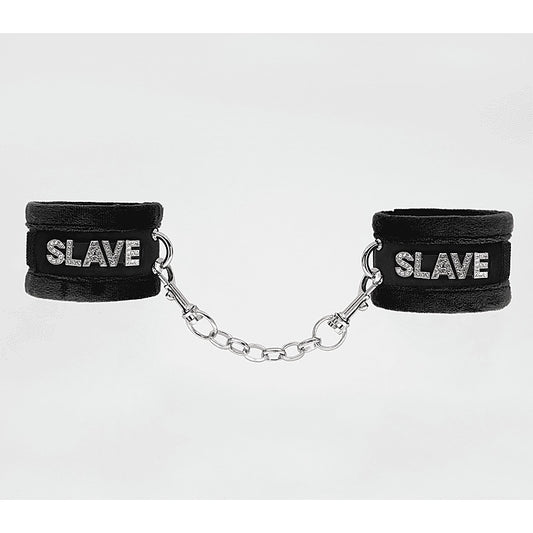
Fluffy Diamante Slave Hand Cuffs by Love In Leather - BlackLove In Leather Fluffy Diamante SLAVE Hand Cuffs are restraint handcuffs featuring genuine leather strapping embellished with hand-set diamanté crystals spelling "SLAVE." Measuring 29.5cm end-to-end with 5cm width, they include fluffy padding, Velcro closures, and a double-ended chain with snap connectors. Available in black,...
- $39.99
$49.99- $39.99
- Unit price
- per
-
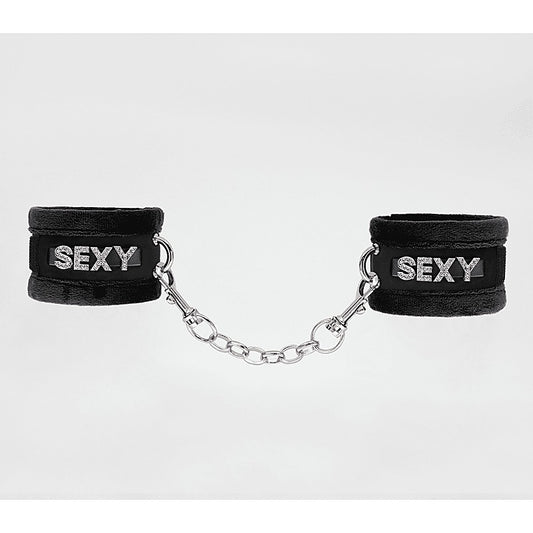
Fluffy Diamante Sexy Wrist Cuffs by Love In Leather - BlackLove In Leather Fluffy Diamante SEXY Wrist Cuffs are restraint accessories featuring plush low-pile material with hand-set diamanté crystals spelling "SEXY" across genuine leather strapping. Measuring 29.5cm end-to-end with 5cm-wide cuffs, they adjust via Velcro closure and include a double-ended chain with snap connectors....
- $39.99
$49.99- $39.99
- Unit price
- per
-
Soft Grained Leather Wrist Cuffs by Love In LeatherLove In Leather Soft Grained Leather Wrist Cuffs are handcrafted restraint accessories made from premium Italian leather in Brisbane. Measuring 5cm end-to-end with 5.5cm width per cuff, they feature nickel-plated hardware and a secure buckle closure system. The single-ended snap join with dee ring...
- $94.99
$109.99- $94.99
- Unit price
- per
-
Sheepskin Lined Leather Wrist Cuffs by Love In LeatherLove In Leather Sheepskin Lined Leather Wrist Cuffs are premium restraint accessories combining Italian leather with Australian sheepskin lining. The 5.5cm width and 50cm chain connection enable versatile bondage positioning while the sheepskin interior regulates temperature and prevents moisture buildup. These handcrafted Brisbane-made cuffs...
- $109.99
$129.99- $109.99
- Unit price
- per
-
Light Sheepskin Lined Hand Cuffs by Love In LeatherLove In Leather Light Sheepskin Lined Hand Cuffs are refined restraint equipment combining Italian leather with Australian sheepskin lining. At 5.5cm wide and 32cm end-to-end, they deliver secure restraint with enhanced comfort for extended sessions. Nickel-plated chrome hardware and detachable snap joins enable versatile...
- $94.99
$109.99- $94.99
- Unit price
- per
-
Sheepskin Lined Bondage Wrist Cuffs by Love In LeatherLove In Leather Sheepskin Lined Bondage Wrist Cuffs are premium restraint cuffs combining Italian leather with Australian sheepskin lining. The 7cm width distributes pressure evenly across wrists, while nickel-plated hardware ensures durability. Natural sheepskin regulates temperature and wicks moisture during extended sessions. Handcrafted in...
- $109.99
$129.99- $109.99
- Unit price
- per
-
Classic Unlined Leather Handcuffs by Love In LeatherLove In Leather Classic Unlined Leather Handcuffs are premium bondage restraints crafted from authentic Italian leather with a fixed 52cm chain connection. The unlined construction provides direct skin contact for psychological reinforcement, while nickel-plated chrome hardware ensures durability through intensive power exchange scenarios. These...
- $69.99
$84.99- $69.99
- Unit price
- per
-
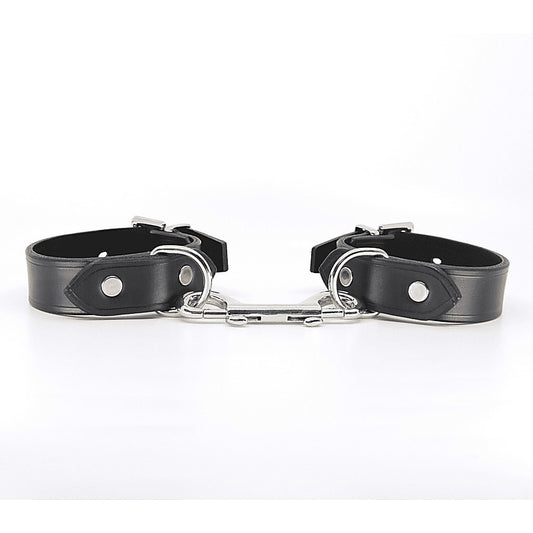
Unlined Leather Wrist Restraints by Love In LeatherLove In Leather Unlined Leather Wrist Restraints are handcrafted bondage cuffs made from premium edge-dyed Italian leather. Each 32.5cm cuff measures 1 inch wide and features detachable double-ended snaps for multiple configurations. Handmade in Brisbane with nickel-plated chrome hardware, these restraints suit serious practitioners...
- $59.99
$69.99- $59.99
- Unit price
- per
-
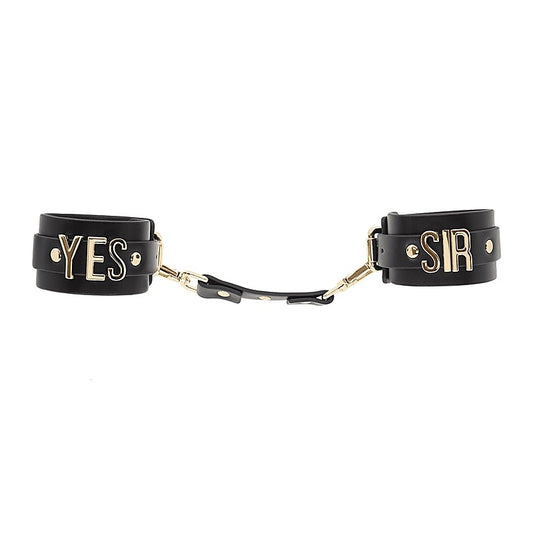
Yes Sir Faux Leather Wrist Cuffs by Love In Leather - GoldLove In Leather Yes Sir Faux Leather Wrist Cuffs are statement restraints designed for power exchange dynamics. At 28 cm long with a 4 cm width, these cuffs feature bold "YES SIR" lettering and gold tone hardware. The faux leather construction accommodates wrist circumferences...
- $59.99
$69.99- $59.99
- Unit price
- per
-
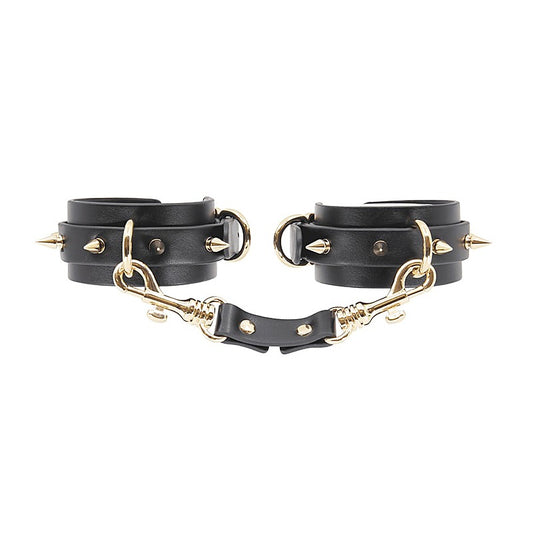
Spiked Faux Leather Wrist Cuffs by Love In Leather - GoldLove In Leather Spiked Faux Leather Wrist Cuffs are restraint cuffs designed for power exchange play, featuring ½-inch metal spikes and premium faux leather construction. Measuring 31.5 cm long with adjustable fit from 17.5 to 26 cm wrist circumference, they include a ¾-inch centre...
- $59.99
$69.99- $59.99
- Unit price
- per
-
Shaped BDSM Play Wrist Cuffs by Love In Leather - GoldLove In Leather Shaped BDSM Play Wrist Cuffs are anatomically contoured restraints designed for extended bondage wear. Measuring 28.5 cm long with a 4.5 cm width, they adjust from 17.5 to 24 cm wrist circumference. Premium faux leather construction with gold or rose gold...
- $59.99
$69.99- $59.99
- Unit price
- per
-
Double Straps Bondage Cuffs by Love In Leather - GoldLove In Leather Double Straps Bondage Cuffs are premium wrist restraints featuring an innovative dual-strap closure system with rotating centre dee rings. Measuring 28 cm long by 4 cm wide with adjustable fit from 15.5 cm to 22.5 cm, these faux leather cuffs deliver...
- $59.99
$69.99- $59.99
- Unit price
- per
VISIT XVIDEO FOR ADULT DVDS



Vibrating Double Penetrator with Remote by Passion Play
- Black
Passion Play Double Penetrator with Remote is a dual-chamber vibrator with 21 low-frequency patterns designed for internal male stimulation. Measuring 14.5 cm insertable length and 3 cm width, it delivers steady, deep vibrations via wireless remote control from up to 8 metres away. Made...
- $69.99
$74.99- $69.99
- Unit price
- per
Men 10 Mode Vibrating Rabbit Cock Ring by Ashella
- Black
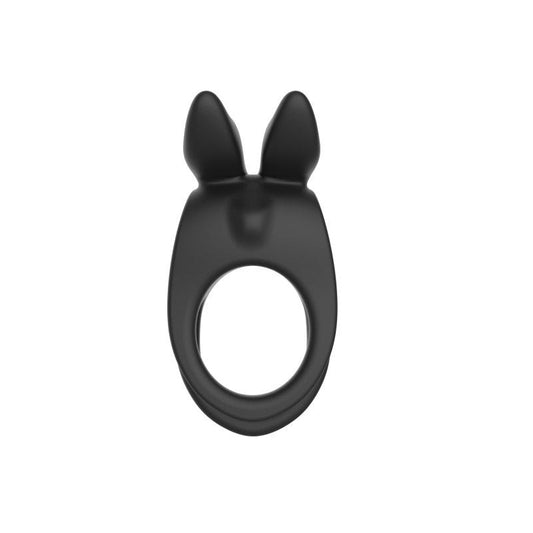
Ashella Men 10 Mode Vibrating Rabbit Cock Ring is a dual-ring vibrator designed for partnered stimulation and performance enhancement. Measuring 45.2 x 91.1 x 43.1mm with 10 vibration modes across 3 speed settings, it combines a supportive shaft and ball ring with external bunny...
- $34.99
$39.99- $34.99
- Unit price
- per
Men 10 Mode Vibrating Sling Ring by Ashella
- Black
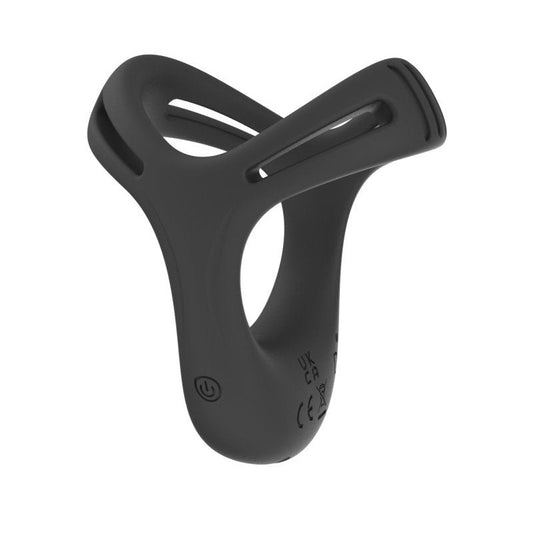
Ashella Men 10 Mode Vibrating Sling Ring is a vibrating cock ring designed for enhanced support and dual-partner stimulation. Featuring 10 vibration modes across 3 speed settings, this silicone ring stretches to secure both shaft and balls for extended performance. At 63 x 55.5...
- $34.99
$39.99- $34.99
- Unit price
- per
















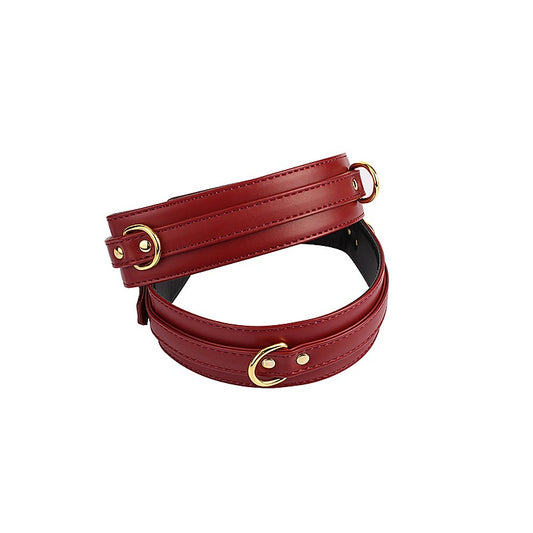

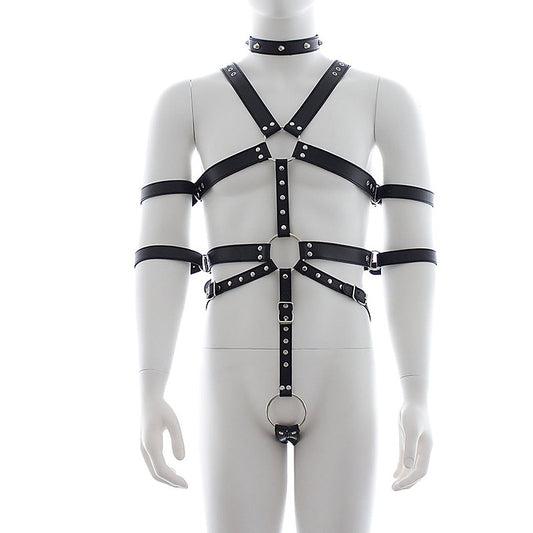

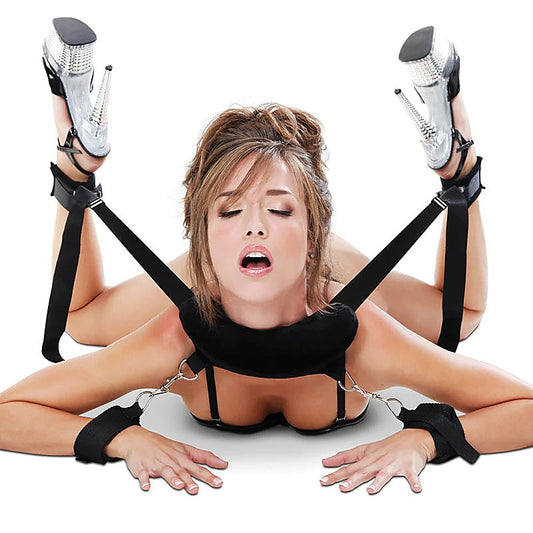

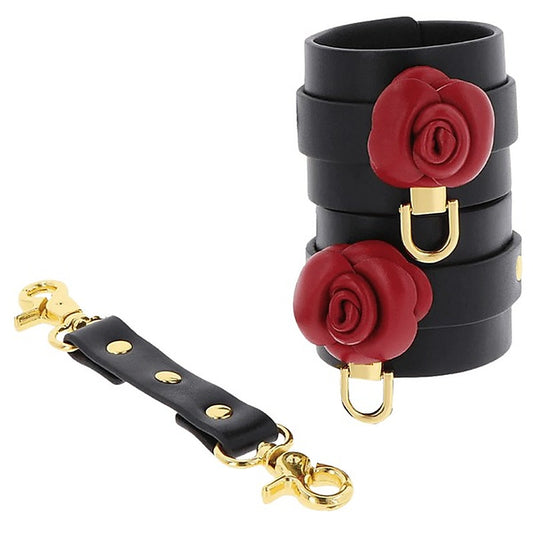





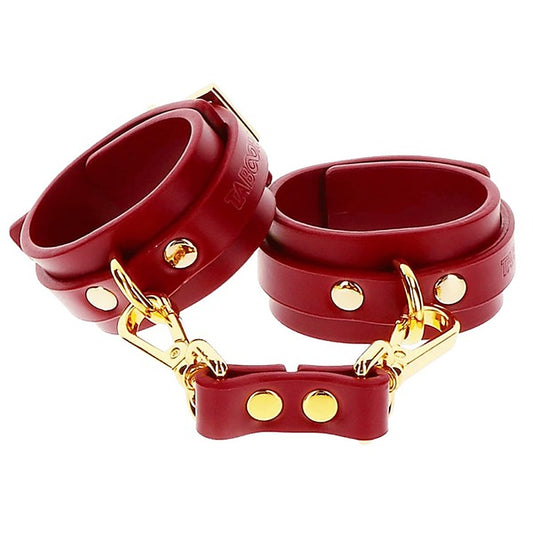

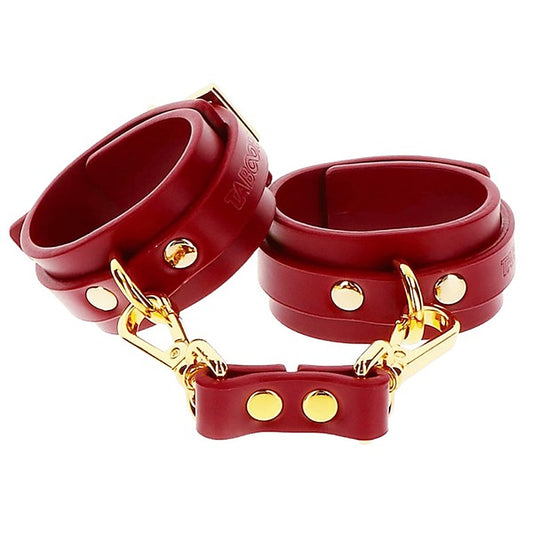

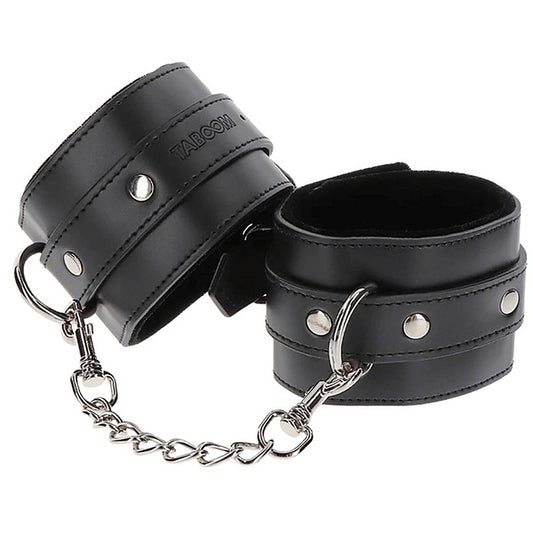

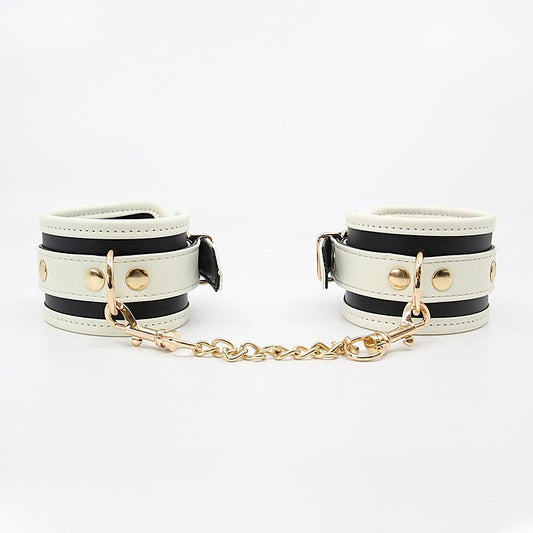

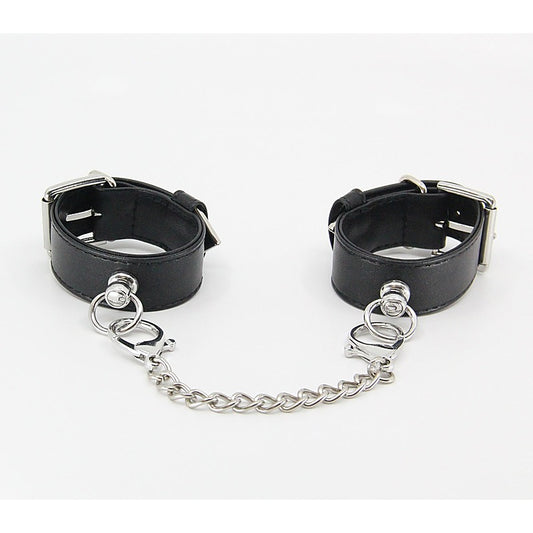

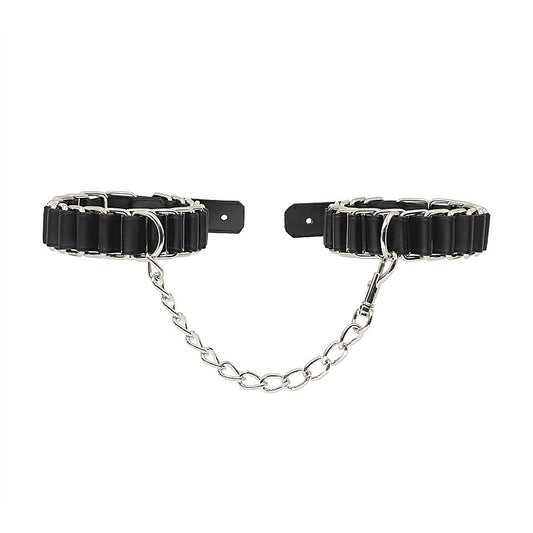

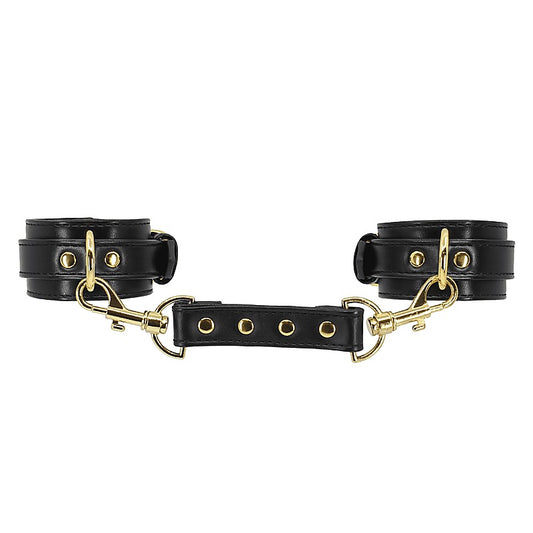

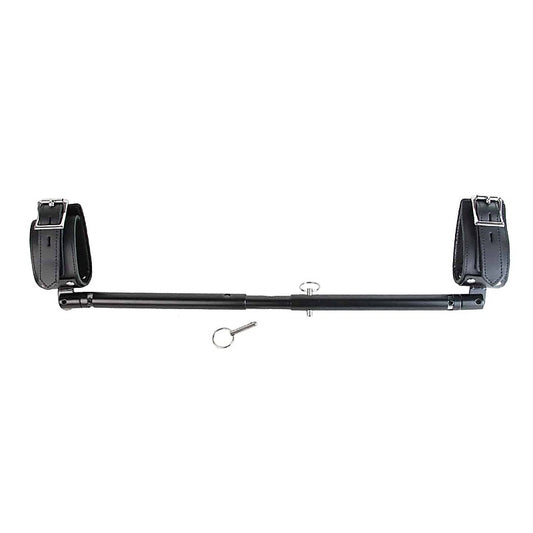

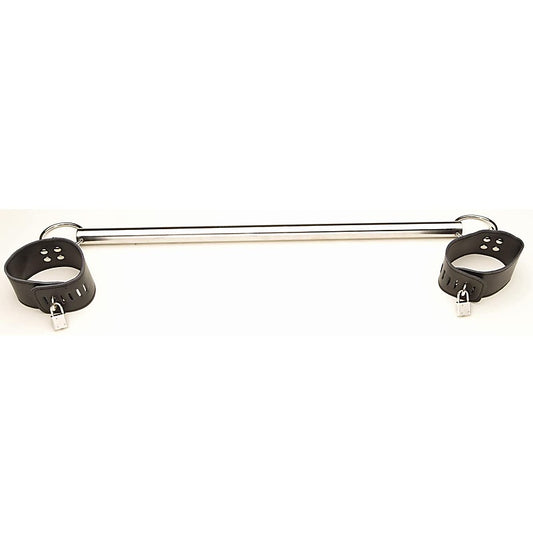


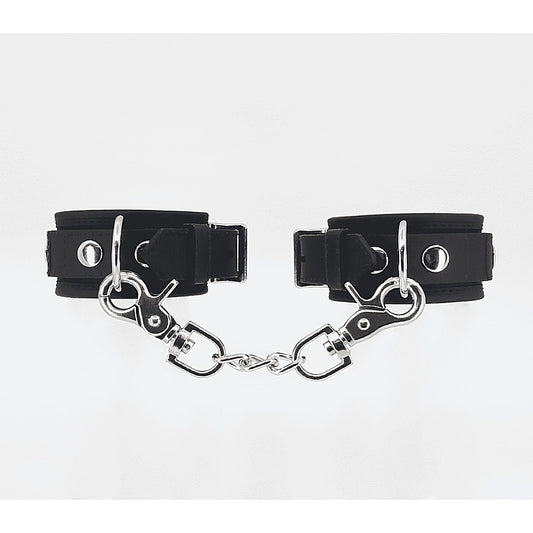

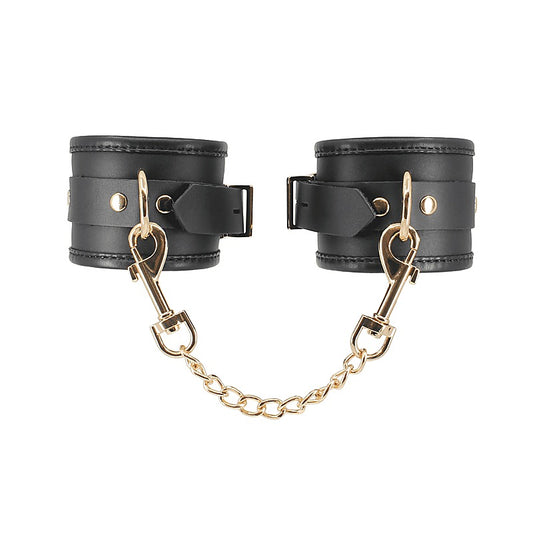

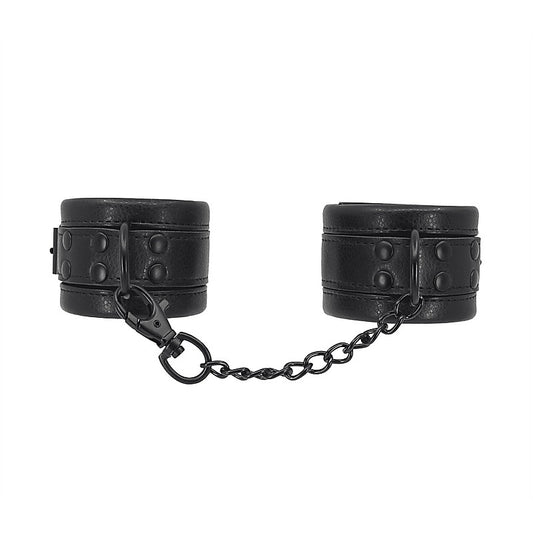




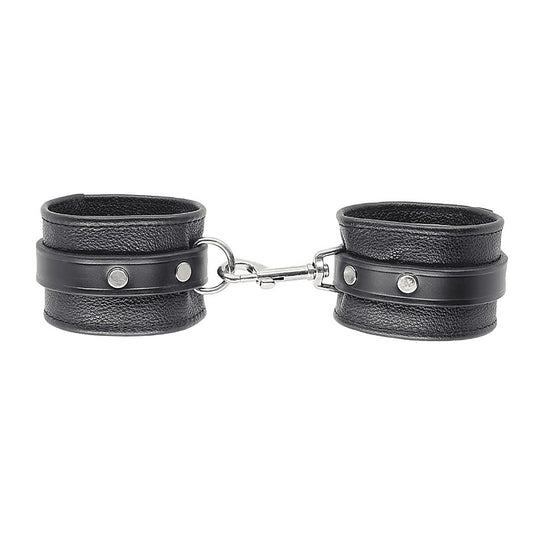


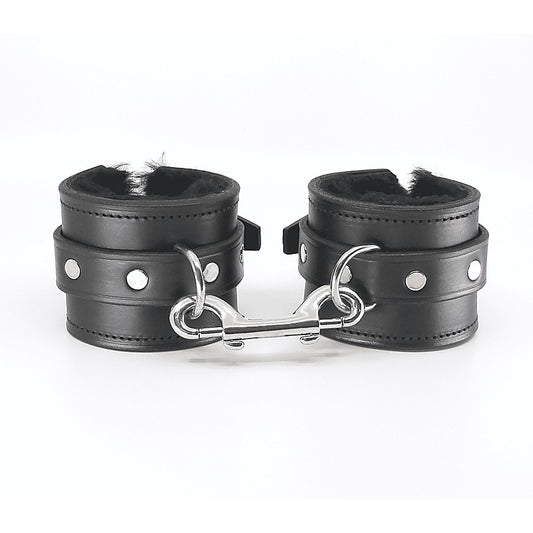





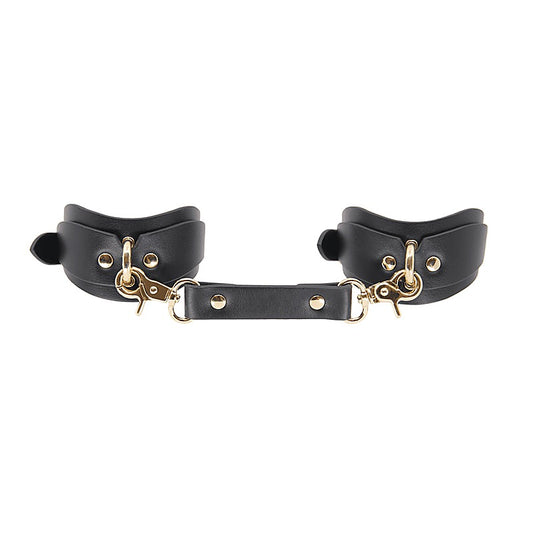

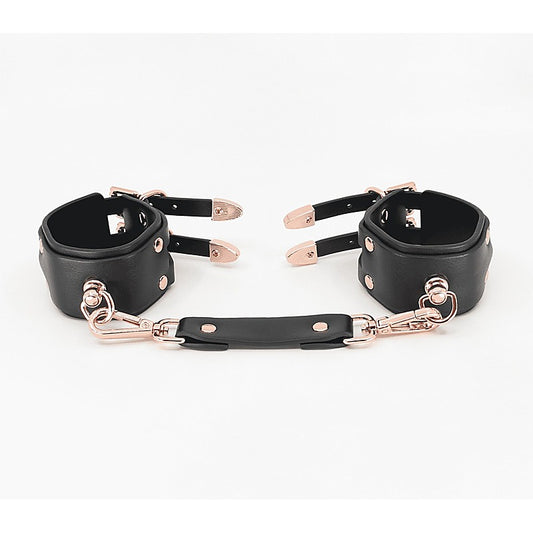

Handcuffs are wrist restraints made from metal, leather, or padded fabric, designed to lock the wrists during BDSM or power-exchange play. They range from soft, beginner-friendly cuffs to rigid metal restraints for experienced players seeking intensity and control.
At a glance
|
🚚 Plain, discreet packaging • 🔒 Discreet billing • 🔁 Hygiene-conscious returns |
About Handcuffs
Handcuffs are wrist restraints built to lock partners in place during BDSM scenes or intimate power play. They're made from durable metal, soft leather, or padded fabric—each material offering different levels of comfort and intensity. Metal cuffs deliver a bold, secure feel; leather and padded options suit longer sessions and sensitive skin. Bondage Handcuffs come in adjustable sizes to fit most wrists and feature either lockable closures for control or quick-release mechanisms for safety and ease.
These restraints work for anyone curious about power dynamics—from couples trying BDSM for the first time to experienced players building complex scenes. Beginners often start with padded fabric or leather and quick-release closures; seasoned users may prefer metal with locks for a more intense experience. They pair easily with other bondage gear and suit both solo exploration and partnered play.
What makes Handcuffs different
Handcuffs focus on wrist control, offering a direct way to explore power exchange without the complexity of full-body restraint systems. Unlike rope or broader Restraint Systems, they lock quickly, require minimal setup, and work for players at any skill level. Their adjustable fit and choice of materials make them accessible to beginners while still delivering the intensity experienced players seek.
Types of Handcuffs
Handcuffs come in several styles, each suited to different comfort levels and play styles:
Padded fabric cuffs. Soft, cushioned interiors reduce wrist pressure during longer scenes. These suit beginners and anyone prioritising comfort over intensity.
Leather cuffs. Durable and stylish, leather balances comfort with a classic BDSM aesthetic. They work well for both short scenes and extended wear, and pair naturally with Lingerie for a complete look.
Metal handcuffs. Steel or aluminium cuffs deliver a bold, secure feel and lock firmly for intense control play. They suit experienced players seeking durability and an authentic restraint experience.
Quick-release cuffs. Feature snap or velcro closures for instant removal, prioritising safety and ease. Ideal for first-timers or anyone nervous about being restrained.
How they compare
| Item | Material | Best for | Skill level | Notes |
|---|---|---|---|---|
| Padded fabric cuffs | Neoprene or cotton blend with foam padding | Comfort during extended scenes | Beginner to intermediate | Quick-release or velcro; minimal pressure on skin |
| Leather cuffs | Genuine or faux leather | Aesthetic appeal and durability | Beginner to advanced | Lockable or quick-release options; ages well with care |
| Metal handcuffs | Stainless steel or aluminium | Intensity and authentic restraint feel | Intermediate to advanced | Lockable with keys; heavier weight; requires care to prevent chafing |
| Adjustable locking cuffs | Leather with metal hardware | Secure fit for various wrist sizes | All levels | Lockable closure; padded interior; versatile for couples and solo play |
How to choose a handcuff
Start by thinking about your experience level and what you want from the experience. Beginners should lean toward padded fabric or leather with quick-release closures—they're forgiving if you panic or change your mind. Check that the cuffs adjust to fit your wrists snugly without cutting off circulation. Metal cuffs suit players who've done bondage before and want a secure, intense feel; they're heavier and require more care but deliver that authentic restraint sensation.
Consider how long you'll wear them. Padded cuffs excel during extended scenes; metal can pinch after an hour or two without padding underneath. Think about whether you want a lockable closure (for power play) or quick-release (for safety and peace of mind). Pair your choice with complementary gear—rope, collars, or Womens Lingerie can build out a full scene. Always prioritise comfort and have a safe word in place before play begins.
Tips from the Adultsmart team
Hard-won pointers from the Adultsmart team, alongside our panel of sexologists, educators, and adult-industry contributors. Meet our experts →
After years of helping customers with handcuffs, we've noticed most people underestimate how important adjustability is. Wrists vary in size, and cuffs that are too loose slip off during play while tight ones restrict blood flow and cause numbness. Always try them on before buying if you can, or measure your wrist and check the sizing chart carefully. A good fit should let one finger slide underneath comfortably when fastened.
The most common mistake we see is pairing the wrong closure type with the wrong experience level. Quick-release cuffs are not a sign of weakness—they're smart safety. If you're new to restraint or playing with a partner you don't fully trust yet, quick-release removes the anxiety of being trapped. You can always upgrade to locks once you're confident. Metal cuffs look dramatic, but they conduct temperature and can feel shocking against skin; padded versions offer the same control with less intimidation.
Never leave someone restrained alone, even for a moment. We've had customers share stories of panic, dropped keys, or forgotten safe words—all preventable with a partner present and attentive. Establish your safe word before play starts and agree on a non-verbal signal too (a dropped object, for instance) in case speech becomes difficult. Check in during and after scenes, and always remove cuffs gently, inspecting wrists for marks or irritation.
| Please read — safety first. Charge only with the supplied cable and keep the charging port dry unless the sex toy is waterproof-rated. Pair and update through the official app, and switch the device off fully between sessions so the motor and battery aren't left under load. Never share between partners, or between anal and vaginal use, without cleaning the item first or using a fresh condom. This information is general in nature only and is not medical advice; it does not account for your individual circumstances. If you have a relevant health condition or experience any persistent discomfort, discontinue use and seek advice from a qualified medical professional. |
Care and cleaning
Clean your handcuffs after each use with warm soapy water and dry thoroughly. Padded fabric cuffs can be spot-cleaned or hand-washed gently; avoid the washing machine. Leather benefits from occasional conditioning to prevent cracking; use a leather balm designed for BDSM gear. Metal cuffs should be dried immediately to prevent rust or water spots. Store all cuffs in a cool, dry place away from direct sunlight, and keep locks lubricated with a light silicone spray if they become stiff.
Learn more
Handcuffs are a cornerstone of BDSM play, and there's always more to discover about how to use them safely and confidently. Read our guide on Excite Sex Play With Handcuffs for detailed tips on scenes, safety, and how to build intensity as you grow more experienced.
Why shop Handcuffs at Adultsmart
Ready to find the right one for how you play? Browse our full range of handcuffs at Adultsmart and choose from beginner-friendly padded cuffs to intense metal restraints. We deliver in discreet packaging with confidential billing so your order stays private. Australia's adult lifestyle specialists, helping you buy with confidence.
Handcuffs FAQ
What are bondage cuffs and restraints, and how are they used?
Bondage cuffs and restraints are tools used in BDSM play to restrict a person’s movement by securing their wrists, ankles, or other body parts. They come in various forms, such as soft leather cuffs, Velcro restraints, metal handcuffs, and spreader bars. Cuffs are typically secured with buckles, Velcro, or padlocks, and can be attached to furniture, ropes, or each other, depending on the desired level of restraint. These devices are used to explore power dynamics, submission, or simply to heighten the sexual experience by limiting freedom of movement, allowing for control or teasing in a consensual setting.
How do I introduce bondage cuffs into my relationship?
Introducing bondage cuffs into a relationship requires open communication and mutual consent. Start by having a conversation with your partner about your interest in bondage play, discussing boundaries, limits, and any concerns they may have. Begin with soft, beginner-friendly cuffs that are easy to use and remove, such as Velcro or padded leather cuffs. Use them in a playful, low-pressure setting to ease into the experience. It’s important to establish safe words or signals to ensure both partners feel safe and comfortable. Gradually explore more advanced cuffs and scenarios as you both become more comfortable with bondage play, keeping communication and trust at the forefront.
What types of bondage cuffs and restraints are available?
There are several types of bondage cuffs and restraints available, each suited for different preferences and levels of experience. Leather cuffs are popular for their durability and comfort, offering a more luxurious feel. Velcro cuffs are soft, adjustable, and beginner-friendly, making them ideal for those new to bondage. Metal handcuffs provide a more intense, traditional experience but can be less comfortable for long-term wear. Rope restraints offer versatility and can be tied in various ways, while spreader bars hold the limbs apart, limiting mobility. Some restraints come with additional features, like built-in locks or D-rings, for attaching to other bondage equipment.
Are bondage cuffs safe to use for beginners?
Yes, bondage cuffs are generally safe for beginners when used correctly. It’s important to choose soft, beginner-friendly cuffs, such as those made from leather or Velcro, as they are comfortable and easy to adjust. Avoid making the cuffs too tight, as this can restrict blood flow or cause discomfort. Beginners should start with simple wrist or ankle restraints, ensuring they have an easy release mechanism, like Velcro, for quick removal if necessary. It’s also a good idea to agree on a safe word or signal with your partner to ensure clear communication during play. As with all BDSM activities, consent and comfort should always be the priority
What is the difference between handcuffs and bondage cuffs?
The main difference between handcuffs and bondage cuffs lies in their material and comfort level. Handcuffs are typically made of metal and offer a more rigid and firm restraint, often associated with police-style cuffs. They provide a stronger sense of confinement but can be uncomfortable for prolonged use due to their hard structure. Bondage cuffs, on the other hand, are usually made from softer materials like leather, neoprene, or faux fur, providing a more comfortable experience. They are adjustable, often padded, and designed for longer wear, making them ideal for extended BDSM sessions or beginners.
Can bondage cuffs be used with other BDSM equipment?
Yes, bondage cuffs are often designed to be compatible with other BDSM equipment, enhancing the versatility and range of play. Most cuffs feature D-rings or other attachment points that allow them to be connected to ropes, chains, or bondage furniture. They can also be used with spreaders, which keep the arms or legs apart, or attached to restraint systems like bed straps. Some cuffs come with built-in locks or can be padlocked to other equipment for added security and control. When combining cuffs with other BDSM gear, it’s important to ensure everything is securely fastened and comfortable for both partners.
How do I clean and maintain bondage cuffs and restraints?
The cleaning and maintenance of bondage cuffs depend on the material they’re made from. Leather cuffs should be wiped clean with a damp cloth and treated with a leather conditioner to keep them soft and prevent cracking. Velcro cuffs and neoprene cuffs can usually be cleaned with mild soap and water, then air-dried. Metal handcuffs should be wiped down with a disinfectant or a damp cloth after use. Always store cuffs in a cool, dry place to prevent moisture damage or mold, and regularly inspect them for signs of wear, such as fraying or weakened stitching, to ensure they remain safe and secure during play.
What are spreader bars, and how are they used in bondage?
A spreader bar is a bondage device used to keep a person’s limbs apart, usually by connecting their wrists or ankles to a metal or wooden bar. The bar prevents the restrained person from bringing their limbs together, limiting movement and increasing vulnerability during play. Spreader bars are often used in BDSM scenes to enhance control and submission, making certain sexual positions easier to maintain. Some spreader bars have adjustable lengths, allowing users to customize the distance between limbs, and many come with built-in cuffs for easy attachment. Proper care should be taken to ensure comfort, and it’s essential to communicate with your partner throughout the experience.
Are there bondage cuffs specifically designed for long-term wear?
Yes, some bondage cuffs are designed for long-term wear, prioritizing comfort and security. Leather cuffs are popular for extended wear because they are durable, breathable, and often padded for additional comfort. Neoprene or silicone cuffs are also good choices for long-term use, as they are soft, lightweight, and hypoallergenic. These cuffs typically have adjustable buckles or Velcro fastenings, allowing for a snug yet comfortable fit. For long-term wear, it's important to ensure that the cuffs are not too tight and that circulation is regularly checked. Always communicate with your partner to make sure they remain comfortable and safe throughout the session.
How do I choose the right bondage cuffs for me?
When choosing bondage cuffs, consider factors such as your experience level, material preferences, and how you plan to use them. For beginners, Velcro cuffs or soft leather cuffs are a great option because they are comfortable, easy to adjust, and provide a non-intimidating introduction to bondage. For more advanced users, leather cuffs with metal buckles or locking cuffs offer a more secure experience. If you enjoy more intense restraint, metal handcuffs might be ideal, but they can be uncomfortable for extended use. It’s also important to consider the features of the cuffs, such as D-rings for attachment, adjustability, and ease of release.
Recently Viewed Products
Example product title
- $19.99
- $19.99
- Unit price
- per
Example product title
- $19.99
- $19.99
- Unit price
- per
Example product title
- $19.99
- $19.99
- Unit price
- per
Example product title
- $19.99
- $19.99
- Unit price
- per
Example product title
- $19.99
- $19.99
- Unit price
- per
Example product title
- $19.99
- $19.99
- Unit price
- per
Example product title
- $19.99
- $19.99
- Unit price
- per
Example product title
- $19.99
- $19.99
- Unit price
- per
Example product title
- $19.99
- $19.99
- Unit price
- per
Example product title
- $19.99
- $19.99
- Unit price
- per
Why Shop With Adultsmart?
- Choosing a selection results in a full page refresh.