




-
4 Way Bondage Spreader Bar by BDStyleBDStyle's 4 Way Bondage Spreader Bar is a premium metal positioning device engineered for couples exploring advanced restraint scenarios. Constructed from premium-grade metals with four strategic attachment points, it accommodates various body types and positions while maintaining stability under tension. The adjustable framework supports...
- $29.99
$34.99- $29.99
- Unit price
- per
-
4 Way Leather Bondage Restraint by BDStyleThe 4 Way Bondage Restraint is a steel and leather restraint system designed for partner bondage play. Manufactured by BDStyle, it features a 430mm steel cross bar with 20mm thickness, adjustable wrist cuffs accommodating up to 65mm diameter, and ankle cuffs extending to 85mm....
- $53.99
$59.99- $53.99
- Unit price
- per
VISIT XVIDEO FOR ADULT DVDS



Vibrating Double Penetrator with Remote by Passion Play
- Black
Passion Play Double Penetrator with Remote is a dual-chamber vibrator with 21 low-frequency patterns designed for internal male stimulation. Measuring 14.5 cm insertable length and 3 cm width, it delivers steady, deep vibrations via wireless remote control from up to 8 metres away. Made...
- $69.99
$74.99- $69.99
- Unit price
- per
Men 10 Mode Vibrating Rabbit Cock Ring by Ashella
- Black
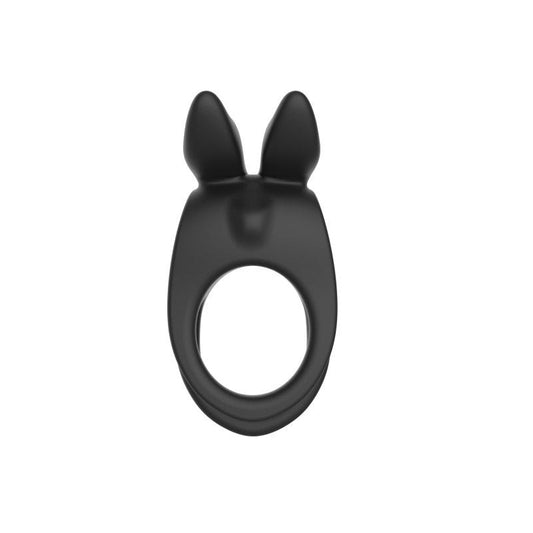
Ashella Men 10 Mode Vibrating Rabbit Cock Ring is a dual-ring vibrator designed for partnered stimulation and performance enhancement. Measuring 45.2 x 91.1 x 43.1mm with 10 vibration modes across 3 speed settings, it combines a supportive shaft and ball ring with external bunny...
- $34.99
$39.99- $34.99
- Unit price
- per
Men 10 Mode Vibrating Sling Ring by Ashella
- Black
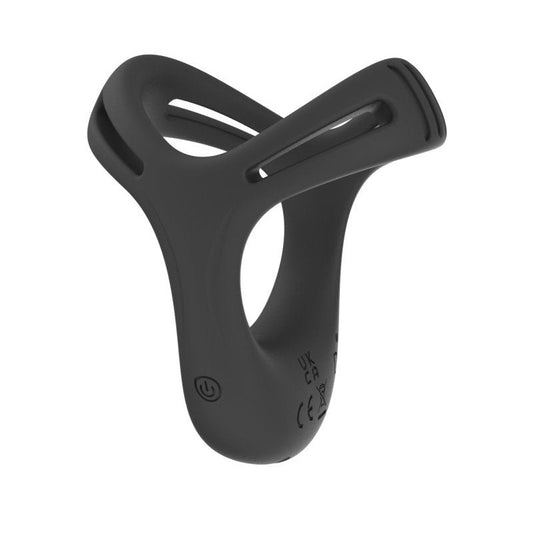
Ashella Men 10 Mode Vibrating Sling Ring is a vibrating cock ring designed for enhanced support and dual-partner stimulation. Featuring 10 vibration modes across 3 speed settings, this silicone ring stretches to secure both shaft and balls for extended performance. At 63 x 55.5...
- $34.99
$39.99- $34.99
- Unit price
- per
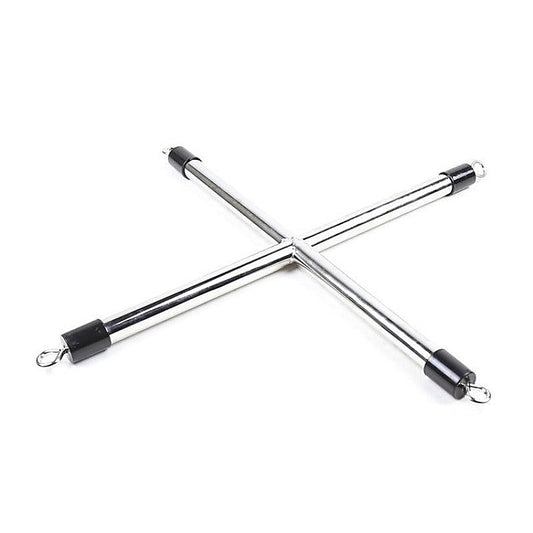

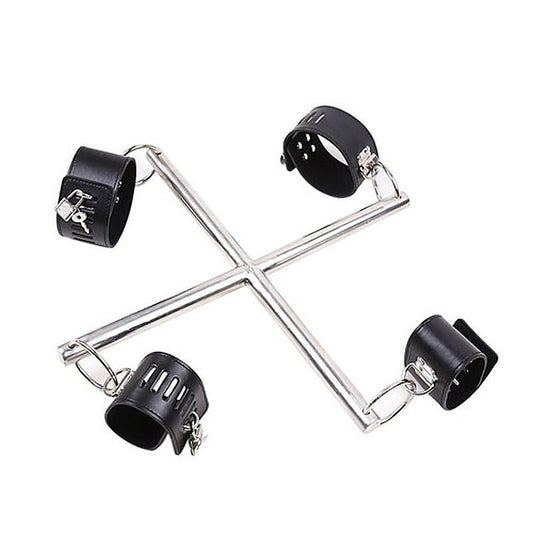

Steel cross cuffs are stainless steel restraint systems that lock wrists to opposite ankles through rigid metal bars, forcing limbs into fixed positions for BDSM bondage. These adult restraints eliminate chains and ropes, creating complete immobilisation where movement in one limb affects all others.
At a glance
|
🚚 Plain, discreet packaging • 🔒 Discreet billing • 🔁 Hygiene-conscious returns |
About Steel Cross Cuffs
Steel cross cuffs deliver extreme immobilisation through integrated metal construction that eliminates separate chains, ropes, or connectors. The rigid steel bars connecting wrist cuffs to opposite ankle cuffs maintain exact positioning that submissives cannot adjust or manipulate. Medical-grade stainless steel provides complete hygiene and durability while the substantial weight creates intense physical presence that reinforces helplessness before considering the actual restraint these adult restraints create.
These restraint systems suit experienced players and couples who have mastered basic bondage and understand the severe immobilisation they create. The fixed metal construction means no adjustment options once locked, demanding clear communication about your physical limits and sustainable duration before securing these extreme restraint systems. Babydolls and other soft clothing pair well with steel cuffs for aesthetic contrast during longer scenes.
What makes Steel Cross Cuffs different
Steel cross cuffs create predicament bondage where even small movements become impossible because the rigid wrist-to-opposite-ankle connection forces demanding positions. Unlike traditional restraints using chains or rope, the solid metal construction prevents the flexibility that allows position shifting. The predicament intensifies because adjusting one limb affects all four simultaneously, replacing symbolic bondage with genuine helplessness. Bras and other clothing must be removed or adjusted before application since the cuffs occupy all four limbs.
Types of Steel Cross Cuffs
Steel cross cuff systems come in several configurations suited to different body types and scene preferences.
Wrist-to-opposite-ankle cross. The most common configuration, connecting one wrist to the opposite ankle and vice versa. This forces the submissive into a compact, vulnerable position with knees bent and arms pulled down. Bustiers must be removed before application since the arm positioning makes chest wear impossible.
Fixed-width cross cuffs. Built with set distances between connection points, offering no adjustment. These suit couples who know exact measurements and want zero flexibility once locked in place.
Adjustable cross cuff systems. Allow minor modifications to the distance between cuff points, accommodating different body sizes and flexibility levels while maintaining the core predicament design.
Heavy-duty cross cuffs. Built from thicker gauge steel with reinforced locking mechanisms, designed for extended wear and heavier submissives requiring maximum durability.
How they compare
| Item | Material | Best for | Skill level | Notes |
|---|---|---|---|---|
| Fixed-width steel cross cuffs | Medical-grade stainless steel | Couples with known measurements and practiced scenes | Advanced | No adjustment; compact predicament position; 900–1200g |
| Adjustable cross cuff system | Stainless steel with sliding connectors | First-time cross cuff users needing flexibility | Intermediate to advanced | Minor width adjustment; safer for varied body types; 1000–1400g |
| Heavy-duty cross cuffs | Reinforced stainless steel, thicker gauge | Extended wear and heavier submissives | Advanced | Maximum durability; intense weight; 1300–1500g; professional-grade locking |
| Compact wrist-to-ankle cross | Polished stainless steel | Shorter scenes and flexibility-focused submissives | Intermediate | Smaller footprint; easier positioning; 800–1000g; quicker application |
How to choose a steel cross cuff
Start by measuring your submissive's body in the intended position—typically kneeling with wrists pulled down to opposite ankles. Measure from wrist bone to opposite ankle bone while they're in that pose; this determines whether you need fixed-width or adjustable cuffs. Consider flexibility: submissives with limited range of motion need wider connections, while those with high flexibility can handle compact designs. Weight matters too; heavier systems (1300–1500g) create more intense presence but demand better physical conditioning.
Experience level shapes your choice significantly. If you're new to cross cuffs, start with adjustable systems that allow minor tweaks without unlocking the entire restraint. Advanced players often prefer fixed-width cuffs for their uncompromising predicament design. Always verify that keys work smoothly before final locking, and keep backup keys accessible. Body Stockings should be removed before application since the arm positioning makes full-body garments impossible to wear during scenes.
Tips from the Adultsmart team
Hard-won pointers from the Adultsmart team, alongside our panel of sexologists, educators, and adult-industry contributors. Meet our experts →
After years of helping customers with steel cross cuffs, we've learned that the biggest mistake is rushing application. Take time positioning your submissive—kneeling or lying down—before locking anything. Standing application causes falls because the wrist-to-opposite-ankle connection destroys balance. Even experienced players underestimate how quickly fatigue sets in once all four limbs are locked. Start with 10–15 minute scenes and build duration gradually as conditioning improves.
Circulation checks are non-negotiable with these restraints. After locking, slide your finger between steel and skin on all four limbs—wrists and ankles. If you can't fit a finger, adjust before final locking. Many customers assume the cuffs will feel loose enough, but the weight and positioning create pressure points you won't notice until numbness starts. Check circulation every 5–10 minutes during your scene, and never leave your submissive restrained alone, even briefly.
Communication before locking matters more with cross cuffs than any other restraint. Discuss exact duration, position comfort, and safe words while they're still mobile. Once locked, movement options vanish completely—there's no shifting to a slightly better position like with rope bondage. We recommend establishing a non-verbal signal (like dropping a held object) for emergencies, since some positions make speech difficult. Have keys and proper release tools ready before you even apply the first cuff.
| Please read — safety first. Charge only with the supplied cable and keep the charging port dry unless the sex toy is waterproof-rated. Pair and update through the official app, and switch the device off fully between sessions so the motor and battery aren't left under load. This information is general in nature only and is not medical advice; it does not account for your individual circumstances. If you have a relevant health condition or experience any persistent discomfort, discontinue use and seek advice from a qualified medical professional. |
Care and cleaning
Wipe steel cross cuffs with warm soapy water and a soft cloth after each use, paying attention to crevices where sweat and skin oils accumulate. Dry thoroughly with a lint-free towel to prevent water spots. For deeper cleaning, use a stainless steel cleaner or mild vinegar solution, then rinse and dry completely. Store in a cool, dry place away from moisture. Periodically check locking mechanisms and hinges for smooth operation; apply a tiny amount of silicone lubricant to locks if they become stiff, avoiding the areas that contact skin.
Learn more
Bondage restraints work across many aesthetic and identity expressions. Try Cross Dressing offers insights into exploring different presentations during intimate scenes. Explore how restraint systems fit your personal style and comfort.
Why shop Steel Cross Cuffs at Adultsmart
Ready to shop with the details sorted? Adultsmart stocks steel cross cuffs in fixed-width and adjustable designs, with expert guidance on fit and safety. We ship in discreet packaging with unmarked billing to protect your privacy. Real advice, body-safe products, and discreet delivery Australia-wide.
Steel Cross Cuffs FAQ
What flexibility level do I need before attempting steel cross cuffs?
You should comfortably reach opposite ankles with your hands while kneeling before using cross cuffs, as the rigid steel forces this position without adjustment options. Test the intended position unrestrained for several minutes to ensure you can sustain it, since cross cuffs lock you into demanding configurations that become painful or dangerous if your flexibility proves inadequate.
How do steel cross cuffs compare to separate cuffs with chains for restraint intensity?
Cross cuffs create more severe immobilization through rigid bars that maintain exact positioning without the adjustment flexibility that chains permit. The integrated construction prevents position shifting or limb movement that separate cuffs allow through chain slack, making cross cuffs significantly more restrictive but also less versatile for varied bondage positions throughout extended scenes.
How long can I safely remain in steel cross cuffs during bondage scenes?
Limit initial cross cuff sessions to 10-15 minutes while monitoring for circulation problems, muscle cramping, or joint strain from the demanding position. The forced wrist-to-opposite-ankle configuration creates more physical stress than standard restraints, with endurance depending heavily on your flexibility and the specific bar lengths determining how compressed your position becomes.
Do steel cross cuffs work for all body sizes or require specific proportions?
Cross cuffs work best for users with arm and leg length proportions that match the fixed bar dimensions—very tall people may find standard cross cuffs force extremely compressed positions while very short users might have excessive slack. Measure your wrist-to-opposite-ankle distance in the intended bondage position before purchasing to ensure bar lengths create secure restraint without dangerous overextension or compression.
Can I escape from steel cross cuffs if I become uncomfortable during scenes?
Criss Cross cuffs create genuine inescapability through rigid steel construction and cross-configuration that prevents reaching locks or manipulating release mechanisms even if keys were somehow accessible. This makes thorough pre-scene negotiation and keyholder vigilance absolutely critical, as submissives bound in cross cuffs depend entirely on dominant partners for emergency release or position adjustment.
What positions work best with steel cross cuffs during bondage?
Kneeling positions with forward lean work most sustainably as the floor supports your weight while cross cuffs hold limbs in restrained configuration. Face-down lying positions also accommodate cross-cuff geometry, though breathing becomes more challenging in prone restraint. Standing proves nearly impossible with wrist-to-opposite-ankle connections, while sitting creates awkward compromised positions that most users find unsustainable beyond brief durations.
How much weight will I support wearing complete steel cross cuff systems?
Cross cuff systems weighing 800-1500 grams distribute across all four limbs, creating noticeable fatigue as arms and legs support the metal mass throughout restraint. The cross-connected bars add their own weight beyond the cuff components themselves, with longer bar lengths increasing total system mass and the physical challenge of maintaining positions under the steel burden.
Should I start with adjustable chain connections before using rigid steel cross cuffs?
Practice wrist-to-opposite-ankle bondage using separate steel cuffs connected by adjustable chains before committing to rigid integrated cross cuffs. This progression lets you discover comfortable bar lengths for your body proportions and build endurance for the demanding position, while chains allow position adjustment that rigid cross cuffs eliminate once locked.
Can I add steel collars to cross cuff bondage or does this create safety risks?
Adding collar restraint to cross-cuff bondage intensifies immobilization but creates serious risks if collar connections pull your neck during limb movement or struggling. Only attempt collar integration with cross cuffs after mastering both restraint types independently, using longer connecting chains that prevent dangerous neck tension when limbs shift against the rigid cross-cuff bars.
What emergency release tools do I need accessible during cross cuff scenes?
Maintain bolt cutters rated for stainless steel within immediate reach, plus spare keys for all lock points and any hex tools required for screw-close components. The complex multi-point restraint of cross cuffs demands multiple backup release options, as lock failures or lost keys leave submissives trapped in demanding positions that become dangerous without rapid removal capability.
Recently Viewed Products
Example product title
- $19.99
- $19.99
- Unit price
- per
Example product title
- $19.99
- $19.99
- Unit price
- per
Example product title
- $19.99
- $19.99
- Unit price
- per
Example product title
- $19.99
- $19.99
- Unit price
- per
Example product title
- $19.99
- $19.99
- Unit price
- per
Example product title
- $19.99
- $19.99
- Unit price
- per
Example product title
- $19.99
- $19.99
- Unit price
- per
Example product title
- $19.99
- $19.99
- Unit price
- per
Example product title
- $19.99
- $19.99
- Unit price
- per
Example product title
- $19.99
- $19.99
- Unit price
- per
Why Shop With Adultsmart?
- Choosing a selection results in a full page refresh.