



-
Pro-Steel Prostate Milking Massager by Hell's CouturePro-Steel Prostate Milking Device by Hell's Couture is a surgical-grade stainless steel prostate stimulator measuring 110mm or 140mm in insertable length with a 25mm diameter. The ribbed shaft and anatomically angled tip deliver precise internal massage through sustained pressure rather than vibration. Medical-grade steel...
- $55.99
$89.99- $55.99
- Unit price
- per
-
Nicki Steel Prostate Plug by Hell's CoutureNicki Steel Prostate Plug is a medical-grade stainless steel anal plug designed for targeted prostate stimulation. Available in three sizes ranging from 103mm to 123mm in length with ball diameters of 25mm to 35mm, it features an integrated pull-ring handle for safe control. The...
- $27.99
$34.99- $27.99
- Unit price
- per
-
b vibe Stainless Steep P spot Pleasure Training Set - MetalB-Vibe Stainless Steel P-Spot Training Set is a graduated three-piece anal plug collection crafted from premium stainless steel for progressive prostate stimulation. Sizes range from 3.5 inches to 4.5 inches in length, with tapered designs and weighted bases for secure, comfortable positioning. This set...
- $284.99
$364.99- $284.99
- Unit price
- per
-
Stainless Steel Prostate Stimulator by B-Vibe - MetalB-Vibe Stainless Steel Prostate Stimulator is a weighted stainless steel anal plug designed for targeted prostate massage. At 4.5 inches total length with 3.5 inches insertable depth, the smooth metal construction conducts temperature for warming or cooling sensations. It delivers hands-free stimulation through ergonomic...
- $139.99
$199.99- $139.99
- Unit price
- per
-
Surgical Steel P Spot Massager by BDStyleBDStyle Surgical Steel P Spot Massager is a non-vibrating prostate stimulator crafted from medical-grade stainless steel. Measuring 3.5 inches with ergonomic curvature, it conducts temperature for warming or cooling sensations before use. The polished, non-porous surface supports sterilization and suits people seeking durable, temperature-responsive...
- $62.99
$69.99- $62.99
- Unit price
- per
-
P-Spot Fun Plug Prostate Massager by NJoy - GoldNjoy P-Spot Fun Plug is a premium stainless steel prostate massager measuring 4.75 inches total with 3.25 inches insertable length. Weighing 11 ounces with a 1.25-inch diameter head, it delivers precise anatomical targeting through temperature-responsive metal construction. The flared base enables hands-free play, making...
- From $24.99
$29.99- From $24.99
- Unit price
- per
VISIT XVIDEO FOR ADULT DVDS



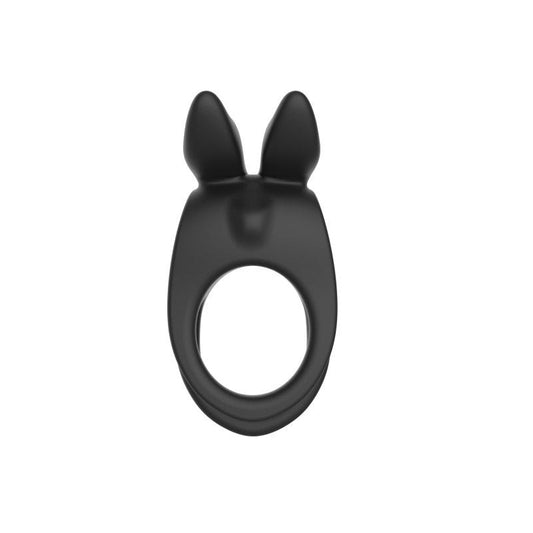
Men 10 Mode Vibrating Rabbit Cock Ring by Ashella
- Black
Ashella Men 10 Mode Vibrating Rabbit Cock Ring is a dual-ring vibrator designed for partnered stimulation and performance enhancement. Measuring 45.2 x 91.1 x 43.1mm with 10 vibration modes across 3 speed settings, it combines a supportive shaft and ball ring with external bunny...
- $34.99
$39.99- $34.99
- Unit price
- per
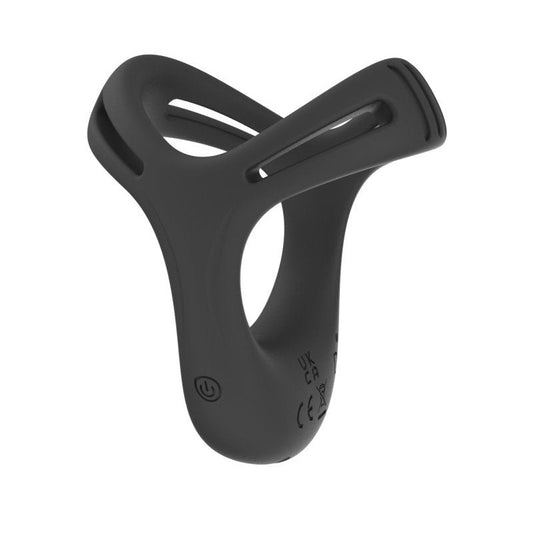
Men 10 Mode Vibrating Sling Ring by Ashella
- Black
Ashella Men 10 Mode Vibrating Sling Ring is a vibrating cock ring designed for enhanced support and dual-partner stimulation. Featuring 10 vibration modes across 3 speed settings, this silicone ring stretches to secure both shaft and balls for extended performance. At 63 x 55.5...
- $34.99
$39.99- $34.99
- Unit price
- per
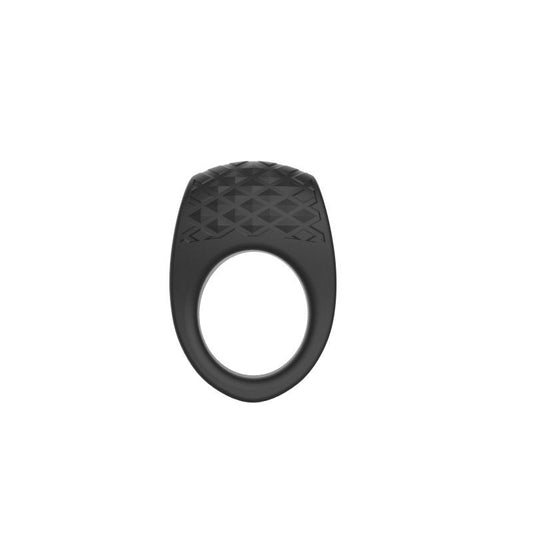
Men 10 Mode Vibrating Cock Ring by Ashella
- Black
The Ashella Men Vibrating Cock Ring is a silicone erection ring featuring 10 vibration modes across 3 speed settings. Measuring 45.5 x 66.7 x 29.4mm with rechargeable USB power lasting one hour per charge, it delivers customizable stimulation for solo or partnered play. The...
- $34.99
$39.99- $34.99
- Unit price
- per
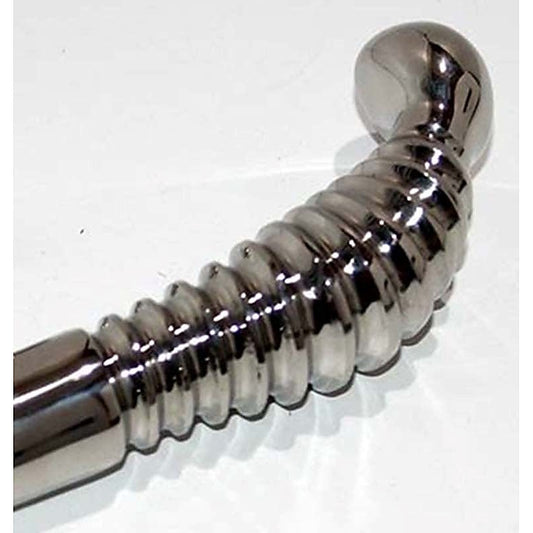

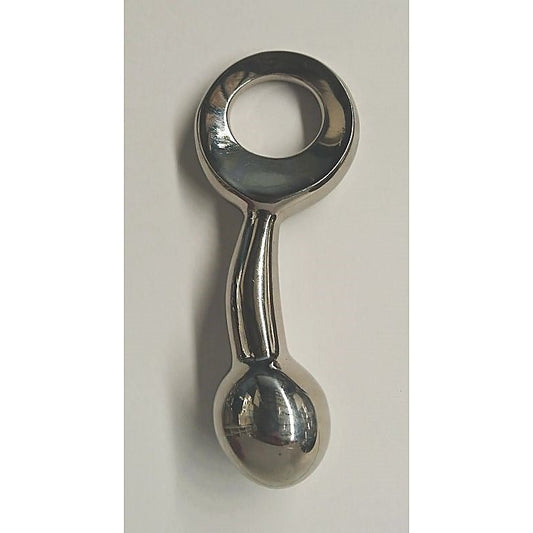


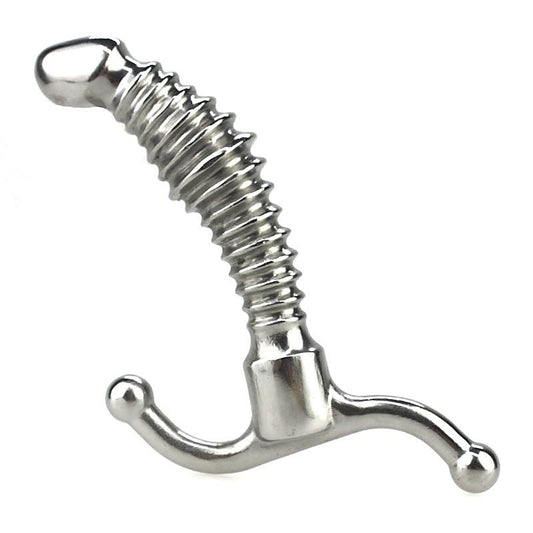

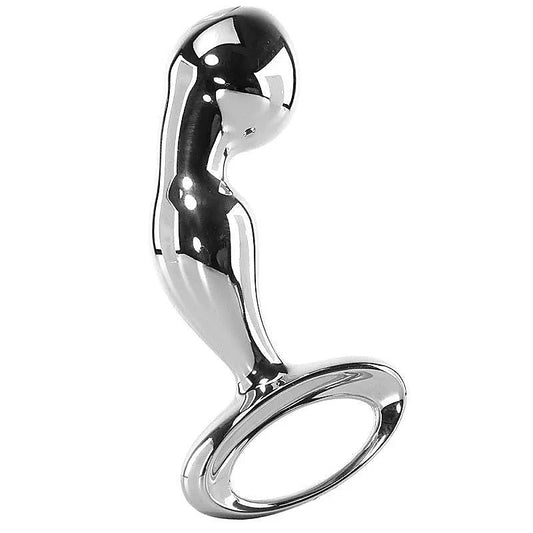

Stainless steel prostate stimulators are firm, non-vibrating anal sex toys designed to apply steady pressure and precise contact to the prostate gland. They come in single-head models for fixed-point work and dual-ended designs for reversible angles, all built from medical-grade stainless steel for durability and hygiene.
At a glance
|
🚚 Plain, discreet packaging • 🔒 Discreet billing • 🔁 Hygiene-conscious returns |
About Stainless Steel Prostate Stimulators
Stainless steel prostate stimulators are solid, hand-operated anal sex toys built to deliver firm, consistent contact without vibration or flex. The weight and rigidity of the steel allow you to control depth, angle, and pressure entirely through your own movement and muscle contraction. They're designed for direct prostate work — the fixed structure means you get repeatable contact with the same spot every time you use them.
These stimulators are made from medical-grade or 316 stainless steel, a material chosen for its density, non-porous surface, and ability to withstand repeated cleaning and sterilisation. Prostate Plugs offer a similar insertion-based approach but often feature different shapes or sizes. Single-head models focus on one fixed pressure point, while dual-ended designs let you flip the sex toy to access different angles or contact areas. They're ideal for anyone seeking structured, hands-on prostate engagement without electronic components.
What makes Stainless Steel Prostate Stimulators different
Unlike vibrating prostate massagers, these stimulators rely entirely on your body's natural contraction and your manual control to create sensation and pressure. The steel's weight does the work — no batteries, no noise, no vibration settings to adjust. This makes them quieter, more discreet, and fully under your control at every moment. The rigid construction also means they won't flex or drift out of position, giving you precision alignment that softer materials can't match. If you're looking for something completely different from vibration-based play, consider Restraint Systems for complementary sensations and control.
Types of Stainless Steel Prostate Stimulators
Stainless steel prostate stimulators come in a few core designs, each suited to different styles of use:
Single-head steel stimulator. A fixed, rounded head on a weighted shaft. This model is built for consistent, stationary pressure on one spot — ideal if you're learning prostate massage or prefer a straightforward, repeatable sensation.
Dual-ended steel massager. Two different head shapes or sizes on opposite ends of the same shaft. Flip it to change your angle of contact or pressure intensity, giving you more variety within one tool without swapping devices.
Curved or angled steel stimulator. A shaft with an intentional curve to follow the natural angle of the prostate and rectal canal. This design reduces the need for manual repositioning and can feel more anatomically aligned during prolonged use.
Weighted handle model. A heavier counterweight in the external handle or base, which stabilises the sex toy during use and reduces unwanted rotation or drift. These are often paired with Chastity Belts or other restraint gear for hands-free or controlled-movement scenarios.
How they compare
| Model | Material | Best for | Control or Base | Safety |
|---|---|---|---|---|
| Single-head steel stimulator | 316 stainless steel | Fixed-point prostate training and beginner use | Manual hand movement; stationary pressure | Non-porous; boilable; no sharp edges |
| Dual-ended steel massager | Medical-grade stainless steel | Advanced users seeking reversible contact and angle variation | Manual hand movement; two pressure profiles in one sex toy | Non-porous; fully autoclavable; smooth transitions between ends |
| Curved prostate stimulator | 316 stainless steel | Longer sessions and hands-free or semi-hands-free play | Body movement and contraction; curve reduces manual adjustment | Non-porous; designed to follow anatomy; no internal sharp points |
| Weighted-handle steel model | Medical-grade stainless steel | Stability during controlled or partnered use | Heavy base or handle prevents rotation and drift | Non-porous; weighted design balances without shifting; sterilisable |
How to choose a stainless steel prostate stimulator
Start by considering your experience level. If you're new to prostate massage, a simple single-head model with a straightforward five-to-six-centimetre insertable length is a smart entry point. It teaches you the basics of angle and contraction without overwhelming you with options. As you learn what feels good, you can explore dual-ended or curved designs that offer more variety or anatomical precision.
Think about how you'll use it. Are you playing alone, or with a partner? Do you want hands-free or semi-hands-free sensation, or do you prefer active manual control? Heavier models with weighted handles work better if you're looking for stability during longer sessions or partnered play. Length and insertable depth matter too — most people find five to seven centimetres is comfortable, but your own anatomy may suit a shorter or slightly longer sex toy. If you're combining prostate work with other sensations, check that your chosen stimulator suits your play style — for example, Babydolls and other apparel can complement your session without interfering with sex toy placement. Always use plenty of water-based or silicone-based lubricant, and never force insertion or ignore discomfort.
Tips from the Adultsmart team
Hard-won pointers from the Adultsmart team, alongside our panel of sexologists, educators, and adult-industry contributors. Meet our experts →
After years of helping customers with stainless steel prostate stimulators, we've noticed one common mistake: people assume they need to go deep. Most prostate work happens within the first five to seven centimetres — you don't need a long sex toy, and a shorter one often gives you better control and comfort. Start shallow, relax, and let your body guide you. Depth isn't the goal; contact is.
Temperature play is a genuine advantage of steel that many people skip. Spend five minutes cooling your stimulator in the fridge or running it under cold water before use — it numbs the area slightly and lets you build sensation gradually. Warmth does the opposite, increasing blood flow and sensitivity. This material property is unique to stainless steel, and it's worth experimenting with to see how it changes your experience.
Lubrication matters more than you'd think with a rigid sex toy. Because steel doesn't absorb any moisture, you need to reapply lubricant more often than you might with softer materials. Use plenty upfront, and have more on hand during longer sessions. The non-porous surface is brilliant for hygiene, but it also means lube can slide off faster. A good thick lubricant designed for anal play will stay put much better than a thin, slippery one.
| Please read — safety first. Charge only with the supplied cable and keep the charging port dry unless the sex toy is waterproof-rated. Pair and update through the official app, and switch the device off fully between sessions so the motor and battery aren't left under load. This information is general in nature only and is not medical advice; it does not account for your individual circumstances. If you have a relevant health condition or experience any persistent discomfort, discontinue use and seek advice from a qualified medical professional. |
Care and cleaning
Wash your stainless steel stimulator with warm water and antibacterial soap after every use, paying special attention to any crevices or joins. For deeper sterilisation, boil it in water for five to ten minutes or use an autoclave if you have access to one. Stainless steel handles both methods without damage. Avoid abrasive scrubbing, which can dull the polish. Dry it completely with a soft cloth before storing in a padded pouch to prevent scratches or watermarks. Keep it away from direct contact with other metal sex toys or objects.
Learn more
If you're curious about how prostate massagers perform in real use, read the Lelo Hugo Prostate Massager Review for insights into what experienced users value. Our blog covers technique, anatomy, and product comparisons to help you make an informed choice.
Why shop Stainless Steel Prostate Stimulators at Adultsmart
Ready to find the right one for how you play? Adultsmart stocks a carefully selected range of stainless steel prostate stimulators, from beginner-friendly single-head models to advanced dual-ended and curved designs. Every order ships in discreet, unmarked packaging with plain billing so your purchase stays private. Trusted Australian adult retailer — discreet, knowledgeable, and here to help.
Stainless Steel Prostate Stimulators FAQ
What makes stainless steel better for precise prostate stimulation?
Steel’s rigidity prevents bending or flex, maintaining fixed depth and angle during use. The stable pressure helps users develop consistent mapping and control.
How long can a stainless steel stimulator last?
With basic cleaning and storage, these tools can last indefinitely without surface wear or corrosion, making them a long-term investment.
How does weight influence stimulation quality?
The natural mass of steel enhances contact without added effort, allowing smooth, controlled pressure against the prostate through body motion alone.
Can temperature adjustments be used safely with steel stimulators?
Yes, they can be pre-warmed or chilled in water to vary feedback. Always test temperature on skin first and avoid extremes.
Why do some models have dual heads?
Dual-ended stimulators provide two contact profiles—one broader, one more pointed—so users can alternate pressure types without switching tools.
Are stainless steel devices compatible with all lubricants?
Yes, both water-based and oil-based lubricants are safe. Oil-based options often enhance glide with metal surfaces for longer sessions.
Do steel stimulators suit clinical pelvic programs?
Many physiotherapists recommend steel probes for targeted pressure routines because they remain stable and easy to sanitise between uses.
Can beginners use stainless steel safely?
Yes, smaller single-head models with rounded tips are suitable. Beginners should start slowly with lubrication and avoid deep pressure.
What’s the best way to hold a steel stimulator?
Grip the base or handle firmly and let the device’s own weight assist motion. Avoid fast thrusting; gentle arcs deliver better control.
How can I tell if the angle is correct?
When properly aligned, the user feels steady pressure—not sharp impact—on the front internal wall. If discomfort occurs, reduce depth immediately.
Recently Viewed Products
Example product title
- $19.99
- $19.99
- Unit price
- per
Example product title
- $19.99
- $19.99
- Unit price
- per
Example product title
- $19.99
- $19.99
- Unit price
- per
Example product title
- $19.99
- $19.99
- Unit price
- per
Example product title
- $19.99
- $19.99
- Unit price
- per
Example product title
- $19.99
- $19.99
- Unit price
- per
Example product title
- $19.99
- $19.99
- Unit price
- per
Example product title
- $19.99
- $19.99
- Unit price
- per
Example product title
- $19.99
- $19.99
- Unit price
- per
Example product title
- $19.99
- $19.99
- Unit price
- per
Why Shop With Adultsmart?
- Choosing a selection results in a full page refresh.