




-
Silicone Life-Like Masturbator 9'' Torso - FleshThe Gripping & Thrusting Silicone Life-Like Torso Masturbator by NANMA Corporation is a 9-inch male stroker crafted from medical-grade silicone with anatomically accurate internal tunnels and textured surfaces. It features a stable base for hands-free use and temperature-responsive silicone that enhances realism. Available in...
- $399.99
$424.99- $399.99
- Unit price
- per
-
Gripping & Thrusting Life Like Silicone Masturbator - FleshThe Gripping & Thrusting Life Like Silicone Pussy and Ass Masturbator 6 Inch Flesh is a dual-entry male masturbator measuring 6 inches long with medical-grade silicone construction. It features two distinctly textured internal chambers designed for varied stimulation, accommodating both entry preferences. The ergonomic...
- $234.99
$249.99- $234.99
- Unit price
- per
-
Gripping & Thrusting Life Like Silicone Dual EntryThe Gripping & Thrusting Life-Like Silicone Dual Entry Masturbator by NANMA Corporation is a premium dual-chamber stroker available in 5.5-inch, 6-inch, and 8-inch variants. Medical-grade silicone construction delivers distinct internal texturing in each chamber, with ergonomic handling and straightforward maintenance. It suits people seeking...
- From $159.99
$189.99- From $159.99
- Unit price
- per
-
Silicone Life-Like Masturbator 8'' TorsoThe Gripping & Thrusting Life-Like Silicone Torso Masturbator by NANMA Corporation is a dual-tunnel stroker available in 12-inch and 8-inch sizes. Medical-grade silicone construction features anatomically textured internal chambers with distinct stimulation patterns. The ergonomic torso design provides stability during use and suits men...
- From $134.99
$159.99- From $134.99
- Unit price
- per
-
Daytona AF Monika Silicone Head TPE Body by Doc Johnson - FleshThe Daytona AF Monika is a 161cm hybrid sex doll featuring a premium silicone head with medical-grade TPE body and articulated metal skeleton. Standing 53kg with G-cup breasts, 93cm bust, and anatomically designed intimate areas measuring 18cm vaginal and 16cm anal depth, it delivers...
- $2,729.99
$3,779.99- $2,729.99
- Unit price
- per
-
Solo Stroke Off Pile Driver by Xgen ProductsSolo Stroke Off Pile Driver Pussy & Ass is a dual-texture male masturbator measuring 7.5 inches long with 2.5 inches width, featuring adjustable suction control for customized intensity. The body-safe silicone inner sleeve replicates realistic sensations with lifelike texture, while the ergonomic design ensures...
- $604.99
$729.99- $604.99
- Unit price
- per
VISIT XVIDEO FOR ADULT DVDS



Vibrating Double Penetrator with Remote by Passion Play
- Black
Passion Play Double Penetrator with Remote is a dual-chamber vibrator with 21 low-frequency patterns designed for internal male stimulation. Measuring 14.5 cm insertable length and 3 cm width, it delivers steady, deep vibrations via wireless remote control from up to 8 metres away. Made...
- $69.99
$74.99- $69.99
- Unit price
- per
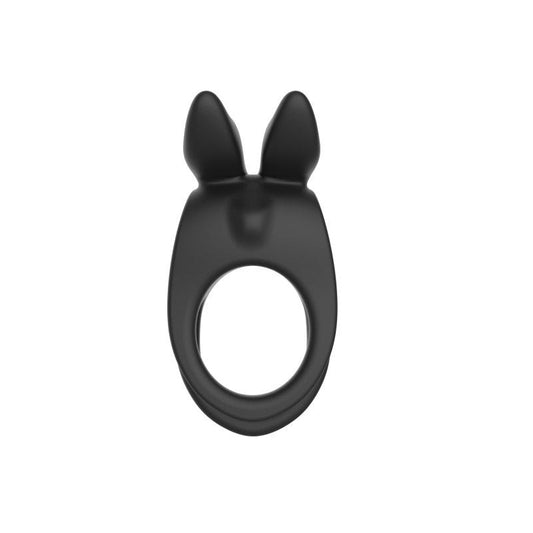
Men 10 Mode Vibrating Rabbit Cock Ring by Ashella
- Black
Ashella Men 10 Mode Vibrating Rabbit Cock Ring is a dual-ring vibrator designed for partnered stimulation and performance enhancement. Measuring 45.2 x 91.1 x 43.1mm with 10 vibration modes across 3 speed settings, it combines a supportive shaft and ball ring with external bunny...
- $34.99
$39.99- $34.99
- Unit price
- per
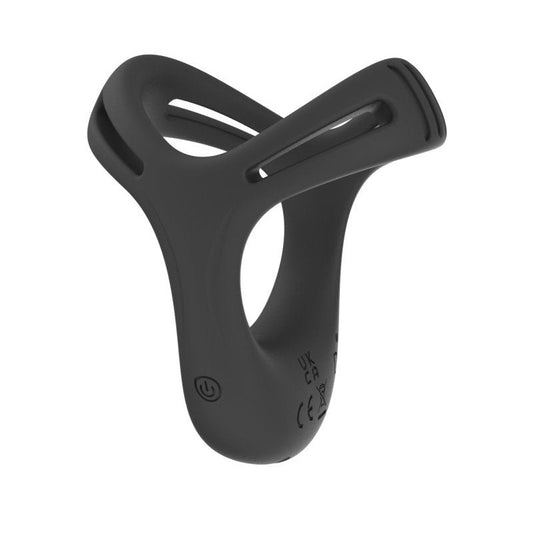
Men 10 Mode Vibrating Sling Ring by Ashella
- Black
Ashella Men 10 Mode Vibrating Sling Ring is a vibrating cock ring designed for enhanced support and dual-partner stimulation. Featuring 10 vibration modes across 3 speed settings, this silicone ring stretches to secure both shaft and balls for extended performance. At 63 x 55.5...
- $34.99
$39.99- $34.99
- Unit price
- per
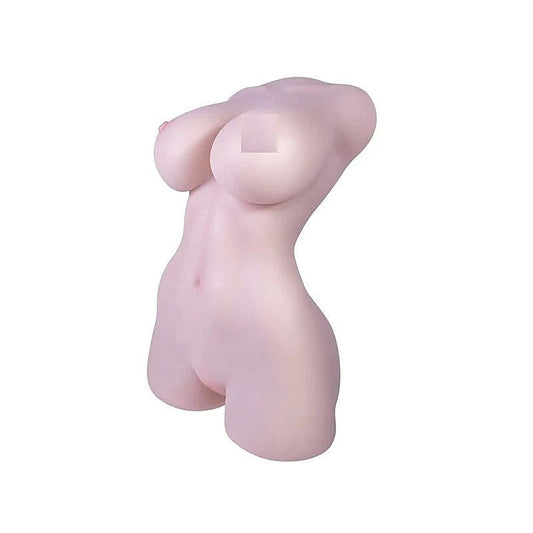

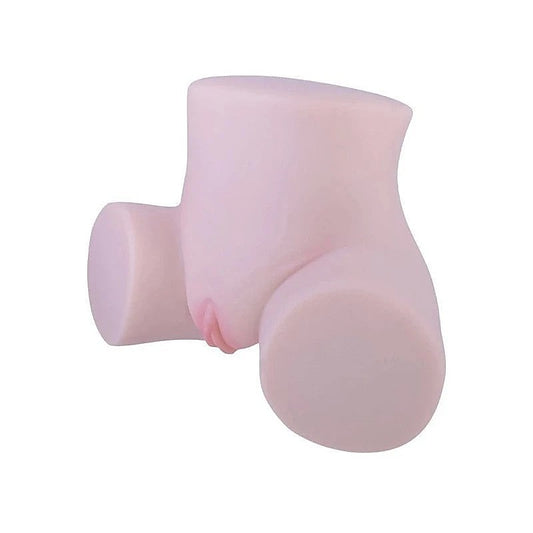

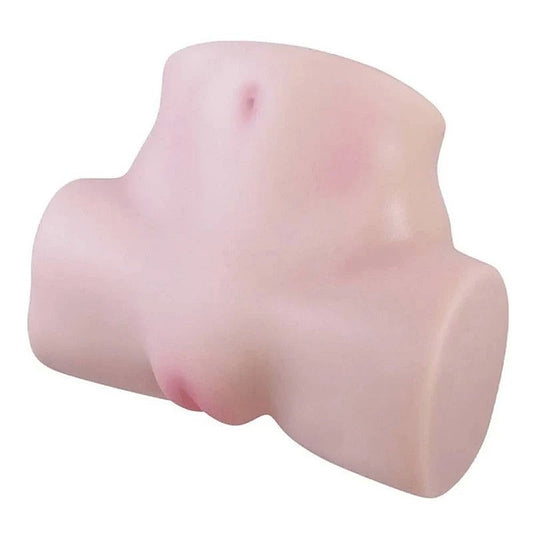

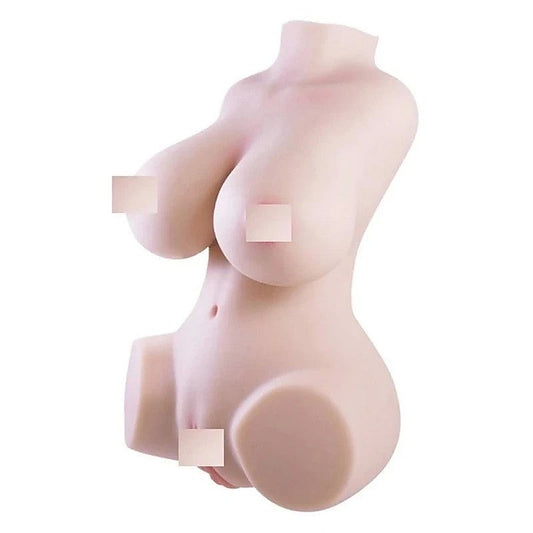



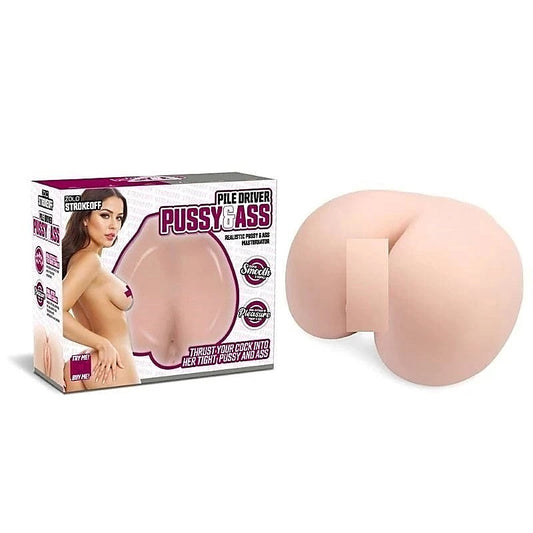

Silicone love dolls are full-body, anatomically detailed sex dolls made from medical-grade platinum-cured silicone. They come in various sizes and body types, with realistic skin texture, hand-painted features, and internal channels designed for penetrative use.
At a glance
|
🚚 Plain, discreet packaging • 🔒 Discreet billing • 🔁 Hygiene-conscious returns |
About Silicone Love Dolls
Silicone love dolls use platinum-cured silicone rated between 10 and 15 Shore A hardness, creating a firm yet realistic feel that holds its shape through years of use. The non-porous material resists staining, bacterial growth, and damage from body oils or lubricants. Full-body dolls feature reinforced metal skeletons with advanced articulation systems that allow complex positioning and realistic movement during use.
These dolls suit serious collectors and experienced users who prioritise maximum quality and longevity over budget. Hand-painted makeup, implanted hair, and detailed anatomical features including pores, veining, and natural colour gradients distinguish premium silicone from cheaper alternatives. Internal channels are precisely moulded with sharp definition that maintains texture, ribbing, and constriction patterns through decades of use. If you're interested in other silicone products, Silicone Vibrators offer a different approach to silicone-based pleasure.
What makes Silicone Love Dolls different
Unlike TPE dolls, silicone love dolls maintain anatomical detail indefinitely without degradation or powder application. The material's non-porous nature means no bacterial or mould growth, even with varied lubricant use. Silicone's firmness creates a distinctly different sensation compared to TPE's softer feel, and the superior durability justifies the premium price for buyers planning 10-plus-year ownership. For comparison, Silicone Dildos share the same material benefits in a smaller, more portable format.
Types of Silicone Love Dolls
Silicone love dolls come in several distinct body types and sizes to suit different preferences and spaces.
Full-size dolls. These stand between 140 and 180 centimetres tall with fully articulated skeletons, realistic proportions, and complete internal channel detail. They're the most immersive option but require dedicated storage space and handling strength.
Torso dolls. Upper or lower body sections without head or limbs, weighing 15 to 25 kilograms. They're ideal for space-limited owners and easier to store discreetly. Silicone Butt Plugs offer a similar material quality in a compact format for those exploring anal play.
Customisable dolls. Many manufacturers offer choice of skin tone, body shape, facial features, and hair type. Custom builds take longer to arrive but let you create exactly what you want.
Specialist dolls. Some models feature enhanced internal textures, removable parts, or specific body types. These cater to niche preferences and often command higher prices.
How they compare
| Model Type | Material | Best for | Base or Support | Safety |
|---|---|---|---|---|
| Full-size silicone doll | Platinum-cured silicone, 10–15 Shore A | Serious collectors seeking complete realism | Metal skeleton with multiple articulation points | Medical-grade, non-porous, hypoallergenic |
| Silicone torso (upper) | Platinum-cured silicone, 10–15 Shore A | Space-conscious owners, standing use | Weighted base or mounting bracket | Medical-grade, non-porous, hypoallergenic |
| Silicone torso (lower) | Platinum-cured silicone, 10–15 Shore A | Anal and vaginal play, compact storage | Suction cup base or weighted stand | Medical-grade, non-porous, hypoallergenic |
| Customisable full-size doll | Platinum-cured silicone, 10–15 Shore A | Buyers wanting specific features and appearance | Metal skeleton with articulated joints | Medical-grade, non-porous, hypoallergenic |
How to choose a silicone love doll
Start by assessing your space and storage capacity. Full-size dolls need a dedicated cupboard, wardrobe, or storage bag in a climate-controlled room away from direct sunlight. Torso dolls take up far less room and can fit in a large box under a bed. Consider your physical capacity too—moving and positioning a 40-kilogram doll requires reasonable strength and a stable surface to work with.
Next, think about realistic features and customisation. Hand-painted details, implanted hair, and anatomical accuracy cost more but create a significantly more lifelike experience. Decide whether you want a generic body or custom skin tone, eye colour, and body shape. Factor in your budget for the doll itself, plus quality lubricant, storage solutions, and cleaning supplies. Silicone Chastity Cages are a separate category but share the same material durability if you're exploring multiple silicone products. Finally, check the manufacturer's reputation for build quality and customer support—premium dolls are an investment, so buy from trusted brands with clear return and warranty policies.
Tips from the Adultsmart team
Hard-won pointers from the Adultsmart team, alongside our panel of sexologists, educators, and adult-industry contributors. Meet our experts →
After years of helping customers choose silicone love dolls, we've noticed most first-time buyers underestimate the weight and handling involved. A full-size doll at 40-plus kilograms requires a sturdy bed frame or reinforced furniture, and moving it alone takes planning. Test your setup before the doll arrives. Many customers wish they'd ordered a torso instead after realising the storage and logistics demands of a full-size model.
Internal channel maintenance is simpler than TPE but still essential. Always flush channels with warm water immediately after use, before lubricant dries or collects bacteria. Use a water bottle with a squeeze nozzle or a dedicated cleaning syringe—don't just run water through. Dry the inside with a lint-free cloth or let it air-dry standing upright. Silicone doesn't need powder, but a light coating of mineral oil on the joints every few months keeps articulation smooth and prevents stiffness.
Lubricant choice matters more than many realise. Both water-based and silicone-based lubes work with silicone dolls, but silicone lube lasts much longer and feels more realistic. Water-based dries faster and requires reapplication during longer sessions. Never use oil-based lubricants—they can degrade the silicone over time. Buy quality lube in bulk; you'll go through more than you expect, and cheap alternatives can stain or leave residue that's hard to clean out.
| Please read — safety first. Charge only with the supplied cable and keep the charging port dry unless the sex toy is waterproof-rated. Pair and update through the official app, and switch the device off fully between sessions so the motor and battery aren't left under load. Never share between partners, or between anal and vaginal use, without cleaning the item first or using a fresh condom. As porous materials can harbour bacteria, use a condom over them for sharing or easy clean-up. This information is general in nature only and is not medical advice; it does not account for your individual circumstances. If you have a relevant health condition or experience any persistent discomfort, discontinue use and seek advice from a qualified medical professional. |
Care and cleaning
Clean your silicone love doll immediately after each use. Flush internal channels with warm water using a syringe or squeeze bottle, then wash external surfaces with mild soap and lukewarm water. Rinse thoroughly and pat dry with a lint-free cloth. Store in a climate-controlled space away from direct sunlight, heat, and extreme cold. Occasionally apply a light coat of mineral oil to joints to maintain smooth articulation. Silicone requires no powder application and resists staining far better than TPE alternatives.
Learn more
For more insights into silicone-based pleasure products and user experiences, My Smart Rabbit Gives Pretty Love offers practical perspectives. Our blog features customer stories, care guides, and product reviews to help you make informed choices.
Why shop Silicone Love Dolls at Adultsmart
Keen to get this right the first time? Adultsmart stocks premium silicone love dolls from trusted manufacturers, with clear product information and honest descriptions to help you choose. We offer discreet packaging and confidential billing so your purchase stays private. Body-safe, clearly labelled, and chosen by people who use this gear.
Silicone Love Dolls FAQ
What Shore A hardness rating distinguishes premium silicone from standard formulations?
Premium platinum-cured silicone rated 10 to 12 Shore A provides realistic firmness with excellent shape retention, while 12 to 15 Shore A offers firmer structure for enhanced durability at slight realism trade-off.
Can silicone material be professionally repaired after developing tears or damage?
Specialized silicone adhesives and patching techniques repair surface damage with proper material matching and curing protocols, though deep tears require professional restoration services costing 10 to 20 percent of original doll price for seamless invisible repairs.
How does non-porous silicone structure prevent bacterial growth compared to TPE?
Silicone completely sealed surface prevents bacterial penetration into material, enabling thorough cleaning with simple soap and water, while TPE microscopic pores trap bacteria requiring specialized cleaners and powder preventing microbial colonization.
Can silicone love dolls safely use both water-based and silicone lubricants?
High-grade platinum silicone tolerates both lubricant types without material degradation, though water-based remains recommended for easier cleanup, while TPE strictly requires water-based lubricants preventing material breakdown from silicone-based products.
What titanium skeleton advantages justify premium pricing over standard steel frameworks?
Titanium offers 40 percent weight reduction improving handling ease, superior corrosion resistance extending lifespan, and greater strength-to-weight ratio supporting advanced articulation systems, though adding significant material costs reflecting aerospace-grade alloy specifications.
How does hand-painted makeup durability compare to factory-applied finishes?
Hand-painted permanent pigments penetrate silicone surface layers resisting washing and friction wear for 10 plus years, while factory spray-applied makeup shows fading within 2 to 3 years requiring periodic touch-ups or professional refinishing.
What temperature ranges can silicone dolls withstand during heating system use?
Platinum silicone safely handles 37 to 45 degrees Celsius from integrated heating elements or external warming methods without material softening, while TPE limits to 40 degrees maximum preventing deformation, giving silicone broader temperature simulation capabilities.
Do implanted hair systems require special maintenance compared to molded hair details?
Implanted synthetic or human hair needs gentle brushing, occasional washing with mild shampoo, and detangling preventing matting, while molded silicone hair requires only surface cleaning though lacking styling flexibility and natural movement of implanted systems.
How does silicone stain resistance affect clothing and lubricant compatibility?
Non-porous silicone resists dye transfer from dark fabrics and colored lubricants that permanently stain TPE, though still recommend light-colored clothing during extended contact and lubricant removal promptly preventing potential surface discoloration from prolonged exposure.
What joint friction adjustment capabilities improve positioning control in premium silicone dolls?
Accessible adjustment screws at major joints enable tightening or loosening friction resistance, allowing customized pose-holding tension matching user preferences, with quarterly readjustment maintaining optimal positioning through skeleton component settling and use-related loosening.
Recently Viewed Products
Example product title
- $19.99
- $19.99
- Unit price
- per
Example product title
- $19.99
- $19.99
- Unit price
- per
Example product title
- $19.99
- $19.99
- Unit price
- per
Example product title
- $19.99
- $19.99
- Unit price
- per
Example product title
- $19.99
- $19.99
- Unit price
- per
Example product title
- $19.99
- $19.99
- Unit price
- per
Example product title
- $19.99
- $19.99
- Unit price
- per
Example product title
- $19.99
- $19.99
- Unit price
- per
Example product title
- $19.99
- $19.99
- Unit price
- per
Example product title
- $19.99
- $19.99
- Unit price
- per
Why Shop With Adultsmart?
- Choosing a selection results in a full page refresh.