




-
Van Buren Urethral Sound Set Stainless Steel by BDStyleBDStyle Van Buren Urethral Sound Set is an 8-piece stainless steel sound collection designed for urethral exploration. Ranging from 2mm to 7mm diameter with 10.5-inch length, each sound features a J-shaped curve that prevents over-insertion while enhancing sensation. The flat handles provide superior control,...
- $116.99
$129.99- $116.99
- Unit price
- per
VISIT XVIDEO FOR ADULT DVDS



Vibrating Double Penetrator with Remote by Passion Play
- Black
Passion Play Double Penetrator with Remote is a dual-chamber vibrator with 21 low-frequency patterns designed for internal male stimulation. Measuring 14.5 cm insertable length and 3 cm width, it delivers steady, deep vibrations via wireless remote control from up to 8 metres away. Made...
- $69.99
$74.99- $69.99
- Unit price
- per
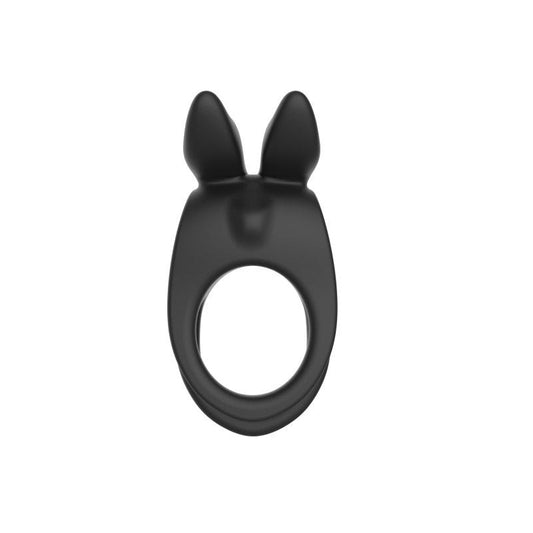
Men 10 Mode Vibrating Rabbit Cock Ring by Ashella
- Black
Ashella Men 10 Mode Vibrating Rabbit Cock Ring is a dual-ring vibrator designed for partnered stimulation and performance enhancement. Measuring 45.2 x 91.1 x 43.1mm with 10 vibration modes across 3 speed settings, it combines a supportive shaft and ball ring with external bunny...
- $34.99
$39.99- $34.99
- Unit price
- per
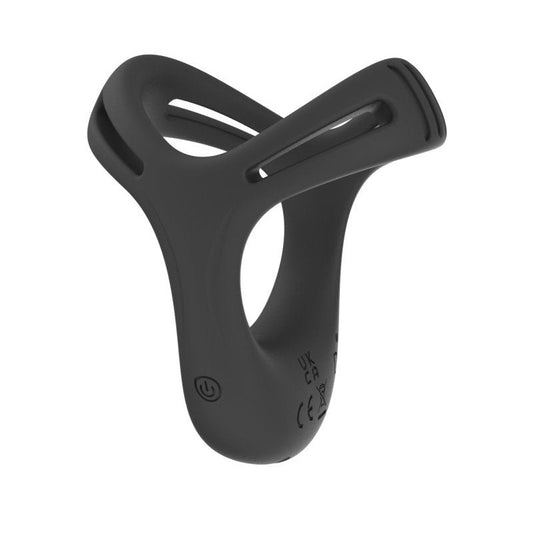
Men 10 Mode Vibrating Sling Ring by Ashella
- Black
Ashella Men 10 Mode Vibrating Sling Ring is a vibrating cock ring designed for enhanced support and dual-partner stimulation. Featuring 10 vibration modes across 3 speed settings, this silicone ring stretches to secure both shaft and balls for extended performance. At 63 x 55.5...
- $34.99
$39.99- $34.99
- Unit price
- per

Van Buren Sounds are curved urethral sounds made from medical-grade 904 stainless steel, shaped with a distinctive J-bend to follow your urethra's natural anatomy during deep insertion. They're designed for experienced players ready to progress beyond straight sounds into deeper, safer cock penetration.
At a glance
|
🚚 Plain, discreet packaging • 🔒 Discreet billing • 🔁 Hygiene-conscious returns |
About Van Buren Sounds
Van Buren Sounds are premium urethral insertion sounds crafted from 904-grade surgical stainless steel, a material chosen for its exceptional resistance to corrosion during extended use and deep penetration. The signature J-curve design is the defining feature—it mirrors the natural bend in your urethra past the initial straight section, allowing safe navigation of your internal urethral pathway rather than forcing rigid steel through delicate curved tissue.
These sounds are built for players who have already mastered straight sound insertion and understand urethral anatomy well enough to work with curves safely. They demand advanced body awareness, careful technique, and the ability to read subtle feedback about depth and positioning. Gowns are not appropriate for this category. If you're still developing basic sounding skills, straight Hegar sounds remain the right starting point before attempting curved navigation.
What makes Van Buren Sounds different
The curved design sets Van Buren Sounds apart from straight sounds by enabling deeper penetration while respecting your anatomy's natural bends. Straight sounds force you to stop where your urethra naturally curves; the J-bend allows progression beyond that point without perforation risk. This curve does make depth judgment harder than straight insertion, which is why experience matters. Skirts and Club Wear offer different styling options for different occasions. The 904 steel also resists corrosion better than lower-grade stainless, essential for gear that spends extended time inside your body.
Types of Van Buren Sounds
Van Buren Sounds come in several configurations to suit different experience levels and preferences.
Single-size Van Buren Sounds. A fixed-gauge curved sound in one diameter, typically chosen once you know your preferred insertion width from straight sound experience. These offer simplicity and direct feedback.
Progressive Van Buren Sets. Multiple sounds in graduated diameters, allowing you to work up slowly through wider gauges over time. Sets let you explore depth safely before committing to larger single sounds.
Textured Van Buren Sounds. Curved sounds with surface detail or ribbing for added internal sensation during insertion and withdrawal. Jocks and G-Strings provide supportive comfort during extended wear. Textured variants demand even more careful technique and lubrication.
Double-ended Van Buren Sounds. Two J-curves on one sound, allowing different insertion angles or reversible use. These suit players comfortable with experimenting on both sides of their anatomy.
How they compare
| Model | Material | Best for | Control or Base | Safety |
|---|---|---|---|---|
| Van Buren Single 6mm | 904 surgical stainless steel | Experienced players progressing from 6mm straight sounds | Manual insertion with steady hand control | J-curve aligns with natural anatomy; boil before use |
| Van Buren Progressive Set | 904 surgical stainless steel | Gradual depth exploration across multiple gauges | Manual; allows stepping up one size at a time | Multiple sizes reduce perforation risk; go slow between gauges |
| Van Buren Textured 7mm | 904 surgical stainless steel | Players seeking internal sensation beyond smooth insertion | Manual insertion requiring precise technique | Ribbing demands extra lubrication; advanced skill essential |
| Van Buren Double-ended | 904 surgical stainless steel | Versatile exploration of different insertion angles and sides | Manual; reversible for different anatomical pathways | Two curves require clear orientation awareness before insertion |
How to choose a van buren sound
Start by knowing your current straight sound gauge. If you're comfortable inserting an 8mm or wider straight sound to full depth, you have the foundation to try a Van Buren at the same or slightly smaller diameter. Curved sounds feel different and demand more care, so stepping down half a millimetre from your straight sound gauge is a smart move for your first curve.
Consider whether you want to explore one fixed size or work through a progressive set. Single sounds offer simplicity once you know what you want; sets let you build confidence gradually. Think about your body's feedback too—can you feel subtle resistance and adjust pressure in real time? That body awareness is non-negotiable with curves. Chemises are not relevant to this category. If you're unsure about your readiness, chat with the Adultsmart team; they can guide you honestly about if you're ready to move from straight sounds or should stick with them longer.
Tips from the Adultsmart team
Hard-won pointers from the Adultsmart team, alongside our panel of sexologists, educators, and adult-industry contributors. Meet our experts →
After years of helping customers with Van Buren Sounds, we've seen one mistake crop up repeatedly: people rush the curve because they've mastered straight sounds. The bend changes everything. Your body can't feel depth the same way, and the curve can catch on tissue if you're not perfectly lubricated or oriented correctly. Spend your first session inserting slowly, pausing often, and learning how the curve feels inside you. Speed comes later, after your body learns the pathway.
Lubrication is genuinely more critical with these than straight sounds. The curve means more surface contact with your urethra, and friction builds faster. Use sterile surgical lubricant—not saliva, not regular lube—and apply it generously to the entire curved length before you start. Reapply halfway through if you're doing extended sessions. We've had customers report discomfort that vanished completely once they switched to proper volume and type of lubricant. It's not a small detail.
Know your curve direction before you insert. The J-bend should point toward your belly button, following your natural urethral angle. Insert with the curve oriented correctly from the start—don't try to rotate it inside you to find the right angle. If insertion feels wrong, stop, withdraw, relubricate, and try again with better orientation. That feedback is your body telling you something's not aligned. Listen to it every time.
| Please read — safety first. Charge only with the supplied cable and keep the charging port dry unless the sex toy is waterproof-rated. Pair and update through the official app, and switch the device off fully between sessions so the motor and battery aren't left under load. Never share between partners, or between anal and vaginal use, without cleaning the item first or using a fresh condom. This information is general in nature only and is not medical advice; it does not account for your individual circumstances. If you have a relevant health condition or experience any persistent discomfort, discontinue use and seek advice from a qualified medical professional. |
Care and cleaning
Boil your Van Buren Sound for ten minutes before first use and before each subsequent session to eliminate bacteria completely. After play, wash it with warm water and antibacterial soap, rinse thoroughly, and air dry completely before storage. The 904 stainless steel resists corrosion well, but don't leave it wet or store it damp. Store in a clean, dry place away from other objects that might scratch the surface.
Learn more
Sounding isn't just for one anatomy. Read more about Urethral Sounds For Women to see how the practice extends across different bodies and what variations exist for different urethral anatomy.
Why shop Van Buren Sounds at Adultsmart
Ready to shop with the details sorted? Adultsmart stocks a curated range of Van Buren Sounds for experienced players ready to explore deeper sounding safely. Every order ships in discreet packaging with unmarked billing to protect your privacy. Trusted Australian adult retailer — discreet, knowledgeable, and here to help.
Van Buren Sounds FAQ
What experience level do I need before attempting Van Buren curved sounds?
Master straight sound insertion to 8-10cm depths comfortably through multiple sessions before attempting Van Buren curves. The curved design demands advanced technique and body awareness that beginners lack, making straight Hegar sound proficiency an essential prerequisite for safe Van Buren use.
Do Van Buren sounds require different sterilization than straight sounds?
Sterilize Van Buren sounds identically to straight sounds through 10-minute boiling, though ensure the complete curved length remains submerged throughout sterilization. The curve geometry creates no special sterilization requirements beyond confirming thorough heat exposure to all steel surfaces during the boiling process.
How do I orient the Van Buren curve correctly during insertion?
Insert with the J-curve pointing toward your belly button matching your natural urethral curve direction. Incorrect orientation with curve pointing downward or sideways causes tissue damage as the rigid steel fights rather than follows your anatomical pathway during advancement attempts.
What depth can Van Buren sounds safely reach in experienced users?
Limit Van Buren insertion to maximum 12-15cm even with extensive curved sounding experience, as deeper penetration risks reaching bladder sphincter or prostate areas where perforation causes serious medical emergencies. Conservative depth limits prove more critical with curved sounds than straight designs.
Do gentler curve Van Buren sounds work better for learning than sharp J-curves?
Start with gentle 20-25 degree curve sounds providing manageable introduction to curved navigation before progressing to sharp 40-45 degree J-curves accessing deeper anatomy. The gradual curve progression lets you develop technique systematically rather than overwhelming yourself with extreme curves immediately.
How much more lubricant do Van Buren sounds require than straight sounds?
Apply 50-100% more sterile surgical lubricant compared to straight sound usage, coating the entire curved length generously. The curve creates increased surface contact and friction compared to straight insertion, depleting lubricant faster and demanding more thorough initial application preventing tissue damage.
Can I use Van Buren sounds if my urethral anatomy curves differently than standard?
Individual anatomical variation means some urethras curve more sharply or at different angles than typical pathways Van Buren sounds accommodate. If you cannot advance curved sounds smoothly despite proper technique, your anatomy may not match standard Van Buren geometry making straight sounds safer for your specific urethral configuration.
What signs indicate I am forcing the Van Buren curve incorrectly?
Sharp stabbing pain rather than stretching pressure, inability to advance smoothly despite lubrication, or resistance that increases rather than decreases with gentle pressure all indicate misalignment between steel curve and urethral pathway. Stop immediately and reassess angle rather than forcing past resistance.
How do I remove Van Buren sounds safely after deep insertion?
Withdraw extremely slowly reversing the insertion angle adjustments you made during advancement, allowing the curve to exit gradually following the same anatomical pathway in reverse. Rushing removal or pulling straight outward rather than following the curve risks tearing tissue during extraction.
Should I practice Van Buren insertion angles without actual insertion first?
Practice curve orientation and angle changes externally before attempting insertion, visualizing how the J-curve must align with your urethral pathway. Understanding the three-dimensional angle requirements mentally before introducing insertion stress helps you recognize correct versus incorrect positioning during actual use.
Recently Viewed Products
Example product title
- $19.99
- $19.99
- Unit price
- per
Example product title
- $19.99
- $19.99
- Unit price
- per
Example product title
- $19.99
- $19.99
- Unit price
- per
Example product title
- $19.99
- $19.99
- Unit price
- per
Example product title
- $19.99
- $19.99
- Unit price
- per
Example product title
- $19.99
- $19.99
- Unit price
- per
Example product title
- $19.99
- $19.99
- Unit price
- per
Example product title
- $19.99
- $19.99
- Unit price
- per
Example product title
- $19.99
- $19.99
- Unit price
- per
Example product title
- $19.99
- $19.99
- Unit price
- per
Why Shop With Adultsmart?
- Choosing a selection results in a full page refresh.