




-
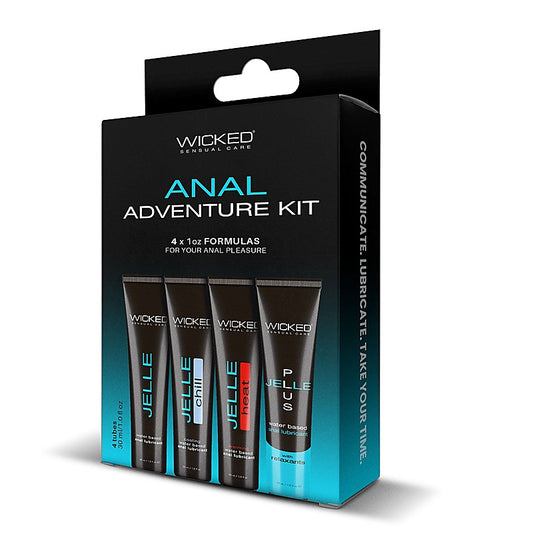
Wicked ANAL ADVENTURE KIT Mixed Jelle Anal LubricantsWicked Anal Adventure Kit 4 Pack is a water-based lubricant collection featuring four 30ml formulas designed for anal exploration. The set includes standard Jelle, Jelle Heat with warming sensation, Jelle Chill with menthol cooling, and Jelle PLUS with natural relaxant extracts. Each formula maintains...
- $44.99
$54.99- $44.99
- Unit price
- per
-
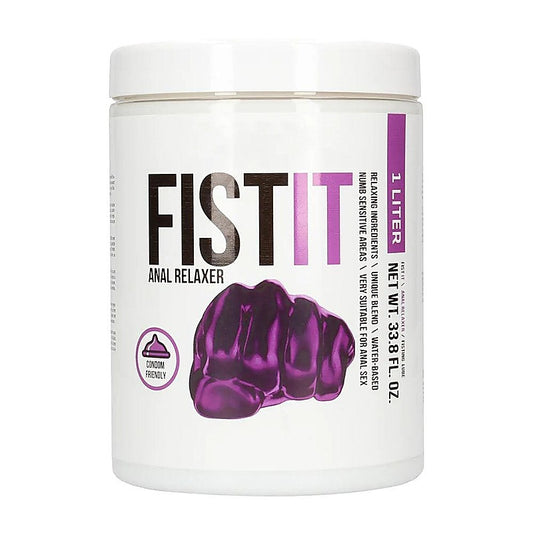
Pharmquests Fist-It Anal Relaxer Relaxing Lubricant TubShots Toys Pharmquests Fist-It Water Based Relaxing Lube is a menthol-infused water-based lubricant designed for intensive anal play and fisting. The gel formula delivers smooth glide while menthol creates a cooling sensation that helps relax sphincter muscles naturally. At 250ml, it stays slippery throughout...
- $74.99
$94.99- $74.99
- Unit price
- per
-
Back Door Water Based with Panthenol by PjurPjur Back Door Water Based with Panthenol is a water-based intimate lubricant formulated with regenerative panthenol and soothing chamomile extract. The 100ml formula provides extended lubrication while supporting natural tissue hydration through therapeutic moisturizing compounds. It is suited for people seeking comfortable anal play...
- From $34.99
$39.99- From $34.99
- Unit price
- per
-
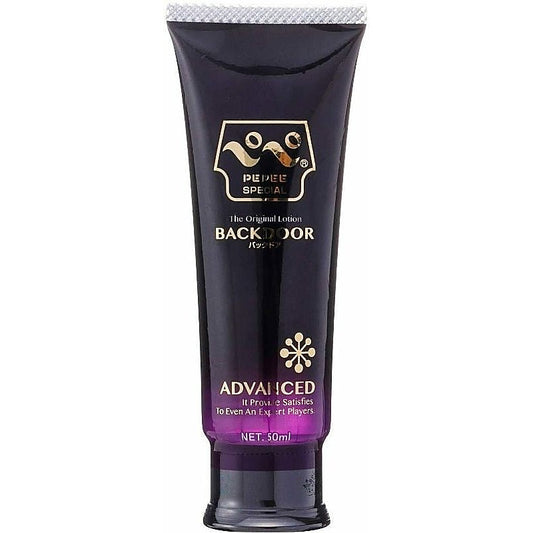
Special Backdoor Advanced Lubricant by PepeePepee Special Backdoor Advanced Lubricant is a water-based intimate lubricant formulated with azulene for muscle relaxation and comfort. At 55ml, it delivers medium viscosity suitable for extended use while remaining compatible with all intimate accessories and protective barriers. The flip-top design enables precise application...
- $17.99
$19.99- $17.99
- Unit price
- per
-
Ride Rocco Water-based Lubricant by SliquidSliquid Ride Rocco Water-Based Adult Lubricant is a premium anal lube featuring natural seaweed extracts for ultra-slick, long-lasting glide. This 4.2 oz formula contains carrageenan, nori, and wakame for enhanced wetness that reactivates with water. Free from glycerine and parabens, it suits sensitive skin...
- $29.99
$34.99- $29.99
- Unit price
- per
-
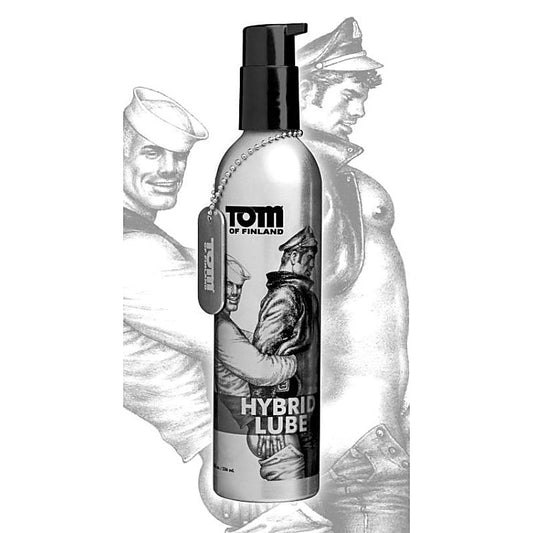
Tom of Finland Hybrid Lubricant by XR BrandsTom of Finland Hybrid Lubricant is a premium 8oz lubricant combining water-based and silicone properties for extended glide. The hybrid formula maintains compatibility with all toy materials and latex barriers while delivering silky smoothness that lasts throughout use. It suits people seeking superior performance...
- $31.99
$34.99- $31.99
- Unit price
- per
-
SHIATSU Love Glide Anal Lubricant by Hot EroShiatsu Love Glide Anal is a water-based personal lubricant in a 100ml bottle specifically formulated for anal play. The long-lasting formula reduces friction while nourishing delicate skin, and its water-based composition ensures compatibility with most silicone toys. It suits anyone seeking comfortable, extended anal...
- $24.99
$29.99- $24.99
- Unit price
- per
-
Bonnie Rotten Ass Play Adult Lubricant by PipedreamPipedream Bonnie Rotten Ass Play Adult Lubricant is a water-based anal lubricant engineered for extended comfort and performance. Formulated with pH-balanced ingredients and a 4 fl oz (118 ml) capacity, it maintains exceptional glide throughout prolonged sessions without becoming tacky. The non-staining, toy-compatible formula...
- $8.99
$9.99- $8.99
- Unit price
- per
-
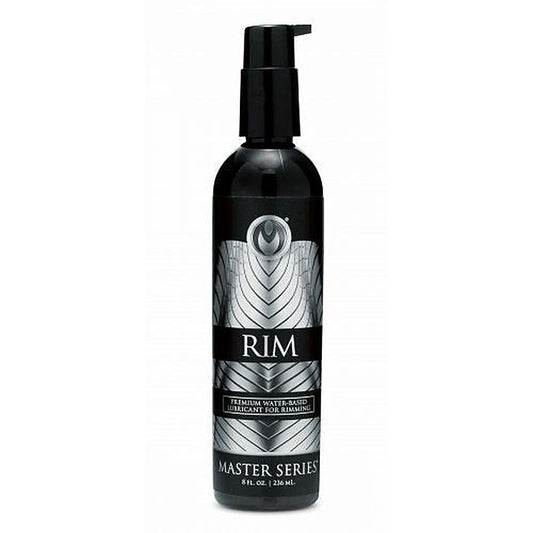
Rim Premium Water Based Rimming Lubricant 8oz by XR BrandsRIM Premium Water-Based Lubricant is an 8 oz specialized anal lubricant formulated with aloe vera and vitamin E for extended comfort during rimming. The pH-balanced, paraben-free water-based formula provides exceptional glide without stickiness and remains compatible with all toy materials. It suits people seeking...
- $22.99
$24.99- $22.99
- Unit price
- per
-
MOJO Waterbased Anal Relaxing Glide by Intimate EarthMojo Relaxing Clove Water-Based Anal Glide is a botanical lubricant formulated with natural clove oil, guava fruit, goji berry, and aloe vera extracts in a 120ml water-based formula. It provides cushioning comfort without synthetic numbing agents, remaining compatible with latex and silicone accessories. This...
- $19.99
$39.99- $19.99
- Unit price
- per
-
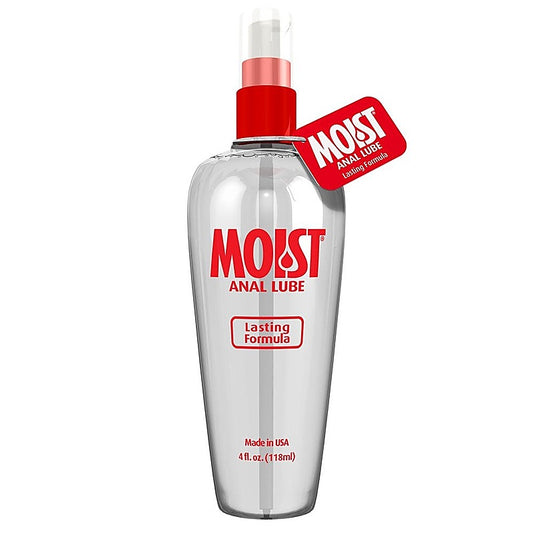
Moist Long Lasting Anal Sex Lube by Pipedream ProductsPipedream Moist Long Lasting Anal Sex Lube is a water-based personal lubricant formulated specifically for anal comfort and extended play. This 118ml bottle delivers consistent glide throughout sessions without becoming tacky, featuring pH-balanced chemistry compatible with latex condoms and all toy materials. The precision...
- $14.99
$19.99- $14.99
- Unit price
- per
VISIT XVIDEO FOR ADULT DVDS



Vibrating Double Penetrator with Remote by Passion Play
- Black
Passion Play Double Penetrator with Remote is a dual-chamber vibrator with 21 low-frequency patterns designed for internal male stimulation. Measuring 14.5 cm insertable length and 3 cm width, it delivers steady, deep vibrations via wireless remote control from up to 8 metres away. Made...
- $69.99
$74.99- $69.99
- Unit price
- per
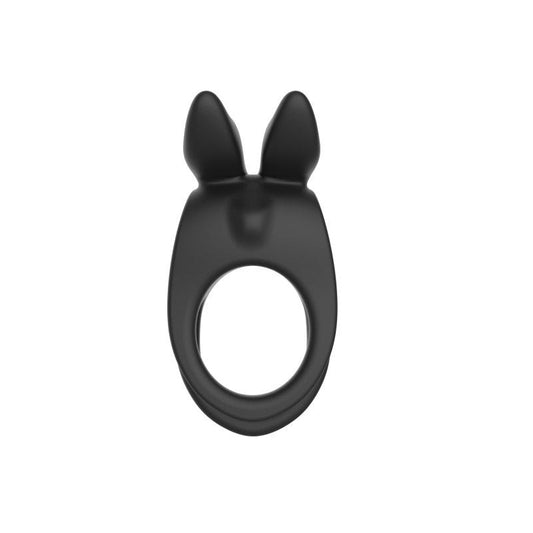
Men 10 Mode Vibrating Rabbit Cock Ring by Ashella
- Black
Ashella Men 10 Mode Vibrating Rabbit Cock Ring is a dual-ring vibrator designed for partnered stimulation and performance enhancement. Measuring 45.2 x 91.1 x 43.1mm with 10 vibration modes across 3 speed settings, it combines a supportive shaft and ball ring with external bunny...
- $34.99
$39.99- $34.99
- Unit price
- per
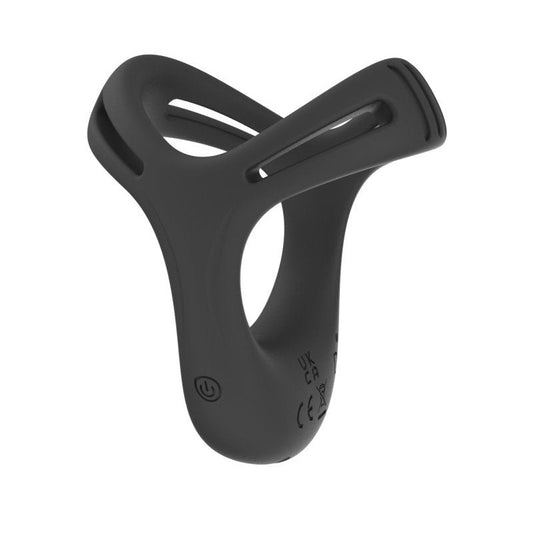
Men 10 Mode Vibrating Sling Ring by Ashella
- Black
Ashella Men 10 Mode Vibrating Sling Ring is a vibrating cock ring designed for enhanced support and dual-partner stimulation. Featuring 10 vibration modes across 3 speed settings, this silicone ring stretches to secure both shaft and balls for extended performance. At 63 x 55.5...
- $34.99
$39.99- $34.99
- Unit price
- per










Water-based anal lubes are thicker, longer-lasting formulations made for the friction and delicate tissue of anal play, where the body produces no natural glide of its own. They're available as lightweight gels for warm-up play or ultra-thick cushioning formulas for larger insertions.
At a glance
|
🚚 Plain, discreet packaging • 🔒 Discreet billing • 🔁 Hygiene-conscious returns |
About Water Based Anal Lubes
Water-based anal lubes use water-soluble thickening agents to create a viscous gel that coats rectal tissue without damaging latex condoms or silicone sex toys. Unlike standard water-based lubricants, anal-specific formulations contain higher concentrations of thickeners to prevent rapid absorption and maintain a protective layer during penetration. They range from lightweight liquid gels for initial exploration to ultra-thick cushioning versions designed for extended sessions or larger insertions.
These formulations prioritise universal material compatibility, making them ideal for anyone with mixed collections of anal toys in different materials. Premium water-based anal products focus on ingredient purity, often removing glycerin and parabens for users with sensitive rectal tissue, and incorporate pH-balancing compounds to support anal health. If you prefer longer-lasting slip, Oil Based Lubes offer extended duration but require more thorough cleanup.
What makes Water Based Anal Lubes different
Water-based anal formulations prioritise ease of cleanup and sex toy compatibility over duration. The water-soluble formula rinses away completely with water alone, eliminating residue on sex toys or bedding and reducing mess anxiety for first-time anal explorers. Their reactivatable nature allows users to refresh slip by adding water droplets rather than continually applying fresh product. By contrast, Silicone Based Lubes last significantly longer but require soap and water to remove and aren't compatible with silicone toys.
Types of Water Based Anal Lubes
Lightweight gel formulas. These thinner, more fluid versions suit warm-up play, solo exploration, or use with smaller anal toys. They absorb slightly faster than thicker variants but still provide adequate cushioning for initial penetration.
Standard viscosity formulas. Balanced thickness offers reliable slip for most anal play scenarios, whether partnered or solo. This is the most versatile option for mixed use across different sex toy sizes and session lengths.
Ultra-thick cushioning lubes. Designed for larger insertions or extended sessions, these formulations maintain protective slip layers longer and provide maximum tissue cushioning. Anal Lubes encompass all these types, with many brands offering multiple viscosities to suit different preferences.
Glycerin-free and paraben-free formulas. These premium options suit users with sensitive rectal tissue or those concerned about ingredient purity. They often include pH-balancing compounds and maintain slip performance while reducing irritation risk.
How they compare
| Product | Base | Best for | Texture | Sex toy & condom safe |
|---|---|---|---|---|
| Standard water-based anal gel | Water with hydroxyethylcellulose | Most anal play scenarios | Smooth, medium-thick consistency | All silicone, TPE, glass, metal; all condoms |
| Lightweight water-based anal lube | Water with light thickeners | Warm-up play and smaller sex toys | Fluid, spreadable gel | All silicone, TPE, glass, metal; all condoms |
| Ultra-thick cushioning formula | Water with high-concentration polymers | Larger insertions and extended sessions | Dense, creamy consistency | All silicone, TPE, glass, metal; all condoms |
| Glycerin-free water-based anal gel | Water with alternative thickeners | Sensitive rectal tissue | Smooth gel, medium thickness | All silicone, TPE, glass, metal; all condoms |
How to choose a water based anal lube
Start by considering what thickness suits your anal play style. First-time explorers generally find standard or lightweight formulas more comfortable for initial sessions, while experienced users often prefer ultra-thick cushioning for larger anal toys or longer play. Think about whether you'll be switching between different sex toy materials during a session—if so, water-based formulas eliminate the guesswork of matching lubricant chemistry to each sex toy's composition.
Check the ingredient list if you have sensitive rectal tissue or known sensitivities to glycerin. Reactivatable formulas let you pause and refresh slip with water droplets rather than interrupting momentum for fresh product application, which many users find helpful during anal play. Couples incorporating anal play alongside vaginal penetration should note that water-based lubes won't disrupt vaginal pH the way some glycerin-heavy formulas might. Pairing your chosen lube with appropriately sized Anal Sex Toys ensures comfort and reduces the risk of tissue irritation.
Tips from the Adultsmart team
Hard-won pointers from the Adultsmart team, alongside our panel of sexologists, educators, and adult-industry contributors. Meet our experts →
After years of helping customers with water-based anal lubes, we've noticed the most common mistake is underestimating how much cushioning your rectal tissue actually needs. First-timers often grab a lightweight formula thinking "less is more," then find standard or ultra-thick options far more comfortable once they try them. Don't assume you'll know your preference—many people discover they prefer significantly thicker formulas than they expected for pain-free penetration.
Water-based lubes genuinely do reactivate when you add water, and this feature matters more for anal play than any other category. Keep a spray bottle or glass of water nearby during longer sessions. A few droplets refresh the slip layer without interrupting rhythm, and this simple trick makes extended play far more comfortable. You'll use less product overall if you reactivate rather than continuously applying fresh lubricant.
The universal sex toy compatibility of water-based formulas is real and valuable, but don't assume all water-based lubes are identical. Glycerin-heavy formulas can irritate sensitive rectal tissue in ways that glycerin-free versions won't. If you experience any itching, burning, or unusual discharge after anal play, try switching to a paraben-free, glycerin-free option before abandoning water-based lubes entirely. Most irritation comes from specific ingredients, not the base itself.
| Please read — safety first. Charge only with the supplied cable and keep the charging port dry unless the sex toy is waterproof-rated. Pair and update through the official app, and switch the device off fully between sessions so the motor and battery aren't left under load. Never share between partners, or between anal and vaginal use, without cleaning the item first or using a fresh condom. As porous materials can harbour bacteria, use a condom over them for sharing or easy clean-up. This information is general in nature only and is not medical advice; it does not account for your individual circumstances. If you have a relevant health condition or experience any persistent discomfort, discontinue use and seek advice from a qualified medical professional. |
Care and cleaning
Water-based anal lubes rinse away completely with warm water alone—no soap required, though you can use mild soap if preferred. Rinse your anal toys thoroughly after use to prevent residue buildup that can degrade some materials over time. Wash any contaminated bedding or clothing in cool water before hot washing. Store the lube bottle in a cool, dark place away from direct sunlight to preserve its formula and prevent separation.
Learn more
Proper preparation improves comfort and reduces anxiety around anal play. Our guide to Water Bottle Douching Techniques covers preparation methods for users who prefer them before anal penetration.
Why shop Water Based Anal Lubes at Adultsmart
Ready to shop with the details sorted? Adultsmart stocks a curated range of water-based anal lubes in lightweight, standard, and ultra-thick formulations from trusted brands, so you can compare viscosity and ingredients side-by-side. All orders arrive in discreet, unmarked packaging, and your billing statement shows only a generic company name. Trusted Australian adult retailer — discreet, knowledgeable, and here to help.
Water Based Anal Lubes FAQ
Do ultra-thick water-based anal lubes require more initial spreading effort than medium viscosity formulas?
Ultra-thick water-based anal lubes require significantly more hand manipulation to distribute evenly across tissue and toy surfaces compared to medium-weight formulas. The dense consistency resists spreading but provides superior cushioning once applied, particularly valuable for larger insertions.
Does adding saliva to dried water-based anal lube reactivate slip as effectively as adding water?
Saliva reactivates dried water-based lube comparably to water since both provide moisture to rehydrate dried polymers. However, saliva introduces oral bacteria to the anal area, which may concern users prioritising hygiene, though practical risk remains low for healthy individuals.
Can water-based anal lube be reactivated more than twice before sticky residue requires complete removal?
Water-based lube can be reactivated 1-2 times effectively by adding water or fresh product, but beyond that accumulated polymer residue creates sticky texture rather than smooth slip. After the second reactivation, complete removal and fresh application deliver better results.
Do glycerin-free water-based anal lubes maintain equivalent slip duration to glycerin-containing formulas?
Glycerin-free water-based anal lubes typically last 10-15% less time than glycerin formulas because glycerin attracts moisture to maintain hydration. Plant-derived cellulose or hyaluronic acid alternatives provide comparable initial slip but may dry slightly faster during vigorous activity.
Does pH-balanced water-based anal lube prevent bacterial disruption better than standard formulations during frequent use?
pH-balanced water-based lubes maintain rectal tissue acidity around 5.5-7.0, reducing bacterial flora disruption compared to unbalanced formulas with extreme pH levels. This matters most for users engaging in daily anal play where cumulative pH exposure affects tissue health.
Can high-osmolality water-based anal lubes cause tissue dehydration even with adequate volume application?
High-osmolality water-based lubes with excessive glycerin or propylene glycol can draw water from rectal cells into the lubricant, causing tissue dehydration and potential micro-damage. Iso-osmotic formulas matching body fluid density prevent this cellular water transfer regardless of application volume.
Do pump-bottle water-based anal lubes deliver consistent viscosity throughout the bottle or thin toward the end?
Quality pump-bottle water-based anal lubes maintain consistent viscosity from first to last pump through suspension agents preventing settling. Budget formulas may separate over time, with watery liquid dispensing first and thick gel remaining at bottle bottom unless shaken.
Does warming water-based anal lube to body temperature before application reduce sphincter clenching compared to room-temperature product?
Warming water-based lube to body temperature before application eliminates cold-shock reflex that triggers involuntary sphincter tightening when cool product contacts warm tissue. The 15-20 degree temperature gap between room-temperature lube and internal body temperature causes noticeable clenching in temperature-sensitive users.
Can paraben-free water-based anal lubes develop bacterial contamination faster than paraben-preserved formulas after opening?
Paraben-free water-based lubes using natural preservatives like potassium sorbate may have 6-12 month shelf lives after opening versus 12-24 months for paraben formulas. Natural preservation systems work effectively within their timeframe but offer less aggressive antimicrobial protection than synthetic alternatives.
Do water-based anal lubes formulated for fisting provide adequate cushioning for large toy insertion or vice versa?
Water-based lubes formulated for fisting typically offer maximum viscosity and cushioning suitable for large toy insertion, though the reverse application works better. Fisting-grade formulas handle any insertion size, while standard toy lubes may lack sufficient thickness for hand-sized penetration.
Recently Viewed Products
Example product title
- $19.99
- $19.99
- Unit price
- per
Example product title
- $19.99
- $19.99
- Unit price
- per
Example product title
- $19.99
- $19.99
- Unit price
- per
Example product title
- $19.99
- $19.99
- Unit price
- per
Example product title
- $19.99
- $19.99
- Unit price
- per
Example product title
- $19.99
- $19.99
- Unit price
- per
Example product title
- $19.99
- $19.99
- Unit price
- per
Example product title
- $19.99
- $19.99
- Unit price
- per
Example product title
- $19.99
- $19.99
- Unit price
- per
Example product title
- $19.99
- $19.99
- Unit price
- per
Why Shop With Adultsmart?
- Choosing a selection results in a full page refresh.