




-
Adjustable Clamps With Chain by Scala - SilverScala Adjustable Nipple Clamps With Chain are screw-adjustable clamps designed for graduated nipple and clitoral stimulation. Featuring rubber-tipped metal construction with connecting chain, they deliver tension control from gentle tease to intense pressure. The mechanism accommodates varying sensitivity levels without requiring multiple purchases, making...
- $39.99
$49.99- $39.99
- Unit price
- per
-
Cupid Nipple Press Clamps With Chain by BDStyle - BlackCupid Nipple Press Clamps with Chain is a metal nipple clamp system featuring adjustable pressure settings and a connecting chain. Made from premium metal with protective covers, each clamp delivers customizable intensity from gentle to firm. The elegant silver finish and chain design suit...
- $24.99
$29.99- $24.99
- Unit price
- per
-
Rings Of Fire Stainless Steel Nipple Press SetRings of Fire Stainless Steel Nipple Press Set is a precision pressure control accessory crafted from medical-grade stainless steel by XR Brands. Featuring adjustable mechanisms on each press, it delivers customizable intensity from gentle to intense stimulation. The polished finish conducts temperature naturally, and...
- $89.99
$99.99- $89.99
- Unit price
- per
-
Rings of Fire Nipple Press Kit by BDStyleRings of Fire Nipple Press Kit is a stainless steel pressure play set featuring medical-grade construction with 0.75-inch diameter presses and precision screw mechanisms for adjustable stimulation. Each press delivers controlled pressure through ergonomic engineering, with temperature-responsive metal that conducts warmth or coolness. The...
- $44.99
$49.99- $44.99
- Unit price
- per
-
Priss Press Nipple Clamps Waterproof by BDStylePriss Press Nipple Clamps are premium stainless steel clamps with a twist-tightening mechanism for precise pressure control. Featuring medical-grade construction and a connecting chain, they deliver adjustable sensation from gentle to intense. These waterproof clamps suit people seeking durable, high-quality stimulation with exact control...
- $24.99
$34.99- $24.99
- Unit price
- per
-
Press Style Nipple Clamps by Hell's CoutureHell's Couture Press Style Nipple Clamps are precision-engineered steel clamps designed for controlled pressure stimulation during BDSM play. Measuring 45mm in length with a 25mm maximum width, they feature adjustable tension settings that accommodate different sensitivity levels. The medical-grade steel construction provides durability and...
- $16.99
$29.99- $16.99
- Unit price
- per
-
Nipple Press Clover Clamps With Chain by BDStyleNipple Press Clover Clamps with Chain by BDStyle is a steel nipple clamp system featuring adjustable forceps-style pressure control with rubber-tipped ends. The clamps open up to 0.5 inches wide and connect via a 19.5-inch center chain for added sensation. Designed for BDSM enthusiasts...
- $39.99
$44.99- $39.99
- Unit price
- per
-
Nipple Press Clamps With Chain by Hell's CoutureThe Nipple Press Clamps With Chain from Hell's Couture is a surgical steel nipple clamp accessory featuring adjustable pressure control and a 30 cm connecting chain. The 36 cm total length accommodates various body types, with a precise spring mechanism allowing customized intensity levels....
- $20.99
$34.99- $20.99
- Unit price
- per
-
Intensity Nipple Press Clamps With Chain by XR BrandsIntensity Nipple Press Clamps with Chain by XR Brands is a metal nipple clamp system featuring adjustable pressure control and a 12-inch connecting chain. The precision-engineered mechanism allows gradual intensity adjustment from gentle to intense sensation. Polished silver construction ensures durability through repeated use....
- $62.99
$69.99- $62.99
- Unit price
- per
VISIT XVIDEO FOR ADULT DVDS



Vibrating Double Penetrator with Remote by Passion Play
- Black
Passion Play Double Penetrator with Remote is a dual-chamber vibrator with 21 low-frequency patterns designed for internal male stimulation. Measuring 14.5 cm insertable length and 3 cm width, it delivers steady, deep vibrations via wireless remote control from up to 8 metres away. Made...
- $69.99
$74.99- $69.99
- Unit price
- per
Men 10 Mode Vibrating Rabbit Cock Ring by Ashella
- Black
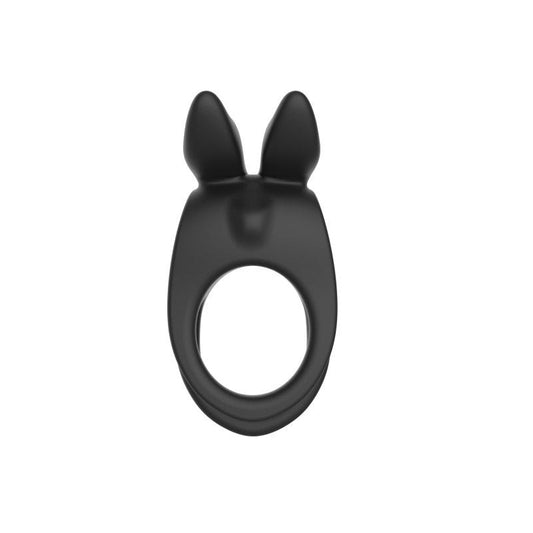
Ashella Men 10 Mode Vibrating Rabbit Cock Ring is a dual-ring vibrator designed for partnered stimulation and performance enhancement. Measuring 45.2 x 91.1 x 43.1mm with 10 vibration modes across 3 speed settings, it combines a supportive shaft and ball ring with external bunny...
- $34.99
$39.99- $34.99
- Unit price
- per
Men 10 Mode Vibrating Sling Ring by Ashella
- Black
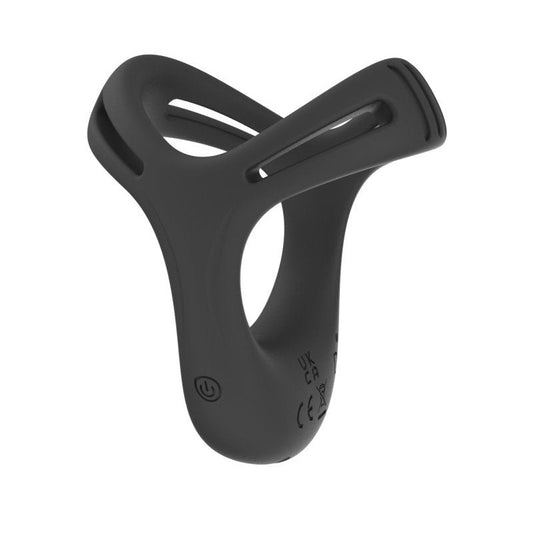
Ashella Men 10 Mode Vibrating Sling Ring is a vibrating cock ring designed for enhanced support and dual-partner stimulation. Featuring 10 vibration modes across 3 speed settings, this silicone ring stretches to secure both shaft and balls for extended performance. At 63 x 55.5...
- $34.99
$39.99- $34.99
- Unit price
- per
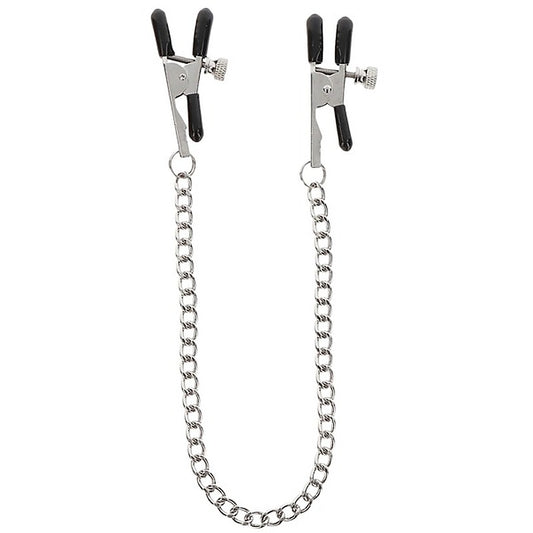

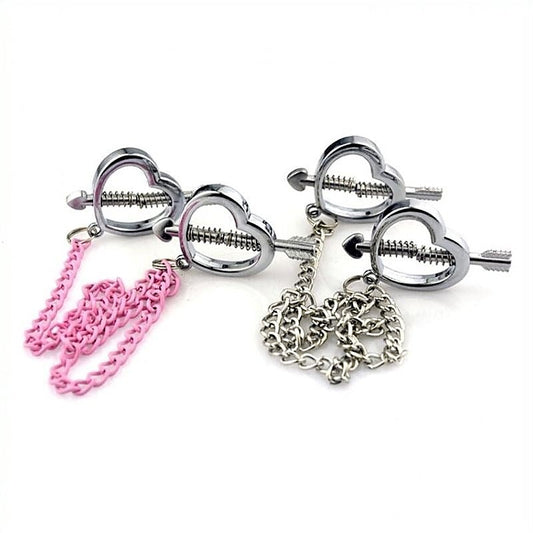

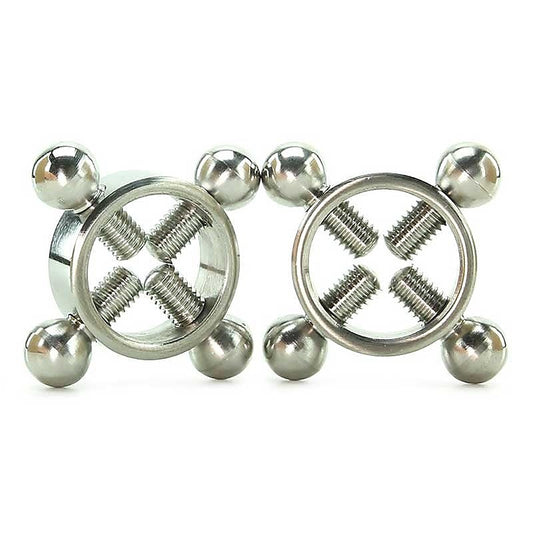

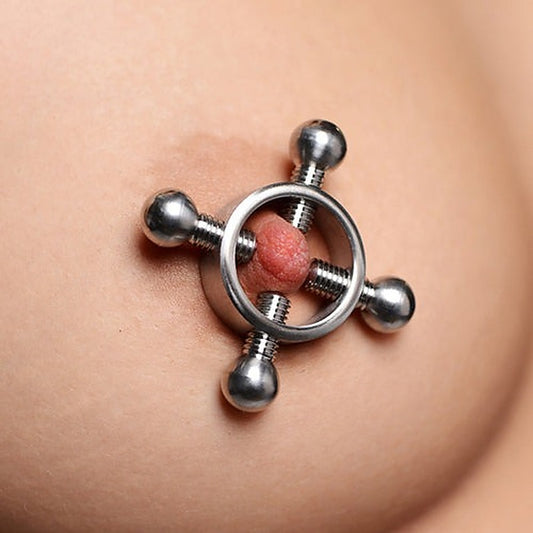


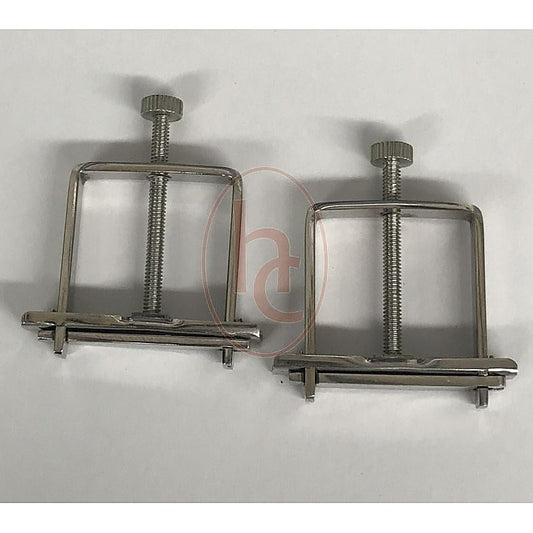


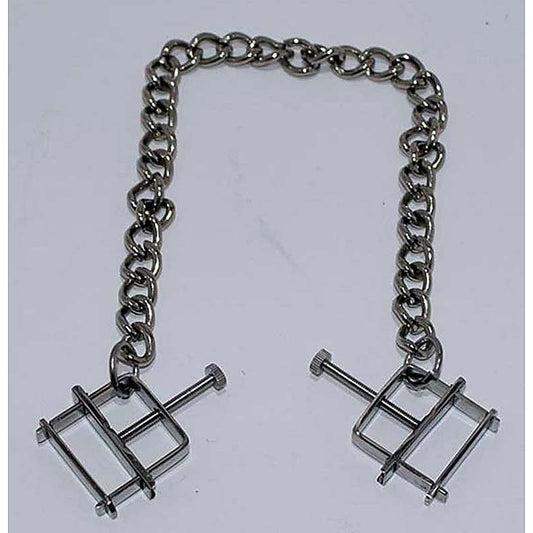


Metal nipple presses are stainless steel sex toys that apply broad, flat compression across the entire nipple and areola through parallel plates connected by adjustment mechanisms. They deliver sustained crushing sensations across wider tissue surfaces, distinct from the pinpoint grip of clamps, and combine intense physical pressure with the psychological impact of mechanical control during BDSM scenes.
At a glance
|
🚚 Plain, discreet packaging • 🔒 Discreet billing • 🔁 Hygiene-conscious returns |
About Metal Nipple Press
Metal nipple presses apply pressure through two flat steel plates that sandwich nipple tissue between them, creating a crushing sensation that spreads across the entire nipple and areola rather than concentrating force at a single point. Screw-adjusted models let you tighten gradually as the scene progresses, giving you precise control over intensity. Spring-loaded versions deliver fixed compression that stays constant without manual adjustment, making them ideal for extended wear or when your hands are occupied elsewhere.
These sex toys suit experienced BDSM players who value the psychological weight of mechanical control and the visible flattening of tissue under steel. Submissives often appreciate the hands-free nature and the way the press maintains consistent intensity throughout a scene, while dominants enjoy reliable, predictable compression that doesn't slip or shift. If you're exploring sensation play beyond sharp clamp pain, or if you want deeper tissue pressure with strong visual feedback, metal presses offer a different profile. Metal Vibrators can complement sensation play by combining pressure with vibration for layered intensity.
What makes Metal Nipple Press different
Unlike clamps or forceps that pinch tissue into a narrow band, presses flatten the entire nipple zone between broad surfaces, creating deep aching pressure instead of sharp, localized pain. The distributed contact means sensation builds gradually and feels less like a bite and more like a crushing weight. Spring or screw mechanisms give you sustained control without fatigue, and the visual impact of watching tissue compress under steel adds a strong psychological dimension. While Metal Chastity Cages restrict and contain, presses actively flatten and compress, making them a distinct tool for different power dynamics and sensation goals.
Types of Metal Nipple Press
Metal nipple presses come in a few core designs, each offering different control and sensation profiles.
Screw-adjusted presses. Twin plates connected by threaded rods that you tighten gradually, allowing you to increase pressure in small increments throughout the scene. This design gives maximum control and lets you dial intensity up or down in real time.
Spring-loaded presses. Preset compression that remains constant once positioned, ideal for hands-free wear during longer scenes or when you want reliable, unchanging pressure without needing to adjust.
Magnetic presses. Plates held together by strong magnets rather than screws or springs, offering smooth, continuous pressure with minimal maintenance and a sleek, minimalist design.
Weighted presses. Heavier designs that rely on their own mass to apply pressure, often combined with screw or spring adjustment for added intensity. Metal Butt Plugs use similar weight principles for sustained sensation during extended wear.
How they compare
| Model | Material | Best for | Control or Base | Safety |
|---|---|---|---|---|
| Screw-adjusted steel press | Surgical stainless steel | Precise intensity control during active scenes | Manual threaded adjustment, gradual tightening | Monitor tissue colour and sensation; loosen if numbness develops |
| Spring-loaded steel press | Surgical stainless steel with stainless springs | Hands-free extended wear with consistent pressure | Fixed compression once positioned; no adjustment needed | Check circulation every 10–15 minutes; remove if tissue darkens |
| Magnetic steel press | Surgical stainless steel with embedded magnets | Smooth, quiet operation with minimal mechanical adjustment | Magnetic hold; can be adjusted by repositioning plates | Ensure magnets don't pinch skin; monitor for sustained numbness |
| Weighted press | Surgical stainless steel, often heavier gauge | Deep aching sensation from weight plus optional screw tightening | Weight-based pressure; screw adjustment for additional intensity | Start with light weight; remove if sharp pain or colour change occurs |
How to choose a metal nipple press
Start by thinking about what kind of pressure appeals to you. If you like gradual intensity changes and want to fine-tune sensation during a scene, a screw-adjusted press gives you that control. If you prefer to set it and forget it—letting the press do its work while you focus on other activities—a spring-loaded or magnetic design is more practical. Consider your experience level too: first-timers should start with lighter spring-loaded models and learn how your body responds before moving to heavier weighted designs or aggressive screw-adjusted compression.
Material and finish matter for comfort and durability. Surgical stainless steel resists corrosion and won't react with your skin, making it the safest long-term choice. Check the plate size and shape to ensure they'll sit comfortably on your body; some presses are designed for smaller areolas, others for broader coverage. If you're combining presses with other gear, think about hands-free compatibility—can you wear them while bound, or while using Nipple Clamps on a partner? Read reviews from other BDSM players to learn about durability, ease of adjustment, and real-world comfort during extended scenes.
Tips from the Adultsmart team
Hard-won pointers from the Adultsmart team, alongside our panel of sexologists, educators, and adult-industry contributors. Meet our experts →
After years of helping customers with metal nipple presses, we've noticed the biggest mistake is jumping straight to maximum pressure. Start with the lightest setting and wear for just five minutes to understand how your tissue responds. Numbness, tingling, or sudden sharp pain are your body's signals to stop—remove the press immediately and check for colour changes. Gradual intensity over multiple scenes teaches you your own limits far better than pushing hard on day one.
Positioning matters more than people think. Centre the press so both plates contact the nipple and areola evenly; uneven contact can pinch skin painfully or cut off circulation to one side. If you're using a screw-adjusted model, tighten slowly in quarter-turns, pausing between each to feel the pressure build. Many customers find that pausing for 30 seconds between adjustments lets sensation settle, so you can gauge true intensity rather than chasing a moving target. This approach also gives you better control during scenes with partners who are watching or communicating intensity levels.
Spring-loaded presses feel deceptively gentle at first, then the ache builds over 10–15 minutes. Don't assume light pressure is safe for hours; set a timer and check in with yourself regularly. If you're new to metal sex toys, the cold steel against warm skin can be shocking—many players warm the press under warm water first or let it sit against skin for a moment before applying full pressure. Store your press in a dry place away from other metal objects that might scratch the finish, and always inspect for burrs or rough edges before use.
| Please read — safety first. Charge only with the supplied cable and keep the charging port dry unless the sex toy is waterproof-rated. Pair and update through the official app, and switch the device off fully between sessions so the motor and battery aren't left under load. Never share between partners, or between anal and vaginal use, without cleaning the item first or using a fresh condom. This information is general in nature only and is not medical advice; it does not account for your individual circumstances. If you have a relevant health condition or experience any persistent discomfort, discontinue use and seek advice from a qualified medical professional. |
Care and cleaning
Wash your metal nipple press with warm soapy water and a soft cloth after every use, paying special attention to any crevices or adjustment mechanisms where moisture can collect. Dry thoroughly with a clean towel before storage to prevent water spots or corrosion. If you notice any rust, rough spots, or damage to the finish, stop using it and contact the retailer. Store in a cool, dry place away from direct sunlight and other metals that might scratch the steel. A soft pouch or cloth bag protects the finish during storage.
Learn more
BDSM sensation play has a rich history of practice and safety wisdom built by the community over decades. For deeper insight into power exchange dynamics and how sensation play fits into broader scenes, Vip Interview With Janet W Hardy Writer Illustrator Sex Educator Editorial Director Of Greenery Press offers experienced perspective from a long-time educator and author in the field.
Why shop Metal Nipple Press at Adultsmart
Looking for a piece that actually fits how you play? Adultsmart stocks metal nipple presses chosen for quality, safety, and real-world durability in BDSM scenes. We pack everything in discreet, unmarked packaging, and your billing appears private on your statement. Real advice, body-safe products, and discreet delivery Australia-wide.
Metal Nipple Press FAQ
What plate diameter in metal nipple presses creates most intense compression on nipple tissue specifically?
Plates measuring 15-25mm diameter concentrate pressure primarily on nipple tissue without excessive areola compression, creating focused crushing on the most sensitive areas for maximum intensity per unit of applied pressure.
What cleaning prevents corrosion in threaded adjustment mechanisms exposed to skin oils during compression?
Disassemble screw components after use, clean threads thoroughly with antibacterial solution removing all oils, dry completely, then apply light food-safe lubricant preventing corrosion while maintaining smooth adjustment operation between sessions.
How does screw-adjusted press compression differ in sensation progression from spring-loaded designs?
Screw systems allow gradual progressive tightening that builds intensity throughout scenes as tolerance develops, while spring-loaded designs maintain consistent preset pressure from initial application without variation during wear.
What maximum continuous wear duration prevents circulation damage from sustained nipple compression?
Most practitioners limit press wear to 15-30 minutes maximum before circulation restriction risks increase significantly, with immediate removal required if nipples become completely white, numb, or excessively cold regardless of time.
Can magnetic nipple presses generate compression forces comparable to screw-adjusted mechanical designs?
Strong neodymium magnets produce substantial compression through magnetic attraction, though maximum achievable pressure typically remains below aggressive screw-tightened systems, making magnetic designs better suited for moderate sustained compression rather than extreme crushing.
Do textured plate surfaces create different sensations than smooth polished 420 steel plates?
Textured surfaces with ridges or patterns create multiple localized pressure points within the overall compression zone, producing complex sensation profiles compared to uniform distributed pressure from smooth polished plates.
How does nipple flattening between press plates affect sensitivity to subsequent stimulation?
Compressed tissue becomes temporarily more sensitive as blood flow restriction and mechanical stress prime nerve endings, making nipples more reactive to touch, temperature, or additional compression when presses are removed.
Can metal nipple presses be worn during movement or primarily during stationary scenes?
Harness-mounted presses remain stable during moderate movement allowing scene mobility, while handheld designs require stationary positioning, and spring or magnetic systems fall between these extremes depending on compression force and breast anatomy.
What screw turn increment in adjustable presses allows safe progressive compression without tissue trauma?
Quarter-turn increments advancing plates by approximately 0.25-0.5mm per adjustment enable gradual compression increases with several minutes between turns, allowing tissue adaptation before further pressure application prevents excessive sudden crushing.
Do larger diameter plates distributing pressure across broader areas allow longer safe wear durations?
Broader pressure distribution reduces peak stress on any single tissue area potentially allowing slightly extended wear, though circulation restriction from sustained compression still limits safe duration regardless of plate size.
Recently Viewed Products
Example product title
- $19.99
- $19.99
- Unit price
- per
Example product title
- $19.99
- $19.99
- Unit price
- per
Example product title
- $19.99
- $19.99
- Unit price
- per
Example product title
- $19.99
- $19.99
- Unit price
- per
Example product title
- $19.99
- $19.99
- Unit price
- per
Example product title
- $19.99
- $19.99
- Unit price
- per
Example product title
- $19.99
- $19.99
- Unit price
- per
Example product title
- $19.99
- $19.99
- Unit price
- per
Example product title
- $19.99
- $19.99
- Unit price
- per
Example product title
- $19.99
- $19.99
- Unit price
- per
Why Shop With Adultsmart?
- Choosing a selection results in a full page refresh.