




-
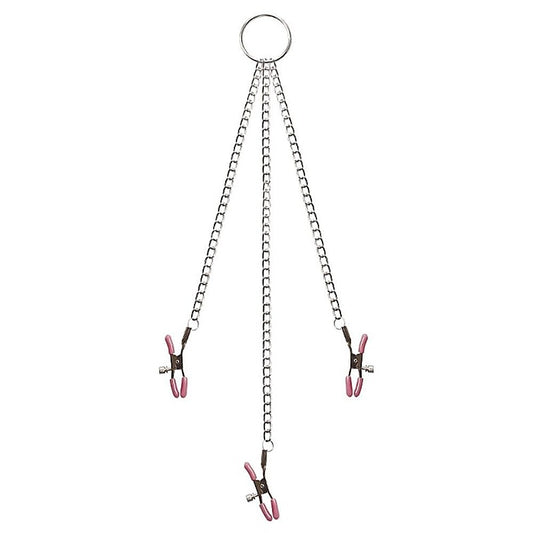
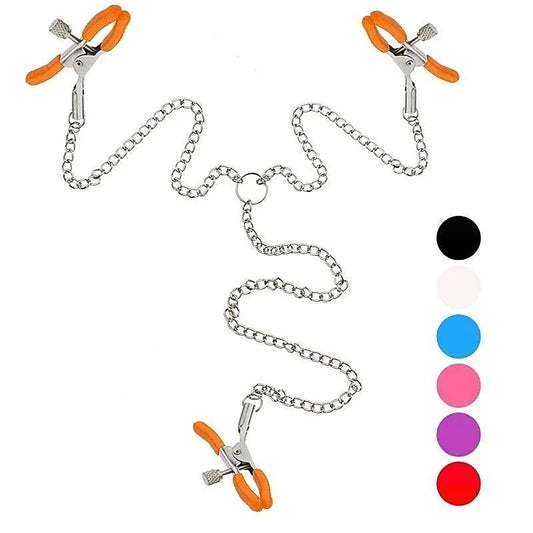
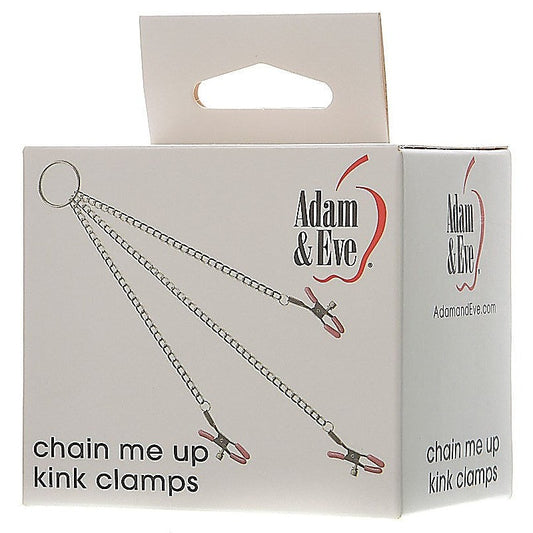
Chain Me Up Nipple & Clitoral Clamps by Adam & EveChain Me Up Nipple & Clitoral Clamps by Adam & Eve is a three-point adjustable clamp set with interconnected metal chains for simultaneous stimulation. The nipple chains measure 11 inches while the clitoral chain extends 12 inches, each clamp featuring soft rubber tips and...
- $74.99
$79.99- $74.99
- Unit price
- per
-
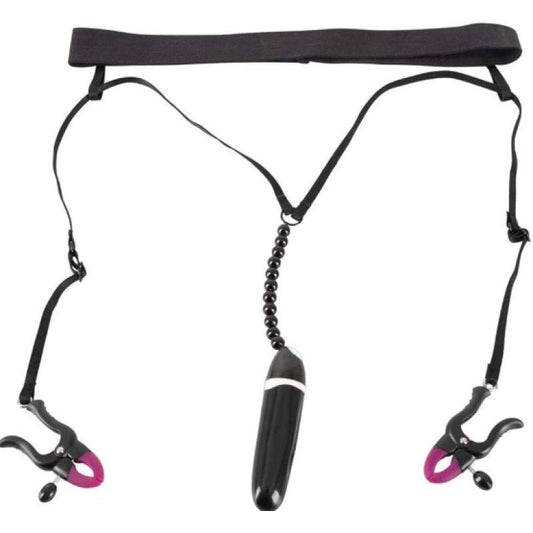
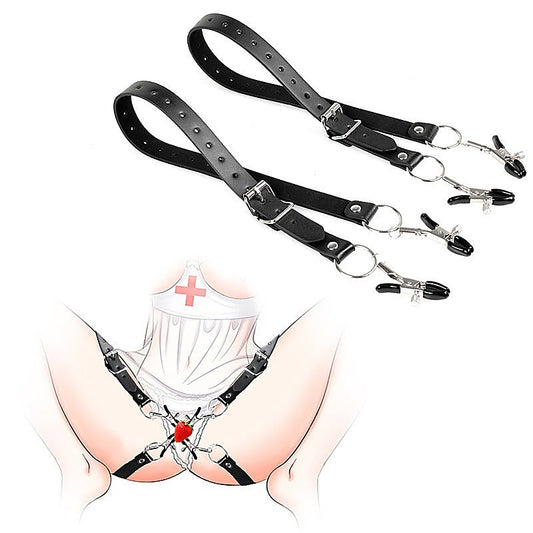
Bad Kitty Spreader String with Vibrator by OrionBad Kitty Spreader String with Vibrator by Orion is a wearable clitoral spreader and vibrator combination that uses adjustable clamps to expose the clitoris while a vibrating pearl stimulator provides targeted sensation. The waistband stretches from 61 cm to 177 cm, accommodating various body...
- $89.99
$99.99- $89.99
- Unit price
- per
-
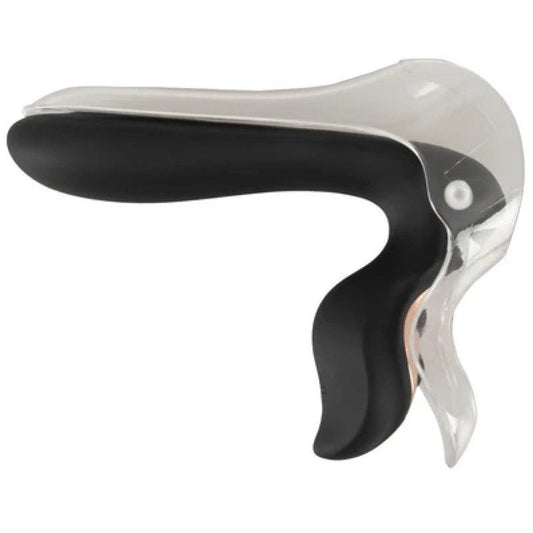
Bad Kitty Vibrating LED Speculum by OrionBad Kitty Vibrating LED Speculum by Orion is a dual-function examination tool combining LED illumination with 10 vibration modes for intimate medical roleplay. Measuring 13.7 cm in total length with a 10.5 cm insertion depth, it opens to 5.6 cm and features a transparent...
- $109.99
$119.99- $109.99
- Unit price
- per
-
Faux Leather Labia Clamp Belt by BDStyle - BlackBDStyle Faux Leather Labia Clamp Belt is a specialized restraint accessory designed for genital-focused bondage play. Measuring 55.5 cm in length with faux leather construction, it delivers targeted labial stimulation through integrated clamping mechanism. The non-electronic design requires no batteries, making it instantly available...
- $34.99
$39.99- $34.99
- Unit price
- per
-
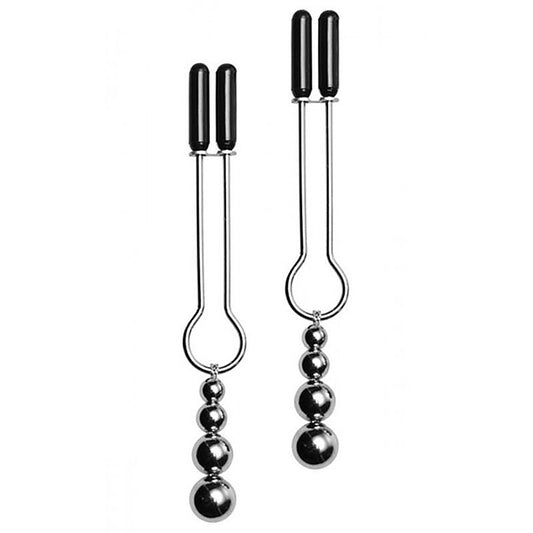
Kneel Nose to Genitals Kneeling Clamps by BDStyleBDStyle Kneel Nose to Genitals Kneeling Clamps feature adjustable tweezer-style pressure with three decorative silver beads. Measuring 3.5 inches total with a 2.25-inch adjustable clamp length, these clamps offer customizable intensity through a sliding ring mechanism. Vinyl coating provides comfort and grip control. Suitable...
- $31.49
$44.99- $31.49
- Unit price
- per
-
Adorn Triple Bead Nipple Clamp Set by BDStyle - GoldBDStyle Adorn Triple Bead Nipple Clamp Set is a tweezer-style nipple clamp featuring three decorative silver beads and adjustable pressure control. At 3.5 inches total length with a 2.25-inch adjustable tweezer mechanism, it delivers customizable sensation intensity through a sliding ring. The vinyl-coated design...
- $10.49
$14.99- $10.49
- Unit price
- per
-
Twisted Nipple & Clit Clamps by BDStyle - BlackBDStyle Twisted Nipple & Clit Clamps are adjustable metal clamps with protective rubber tips designed for precision sensation play. Featuring a screw mechanism for customizable pressure and a connecting chain for aesthetic appeal, they measure approximately 2.5 inches per clamp with 316L stainless steel...
- $9.99
$14.99- $9.99
- Unit price
- per
-
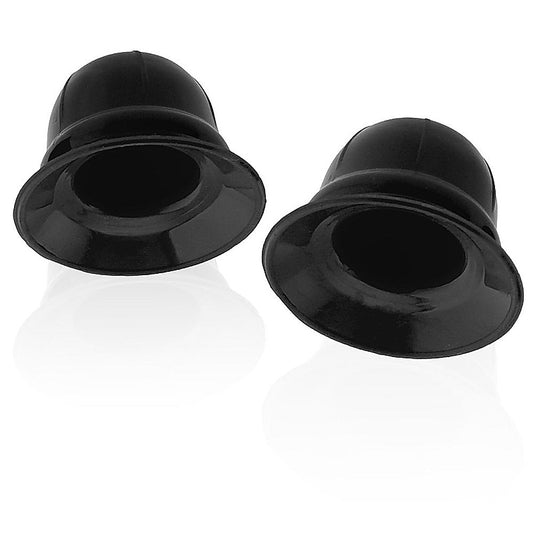
Nano Nips Nipple Sucker Silicone w/ Storage Case - BlackHunkyjunk Nano Nips Silicone Nipple Sucker With Storage Case is a 2-pack nipple stimulation tool made from premium liquid silicone. Each sucker measures 39mm long with a 26mm inner diameter at the base, delivering targeted "just the tip" suction for enhanced sensitivity. The wide-flange...
- $39.99
$44.99- $39.99
- Unit price
- per
-
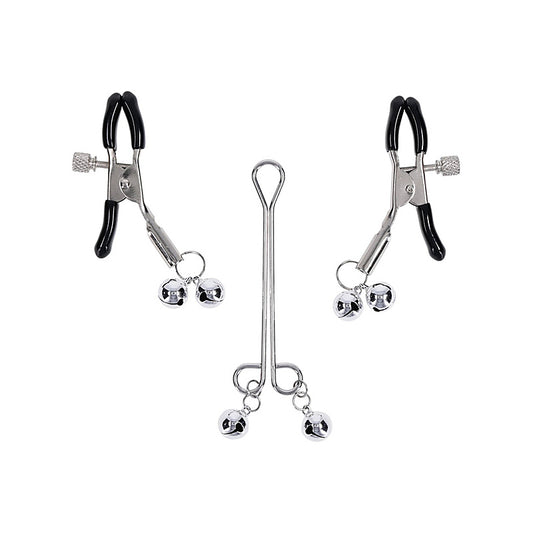
Sex and Mischief Shadow Bell Nipple and Clit Jewelry - BlackSex and Mischief Shadow Bell Nipple and Clit Jewelry is a pressure-play clamp set featuring dual silver bells on adjustable rubber-tipped nipple clamps and a tapered silver-tone clit clamp. The iron and PVC construction delivers responsive sound with every movement, combining tactile pressure with...
- $24.99
$29.99- $24.99
- Unit price
- per
-
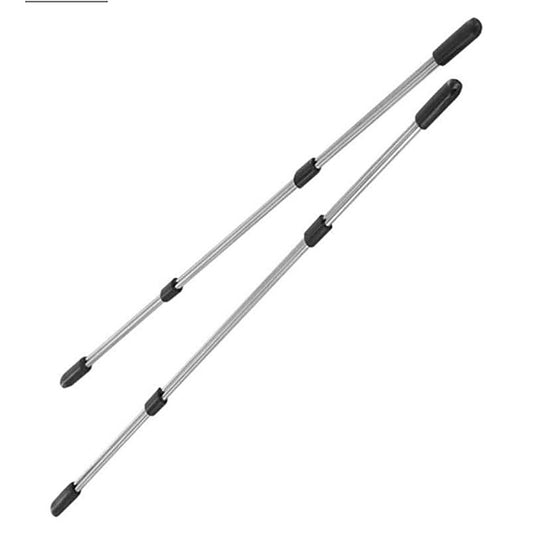
Nipple BDSM Sticks Stainless Steel by Hell's CoutureHell's Couture Nipple BDSM Sticks are precision-engineered stainless steel sensory tools measuring 19.5 cm, featuring adjustable rubber rings for customizable pressure control. The medical-grade construction includes protective rubber-tipped ends and welded steel bullets for durability. This dual-stick set delivers focused nipple stimulation with professional-grade...
- $19.99
$29.99- $19.99
- Unit price
- per
-
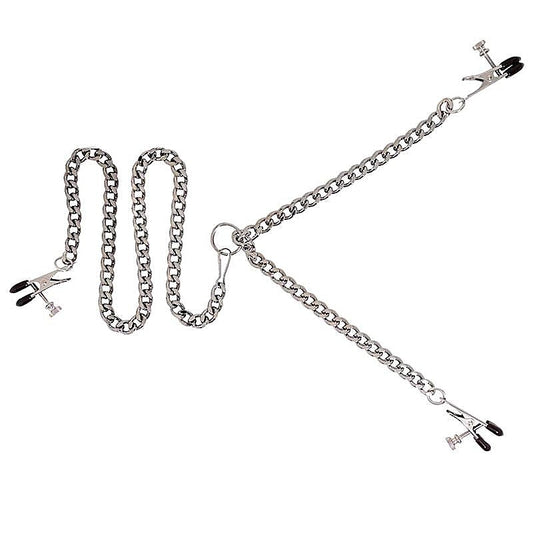
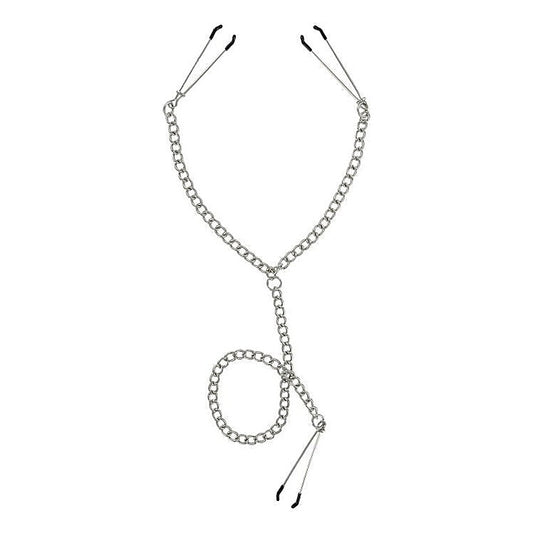
Y-Style Adjustable Tweezer Clamps with Clit ClampY-Style Adjustable Tweezer Clamps with Clit Clamp by Spartacus Enterprises is a precision metal clamp set featuring dual adjustable contact points and removable rubber tips. The Y-style configuration delivers synchronized stimulation across multiple zones with independent pressure control, while the detachable chain system enables...
- $49.99
$64.99- $49.99
- Unit price
- per
-
Y-Style Adjustable Broad Tip Clamps With Clit ClampY-Style Adjustable Broad Tip Clamps With Clit Clamp is a multi-component nipple and genital clamp system from Spartacus Enterprises featuring adjustable tension mechanisms and protective rubber-coated tips. The broad tips distribute pressure across a wider surface area than traditional narrow clamps, while the detachable...
- $59.99
$69.99- $59.99
- Unit price
- per
-
Adjustable Nipple & Clit Clamps by BDStyleBDStyle Adjustable Nipple & Clit Clamps are precision tension clamps designed for targeted BDSM stimulation. Featuring adjustable silicone-coated tips and sturdy metal construction, they deliver customizable pressure from gentle sensation to intense compression. The lightweight, ergonomic design suits both beginners exploring sensation play and...
- $14.99
$19.99- $14.99
- Unit price
- per
-
Kink Pinch Nipple & Clit Tweezer Clips by Doc JohnsonKink Pinch Nipple & Clit Tweezer Clips with Silicone Tips is a dual-zone clamping system designed for simultaneous nipple and clitoral stimulation. At 22 inches total length with adjustable pressure rings on each clip, the silicone-tipped metal tweezers deliver customizable intensity across multiple sensitive...
- $39.99
$49.99- $39.99
- Unit price
- per
-
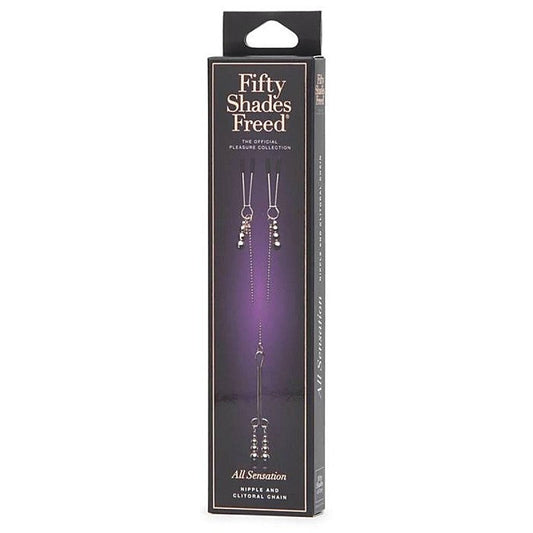
Fifty Shades Freed All Sensation Nipple and Clitoral ChainFifty Shades Freed All Sensation Nipple and Clitoral Chain is a dual-clamp sensory accessory featuring silicone-coated metal construction and adjustable pressure control. Measuring 7.9 inches with a slide-to-fit mechanism, it delivers customizable stimulation across nipples and clitoris. The polished chain connects both clamps with...
- $35.99
$39.99- $35.99
- Unit price
- per
-
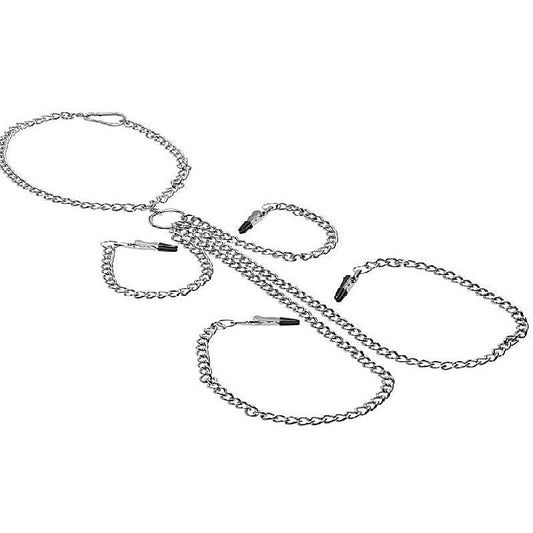
Master Series Collar Nipple and Clit Clamp Set Metal ChainThe Collar Nipple And Clit Clamp Set by XR Brands is a metal and vinyl restraint system designed for sensory play and pressure stimulation. Featuring an 11-inch collar chain, 12-inch nipple chain, and 25-inch labia chain, it delivers adjustable clamping pressure across multiple body...
- $74.99
$94.99- $74.99
- Unit price
- per
-
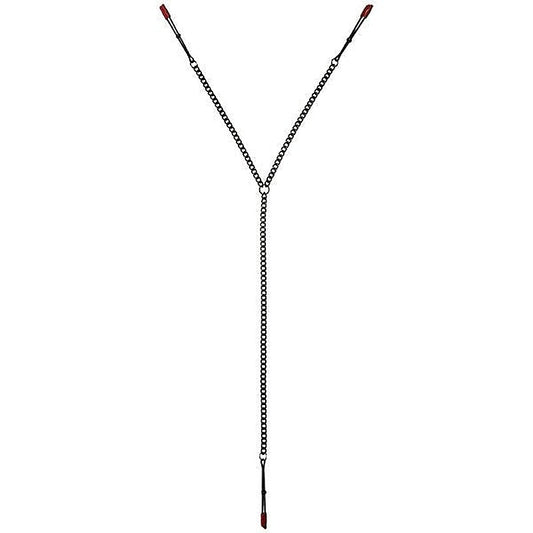
Anais Y-Style Nipple To Clit Set by XR BrandsThe Anais Y-Style Nipple To Clit Set is a dual-clamp chain system designed for synchronized sensation play across the body. Featuring an 18-inch nipple chain and 15.5-inch clit chain connected in a Y configuration, the set includes vinyl-coated metal clamps adjustable up to 1...
- $26.99
$29.99- $26.99
- Unit price
- per
-
Chain Me Up Kink Clamps Hands-Free by Adam & EveAdam and Eve Chain Me Up Kink Clamps are adjustable metal nipple and clitoral clamps with dual chains measuring 11 inches and 12 inches respectively. The rubber-coated tips provide secure grip while precision screws enable customized pressure control for varied sensitivity levels. An integrated...
- $44.99
$49.99- $44.99
- Unit price
- per
VISIT XVIDEO FOR ADULT DVDS



Vibrating Double Penetrator with Remote by Passion Play
- Black
Passion Play Double Penetrator with Remote is a dual-chamber vibrator with 21 low-frequency patterns designed for internal male stimulation. Measuring 14.5 cm insertable length and 3 cm width, it delivers steady, deep vibrations via wireless remote control from up to 8 metres away. Made...
- $69.99
$74.99- $69.99
- Unit price
- per
Men 10 Mode Vibrating Rabbit Cock Ring by Ashella
- Black
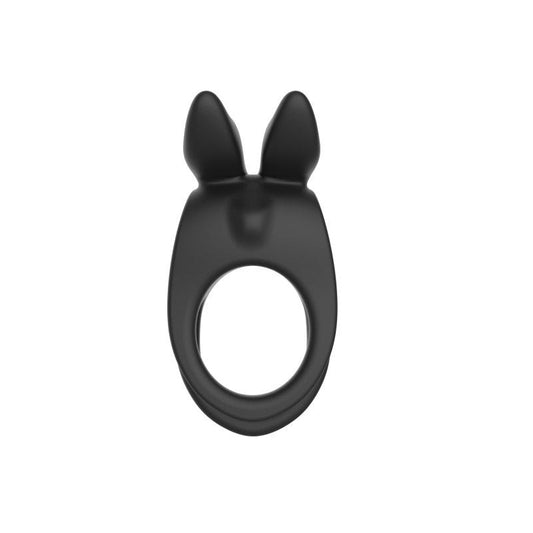
Ashella Men 10 Mode Vibrating Rabbit Cock Ring is a dual-ring vibrator designed for partnered stimulation and performance enhancement. Measuring 45.2 x 91.1 x 43.1mm with 10 vibration modes across 3 speed settings, it combines a supportive shaft and ball ring with external bunny...
- $34.99
$39.99- $34.99
- Unit price
- per
Men 10 Mode Vibrating Sling Ring by Ashella
- Black
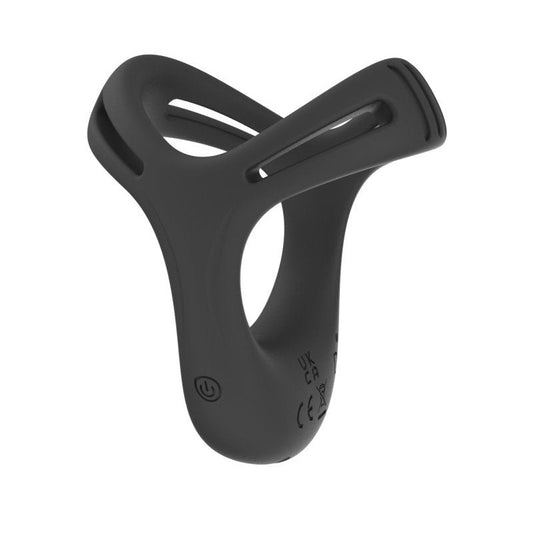
Ashella Men 10 Mode Vibrating Sling Ring is a vibrating cock ring designed for enhanced support and dual-partner stimulation. Featuring 10 vibration modes across 3 speed settings, this silicone ring stretches to secure both shaft and balls for extended performance. At 63 x 55.5...
- $34.99
$39.99- $34.99
- Unit price
- per


















Genital clamps are BDSM sex toys that apply controlled pressure to cock, pussy, and scrotal tissue through compression mechanisms engineered for delicate genital anatomy. They deliver intense sensation through sustained pressure and restricted blood flow, making them core tools for genital torture play and CBT scenes.
At a glance
|
🚚 Plain, discreet packaging • 🔒 Discreet billing • 🔁 Hygiene-conscious returns |
About Genital Clamps
Genital clamps work by compressing sensitive genital tissue between opposing surfaces, restricting blood flow and triggering intense nerve responses. The sensation starts sharp and acute, then deepens into throbbing pressure as metabolic buildup occurs in the compressed area. They come in metal designs for durability and weight, silicone variants for softer contact, and hybrid styles combining both materials. Couples incorporating CBT or pussy torture into their scenes choose genital clamps because the specialized designs provide intense sensation without the injury risk that Nipple Clamps create when misapplied to cock or pussy tissue.
These adult sex toys are ideal for submissives with high genital sensation tolerance and dominants who want reliable pressure delivery during extended play. The anatomical engineering accommodates the curved surfaces, thin skin, and concentrated nerve density of genital tissue in ways that adapted nipple clamps cannot. Beginners exploring genital sensation play benefit from the safety margins built into these clamps, while experienced players use them as core tools in their BDSM toolkit.
What makes Genital Clamps different
Genital clamps are purpose-built for fragile tissue that tears more easily and contains denser nerve concentration than chest tissue. Pressure ranges max at 200–400 grams compared to 500–800 grams in nipple clamps, preventing the circulation cutoff and nerve damage that excessive compression causes in delicate skin. Wider jaw surfaces distribute force across larger tissue areas, reducing localized crushing that creates injury hotspots. Unlike Silicone Vibrators, which focus on broad stimulation, genital clamps deliver precise, sustained pressure to specific anatomical zones for targeted sensation play.
Types of Genital Clamps
Genital clamps come in several distinct styles, each suited to different play preferences and anatomical needs.
Adjustable screw clamps. These metal clamps feature a tightening screw mechanism that lets you dial pressure up or down gradually, giving precise control over sensation intensity. Ideal for first-timers and couples exploring pressure ranges together.
Spring-loaded clamps. Consistent pressure from a spring mechanism means less fiddling mid-scene. They open and close quickly, suiting players who want smooth application and release without manual adjustment.
Vibrating genital clamps. Battery or Rechargeable Vibrators combined with clamping action add a second dimension of sensation—pressure plus buzzing stimulation—for players seeking layered intensity.
Silicone-lined clamps. Metal frames with soft silicone contact surfaces protect delicate tissue from metal-on-skin contact while maintaining reliable pressure delivery and grip on naturally lubricated areas.
How they compare
| Model | Material | Best for | Control or Base | Safety |
|---|---|---|---|---|
| Adjustable Screw Clamp | Stainless steel | Beginners, precision pressure control | Manual screw adjustment | Gradual tightening prevents accidental over-compression |
| Spring-loaded Clamp | Metal with rubber grip | Experienced players, quick scenes | Spring tension, one-handed use | Consistent pressure, no over-tightening risk |
| Vibrating Genital Clamp | Silicone-lined metal | Layered sensation, extended play | Battery or USB rechargeable, vibration modes | Silicone lining protects tissue, waterproof casing |
| Silicone Clamp | Medical-grade silicone | Sensitive skin, longer wear | Manual, lightweight design | Soft contact, hypoallergenic, low pressure range |
How to choose a genital clamp
Start by assessing your sensation tolerance and play style. If you're new to genital clamping, an adjustable screw clamp gives you the control to find your pressure sweet spot without committing to a fixed tension. Experienced players often prefer spring-loaded or vibrating models for faster scene flow. Consider the anatomical fit: narrower clamps suit cock play, while wider jaw designs work better for labia or scrotal tissue. Think about session length too—lighter pressure clamps suit extended wear, while heavier compression works for shorter intense scenes.
Material choice matters for both sensation and safety. Stainless steel clamps deliver weight and cold contact that many players crave, but they can feel harsh on very sensitive tissue. Silicone-lined options protect delicate skin while maintaining reliable grip on lubricated areas. If you're exploring with a partner, Mini Vibrators offer an entry point to sensation play without the commitment of permanent clamps. Test your clamp on your inner arm or thigh first to gauge pressure intensity, and always establish a clear safe word before scene play begins.
Tips from the Adultsmart team
Hard-won pointers from the Adultsmart team, alongside our panel of sexologists, educators, and adult-industry contributors. Meet our experts →
After years of helping customers with genital clamps, we've noticed the biggest mistake is starting with too much pressure too soon. New players often think sensation intensity equals safety risk, but the opposite is true—gentle, sustained pressure builds sensation more reliably than aggressive clamping. Start at the lowest setting, leave the clamp on for short periods (five to ten minutes), and increase duration before increasing pressure. Your body will tell you when you're ready for more.
Fit and positioning make the difference between intense pleasure and numb discomfort. Genital tissue swells and shifts during arousal, so position your clamp before you're fully aroused, then check it again once you've reached peak sensation. If you feel shooting pain, pins-and-needles tingling, or coldness in the clamped area, remove the clamp immediately—that's nerve compression, not sensation. Good clamping feels like pressure, ache, and throb, not sharp stabbing or numbness.
Communication with your partner is non-negotiable, especially during your first few scenes. Agree on a safe word before you start, and check in every few minutes. The submissive partner should always be able to speak freely about discomfort or concern. Never leave someone in genital clamps unattended, and always have scissors or safety shears within arm's reach in case quick removal is needed. After a scene, gently massage the clamped area to restore circulation and sensation, and watch for any bruising or skin irritation over the next few hours.
| Please read — safety first. Charge only with the supplied cable and keep the charging port dry unless the sex toy is waterproof-rated. Pair and update through the official app, and switch the device off fully between sessions so the motor and battery aren't left under load. This information is general in nature only and is not medical advice; it does not account for your individual circumstances. If you have a relevant health condition or experience any persistent discomfort, discontinue use and seek advice from a qualified medical professional. |
Care and cleaning
Clean your genital clamp before and after every use with warm soapy water and a soft cloth. Metal clamps can be boiled for five minutes for deep sterilisation. Silicone-lined clamps should not be boiled—wash with antibacterial soap instead. Dry thoroughly and store in a clean, dry place away from direct sunlight. Check metal clamps regularly for rust or corrosion; if you spot either, replace the clamp. Never use damaged clamps on delicate genital tissue.
Learn more
Genital sensation play sits at the intersection of pain, pressure, and intense arousal—it's a skill that develops over time. For broader perspectives on BDSM play and sensation exploration, check out the Miss Bi Sex Toy Review for insights into integrating different sex toys and techniques into your scenes.
Why shop Genital Clamps at Adultsmart
Looking for a piece that actually fits how you play? Adultsmart stocks genital clamps in every pressure range and material type, from beginner-friendly adjustable clamps to advanced vibrating models. Discreet packaging arrives under plain labelling, and your billing shows Adultsmart only. Real advice, body-safe products, and discreet delivery Australia-wide.
Genital Clamps FAQ
What pressure ranges are safe for genital clamp application compared to nipple clamps?
Genital clamps should deliver 100-400 grams maximum compression compared to 300-800 grams in nipple clamps. Genital tissue has thinner skin, denser nerve concentration, and tears more easily under pressure. Most quality genital clamps feature pressure limiting mechanisms preventing dangerous over-compression that causes permanent damage to delicate cock, pussy, or scrotal tissue.
How should genital clamps be cleaned after use on intimate tissue?
Wash immediately after use with antibacterial toy cleaner or mild soap and hot water, scrubbing all surfaces that contacted genital fluids. Sterilize metal clamps monthly by boiling 10 minutes or using 10% bleach solution. Rubber-coated clamps need gentler cleaning with toy-safe disinfectants avoiding degrading coating materials. Dry completely before storage preventing bacterial growth.
How does jaw width affect safety in genital clamp designs?
Wider jaws (20-30mm) distribute pressure across larger tissue areas, reducing localized crushing that causes injury hotspots on thin genital skin. Narrow jaws (under 15mm) concentrate force dangerously on small tissue sections, increasing tearing risk. Genital-specific clamps use wider surfaces than nipple clamps to accommodate thinner more fragile tissue requiring broader pressure distribution.
What anatomical differences require specialized clamps for pussy versus cock application?
Pussy tissue features thinner labia requiring gentler pressure and wider jaw surfaces than cock shaft skin tolerates. Curved labial anatomy needs clamps with angled jaws rather than flat surfaces, while cock clamps accommodate cylindrical shaft geometry. Clitoral hood tissue demands extremely low pressure limits that cock skin clamps would exceed dangerously.
How do rubber-coated jaws improve genital clamp safety?
Rubber coatings provide grip on naturally lubricated genital tissue that slips from bare metal surfaces, reducing pressure requirements for secure attachment. The cushioning distributes force more evenly, preventing sharp metal edges from cutting thin genital skin. Rubber surfaces allow 30-40% longer safe wear times compared to bare metal through reduced tissue damage risk.
What cock clamp placements avoid urethral damage during application?
Clamp shaft skin at least 15mm away from urethral opening and behind the glans where tissue is thicker and less vascular. Avoid the frenulum area directly below the urethral opening where tissue is extremely thin. Never clamp directly over visible veins or the urethral tube itself, as compression causes internal damage and potential scarring.
How long can genital clamps be worn safely during BDSM scenes?
Limit genital clamp wear to 15-20 minutes maximum at any pressure level due to thinner tissue and reduced circulation tolerance compared to nipples. Remove immediately if complete numbness, white or purple discoloration, or sharp shooting pains develop. Allow 30-minute minimum recovery between applications to restore full circulation before reapplying.
What makes scrotal clamps different from other genital clamp designs?
Scrotal clamps feature wider jaw openings (25-40mm) accommodating loose ball sack tissue thickness and often include weight attachment points for stretching applications. Pressure ranges stay lower (50-250g) than cock clamps due to scrotal skin sensitivity. Curved jaw geometries match the rounded contours of testicles better than flat surfaces designed for shaft or labial tissue.
How do clover-style mechanisms work safely on genital tissue?
Genital-safe clover clamps feature pressure limiting designs preventing the self-tightening mechanism from exceeding safe compression levels during pulling. Standard clover clamps designed for nipples can crush genital tissue dangerously when pulled hard. Genital-specific models use lighter spring tension and wider jaw surfaces distributing increased pressure safely across more tissue area.
What surface textures provide best grip on lubricated genital tissue?
Fine serrations or cross-hatching patterns grip naturally lubricated genital skin effectively without requiring dangerous over-tightening, while smooth metal surfaces slip easily. Rubber or silicone coatings provide excellent friction on wet tissue through material properties rather than texture. Avoid aggressive teeth or sharp serrations exceeding 1mm height as these tear delicate genital skin.
Recently Viewed Products
Example product title
- $19.99
- $19.99
- Unit price
- per
Example product title
- $19.99
- $19.99
- Unit price
- per
Example product title
- $19.99
- $19.99
- Unit price
- per
Example product title
- $19.99
- $19.99
- Unit price
- per
Example product title
- $19.99
- $19.99
- Unit price
- per
Example product title
- $19.99
- $19.99
- Unit price
- per
Example product title
- $19.99
- $19.99
- Unit price
- per
Example product title
- $19.99
- $19.99
- Unit price
- per
Example product title
- $19.99
- $19.99
- Unit price
- per
Example product title
- $19.99
- $19.99
- Unit price
- per
Why Shop With Adultsmart?
- Choosing a selection results in a full page refresh.