




-
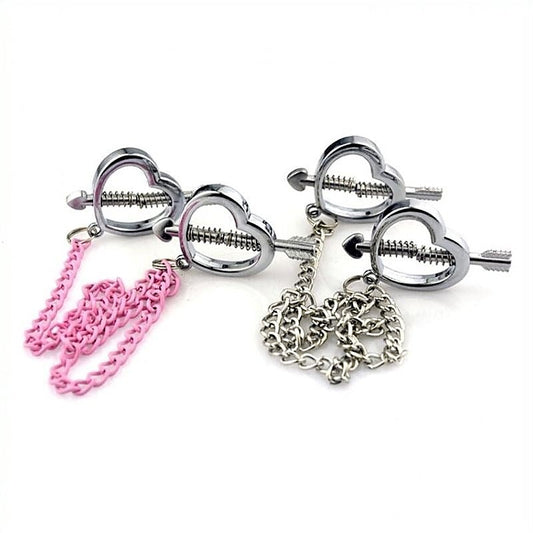
Cupid Nipple Press Clamps With Chain by BDStyle - BlackCupid Nipple Press Clamps with Chain is a metal nipple clamp system featuring adjustable pressure settings and a connecting chain. Made from premium metal with protective covers, each clamp delivers customizable intensity from gentle to firm. The elegant silver finish and chain design suit...
- $24.99
$29.99- $24.99
- Unit price
- per
-
Adjustable Spring Jaw Clamps with Link Chain by SpartacusSpartacus Adjustable Spring Jaw Clamps with Link Chain are precision-engineered metal clamps designed for customizable pressure play. Featuring nickel-plated construction with rubber-tipped jaws and a 12-inch connecting chain, they deliver adjustable tension through a screw mechanism. The clamps suit people seeking controlled sensory stimulation...
- $29.99
$34.99- $29.99
- Unit price
- per
-
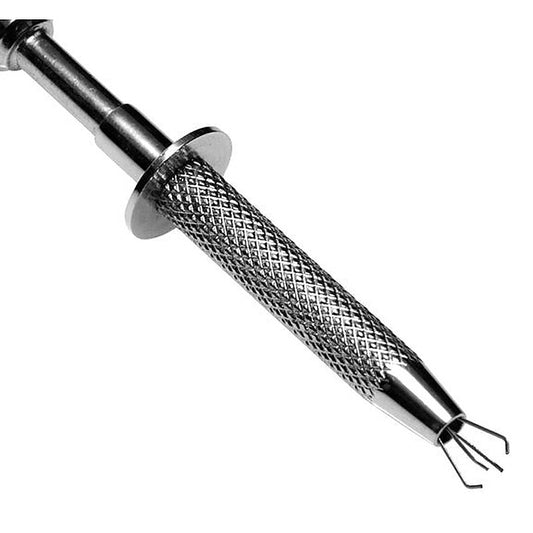
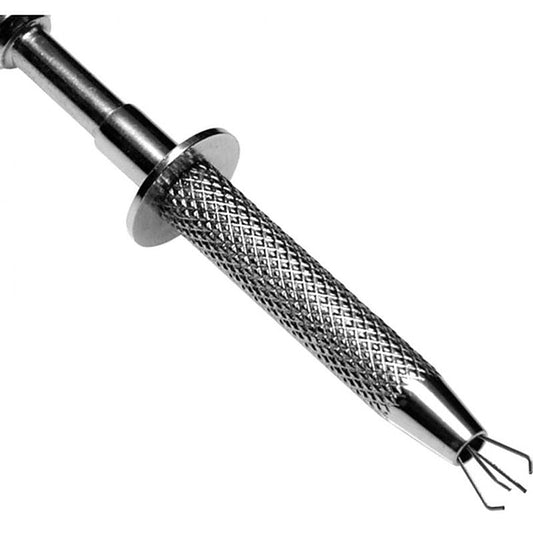
Extreme Sensation Claw Clamps by XR BrandsExtreme Sensation Claw Clamps are precision stainless steel implements designed for advanced BDSM play. Each clamp measures 2.85 inches with a 0.3-inch maximum opening, featuring a four-finger push mechanism that delivers controlled intensity. The set includes two matching clamps for symmetric or varied application,...
- $59.99
$69.99- $59.99
- Unit price
- per
-
Extreme Claw Clamps Stainless Steel by BDStyleBDStyle Extreme Claw Clamps are precision-engineered stainless steel clamps designed for advanced sensation play. Measuring 7.2 centimeters long with a 0.76-centimeter maximum opening, they feature a four-finger retraction mechanism delivering graduated pressure control. Medical-grade construction ensures durability and hygiene, making them suited for experienced...
- $39.99
$44.99- $39.99
- Unit price
- per
-
Spring Loaded Nipple Clamps by Hell's CoutureSpring Loaded Nipple Clamps by Hell's Couture are adjustable metal clamps designed for nipple stimulation with vinyl-coated tips. Featuring spring-loaded tension adjustment, durable metal construction, and a sleek black and silver finish, they deliver customizable pressure from gentle to intense. These clamps suit people...
- $24.99
$34.99- $24.99
- Unit price
- per
VISIT XVIDEO FOR ADULT DVDS



Vibrating Double Penetrator with Remote by Passion Play
- Black
Passion Play Double Penetrator with Remote is a dual-chamber vibrator with 21 low-frequency patterns designed for internal male stimulation. Measuring 14.5 cm insertable length and 3 cm width, it delivers steady, deep vibrations via wireless remote control from up to 8 metres away. Made...
- $69.99
$74.99- $69.99
- Unit price
- per
Men 10 Mode Vibrating Rabbit Cock Ring by Ashella
- Black
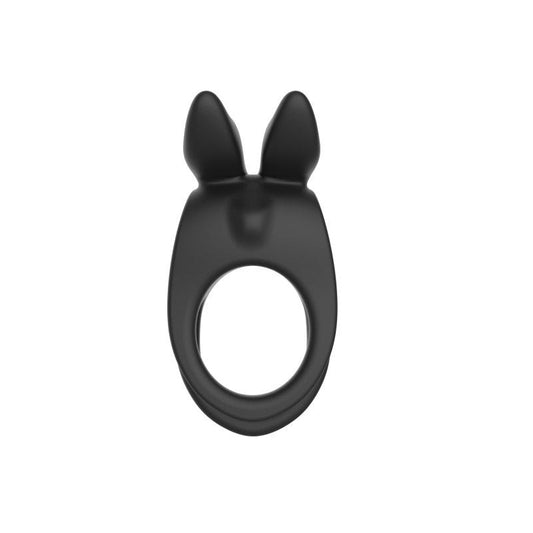
Ashella Men 10 Mode Vibrating Rabbit Cock Ring is a dual-ring vibrator designed for partnered stimulation and performance enhancement. Measuring 45.2 x 91.1 x 43.1mm with 10 vibration modes across 3 speed settings, it combines a supportive shaft and ball ring with external bunny...
- $34.99
$39.99- $34.99
- Unit price
- per
Men 10 Mode Vibrating Sling Ring by Ashella
- Black
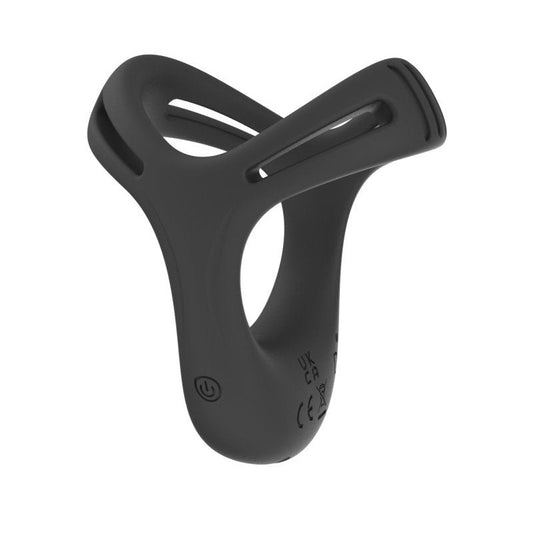
Ashella Men 10 Mode Vibrating Sling Ring is a vibrating cock ring designed for enhanced support and dual-partner stimulation. Featuring 10 vibration modes across 3 speed settings, this silicone ring stretches to secure both shaft and balls for extended performance. At 63 x 55.5...
- $34.99
$39.99- $34.99
- Unit price
- per





Spring loaded BDSM clamps are self-closing sex toys that grip tissue using internal spring mechanisms, delivering instant and consistent pressure without manual adjustment. They come in styles for nipples, labia, and other sensitive areas, and suit fast-paced scenes, beginners, and anyone who wants reliable tension applied in seconds.
At a glance
|
🚚 Plain, discreet packaging • 🔒 Discreet billing • 🔁 Hygiene-conscious returns |
About Spring Loaded BDSM Clamps
Spring loaded clamps work through compressed coil or leaf springs that generate gripping force between the jaws when applied to skin or tissue. The spring tension creates immediate compression at a predetermined level set during manufacturing, so there's no learning curve with adjustment and no gradual loosening over time like screw mechanisms can develop. Materials range from stainless steel and aluminium to plastic, and styles include nipple clamps, labia clamps, and clamps for other body areas. Most spring designs maintain steady tension throughout wear, making them reliable for extended scenes where checking and readjusting might break the flow.
These sex toys suit beginners exploring compression play because the preset tension eliminates guesswork about safe pressure levels. They also work well for dominants running fast-paced scenes where pausing to calibrate each clamp would disrupt momentum. The main advantage is speed and simplicity: you can attach multiple clamps quickly across different body points without stopping to turn screws. For submissives, the inability to see or control the pressure level adds an element of unpredictability that intensifies the power exchange. If you're exploring BDSM beyond clamps, BDSM Ticklers and Spankers offer complementary sensations in the same dynamic.
What makes Spring Loaded BDSM Clamps different
Spring loaded designs stand apart because they deliver consistent pressure instantly, without the user having to adjust tension by hand. Unlike screw clamps that require deliberate tightening and can loosen gradually as tissue compresses, spring mechanisms maintain their grip automatically. This makes them faster to apply, more forgiving for beginners who might over-tighten, and ideal for scenes where speed matters. The preset nature also creates psychological intensity for submissives who cannot anticipate or control the sensation through visible adjustment. If you're specifically interested in nipple compression, Nipple Clamps covers the full range of styles and mechanisms available.
Types of Spring Loaded BDSM Clamps
Spring loaded clamps come in several distinct styles, each designed for different body areas and sensation preferences.
Nipple clamps. The most common type, these grip the nipple and areola. They're available in light, moderate, and firm tensions, and suit both beginners and experienced players exploring different intensities.
Labia clamps. Designed for external genital play, these have wider or curved jaws to fit the shape of the vulva safely. They deliver sustained pressure during longer scenes or while the submissive moves.
Adjustable-tension spring clamps. Some models feature a dial or lever that slightly alters spring compression without the hassle of screwing. These offer a middle ground between fully preset and fully adjustable designs, and appear across BDSM Gear collections.
Decorative or specialty clamps. Chain-linked pairs, clamps with bells or weights attached, or designs in jewelled finishes add aesthetic or sensory layers to compression play.
How they compare
| Model | Material | Best for | Control or Base | Safety |
|---|---|---|---|---|
| Stainless steel nipple clamps | Stainless steel jaws, coil spring | Moderate to firm pressure, long-term wear | Preset tension, no adjustment | Durable, won't rust, check spring regularly |
| Plastic or silicone clamps | Plastic or silicone-coated jaws, light spring | Beginners, sensitive skin, light sensation | Preset light tension, very forgiving | Gentler, less risk of pinching, lower durability |
| Labia clamps with chain | Stainless steel, wider jaws, connecting chain | Genital play, dynamic scenes, visual appeal | Preset tension, chain adds weight | Ensure jaws don't pinch internal tissue, check alignment |
| Adjustable spring clamps | Metal with dial or lever mechanism | Players wanting light variation without full screwing | Minimal adjustment possible, mostly preset | Check mechanism doesn't slip during wear |
How to choose a spring loaded bdsm clamp
Start by thinking about where you want to use the clamp and how much pressure you can handle. Nipple clamps are the most popular entry point, and stainless steel versions offer good durability and moderate tension suitable for most users. If you're new to compression play, begin with light-tension clamps and move to firmer designs as your tolerance grows. Body area matters too: nipple clamps have narrow jaws, while labia clamps are wider and curved to fit safely. Consider whether you want a simple preset design or one with minimal adjustment options. If you're exploring other sensations alongside compression, Curved Dildos can complement clamp play in mixed scenes.
Material durability and comfort also influence your choice. Stainless steel lasts longer and won't rust, but plastic or silicone clamps feel gentler on sensitive skin and suit light-pressure play. Think about how long you plan to wear the clamps during a scene: longer wear often feels better with lighter tension. Check whether the clamp design includes safety features like padded jaws or a mechanism that prevents over-tightening. Finally, consider aesthetics if that matters to you—decorative clamps with chains, bells, or jewelled finishes add visual appeal and can enhance psychological intensity during power exchange.
Tips from the Adultsmart team
Hard-won pointers from the Adultsmart team, alongside our panel of sexologists, educators, and adult-industry contributors. Meet our experts →
After years of helping customers with spring loaded clamps, the biggest mistake we see is assuming all preset tensions feel the same. Light-tension clamps can feel barely there to some people and surprisingly intense to others, depending on skin sensitivity and nerve density in that area. Start with a single clamp on one nipple for a few minutes to get a real sense of how the tension feels on your body before committing to a full scene or buying multiples. What works for your partner might not work for you, so testing individually first saves disappointment.
Another common issue is people not checking the spring mechanism before use. Over time, springs can weaken, rust, or lose tension, especially if clamps have been stored damp or in extreme temperatures. Before you apply a clamp, squeeze it gently to feel if the spring still grips firmly and smoothly. If it feels loose, weak, or stiff, it's time to replace it. Rust on stainless steel is rare but does happen in humid bathrooms, so store your clamps in a dry place and wipe them dry immediately after cleaning.
Finally, remember that spring loaded clamps deliver their full tension instantly, so there's no gradual build-up like you get when screwing a clamp tighter. This means the sensation can surprise even experienced players the first time. Some people love that shock; others find it jarring. If you're sensitive to sudden pressure, apply the clamp slowly and deliberately rather than snapping it on quickly. And always establish a clear safe word with your partner before play—clamps are intense enough that you need to know either person can stop instantly if needed.
| Please read — safety first. Charge only with the supplied cable and keep the charging port dry unless the sex toy is waterproof-rated. Pair and update through the official app, and switch the device off fully between sessions so the motor and battery aren't left under load. As porous materials can harbour bacteria, use a condom over them for sharing or easy clean-up. This information is general in nature only and is not medical advice; it does not account for your individual circumstances. If you have a relevant health condition or experience any persistent discomfort, discontinue use and seek advice from a qualified medical professional. |
Care and cleaning
Wipe your spring loaded clamps clean with warm soapy water and a soft cloth after each use, paying attention to the jaws and spring mechanism where skin cells and moisture collect. Dry them thoroughly with a clean towel before storing. For stainless steel clamps, an occasional wipe with a dry cloth keeps them looking good and prevents moisture buildup. Store in a cool, dry place away from direct sunlight or extreme heat, which can weaken springs over time. Check the spring mechanism regularly by gently squeezing the clamp—it should close smoothly and grip firmly. If the spring feels weak or rusty, replace the clamp.
Learn more
BDSM play involves trust, communication, and clear boundaries between partners. If you're new to power exchange or exploring kink as a shy person, Bdsm For Shy People covers how to start conversations and build confidence in your own pace.
Why shop Spring Loaded BDSM Clamps at Adultsmart
Ready to shop with the details sorted? Adultsmart stocks a curated range of spring loaded BDSM clamps from trusted brands, with clear descriptions of tension levels and materials so you know exactly what you're getting. All orders arrive in discreet packaging with confidential billing. Trusted Australian adult retailer — discreet, knowledgeable, and here to help.
Spring Loaded BDSM Clamps FAQ
What spring tension levels suit different body locations and experience levels?
Light springs (100-200g) work for sensitive areas like earlobes, inner thighs, and beginner nipple applications. Medium tension (200-400g) suits standard nipple and genital use for most practitioners. Heavy springs (400g+) serve experienced users and punishment scenarios. Start with light-medium tension for new body locations, progressing to heavier springs as tolerance develops through repeated exposure.
How do rubber tips extend spring clamp comfortable wear duration?
Rubber cushioning distributes fixed spring tension across 40-50% more tissue surface compared to bare metal contact points, reducing localized pain intensity while maintaining total compression force. This extends comfortable wear by 25-35% before circulation concerns develop. Rubber also prevents sharp metal edges from cutting tissue during the removal process when spring tension releases suddenly as jaws open.
How do spring loaded clamps compare to screw-adjusted designs for pressure control?
Spring clamps deliver fixed preset tension without adjustment capability, offering simplicity and consistent pressure but no mid-scene modification options. Screw clamps allow precise calibration from minimal to extreme compression through threaded adjustment. Springs suit dynamic scenes prioritizing speed, while screws work better for systematic training requiring documented progressive intensity increases across multiple sessions.
What handle designs work best for users with limited hand strength?
Lever-handle clamps with extended arms provide mechanical advantage reducing squeeze force needed to overcome spring resistance by 40-60% compared to compact designs. Ring-style handles offer secure finger grip preventing slippage. Textured or rubberized handle surfaces improve control for users with arthritis or reduced dexterity. Test handle accessibility before purchasing if hand strength is a concern.
How does jaw surface texture affect spring clamp grip security?
Serrated or textured jaws prevent slippage at lower spring tensions by gripping skin mechanically, useful for naturally lubricated genital tissue where smooth surfaces lose hold during movement. Rubber tips provide friction-based grip while cushioning compression for extended comfortable wear. Smooth metal requires higher spring tension for equivalent security but delivers sharper focused sensation at contact points.
What spring clamp maintenance prevents tension degradation over time?
Store clamps in closed position preventing spring fatigue from extended compression. Inspect springs monthly for rust or corrosion weakening metal that reduces tension output. Replace clamps showing 20%+ tension loss compared to new condition, testing by comparing squeeze resistance needed for jaw opening. Oil pivot points quarterly with food-grade lubricant ensuring smooth jaw action without binding.
How should spring tension be tested before applying to body tissue?
Close clamp jaws on your fingertip briefly assessing pressure intensity for 10-15 seconds before body application. Compare sensation to your pain tolerance and intended scene duration. Fingertip testing provides reasonable approximation of nipple sensation though genital tissue typically tolerates 20-30% less pressure. Replace springs showing inconsistent tension between identical clamp pairs.
What makes spring clamps ideal for beginners compared to adjustable designs?
Preset tension eliminates over-tightening risks that injure tissue when inexperienced users misjudge appropriate screw clamp pressure. The fixed setting provides consistent reliable compression matching manufacturer safety standards. Spring simplicity removes adjustment learning curves, letting beginners focus on sensation tolerance and scene dynamics rather than mechanical operation complexity during initial exploration phases.
How does tissue swelling affect spring clamp pressure during extended wear?
Arousal and compression cause tissue engorgement that effectively increases pressure by 15-25% over 20-30 minute periods even though spring tension remains mechanically constant. Monitor tissue color every 10-15 minutes, removing clamps if pink progresses to deep red or purple indicating dangerous circulation restriction. The fixed spring tension prevents manual loosening adjustment that screw clamps offer for swelling compensation.
What spring clamp applications work best for quick multi-point attachment?
Spring designs excel in rapid sequential application across multiple body locations during intense dynamic scenes. Attach 4-6 clamps in under 60 seconds compared to several minutes needed for individual screw adjustment. This speed maintains psychological intensity and dominant momentum during punishment escalation, interrogation scenarios, or predicament bondage setup requiring simultaneous multi-point compression activation.
Recently Viewed Products
Example product title
- $19.99
- $19.99
- Unit price
- per
Example product title
- $19.99
- $19.99
- Unit price
- per
Example product title
- $19.99
- $19.99
- Unit price
- per
Example product title
- $19.99
- $19.99
- Unit price
- per
Example product title
- $19.99
- $19.99
- Unit price
- per
Example product title
- $19.99
- $19.99
- Unit price
- per
Example product title
- $19.99
- $19.99
- Unit price
- per
Example product title
- $19.99
- $19.99
- Unit price
- per
Example product title
- $19.99
- $19.99
- Unit price
- per
Example product title
- $19.99
- $19.99
- Unit price
- per
Why Shop With Adultsmart?
- Choosing a selection results in a full page refresh.