




-
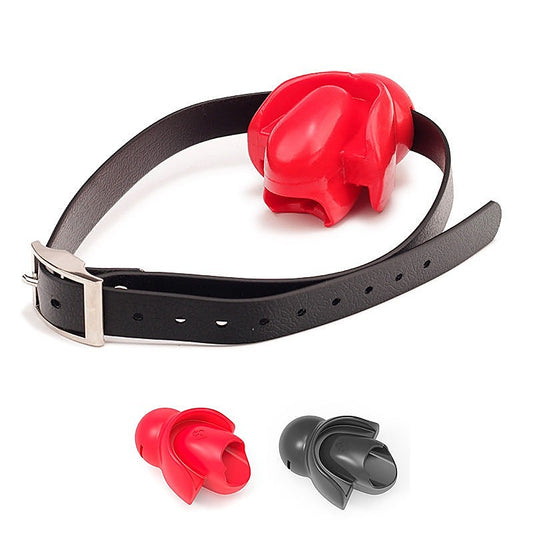
Tongue Fixed BDSM Play Gag Balls by BDStyle - Black/RedBDStyle Tongue Fixed BDSM Play Gag Balls is a silicone and faux leather mouth restraint designed for sensory control during bondage play. The 70 cm adjustable strap accommodates various sizes with multiple positioning points, while the 6.5 x 5 cm silicone component features seamless...
- $44.99
$49.99- $44.99
- Unit price
- per
-
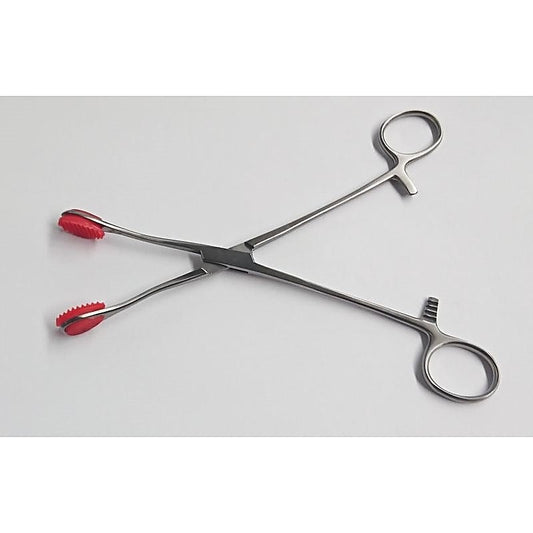
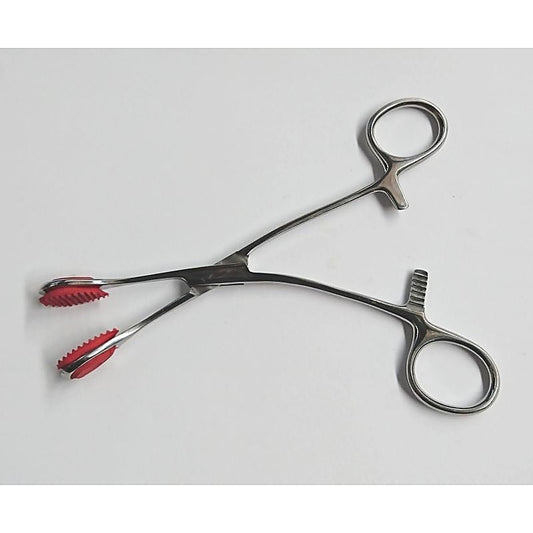
Young Tongue Forceps with Straight HandleYoung Tongue Forceps With Straight Handle 20cm is a medical-grade steel restraint tool designed for precision sensation play and medical role-play scenarios. Measuring 205mm long with 22mm tips and a 150mm maximum opening span, it features rubber-tipped handles for secure grip control. The lockable...
- $20.99
$34.99- $20.99
- Unit price
- per
-
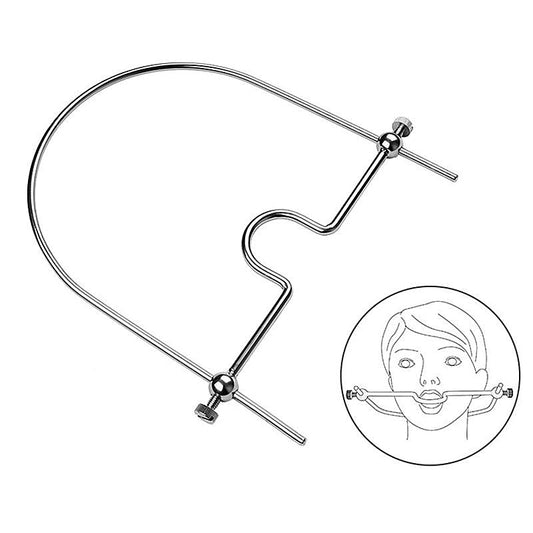
Open Mouth Gag Tongue Shackles by BDStyleBDStyle Open Mouth Gag Tongue Shackles is an advanced oral restraint device combining a metal mouth spreader with adjustable tongue clamp for experienced BDSM practitioners. Featuring polished stainless steel hardware and faux leather straps with adjustable head positioning, it creates forced oral openness and...
- $44.99
$49.99- $44.99
- Unit price
- per
-
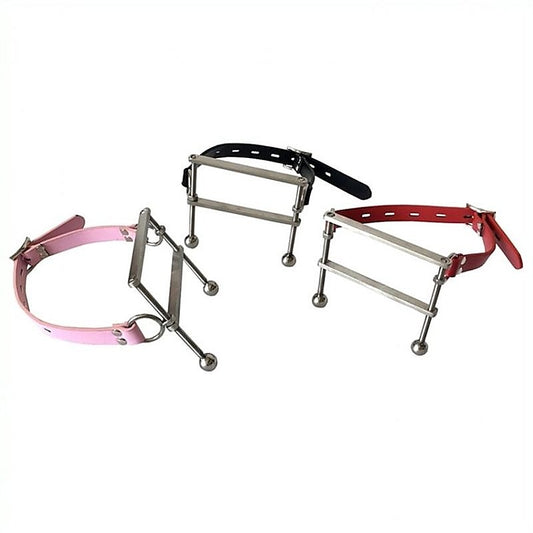
Tongue Flail Open Mouth Bondage Gag by BDStyle - BlackThe Tongue Flail Open Mouth Gag from BDStyle is a stainless steel bondage accessory featuring a locking mechanism and adjustable leather strap. Measuring 11 x 11 cm, it holds the wearer's mouth open for vulnerable submission play. Available in Silver, Black, Pink, and Red,...
- $24.99
$29.99- $24.99
- Unit price
- per
-
Young Tongue Forceps with Curved Handle by Hell's CoutureYoung Tongue Forceps with Curved Handle is a 17 cm stainless steel medical-style instrument designed for clinical roleplay, BDSM sensation play, and body grip scenes. Featuring rubber-lined serrated jaws and a ratchet locking mechanism, it delivers controlled, sustained grip for medical fetish and sensation...
- $19.99
$34.99- $19.99
- Unit price
- per
-
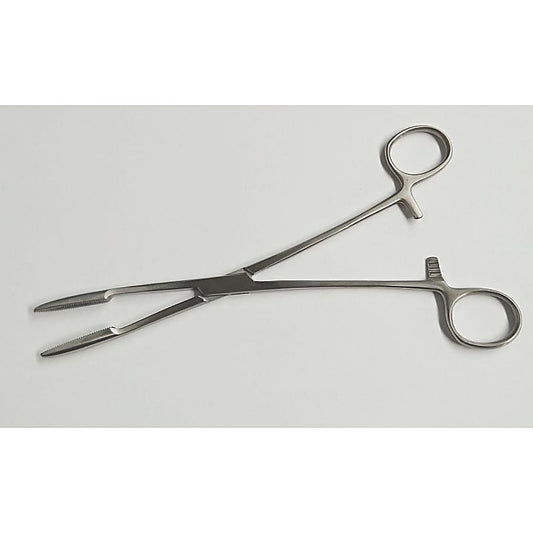
Nipple and Tongue Steel Forceps by Hell's CoutureHell's Couture Nipple and Tongue Steel Forceps are precision medical-grade instruments designed for controlled sensation play and intimate exploration. At 230mm total length with 35mm tips, these surgical steel forceps feature an adjustable locking mechanism offering multiple pressure settings. The non-magnetic, rust-resistant construction allows...
- $16.99
$29.99- $16.99
- Unit price
- per
VISIT XVIDEO FOR ADULT DVDS



Vibrating Double Penetrator with Remote by Passion Play
- Black
Passion Play Double Penetrator with Remote is a dual-chamber vibrator with 21 low-frequency patterns designed for internal male stimulation. Measuring 14.5 cm insertable length and 3 cm width, it delivers steady, deep vibrations via wireless remote control from up to 8 metres away. Made...
- $69.99
$74.99- $69.99
- Unit price
- per
Men 10 Mode Vibrating Rabbit Cock Ring by Ashella
- Black
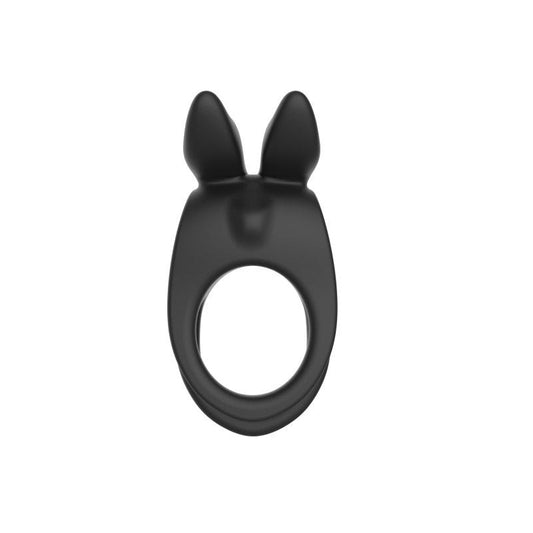
Ashella Men 10 Mode Vibrating Rabbit Cock Ring is a dual-ring vibrator designed for partnered stimulation and performance enhancement. Measuring 45.2 x 91.1 x 43.1mm with 10 vibration modes across 3 speed settings, it combines a supportive shaft and ball ring with external bunny...
- $34.99
$39.99- $34.99
- Unit price
- per
Men 10 Mode Vibrating Sling Ring by Ashella
- Black
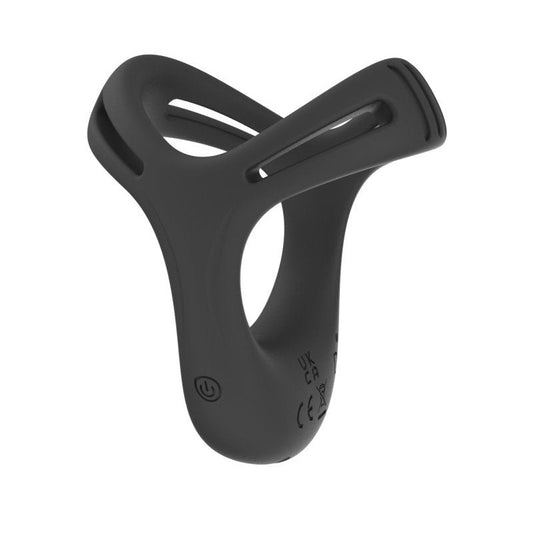
Ashella Men 10 Mode Vibrating Sling Ring is a vibrating cock ring designed for enhanced support and dual-partner stimulation. Featuring 10 vibration modes across 3 speed settings, this silicone ring stretches to secure both shaft and balls for extended performance. At 63 x 55.5...
- $34.99
$39.99- $34.99
- Unit price
- per






Tongue clamps are BDSM sex toys designed to grip and restrict the tongue through controlled compression, creating restraint and sensation during power-exchange scenes. Unlike clamps for nipples or other body parts, these are engineered specifically for oral anatomy, with wider jaw surfaces and gentler pressure ranges to keep breathing and swallowing safe.
At a glance
|
🚚 Plain, discreet packaging • 🔒 Discreet billing • 🔁 Hygiene-conscious returns |
About Tongue Clamps
Tongue clamps work by compressing tongue tissue between opposing jaw surfaces, restricting movement and creating sensation that ranges from mild pressure to significant discomfort depending on how tight you set them and how long you wear them. The clamping mechanism grips the naturally wet surface of the tongue, typically targeting the mid-tongue area to keep the airway clear and prevent gagging while still holding securely.
These sex toys come in several designs: screw-based clamps with adjustable pressure, lever clamps for quick application and release, and specialized models with textured or smooth jaw surfaces. Materials range from stainless steel for durability to silicone-padded designs for comfort. For those interested in combining sensation with movement, Tongue Vibrators offer a different approach to oral play. Tongue clamps suit anyone exploring humiliation dynamics, speech control, or teaching submissives to rely on lips and throat movement rather than tongue during oral service.
What makes Tongue Clamps different
The tongue is highly vascular and packed with nerve endings, so it demands clamps engineered differently from general-purpose restraint gear. Pressure maxes out at 150–300 grams compared to 400–600 grams in Nipple Clamps, preventing the circulation cutoff that causes tissue damage. Wider jaw surfaces distribute force across larger areas rather than concentrating pressure on small sections where blood vessels and nerves cluster. This design protects a sensitive organ that must keep working—breathing, swallowing, and maintaining sensation—even while restrained.
Types of Tongue Clamps
Tongue clamps come in several distinct styles suited to different scenes and experience levels.
Screw-based clamps. These use a threaded screw mechanism to tighten pressure gradually, giving you precise control and the ability to adjust on the fly. They suit players who want to dial in sensation carefully or build intensity over time.
Lever clamps. A quick-release lever lets you apply and remove the clamp rapidly, making them ideal for scenes where speed matters or for partners exploring the sensation without long wear times. The mechanical feedback is immediate and easy to manage.
Silicone-padded clamps. Softer jaw surfaces protect tongue tissue and reduce marking, making these a gentler choice for sensitive play or longer sessions. They also grip wet tissue more reliably than bare metal. For those exploring multiple sensations in one scene, Large Vibrators can complement tongue restraint play.
Textured or grooved clamps. These create varied sensation across the clamped area, adding psychological intensity without increasing pressure. They're popular in humiliation or psychological control scenes where sensation feedback matters as much as restriction.
How they compare
| Model Type | Material | Best for | Control or Base | Safety Notes |
|---|---|---|---|---|
| Screw-based stainless steel | Stainless steel with metal jaws | Precise pressure adjustment and control play | Manual screw mechanism; adjustable pressure | Durable; mark tongue easily; cold to touch |
| Lever release silicone-padded | Stainless steel with silicone pads | Quick application and removal; gentler wear | Quick-lever release; easier on tissue | Less marking; grips wet tissue reliably |
| Textured grooved clamp | Stainless steel with grooved surface | Psychological intensity and varied sensation | Screw-based with textured jaw contact | Creates pattern marks; adds sensation without extra pressure |
| Lightweight aluminium clamp | Anodised aluminium | Extended wear and comfort-focused scenes | Screw or lever; lighter weight reduces fatigue | Gentler on jaw; lower pressure range; avoid dropping |
How to choose a tongue clamp
Start by thinking about your experience level and what you want from the scene. First-timers usually do better with a lever clamp or silicone-padded design because they're easier to manage, release quickly if needed, and cause less tissue marking. If you're exploring sensation control or longer scenes, a screw-based clamp lets you dial pressure precisely and hold it steady. Consider whether you want the psychological intensity of marking or textured sensation, or whether you prefer a gentler, less visible experience.
Pressure tolerance varies widely between people, so err toward lower-pressure models if you're unsure, and always agree on a safe word before starting. Think about wear duration too: short, intense scenes suit rigid metal clamps, while longer sessions benefit from silicone-padded versions that reduce fatigue on the jaw and tissue. If you're combining tongue restraint with other sensations, Dual Stimulation Vibrators can add layered sensation in partner play. Always inspect the clamp for sharp edges, smooth the jaws if needed, and keep it clean between uses.
Tips from the Adultsmart team
Hard-won pointers from the Adultsmart team, alongside our panel of sexologists, educators, and adult-industry contributors. Meet our experts →
After years of helping customers with tongue clamps, we've noticed the biggest mistake first-timers make is tightening too much too fast. The tongue swells slightly when clamped, so what feels moderate at first can become uncomfortable within minutes. Start loose, let your partner signal comfort, then adjust by quarter-turns on the screw. This gives you real-time feedback and keeps the experience safe and enjoyable for both of you.
Fit matters more than you'd think. The clamp needs to sit on the mid-tongue, roughly where it's thickest, not forward near the tip where it's thinner and more delicate. If you're unsure, have your partner stick their tongue out and find the spot together before you clamp. Also, silicone-padded clamps grip wet tissue far more reliably than bare metal—if your first clamp keeps slipping, that's usually why, not because you're doing something wrong.
Never leave someone clamped and unattended, even for a few minutes. The tongue is forgiving but not infinitely so, and circulation can be compromised without obvious warning signs. Keep scissors or safety shears within arm's reach during play so you can remove the clamp instantly if needed. After you're done, inspect the tongue for any blanching or swelling, and don't clamp again that day if there's visible marking or soreness. Your partner's comfort and safety always come first.
| Please read — safety first. Charge only with the supplied cable and keep the charging port dry unless the sex toy is waterproof-rated. Pair and update through the official app, and switch the device off fully between sessions so the motor and battery aren't left under load. As porous materials can harbour bacteria, use a condom over them for sharing or easy clean-up. This information is general in nature only and is not medical advice; it does not account for your individual circumstances. If you have a relevant health condition or experience any persistent discomfort, discontinue use and seek advice from a qualified medical professional. |
Care and cleaning
Wipe your tongue clamp with warm soapy water immediately after use to remove saliva and any residue. For stainless steel models, dry thoroughly to prevent water spots. If you're sharing between partners, sterilise with a 10-minute soak in diluted bleach solution (one part bleach to nine parts water), then rinse very thoroughly and air-dry. Store in a clean, dry place away from moisture. Inspect the jaws and screw mechanism regularly for corrosion or damage, and replace if you spot sharp edges or grinding in the mechanism.
Learn more
Tongue clamps sit at the intersection of restraint, humiliation, and control play, so there's a lot to explore within BDSM practice. For insights into how experienced players approach gear and technique, Vip Interview With Brian Sloan Founder Owner Of Very Intelligent Ecommerce Inc offers valuable perspective on the adult industry and player experience.
Why shop Tongue Clamps at Adultsmart
Keen to get this right the first time? Adultsmart stocks tongue clamps from trusted makers, with detailed descriptions so you can choose the right pressure, material, and control type for your scene. We offer discreet packaging and billing so your order arrives private and unannounced. Trusted Australian adult retailer — discreet, knowledgeable, and here to help.
Tongue Clamps FAQ
What pressure levels are safe for tongue clamp application?
Tongue clamps should deliver 50-250 grams maximum compression due to high vascular density and tissue sensitivity. Light pressure (50-150g) suits beginners and extended wear, medium (150-250g) works for experienced users, while anything exceeding 300g risks serious tissue damage. Tongue tissue has less compression tolerance than nipples, requiring significantly gentler pressure ranges throughout all applications.
How should tongue clamps be cleaned after oral cavity exposure?
Wash immediately after use with antibacterial toy cleaner and hot water, scrubbing all surfaces that contacted saliva and tongue tissue. Sterilize metal components monthly by boiling 10 minutes or using 10% bleach solution followed by thorough rinsing. Rubber-coated models require gentler disinfectants rated for silicone materials. Dry completely before storage preventing bacterial growth in crevices.
How long can tongue clamps be worn safely during scenes?
Limit tongue clamp wear to 10-15 minutes maximum for most users due to rapid tissue fatigue and circulation concerns in the highly vascular tongue. Light pressure applications may extend to 20 minutes for experienced practitioners. Remove immediately if tongue turns white, deep purple, or if numbness spreads beyond the clamped area indicating dangerous circulation restriction.
What jaw width works best for secure tongue tissue grip?
Jaw widths of 25-35mm provide optimal pressure distribution across tongue tissue, preventing localized crushing of blood vessels while maintaining secure grip on wet slippery surfaces. Narrower jaws (under 20mm) concentrate pressure dangerously, while excessive width (over 40mm) makes placement difficult and interferes with mouth closure. Standard 30mm width accommodates most tongue sizes effectively.
How do rubber coatings improve tongue clamp functionality?
Rubber or silicone coatings provide superior grip on naturally wet tongue surfaces, reducing compression requirements for secure attachment by 30-40% compared to smooth metal. The cushioning also distributes pressure more evenly, extending safe wear time and preventing sharp metal edges from cutting delicate oral tissue. Rubber surfaces are essential for tongue applications where metal slips easily.
What tongue clamp placement avoids triggering gag reflexes?
Position clamps 20-30mm from the tongue tip, well forward of the posterior third where gag reflexes concentrate. Avoid placing clamps beyond the midpoint of extended tongue length. Test placement by having the submissive close their mouth slightly before applying pressure to ensure the clamped position wont trigger gagging when jaw relaxes during wear.
How does drool production change with tongue clamp wear?
Tongue clamps increase saliva production 300-500% compared to normal rates by interfering with automatic swallow reflexes and forcing mouth-open positioning. The extended tongue position prevents effective swallowing, causing visible drooling within 2-3 minutes of application. Plan for saliva management using towels, collection bowls, or incorporating drooling into the humiliation dynamics of your scene.
What attachment hardware suits tongue clamp bondage applications?
Lightweight chains (1-2mm gauge) connect tongue clamps to collars or other restraints without excessive pulling forces that could tear tissue. Removable clips allow adding connections mid-scene without unclamping. Weight attachment points should limit additions to 50-100 grams maximum as tongue tissue cannot support heavier loads safely. Swivel connections prevent twisting that creates uneven pressure distribution.
How do tongue clamps affect oral service capability during scenes?
Tongue clamps eliminate fine tongue movement necessary for skilled oral pleasure, forcing submissives to provide service using primarily lip suction, throat depth, and jaw action. This restriction works well for training scenarios emphasizing alternative oral techniques or for degradation scenes where service quality matters less than the visual humiliation of clamped drooling attempts.
What makes tongue clamps different from using clothespins or chip clips?
Dedicated tongue clamps feature appropriate pressure ranges (50-250g) for delicate oral tissue, while household clips often exceed 400g causing immediate damage. Purpose-built adult toys have wider jaw surfaces distributing pressure safely, smooth edges preventing cuts, and materials rated for body fluid exposure. Improvised clips lack safety engineering and pose serious injury risks.
Recently Viewed Products
Example product title
- $19.99
- $19.99
- Unit price
- per
Example product title
- $19.99
- $19.99
- Unit price
- per
Example product title
- $19.99
- $19.99
- Unit price
- per
Example product title
- $19.99
- $19.99
- Unit price
- per
Example product title
- $19.99
- $19.99
- Unit price
- per
Example product title
- $19.99
- $19.99
- Unit price
- per
Example product title
- $19.99
- $19.99
- Unit price
- per
Example product title
- $19.99
- $19.99
- Unit price
- per
Example product title
- $19.99
- $19.99
- Unit price
- per
Example product title
- $19.99
- $19.99
- Unit price
- per
Why Shop With Adultsmart?
- Choosing a selection results in a full page refresh.