



-
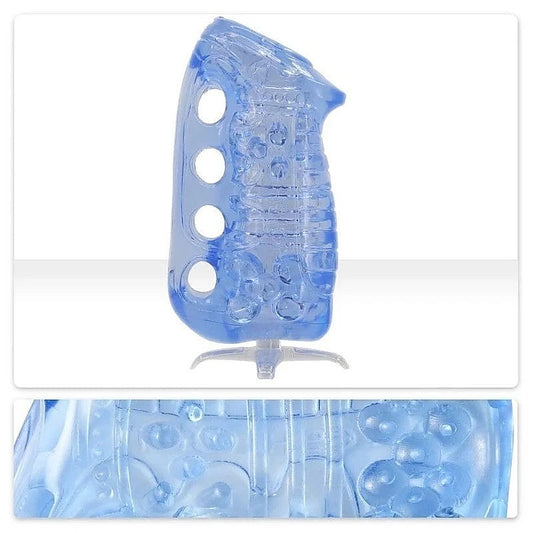
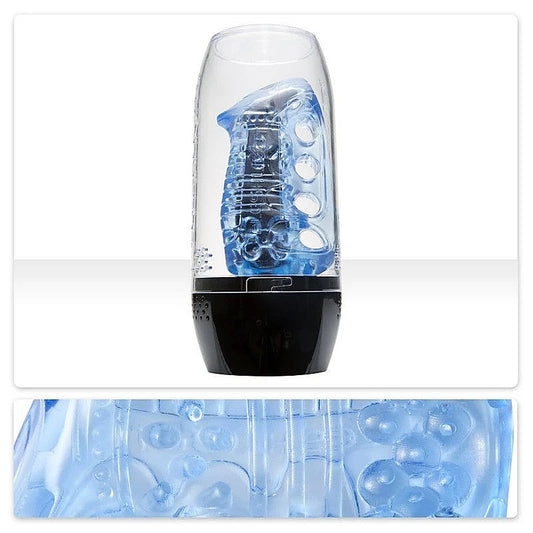
Fleshskins Grip Ice Inc Drying Stand MasturbatorFleshskins Grip Blue Ice is an open-ended masturbator featuring soft SuperSkin material in a translucent blue design. At 13.6 cm long, it delivers customizable grip-controlled stimulation and includes a drying stand for hygiene. The one-size-fits-all sleeve suits men seeking direct control and easy maintenance...
- $54.99
$59.99- $54.99
- Unit price
- per
-
Palm Masturbator by Rocks Off - BlackRocks Off Palm Powerful Handheld Male Masturbator is a flexible silicone stroker designed for customizable grip-responsive stimulation. Measuring 123mm long with adjustable tightness and 10 vibration patterns, it delivers 40 minutes of runtime per charge via USB. The rippled interior texture targets sensitive areas,...
- $64.99
$84.99- $64.99
- Unit price
- per
-
Pretty Love Black Glans Trainer 10 Function by BailePretty Love Black Glans Trainer is a rechargeable men's masturbator with 10 vibration modes designed for targeted glans stimulation. Constructed from medical-grade silicone with a textured interior, it measures 7.5 inches in insertable length and features waterproof certification. The device includes memory function that...
- $34.99
$64.99- $34.99
- Unit price
- per
-
Renegade Handy Stroker Black by NS NoveltiesRenegade Handy Stroker Black is a closed-end stroker masturbator designed for penile stimulation with textured interior sensations. Measuring 8 inches long with 3.5-inch width and 2-inch height, it features premium body-safe TPE construction with strategic internal texturing and natural suction effects. This stroker suits...
- $14.99
$19.99- $14.99
- Unit price
- per
-
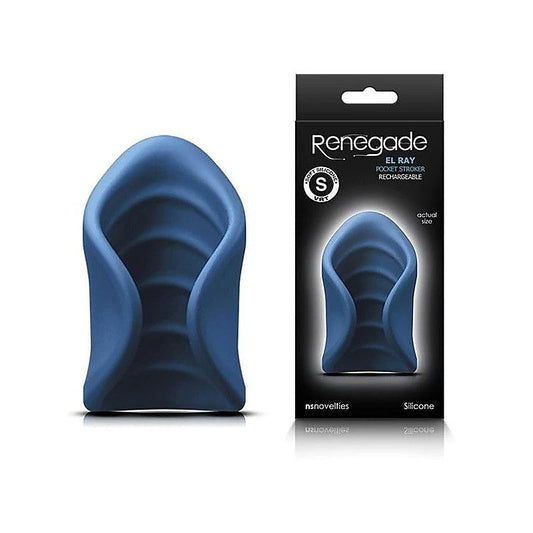
Renegade El Ray Pocket Stroker by NS NoveltiesRenegade El Ray Pocket Stroker is a compact male masturbator measuring 8.4 cm long with premium soft silicone construction and ribbed interior texture. Weighing just 128 grams, it features rechargeable capability and universal lubricant compatibility for extended sessions. This lightweight stroker suits men seeking...
- $59.99
$64.99- $59.99
- Unit price
- per
-
Fleshskins Grip Blue Ice 5.35 inches by FleshlightFleshlight Fleshskins Grip Blue Ice is a male masturbator featuring a finger-grip system and internal texture patterns. Measuring 5.35 inches long with 7.9-inch girth, the translucent blue body-safe material warms naturally to skin temperature. It delivers customizable pressure control through hand positioning and includes...
- $69.99
$79.99- $69.99
- Unit price
- per
-
Gush App Controlled Male Masturbator by LovenseLovense Gush is an app-controlled male masturbator featuring a flexible open design with adjustable internal dimensions from 1.38 to 1.26 inches. Measuring 3.39 inches long, it delivers customizable vibrations through three intensity levels and four pulse patterns via Bluetooth connectivity. The device suits long-distance...
- $188.99
$244.99- $188.99
- Unit price
- per
VISIT XVIDEO FOR ADULT DVDS



LEVELZ Soft Bead Grip Silicone Cock Ring by Shots Toys
- Black
LEVELZ Soft Bead Grip Silicone Cock Ring by Shots Toys is a three-loop restraint ring designed for shaft, scrotum, and full-package support. At 5.2 cm long with 100% body-safe silicone construction, it delivers sustained pressure that prolongs arousal without vibration. The non-porous material is...
- $14.99
$19.99- $14.99
- Unit price
- per
LEVELZ Classic Silicone Cock Ring Set by Shots Toys
- Black
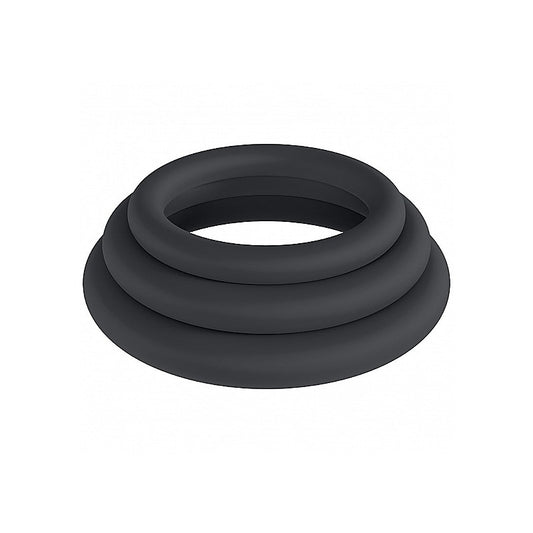
LEVELZ Classic Silicone Cock Ring Set by Shots Toys is a non-vibrating trio of body-safe silicone rings in extra small, small, and medium sizes. Each ring measures 3.3 cm diameter with a 2.2 cm inner diameter, offering different fits for shaft, cock-and-balls, or stacked...
- $14.99
$19.99- $14.99
- Unit price
- per
RECHARGEABLE COUPLES ENHANCER Cock Ring by Adam & Eve
- Pink
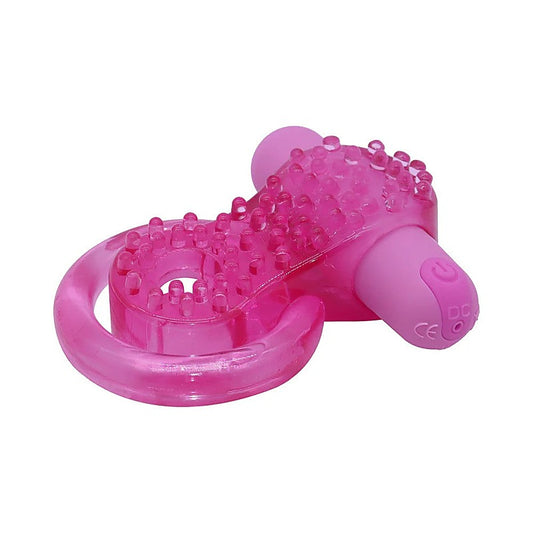
RECHARGEABLE COUPLES ENHANCER Cock Ring by Adam & Eve is a dual-ring vibrator designed for partnered penetrative play. Featuring a stretchy design that fits around shaft and balls while textured nubs stimulate the clitoris, it delivers 10 vibration functions via a removable rechargeable bullet....
- $99.99
$109.99- $99.99
- Unit price
- per

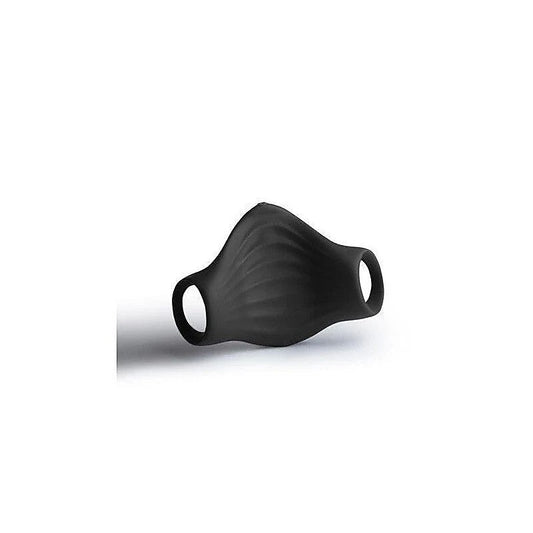

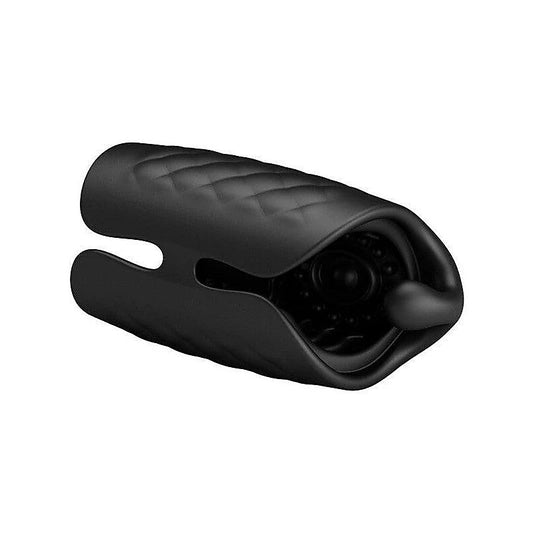

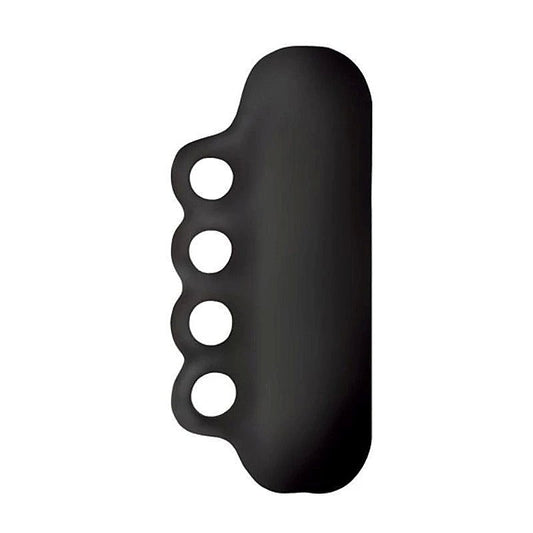



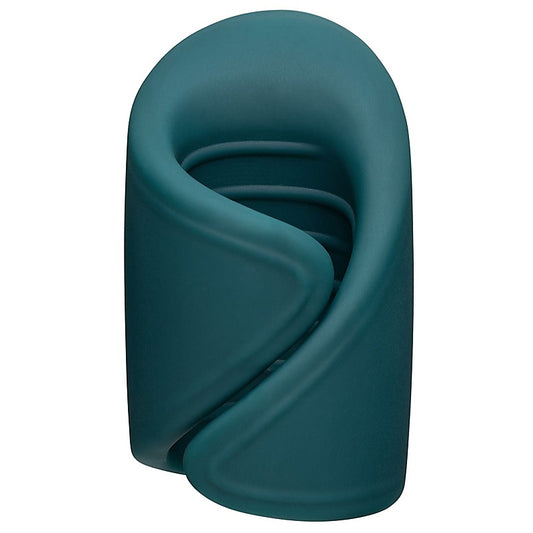

Masturbating gloves are textured sleeves you wear on your hand, turning your palm and fingers into a ribbed, nubbed, or contoured surface for stroking. Unlike handheld strokers, they move with your hand and keep you in full control of pressure, angle, and speed while maintaining direct skin feedback.
At a glance
|
🚚 Plain, discreet packaging • 🔒 Discreet billing • 🔁 Hygiene-conscious returns |
About Masturbating Glove
Masturbating gloves are wearable texture layers designed to enhance manual stimulation without removing your sense of control. The stretchy material conforms to your hand shape while positioning raised patterns, ridges, or nubs exactly where your grip naturally falls. Most gloves feature open fingertips or strategic cutouts, keeping skin-to-skin contact in key areas while the textured palm and inner fingers deliver varied sensation. You can wear them much like Bras are fitted—they should sit snugly without pinching or sliding during use.
These gloves suit users seeking texture enhancement without the learning curve or grip fatigue of enclosed strokers. They work particularly well for individuals with limited hand strength because the design eliminates the need to maintain pressure on a rigid sleeve. The glove moves with your hand rather than requiring your hand to move it, creating an intuitive experience that adapts instantly to preference changes mid-session.
What makes Masturbating Glove different
The key advantage of a glove is that it preserves natural hand mechanics while adding texture diversity. You maintain complete control over speed, pressure distribution, and stroke patterns without the adjustment period or fatigue associated with enclosed strokers. Unlike rigid sleeves that require a specific grip and motion, gloves accommodate everything from full-shaft strokes to focused head stimulation by simply changing hand position. The design philosophy differs from garments like Bustiers, which prioritise visual appeal and fit—gloves prioritise functional sensation and movement freedom.
Types of Masturbating Glove
Masturbating gloves come in several textured variants, each delivering different sensations based on ridge pattern and material thickness.
Ribbed gloves. Feature parallel raised lines running across the palm and inner fingers, creating consistent linear texture that works well for steady stroking motions.
Nubbed gloves. Have small raised bumps or dots distributed across the surface, delivering varied stimulation as different areas of the nubs contact the shaft during movement.
Contoured gloves. Combine multiple texture zones—ridges on the palm, nubs on the fingers, and smooth sections for transition—allowing you to explore different sensations by adjusting grip position. These pair well with Body Stockings for a layered approach to sensation play.
How they compare
| Model | Material | Best for | Control or Base | Safety |
|---|---|---|---|---|
| Ribbed Silicone Glove | Medical-grade silicone | Consistent linear texture, steady stroking | Full hand control, fits most hand sizes | Non-porous, easy to clean, hypoallergenic |
| Nubbed TPE Glove | Thermoplastic elastomer | Varied bump stimulation, varied grip positions | Natural hand movement, adjustable pressure | Porous material, requires thorough drying, use with condom for shared use |
| Textured Multi-Zone Glove | Blended silicone and TPE | Exploration of multiple sensations in one product | Complete freedom to change stroke focus mid-session | Mixed materials—clean silicone zones first, then TPE zones separately |
| Open-Finger Stimulation Glove | Thin stretch silicone | Maximum tactile feedback, hand strength preservation | Unrestricted finger movement for targeted head work | Thin material transfers heat and sensation safely, compatible with water-based lube |
How to choose a masturbating glove
Start by considering your hand size and the glove's fit. Most gloves stretch to accommodate a range of sizes, but a snug fit without pinching ensures the textures stay in contact with your skin throughout use. If you have sensitive skin or are new to textured stroking, silicone gloves are generally the safest choice—they're non-porous, hypoallergenic, and easy to clean. TPE gloves offer a softer feel but require more careful drying to prevent mildew. Try Gowns on to understand how fabric stretch and fit work for your body before committing to a glove in a material you're unfamiliar with.
Think about the texture type that appeals to you. Ribbed patterns suit steady, rhythmic stroking, while nubbed surfaces reward varied hand positions and pressure changes. Contoured gloves work best if you like switching between shaft focus and head stimulation without pausing to reposition. Always use water-based lubricant with your glove—the thin material transfers friction more directly than thicker strokers, so adequate glide is essential for comfort. Check the glove's open-finger design if you want to maintain direct skin contact on the head or shaft while the textured areas do the work.
Tips from the Adultsmart team
Hard-won pointers from the Adultsmart team, alongside our panel of sexologists, educators, and adult-industry contributors. Meet our experts →
After years of helping customers with masturbating gloves, we've noticed the biggest mistake is using too little lubricant. The thin material transfers friction directly, so what feels adequate with a thick stroker leaves you raw with a glove. Apply water-based lube generously to both the glove and your penis, and reapply mid-session if sensation changes. Many people are surprised how much their comfort improves with a second coat.
Sizing down is a common instinct, but it backfires. A glove that's too tight restricts blood flow, reduces sensation, and causes hand fatigue—the opposite of what you want. These aren't meant to squeeze; they're meant to texture. A snug fit is correct, but you should be able to slide the glove on and off without wrestling. If you're between sizes, go larger and adjust your grip pressure instead.
First-timers often expect gloves to feel like strokers, but they're a different animal. Your hand does the work, not the glove. Experiment with grip pressure, stroke speed, and hand position—you might find that light pressure with fast strokes works better than a tight grip with slow ones, or vice versa. The freedom to change mid-session without stopping is the real advantage here, so take time to explore what your hand naturally wants to do.
| Please read — safety first. Charge only with the supplied cable and keep the charging port dry unless the sex toy is waterproof-rated. Pair and update through the official app, and switch the device off fully between sessions so the motor and battery aren't left under load. Never share between partners, or between anal and vaginal use, without cleaning the item first or using a fresh condom. As porous materials can harbour bacteria, use a condom over them for sharing or easy clean-up. This information is general in nature only and is not medical advice; it does not account for your individual circumstances. If you have a relevant health condition or experience any persistent discomfort, discontinue use and seek advice from a qualified medical professional. |
Care and cleaning
Rinse your glove thoroughly with warm water and mild soap immediately after use, paying special attention to textured areas where lubricant can accumulate. For silicone gloves, a soft brush can help clean ridges and nubs without damage. Pat dry with a lint-free cloth and allow it to air-dry completely in a cool, dark place before storing. Store away from direct heat and sunlight. Avoid harsh soaps, alcohol-based cleaners, and oil-based lubricants, which can degrade the material over time.
Learn more
Want to explore manual techniques beyond gloves? Read our guide on Masturbating Without Sex Toys for hand-based methods and variations that work with or without added texture.
Why shop Masturbating Glove at Adultsmart
Ready to find the right one for how you play? Adultsmart stocks a curated range of masturbating gloves in different materials, textures, and sizes to suit your needs. We offer discreet packaging and billing so your purchase arrives privately. Trusted Australian adult retailer — discreet, knowledgeable, and here to help.
Masturbating Glove FAQ
Do masturbating gloves provide comparable stimulation intensity to enclosed stroker sleeves?
Gloves deliver texture enhancement to manual stroking but typically create less intense stimulation than enclosed strokers with suction mechanics and comprehensive chamber textures. The hand-worn format adds friction beyond bare skin while maintaining natural technique control, suiting users wanting moderate enhancement rather than the concentrated intensity that insertion-based stroker chambers provide through enclosed compression and texture density.
Can users combine glove-enhanced stroking with enclosed stroker sleeves simultaneously?
Wearing a textured glove while gripping an enclosed stroker sleeve creates layered texture from both the glove palm and internal sleeve patterns, though the doubled friction may feel excessive or create awkward grip dynamics. Most users find either glove-enhanced manual stroking or enclosed sleeve insertion more effective individually rather than combining both methods, which complicates technique without proportional stimulation benefits justifying the added complexity.
Can users wear masturbating gloves for extended sessions without hand fatigue?
Hand fatigue depends on material flexibility and fit precision rather than glove presence alone, as poorly-fitting or stiff gloves increase muscular strain during stroking. Well-fitted flexible gloves cause minimal additional fatigue compared to bare-handed stroking, though the slight material weight and potential grip restriction may accelerate tiredness during sessions exceeding 15-20 minutes of continuous active stroking.
How does texture definition in glove palms compare to internal stroker sleeve patterns?
Glove textures typically feature shallower patterns than stroker sleeve interiors since the flexible hand-conforming material cannot support the deep ribs or pronounced nubs that rigid stroker chambers accommodate. The gentler glove patterns deliver moderate friction enhancement suitable for natural hand movement without the aggressive texture intensity that enclosed sleeves provide through fixed-position deep pattern molding.
Do masturbating gloves accommodate effective cleaning between uses?
Turning gloves inside-out provides access to textured interior surfaces for thorough rinsing, similar to stroker sleeve maintenance. The thinner material and simpler geometry compared to complex stroker chambers actually simplifies cleaning, though finger sections require individual attention to remove residue from narrow textile areas that wider stroker chambers do not present during maintenance routines.
Can glove materials withstand repeated stretching during finger articulation without degrading?
High-quality silicone and TPE glove materials tolerate thousands of flexing cycles without significant degradation when properly maintained, though stress concentrates at finger joints and web areas where repeated bending occurs. Material fatigue eventually causes thinning or tearing at high-stress zones after 30-50 uses, requiring replacement sooner than stroker sleeves experiencing less mechanical stress from static chamber geometry.
Do full-coverage textured gloves create overwhelming stimulation for sensitive users?
Comprehensive texture coverage across palm and fingers delivers substantial friction that may overwhelm users with high sensitivity, particularly when combined with firm gripping pressure. Sensitive users should consider palm-focused texture designs or very shallow pattern depths that provide enhancement without excessive intensity, gradually progressing to full-coverage aggressive textures only after acclimating to moderate friction levels.
Can masturbating gloves be used effectively with partnered manual stimulation?
Partners wearing textured gloves can provide enhanced manual stimulation through familiar handjob techniques augmented by friction patterns, making gloves excellent tools for couples exploration. The wearable format allows natural hand coordination and technique application without requiring insertion coordination or device operation knowledge, lowering barriers to toy integration in partnered activities compared to complex stroker mechanisms.
How does material thickness affect glove durability during vigorous use?
Thicker materials withstand aggressive gripping and rapid stroking better than thin constructions, resisting tears and stress concentration at high-flex zones. However, thickness compromises flexibility and sensation transfer, creating trade-offs between durability and performance. Users prioritizing longevity should accept reduced articulation from thick gloves, while those wanting optimal sensation must replace thin gloves more frequently after material fatigue develops.
Do sized gloves provide better texture contact consistency than stretch-fit universal designs?
Properly sized gloves maintain stable texture positioning during hand movement without excess material bunching or restrictive tightness that misaligned stretch-fit gloves create. The precise fit ensures palm textures contact intended shaft areas consistently throughout stroking, while poorly-fitted universal gloves may shift or slide, moving texture zones away from optimal contact positions and reducing friction effectiveness.
Recently Viewed Products
Example product title
- $19.99
- $19.99
- Unit price
- per
Example product title
- $19.99
- $19.99
- Unit price
- per
Example product title
- $19.99
- $19.99
- Unit price
- per
Example product title
- $19.99
- $19.99
- Unit price
- per
Example product title
- $19.99
- $19.99
- Unit price
- per
Example product title
- $19.99
- $19.99
- Unit price
- per
Example product title
- $19.99
- $19.99
- Unit price
- per
Example product title
- $19.99
- $19.99
- Unit price
- per
Example product title
- $19.99
- $19.99
- Unit price
- per
Example product title
- $19.99
- $19.99
- Unit price
- per
Why Shop With Adultsmart?
- Choosing a selection results in a full page refresh.