



-
BDStyle Ponytail Bondage Mask Black by BDStyleBDStyle Ponytail Bondage Mask is a latex sensory mask designed for roleplay and bondage scenarios. Crafted from premium-grade latex, it features precision-cut eye openings for visibility and a distinctive ponytail attachment. Available in black or blue with one-size-fits-most construction, it delivers secure fit with...
- $134.99
$149.99- $134.99
- Unit price
- per
-
Latex Horse Head Bondage Hood by BDStyleBDStyle Latex Horse Head Bondage Hood is a premium silica gel latex hood designed for immersive role play and sensory deprivation. Featuring a rear zipper closure and waterproof construction, this hood accommodates various head sizes with adjustable fit. The reinforced stress points and high-grade...
- $98.99
$109.99- $98.99
- Unit price
- per
-
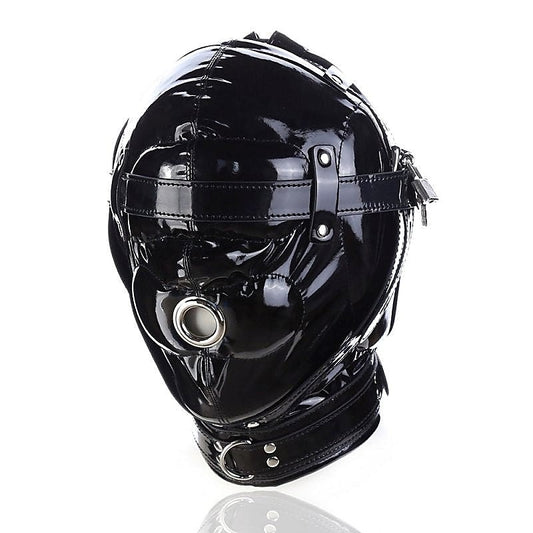
Total Lockdown Hood Slick Look by BDStyle - BlackTotal Lockdown Hood Slick Look is a full-coverage sensory deprivation hood made from faux latex material. Featuring reinforced O-ring attachment points and an open-mouth design, it delivers immediate sensory shifts through visual limitation while maintaining comfort and functionality. The ergonomic fit and premium construction...
- $53.99
$59.99- $53.99
- Unit price
- per
-
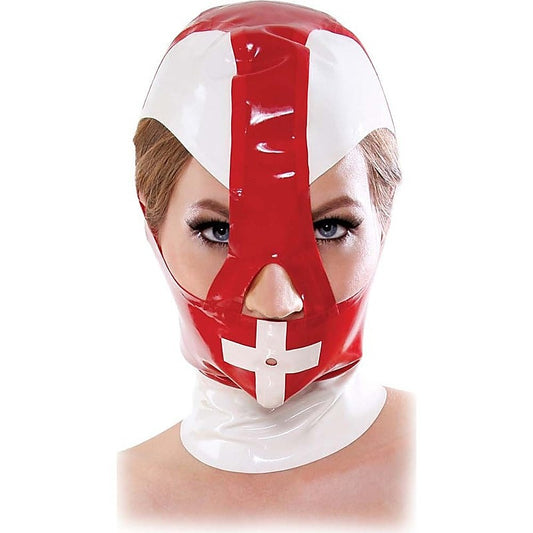
Fetish Fantasy Extreme Malpractice BDSM Play MaskFetish Fantasy Extreme Malpractice BDSM Play Mask is a premium latex medical-themed roleplay mask designed for intense power exchange scenarios. Featuring high-gloss latex construction with calibrated breathing openings and protective zippered closure, it measures to fit standard adult head sizes. The restricted mouth opening...
- $59.99
$69.99- $59.99
- Unit price
- per
-
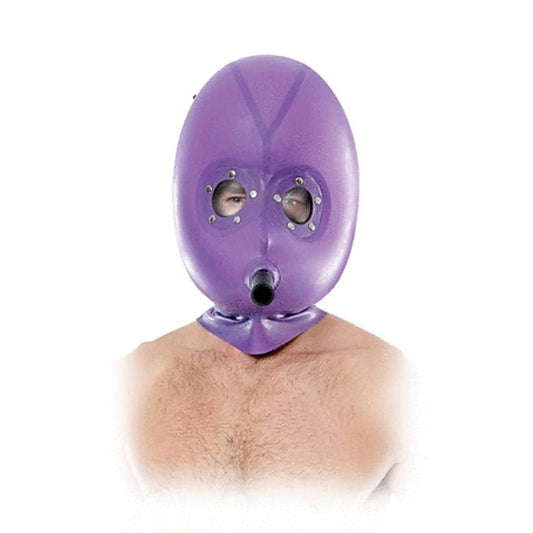
Inflatable Latex Gas Bondage Mask by Pipedream ProductsFetish Fantasy Extreme Inflatable Latex Gas Bondage Mask is a hand-tailored latex sensory deprivation hood designed for experienced BDSM practitioners. Featuring dual inflatable bladders that compress progressively across the entire head, it delivers customizable pressure control via a tire-stem valve system. The front-mounted breathing...
- $76.99
$84.99- $76.99
- Unit price
- per
VISIT XVIDEO FOR ADULT DVDS



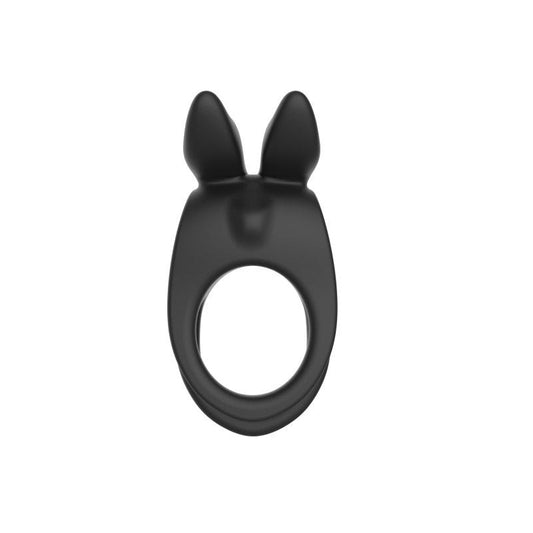
Men 10 Mode Vibrating Rabbit Cock Ring by Ashella
- Black
Ashella Men 10 Mode Vibrating Rabbit Cock Ring is a dual-ring vibrator designed for partnered stimulation and performance enhancement. Measuring 45.2 x 91.1 x 43.1mm with 10 vibration modes across 3 speed settings, it combines a supportive shaft and ball ring with external bunny...
- $34.99
$39.99- $34.99
- Unit price
- per
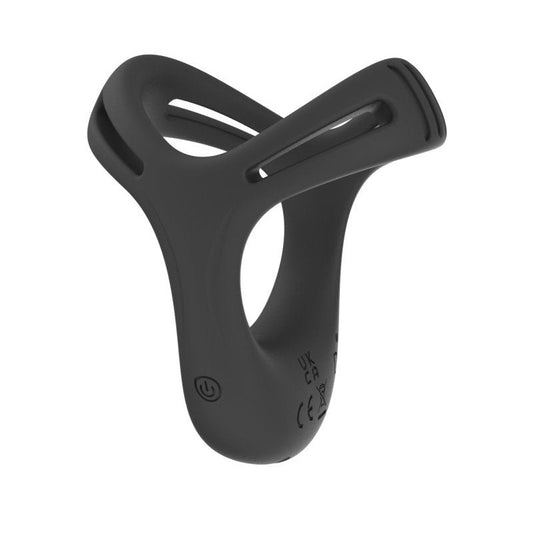
Men 10 Mode Vibrating Sling Ring by Ashella
- Black
Ashella Men 10 Mode Vibrating Sling Ring is a vibrating cock ring designed for enhanced support and dual-partner stimulation. Featuring 10 vibration modes across 3 speed settings, this silicone ring stretches to secure both shaft and balls for extended performance. At 63 x 55.5...
- $34.99
$39.99- $34.99
- Unit price
- per
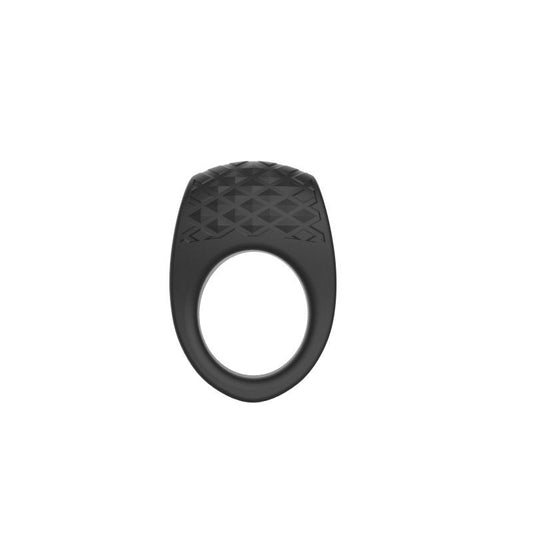
Men 10 Mode Vibrating Cock Ring by Ashella
- Black
The Ashella Men Vibrating Cock Ring is a silicone erection ring featuring 10 vibration modes across 3 speed settings. Measuring 45.5 x 66.7 x 29.4mm with rechargeable USB power lasting one hour per charge, it delivers customizable stimulation for solo or partnered play. The...
- $34.99
$39.99- $34.99
- Unit price
- per


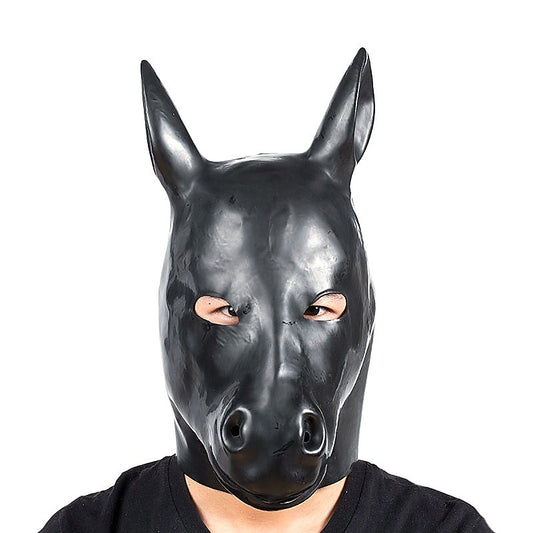




Latex masks are close-fitting rubber head coverings that restrict vision, hearing, or breathing to create sensory deprivation and anonymity during BDSM scenes. They range from simple eye masks to full-face hoods with breathing tubes, gags, or lockable zippers for extended control play.
At a glance
|
🚚 Plain, discreet packaging • 🔒 Discreet billing • 🔁 Hygiene-conscious returns |
About Latex Masks
Latex masks extend fetish clothing to the head, creating complete anonymity or character transformation through close-fitting rubber coverage. The airtight construction intensifies breathing sounds, traps body heat around the face, and creates sensory deprivation by restricting vision, hearing, or both depending on the design. Full-face coverage removes individual identity entirely, turning submissives into objects rather than people during domination scenes. Combined with latex bodysuits, these masks create total enclosure from head to feet.
Designs serve distinct purposes in BDSM play. Simple eye masks maintain identity while adding fetish aesthetics. Half-face designs cover the mouth and nose to restrict breathing while leaving eyes visible. Full enclosure latex hoods eliminate all facial features, creating complete dehumanization. Some designs incorporate gags, breathing tubes, or lockable zippers for extended control during submission scenes. Blindfolds and Masks offer similar sensory deprivation without full head coverage if you're exploring this style of play.
What makes Latex Masks different
Unlike standard bondage gear, latex masks create total sensory isolation and identity erasure in a single piece. The airtight rubber construction generates heat, intensifies your own breathing sounds, and removes all visual recognition—turning you into an object for your partner's control rather than a person. This psychological shift is the core appeal: you're no longer yourself, you're what your dominant wants you to be. Latex masks work alongside Womens Sexy Costumes to build a complete scene aesthetic.
Types of Latex Masks
Eye masks. Minimal coverage that restricts vision while preserving most facial features and identity. Ideal for beginners or those wanting anonymity without full sensory deprivation.
Half-face hoods. Cover the mouth, nose, and lower face while leaving eyes and upper face exposed. These restrict breathing and muffling speech without total dehumanization, and pair well with Jocks and G-Strings for complete objectification scenes.
Full enclosure hoods. Complete rubber coverage that eliminates all facial features and identity. Most include breathing tubes, eye holes, or ear holes depending on the design. These create total sensory deprivation and are best for experienced players.
Character and specialty hoods. Shaped designs featuring animal features, featureless faces, or integrated gags. These combine objectification with roleplay and allow extended wear with proper breathing provision.
How they compare
| Model | Material | Best for | Control or Base | Safety |
|---|---|---|---|---|
| Latex eye mask | 100% latex | Vision restriction; anonymity; beginners | Slip-on; adjustable strap | No breathing restriction; easy removal |
| Half-face hood with mouth opening | Latex rubber | Breathing control; speech muffling; intermediate players | Pull-on; lockable zip option | Requires monitoring; establish safe signals |
| Full enclosure hood with breathing tube | Premium latex | Total sensory deprivation; objectification; experienced players | Removable or fixed breathing tube | Never leave wearer alone; clear safe word essential |
| Character hood (animal or featureless) | Latex with reinforced seams | Roleplay; extended scenes; psychological domination | Integrated or removable features | Check breathing holes regularly; limit wear duration |
How to choose a latex mask
Start by deciding how much sensory deprivation you want. Eye masks suit first-timers and those who want anonymity without panic. Half-face hoods add breathing control and are the next step up. Full enclosure is for players confident with sensory isolation and trust. Consider whether you want vision or hearing restricted (or both), and whether breathing control appeals to you.
Fit is critical. Measure your head circumference at the widest point (across your forehead and the back of your head). Most latex masks stretch, but too loose and they slip; too tight and breathing becomes difficult. Check that any breathing tube or nose opening aligns with your natural anatomy before purchase. If you're building a complete latex outfit, coordinate your mask with Chemises or bodysuits in matching colours or finishes.
Tips from the Adultsmart team
Hard-won pointers from the Adultsmart team, alongside our panel of sexologists, educators, and adult-industry contributors. Meet our experts →
After years of helping customers with latex masks, the biggest mistake we see is underestimating how intense full enclosure feels the first time. Your own breathing gets loud, heat builds fast, and panic can set in quickly if you're not ready. Start with a half-face hood or even just an eye mask for your first session. Let yourself get used to the sensation of latex on your face, the heat, and the restricted breathing before committing to full coverage. Your partner should stay close and check in constantly.
Fit and preparation make the difference between great and awful. Before you put a mask on, apply silicone spray or a water-based dressing aid to the inside and your face and neck. This prevents tearing and makes removal much easier—especially important if panic hits. Pull the mask on slowly from the neck upward, working the material over your chin and nose gently. Never force it. For full hoods, align the breathing tube or eye holes carefully before pulling all the way over your head. A bad fit ruins the scene and can genuinely hurt.
Safety signals matter more with masks than almost any other gear because your partner can't read your facial expressions. Establish a clear safe word before play starts, but also agree on a physical signal—usually dropping a held object or a specific hand gesture—because a safe word might be muffled or hard to hear through latex. Never leave someone in a mask alone, even for a minute. Check in regularly during wear, watch their breathing, and have scissors nearby in case you need to cut the mask off quickly. These aren't paranoid precautions; they're the baseline for responsible mask play.
| Please read — safety first. Charge only with the supplied cable and keep the charging port dry unless the sex toy is waterproof-rated. Pair and update through the official app, and switch the device off fully between sessions so the motor and battery aren't left under load. As porous materials can harbour bacteria, use a condom over them for sharing or easy clean-up. This information is general in nature only and is not medical advice; it does not account for your individual circumstances. If you have a relevant health condition or experience any persistent discomfort, discontinue use and seek advice from a qualified medical professional. |
Care and cleaning
Wash your latex mask with lukewarm water and mild soap after each use. Dry it thoroughly with a soft cloth, inside and out—trapped moisture causes degradation and smell. Store it flat or rolled loosely in a cool, dark place away from direct sunlight, heat, and sharp objects. Do not fold creases into the material. Avoid prolonged contact with oils, perfumes, and silicone-based lubricants, which can damage latex. A thin coat of silicone dressing applied after cleaning helps preserve the material and maintains shine.
Learn more
Latex masks are just one element of the broader latex fetish world. For styling ideas, scene inspiration, and deeper dives into latex play, read Latex And Leather Fetish on the Adultsmart blog.
Why shop Latex Masks at Adultsmart
Looking for a piece that actually fits how you play? Adultsmart stocks latex masks in full-face, half-face, and eye styles from trusted makers, with real sizing guidance and honest advice on fit and safety. We pack everything discreetly and bill it privately. Real advice, body-safe products, and discreet delivery Australia-wide.
Latex Masks FAQ
How long can full latex masks be worn safely before breathing restriction becomes dangerous?
Most wearers tolerate full latex hoods 15-45 minutes depending on breathing hole size and activity level. Remove immediately if dizziness, panic, or difficulty catching breath occurs, indicating insufficient oxygen intake through restricted openings.
Do lockable zippers on latex hoods prevent emergency removal during panic or breathing problems?
Lockable zippers create genuine entrapment where submissives cannot remove hoods independently. Only use locking designs when dominants maintain constant supervision and hold keys immediately accessible for emergency removal if breathing problems or panic occurs during scenes.
What prevents latex masks from tearing at eye holes and mouth openings during donning?
Use adequate dressing aid on both face and mask interior, then stretch material slowly around facial features without forcing. Reinforced openings with thicker material or metal grommets at high-stress points prevent tearing during application and removal.
Do latex masks with breathing tubes require special cleaning to prevent mold in tube interiors?
Flush breathing tubes thoroughly with warm soapy water immediately after use, then run clean water through until no soap remains. Hang masks vertically to drain tube interiors completely before powder coating and storage to prevent mildew growth.
Can speech communication work through full latex hoods or does coverage eliminate verbal safety signals?
Full latex hoods muffle speech severely, making words nearly unintelligible. Establish clear non-verbal safety signals like hand gestures or held objects to drop before scenes using complete face coverage that prevents reliable verbal communication.
What causes latex masks to develop permanent wrinkles and creases after storage?
Folding latex masks creates stress points where material bends sharply, causing permanent creases over time. Store masks on wig heads or stuff loosely with acid-free tissue to maintain shape, avoiding any folding or compression during long-term storage.
Do latex masks fit all head sizes or do they require specific sizing measurements?
Most latex masks come in small, medium, and large based on head circumference measured around forehead above ears. Stretchy latex accommodates some size variation, but extreme differences between your measurements and size chart specifications cause poor fit and increased tearing risk.
How much dressing aid should be applied to latex masks before donning to prevent sticking?
Apply light even coating of silicone spray or water-based lubricant to entire interior surface plus your face and head. Use approximately 1 ounce total for full hoods, focusing on areas contacting nose, chin, and ears where sticking commonly occurs.
Can latex masks be worn during water-based play or do they require immediate removal when wet?
Latex masks tolerate water exposure during shower or pool scenes, though wet interior surfaces become extremely slippery making removal more difficult. Dry masks thoroughly after water exposure before powder coating to prevent trapped moisture causing material degradation.
What thickness of latex works best for masks requiring extended wear beyond 30 minutes?
Thinner latex at 0.25-0.35mm thickness allows better heat dissipation and slightly easier breathing compared to heavy 0.60mm masks, though thinner material tears more easily. Most extended-wear hoods use medium 0.40mm latex balancing durability against comfort during longer scenes.
Recently Viewed Products
Example product title
- $19.99
- $19.99
- Unit price
- per
Example product title
- $19.99
- $19.99
- Unit price
- per
Example product title
- $19.99
- $19.99
- Unit price
- per
Example product title
- $19.99
- $19.99
- Unit price
- per
Example product title
- $19.99
- $19.99
- Unit price
- per
Example product title
- $19.99
- $19.99
- Unit price
- per
Example product title
- $19.99
- $19.99
- Unit price
- per
Example product title
- $19.99
- $19.99
- Unit price
- per
Example product title
- $19.99
- $19.99
- Unit price
- per
Example product title
- $19.99
- $19.99
- Unit price
- per
Why Shop With Adultsmart?
- Choosing a selection results in a full page refresh.