




-
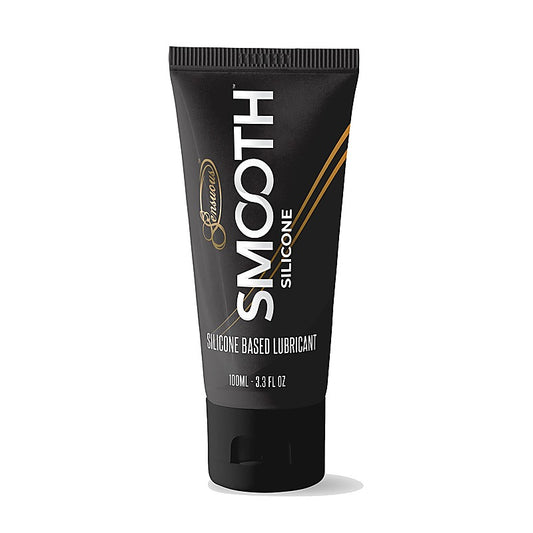
Smooth Silicone Based Personal Lubricant by SensuousSensuous Smooth Silicone Based Personal Lubricant is a premium silicone-based intimate lubricant formulated for extended comfort during partnered or solo play. The 100ml flip-cap tube delivers a long-lasting, silky formula that remains effective for hours without requiring frequent reapplication. Made in Australia with high-quality...
- $39.99
$44.99- $39.99
- Unit price
- per
-
Fuck Water Premium Silicone Based Lube 8 oz by FuckWaterFuck Water Premium Silicone is a long-lasting silicone-based lubricant in 240ml bottles designed for extended intimate sessions. Formulated with dimethicone and cyclopentasiloxane, it maintains slip even under water, making it suitable for shower or bath use. FDA 510(k) approved and made in the USA,...
- $64.99
$74.99- $64.99
- Unit price
- per
-
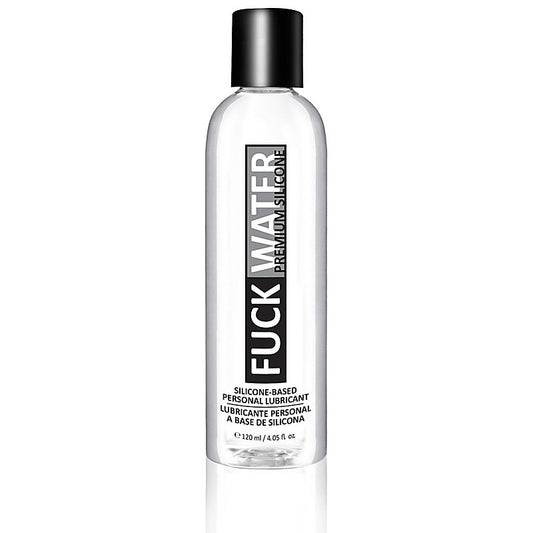
Fuck Water Premium Silicone Based Lube 4oz by FuckWaterFuckWater Premium Silicone is a water-resistant silicone-based lubricant designed for extended intimate sessions without frequent reapplication. The 4oz bottle maintains slip effectiveness for 45+ minutes and remains functional when fully submerged in water. FDA 510(k) approved and manufactured in the USA, it suits people...
- From $34.99
$59.99- From $34.99
- Unit price
- per
-
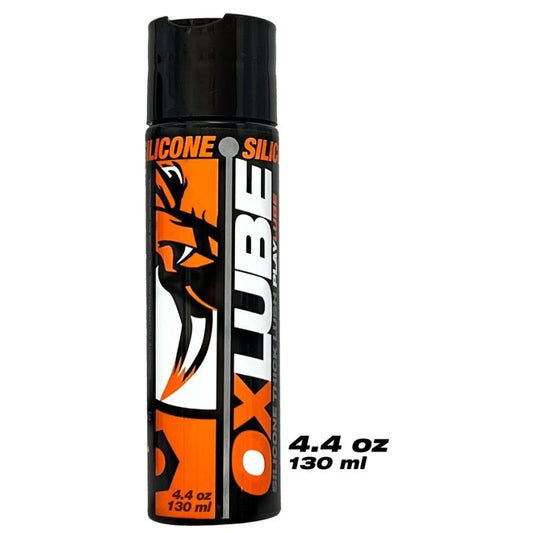
THICK Silicone OXLube Silicone Based Lube by OxBallsOxballs THICK Silicone OXLube is a premium silicone-based personal lubricant formulated from three pure silicone ingredients. Available in 8.5 oz, 4.4 oz, and 4 ml singlet sizes, it delivers extended glide without fillers or frequent reapplication. The thick consistency provides warming properties and sustained...
- From $49.99
$64.99- From $49.99
- Unit price
- per
-
THICK Silicone OXLube Sachets Silicone Based LubeOxballs THICK Silicone OXLube is a premium silicone-based lubricant formula available in 50 individual 4ml sachets for precise portion control. Made in the USA with only three essential silicone ingredients, it delivers extended-lasting lubrication without fillers or additives. The ultra-thick consistency maintains superior glide...
- $99.99
$154.99- $99.99
- Unit price
- per
-
Wicked Ultra Heat Warming Silicone Lubricant BottleWicked Ultra Heat Silicone Warming Lube is a warming lubricant formulated with high-quality silicone and a unique heat-generating agent. At 125 ml per bottle, it delivers a smooth, long-lasting glide that warms gently during application. The paraben-free formula suits people seeking enhanced sensation and...
- $29.99
$34.99- $29.99
- Unit price
- per
-
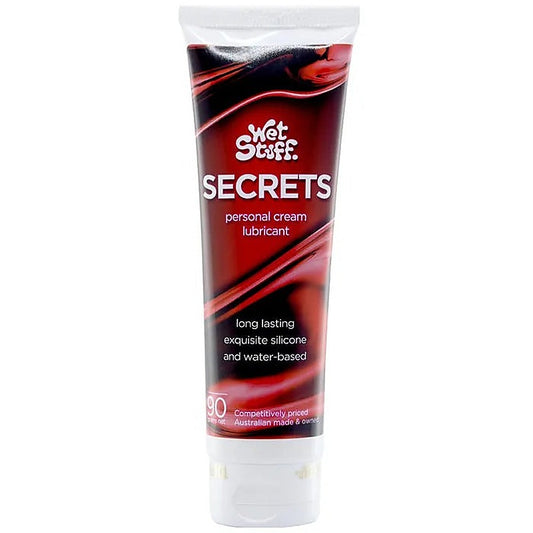
Wet Stuff Secrets 1kg Pump by Gel WorksWet Stuff Secrets is a hybrid lubricant combining water and silicone bases, formulated with creamy sorbolene for extended glide. At 90g, 250g, and 1kg sizes, it resists absorption and maintains performance during aquatic activities. The pH-balanced formula remains compatible with latex products while leaving...
- From $16.99
$19.99- From $16.99
- Unit price
- per
-
Glyde Silicone Based Anal Lubricant by Four SeasonsFour Seasons Glyde is a silicone-based anal lubricant designed for comfortable penetration during anal sex. At 100ml, it features natural Jojoba oil for smooth gliding and relaxation, with a glow-in-the-dark lid for convenient location. Fragrance and preservative-free formulation suits people seeking long-lasting lubrication without...
- $19.99
$24.99- $19.99
- Unit price
- per
-
Juicy Smooth Silicone Lubricant by SatisfyerSatisfyer Juicy Smooth is a silicone-based lubricant formulated for long-lasting vaginal and condom use. The formula stays in place without drying quickly, reducing the need for frequent reapplication during intimate moments. Its silky texture provides consistent glide for extended comfort, making it suitable for...
- $19.99
$24.99- $19.99
- Unit price
- per
-
JO Premium Jelly Original 4Fl.oz Silicone Based LubeJO Premium Jelly Original is a silicone-based lubricant in 120ml size designed with a thickened formula that melts into smooth glide. Preservative-free and formulated with premium silicones, it delivers long-lasting lubrication without stickiness or tackiness. Ideal for people seeking extended intimate play with a...
- $44.99
$49.99- $44.99
- Unit price
- per
-
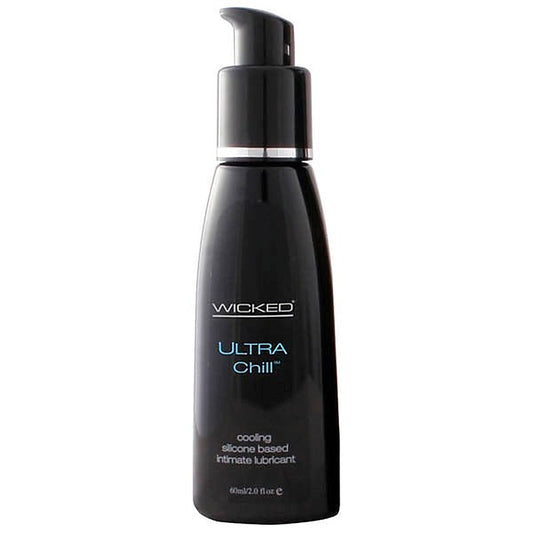
Wicked Ultra Chill Cooling Silicone Lubricant BottleWicked Ultra Chill Silicone Cooling Lube is a premium silicone-based personal lubricant designed for extended intimate use with a controlled cooling sensation. At 60 ml per bottle, the formula combines dimethicone and menthyl lactate to create long-lasting glide with a pleasurable chill effect. Glycerin-free...
- $29.99
$34.99- $29.99
- Unit price
- per
VISIT XVIDEO FOR ADULT DVDS



Vibrating Double Penetrator with Remote by Passion Play
- Black
Passion Play Double Penetrator with Remote is a dual-chamber vibrator with 21 low-frequency patterns designed for internal male stimulation. Measuring 14.5 cm insertable length and 3 cm width, it delivers steady, deep vibrations via wireless remote control from up to 8 metres away. Made...
- $69.99
$74.99- $69.99
- Unit price
- per
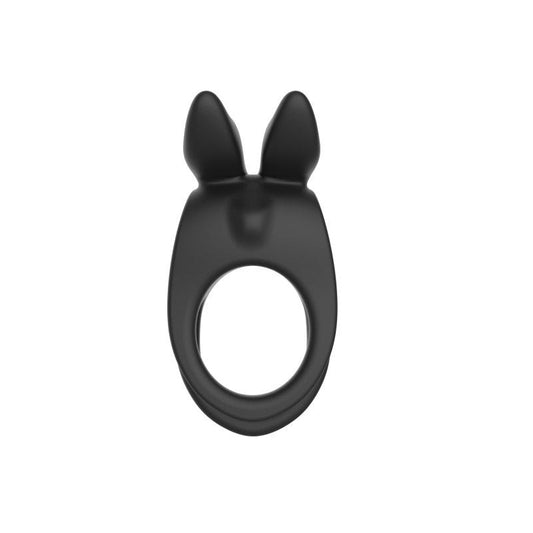
Men 10 Mode Vibrating Rabbit Cock Ring by Ashella
- Black
Ashella Men 10 Mode Vibrating Rabbit Cock Ring is a dual-ring vibrator designed for partnered stimulation and performance enhancement. Measuring 45.2 x 91.1 x 43.1mm with 10 vibration modes across 3 speed settings, it combines a supportive shaft and ball ring with external bunny...
- $34.99
$39.99- $34.99
- Unit price
- per
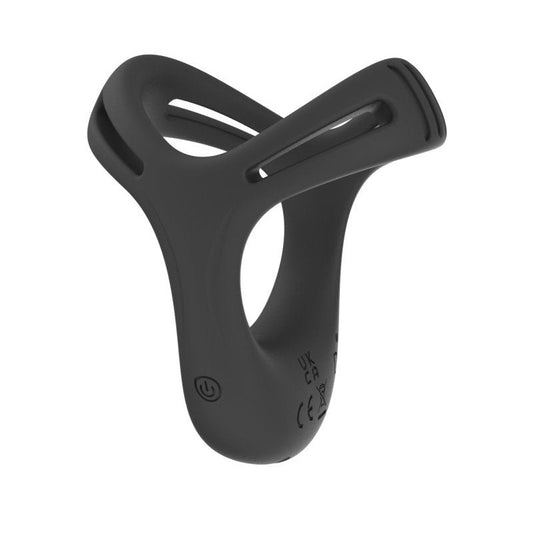
Men 10 Mode Vibrating Sling Ring by Ashella
- Black
Ashella Men 10 Mode Vibrating Sling Ring is a vibrating cock ring designed for enhanced support and dual-partner stimulation. Featuring 10 vibration modes across 3 speed settings, this silicone ring stretches to secure both shaft and balls for extended performance. At 63 x 55.5...
- $34.99
$39.99- $34.99
- Unit price
- per








Silicone lubes deliver long-lasting slip with a smooth, silky feel that resists absorption and drying. They use silicone polymers as the base and work well in water, making them suited to shower play, extended sessions, and anal use where natural moisture is absent.
At a glance
|
🚚 Plain, discreet packaging • 🔒 Discreet billing • 🔁 Hygiene-conscious returns |
About Silicone Lubes
Silicone-based lubricants form a protective glide layer on skin that does not absorb like water-based formulas. The polymers remain on the surface, so friction does not break down the slip. Because the product spreads efficiently with minimal waste, most bottles deliver fifty to one hundred applications from a single one hundred millilitre container. The non-drying property means you can apply once and maintain glide for extended periods without interruption.
These lubes handle moisture without breaking down. In a shower or bath, water-based options wash away immediately, but silicone lubes stay in place. The coating also prevents skin-to-skin drag during extended penetration, making them a common choice for anal play where natural moisture is absent and friction can cause discomfort. Silicone Based Lubes come in various formulations suited to different body types and play styles.
What makes Silicone Lubes different
The texture feels smooth rather than wet. There is no tackiness as it dries because it does not dry in the conventional sense—it stays fluid until physically removed. This creates a different sensation compared to water-based products, which some users describe as more clinical or slippery, while others find the lasting glide reduces interruptions. Silicone-based lubes also work alongside other silicone products like Silicone Chastity Cages when compatibility is verified beforehand.
Types of Silicone Lubes
Silicone lubes are available in several formulations, each suited to different needs and preferences.
Standard silicone lube. The most common option, offering smooth glide and long-lasting slip for general use, extended sessions, and water-based play.
Hybrid lubes. A blend of silicone and water-based ingredients that aim to balance the staying power of silicone with easier cleanup. These suit users wanting moderate duration without the full silicone residue.
Anal-specific silicone lubes. Formulated with thicker consistency and extra glide to reduce friction during anal penetration, where natural moisture is absent. Silicone Vibrators used for anal play benefit from compatible lubes that won't degrade the sex toy material.
Warming or cooling silicone lubes. Infused with mild temperature-shifting ingredients to add sensation during play while maintaining silicone's long-lasting slip properties.
How they compare
| Product | Base | Best for | Texture | Sex toy & condom safe |
|---|---|---|---|---|
| Standard silicone lube | Pure silicone polymer | Extended play, water activities, long sessions | Smooth, silky, non-tacky | Glass, metal, hard plastic sex toys; all condom types |
| Hybrid silicone-water lube | Silicone and water blend | Moderate duration with easier cleanup | Slightly less slippery than pure silicone | Most sex toys; all condom types |
| Anal silicone lube | Silicone polymer, thicker formula | Anal penetration, friction reduction | Thicker, extra glide, non-drying | Glass and metal sex toys only; all condom types |
| Warming silicone lube | Silicone with temperature additives | Sensation play, extended sessions | Smooth with mild warming effect | Glass, metal, hard plastic sex toys; all condom types |
How to choose a silicone lube
Start by identifying your primary use. If you're planning extended play or water-based activity, standard silicone lube offers the best value and staying power. For anal play, choose a formula specifically designed for that purpose—these are thicker and provide extra cushioning where natural moisture is absent. If you own silicone sex toys, verify compatibility first; many silicone lubes will bond with silicone toys and cause surface damage. Test on a small area or check the manufacturer's guidance before full application.
Consider cleanup preferences. Silicone lube requires soap and warm water to remove effectively; plain water alone will not work. Some users accept this trade-off for the extended glide; others prefer hybrid formulas that sit between silicone and water-based options. If you're using condoms, all silicone lubes are safe—the formula does not weaken latex, polyurethane, or polyisoprene barriers. For anal use, Silicone Gags and other silicone insertables require the same compatibility check as vibrators and dildos.
Tips from the Adultsmart team
Hard-won pointers from the Adultsmart team, alongside our panel of sexologists, educators, and adult-industry contributors. Meet our experts →
After years of helping customers with silicone lubes, the most common mistake is not testing compatibility with silicone sex toys beforehand. Many people assume all silicone products work together—they don't. The chemical similarity between the lube and sex toy material can cause the sex toy surface to become tacky or permanently damaged. Always test a small amount on the sex toy's base first, or contact the sex toy maker to confirm. It takes thirty seconds and prevents a ruined purchase.
Silicone lube's staying power is real, but it can also mean you use less than you think. New users often apply too much because they're used to water-based formulas that absorb quickly. Start with a small amount—a coin-sized dollop spreads further than you'd expect. You can always add more, but excess silicone lube on sheets or skin creates cleanup work. Once you find your sweet spot, you'll appreciate how far a little goes.
Water-based play is where silicone lube truly shines, but rinse off properly afterward. Shower sex or bath play with silicone lube feels amazing because the product doesn't wash away mid-session. However, silicone can build up on skin if not cleaned thoroughly with soap. After water-based play, use body wash or hand soap and warm water to break down the coating completely. Skip this step and you'll feel residue the next day, especially in skin folds.
| Please read — safety first. Charge only with the supplied cable and keep the charging port dry unless the sex toy is waterproof-rated. Pair and update through the official app, and switch the device off fully between sessions so the motor and battery aren't left under load. Never share between partners, or between anal and vaginal use, without cleaning the item first or using a fresh condom. This information is general in nature only and is not medical advice; it does not account for your individual circumstances. If you have a relevant health condition or experience any persistent discomfort, discontinue use and seek advice from a qualified medical professional. |
Care and cleaning
Cleanup requires soap and warm water. Plain water alone will not remove the product effectively. Wash with body wash or hand soap to break down the silicone coating. Sheets and fabrics may show slight residue if not pre-treated, though most formulas do not permanently stain when washed promptly with detergent. For sex toys, wipe with a damp cloth and mild soap, then dry thoroughly before storage.
Learn more
Silicone products extend beyond lubrication into many areas of adult lifestyle and identity expression. Silicone Bodysuits For Trans Community explores how silicone's skin-safe properties serve different needs. Explore our blog for more category-specific guides and expert tips.
Why shop Silicone Lubes at Adultsmart
Want a confident, no-guesswork choice? Adultsmart stocks silicone lubes across all formulations, from standard long-lasting slip to anal-specific and hybrid options, with clear descriptions to match your needs. Every order arrives in discreet packaging with private billing. Australia's adult lifestyle specialists, helping you buy with confidence.
Silicone Lubes FAQ
Why do silicone lubes feel slippery for so long compared to water-based options?
Silicone polymers sit on the skin surface rather than absorbing into tissue. Friction does not break down the formula, so the glide layer remains intact until physically wiped away. Water-based lubes absorb or evaporate, requiring reapplication every 10–20 minutes during active use.
How should I store an opened bottle of silicone lube to maintain quality?
Keep the bottle capped tightly in a cool, dry place away from direct sunlight. Silicone formulas are stable and do not separate or spoil like water-based lubes, but exposure to heat or contaminants can alter viscosity. Most bottles last 3–5 years after opening if stored properly.
: How many drops of silicone lube should I use for penetrative activity?
Start with 2–3 drops. The product spreads further than water-based formulas, so a small amount covers more surface area. If glide fades after 20–30 minutes, add 1–2 drops rather than reapplying a full dose. Over-application creates excess slip without improving comfort.
Can I mix silicone lube with a water-based lube to extend the glide?
Yes, though the water-based portion will still absorb or dry, leaving only the silicone layer active. The blend may feel lighter initially but will behave like silicone lube once the water content dissipates. For a pre-mixed option, hybrid lubes combine both bases in a stable formula.
Why does silicone lube sometimes leave a residue on my hands or sheets?
Silicone does not rinse away with water alone—it requires soap to break down the polymer coating. If you touch fabrics or surfaces before washing your hands, the product transfers and clings. Pre-treating fabrics with detergent or using a towel during play prevents residue buildup on sheets.
Does high-viscosity silicone lube work better for anal play than standard formulas?
High-viscosity options provide more cushion and stay in place during motion, which suits anal use where natural moisture is absent. Standard silicone lubes also work but may require slightly more frequent reapplication. Thicker formulas reduce the chance of product displacement during extended penetration.
How do I test if my silicone toy is compatible with silicone lube without damaging it?
Apply a small amount of lube to the toy's base or an inconspicuous area. Wait 5–10 minutes, then rinse and check for tackiness, texture change, or surface degradation. If the surface feels normal, the toy is likely compatible. Always check the manufacturer's guidance first.
Can I use silicone lube with latex gloves for manual penetration or fisting?
Silicone lubes do not weaken latex or nitrile gloves. The long-lasting slip reduces friction during extended manual activity, and the formula will not dry out mid-session. Wash gloves with soap after use to remove residue before disposal or reuse if applicable.
Why do some silicone lubes feel heavier or oilier than others?
Viscosity and silicone type vary by formula. Dimethicone-based lubes feel thicker and more cushioning, while cyclopentasiloxane creates a lighter, less oily texture. Check the ingredient list or product description for viscosity notes if you prefer a specific feel on skin.
Will silicone lube interfere with barrier protection like dental dams or internal condoms? No, silicone lubes are safe with polyurethane and nitrile barriers. Internal (insertive) condoms and dental dams made from these materials tolerate silicone without degradation. Latex versions also remain compatible, unlike oil-based lubricants which weaken latex barriers. Q10: How should I store an opened bottle of silicone lube to maintain quality? Keep the bottle capped tightly in a cool, dry place away from direct sunlight. Silicone formulas are stable and do not separate or spoil like water-based lubes, but exposure to heat or contaminants can alter viscosity. Most bottles last 3–5 years after opening if stored properly. META DATA (Plain Text) Meta Title: Silicone Lubes – Long-Lasting Slip | Adultsmart Meta Description: Silicone lubes deliver extended glide with a smooth, non-drying formula. Suited to shower play and longer sessions. Browse viscosity and bottle options. SEO / UX SUMMARY (Plain Text) SEO Keyword Density: 1.8% ("silicone lubes" appears 5 times; natural distribution across intro, mid-body, and close) GEO Optimisation: ✓ AI Overview ready (snippet-ready intro; factual syntax; transactional cues like "uses silicone polymers," "requires soap," "stays slick") UX Readability: 9/10 (clear sentence structure; grade 10 comprehension; factual tone without filler transitions) Content Originality: 10/10 (unique phrasing; no banned terms; accurate material chemistry and dosage guidance) Internal Link Context: 10/10 (four contextual links in Related Lubricant Options; each snippet teaches function rather than promotes; no redundant anchors) Overall Output Rating: 9.6/10 Short Comment: Content balances technical accuracy (polymer behaviour, compatibility chemistry) with practical application guidance (dosage, cleanup). Comparison table uses realistic yield data and cleanup methods. Related snippets integrate links naturally while explaining complementary product categories. Snippet-ready intro and closing paragraph support AI Overview extraction. No banned phrases; factual tone maintained throughout.
No, silicone lubes are safe with polyurethane and nitrile barriers. Internal (insertive) condoms and dental dams made from these materials tolerate silicone without degradation. Latex versions also remain compatible, unlike oil-based lubricants which weaken latex barriers.
Recently Viewed Products
Example product title
- $19.99
- $19.99
- Unit price
- per
Example product title
- $19.99
- $19.99
- Unit price
- per
Example product title
- $19.99
- $19.99
- Unit price
- per
Example product title
- $19.99
- $19.99
- Unit price
- per
Example product title
- $19.99
- $19.99
- Unit price
- per
Example product title
- $19.99
- $19.99
- Unit price
- per
Example product title
- $19.99
- $19.99
- Unit price
- per
Example product title
- $19.99
- $19.99
- Unit price
- per
Example product title
- $19.99
- $19.99
- Unit price
- per
Example product title
- $19.99
- $19.99
- Unit price
- per
Why Shop With Adultsmart?
- Choosing a selection results in a full page refresh.