




-
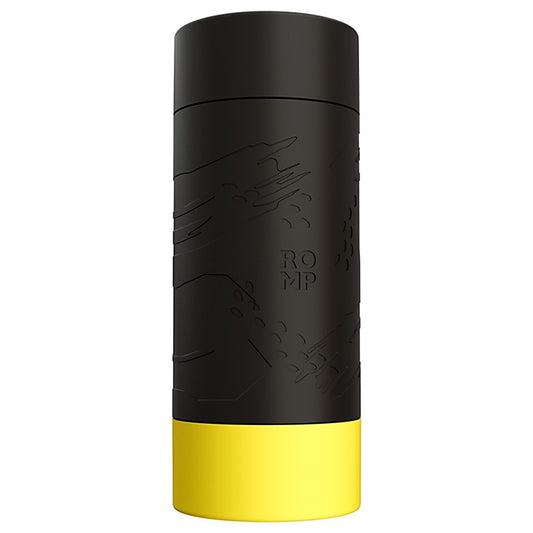
Romp Dash Masturbator by Lovehoney - BlackLovehoney Romp Dash is a penis masturbator designed for hands-on solo play. At 7.5 inches in internal length with a soft TPE canal, it accommodates most penis sizes. The suction feature operates through manual control of the pressure release valve, delivering variable intensity without...
- $49.99
$59.99- $49.99
- Unit price
- per
-
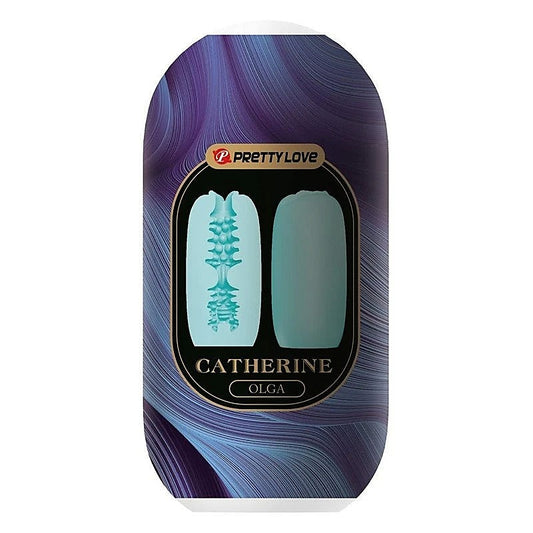
Catherine Olga Egg Masturbator by Baile - BluePretty Love Catherine Olga Egg Masturbator is a compact elastomer stroker with dual-texture interior sleeve designed for portable male pleasure. Measuring approximately 2.4 inches long, it stretches to fit all sizes and features a tight entry hole for enhanced grip intensity. The reusable design...
- $8.99
$9.99- $8.99
- Unit price
- per
-
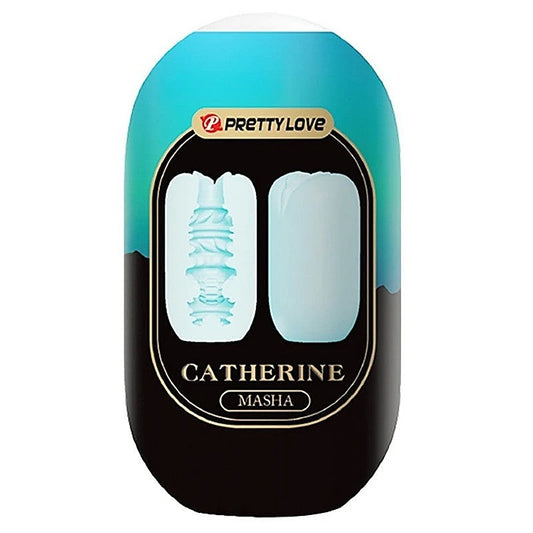
Catherine Masha Egg Masturbator by Baile - BluePretty Love Catherine Masha Egg Masturbator is a compact stroker with dual-textured inner sleeves designed for all penis sizes. Made from phthalate-free elastomer, it stretches to fit comfortably while maintaining a tight entry grip. Available in Cloudy, Shiny, or Surfer textures, each delivers distinct...
- $9.99
$14.99- $9.99
- Unit price
- per
-
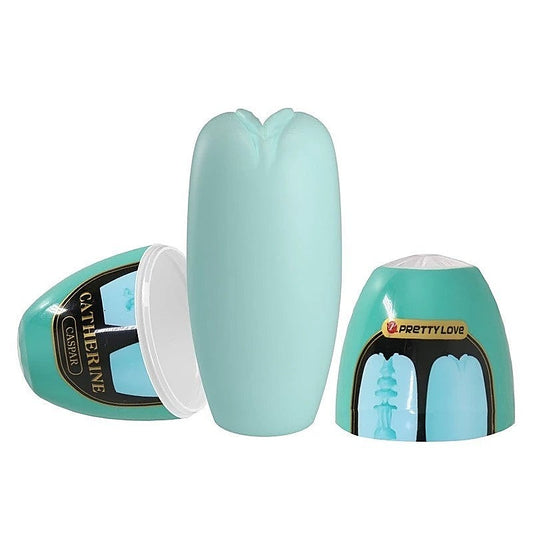
Catherine Casper Egg Masturbator by Baile - BluePretty Love Catherine Casper Egg Masturbator is a compact stroking sleeve housed in a discreet egg case, designed for all penis sizes. Crafted from phthalate-free elastomer available in Cloudy, Shiny, or Surfer textures, it delivers 3 distinct internal sensations. The super stretchy material stretches...
- $9.99
$14.99- $9.99
- Unit price
- per
-
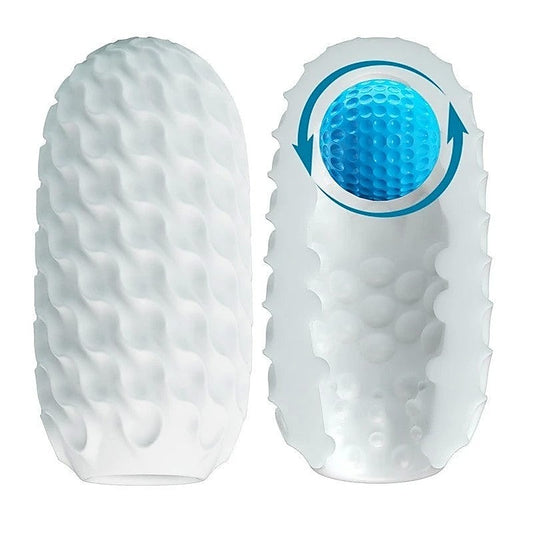
Venus-X Wonder Ball Masturbator by BailePretty Love Venus-X Wonder Ball Male Masturbator is a clear TPE stroker featuring an internal rolling wonder ball that creates dynamic, unpredictable sensations combined with ribbed texturing. Measuring approximately 7 inches long with a super-stretchy design accommodating all sizes, it delivers layered stimulation through...
- $24.99
$29.99- $24.99
- Unit price
- per
-
Venus-X Fantasy Ball Masturbator by BailePretty Love Venus-X Fantasy Ball Male Masturbator is a clear TPE stroker featuring a free-moving internal fantasy ball that creates dynamic stimulation patterns. Measuring 3.5 inches with ultra-stretchy, phthalate-free material, it accommodates all sizes while the moving sphere generates unpredictable waves of sensation with...
- $24.99
$29.99- $24.99
- Unit price
- per
-
Rina Ishikawa Realistic Male Stroker by Exe and KingRina Ishikawa Men Stroke by Exe and King is a closed-end masturbator featuring a 6-inch textured silicone sleeve that creates natural suction during use. The ridged interior tunnel responds to varied stroking speeds and pressure levels, while the closed-end design intensifies sensation through feedback...
- $44.99
$49.99- $44.99
- Unit price
- per
VISIT XVIDEO FOR ADULT DVDS



Vibrating Double Penetrator with Remote by Passion Play
- Black
Passion Play Double Penetrator with Remote is a dual-chamber vibrator with 21 low-frequency patterns designed for internal male stimulation. Measuring 14.5 cm insertable length and 3 cm width, it delivers steady, deep vibrations via wireless remote control from up to 8 metres away. Made...
- $69.99
$74.99- $69.99
- Unit price
- per
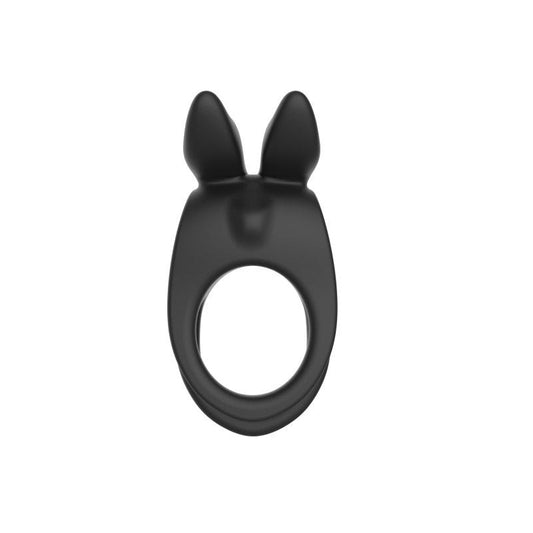
Men 10 Mode Vibrating Rabbit Cock Ring by Ashella
- Black
Ashella Men 10 Mode Vibrating Rabbit Cock Ring is a dual-ring vibrator designed for partnered stimulation and performance enhancement. Measuring 45.2 x 91.1 x 43.1mm with 10 vibration modes across 3 speed settings, it combines a supportive shaft and ball ring with external bunny...
- $34.99
$39.99- $34.99
- Unit price
- per
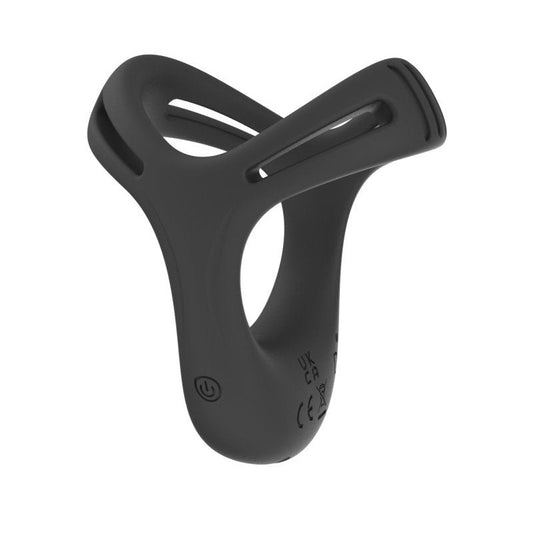
Men 10 Mode Vibrating Sling Ring by Ashella
- Black
Ashella Men 10 Mode Vibrating Sling Ring is a vibrating cock ring designed for enhanced support and dual-partner stimulation. Featuring 10 vibration modes across 3 speed settings, this silicone ring stretches to secure both shaft and balls for extended performance. At 63 x 55.5...
- $34.99
$39.99- $34.99
- Unit price
- per




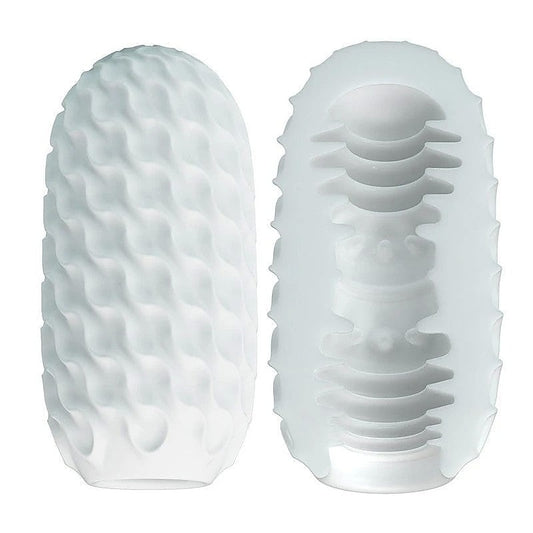


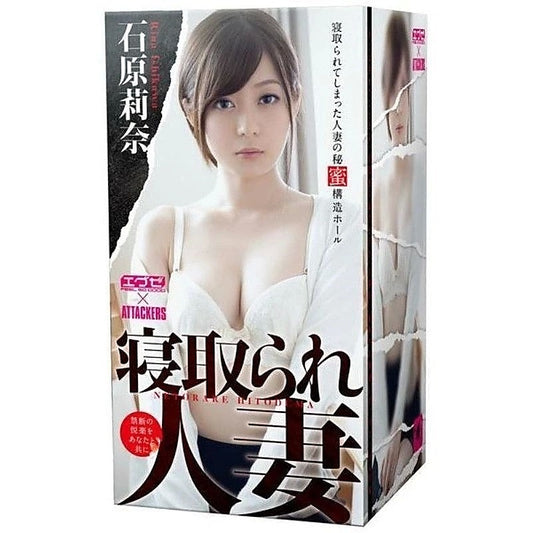

Closed-end strokers are male masturbation sleeves with a fully sealed chamber—one entrance, no exit. Air gets trapped during insertion, creating automatic suction that grips without you needing to adjust anything. They come in realistic, textured, and fantasy designs.
At a glance
|
🚚 Plain, discreet packaging • 🔒 Discreet billing • 🔁 Hygiene-conscious returns |
About Closed End Strokers
Closed-end strokers work through trapped air mechanics. As you insert, the air inside cannot escape, so it compresses on the way in and expands on the way out. This creates rhythmic pressure that grips your shaft automatically—no hand adjustments needed. The suction builds as you stroke deeper because more air displacement happens with each thrust. Most come in soft silicone or TPE, with textured interiors ranging from subtle ridges to realistic detail.
These sleeves suit users who want passive suction without learning technique or managing exit holes during use. First-timers appreciate the straightforward operation; there's no coordination required between hand movement and suction control. The sealed bottom also means lubricant stays inside the sleeve, reducing mess during vigorous sessions. If you're looking for hands-free grip that works automatically, Automatic Male Strokers offer similar passive pleasure through different mechanics. Users within average length ranges find these sleeves practical, though those significantly above average may reach the sealed bottom before full insertion depth.
What makes Closed End Strokers different
The sealed chamber is what sets this category apart. Unlike open-ended strokers, there's no exit hole to manage, and the trapped air does all the work for you. You don't need to cover or control an opening while you stroke. The contained design also prevents lubricant leakage, keeping mess minimal compared to open designs. If you prefer passive, automatic sensation over manual control, this design delivers. For those interested in other forms of sensation play, Paddles offer a completely different tactile approach.
Types of Closed End Strokers
Textured chamber strokers. These feature ridged, bumpy, or ribbed interiors that add extra grip and sensation as you slide in and out. The texture combines with the trapped-air suction for more intense feedback than smooth designs.
Realistic strokers. Built to resemble anatomy, these sleeves deliver visual and tactile realism. They're popular for users who want lifelike appearance and sensation in one product. Pairing these with Fetish Clothing can enhance your overall scene or fantasy play.
Fantasy and novelty strokers. These come in fun shapes, colours, and designs that don't aim for realism—think textured sleeves, themed designs, or unusual finishes. They're for users who prioritise creative sensation over authentic appearance.
Compact and travel strokers. Smaller sealed chambers designed for portability and discreet storage. They still create suction through trapped air, but with less depth and a lighter footprint for on-the-go use.
How they compare
| Model | Material | Best for | Control or Base | Safety |
|---|---|---|---|---|
| Standard Textured Stroker | Silicone | First-time users wanting automatic suction | Hand-held; passive air mechanics | Body-safe silicone; water-based lube only |
| Realistic Sealed Stroker | TPE blend | Users seeking lifelike appearance and grip | Hand-held; trapped-air pressure | Check manufacturer body-safe rating; water-based lube |
| Compact Travel Stroker | Silicone or TPE | Discreet storage and portability | Hand-held; smaller sealed chamber | Body-safe materials; portable cleaning supplies recommended |
| Fantasy Design Stroker | Silicone | Users prioritising creative sensation and novelty | Hand-held; automatic suction with unique texture | Confirm body-safe silicone; water-based lube essential |
How to choose a closed end stroker
Start by measuring yourself honestly. The sealed chamber has fixed depth, so if you're significantly above average length, you'll likely bottom out before the sleeve fills completely. Check the product specs for internal length and compare it to your own. This prevents the frustration of hitting the sealed end mid-stroke. Consider the material too—silicone is body-safe and durable, while TPE blends offer more realistic texture but require careful cleaning and storage away from heat.
Think about sensation preference. Do you want texture (ridges, bumps, realistic detail) or smooth simplicity? Textured designs add grip and feedback; smooth ones let the suction do the work. First-timers often prefer simpler designs to focus on the automatic suction without overwhelming sensation. Length matters for practical reasons—compact strokers suit travel or discreet storage, while standard sizes offer more chamber depth. If you're combining stroker use with other sensations, Blindfolds and Masks can heighten focus and anticipation. Always check the lube compatibility—water-based only—and confirm the material is body-safe before purchase.
Tips from the Adultsmart team
Hard-won pointers from the Adultsmart team, alongside our panel of sexologists, educators, and adult-industry contributors. Meet our experts →
After years of helping customers with closed-end strokers, the most common mistake we see is applying too little lubricant. Because the chamber is sealed, you can't reapply mid-session easily—the sleeve needs to come off, be opened up, and have fresh lube added inside. Start with a generous amount, both inside the chamber and on yourself. It makes insertion smoother, reduces the risk of uncomfortable pressure spikes, and lets you stroke longer without friction.
Second tip: go slow on first insertion. The sealed design means air displacement happens fast if you thrust hard right away, and that sudden pressure can feel uncomfortable or even painful. Insert gradually to let the air compress at a natural pace. As you get used to the sensation, you'll find your rhythm—and that's when the suction really shines. Deeper strokes build more pressure because more air gets displaced, so you control intensity partly through how far you go, not just how fast.
Finally, cleaning is easier if you turn the sleeve inside-out immediately after use while it's still warm and pliable. Rinse thoroughly with lukewarm water and mild soap, making sure all lubricant residue is gone from the sealed end. Dry it completely—moisture trapped inside can cause mould or material breakdown. Store it in a cool, dry place away from direct sunlight and heat. A small mesh bag helps air circulation if you're storing multiple sleeves.
| Please read — safety first. Charge only with the supplied cable and keep the charging port dry unless the sex toy is waterproof-rated. Pair and update through the official app, and switch the device off fully between sessions so the motor and battery aren't left under load. Never share between partners, or between anal and vaginal use, without cleaning the item first or using a fresh condom. As porous materials can harbour bacteria, use a condom over them for sharing or easy clean-up. This information is general in nature only and is not medical advice; it does not account for your individual circumstances. If you have a relevant health condition or experience any persistent discomfort, discontinue use and seek advice from a qualified medical professional. |
Care and cleaning
Turn your stroker inside-out for thorough cleaning as soon as possible after use. Rinse the interior and exterior with lukewarm water and mild, fragrance-free soap. Pay special attention to the sealed end, where lubricant can accumulate. Dry completely with a lint-free cloth or allow air-drying before flipping it back. Store in a cool, dry place away from heat, sunlight, and silicone-based lubricants (which can degrade the material). A dedicated storage pouch keeps it discreet and protected.
Learn more
Stroker use can fit into broader sexual exploration and partnered play. For insight into different approaches to pleasure and positioning, Gay Sex Positions The End Of It offers practical guidance on variety and communication. Explore our full range to find what suits your needs.
Why shop Closed End Strokers at Adultsmart
Ready to shop with the details sorted? Adultsmart stocks a range of closed-end strokers in different materials, sizes, and designs—all body-safe and backed by real product knowledge. Every order arrives in discreet packaging with private billing so your purchase stays confidential. Real advice, body-safe products, and discreet delivery Australia-wide.
Closed End Strokers FAQ
Does automatic suction in closed-end strokers intensify proportionally with insertion depth?
Deeper insertion displaces more air within the sealed chamber, creating progressively stronger vacuum pressure as shaft length fills the available volume. Shallow strokes produce gentle suction through minimal air compression, while full-depth insertion generates maximum gripping intensity by compressing the entire trapped air supply against the sealed bottom.
Do closed-end designs create more realistic oral simulation compared to open-ended strokers?
The automatic suction from trapped air compression mimics natural oral vacuum mechanics more closely than manual exit control in open designs. The sealed chamber creates consistent gripping that builds with depth similarly to oral engagement, while open-ended manual control requires conscious technique coordination. Many users find closed automatic suction delivers more authentic oral-like sensations through passive pressure generation.
Can users adjust suction intensity in closed-end designs without stopping the session?
Closed-end automatic suction cannot be modified during use since the trapped air mechanics function passively based on insertion depth and stroke speed. Users wanting real-time pressure adjustments require open-ended designs with manual exit control, as sealed chambers deliver consistent automatic suction determined by physical chamber properties rather than technique variations.
How does material firmness affect the intensity of trapped air suction?
Firm materials maintain rigid chamber walls that channel air pressure into concentrated gripping, creating tighter more defined suction sensations. Soft materials compress under air pressure, distributing vacuum forces broadly into cushioned enveloping rather than focused tight spots. Identical air displacement volumes produce different subjective intensity depending on wall rigidity and compression resistance.
Do closed-end strokers require more lubricant than open-ended designs?
Closed chambers actually require less lubricant since the sealed construction prevents leakage from an exit opening, containing fluids throughout the session. Open-ended designs lose lubricant through both openings during use, demanding 30-50 percent more product. However, closed designs make mid-session reapplication to deep chamber areas more difficult without withdrawing completely.
Can textured closed-end strokers deliver texture sensations comparable to open-ended textured designs?
Internal texture patterns function identically regardless of end closure when equivalent pressures are applied. Closed-end automatic suction may actually enhance texture contact by compressing patterns more firmly against the shaft through trapped air pressure. The sealed construction affects suction mechanics but not inherent texture character or friction intensity.
How does cleaning difficulty compare between smooth and textured closed-end chambers?
Textured sealed chambers require more thorough cleaning attention since ribs, nubs, and pattern crevices trap residue that smooth surfaces do not accumulate. Both require inside-out inversion for access, but textured versions demand additional scrubbing or rinsing time to remove debris from all pattern elements. Smooth closed strokers simplify the cleaning process despite identical inversion requirements.
Do closed-end strokers accommodate edging practice effectively despite automatic suction?
Consistent automatic pressure helps users develop control under predictable suction conditions, making closed designs suitable for stamina training. The unchanging vacuum intensity eliminates variables that manual suction control introduces, letting users focus on managing arousal response rather than coordinating pressure adjustments. However, some prefer open-ended variable suction for training under diverse stimulation conditions.
Can air trapped in closed chambers create uncomfortable pressure during very deep insertion?
Maximum compression at full depth can create intense pressure that some users find uncomfortable, particularly in shorter chambers with less air volume to displace. Users experiencing discomfort should try less forceful insertion or select longer closed chambers with greater air capacity. The pressure sensation is inherent to sealed design mechanics rather than a defect.
How does drying time for closed-end strokers compare to similarly-textured open-ended models?
Closed chambers require 6-12 hours for complete drying when positioned right-side-out due to limited airflow against the sealed bottom. Open-ended designs with identical textures dry in 2-4 hours through cross-ventilation flowing through both openings. Inverting closed strokers during drying reduces time to 4-6 hours but may stress materials over repeated inversions.
Recently Viewed Products
Example product title
- $19.99
- $19.99
- Unit price
- per
Example product title
- $19.99
- $19.99
- Unit price
- per
Example product title
- $19.99
- $19.99
- Unit price
- per
Example product title
- $19.99
- $19.99
- Unit price
- per
Example product title
- $19.99
- $19.99
- Unit price
- per
Example product title
- $19.99
- $19.99
- Unit price
- per
Example product title
- $19.99
- $19.99
- Unit price
- per
Example product title
- $19.99
- $19.99
- Unit price
- per
Example product title
- $19.99
- $19.99
- Unit price
- per
Example product title
- $19.99
- $19.99
- Unit price
- per
Why Shop With Adultsmart?
- Choosing a selection results in a full page refresh.