




-
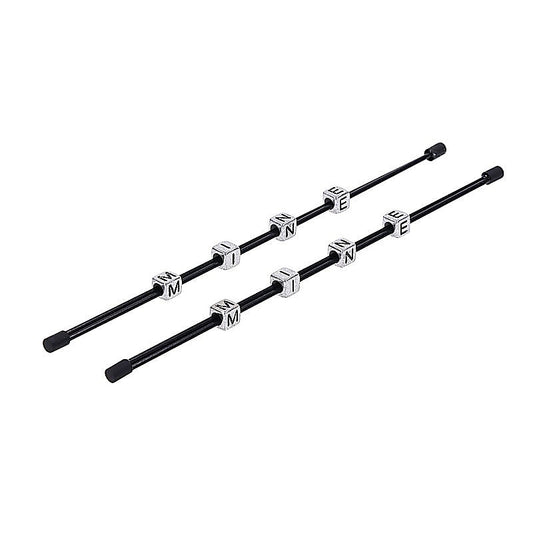
Edge by Sportsheets MINE Pinching Rods Nipple ToySportsheets EDGE MINE Pinching Rods is a nipple restraint featuring dual connected rods with four engraved silver beads spelling M-I-N-E. At 15 cm long, the rods tighten as beads slide inward, delivering adjustable compression from gentle pressure to intense pinching. Constructed from fiberglass and...
- $64.99
$74.99- $64.99
- Unit price
- per
-
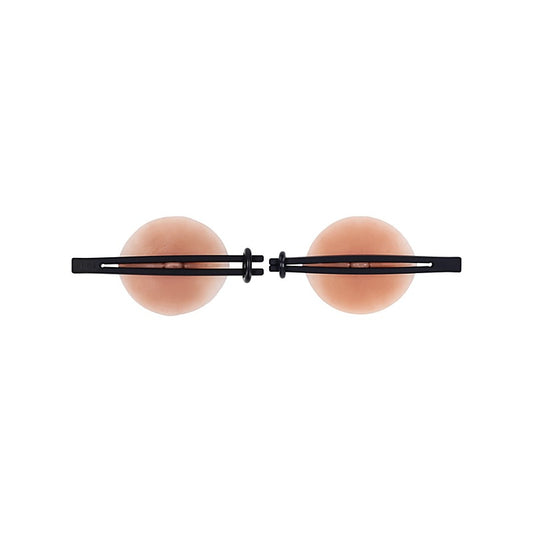
Edge by Sportsheets Silicone Pinching Rods Nipple Toy - BlackSportsheets Edge Silicone Pinching Rods are flat silicone clamps designed for deliberate nipple compression and sensitive area stimulation. At 5.5 inches long with a fused design, they include 16 silicone rings in four sizes for customizable tension control. The flexible silicone-fiberglass construction delivers sustained...
- $59.99
$69.99- $59.99
- Unit price
- per
-
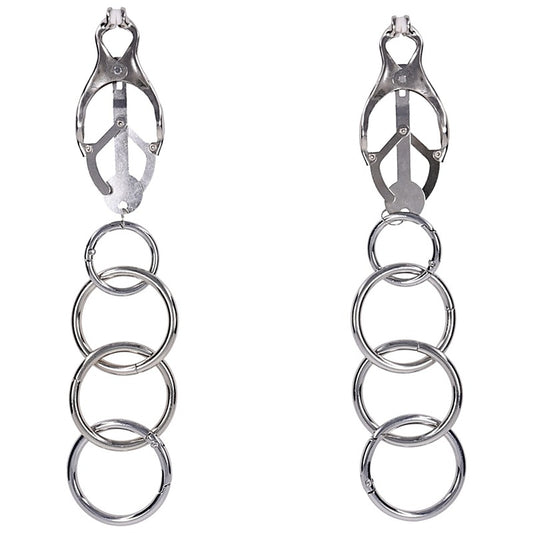
Edge by Sportsheets Tuggable Clover Clamps - BlackSportsheets Edge Tuggable Womens Clover Clamps are nipple clamps featuring progressive tension design with polished silver metal construction and textured silicone-tipped grips. The set includes two clamps, four connection rings, and two center-connected O-rings for customizable bondage play. Delivering deep pressure that intensifies with...
- $59.99
$69.99- $59.99
- Unit price
- per
-
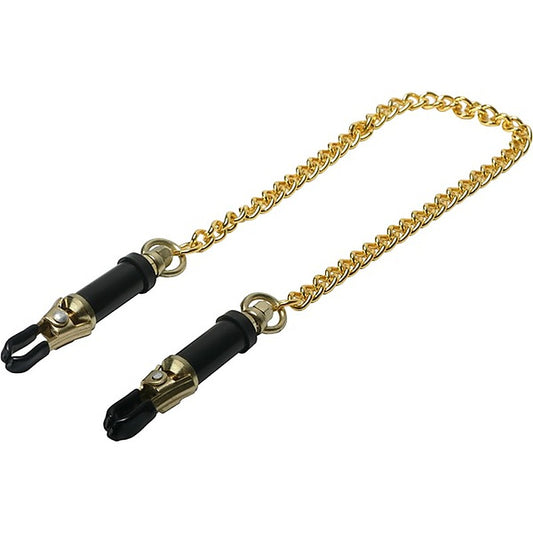
Master Series Deluxe Adjustable Bondage Nipple ClampsMaster Series Deluxe Adjustable Bondage Nipple Clamps are brass restraints with barrel-adjustment mechanisms and thermoplastic rubber contact pads. Measuring 13 inches total with 0.5-inch opening width, they deliver variable pressure settings for precise sensation control. The gold-tone chain connects both clamps, creating visual impact...
- $54.99
$59.99- $54.99
- Unit price
- per
-
Adjustable Nipple Clamps With Bell by BDStyle - PinkBDStyle Adjustable Nipple Clamps With Bell are precision pressure-control accessories featuring rubber-coated metal clips with integrated bells for sensory enhancement. Available in Purple, Red, and Silver finishes, they deliver customizable tension through an adjustable mechanism suitable for various experience levels and erogenous zone exploration...
- $7.99
$9.99- $7.99
- Unit price
- per
-
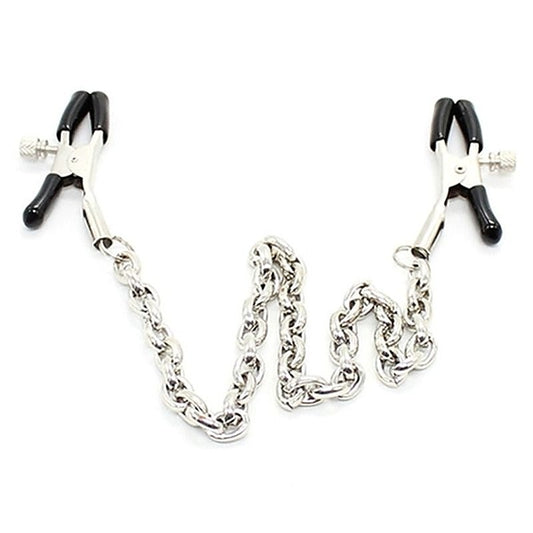
Bondage Adjustable Nipple Clamps by BDStyle - BlackBDStyle Bondage Adjustable Nipple Clamps are precision-engineered sensation clamps featuring high-grade steel construction with protective latex tips. Measuring 19.75 inches total length with a 15-inch decorative chain, they offer fully adjustable pressure control through precision screws. Available in eight colors, these clamps suit BDSM...
- $14.99
$19.99- $14.99
- Unit price
- per
-
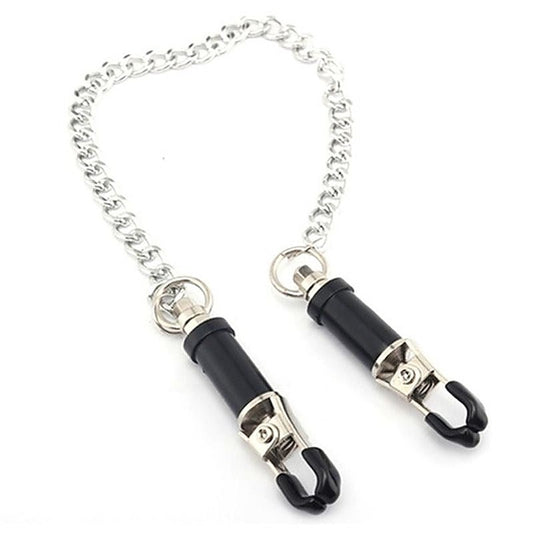
Adjustable Nipple Clamps Realistic Dildos by BDStyle - BlackBDStyle Adjustable Nipple Clamps are precision-engineered sensory accessories featuring barrel-style adjustment mechanisms and TPR-coated metal contact points. The spring-loaded design delivers consistent pressure control with a connecting silver chain for coordinated stimulation. They accommodate various experience levels through adjustable intensity settings, making them suitable...
- $19.99
$29.99- $19.99
- Unit price
- per
-
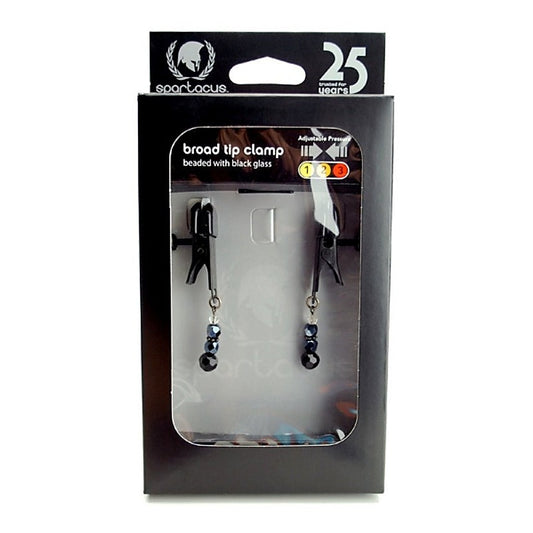
Adjustable Nipple Clamps with Glass Beads by Spartacus - BlackSpartacus Adjustable Nipple Clamps with Glass Beads are stainless steel clamps featuring decorative glass bead accents and tension adjustment for customizable stimulation. The smooth metal construction measures precisely for secure fit across varied body types, with adjustable intensity settings. These clamps suit people seeking...
- $34.99
$44.99- $34.99
- Unit price
- per
-
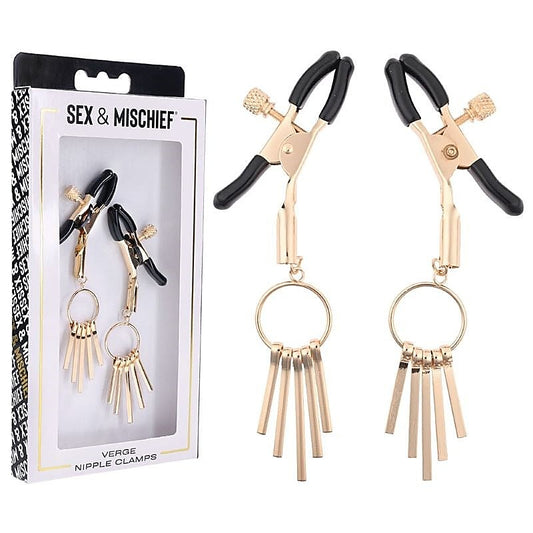
Sex and Mischief Verge Nipple Clamps by SportsheetsS&M Verge Nipple Clamps are adjustable metal clamps with silicone tips designed for customizable nipple stimulation. Measuring 3 inches long, they feature a tension knob allowing fine-tuned intensity from gentle to intense sensations. The metal frame with soft silicone contact points suits people exploring...
- $34.99
$39.99- $34.99
- Unit price
- per
-
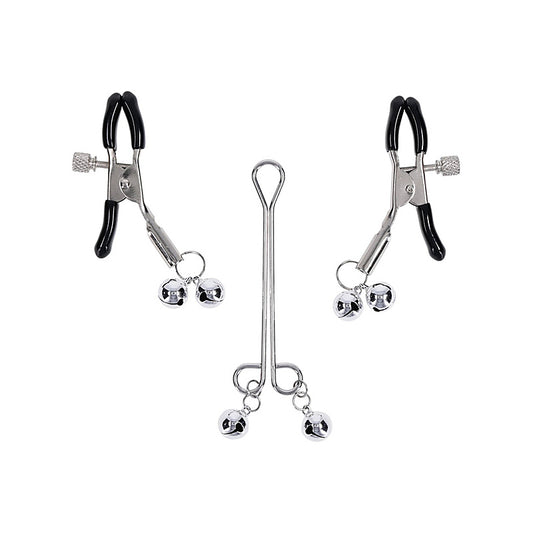
Sex and Mischief Shadow Bell Nipple and Clit Jewelry - BlackSex and Mischief Shadow Bell Nipple and Clit Jewelry is a pressure-play clamp set featuring dual silver bells on adjustable rubber-tipped nipple clamps and a tapered silver-tone clit clamp. The iron and PVC construction delivers responsive sound with every movement, combining tactile pressure with...
- $24.99
$29.99- $24.99
- Unit price
- per
VISIT XVIDEO FOR ADULT DVDS



Vibrating Double Penetrator with Remote by Passion Play
- Black
Passion Play Double Penetrator with Remote is a dual-chamber vibrator with 21 low-frequency patterns designed for internal male stimulation. Measuring 14.5 cm insertable length and 3 cm width, it delivers steady, deep vibrations via wireless remote control from up to 8 metres away. Made...
- $69.99
$74.99- $69.99
- Unit price
- per
Men 10 Mode Vibrating Rabbit Cock Ring by Ashella
- Black
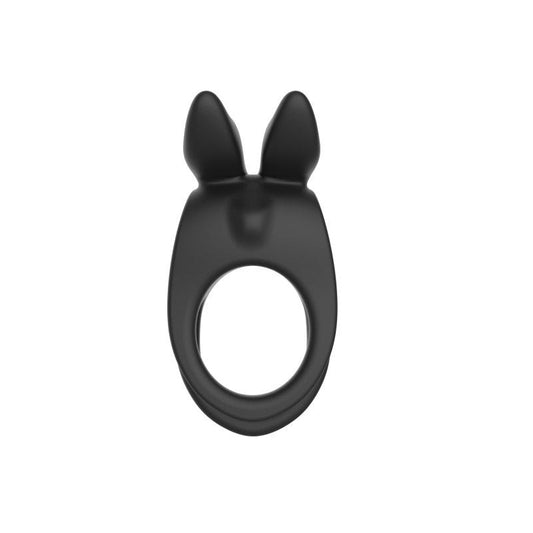
Ashella Men 10 Mode Vibrating Rabbit Cock Ring is a dual-ring vibrator designed for partnered stimulation and performance enhancement. Measuring 45.2 x 91.1 x 43.1mm with 10 vibration modes across 3 speed settings, it combines a supportive shaft and ball ring with external bunny...
- $34.99
$39.99- $34.99
- Unit price
- per
Men 10 Mode Vibrating Sling Ring by Ashella
- Black
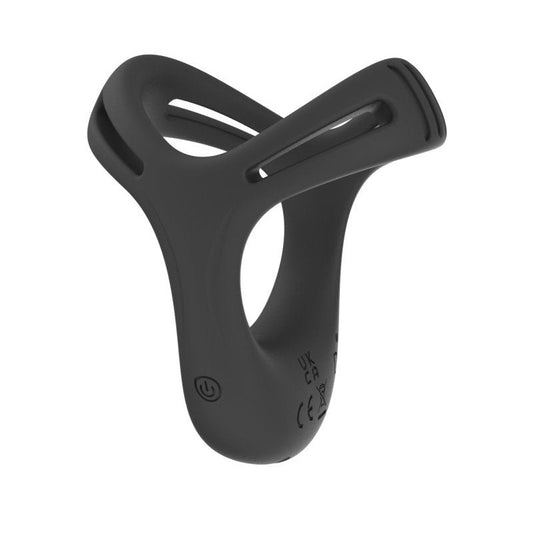
Ashella Men 10 Mode Vibrating Sling Ring is a vibrating cock ring designed for enhanced support and dual-partner stimulation. Featuring 10 vibration modes across 3 speed settings, this silicone ring stretches to secure both shaft and balls for extended performance. At 63 x 55.5...
- $34.99
$39.99- $34.99
- Unit price
- per










Adjustable bondage clamps are BDSM sex toys with mechanical tension systems that let you dial pressure up or down during play. Screw-threaded designs, spring-loaded models, and sliding mechanisms all put real control in your hands—no removing and swapping clamps mid-scene.
At a glance
|
🚚 Plain, discreet packaging • 🔒 Discreet billing • 🔁 Hygiene-conscious returns |
About Adjustable Bondage Clamps
Adjustable bondage clamps work through mechanical systems that change the distance or grip force between clamping surfaces. Screw-threaded designs use rotating mechanisms to gradually tighten pressure as you turn the adjuster during your scene. Spring-loaded models feature tension points where you add or release compression on the fly. These sex toys transform from single-intensity tools into adaptable BDSM gear that responds to what's actually happening with your partner's body and responses in real time.
The core advantage is matching pressure to specific anatomy and individual pain thresholds. Nipple Clamps are one popular type, but adjustable systems work across different body locations because nipples, labia, cock skin, and earlobes all tolerate different compression amounts. Submissives also vary widely in pain processing, so real-time calibration based on actual responses beats guessing from manufacturer pressure ranges. Beginners appreciate the psychological safety of gradual pressure increase and immediate relief options.
What makes Adjustable Bondage Clamps different
Fixed-tension clamps deliver one intensity level—you either use them or you don't. Adjustable versions let you start light and increase pressure incrementally as tolerance builds, or scale back instantly if sensation becomes too intense. This mechanical control means one pair of clamps works across multiple scenes, different body parts, and partners with different pain thresholds. You can run extended 30–60 minute bondage sessions with progressive intensity shifts without removing and replacing clamps, and Bondage Ropes or other restraint gear stays in place while you fine-tune sensation.
Types of Adjustable Bondage Clamps
Adjustable bondage clamps come in several mechanical styles, each with a different adjustment approach:
Screw-threaded clamps. A rotating screw mechanism brings the clamping surfaces closer together as you turn it, increasing pressure incrementally. These offer precise, gradual control and work well for extended scenes where you want to build sensation slowly over time.
Spring-loaded clamps. Tension adjustment points let you compress or release the spring force without removing the clamp. They're responsive and quick to modify, making them ideal for dynamic play where intensity shifts happen frequently.
Sliding collar clamps. A collar or band slides along the clamp body to increase or decrease grip force. This style offers smooth, continuous adjustment and is often lighter and less intimidating for first-time users exploring sensation play.
Tweezer-style adjustable clamps. A sliding mechanism along the handle adjusts the tension on the tips as you move it back and forth. Bondage Whips and other impact sex toys often pair well with these for mixed sensation scenes combining pressure and impact.
How they compare
| Clamp Type | Material | Best for | Skill Level | Notes |
|---|---|---|---|---|
| Screw-threaded | Stainless steel, aluminium | Precise, gradual pressure building | Beginner to advanced | Fine control; slower adjustment speed |
| Spring-loaded | Steel springs, silicone pads | Dynamic, responsive adjustment | Beginner to advanced | Quick to modify; tension may drift over time |
| Sliding collar | Aluminium, plastic collar | Smooth, continuous adjustment | Beginner-friendly | Less intimidating; good for first-timers |
| Tweezer-style | Stainless steel, silicone tips | Varied sensation and mixed play | Beginner to advanced | Handle-based adjustment; works on multiple body parts |
How to choose an adjustable bondage clamp
Start by thinking about the body parts you want to clamp. Nipples need different pressure than earlobes or genital skin, so consider which areas you're most interested in. Screw-threaded clamps give the most precise control if you're building tolerance gradually; spring-loaded models suit faster, more dynamic scenes. Sliding collar designs are gentler visually and psychologically for beginners exploring sensation play for the first time.
Your adjustment preference matters too. If you like slow, methodical intensity building, screw designs reward patience. If you want rapid pressure changes mid-scene, spring or sliding mechanisms respond faster. Think about if you're playing solo with one partner or managing multiple submissives—one adjustable pair replaces several fixed-tension clamps across different pain thresholds. Bondage Tape or other restraint gear often pairs well with clamps, so consider how your setup will work together. Material matters too: stainless steel is durable and easy to clean, while silicone-lined jaws protect sensitive skin during extended wear.
Tips from the Adultsmart team
Hard-won pointers from the Adultsmart team, alongside our panel of sexologists, educators, and adult-industry contributors. Meet our experts →
After years of helping customers with adjustable bondage clamps, we've noticed the most common beginner mistake is tightening too fast. Start with the clamp barely engaged—almost loose—and take 2–3 minutes per scene building pressure. Tissue responds gradually, and what feels mild at minute two becomes intense at minute ten. Your submissive's body will tell you when you've hit the right intensity; rushing past that point makes it harder to dial back without losing sensation entirely.
Fit and placement make a huge difference. Nipples sit differently on different bodies, and the angle you apply the clamp changes how pressure distributes. We often recommend placing the clamp, tightening it just slightly, then asking your partner to move and report what they feel. Adjust the angle or position before you increase tension. This takes an extra two minutes but prevents discomfort from poor placement rather than intensity.
Never leave someone clamped and restrained alone, even for a minute. Nerve compression or circulation changes can happen without warning, and you need to be there to release immediately if something goes wrong. Always agree on a safe word beforehand—not just "stop", but a clear word that means "remove this now". Test your clamp adjustment mechanism before the scene starts so you know exactly how many turns or movements it takes to loosen it under pressure.
| Please read — safety first. Charge only with the supplied cable and keep the charging port dry unless the sex toy is waterproof-rated. Pair and update through the official app, and switch the device off fully between sessions so the motor and battery aren't left under load. As porous materials can harbour bacteria, use a condom over them for sharing or easy clean-up. This information is general in nature only and is not medical advice; it does not account for your individual circumstances. If you have a relevant health condition or experience any persistent discomfort, discontinue use and seek advice from a qualified medical professional. |
Care and cleaning
Wash your clamps with warm soapy water and a soft cloth after each use, especially if they've contacted skin or bodily fluids. Dry thoroughly with a clean towel to prevent corrosion on metal parts. For clamps with silicone pads or linings, check that soap hasn't trapped between the pad and metal. Store in a cool, dry place away from humidity. Metal clamps can develop rust if stored damp; spring-loaded models benefit from occasional light lubrication on the adjustment mechanism if it becomes stiff.
Learn more
Bondage play takes many forms across different communities and preferences. Gay Bondage explores restraint and sensation play within queer BDSM contexts, and many of the same clamp principles apply across all communities. Explore what works for your dynamic and always prioritise consent and communication.
Why shop Adjustable Bondage Clamps at Adultsmart
Looking for a piece that actually fits how you play? Adultsmart stocks adjustable bondage clamps from trusted brands in a range of adjustment styles and materials. We ship discreetly to anywhere in Australia with confidential billing, so your purchase stays private. Trusted Australian adult retailer — discreet, knowledgeable, and here to help.
Adjustable Bondage Clamps FAQ
What tension range should adjustable clamps offer for versatile body placement?
Effective adjustable clamps span 50-500 grams of compression force. Lower ranges (50-200g) work for sensitive areas like genitals and earlobes, while higher settings (300-500g) accommodate nipples and thicker tissue. Broader ranges provide more versatility across different body locations and submissive tolerance levels.
How should adjustment mechanisms be maintained for long-term precision?
Clean screw threads monthly with cotton swabs and isopropyl alcohol to remove body fluid residue that causes binding. Apply food-grade silicone lubricant sparingly to threads every 3-6 months for smooth rotation without pressure drift. Check jaw alignment quarterly, adjusting mounting screws if surfaces no longer meet evenly when fully closed.
How do screw-adjusted clamps compare to slide-lock designs for precision control?
Screw mechanisms offer infinite adjustment within their range through continuous threaded rotation, allowing 50-100 gram increments per quarter turn. Slide-lock designs provide 3-5 preset tension levels with faster adjustment speed but less fine-tuning capability. Screws suit training protocols while slides work better for dynamic scenes requiring quick changes.
What jaw width measurements accommodate different tissue thicknesses in adjustable clamps?
Standard adjustable jaws open 10-20mm to fit most nipples and genital tissue. Narrow designs (5-10mm) work for thin cock skin or small nipples, while wide-mouth clamps (20-30mm+) accommodate larger nipples, thick labia, or multiple tissue folds. Measure target tissue when erect or engorged for accurate sizing.
How does rubber coating affect pressure distribution in adjustable clamp jaws?
Rubber coatings spread compression force across 40-60% more tissue surface compared to bare metal, reducing localized pain intensity while allowing higher total pressure without skin damage. This extends comfortable wear time by 20-30% but decreases sharp sensation that experienced pain players seek from metal-on-skin contact.
What adjustment increment sizes work best for progressive pain training?
Training protocols benefit from 50-100 gram pressure increases every 3-5 minutes during 30-60 minute sessions. Smaller increments (25-50g) suit beginners building initial tolerance, while larger steps (100-200g) challenge experienced submissives. Consistent increment sizes help track progress across multiple training sessions over weeks or months.
How do spring-based adjustable clamps differ from rigid screw mechanisms?
Spring systems maintain constant tension that self-adjusts slightly when tissue compresses or swells during wear, providing more consistent pressure through physiological changes. Rigid screw mechanisms hold exact jaw positions regardless of tissue response, potentially increasing actual pressure as blood flow causes swelling during extended scenes.
What material thickness indicates durable construction in adjustable clamp frames?
Quality adjustable clamps use 2-3mm thick metal frames for structural integrity under repeated adjustment stress. Thinner materials (under 1.5mm) bend or crack with frequent screw tightening, while excessive thickness (4mm+) adds unnecessary weight that causes pulling discomfort during wear without improving durability or adjustment precision.
How does jaw surface texture affect grip security at different tension settings?
Serrated or textured surfaces prevent slippage at 30-40% lower tension compared to smooth jaws, reducing minimum pressure requirements for secure attachment. This matters for extended scenes where lower compression reduces tissue damage risk while maintaining position security. Smooth jaws need tighter settings but deliver more intense focused sensation.
What chain attachment options enhance adjustable clamp versatility during bondage?
Fixed rings allow permanent chain connection for paired clamp use across nipples or genitals. Removable clips let you add or remove chains mid-scene without disturbing clamp position. Swivel attachments prevent chain twisting during movement, maintaining consistent pulling angles that avoid unexpected pressure changes from rotational forces.
Recently Viewed Products
Example product title
- $19.99
- $19.99
- Unit price
- per
Example product title
- $19.99
- $19.99
- Unit price
- per
Example product title
- $19.99
- $19.99
- Unit price
- per
Example product title
- $19.99
- $19.99
- Unit price
- per
Example product title
- $19.99
- $19.99
- Unit price
- per
Example product title
- $19.99
- $19.99
- Unit price
- per
Example product title
- $19.99
- $19.99
- Unit price
- per
Example product title
- $19.99
- $19.99
- Unit price
- per
Example product title
- $19.99
- $19.99
- Unit price
- per
Example product title
- $19.99
- $19.99
- Unit price
- per
Why Shop With Adultsmart?
- Choosing a selection results in a full page refresh.