




-
Round Vice Nipple Clamps by BDStyleBDStyle Adjustable Pleasure Clamps are adjustable stainless steel nipple clamps designed for customizable pressure and sensation. Featuring a dial mechanism that ranges from gentle to intense, these clamps deliver precise control over tension. The compact, ergonomic design fits securely with smooth rounded edges, making...
- $19.99
$24.99- $19.99
- Unit price
- per
-
Press Style Nipple Clamps by Hell's CoutureHell's Couture Press Style Nipple Clamps are precision-engineered steel clamps designed for controlled pressure stimulation during BDSM play. Measuring 45mm in length with a 25mm maximum width, they feature adjustable tension settings that accommodate different sensitivity levels. The medical-grade steel construction provides durability and...
- $16.99
$29.99- $16.99
- Unit price
- per
-
Adjustable Nipple C-Clamps Stainless Steel by BDStyle - MetalBDStyle's Adjustable Nipple C-Clamps are precision-engineered steel clamps designed for customizable pressure play. Measuring 3/4-inch long with a 1/4-inch width, they feature a micrometer-precise 1-inch thumbscrew adjustment mechanism and a 12-inch silver connecting chain. The three-way clamp system accommodates multiple placements, making them suitable...
- $11.99
$14.99- $11.99
- Unit price
- per
-
Adjustable Press Clamps with Link Chain by Spartacus - BlackSpartacus Adjustable Press Clamps with Link Chain are adjustable nipple clamps featuring silicone-tipped press mechanism for customizable pressure. Constructed from rust-resistant metal with a connecting chain weighing approximately 50 grams, they fit all nipple sizes. The clamps deliver sensations ranging from gentle teasing to...
- $29.99
$34.99- $29.99
- Unit price
- per
-
Nipple Press Clamps With Chain by Hell's CoutureThe Nipple Press Clamps With Chain from Hell's Couture is a surgical steel nipple clamp accessory featuring adjustable pressure control and a 30 cm connecting chain. The 36 cm total length accommodates various body types, with a precise spring mechanism allowing customized intensity levels....
- $20.99
$34.99- $20.99
- Unit price
- per
VISIT XVIDEO FOR ADULT DVDS



Vibrating Double Penetrator with Remote by Passion Play
- Black
Passion Play Double Penetrator with Remote is a dual-chamber vibrator with 21 low-frequency patterns designed for internal male stimulation. Measuring 14.5 cm insertable length and 3 cm width, it delivers steady, deep vibrations via wireless remote control from up to 8 metres away. Made...
- $69.99
$74.99- $69.99
- Unit price
- per
Men 10 Mode Vibrating Rabbit Cock Ring by Ashella
- Black
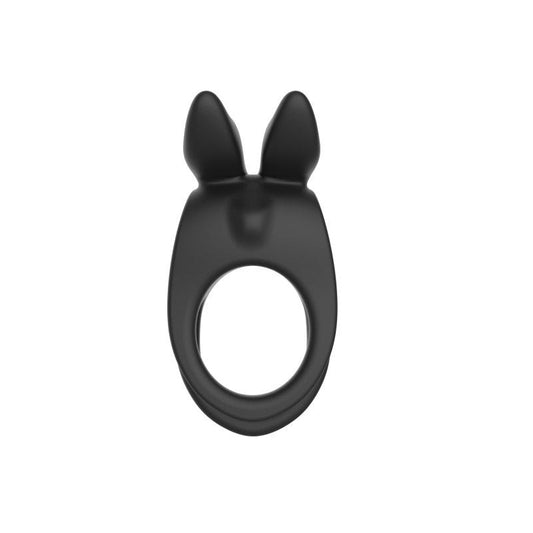
Ashella Men 10 Mode Vibrating Rabbit Cock Ring is a dual-ring vibrator designed for partnered stimulation and performance enhancement. Measuring 45.2 x 91.1 x 43.1mm with 10 vibration modes across 3 speed settings, it combines a supportive shaft and ball ring with external bunny...
- $34.99
$39.99- $34.99
- Unit price
- per
Men 10 Mode Vibrating Sling Ring by Ashella
- Black
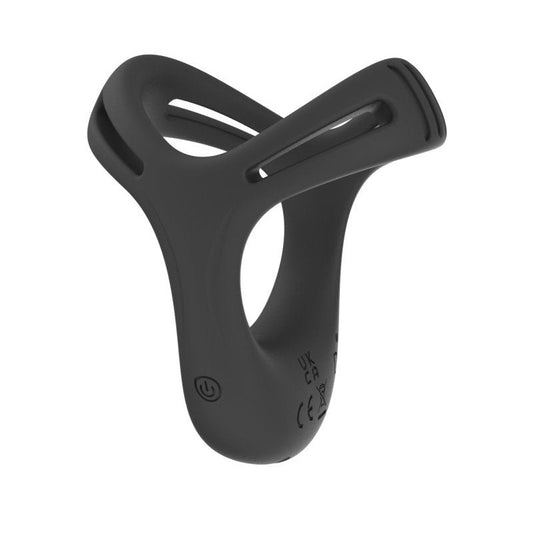
Ashella Men 10 Mode Vibrating Sling Ring is a vibrating cock ring designed for enhanced support and dual-partner stimulation. Featuring 10 vibration modes across 3 speed settings, this silicone ring stretches to secure both shaft and balls for extended performance. At 63 x 55.5...
- $34.99
$39.99- $34.99
- Unit price
- per
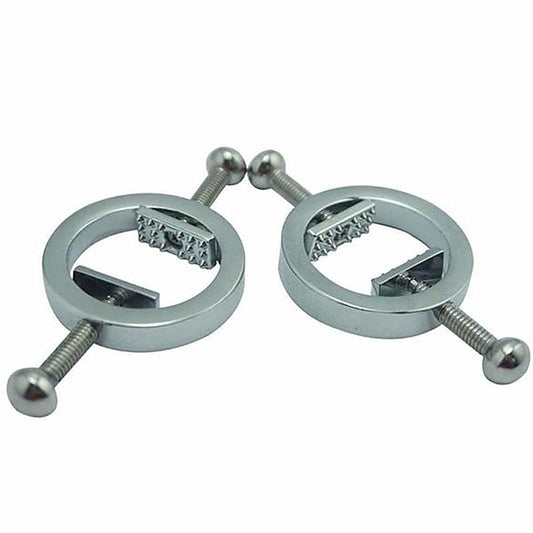

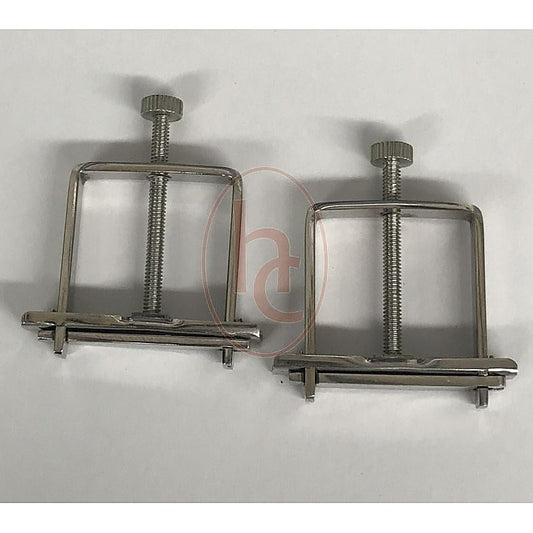

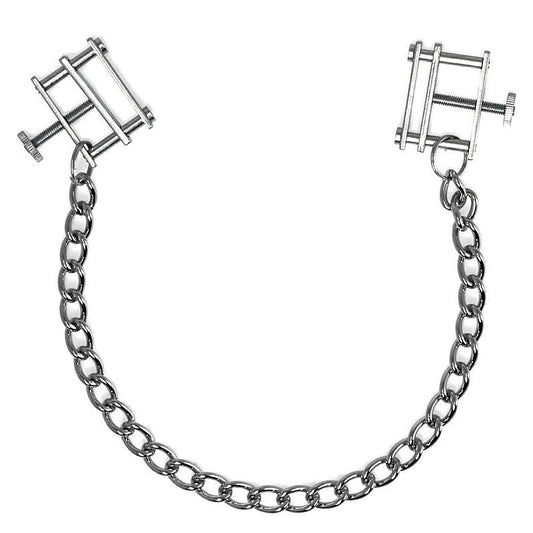


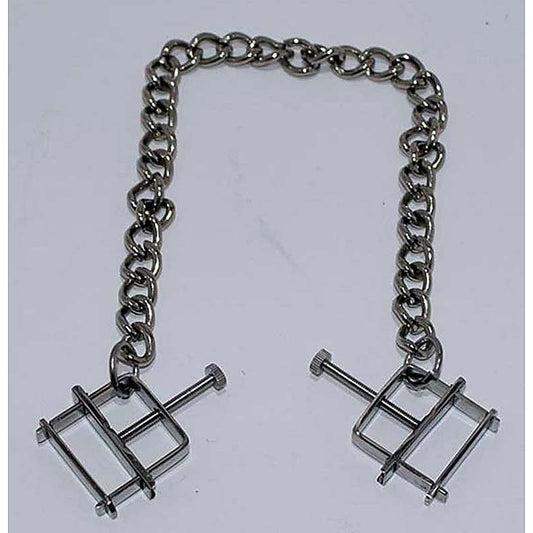

Press clamps are flat-plate compression sex toys that squeeze tissue using wide, parallel surfaces instead of narrow jaws. They distribute force evenly across 30–50mm plates, creating deep crushing sensations suitable for extended wear and sensitive body areas without the sharp pain points of traditional clamps.
At a glance
|
🚚 Plain, discreet packaging • 🔒 Discreet billing • 🔁 Hygiene-conscious returns |
About Press Clamps
Press clamps work through parallel plate compression, where two flat surfaces squeeze tissue uniformly across their entire contact area. This design distributes pressure evenly rather than concentrating force at narrow jaw edges, creating broad crushing sensations that penetrate deeply into tissue while keeping surface pressure per square millimetre lower than focused jaw clamps deliver. Most models use screw mechanisms or spring systems to control the distance between plates, allowing you to adjust compression intensity precisely while maintaining the distributed pressure characteristics that define the sensation.
These sex toys suit users with low pain tolerance or sensitive tissue who still want compression play but find standard jaw clamps too sharp or intense for enjoyable scenes. They work well for practitioners focused on endurance and psychological control rather than acute pain, as the distributed pressure creates manageable discomfort that builds gradually over extended durations. Nipple Clamps are the most popular application, though press clamps work equally well on labia, thighs, chest, or any broad, flat tissue area.
What makes Press Clamps different
The primary advantage of flat plate compression is the ability to apply higher total pressures without creating the localised pain hotspots and tissue damage that narrow jaw clamps cause at equivalent force levels. A press clamp delivering 600 grams across a 40mm plate creates gentler surface sensation than a standard clamp applying 300 grams through 15mm jaws, despite the press clamp generating double the total force. This distributed pressure approach enables extended wear periods of 30–60 minutes at pressures that would cause injury within 10–15 minutes using traditional jaw designs, and works well alongside other bondage gear like Rubber Dildos in longer scenes.
Types of Press Clamps
Screw-mechanism clamps. These use a threaded rod or central screw to tighten and loosen the plates, giving you precise control over compression intensity. Ideal for people who want to dial in exact pressure and make micro-adjustments during a scene.
Spring-loaded clamps. A metal spring holds the plates together at a set tension, with adjustment typically via a latch or lever mechanism. These offer quicker on-and-off application and suit people who prefer consistent, preset pressure.
Magnetic clamps. Neodymium magnets hold the plates together, creating smooth, adjustable compression without mechanical parts to fiddle with. These are quieter, easier to clean, and popular for extended wear and training scenarios.
Weighted press clamps. Some designs add extra weight or leverage to increase total force without extra user effort, creating deeper sensations over time. These suit endurance play and Suction Cup Dildos can be paired with weighted clamps for multi-point bondage setups.
How they compare
| Model | Material | Best for | Control or Base | Safety |
|---|---|---|---|---|
| Screw-adjust metal press clamp | Stainless steel plates, metal frame | Precise pressure tuning, extended wear | Central screw mechanism | Check for sharp edges; wipe after use |
| Spring-loaded flat plate clamp | Aluminium or steel, rubber contact pads | Quick application, consistent pressure | Spring tension with lever adjustment | Ensure pads are intact; avoid pinched skin at edges |
| Magnetic press clamp | Neodymium magnets, plastic or metal frame | Quiet, smooth sensation, training scenes | Magnetic adhesion (adjustable by angle) | Keep away from electronics; check magnet strength |
| Weighted pressure clamp | Steel or brass plates, reinforced frame | Endurance, deep sensation, hands-free wear | Weight and leverage (some with fine adjustment) | Monitor circulation; remove if numbness occurs |
How to choose a press clamp
Start by thinking about your sensitivity and the duration you want to wear a clamp. If you bruise easily or find standard clamps painful within minutes, a press clamp with a wider plate area will feel dramatically gentler. Consider whether you prefer manual adjustment (screw or lever) or set-and-forget pressure (spring or magnetic), and whether you want the clamp to be removable during a scene or designed for longer, uninterrupted wear. Material matters too: stainless steel is durable and easy to clean, while models with rubber contact pads offer softer sensation and grip better on skin.
Think about where you'll wear the clamp and how it will interact with other gear. Nipple clamps need to sit securely without slipping, while thigh or chest clamps benefit from a wider base for stability. If you're building a full bondage scene, consider how the clamp will work with restraints, spreader bars, or other Thrusting Dildos or equipment you already own. Start with a model that offers easy adjustment so you can find your comfort zone without fumbling during a scene.
Tips from the Adultsmart team
Hard-won pointers from the Adultsmart team, alongside our panel of sexologists, educators, and adult-industry contributors. Meet our experts →
After years of helping customers with press clamps, the most common mistake we see is underestimating how much gentler they feel compared to jaw clamps. People often buy them thinking they'll get the same intensity with less pain, but the real benefit is being able to wear them for 45 minutes without damage. If you're new to clamps full stop, start with a press clamp rather than a jaw design—you'll get a much better sense of what compression play feels like without the sharp discomfort that puts people off.
Fit and positioning matter more than you'd think. A press clamp needs firm, even contact across both plates or you'll get uneven pressure and possible pinching at the edges. Nipples are usually straightforward, but if you're using them on thighs, chest, or labia, take time to position the clamp so the tissue sits flat and centred between both plates. Uneven contact isn't just uncomfortable—it can concentrate pressure in spots you don't want and defeat the whole purpose of the distributed pressure design.
Always check circulation during the first few minutes of wear, especially with weighted or spring-loaded models. Press clamps are safe for extended periods, but that doesn't mean "ignore it for an hour." If the area below the clamp starts tingling, going numb, or changing colour, remove it immediately. Keep a safe word or hand signal ready, and never leave someone wearing clamps alone. A press clamp that feels amazing at 20 minutes can cause real damage if circulation gets cut off.
| Please read — safety first. Charge only with the supplied cable and keep the charging port dry unless the sex toy is waterproof-rated. Pair and update through the official app, and switch the device off fully between sessions so the motor and battery aren't left under load. As porous materials can harbour bacteria, use a condom over them for sharing or easy clean-up. This information is general in nature only and is not medical advice; it does not account for your individual circumstances. If you have a relevant health condition or experience any persistent discomfort, discontinue use and seek advice from a qualified medical professional. |
Care and cleaning
Wipe your press clamp down with warm soapy water after every use, paying attention to the contact surfaces and any crevices where body fluids or sweat can collect. Dry thoroughly with a soft cloth. If your clamp has metal parts, check occasionally for corrosion or rust, especially around the adjustment mechanism. Store in a cool, dry place away from direct sunlight. If rubber or silicone contact pads become sticky or degraded, they can usually be replaced—check with the manufacturer or consider a new clamp.
Learn more
Compression play and clamp safety are complex topics worth reading more about from experienced educators. Vip Interview With Janet W Hardy Writer Illustrator Sex Educator Editorial Director Of Greenery Press covers bondage technique and consent in depth. Our blog also has guides on safe words, circulation checks, and how to recognise tissue damage.
Why shop Press Clamps at Adultsmart
Want a confident, no-guesswork choice? Adultsmart stocks press clamps from trusted brands in a range of materials, adjustment types, and price points so you can find what suits your body and budget. We ship discreetly in unmarked packaging, and your billing appears as a generic charge. Real advice, body-safe products, and discreet delivery Australia-wide.
Press Clamps FAQ
How do press clamps differ from standard jaw clamps in sensation delivery?
Press clamps distribute compression across 30-50mm flat surfaces creating deep broad crushing sensations, while jaw clamps concentrate pressure through 10-20mm narrow points causing sharp focused pain. Press designs allow 50-100% higher total forces without surface tissue damage because pressure per square millimeter stays lower despite greater overall compression strength applied to tissue.
How does press clamp maintenance differ from standard jaw clamp care?
Clean flat plate surfaces thoroughly as the large contact area accumulates more body fluid residue than narrow jaws. Inspect plate alignment monthly ensuring surfaces remain parallel under compression rather than tilting from thread wear. Polish smooth plates quarterly removing corrosion that increases friction. Check textured surfaces for worn raised features reducing grip effectiveness on wet tissue.
What plate sizes work best for different body locations with press clamps?
Small plates (25-35mm) suit standard nipples and moderate tissue areas. Medium plates (35-45mm) accommodate larger nipples, labia, and areas needing maximum pressure distribution. Large plates (45mm+) enable compression of thick tissue folds, multiple body locations simultaneously, or creative applications to inner thighs and non-standard areas that narrow jaw clamps cannot grip.
What pressure levels are safe for extended press clamp wear?
Press clamps tolerate 400-800 grams for 30-60 minute sessions due to distributed compression, while equivalent jaw clamps cause damage at these pressures within 10-15 minutes. Start at 200-300g for first sessions, increasing by 100g increments as tolerance builds. The flat plate design extends safe wear duration by 200-300% compared to concentrated jaw pressure.
How does surface texture affect press clamp sensation?
Smooth flat plates create pure distributed crushing without additional pain elements, ideal for endurance focus. Textured surfaces with raised dots or ridges add sharp localized sensations within the broad compression, combining deep pressure with punctuated pain points. Rubber coatings provide grip on wet tissue and cushion compression for extended comfortable wear compared to bare metal.
What adjustment mechanisms work best for press clamp pressure control?
Screw-adjusted press clamps offer precise calibration with 1-2mm plate separation changes per rotation, ideal for documented training protocols tracking exact pressure progression. Spring-loaded designs provide 3-5 preset levels with faster adjustment but less fine-tuning capability. Screws suit systematic training while springs work better for dynamic scenes requiring quick pressure changes.
How do press clamps enable longer wear times than jaw clamps?
Distributed pressure across large flat surfaces reduces localized circulation restriction and tissue crushing that limits jaw clamp wear to 15-20 minutes maximum. Press clamps spread forces preventing dangerous pressure concentrations, allowing 45-60 minute sessions at pressures that would cause permanent damage within 10 minutes using narrow jaw designs on equivalent tissue areas.
What makes press clamps suitable for sensitive or low-pain-tolerance users?
The broad pressure distribution creates manageable discomfort that builds gradually rather than immediate intense suffering from concentrated jaw pressure. Users who find traditional clamps too sharp or painful often tolerate press clamps comfortably because total force spreads across larger tissue areas, reducing sensation intensity per square millimeter while maintaining functional compression for bondage scenes.
How should plate alignment be verified before tightening press clamps?
Check that both plates sit parallel to tissue surfaces with even contact across entire plate area before applying pressure. Angled or tilted plates concentrate compression at edges despite flat design, recreating the localized crushing that press clamps are designed to prevent. Adjust plate positioning until tissue spreads naturally between surfaces without bunching or folding.
What body locations benefit most from press clamp pressure distribution?
Genital tissue (labia, cock shaft, scrotum) benefits significantly because thin delicate skin tears easily under concentrated jaw pressure but tolerates distributed compression safely. Large nipples and breast tissue accommodate press plates better than narrow jaws that slip off. Creative applications to inner thighs, forearms, or facial cheeks work only with flat plates providing sufficient surface contact.
Recently Viewed Products
Example product title
- $19.99
- $19.99
- Unit price
- per
Example product title
- $19.99
- $19.99
- Unit price
- per
Example product title
- $19.99
- $19.99
- Unit price
- per
Example product title
- $19.99
- $19.99
- Unit price
- per
Example product title
- $19.99
- $19.99
- Unit price
- per
Example product title
- $19.99
- $19.99
- Unit price
- per
Example product title
- $19.99
- $19.99
- Unit price
- per
Example product title
- $19.99
- $19.99
- Unit price
- per
Example product title
- $19.99
- $19.99
- Unit price
- per
Example product title
- $19.99
- $19.99
- Unit price
- per
Why Shop With Adultsmart?
- Choosing a selection results in a full page refresh.