




-
Deluxe Spider Leather Bondage Gag by BDStyle - BrownBDStyle Deluxe Spider Bondage Gag is a restraint accessory featuring a 1.5-inch O-ring bit with four metal support bars. The adjustable black faux leather straps range from 42 to 60 centimeters with gold metalwork accents and a secure pin buckle closure. The 3.8-centimeter inner...
- $19.99
$24.99- $19.99
- Unit price
- per
-
Grained Leather Spider Mouth Bondage Gag by BDStyle - GoldBDStyle Grained Leather Spider Mouth Gag is a leather and steel mouth restraint designed for BDSM power exchange. Featuring a 35mm inner steel O-ring with adjustable 20mm-wide leather strap (3mm thick), it accommodates head sizes up to 55cm total length across seven adjustment points....
- $19.99
$24.99- $19.99
- Unit price
- per
-
Fetish Fantasy Extreme Spider Gag by Pipedream ProductsFetish Fantasy Extreme Bondage Play Spider Gag is a steel restraint gag featuring a 1.5-inch diameter ring supported by four curved metal legs. Weighing 0.25 lbs with adjustable leather straps and buckle closure, it maintains a fixed open-mouth position throughout extended power exchange scenarios....
- $44.99
$49.99- $44.99
- Unit price
- per
-
Spider Mouth Gags and Nipple Clamps by BDStyleBDStyle Spider Mouth Gags With Nipple Clamps is a metal bondage set combining mouth restraint with adjustable nipple stimulation. The 6-inch gag features silicone-coated clamps with adjustable tension and straps that accommodate various head sizes. Metal construction ensures durability for repeated use, while the...
- $19.99
$24.99- $19.99
- Unit price
- per
-
Open Mouth Spider Bondage Gag by BDStyle - GoldBDStyle Open Mouth Spider Gag is a lockable BDSM restraint accessory featuring professional-grade metal bars with a 4-centimeter diameter opening. The extended 61-centimeter strap with 2-centimeter width accommodates various sizes, while the secure locking mechanism provides enhanced control. Available in silver or golden finishes,...
- $14.99
$19.99- $14.99
- Unit price
- per
-
Spider Gag With Nasal Hook by BDStyleBDStyle Spider Gag with Nasal Hook is a faux leather BDSM mouth gag featuring a steel O-ring and adjustable nasal hook. The O-ring holds the mouth open during play, while the nasal hook delivers sensation and maintains vulnerability. It includes an adjustable strap with...
- $24.99
$29.99- $24.99
- Unit price
- per
-
Fetish Fantasy Limited Edition Spider GagFetish Fantasy Limited Edition Fetish Play Spider Gag is a steel oral restraint accessory featuring a 1.7-inch ring with four curved metal legs, designed for advanced control scenarios. The adjustable vinyl strap with buckle closure provides precise tensioning, while industrial-grade steel components ensure stability...
- $21.00
$29.99- $21.00
- Unit price
- per
-
Metal O Ring Gag Stainless Steel by BDStyleWolfspider Metal O Ring Gag Metal is a stainless steel mouth restraint designed for BDSM power exchange play. Featuring a 40mm O-ring opening and adjustable leather strap, it delivers visible dominance through metal construction while allowing controlled access. The interlocking wire design holds the...
- $21.99
$24.99- $21.99
- Unit price
- per
-
Spider Legs Mouth Gag with Harness by BDStyleThe Open Mouth Spider Legs Mouth Gag with Harness by BDStyle is a metal open-mouth gag featuring an O-shaped ring surrounded by adjustable spider legs that customize fit. The O-ring measures 39mm inner diameter and 45mm outer diameter, with faux leather harness straps extending...
- $21.99
$29.99- $21.99
- Unit price
- per
-
Spider Golden Bondage Gag by BDStyleSpider Golden Gag by BDStyle is a faux leather mouth restraint designed for BDSM power exchange. The adjustable strap spans 45-63 cm with a 2 cm width, fitting various head sizes securely. Its black and golden aesthetic combines visual appeal with functional restraint, suitable...
- $21.99
$24.99- $21.99
- Unit price
- per
VISIT XVIDEO FOR ADULT DVDS



Vibrating Double Penetrator with Remote by Passion Play
- Black
Passion Play Double Penetrator with Remote is a dual-chamber vibrator with 21 low-frequency patterns designed for internal male stimulation. Measuring 14.5 cm insertable length and 3 cm width, it delivers steady, deep vibrations via wireless remote control from up to 8 metres away. Made...
- $69.99
$74.99- $69.99
- Unit price
- per
Men 10 Mode Vibrating Rabbit Cock Ring by Ashella
- Black
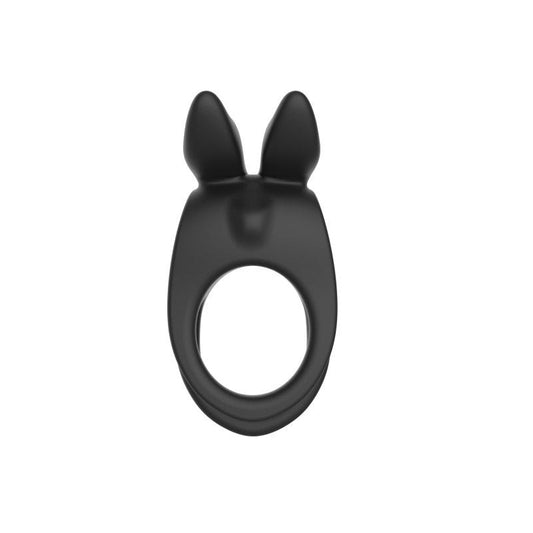
Ashella Men 10 Mode Vibrating Rabbit Cock Ring is a dual-ring vibrator designed for partnered stimulation and performance enhancement. Measuring 45.2 x 91.1 x 43.1mm with 10 vibration modes across 3 speed settings, it combines a supportive shaft and ball ring with external bunny...
- $34.99
$39.99- $34.99
- Unit price
- per
Men 10 Mode Vibrating Sling Ring by Ashella
- Black
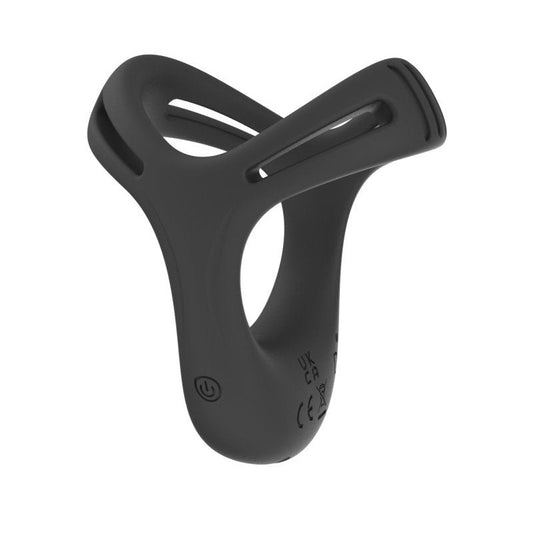
Ashella Men 10 Mode Vibrating Sling Ring is a vibrating cock ring designed for enhanced support and dual-partner stimulation. Featuring 10 vibration modes across 3 speed settings, this silicone ring stretches to secure both shaft and balls for extended performance. At 63 x 55.5...
- $34.99
$39.99- $34.99
- Unit price
- per
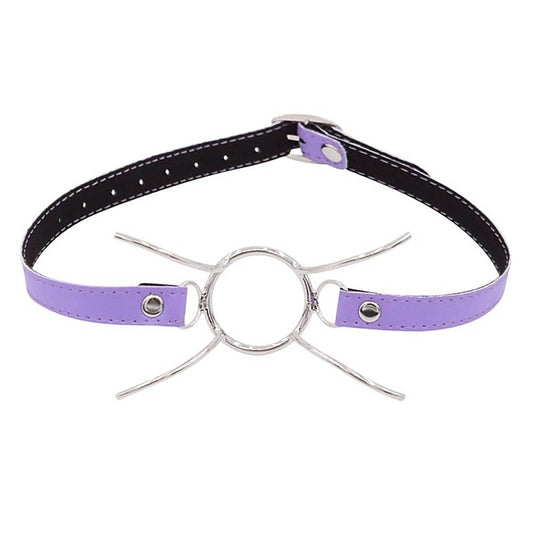

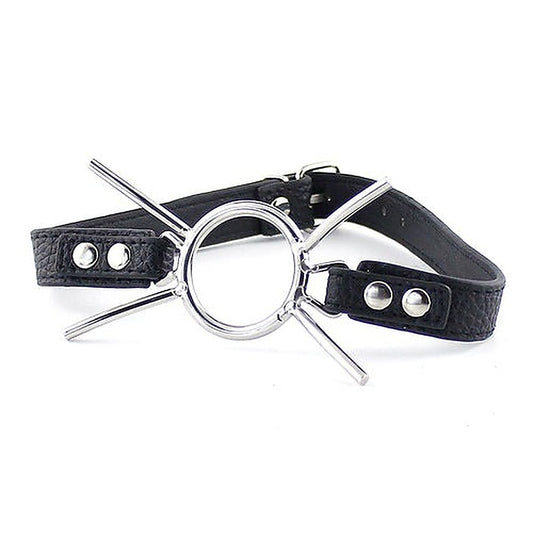

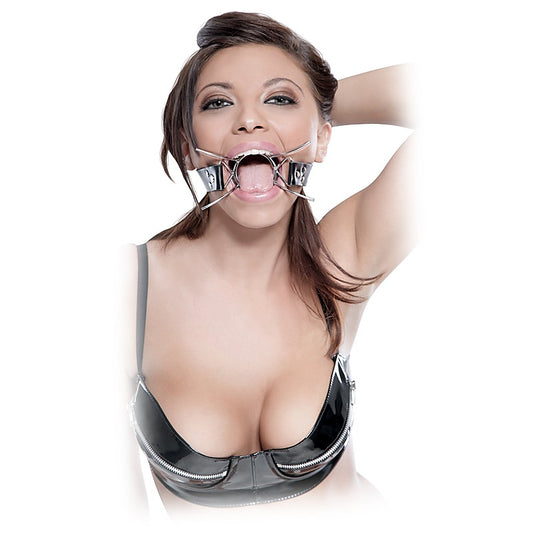

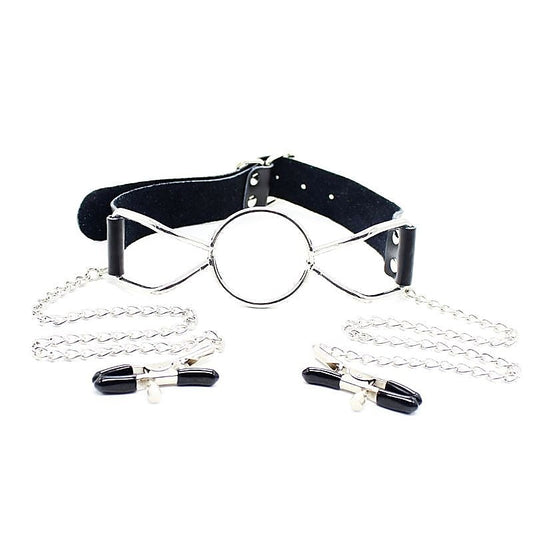

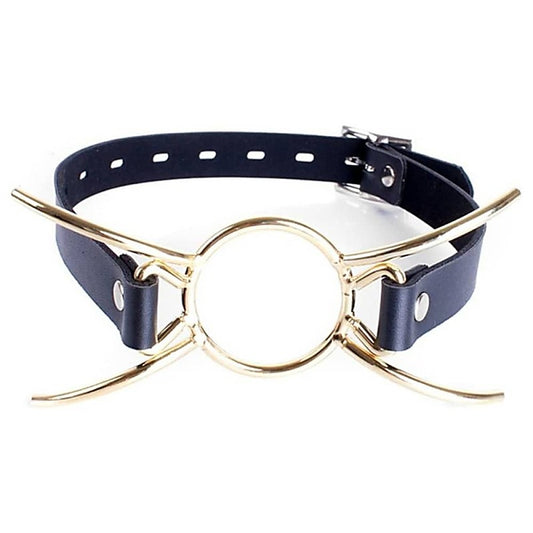

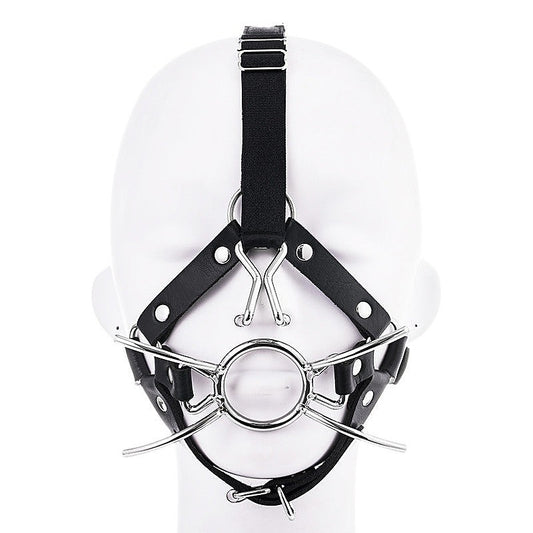

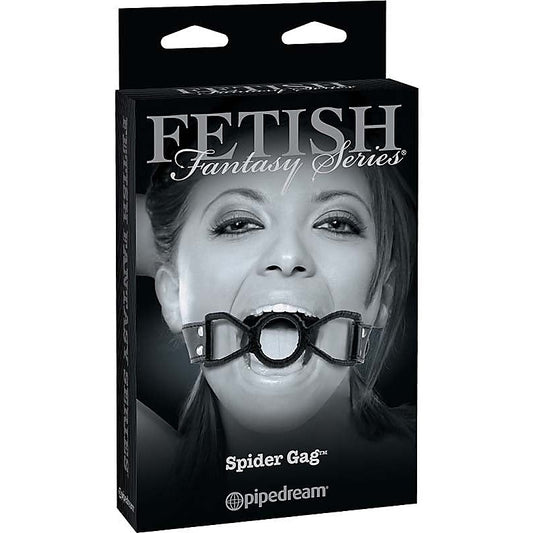

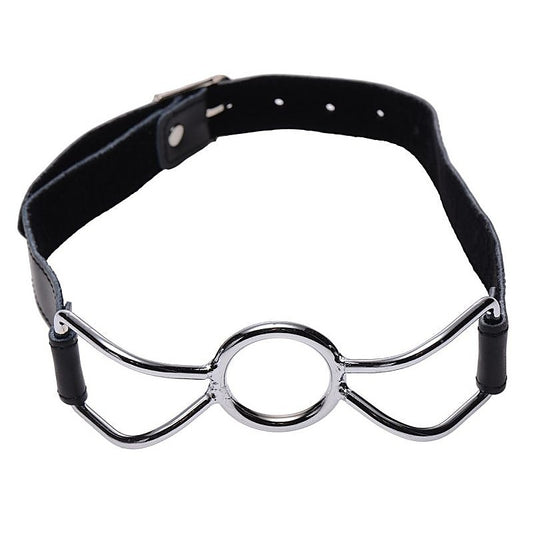

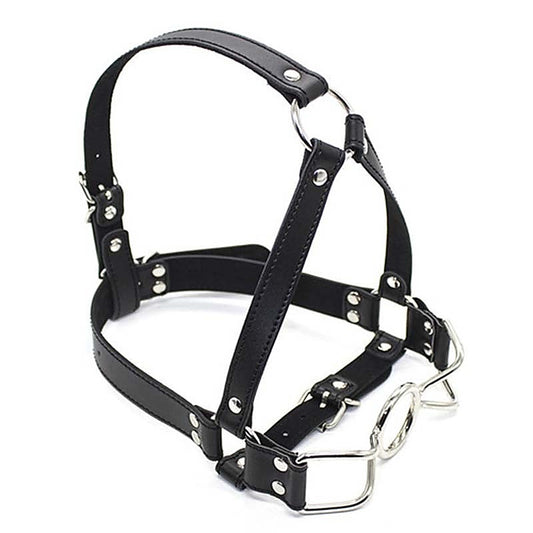

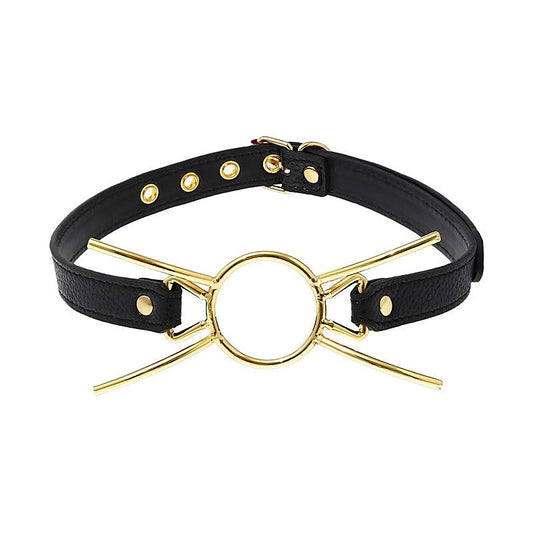

Spider gags are metal restraints with multiple radiating arms extending from a central ring opening. They force the jaw open across several contact points instead of just two, distributing pressure evenly for longer wear and intense oral control during BDSM scenes.
At a glance
|
🚚 Plain, discreet packaging • 🔒 Discreet billing • 🔁 Hygiene-conscious returns |
About Spider Gags
Spider gags solve a core problem with basic ring gags: single-ring designs concentrate all opening force at just two opposing jaw points, causing rapid fatigue, jaw soreness, and slippage during extended scenes. Spider configurations spread that force across 4–8 radiating metal arms, each contacting the mouth interior at different locations. This architecture maintains stable positioning, prevents gag rotation, and allows longer wear without the discomfort of concentrated pressure.
Most spider gags are made from stainless steel or surgical steel for durability and easy cleaning. Some designs feature leather or silicone padding on the contact arms to reduce metal-on-tissue friction. Silicone Gags offer a softer alternative for those seeking less aggressive oral restraint. Spider gags suit advanced practitioners who've mastered basic ring gags and are comfortable with intense, uncompromising oral control and the psychological intensity of visible metal structures.
What makes Spider Gags different
Unlike simple ring gags, spider designs eliminate pressure concentration through their multi-arm architecture. The distributed contact points make them far more stable during movement or struggling, reducing the gag rotation that undermines basic rings. They deliver stronger psychological impact—the visible metal framework creates an intimidating aesthetic that intensifies the sensation of helplessness. For dominants, the complex structure enhances scene aesthetics and control; for submissives, the aggressive forced opening and structural visibility deepen vulnerability. Bondage Ball Gags offer a different restraint style, blocking speech rather than forcing jaw extension.
Types of Spider Gags
Standard Metal Spider Gags. Bare stainless or surgical steel with no padding. These deliver maximum sensation and visibility, favoured by experienced practitioners seeking intense metal-on-mouth contact and unfiltered psychological impact.
Padded Spider Gags. Metal arms wrapped in leather or silicone padding to reduce direct metal contact and friction on gums and mouth tissue. These suit longer wear and slightly less aggressive scenes while maintaining the multi-point pressure distribution advantage.
Adjustable Spider Gags. Designs with moveable or articulated arms that allow fine-tuning of jaw opening width and arm positioning to match individual mouth anatomy. These reduce the risk of improper arm placement and offer more customisation for repeat use.
Locking Spider Gags. Models with padlock attachment points or integral locks, adding restraint security and psychological intensity. Some incorporate removable locks for flexibility, while others are permanently integrated into the frame.
How they compare
| Item | Material | Best for | Skill level | Notes |
|---|---|---|---|---|
| Standard Steel Spider Gag (6-arm) | Stainless steel, bare | Intense oral control, psychological impact | Advanced | Maximum sensation; requires experience with jaw opening tolerance |
| Padded Spider Gag (4-arm) | Surgical steel with silicone padding | Extended wear, reduced tissue friction | Advanced | Gentler than bare metal; still demands gag experience |
| Adjustable Spider Gag (8-arm) | Stainless steel with articulated arms | Custom fit, anatomy-specific positioning | Advanced | Allows arm angle adjustment; suits varied mouth shapes |
| Locking Spider Gag (6-arm with lock) | Chrome-plated steel, padlock compatible | Restraint security, psychological intensity | Advanced | Adds control element; removable or fixed lock options |
How to choose a spider gag
Start by measuring your comfortable, relaxed jaw opening width. Ring opening diameters typically range from 1.5 to 2.5 inches; choosing the right size is critical. Too small risks forcing the jaw beyond safe extension and causing injury; too large allows the gag to slip or rotate, defeating its purpose. Measure with a ruler or measuring tape while your mouth is naturally open, then cross-reference that dimension with the gag's specifications before buying.
Consider your experience level honestly. Spider gags are not entry-level restraints. If you've only worn basic ring gags or ball gags, start there and build familiarity with jaw opening sensations and tolerance before progressing to spider designs. Think about the scene context: bare metal delivers maximum intensity but requires careful positioning; padded versions suit longer scenes and are forgiving of minor arm placement errors. If you're exploring Non-Realistic Dildos or other sex toys alongside gag play, ensure your gag choice allows enough mouth access for safe simultaneous use. Always establish a clear safe word and non-verbal signal before restraint, and never leave someone gagged and restrained unattended.
Tips from the Adultsmart team
Hard-won pointers from the Adultsmart team, alongside our panel of sexologists, educators, and adult-industry contributors. Meet our experts →
After years of helping customers fit spider gags, the most common mistake is underestimating jaw opening width. People measure while clenching slightly or measure the wrong dimension entirely. Sit in front of a mirror, relax your jaw completely, and measure the vertical gap between your top and bottom front teeth. That's your true opening width. Subtract 0.25 inches to account for the gag's thickness, then match that figure to the ring diameter. Getting this right prevents jaw strain and ensures the gag seats properly without slipping.
Arm padding isn't just comfort—it's a safety issue for longer scenes. Bare metal spider gags can cause gum bruising and mouth soreness if worn for more than 15–20 minutes, especially during the first few uses while your mouth adapts. Padded arms distribute pressure more gently and allow scenes to run 30–45 minutes without tissue damage. If you're new to spiders, start with padded versions. You can always progress to bare metal once you understand your personal tolerance and pain thresholds.
Position matters more with spiders than basic rings because of the multiple contact points. When fitting the gag, ensure all arms sit evenly inside the mouth—not pressing harder on one side of the jaw or digging into the cheek. Take time during initial fitting to adjust arm angles if your model allows it. Have your partner or yourself check in a mirror before restraint begins. Uneven positioning can cause nerve pinching or localized bruising. A few minutes of adjustment before the scene starts prevents painful surprises and makes the experience safer and more intense for the right reasons.
| Please read — safety first. Charge only with the supplied cable and keep the charging port dry unless the sex toy is waterproof-rated. Pair and update through the official app, and switch the device off fully between sessions so the motor and battery aren't left under load. This information is general in nature only and is not medical advice; it does not account for your individual circumstances. If you have a relevant health condition or experience any persistent discomfort, discontinue use and seek advice from a qualified medical professional. |
Care and cleaning
Clean your spider gag thoroughly after each use with warm soapy water and a soft brush to remove saliva and oral debris from all crevices between the arms and ring. Rinse completely and dry with a lint-free cloth. For stainless steel models, occasional polishing with a metal cleaner keeps the finish bright and prevents corrosion. Store in a cool, dry place away from moisture. If your gag has leather or silicone padding, avoid soaking and dry it promptly after cleaning to prevent mould or degradation of the material.
Learn more
BDSM restraint play extends well beyond gags and bondage gear. Many people find that pairing physical restraint with other forms of touch and sensation deepens the scene's intensity. Exploring Erotic Massage Near Me can complement your restraint practice with sensory techniques that enhance vulnerability and connection.
Why shop Spider Gags at Adultsmart
Keen to get this right the first time? Adultsmart stocks a carefully selected range of spider gags from trusted manufacturers, with detailed sizing information and material specs to help you choose safely. We offer discreet packaging and billing on all orders, so your privacy is protected from purchase to delivery. Real advice, body-safe products, and discreet delivery Australia-wide.
Spider Gags FAQ
Do spider gag arms cause mouth injuries more readily than simple ring designs?
Multiple arms increase contact points where improper positioning could cause discomfort. Proper insertion with even pressure distribution prevents injury. The distributed design actually reduces injury risk versus concentrated ring pressure.
Do spider gags require different head strap configurations than standard gags?
Spider weight and opening resistance demand firmer strap security than lighter gags. Many spider gags include reinforced straps or additional securing points. Under-strapping allows slippage under stress—secure firmly.
Can spider gags accommodate different jaw sizes or require specific anatomical matching?
Opening diameter must match jaw capacity. Arms distribute around opening perimeter working with varied mouth shapes. Measure comfortable jaw extension before selecting—forcing oversized openings causes injury regardless of arm configuration.
Will spider gag weight cause jaw fatigue faster than lighter ring gags?
Added weight creates more gravitational pull on jaw. The distributed pressure compensates somewhat, but spider gags feel heavier. Build tolerance gradually—the weight becomes less noticeable with experience.
Do spider arms interfere with oral activities or does the design maintain adequate access?
Arms reduce effective opening size versus advertised ring diameter. A 2-inch spider opening provides less usable space than 2-inch simple ring. Factor arm intrusion when selecting sizes for specific access requirements.
Can spider gags be sterilized completely between users or does complex structure harbor bacteria?
Stainless steel spider gags autoclave or boil completely for full sterilization. Multiple surfaces require careful cleaning attention. Inspect arm joints and welds where debris accumulates ensuring thorough hygiene.
Will spider gags damage dental work or orthodontics from multiple pressure points?
Multiple contact points increase dental work interaction risk. Those with extensive dental work, loose fillings, or orthodontics should avoid spiders. The distributed pressure can stress dental restorations.
Do spider gags enable speech prevention despite maintaining opening for access?
Opening mouth wide prevents coherent speech formation. Spider gags effectively silence while maintaining access—speech and oral use require different capabilities. Muffled sounds escape but understandable words don't form.
Can spider gag arms be bent or adjusted customizing fit to individual mouth anatomy?
Never bend spider arms—this weakens metal structure creating failure points. Proper sizing eliminates adjustment needs. Bent arms may break during use causing injury and rendering device unsafe.
Will prolonged spider gag wear cause permanent jaw changes or only temporary soreness?
Recreational use causes temporary muscle soreness only. Extremely frequent extended wear might affect jaw muscles similarly to any repetitive activity, but typical BDSM use doesn't create permanent changes.
Recently Viewed Products
Example product title
- $19.99
- $19.99
- Unit price
- per
Example product title
- $19.99
- $19.99
- Unit price
- per
Example product title
- $19.99
- $19.99
- Unit price
- per
Example product title
- $19.99
- $19.99
- Unit price
- per
Example product title
- $19.99
- $19.99
- Unit price
- per
Example product title
- $19.99
- $19.99
- Unit price
- per
Example product title
- $19.99
- $19.99
- Unit price
- per
Example product title
- $19.99
- $19.99
- Unit price
- per
Example product title
- $19.99
- $19.99
- Unit price
- per
Example product title
- $19.99
- $19.99
- Unit price
- per
Why Shop With Adultsmart?
- Choosing a selection results in a full page refresh.