



-
Resin and Stainless Steel Anal Spreader Dilator by BDStyleBDStyle Resin & Steel Anal Spreader is a premium dilator designed for experienced anal play enthusiasts. Measuring 15.2cm long with a 12.4cm diameter, it combines smooth resin body with rigid stainless steel core for weight and durability. The tapered tip enables gradual stretching, while...
- $39.99
$44.99- $39.99
- Unit price
- per
-
Gynaecology Anal Vaginal Giant Adjustable SpeculumBDStyle's Gynaecology Anal Vaginal Giant Adjustable Speculum is a medical-grade stainless steel instrument designed for advanced medical role-play scenarios. Measuring 12.5cm in height with a 6.8cm diameter opening, it features a precision-engineered adjustment mechanism that expands gradually under controlled pressure. The 228.7g weight provides...
- $49.99
$54.99- $49.99
- Unit price
- per
-
Anal Spreader Dilator Vaginal Speculum by BDStyleBDStyle Anal Spreader Dilator Vaginal Speculum is a medical-grade stainless steel adjustable speculum designed for healthcare examination and education. Featuring precision-engineered adjustment mechanisms with calibration markings, it delivers reliable positioning across clinical applications. The surgical-grade construction supports autoclave sterilization and repeated professional use in...
- From $44.99
$49.99- From $44.99
- Unit price
- per
-
Steel Ultimate Anal Spreader by Hell's CoutureSteel Ultimate Anal Spreader by Hell's Couture is a medical-grade stainless steel expansion device featuring 16-position adjustability in 4mm increments, expanding to 110mm maximum width. The 75mm insertable arms with rounded edges and 210mm overall length provide ergonomic control. It suits experienced practitioners and...
- $34.99
$59.99- $34.99
- Unit price
- per
-
Pratt Rectal Steel Anal Spreader by Hell's CoutureThe Pratt Rectal Steel Anal Spreader from Hell's Couture is a medical-grade surgical stainless steel anal expansion device designed for controlled insertion and opening. Measuring 85mm in prong length with 24mm width and maximum 55mm expansion, it features a squeeze-to-open mechanism with integrated thumbscrew...
- $32.99
$44.99- $32.99
- Unit price
- per
VISIT XVIDEO FOR ADULT DVDS



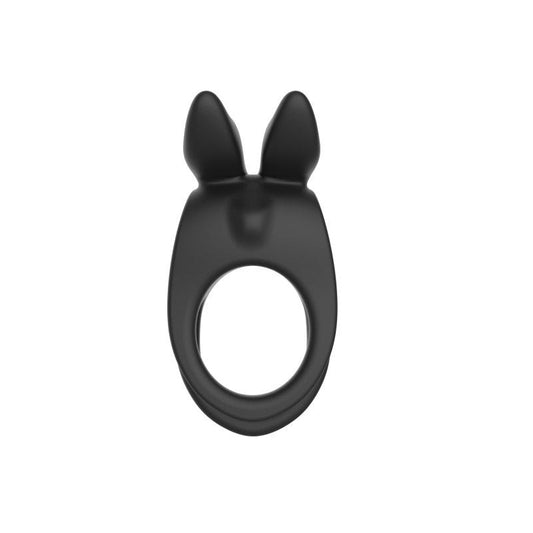
Men 10 Mode Vibrating Rabbit Cock Ring by Ashella
- Black
Ashella Men 10 Mode Vibrating Rabbit Cock Ring is a dual-ring vibrator designed for partnered stimulation and performance enhancement. Measuring 45.2 x 91.1 x 43.1mm with 10 vibration modes across 3 speed settings, it combines a supportive shaft and ball ring with external bunny...
- $34.99
$39.99- $34.99
- Unit price
- per
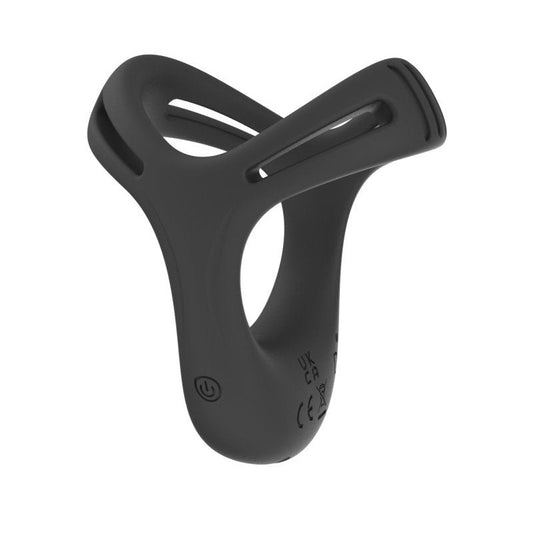
Men 10 Mode Vibrating Sling Ring by Ashella
- Black
Ashella Men 10 Mode Vibrating Sling Ring is a vibrating cock ring designed for enhanced support and dual-partner stimulation. Featuring 10 vibration modes across 3 speed settings, this silicone ring stretches to secure both shaft and balls for extended performance. At 63 x 55.5...
- $34.99
$39.99- $34.99
- Unit price
- per
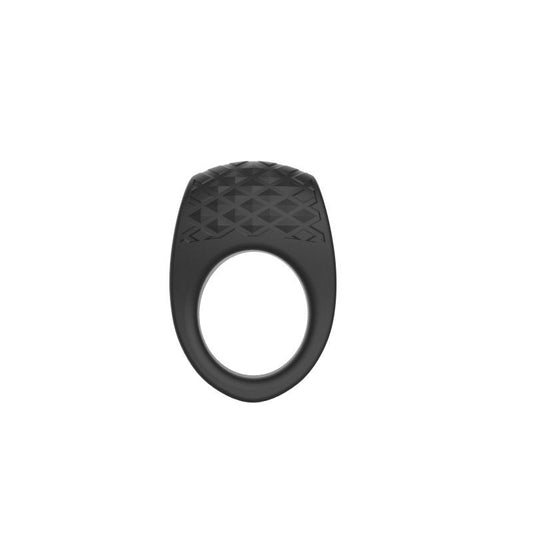
Men 10 Mode Vibrating Cock Ring by Ashella
- Black
The Ashella Men Vibrating Cock Ring is a silicone erection ring featuring 10 vibration modes across 3 speed settings. Measuring 45.5 x 66.7 x 29.4mm with rechargeable USB power lasting one hour per charge, it delivers customizable stimulation for solo or partnered play. The...
- $34.99
$39.99- $34.99
- Unit price
- per
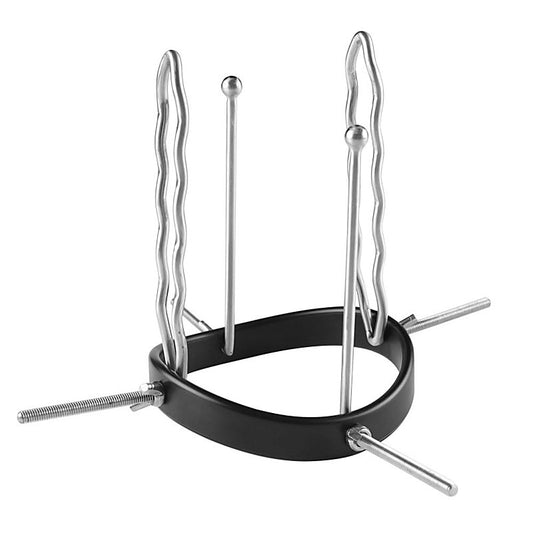

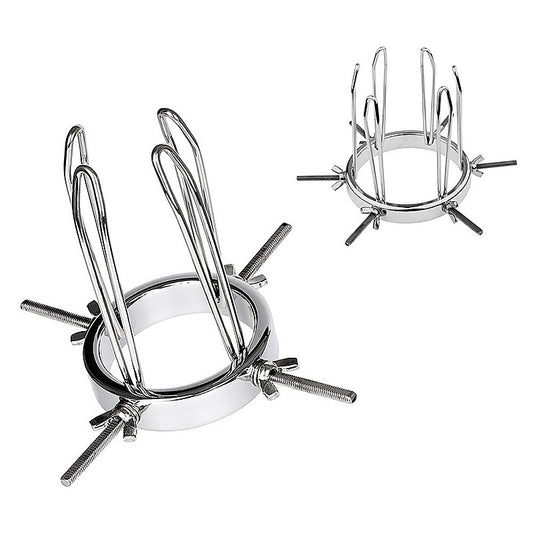

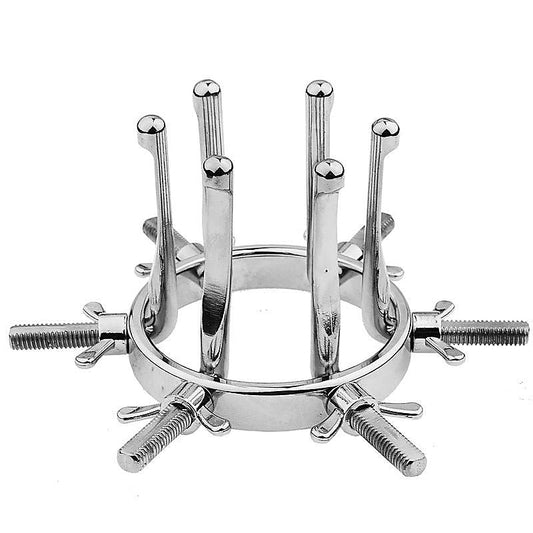

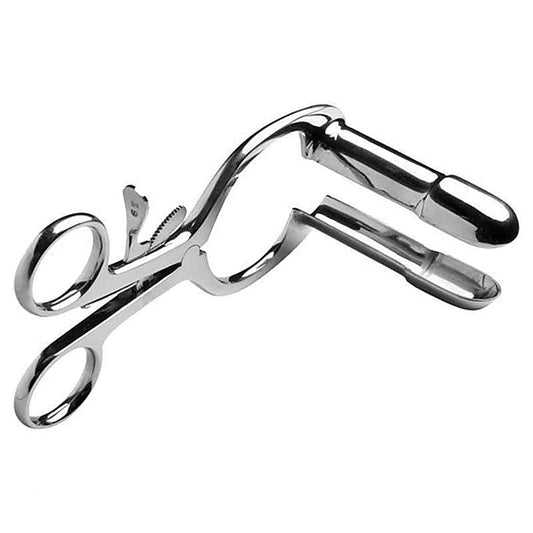

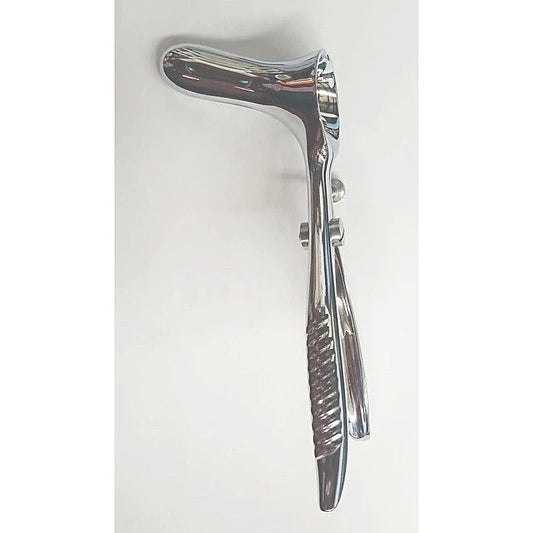

Steel anal spreaders are mechanical sex toys made from surgical-grade stainless steel that insert closed then expand outward using a screw or lever mechanism, forcing your hole open for viewing, stretching, or medical-style exposure play during BDSM scenes.
At a glance
|
🚚 Plain, discreet packaging • 🔒 Discreet billing • 🔁 Hygiene-conscious returns |
About Steel Anal Spreaders
Steel anal spreaders use rigid metal blades that collapse on insertion then separate outward to create a widening internal opening. You insert the closed spreader like a standard plug, then turn an adjustment screw or operate a lever to push the blades apart, expanding the hole gradually. The 316 surgical-grade stainless steel maintains precise geometry without flexing, delivering consistent opening sizes that softer materials cannot match. These sex toys fall within the broader category of Anal Sex Toys.
Steel spreaders suit medical fetish enthusiasts who want authentic clinical aesthetics combined with real physical opening and exposure. They work well for anal training progression, where you can increase stretch gradually within a single session by making small adjustments. Dominants use spreaders to create an exposed, open presentation during power exchange scenes, emphasising access and control. Anyone wanting to display themselves internally to a partner or camera will find spreaders provide the unobstructed views that plugs or dildos cannot offer.
What makes Steel Anal Spreaders different
Unlike standard anal plugs or dildos that simply fill the space, spreaders actively push your internal tissue apart and hold it open. The mechanical expansion creates a real, visible opening that grows with each adjustment—you control exactly how wide and how fast. This makes spreaders distinct from passive insertables like Anal Beads, which stretch through insertion rather than mechanical force. The rigid steel construction and speculum design deliver authentic medical play atmosphere that softer sex toys cannot replicate.
Types of Steel Anal Spreaders
Screw-adjustment spreaders. These use a central screw mechanism that you turn by hand to separate the blades gradually. Turning is slow and controlled, giving you precise command over opening size. Screw spreaders suit users who want methodical, deliberate expansion and detailed control during scenes.
Lever-operated spreaders. A hinged lever mechanism opens the blades when you squeeze or pull it. Lever spreaders often allow faster opening and can deliver a more dramatic sudden expansion once inserted. They work well for impact-style play or when you want quicker transitions between opening sizes.
Double-blade spreaders. Standard two-blade models open in a vertical split, creating an elongated oval opening. Anal Vibrators offer a different sensation through vibration, whereas spreaders focus on static opening and exposure.
Multi-blade spreaders. Four or more blades create a circular opening that expands symmetrically. Multi-blade versions often deliver a more dramatic visual presentation and can accommodate larger final diameters than two-blade designs.
How they compare
| Model | Material | Best for | Control or Base | Safety |
|---|---|---|---|---|
| Two-blade screw spreader | 316 surgical stainless steel | Beginners, medical play, precise control | Hand-turned central screw | Non-porous, body-safe, no sharp edges |
| Four-blade lever spreader | 316 surgical stainless steel | Experienced users, dramatic opening, display scenes | Hand-operated lever mechanism | Non-porous, body-safe, smooth blade edges |
| Compact screw spreader | 316 surgical stainless steel | Solo play, travel, discreet storage | Hand-turned screw, smaller footprint | Non-porous, body-safe, minimal protrusion |
| Heavy-duty lever spreader | 316 surgical stainless steel | Advanced users, sustained scenes, partner play | Robust lever, larger opening capacity | Non-porous, body-safe, designed for firm handling |
How to choose a steel anal spreader
Start by deciding whether you prefer a screw or lever mechanism. Screw spreaders give you finer control and slower, more deliberate opening—ideal if you're new to spreading or enjoy methodical sensation. Lever spreaders open faster and suit experienced users who want quicker transitions or more dramatic expansion. Consider the final opening diameter: smaller spreaders suit anal training and solo play, while larger ones deliver more intense stretch and visual impact during partner or camera scenes.
Think about blade count. Two-blade spreaders create an elongated vertical opening, while four-blade models open symmetrically in a circle. Symmetrical opening often suits display and medical play better. Check the insertion length and handle design—you need comfortable hand access to turn or operate the mechanism throughout your scene. Prepare properly with Anal Cleansing beforehand, and always use generous water-based lubricant on the closed blades before insertion.
Tips from the Adultsmart team
Hard-won pointers from the Adultsmart team, alongside our panel of sexologists, educators, and adult-industry contributors. Meet our experts →
After years of helping customers with steel anal spreaders, the most common mistake is inserting at full expansion or cranking too hard too fast. Always insert the spreader in fully collapsed position, then make small, gradual adjustments once it's fully seated inside. This approach mimics standard plug insertion and lets your body adapt to each stage of opening. Rushing the expansion can cause discomfort or even small tears in delicate tissue.
Lubrication matters more with spreaders than with standard plugs because you're creating active internal movement and separation. Water-based lubricant is essential—apply it generously to the closed blades before insertion and have extra on hand to reapply as you adjust. The steel conducts temperature, so a spreader at room temperature feels quite different from body temperature; this isn't dangerous, just a sensation shift to expect. Never use silicone lube on steel, as it makes the mechanism sticky and harder to control.
Sizing down is always the right call on your first spreader. A smaller opening diameter feels less intimidating during early scenes and lets you build confidence with the mechanism itself. You can always progress to larger spreaders later once you understand your body's response and your preferred opening size. Many customers find they enjoy the control and predictability of a compact screw spreader far more than they expected, so don't assume you need the largest option available.
| Please read — safety first. Charge only with the supplied cable and keep the charging port dry unless the sex toy is waterproof-rated. Pair and update through the official app, and switch the device off fully between sessions so the motor and battery aren't left under load. Never share between partners, or between anal and vaginal use, without cleaning the item first or using a fresh condom. This information is general in nature only and is not medical advice; it does not account for your individual circumstances. If you have a relevant health condition or experience any persistent discomfort, discontinue use and seek advice from a qualified medical professional. |
Care and cleaning
Steel anal spreaders are non-porous and easy to maintain. Wash thoroughly with warm soapy water and a soft cloth immediately after use, paying attention to the blade joints where lubricant can collect. Dry completely with a clean towel before storage to prevent water spots. Store in a cool, dry place away from other materials. Steel is durable and won't degrade, but check occasionally for any corrosion or damage to the mechanism.
Learn more
Spreaders are powerful tools for intense sensation and exposure play. Understanding safe technique, communication, and aftercare is essential for any anal play, especially mechanical expansion. Read more in our guide to Safe Anal Sex for detailed safety information and best practices.
Why shop Steel Anal Spreaders at Adultsmart
Looking for a piece that actually fits how you play? Adultsmart stocks quality steel anal spreaders from trusted makers, with genuine product information and no pressure sales. We offer discreet packaging and private billing so your purchase stays between you and us. Trusted Australian adult retailer — discreet, knowledgeable, and here to help.
Steel Anal Spreaders FAQ
What maximum spread diameter in steel anal spreaders suits users new to internal expansion play?
Maximum spreads of 35-45mm provide noticeable internal opening that beginners can achieve with gradual adjustment and proper warm-up, creating genuine spreading sensation without overwhelming first-time users developing accommodation tolerance.
What cleaning prevents bacterial growth in complex spreader adjustment mechanisms with multiple moving parts?
Disassemble mechanisms when possible, scrub all surfaces including threads and hinges with antibacterial solution using small brushes reaching crevices, rinse thoroughly, dry completely, then lubricate moving parts with food-safe lubricant preventing corrosion.
How does blade count affect spreading sensation and comfort during progressive expansion?
More blades distribute pressure across additional contact points reducing per-blade stress, with four-blade designs creating gentler uniform expansion compared to two-blade systems concentrating force into front-rear divisions causing more focused stretch.
Can anal spreaders be safely used for extended periods or only brief inspection sessions?
Most practitioners limit spread duration to 10-20 minutes maximum before collapsing blades to restore circulation, as prolonged compression and stretching increases trauma risk regardless of initial comfort during opening.
What collapsed insertion diameter allows comfortable spreader entry for intermediate anal players?
Collapsed diameters of 25-30mm match standard intermediate plug sizing, allowing users comfortable with medium plugs to insert spreaders successfully before initiating expansion to their larger maximum spread capacities.
Do screw-adjusted spreaders provide safer progressive expansion than ratcheting lever systems?
Screw mechanisms enable more gradual incremental adjustment through continuous threading allowing tiny expansion steps, while ratchet systems jump between preset positions potentially creating larger sudden increases that challenge accommodation.
How should users determine safe maximum spread for their individual anatomy?
Begin with conservative 30-40mm spreads monitoring for sharp pain or excessive discomfort, progressively increasing over multiple sessions by 5-10mm increments as conditioning develops, never forcing beyond clear warning signals.
Can three-blade or four-blade spreaders achieve larger maximum openings than two-blade designs?
Blade count affects opening uniformity more than maximum diameter, with all configurations capable of similar peak spreads though more blades create rounder openings while two-blade systems produce more elongated oval shapes.
What indicates spreader blade positioning requires adjustment before continuing expansion?
Uneven resistance, asymmetric discomfort favoring one side, or visible blade misalignment suggest improper positioning requiring collapse, repositioning, and careful reinsertion before attempting further expansion to prevent trauma.
Do longer spreaders reaching deeper require different technique than shorter designs?
Deep spreaders demand careful angle control navigating natural curves and awareness of anatomical transitions, requiring slower more cautious insertion than shallow spreaders that remain in straight sections.
Recently Viewed Products
Example product title
- $19.99
- $19.99
- Unit price
- per
Example product title
- $19.99
- $19.99
- Unit price
- per
Example product title
- $19.99
- $19.99
- Unit price
- per
Example product title
- $19.99
- $19.99
- Unit price
- per
Example product title
- $19.99
- $19.99
- Unit price
- per
Example product title
- $19.99
- $19.99
- Unit price
- per
Example product title
- $19.99
- $19.99
- Unit price
- per
Example product title
- $19.99
- $19.99
- Unit price
- per
Example product title
- $19.99
- $19.99
- Unit price
- per
Example product title
- $19.99
- $19.99
- Unit price
- per
Why Shop With Adultsmart?
- Choosing a selection results in a full page refresh.