




-
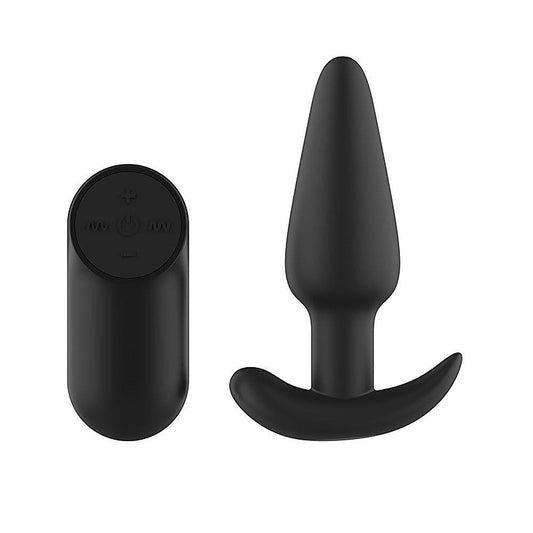
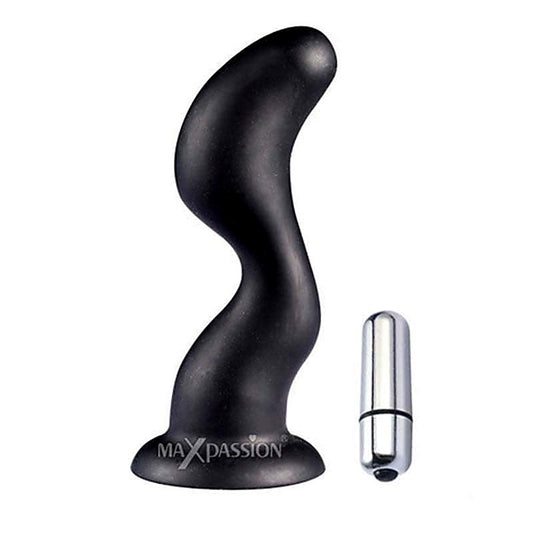
Silicone Vibrating Butt Plug with Remote by Passion Play - BlackPassion Play Silicone Vibrating Butt Plug with Remote is a compact anal vibrator with a tapered insertion design. Measuring 10.5 cm total length with 9 cm insertable depth and 3.1 cm insertable width, it features 21 low-frequency vibration patterns controlled via wireless remote. The...
- $69.99
$74.99- $69.99
- Unit price
- per
-
Jelly Vibrator Dream Boy USB Turquoise by Hott Products - TurquoiseHott Products Dream Boy 8 Inch USB Rechargeable Dildo is a flexible TPE dildo with removable vibrating bullet, measuring 20cm total with 14cm insertable length and 3cm diameter. It features 10 vibration speeds, rumble vibration patterns, and a USB-rechargeable lithium-ion battery. The phthalate-free construction...
- $69.99
$79.99- $69.99
- Unit price
- per
-
Jelly Vibrator Dream Boy USB Purple by Hott Products - PurpleHott Products Dream Boy 7 Inch USB Rechargeable Dildo is a flexible jelly dildo with an insertable bullet vibrator designed for internal G-spot and vaginal stimulation. At 18 centimeters long with 13 centimeters insertable depth and 3 centimeters diameter, it features 10 vibration speeds...
- $69.99
$79.99- $69.99
- Unit price
- per
-
Vive Yuki Dual G-Spot Silicone Vibrator by Shots Toys - PinkShots Vive Yuki is a dual-motor G-spot vibrator made from medical-grade silicone with independent 10-speed and 3-speed bead motors. At 6.54 inches long with a 3.54-inch insertable length, it delivers 60 minutes of runtime per 110-minute charge and operates at a quiet 55 decibels....
- $174.99
$194.99- $174.99
- Unit price
- per
-
Poise 10 Speed Silicone Vibrator by Shots Toys - Forest GreenShots LoveLine Poise is a mini silicone vibrator featuring 10 speed settings and a high-performance F1 motor reaching 7500 RPM. At 5.71 inches long with 4.72 inches insertable depth, it delivers whisper-quiet operation under 60dB while providing 70 minutes of runtime per charge. It...
- $64.99
$74.99- $64.99
- Unit price
- per
-
Prickly Rechargeable 10 Functions Glass Vibrator - BlackShots Prickly Rechargeable 10 Functions Glass Vibrator is a borosilicate glass vibrator designed for temperature play and intense stimulation. At 4.33 inches long with 1.14-inch diameter, it delivers 10 vibration patterns via wireless remote control and conducts heat for warming or cooling sensations. The...
- $149.99
$169.99- $149.99
- Unit price
- per
-
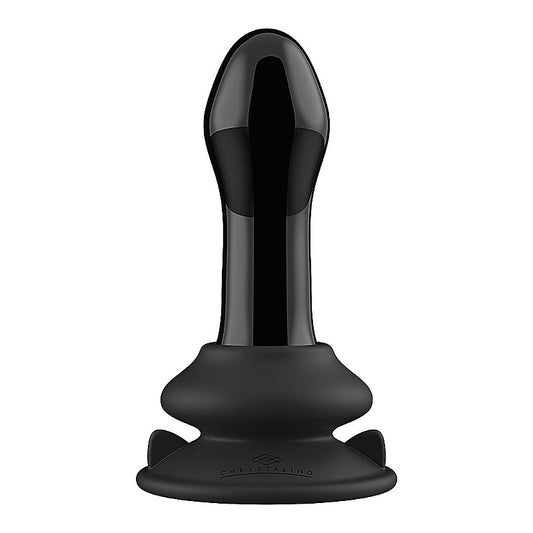
Missy Glass Vibrator With Suction Cup and Remote - BlackShots Missy Glass Vibrator With Suction Cup and Remote is a rechargeable glass vibrator featuring 10 vibration patterns, wireless remote control, and a medical-grade silicone suction cup base. Measuring 4.33 inches with a 1.69-inch diameter, this borosilicate glass design conducts temperature for warming or...
- $149.99
$169.99- $149.99
- Unit price
- per
-
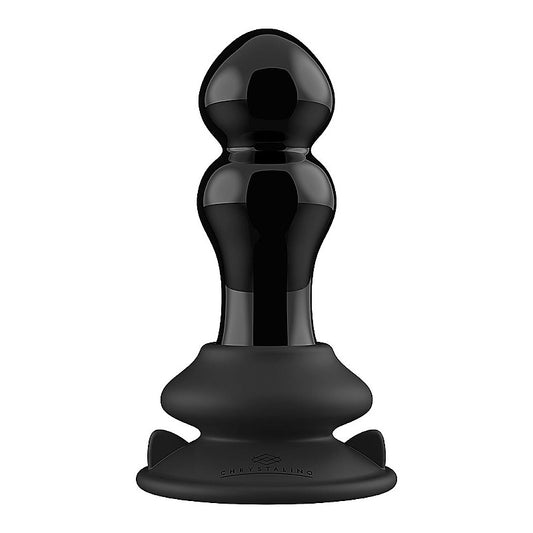
Ribbly Remote Control Rechargeable Glass Vibrator - BlackShots Ribbly Remote Control Rechargeable Glass Vibrator is a borosilicate glass vibrator with wireless remote control, featuring 10 vibration speeds and modes. Measuring 4.33 inches insertable length with 1.57-inch diameter, it conducts temperature for warming or cooling play and includes a medical-grade silicone suction...
- $149.99
$169.99- $149.99
- Unit price
- per
-
Pluggy Suction Cup 10 Functions Glass Vibrator - BlackShots Pluggy Suction Cup 10 Functions Glass Vibrator is a borosilicate glass vibrator with a removable medical-grade silicone suction cup base. Measuring 4.13 inches insertable length with 1.42-inch diameter, it delivers 10 vibration patterns via wireless remote control and conducts temperature for warming or...
- $149.99
$169.99- $149.99
- Unit price
- per
-
Rimly Remote Control Glass Vibrator by Shots Toys - BlackShots Rimly Remote Control Glass Vibrator is a borosilicate glass vibrator with wireless remote control, featuring 10 vibration speeds and a medical-grade silicone suction cup base. At 4.33 inches insertable length and 1.54 inches diameter, it conducts temperature for warming or cooling sensations. The...
- $149.99
$169.99- $149.99
- Unit price
- per
-
Jelly Vibrator Dream Boy USB Pink by Hott Products - PinkHott Products Dream Boy is a flexible jelly dildo with removable rechargeable bullet vibrator, measuring 17cm long with 12cm insertable depth and 3cm diameter. It features 10 vibration speeds, rumble vibrations, and USB recharging via lithium-ion battery. The soft TPE material is phthalate-free and...
- $49.99
$64.99- $49.99
- Unit price
- per
-
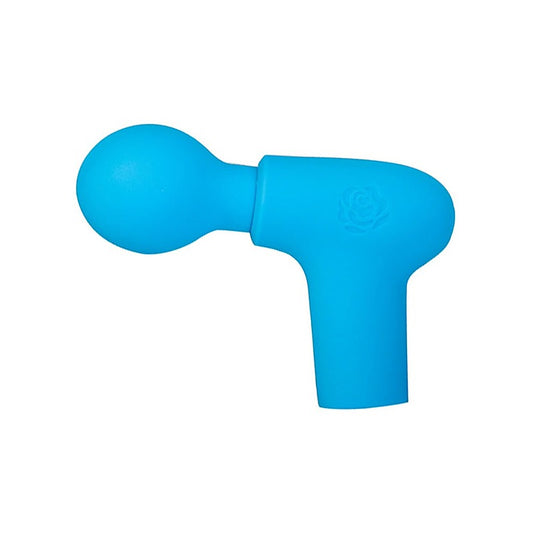
M-Lady Silicone Vibrating Massager by BMS Factory - TealBMS Factory M-Lady Silicone Vibrating Personal Massager is a compact wand vibrator featuring 3 speeds and 7 pulse patterns for targeted clitoral and vulval stimulation. At 4.33 inches long with body-safe silicone construction, it delivers 90 minutes of runtime per USB charge. The rounded...
- $49.99
$59.99- $49.99
- Unit price
- per
-
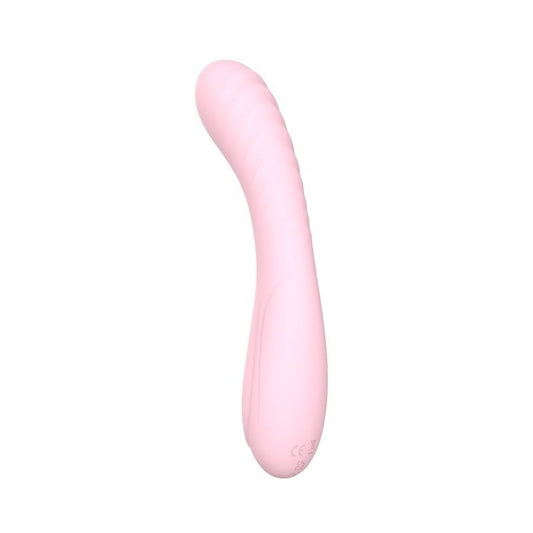
Maya Curve Silicone Vibrator by SXE Novelties - PinkSXE Novelties Maya is a rechargeable G-spot vibrator made from medical-grade silicone with a curved tip measuring 6.5 inches long. It features 10 vibration patterns, USB charging with 2-hour runtime, and fully waterproof construction. The angled design targets the anterior vaginal wall for focused...
- $84.99
$109.99- $84.99
- Unit price
- per
-
Powerful Silicone Vibrator Primo by Baile - PurplePretty Love Primo is a dual-motor silicone rabbit vibrator delivering 30 vibration functions across independent internal and external motors. Measuring 210mm total with a 120mm insertable shaft and 38mm diameter, it combines thrusting and clitoral vibration simultaneously. The waterproof silicone construction suits people seeking...
- $54.99
$59.99- $54.99
- Unit price
- per
-
Tentavibe Silicone Vibrator by XR Brands - MixedCreature Cocks Tentavibe Silicone Vibrator is a rechargeable fantasy vibrator featuring realistic textured suckers and iridescent teal coloring. At 7.6 inches insertable with a 1.5-inch diameter, it delivers nine vibration modes through a digital screen display. The flexible silicone shaft with suction cup base...
- $114.99
$144.99- $114.99
- Unit price
- per
-
Dual Motor Silicone Vibrator by NANMA Corporation - BlackDeep Romance Dual Motor Rabbit Style G-Spot Silicone Vibrator is a dual-motor rabbit vibrator designed for simultaneous internal and external stimulation. At 14.7 centimeters long, it features 10 independent vibration patterns per motor for 20 total settings, body-safe silicone construction, and magnetic charging. It...
- $59.99
$74.99- $59.99
- Unit price
- per
-
Dual Motors Silicone Vibrator by NANMA Corporation - BlackDeep Romance Dual Motors G-Spot Silicone Vibrator is a dual-motor G-spot vibrator with 10 G-spot patterns and 10 clitoral rhythms. At 4.7 inches with independent motor control, it delivers synchronized stimulation through magnetic charging and splash-proof construction. It suits people seeking blended internal and...
- $64.99
$84.99- $64.99
- Unit price
- per
-
Rechargeable Silicone Vibrator by NANMA Corporation - PinkTitanz 10 Functions G-Spot Rechargeable Silicone Vibrator is a flexible G-spot vibrator designed for customizable internal stimulation. At 14 centimeters insertable length with a bendable shaft, it offers 10 distinct vibration patterns and Type-C USB charging for extended sessions. The hygienic silicone construction suits...
- $69.99
$89.99- $69.99
- Unit price
- per
-
Thrusting Rabbit Rechargeable Silicone Vibrator - PinkTitanz 10 Functions Thrusting Rabbit is a rechargeable silicone rabbit vibrator combining thrusting bead motion with 10 vibration patterns. At 13 centimeters insertable length, it features dual-action technology with Type-C charging and an LED indicator. The premium hygienic silicone construction suits people seeking comprehensive...
- $79.99
$99.99- $79.99
- Unit price
- per
-
Rotating Rabbit Rechargeable Silicone Vibrator - PinkTitanz Rotating Rabbit is a rechargeable silicone vibrator combining thrusting, vibration, and rotating bead stimulation. At 13 centimeters insertable length with 10 distinct rhythmic patterns, it delivers multi-action pleasure through synchronized technologies. The premium hygienic silicone construction features a silky surface texture suited for...
- $94.99
$119.99- $94.99
- Unit price
- per
-
Thumping Rechargeable Silicone Vibrator - BlueTitanz Bendable Thumping Rechargeable G-Spot Silicone Vibrator is a dual-action G-spot vibrator featuring a bendable shaft for personalized positioning. At 13 centimeters insertable length, it delivers 10 vibration patterns and 10 thumping rhythms with Type-C charging. The premium silicone construction suits people seeking flexible,...
- $79.99
$99.99- $79.99
- Unit price
- per
-
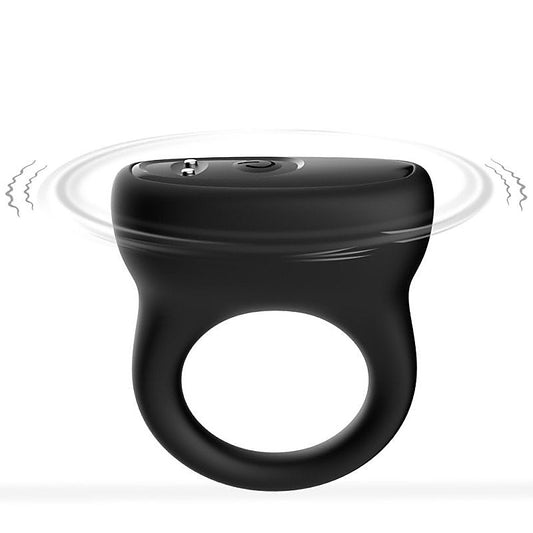
X-Men Silicone Vibrating Cock Ring by NANMA Corporation - PurpleX-Men Clitoris Stimulating Silicone Vibrating Cock Ring is a dual-aperture silicone cock ring with integrated vibration designed for partnered pleasure. Featuring 4 cm and 4.5 cm opening diameters and a detachable vibrator component, it delivers focused clitoral stimulation during penetration. The USB-rechargeable motor offers...
- $34.99
$39.99- $34.99
- Unit price
- per
-
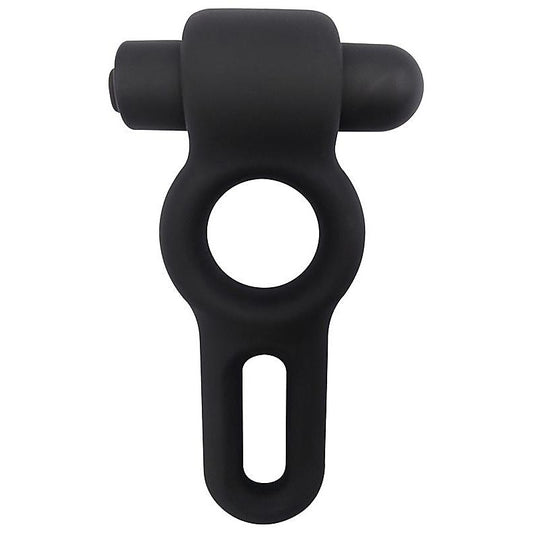
9 Functions Wireless Silicone Vibrating Cock RingBDStyle 9 Functions Wireless Silicone Vibrating Love Ring is a silicone cock ring featuring a detachable bullet vibrator with nine distinct vibration patterns. Measuring 5.2 cm in diameter with wireless remote control, it delivers customizable stimulation for both solo and partnered play. The rechargeable...
- From $29.99
$34.99- From $29.99
- Unit price
- per
-
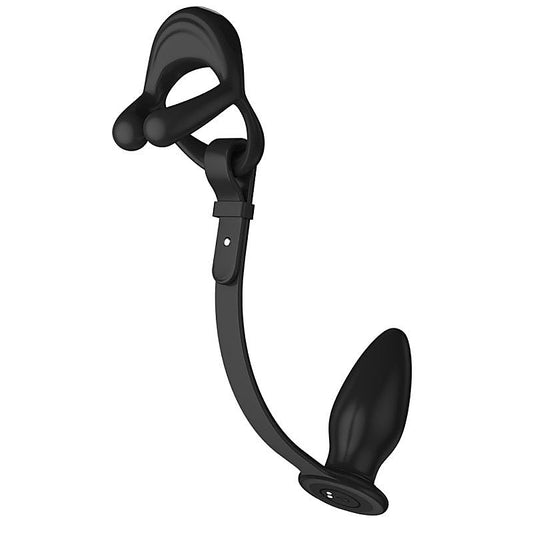
Silicone Vibrating Cock Ring with Anal Vibrator by BDStyle - BlackBDStyle Silicone Vibrating Cock Ring with Anal Vibrator is a dual-motor stimulation device combining a stretchable penile ring with a 7.6 cm insertable anal vibrator component. Features nine distinct vibration patterns on each motor, USB magnetic charging, and hypoallergenic silicone construction. Designed for couples...
- $62.99
$69.99- $62.99
- Unit price
- per
-
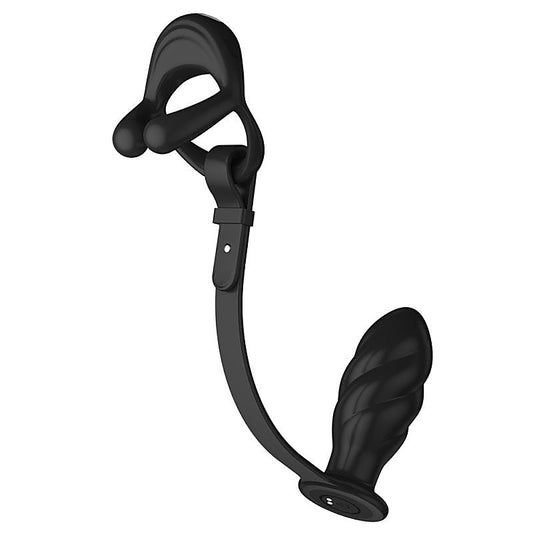
Silicone Vibrating Cock Ring with Thread Anal Vibrator - BlackBDStyle Silicone Vibrating Cock Ring with Thread Anal Vibrator is a dual-motor cock ring and anal stimulator combination featuring nine vibration patterns in each component. The ring stretches to 4.4 cm inner diameter with 1.9 cm thickness, while the threaded stimulator measures 9.0 cm...
- $71.99
$79.99- $71.99
- Unit price
- per
-
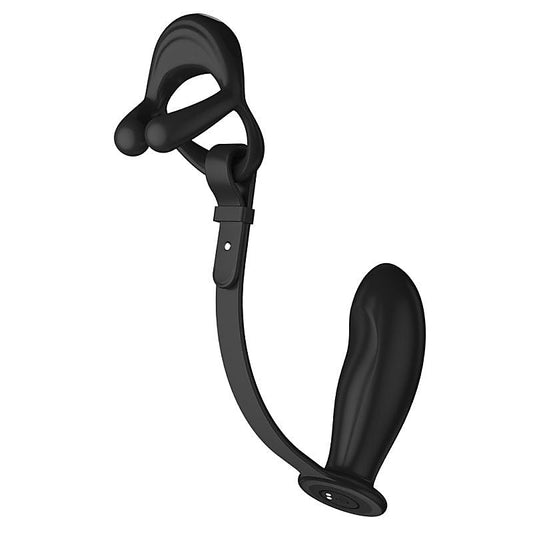
Silicone Vibrating Cock Ring with Prostate Vibrator - BlackBDStyle Silicone Vibrating Cock Ring with Prostate Vibrator is a dual-motor penis ring designed for synchronized penile and prostate stimulation. Measuring 4.4 cm inner diameter with a 15.2 cm connecting strap, it features nine vibration patterns on each motor and USB magnetic charging. The...
- $49.99
$54.99- $49.99
- Unit price
- per
-
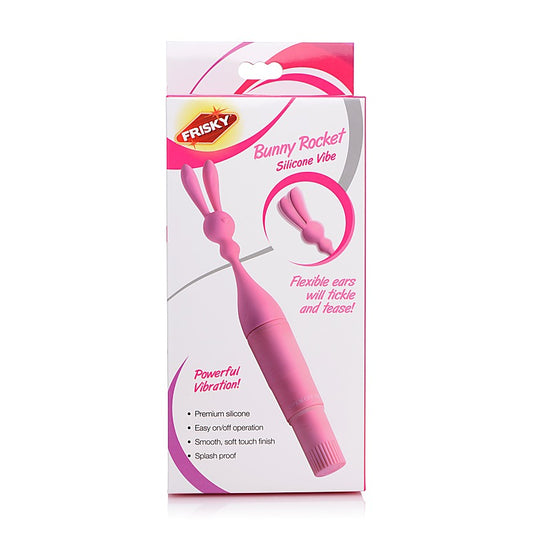
Bunny Rocket Silicone Vibrator by XR Brands - PinkFrisky Bunny Rocket is a dual-stimulation silicone vibrator measuring 7.75 inches with flexible bunny ears for targeted clitoral and internal stimulation. Powered by a single AA battery, it features splashproof construction and operates via intuitive single-button control. Ideal for people seeking versatile pleasure with...
- $24.99
$29.99- $24.99
- Unit price
- per
-
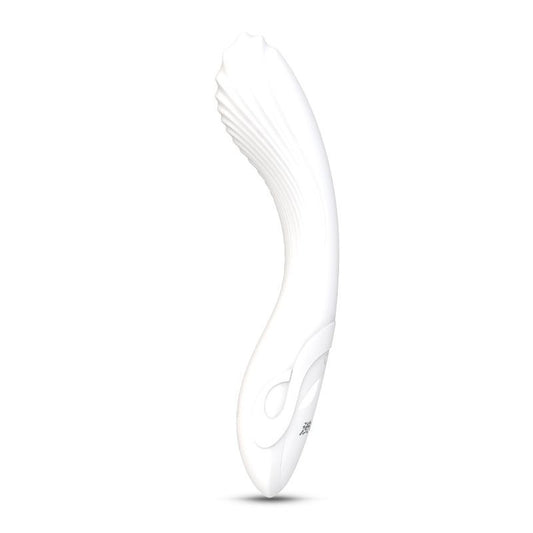
Flexible Bending Silicone Vibrator by Drywell - WhiteDrywell Flexible Bending Silicone G-Spot Vibrator is a dual-action G-spot vibrator measuring 200mm long with a 47mm width, combining thrusting and vibration across six intensity modes. Constructed from premium food-grade silicone weighing 142g, it features a flexible, ergonomic design that adapts to internal contours....
- From $44.99
$49.99- From $44.99
- Unit price
- per
-
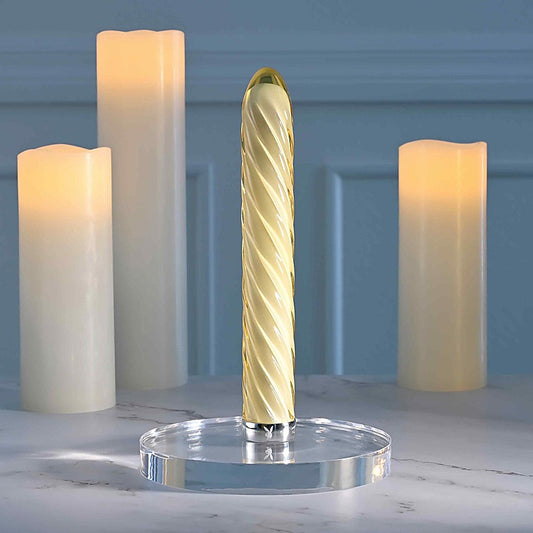
Playboy Pleasure TWIST OF FATE Glass Vibrator - YellowPlayboy Pleasure TWIST OF FATE Glass Bullet Vibrator is a borosilicate glass vibrator featuring a distinctive spiral texture and 6.5-inch insertable length. With ten vibration settings, temperature conductivity for warming or cooling, and USB rechargeable power, it delivers customizable internal stimulation. It suits people...
- $99.99
$129.99- $99.99
- Unit price
- per
-
Nero Liquid Silicone Vibe Dual Cock Ring by EvolvedPlayful Nero Liquid Silicone Vibe Dual Cock Ring is a dual-ring vibrating cock ring designed for couples seeking shared stimulation. Made from body-safe liquid silicone, it features 10 vibration modes and a USB-rechargeable bullet vibrator. At 1.5 inches wide per ring, the flexible dual-ring...
- $39.99
$54.99- $39.99
- Unit price
- per
-
Merge Daze 7 Inch Solid Silicone Vibrating DildoSportsheets Merge Daze 7 Inch Solid Silicone Vibrating Dildo is a USB-rechargeable vibrating dildo featuring 5 rumbly vibration speeds and a tapered tip for comfortable insertion. At 7 inches long with a flared base compatible with harnesses, it delivers deep internal stimulation for G-spot...
- $114.99
$159.99- $114.99
- Unit price
- per
-
Body Touch G-Spot Silicone Vibrator by BDStyle - PurpleBody Touch G-Spot Silicone Vibrator is a curved G-spot vibrator made from premium silicone, measuring 225mm long with a 38mm diameter. It features integrated heating technology, textured surface mapping, and waterproof construction powered by three AAA batteries. This vibrator suits people seeking targeted internal...
- $62.99
$69.99- $62.99
- Unit price
- per
-
UltraZone Eternal 9x Silicone Vibe by Topco - BlueUltraZone Eternal 9x Silicone Vibe is a rechargeable vibrator made from body-safe silicone, measuring 7.9 inches long with a 1.4-inch width. It features nine distinct vibration patterns, waterproof construction, and ergonomic proportions designed for comfortable handling. This vibrator suits people seeking versatile stimulation with...
- $59.99
$114.99- $59.99
- Unit price
- per
-
Rampant Bunny Silicone Vibrator by Aphrodisia - PinkAphrodisia Rampant Bunny Vibrator is a dual-motor rabbit vibrator designed for simultaneous G-spot and clitoral stimulation. At 15 cm long with 3.8 cm width, it features 10 distinct vibration patterns and a flexible shaft that adapts to individual anatomy. Available in purple, pink, or...
- $40.99
$44.99- $40.99
- Unit price
- per
-
Levina Airwaves Silicone Vibrator by Aphrodisia - PurpleAphrodisia Levina Airwaves is a dual-motor silicone vibrator designed for blended internal and external stimulation. Measuring 7.5 inches with 30 vibration patterns and wave-textured shaft, it delivers coordinated sensations to multiple pleasure points simultaneously. The ergonomic handle and body-safe silicone construction suit people seeking...
- $71.99
$79.99- $71.99
- Unit price
- per
-
Touche Epona Silicone Vibrator by Shots Toys - PurpleTOUCHE Epona Vibrator is a curved G-spot vibrator designed for targeted internal stimulation. Measuring 9.84 inches long, it features ten distinct vibration modes plus a climax function. Constructed from body-safe silicone with a splash-proof rating, it operates on two included AAA batteries. It suits...
- $71.99
$79.99- $71.99
- Unit price
- per
-
Climax Elite Meg 9X Waterproof Silicone Vibrator by Topco - PinkClimax Elite Meg 9x Silicone is a curved G-spot vibrator crafted from medical-grade silicone with a tapered tip for comfortable insertion. Featuring 9 distinct vibration functions controlled via intuitive 2-button interface, it delivers pinpoint stimulation through its ergonomic shape. USB rechargeable with splashproof construction,...
- $99.99
$124.99- $99.99
- Unit price
- per
-
X-MEN Silicone Vibrating Cock Ring by BDStyle - BlackThe X-MEN Vibrating Cock Ring is a dual-stimulation ring featuring 10 distinct vibration speeds and an integrated bullet vibrator. With a 4.5cm diameter ring and 6cm x 3.5cm x 3.5cm bullet, it combines ABS and silicone construction for secure positioning and comfort. Waterproof design...
- $19.99
$24.99- $19.99
- Unit price
- per
-
Nirvana Blue Silicone Vibrator by Vibe TherapyVibe Therapy Nirvana Blue is a medical-grade silicone vibrator with seven distinct vibration programs for customizable intensity. Measuring ergonomically designed dimensions, it features a whisper-quiet motor, waterproof construction, and touch-button controls. This massager suits people seeking discreet, powerful stimulation with premium medical-grade materials and...
- $71.99
$79.99- $71.99
- Unit price
- per
-
UltraZone Daisy 6X Silicone Vibrator by TopcoUltraZone Daisy 6X Silicone Vibrator is a compact clitoral vibrator made from premium body-safe silicone, measuring 6 inches long with a 1.5-inch diameter. It features 6 distinct vibration functions with adjustable intensity for personalized stimulation. The waterproof, rechargeable design suits people seeking versatile, discreet...
- $69.99
$139.99- $69.99
- Unit price
- per
-
Splendor Dome Silicone Vibrator by Xa Xa XoomSplendor Dome Mini Vibrator is a compact silicone vibrator designed for targeted clitoral stimulation. Measuring 3.2 inches long with five vibration speeds and an ergonomic bump design, it delivers consistent power in a travel-friendly format. The pure body-safe silicone construction suits people seeking discreet,...
- $19.99
$39.99- $19.99
- Unit price
- per
-
G-Spot Flex 1 Bendable Silicone Vibrator by SatisfyerSatisfyer G-Spot Flex 1 is a bendable silicone vibrator designed for targeted G-spot and internal stimulation. At 195mm long with a flexible shaft that adjusts to individual anatomy, it delivers 12 distinct vibration programs from gentle to intense. The medical-grade silicone body is waterproof...
- $69.99
$94.99- $69.99
- Unit price
- per
-
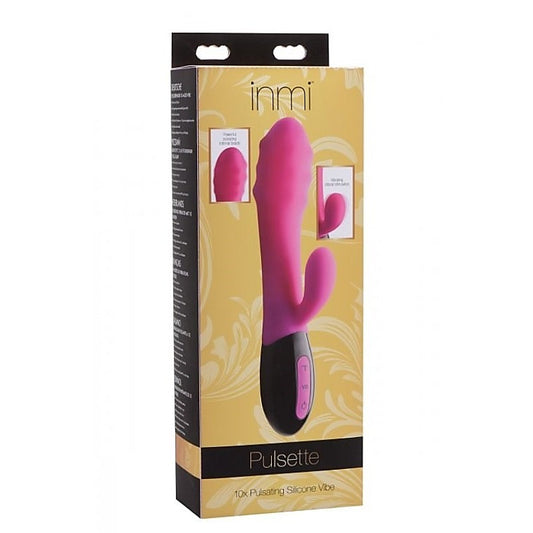
Pulsette 7X Pulsating Silicone Vibrator by XR BrandsPulsette 7x Pulsating Silicone Vibe is a rabbit-style vibrator with dual stimulation designed for internal and external pleasure. At 8.5 inches total length with 4.75 inches insertable, it features pulsating beads that throb against inner walls while the external arm delivers clitoral vibrations. With...
- $76.99
$84.99- $76.99
- Unit price
- per
-
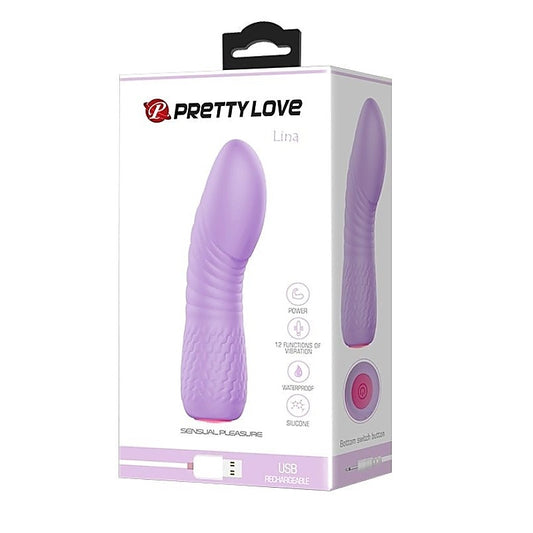
Pretty Love Lina Silicone Vibrating Vibrator by BailePretty Love Lina Mini Vibrator is a compact clitoral vibrator with 12 distinct vibration settings and a contoured head designed for pinpoint stimulation. Crafted from medical-grade silicone, it measures 4.25 inches in total length and delivers both external and internal stimulation. The portable design...
- $54.99
$59.99- $54.99
- Unit price
- per
-
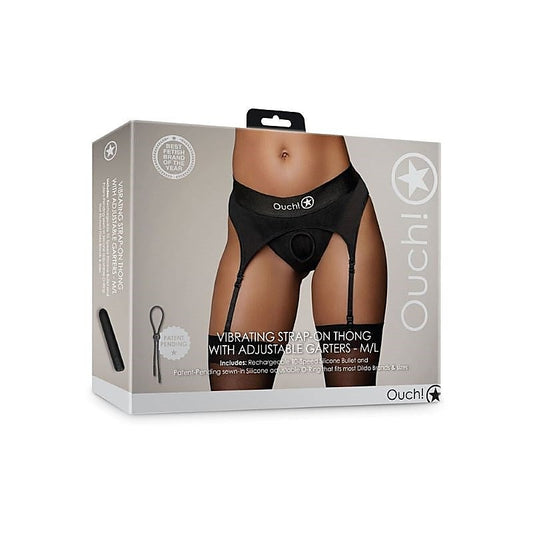
Silicone Vibrating Strap-On Thong by Shots ToysOUCH! Vibrating Strap-On Thong is a hands-free silicone vibrator designed for partnered or solo play. Measuring 8 inches long with a 3-inch bullet, it features 10 vibration speeds and adjustable garters for secure, customizable fit. The premium silicone construction conducts vibrations deeply while remaining...
- $114.99
$119.99- $114.99
- Unit price
- per
-
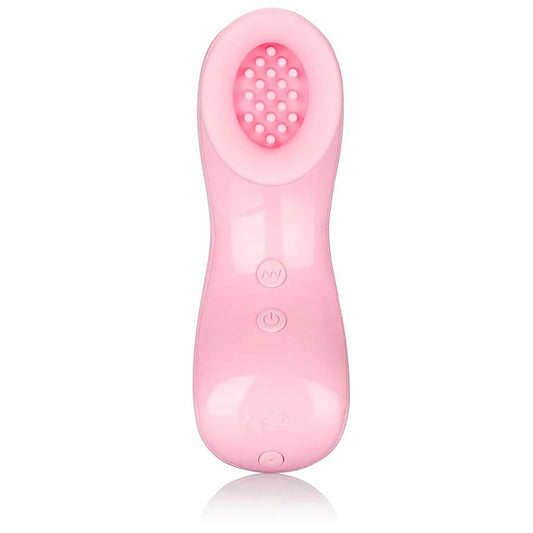
Inspire Pulsing Silicone Vibrator by California ExoticsInspire Pulsing Intimate Arouser by California Exotics is a rechargeable silicone vibrator measuring 3.75 inches with ten distinct pulsation and vibration patterns. Body-safe silicone construction delivers customizable stimulation across ten settings with full waterproof capability. It suits people seeking compact, powerful clitoral stimulation with...
- $69.99
$99.99- $69.99
- Unit price
- per
-
Zia Silicone Vibe G-Spot Vibrator by MaxpassionMaxpassion G-Spot Zia is a curved silicone vibrator designed for targeted G-spot stimulation. Measuring 6.5 inches long, it features seven distinct vibration patterns and medical-grade body-safe silicone construction. The ergonomic curve delivers concentrated pressure to the anterior vaginal wall, making it suited for people...
- $19.99
$34.99- $19.99
- Unit price
- per
-
Door Knockers Silicone Vibrator by Creative ConceptionsCreative Conceptions Door Knockers is a body-safe silicone vibrator designed for intimate exploration with multiple vibration modes and patterns. Measuring compact dimensions with an ergonomic grip, it delivers customizable intensity and rhythm through intuitive controls. The toy includes a charging cable and storage pouch,...
- $11.99
$14.99- $11.99
- Unit price
- per
-
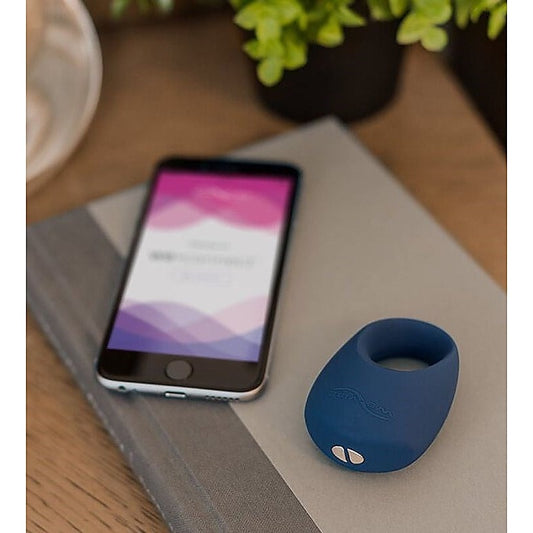
Pivot Silicone Vibrating Cock Ring by We-VibeWe-Vibe Pivot is an app-controlled couples' vibrator designed for remote partner play and shared intimate moments. Constructed from medical-grade silicone and measuring 3.15 inches, it delivers 10+ vibration modes and connects via the We-Connect app for long-distance control. The 2-hour battery life and 100%...
- $134.99
$159.99- $134.99
- Unit price
- per
-
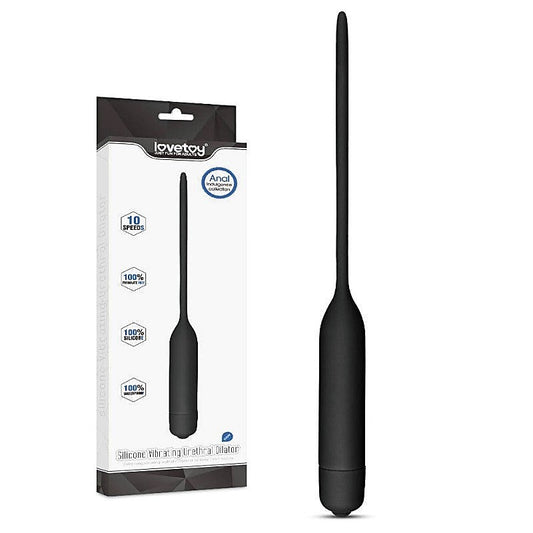
Silicone Vibrating Urethral Dilator Cock Ring by LovetoyLovetoy's Premium Silicone Urethral Vibrator is a body-safe silicone urethral dilator measuring 5 inches long with a 0.5-inch diameter. It features multiple vibration modes for customizable intensity and rhythm control. The tapered design targets sensitive areas with smooth, non-porous silicone construction that conducts vibrations...
- $54.99
$64.99- $54.99
- Unit price
- per
VISIT XVIDEO FOR ADULT DVDS



Vibrating Double Penetrator with Remote by Passion Play
- Black
Passion Play Double Penetrator with Remote is a dual-chamber vibrator with 21 low-frequency patterns designed for internal male stimulation. Measuring 14.5 cm insertable length and 3 cm width, it delivers steady, deep vibrations via wireless remote control from up to 8 metres away. Made...
- $69.99
$74.99- $69.99
- Unit price
- per
Men 10 Mode Vibrating Rabbit Cock Ring by Ashella
- Black
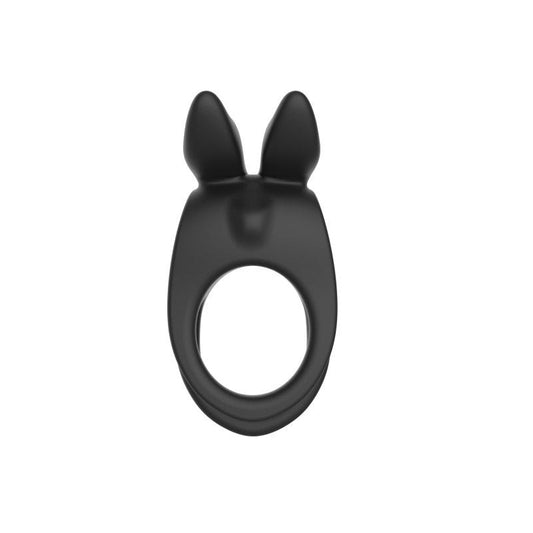
Ashella Men 10 Mode Vibrating Rabbit Cock Ring is a dual-ring vibrator designed for partnered stimulation and performance enhancement. Measuring 45.2 x 91.1 x 43.1mm with 10 vibration modes across 3 speed settings, it combines a supportive shaft and ball ring with external bunny...
- $34.99
$39.99- $34.99
- Unit price
- per
Men 10 Mode Vibrating Sling Ring by Ashella
- Black
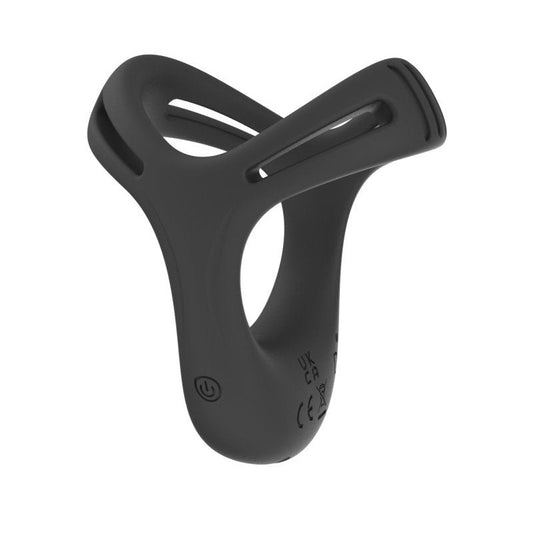
Ashella Men 10 Mode Vibrating Sling Ring is a vibrating cock ring designed for enhanced support and dual-partner stimulation. Featuring 10 vibration modes across 3 speed settings, this silicone ring stretches to secure both shaft and balls for extended performance. At 63 x 55.5...
- $34.99
$39.99- $34.99
- Unit price
- per



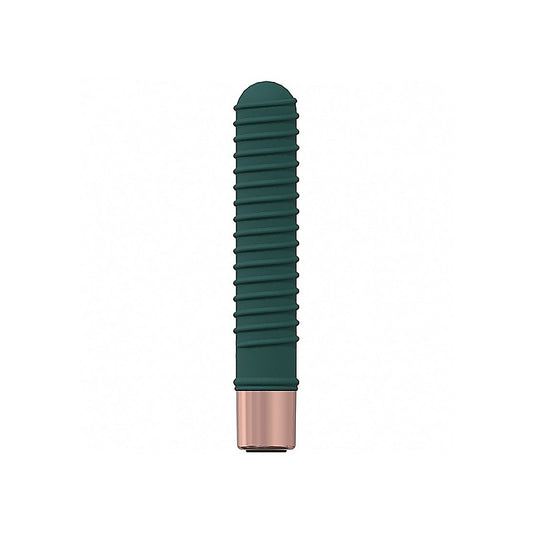

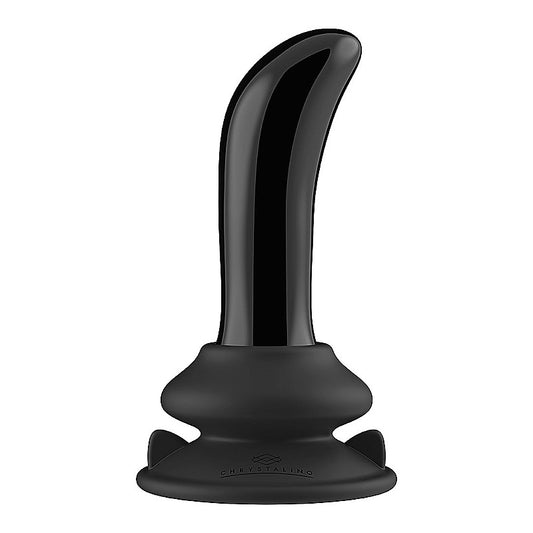

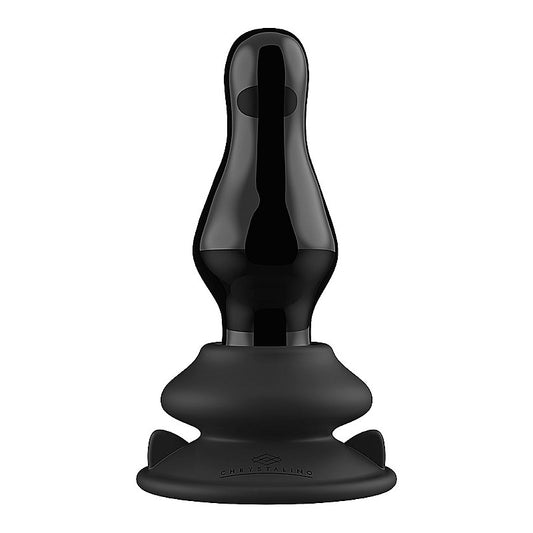

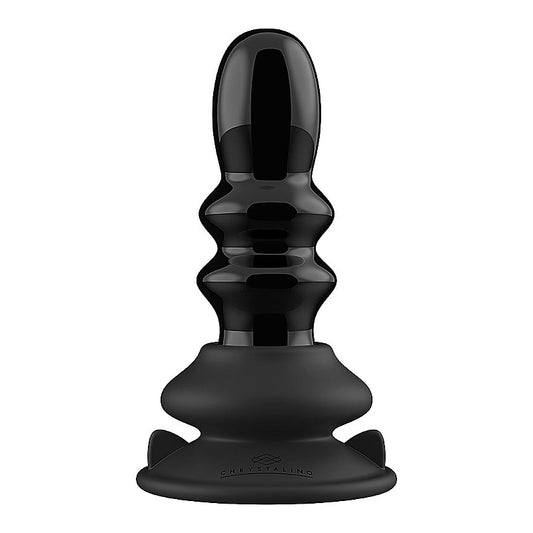






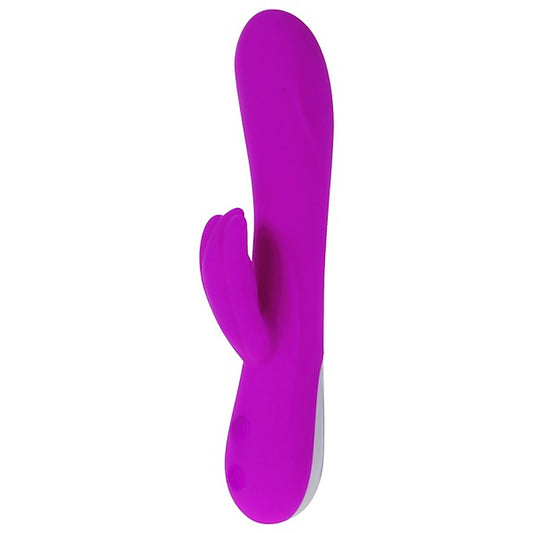

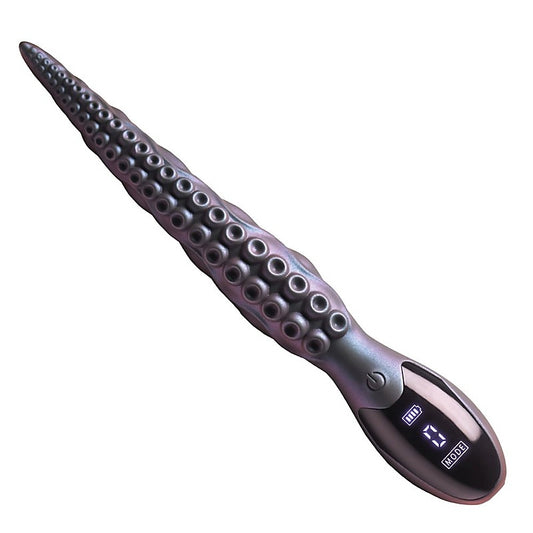

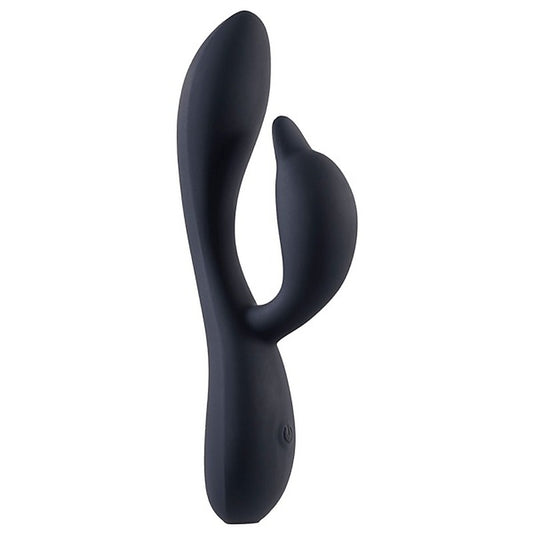

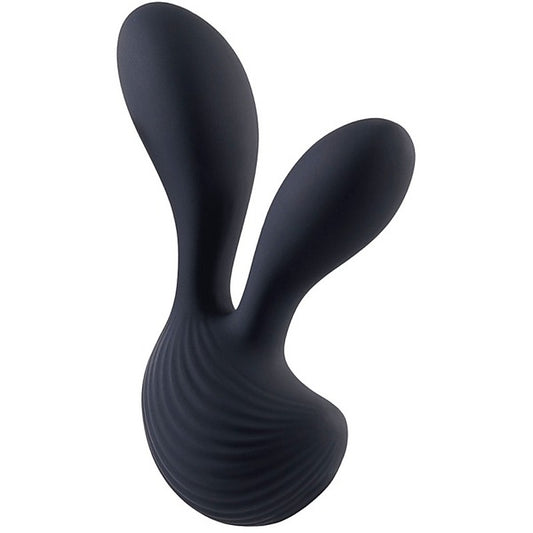

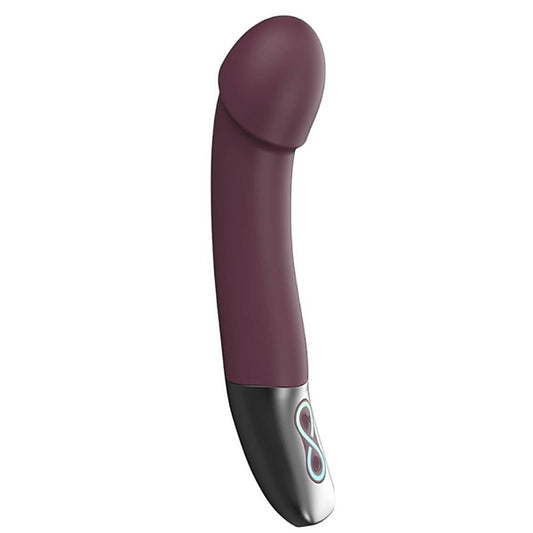

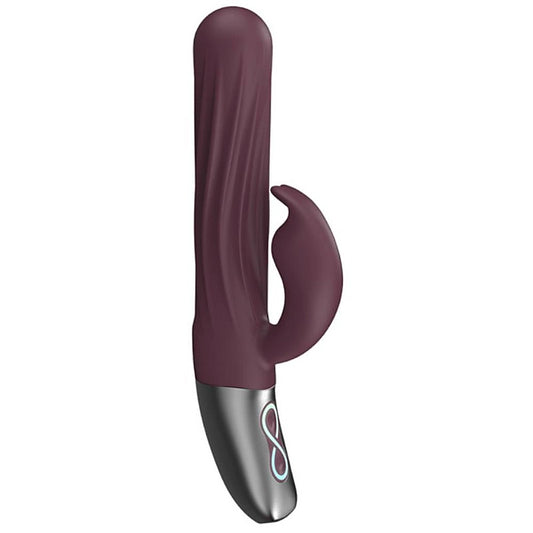

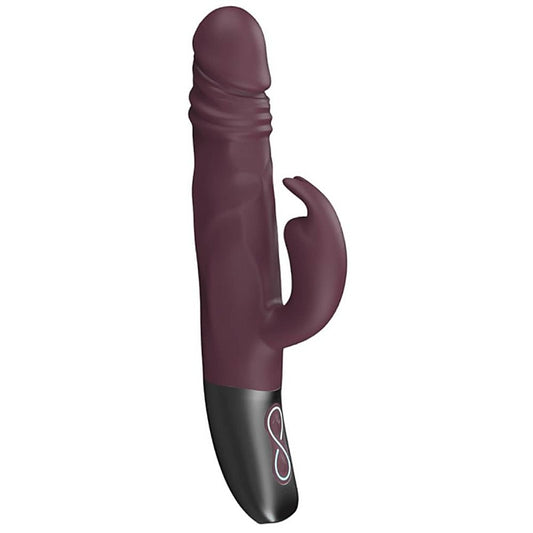

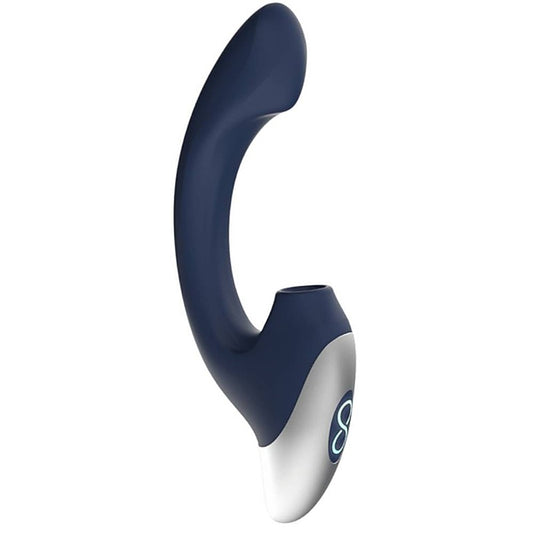










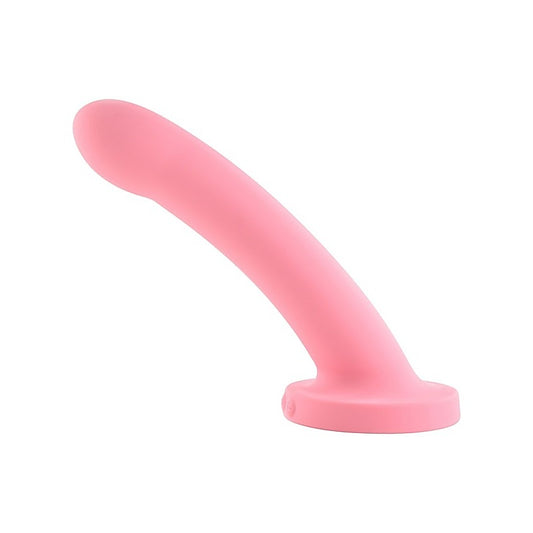

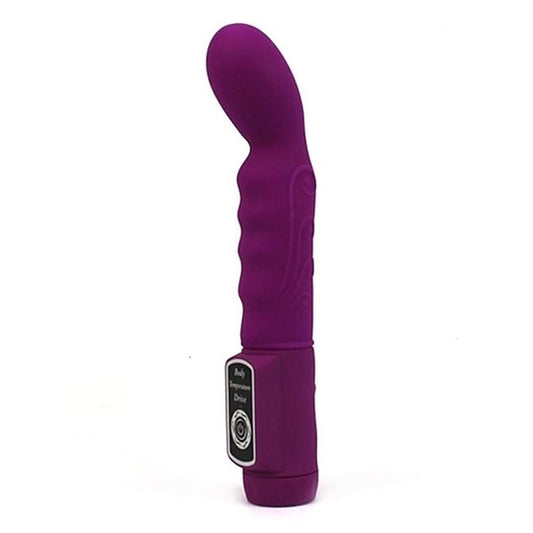

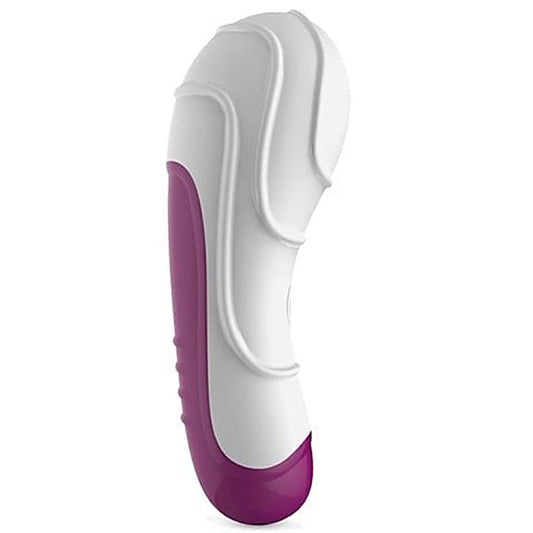


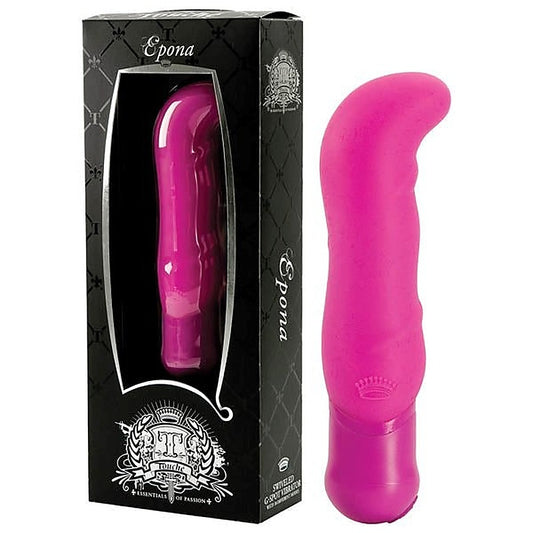

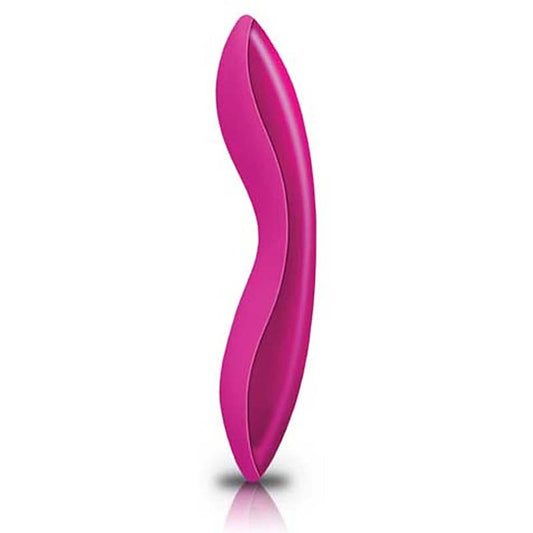

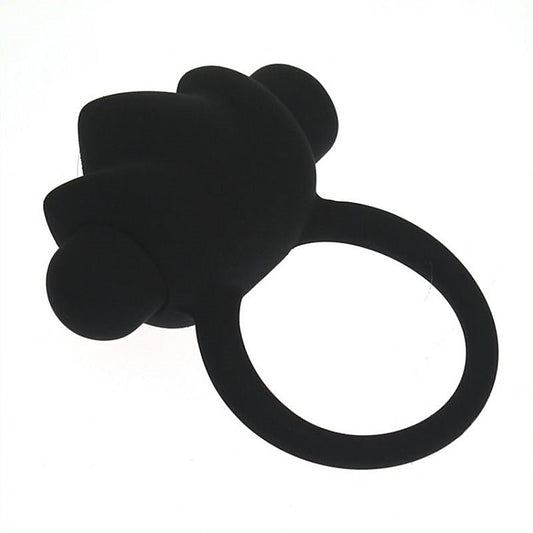


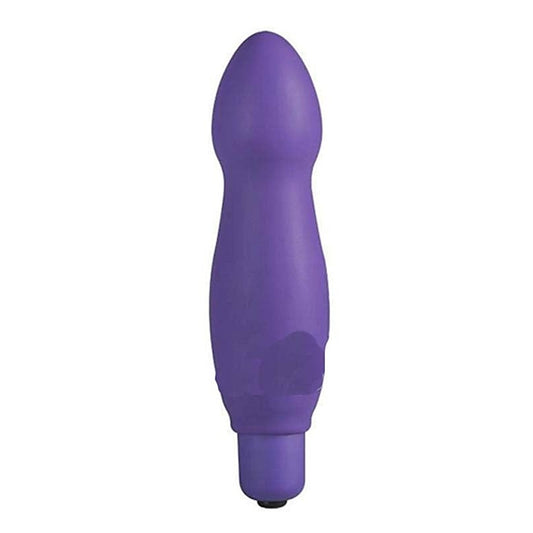

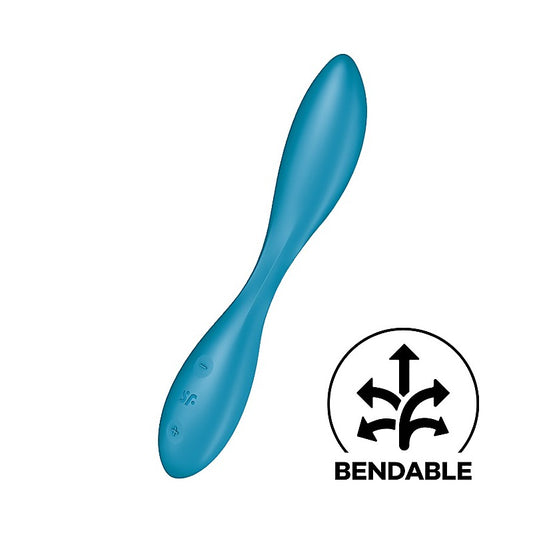









Vibrator materials—silicone, jelly, metal, glass, and ABS plastic—define how a vibrator feels, how safe it is, and what sensations it delivers. Each material has its own texture, weight, and temperature response, so choosing the right one means getting exactly the kind of stimulation you're after.
At a glance
|
🚚 Plain, discreet packaging • 🔒 Discreet billing • 🔁 Hygiene-conscious returns |
About Vibrator Materials
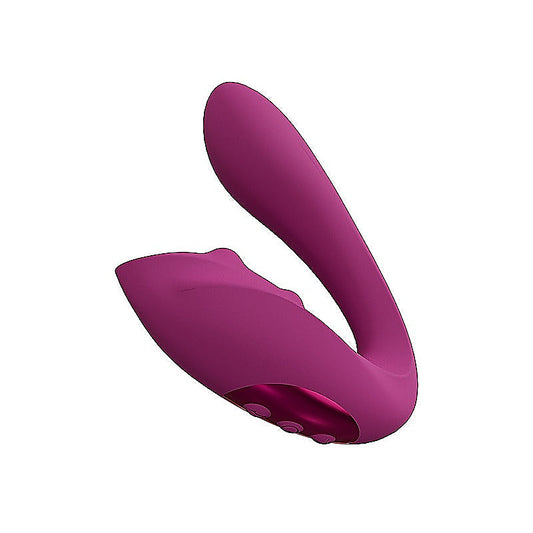
Vibrator materials are the foundation of how a vibrator feels and performs. Silicone offers a soft, skin-like texture and is hypoallergenic, making it ideal for sensitive skin. Jelly is flexible and forgiving, while metal and glass deliver firmness and smooth surfaces. ABS plastic is lightweight and durable. Each material caters to different preferences, whether you want something yielding or rigid, warm or temperature-responsive.
The material you choose affects not just sensation but also care, compatibility with lubricants, and longevity. Rechargeable Vibrators come in all these materials, so you can pick your preferred substance alongside your power source. Solo users often choose based on what texture they prefer; couples might pick different materials to vary their shared experience. Beginners typically start with silicone or jelly for their forgiving nature, while experienced users often explore glass or metal for firmer, more intense stimulation.
What makes Vibrator Materials different
What sets vibrator materials apart is how directly they shape your sensation. Silicone flexes and gives; metal stays rigid. Glass and metal conduct temperature, so you can warm them under warm water or cool them in the fridge before use. Jelly is the most flexible but less durable over time. Mini Vibrators in compact sizes let you experiment with different materials without a big investment. The material also determines how you clean it, what lubes work best, and how long it will last.
Types of Vibrator Materials
Vibrator materials break down into five main types, each with distinct qualities:
Silicone. Soft, smooth, and body-safe, medical-grade silicone is hypoallergenic and non-porous. It's forgiving on the body and works well for all experience levels. Always pair silicone vibrators with water-based lubricant.
Jelly. Flexible and yielding, jelly mimics natural tissue feel and suits people who prefer a softer, more realistic texture. It's less durable than other materials but affordable and beginner-friendly. Use water-based lubes only.
Metal. Stainless steel is firm, smooth, and non-porous, making it easy to clean and sterilise. Metal conducts temperature beautifully—warm it or cool it for different sensations. Large Vibrators in metal deliver intense, focused stimulation and suit advanced users. Metal works with any lube type.
Glass. Borosilicate glass is smooth, firm, and temperature-responsive like metal, with a luxurious feel. It's durable, non-porous, and ideal for temperature play. Glass suits all lube types and is easy to sanitise.
ABS plastic. Hard, lightweight, and budget-friendly, ABS plastic is durable and low-maintenance. It's a good entry point for exploring vibrators without spending much. Compatible with all lubes.
How they compare
| Style | Material | Best for | Sizing | Notes |
|---|---|---|---|---|
| Classic vibrator | Silicone | Soft, forgiving stimulation; beginners and sensitive skin | Up to 200 mm | Hypoallergenic; requires water-based lube only |
| Flexible vibrator | Jelly | Realistic, yielding texture; first-time users | Up to 180 mm | Affordable; less durable; water-based lube only |
| Firm vibrator | Metal | Intense, focused sensation; temperature play; advanced users | Up to 150 mm | Conduct heat and cold; works with all lubes; easy to clean |
| Premium vibrator | Glass | Luxury feel; temperature play; all experience levels | Up to 170 mm | Non-porous; durable; works with all lubes; beautiful to look at |
How to choose a vibrator material
Start by thinking about texture. Do you prefer soft and forgiving, or firm and unyielding? Silicone and jelly are gentler; metal and glass are more intense. If you like playing with temperature—warming or cooling the vibrator before use—metal and glass are your best bet. If you have sensitive skin or allergies, silicone is the safest choice. Budget matters too: ABS plastic and jelly are affordable; silicone is mid-range; metal and glass command higher prices but last longer.
Next, consider how you'll use it. Solo users can tailor their choice to personal preference alone. Couples might pick different materials to create variety in shared moments. Dual Stimulation Vibrators often combine materials—for example, a silicone shaft with a metal tip—so you get multiple sensations in one vibrator. Don't rush: start with a smaller size in your preferred material to test the feel before investing in a larger model. Always check lube compatibility: silicone and jelly need water-based lubes, while metal, glass, and ABS work with any type.
Tips from the Adultsmart team
Hard-won pointers from the Adultsmart team, alongside our panel of sexologists, educators, and adult-industry contributors. Meet our experts →
After years of helping customers choose vibrator materials, we've learned that texture preference is deeply personal and often surprising. Someone who thinks they want firm metal might discover they love the give of silicone, or vice versa. Don't assume based on what you've read online. If you're trying a material for the first time, buy a smaller, cheaper model to test it. A 120 mm silicone vibrator costs far less than a 180 mm one, and you'll know instantly whether that material suits your body and preferences.
Temperature play is a game-changer for metal and glass users, but many people don't think to try it. Running a glass or metal vibrator under warm water for 30 seconds before use, or popping it in the fridge for a few minutes, completely changes the sensation. It's free, it's safe, and it opens up a whole extra dimension. Silicone and jelly won't conduct temperature the same way, so if temperature play appeals to you, metal or glass is worth the investment.
Durability matters more than people realise. Jelly vibrators are fun and affordable, but they degrade faster and can develop a sticky residue over time even with good care. Silicone, metal, and glass last years with proper cleaning. If you use a vibrator regularly, spending more upfront on silicone, metal, or glass means you won't be replacing it in six months. Glass is especially robust—we've seen glass vibrators survive drops that would wreck anything else.
| Please read — safety first. Charge only with the supplied cable and keep the charging port dry unless the sex toy is waterproof-rated. Pair and update through the official app, and switch the device off fully between sessions so the motor and battery aren't left under load. Never share between partners, or between anal and vaginal use, without cleaning the item first or using a fresh condom. As porous materials can harbour bacteria, use a condom over them for sharing or easy clean-up. This information is general in nature only and is not medical advice; it does not account for your individual circumstances. If you have a relevant health condition or experience any persistent discomfort, discontinue use and seek advice from a qualified medical professional. |
Care and cleaning
Clean your vibrator after every use with warm water and a sex toy-specific antibacterial spray or mild soap. Silicone, glass, and metal are non-porous and can handle thorough cleaning; jelly and ABS are more delicate. Never use harsh abrasives or bleach. Store in a cool, dry place away from direct sunlight and extreme heat. Silicone and jelly can degrade faster in heat; glass and metal are more stable. If your vibrator is rechargeable, keep the charging port dry and never submerge it unless the product explicitly says it's waterproof.
Learn more
Choosing the right vibrator material is just the start. For a deeper dive into what makes each vibrator work for you, read 11 Tips When Choosing A Vibrator. Our guide covers power, control, sizing, and real-world fit so you can narrow down your choice with confidence.
Why shop Vibrator Materials at Adultsmart
Ready to find the right one for how you play? Adultsmart stocks vibrators in every material type, so you can compare and choose based on what your body wants. We stock body-safe silicone, durable metal and glass, and budget-friendly options, all clearly labelled by material. Real advice, body-safe products, and discreet delivery Australia-wide.
Vibrator Materials FAQ
Which vibrator material is safest for sensitive skin?
Silicone is hypoallergenic and gentle; test all materials for comfort.
Can I use metal vibrators for anal play?
Yes, with a flared base and ample lube for safe, comfortable use.
Can glass vibrators be heated or cooled?
Yes, place in warm or cool water for safe temperature play.
Are jelly vibrators safe to use?
Yes, if body-safe; check for phthalate-free options to avoid irritation.
How do I clean different vibrator materials?
Use antibacterial cleaner for silicone, jelly, and ABS; soap and water for glass and metal.
Do metal vibrators feel heavy during use?
They’re heavier but designed for comfortable handling; start with smaller sizes.
Can ABS plastic vibrators be used with silicone lubes?
Yes, ABS plastic is compatible with all lubricant types.
Are glass vibrators durable?
Yes, they’re made from tempered borosilicate glass, resistant to breaking.
Do silicone vibrators absorb odors?
No, high-quality silicone is non-porous and odor-resistant with proper cleaning.
Which material is best for intense vibrations?
ABS plastic and metal transmit vibrations strongly; test for preference.
Recently Viewed Products
Example product title
- $19.99
- $19.99
- Unit price
- per
Example product title
- $19.99
- $19.99
- Unit price
- per
Example product title
- $19.99
- $19.99
- Unit price
- per
Example product title
- $19.99
- $19.99
- Unit price
- per
Example product title
- $19.99
- $19.99
- Unit price
- per
Example product title
- $19.99
- $19.99
- Unit price
- per
Example product title
- $19.99
- $19.99
- Unit price
- per
Example product title
- $19.99
- $19.99
- Unit price
- per
Example product title
- $19.99
- $19.99
- Unit price
- per
Example product title
- $19.99
- $19.99
- Unit price
- per
Why Shop With Adultsmart?
- Choosing a selection results in a full page refresh.