




-
HOLD ME TIGHT Vibrating Automatic Stroker by Evolved - BlackZero Tolerance HOLD ME TIGHT is a heated thrusting stroker with independent vibration and thrust motors. Featuring 10 vibration speeds and 7 thrust speeds, the insertable channel measures 13.3 cm long by 5.7 cm diameter and warms to 40–42°C. The detachable magnetic sleeve enables...
- $289.99
$299.99- $289.99
- Unit price
- per
-
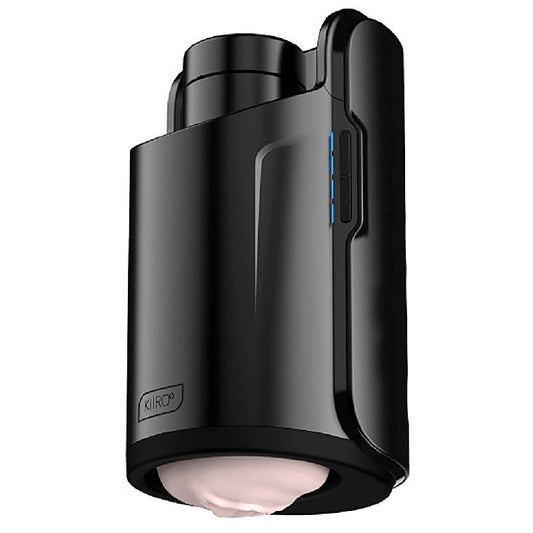
Keon Wifi by KIIROO Feel stroker NOT included - BlackThe Kiiroo Keon WiFi Interactive Automatic Stroker Controller is an automated male masturbator featuring Wi-Fi and Bluetooth connectivity that syncs with VR content, webcams, and partner devices. Standing 230 mm tall with adjustable stroke speeds up to 230 strokes per minute, it accommodates 30+...
- $254.99
$289.99- $254.99
- Unit price
- per
-
Keon WiFi Combo Set by KIIROO Feel Victoria June StarsThe Kiiroo Keon WiFi Combo Set with Feel Victoria June Stroker is a premium interactive male masturbator featuring 230 strokes per minute, WiFi and Bluetooth connectivity, and a textured TPE sleeve molded after adult performer Victoria June. The Keon measures 220x130x146 mm and weighs...
- $314.99
$359.99- $314.99
- Unit price
- per
-
Keon Wifi Combo Set by KIIROO Feel stroker included - BlackKiiroo Keon WiFi Combo Set With Feel Stroker is an interactive male masturbator featuring automatic stroking up to 230 strokes per minute with WiFi and Bluetooth connectivity. The set includes a textured TPE Feel Stroker and ergonomic grip handle, syncing with VR content and...
- $309.99
$349.99- $309.99
- Unit price
- per
-
VR Headset V3 Vibrator by KiirooThe KIIROO VR Headset V3 is a smartphone-compatible virtual reality headset designed for synchronized interactive play with Keon and PowerBlow devices. Weighing 282 grams with precision optics, it accommodates phones from 5.55 to 7.2 inches and delivers immersive visuals with minimal distortion. The ergonomic...
- $69.99
$79.99- $69.99
- Unit price
- per
-
Solace Luxury Sex Toy by LovenseLovense Solace is an automatic thrusting male masturbator delivering 280 strokes per minute with a 7 cm stroke length and textured internal sleeve. The device features 12.5-hour battery life, app-controlled speed adjustment, and includes a table holder for hands-free operation. It suits people seeking...
- $309.99
$374.99- $309.99
- Unit price
- per
-
Max 2 by Lovense with Neutral-Shaped SleeveLovense Max 2 is a rechargeable male masturbator sleeve combining 360° contraction technology with seven vibration patterns. Measuring 9 inches long with 6.5 inches of insertable depth and 2.54-inch width, it delivers adjustable suction control and app-based customization. The removable TPE inner sleeve with...
- $219.99
$254.99- $219.99
- Unit price
- per
-
SonicPull 10 Functions Suction Male Masturbator - Metallic BlueShots PUMPED SonicPull 10 Functions Suction Male Masturbator is a dual-motor suction and vibration masturbator designed for penile stimulation and erection enhancement. Measuring 9.84 inches overall with a 5.51-inch insertable length and 3.35-inch diameter, it delivers 10 vibration speeds plus suction functions. The rechargeable...
- $154.99
$169.99- $154.99
- Unit price
- per
-
Shots PUMPED Virtuo 10 Function Vibrating Male Masturbator - Metallic RedShots PUMPED Virtuo is a dual-motor male masturbator with 9 vibration speeds, suction function, and heating capability. Measuring 5.91 inches insertable length with a 3.15-inch inner diameter, it features 45-minute battery life and splashproof construction. It suits men seeking combined suction, vibration, and warmth...
- $174.99
$194.99- $174.99
- Unit price
- per
-
Keon Combo Set White With Male Stroker by Kiiroo - BlackKiiroo Keon Combo Set White With Male Stroker is an automated stroking device paired with a premium TPE stroker, delivering up to 230 strokes per minute with FeelTechnology synchronization. The 220 x 30 x 146mm device operates for 30 minutes to 2 hours per...
- $474.99
$549.99- $474.99
- Unit price
- per
-
Keon Male Stroker Pack Realistic Luxury by KiirooKiiroo Keon Stroker Pack is an interactive male masturbator featuring automatic stroking up to 230 strokes per minute with real-time synchronization to VR content, interactive videos, and webcam performances. The USB-rechargeable device connects to FeelMe.com and PornHub, delivering synchronized pleasure that responds to on-screen...
- $429.99
$479.99- $429.99
- Unit price
- per
-
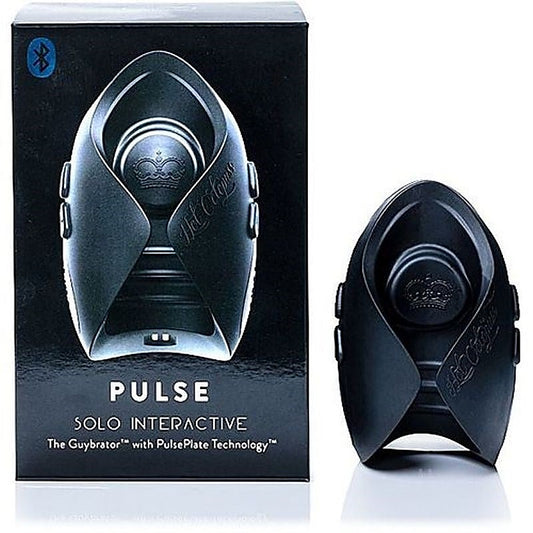
X Kiiroo Pulse Solo Interactive by Hot OctopussHot Octopuss x Kirov Pulse Solo Interactive is a hands-free pleasure device featuring oscillating Pulse Plate technology and app-controlled vibration patterns. Measuring 5.5 inches long with a rechargeable battery, it delivers touch-free stimulation through customizable intensity levels via mobile app. The silicone construction supports...
- $254.99
$369.99- $254.99
- Unit price
- per
-
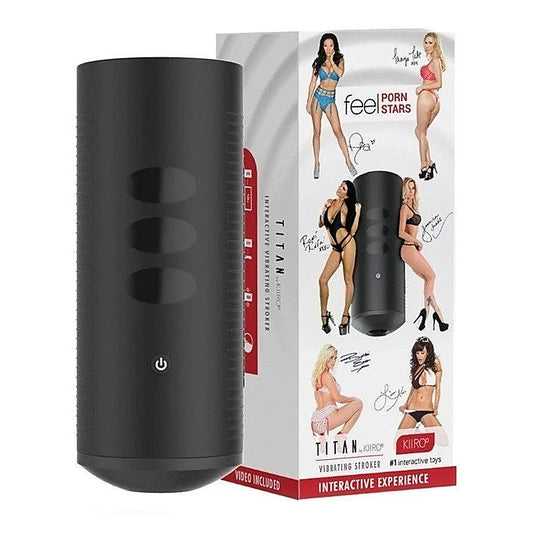
Titan FeelPornStars Experience by KiirooTitan by Kiiroo FeelPornStars Experience is an interactive masturbator combining ABS plastic housing with a real-feel TPE sleeve. Measuring 221mm long with 87mm diameter, it features nine vibrating bullets, touch-sensitive controls, and connectivity for over 4,000 interactive videos. The 1000mAh battery delivers 30-40 minutes...
- $234.99
$299.99- $234.99
- Unit price
- per
-
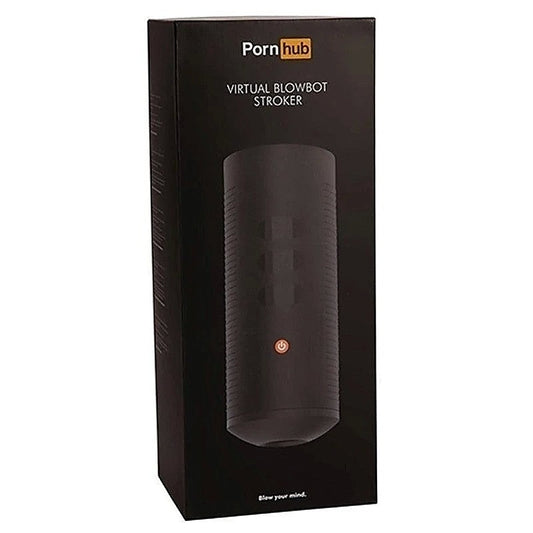
Pornhub Kiiroo Interactive Blowbot Stroker Black by KiirooPornhub KIIROO Interactive Blowbot Stroker Black is an interactive stroker designed for synchronized pleasure with adult content and partner devices. Measuring 22.2 cm long with an 8.6 cm outer diameter and 1.5 cm inner opening, it features seven vibration modes and USB recharging. The...
- $244.99
$284.99- $244.99
- Unit price
- per
-
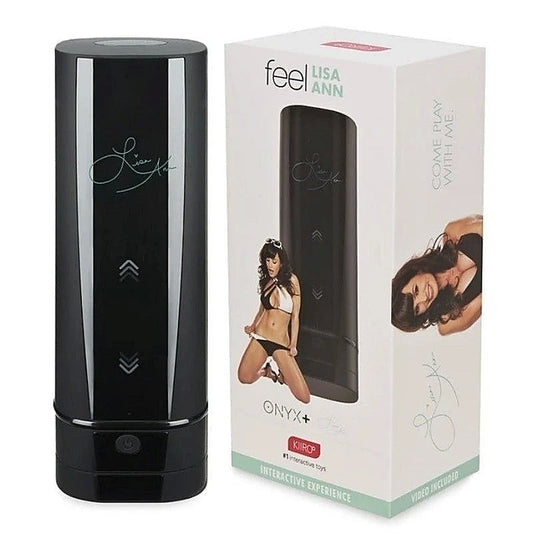
Onyx Lisa Ann Experience Rechargeable by KiirooOnyx+ Lisa Ann Experience is an interactive male masturbator by Kiiroo delivering up to 140 strokes per minute with Bluetooth connectivity for VR and video synchronization. Measuring 8.9 inches long, it features a custom real-feel sleeve, rechargeable lithium-ion battery, and ergonomic ABS plastic construction....
- $384.99
$444.99- $384.99
- Unit price
- per
VISIT XVIDEO FOR ADULT DVDS



Vibrating Double Penetrator with Remote by Passion Play
- Black
Passion Play Double Penetrator with Remote is a dual-chamber vibrator with 21 low-frequency patterns designed for internal male stimulation. Measuring 14.5 cm insertable length and 3 cm width, it delivers steady, deep vibrations via wireless remote control from up to 8 metres away. Made...
- $69.99
$74.99- $69.99
- Unit price
- per
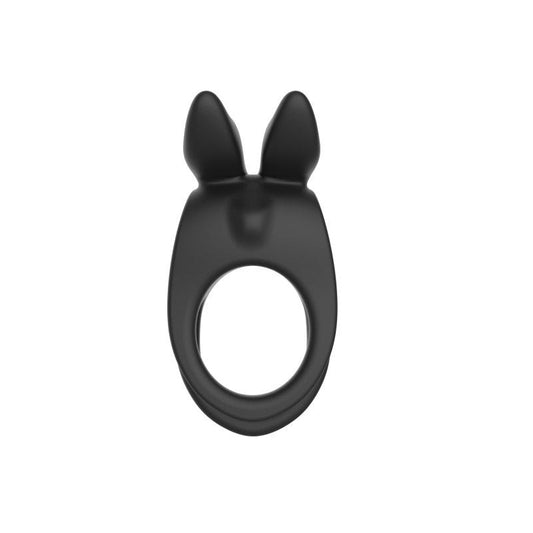
Men 10 Mode Vibrating Rabbit Cock Ring by Ashella
- Black
Ashella Men 10 Mode Vibrating Rabbit Cock Ring is a dual-ring vibrator designed for partnered stimulation and performance enhancement. Measuring 45.2 x 91.1 x 43.1mm with 10 vibration modes across 3 speed settings, it combines a supportive shaft and ball ring with external bunny...
- $34.99
$39.99- $34.99
- Unit price
- per
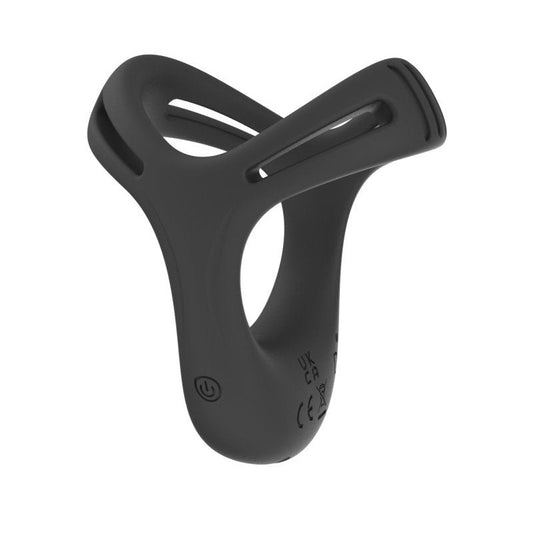
Men 10 Mode Vibrating Sling Ring by Ashella
- Black
Ashella Men 10 Mode Vibrating Sling Ring is a vibrating cock ring designed for enhanced support and dual-partner stimulation. Featuring 10 vibration modes across 3 speed settings, this silicone ring stretches to secure both shaft and balls for extended performance. At 63 x 55.5...
- $34.99
$39.99- $34.99
- Unit price
- per
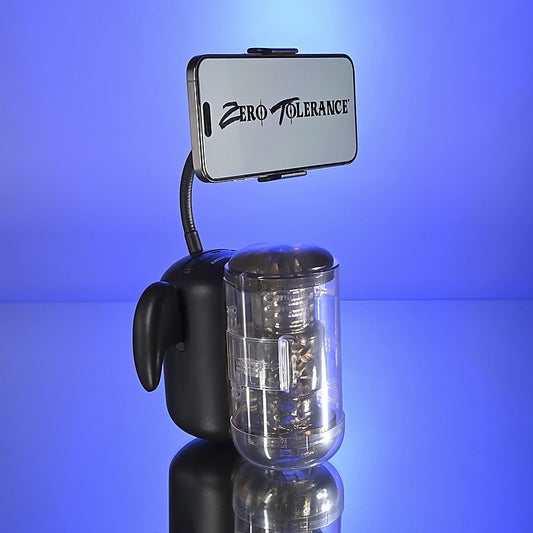

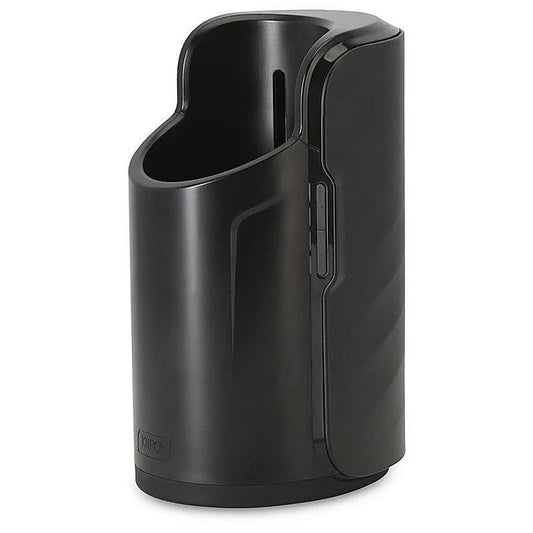

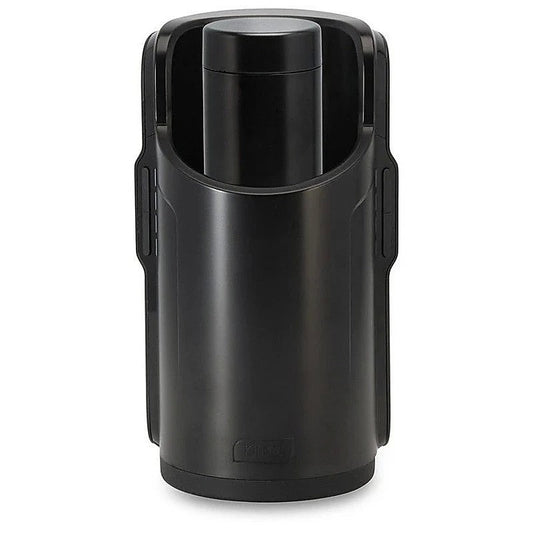

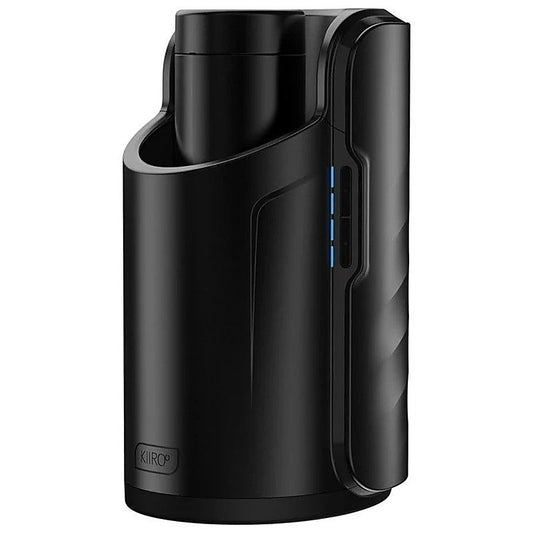

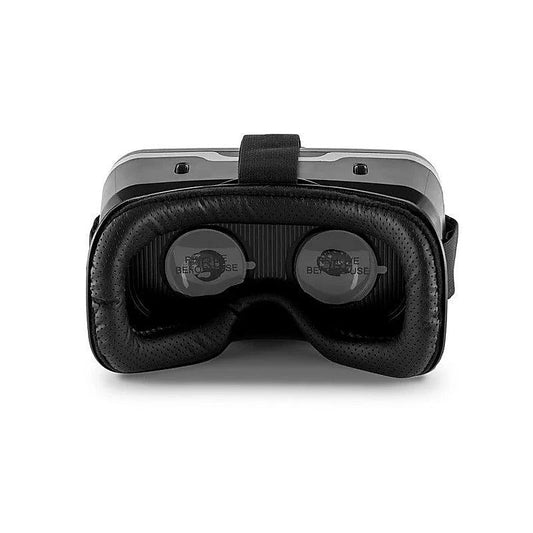

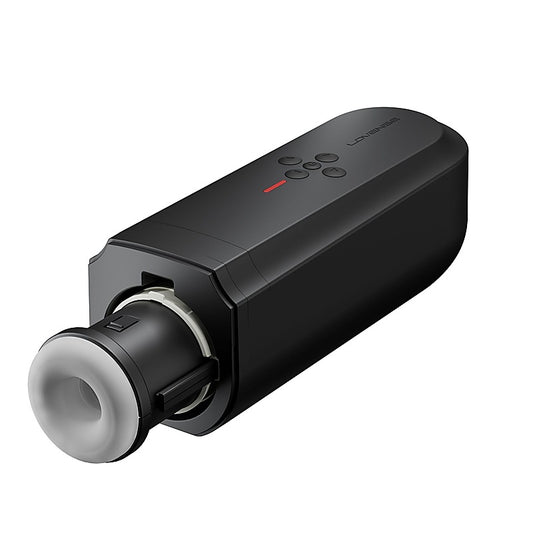

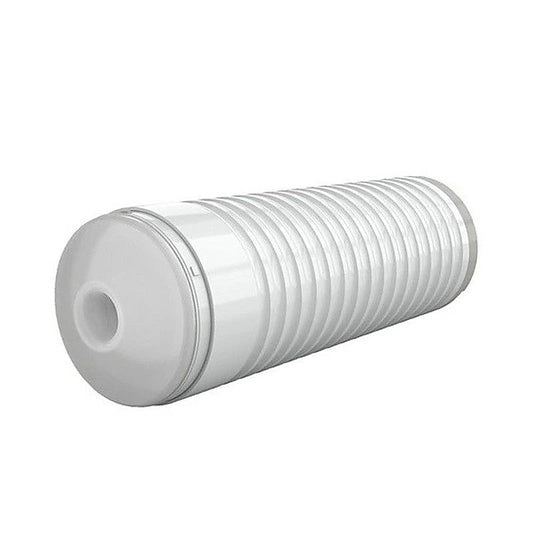

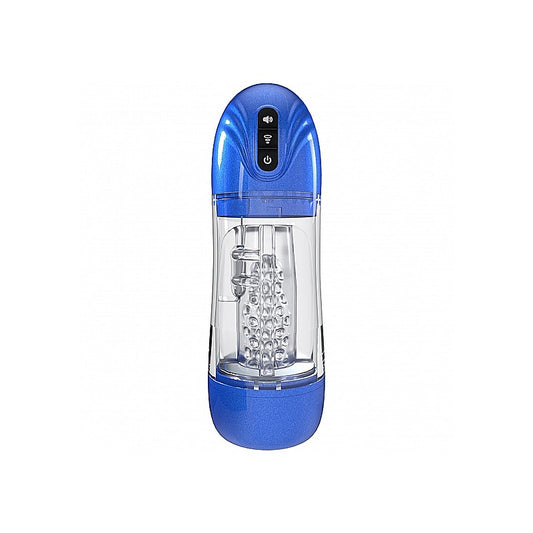

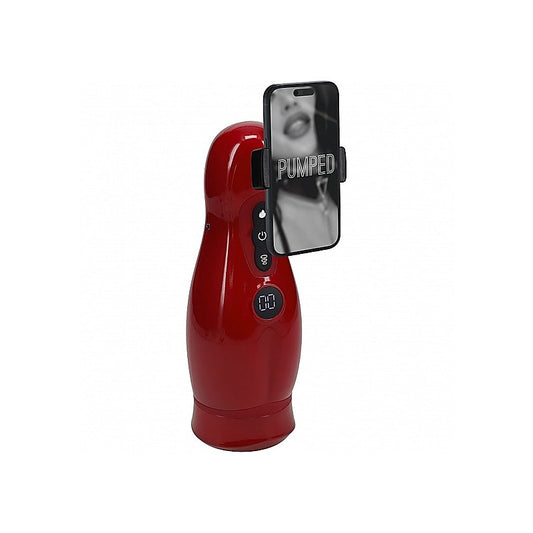

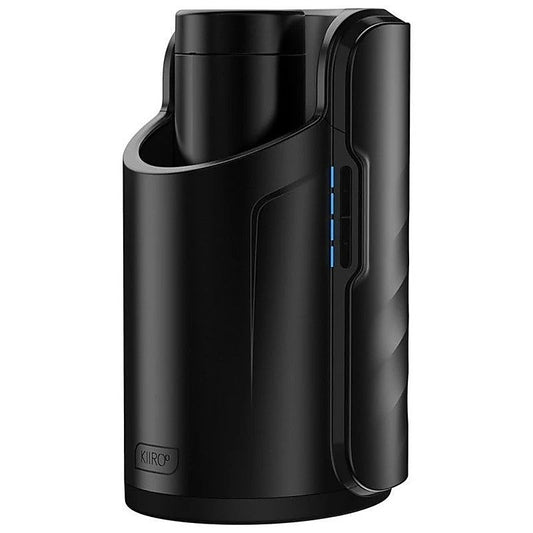






VR Compatible Strokers are Bluetooth-enabled masturbators that sync with virtual reality content in real-time, matching their stroking speed, vibration intensity, and patterns to on-screen action. They transform passive viewing into coordinated physical sensation, combining visual, audio, and tactile feedback for deeper immersion.
At a glance
|
🚚 Plain, discreet packaging • 🔒 Discreet billing • 🔁 Hygiene-conscious returns |
About VR Compatible Strokers
VR Compatible Strokers use wireless protocols to connect with VR headsets, computers, or smartphones running interactive content. The synchronization software reads video timestamps or receives direct signals from compatible videos, triggering motor patterns that match on-screen intensity and rhythm in real-time. This creates a coordinated experience where physical sensation aligns with what you're viewing, reducing the disconnect between passive watching and manual stimulation.
These strokers come in various designs, from compact handheld models to larger devices with multiple grip zones. Materials typically include medical-grade silicone sleeves for comfort and durability, paired with plastic or metal bodies housing the motor and electronics. Automatic Male Strokers offer similar hands-free convenience but without VR synchronization, making them a simpler alternative if app-based control isn't your priority.
What makes VR Compatible Strokers different
Unlike standard strokers or vibrators, these devices eliminate the manual coordination between what you see and what you feel. The automated sync means your focus stays on immersion rather than timing your own movements. This level of integration sets them apart from non-connected strokers and even from standalone vibrators like Jelly Vibrators, which don't respond to external content.
Types of VR Compatible Strokers
VR Compatible Strokers come in several designs to suit different preferences and experiences.
App-synced strokers. These pair via Bluetooth to your phone or computer and sync with videos through a dedicated app. They're often more affordable and work with a wider range of content platforms.
Headset-integrated strokers. Designed to work directly with VR headsets, these models receive sync signals built into the headset software itself, minimizing lag and offering tighter synchronization with premium VR experiences.
Multi-mode strokers. These combine VR sync capability with manual control modes, allowing you to switch between automated and hands-on stroking depending on your preference or the content available.
Advanced haptic strokers. Metal Vibrators sometimes incorporate similar haptic feedback technology, and the most sophisticated VR strokers use complex haptic libraries that translate specific visual actions into precise vibration frequencies and stroking patterns.
How they compare
| Model type | Material | Best for | Control or base | Safety |
|---|---|---|---|---|
| App-synced stroker | Silicone sleeve, plastic body | Budget-conscious users starting with VR sync | Bluetooth to smartphone or PC app | Water-based lube only; check condom compatibility |
| Headset-integrated stroker | Silicone sleeve, reinforced plastic | VR headset owners wanting minimal lag | Direct headset integration, minimal setup | Follow headset manufacturer safety guidelines |
| Multi-mode stroker | Silicone sleeve, metal or plastic body | Users wanting both sync and manual control | App sync plus manual speed buttons | Water-based lube; test manual mode with condom first |
| Advanced haptic stroker | Premium silicone, metal internals | Experienced users seeking maximum immersion | Complex app with haptic library customization | Premium build; follow care instructions closely |
How to choose a vr compatible stroker
Start by checking what VR platform you already own or plan to use. Some strokers sync only with specific apps or headsets, while others work across multiple platforms. Download the companion app on a trial basis if possible to confirm it's intuitive for you. Check battery life against your typical session length—most strokers last one to three hours per charge, which may or may not suit your routine.
Consider the size and grip comfort as well. VR strokers vary in length, diameter, and handle design, and comfort matters during longer sessions. Read user reviews on fit and noise level, since some models are quieter than others. If you're new to VR stroking, start with an entry-level Large Vibrators option that offers manual control as a fallback, so you're not locked into app-based sync if you want to switch things up.
Tips from the Adultsmart team
Hard-won pointers from the Adultsmart team, alongside our panel of sexologists, educators, and adult-industry contributors. Meet our experts →
After years of helping customers with VR Compatible Strokers, the biggest mistake we see is poor app setup. Download the app weeks before you plan to use the stroker, not minutes before. Create your account, update the software, and test Bluetooth pairing in advance. A weak or unstable connection ruins immersion faster than anything else, and troubleshooting on the fly kills the mood.
Charging discipline is underrated. These strokers often take two to three hours to charge fully, and battery life can drop if you regularly run them flat. Charge after use when you remember, not when you want to use it next. Also, not all VR content is actually compatible with every stroker—check the app's content library before assuming your favorite video will sync. Some strokers have thousands of compatible titles; others have dozens.
Finally, lube choice matters more than most people think. Always use water-based lubricant with these devices; silicone lube can degrade the sleeve material over time, and oil-based lubes trap moisture inside the motor housing. Start with less lube than you think you need—you can always add more, but over-lubrication makes the grip feel loose and reduces the sensation of sync.
| Please read — safety first. Charge only with the supplied cable and keep the charging port dry unless the sex toy is waterproof-rated. Pair and update through the official app, and switch the device off fully between sessions so the motor and battery aren't left under load. Never share between partners, or between anal and vaginal use, without cleaning the item first or using a fresh condom. This information is general in nature only and is not medical advice; it does not account for your individual circumstances. If you have a relevant health condition or experience any persistent discomfort, discontinue use and seek advice from a qualified medical professional. |
Care and cleaning
Clean your stroker after every use by hand-washing the sleeve and body with warm water and mild soap. Dry all external surfaces thoroughly before storing. Never submerge the motor housing or charge port in water. Allow the stroker to air-dry completely before recharging, and store it in a cool, dry place away from direct sunlight. Check the manufacturer's care guide for any specific material warnings, especially if your model uses premium silicone or metal components.
Learn more
VR technology is reshaping how people connect and experience pleasure together. For insights into the broader impact of this tech on relationships and shared experiences, read The Impact Of Vr Technology On Relationships.
Why shop VR Compatible Strokers at Adultsmart
Ready to shop with the details sorted? Adultsmart stocks a curated range of VR Compatible Strokers from trusted brands, with full technical specs and real user reviews to help you choose. We offer discreet packaging and billing, fast Australian delivery, and our team is available to answer questions about compatibility, setup, or care. Trusted Australian adult retailer — discreet, knowledgeable, and here to help.
VR Compatible Strokers FAQ
Do script-based VR strokers require individual file downloads for each video?
Most platforms maintain centralized script databases automatically downloading timing files when compatible content plays, eliminating manual file management. Some niche content requires manual script sourcing from community repositories if official libraries lack coverage.
Do interactive VR experiences require more powerful stroker motors than passive synchronization?
Interactive content may demand wider intensity ranges and faster pattern transitions supporting responsive user-driven scenarios versus predictable linear video sequences. The motor capability requirements increase when supporting dynamic branching content versus predetermined scripts.
Can real-time analysis systems accurately interpret all video content types?
Computer vision algorithms perform best with clear foreground action and consistent lighting, struggling with rapid cuts, artistic angles, or obscured activity. Analysis accuracy varies by software sophistication, with premium systems handling complex scenes better than basic implementations.
How does interactive platform content differ from passive synchronized video experiences?
Interactive scenarios incorporate branching narratives where user choices affect story progression and corresponding stimulation patterns, creating agency absent from linear video. The responsive control adds engagement dimensions beyond passive viewing synchronized to predetermined sequences.
Do universal protocol strokers sacrifice synchronization quality for broader compatibility?
Standardized communication frameworks enable cross-platform function but may lack optimization for specific content types that proprietary systems fine-tune. The trade-off favors content variety over maximum precision in any single ecosystem.
Can Bluetooth latency disruptions significantly impact VR immersion quality?
Noticeable delays exceeding 200 milliseconds create disconnect between visual and physical stimulation, breaking presence illusion. Quality systems incorporate latency compensation maintaining acceptable synchronization despite wireless transmission delays.
How do VR stroker subscriptions compare to one-time purchase content models?
Subscription platforms provide extensive rotating libraries justifying ongoing costs through content volume, while purchase models offer permanent access to selected content without recurring fees. User preference depends on consumption frequency and content variety desires.
Do WiFi-connected VR strokers require high-speed internet for synchronization functionality?
Local synchronization between devices and apps on the same network requires minimal bandwidth, though streaming VR content demands stable connections supporting high-resolution video. Network quality impacts content delivery more than device communication.
Can VR compatible strokers function as standard rechargeable devices without connectivity features?
Most models operate in standalone mode using preset patterns when not connected to content, maintaining utility even without active synchronization. The manual modes typically offer fewer pattern options than dedicated non-connected devices prioritize.
How does haptic feedback library size affect VR stroker stimulation variety?
Extensive haptic libraries translate diverse on-screen actions into distinct physical sensations, while limited libraries repeat similar patterns across different content. Library depth significantly impacts long-term engagement as users notice pattern repetition in restricted systems.
Recently Viewed Products
Example product title
- $19.99
- $19.99
- Unit price
- per
Example product title
- $19.99
- $19.99
- Unit price
- per
Example product title
- $19.99
- $19.99
- Unit price
- per
Example product title
- $19.99
- $19.99
- Unit price
- per
Example product title
- $19.99
- $19.99
- Unit price
- per
Example product title
- $19.99
- $19.99
- Unit price
- per
Example product title
- $19.99
- $19.99
- Unit price
- per
Example product title
- $19.99
- $19.99
- Unit price
- per
Example product title
- $19.99
- $19.99
- Unit price
- per
Example product title
- $19.99
- $19.99
- Unit price
- per
Why Shop With Adultsmart?
- Choosing a selection results in a full page refresh.