




-
Secure, Stylish Metal Slave Collar by BDStyleBDStyle Mouaward is a stainless steel slave collar designed for BDSM power exchange and bondage play. Measuring 14 inches in circumference with adjustable buckle closure, it features a sturdy D-ring attachment point for leashes and chains. The polished metal construction provides secure control and...
- From $62.99
$69.99- From $62.99
- Unit price
- per
-
Stainless Steel Posture Bondage Collar by BDStyleElaines Stainless Steel Posture Collar by BDStyle is a rigid restraint collar designed for power exchange dynamics. Measuring 3 inches in height with adjustable sizing from 12.5–16.5 cm internal diameter, it features a locking roller buckle and welded tri-ring attachment points. The faux leather...
- $71.99
$79.99- $71.99
- Unit price
- per
-
Heavy Stainless Steel Collar XL by Hell's CoutureHeavy Stainless Steel Collar XL by Hell's Couture is a premium BDSM collar crafted from medical-grade stainless steel, measuring 180mm in diameter with 7mm thickness. The collar features a 23mm O-ring attachment point and secure allen screw closure, delivering substantial weight without compromising comfort...
- From $54.99
$69.99- From $54.99
- Unit price
- per
-
Steel wire bondage play neck collars by BDStyleBDStyle Stainless Steel Unisex Slave Collar is a bondage neck restraint crafted from high-quality stainless steel with adjustable brass locks. Designed for power exchange play, it accommodates various neck sizes through customizable lock positioning. The polished metal construction conducts temperature naturally and resists corrosion,...
- $125.99
$139.99- $125.99
- Unit price
- per
-
Stainless Steel Collar With Movable O-RingHell's Couture Stainless Steel Collar with Movable O-Ring is a premium restraint collar constructed from polished stainless steel with a key-lock closure. Measuring 2.2 cm in width with 0.5 cm thickness, it features a sliding O-ring that repositions along the collar's circumference for flexible...
- $49.99
$59.99- $49.99
- Unit price
- per
-
Spiked Metal BDSM Collar by Hell's CoutureHell's Couture Spiked Metal BDSM Collar is a surgical steel restraint collar featuring aggressive spikes and an Allen Key locking mechanism. Available in sizes from 140mm to 180mm diameter with 20mm depth, it includes O-ring attachment points for chains and leads. Designed for experienced...
- $69.99
$119.99- $69.99
- Unit price
- per
VISIT XVIDEO FOR ADULT DVDS



Vibrating Double Penetrator with Remote by Passion Play
- Black
Passion Play Double Penetrator with Remote is a dual-chamber vibrator with 21 low-frequency patterns designed for internal male stimulation. Measuring 14.5 cm insertable length and 3 cm width, it delivers steady, deep vibrations via wireless remote control from up to 8 metres away. Made...
- $69.99
$74.99- $69.99
- Unit price
- per
Men 10 Mode Vibrating Rabbit Cock Ring by Ashella
- Black
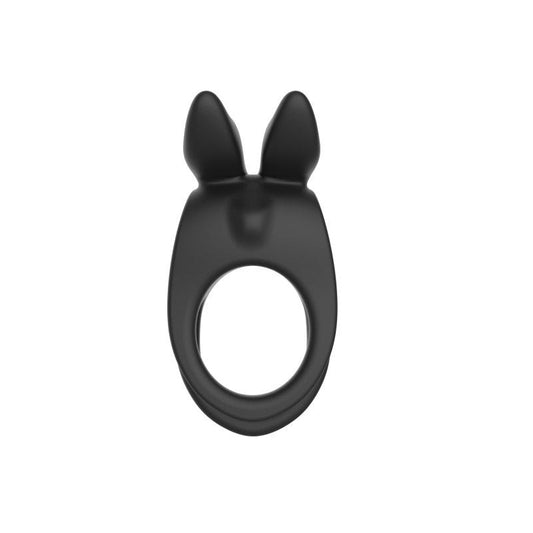
Ashella Men 10 Mode Vibrating Rabbit Cock Ring is a dual-ring vibrator designed for partnered stimulation and performance enhancement. Measuring 45.2 x 91.1 x 43.1mm with 10 vibration modes across 3 speed settings, it combines a supportive shaft and ball ring with external bunny...
- $34.99
$39.99- $34.99
- Unit price
- per
Men 10 Mode Vibrating Sling Ring by Ashella
- Black
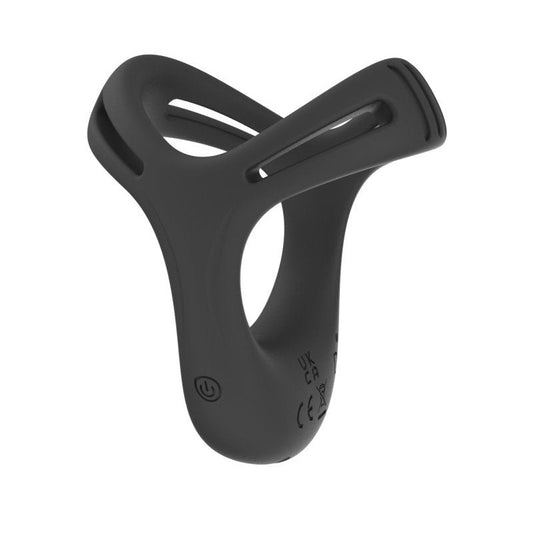
Ashella Men 10 Mode Vibrating Sling Ring is a vibrating cock ring designed for enhanced support and dual-partner stimulation. Featuring 10 vibration modes across 3 speed settings, this silicone ring stretches to secure both shaft and balls for extended performance. At 63 x 55.5...
- $34.99
$39.99- $34.99
- Unit price
- per
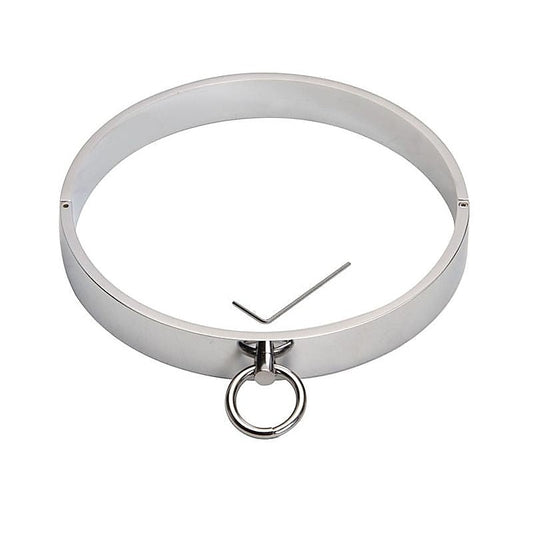


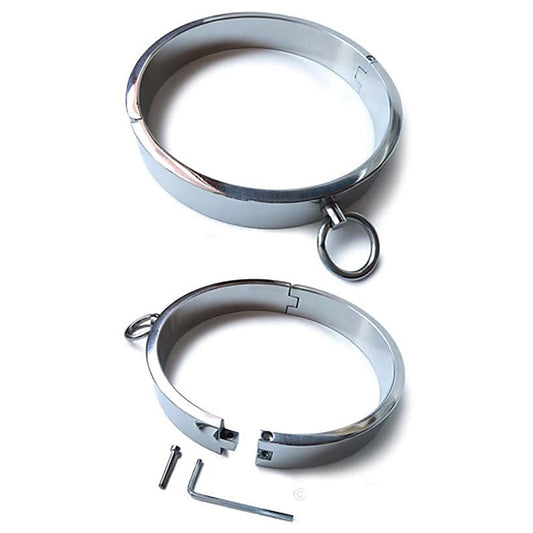

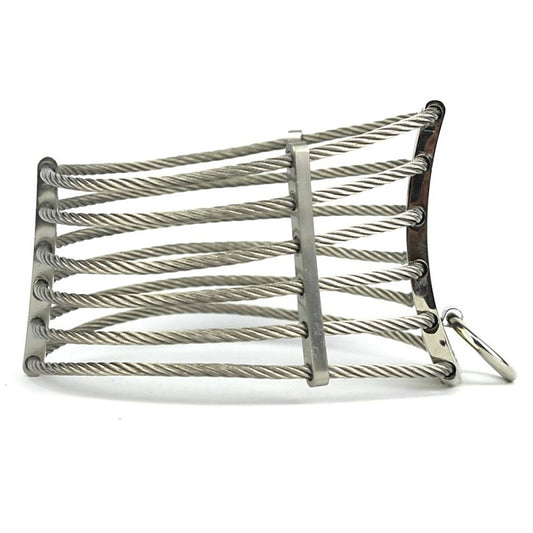

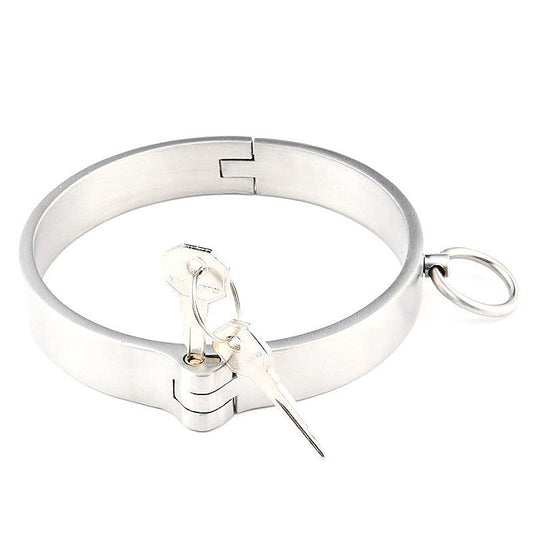

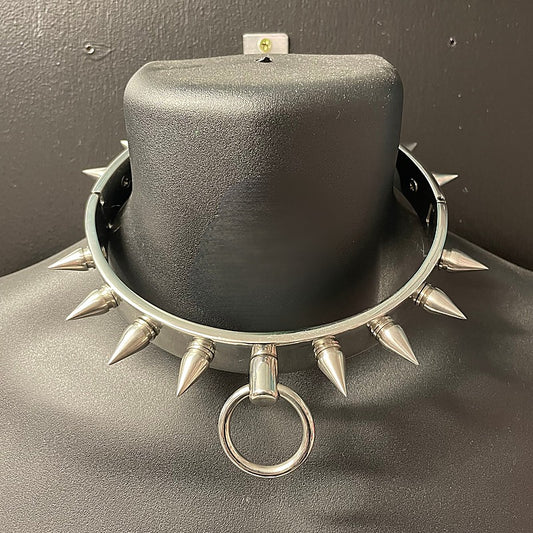

Stainless steel collars are locked metal neck restraints designed for BDSM power exchange, ownership display, and submissive scenes. Built from solid steel bands that fasten with keys, they create permanent collar wear with weight, cold contact, and genuine restraint that fabric or leather cannot match.
At a glance
|
🚚 Plain, discreet packaging • 🔒 Discreet billing • 🔁 Hygiene-conscious returns |
About Stainless Steel Collars
Stainless steel collars are rigid metal restraints that lock around the neck to signify ownership and submission within BDSM relationships. Made from medical-grade stainless steel, they provide a hypoallergenic, body-safe option for full-time wear. The solid band construction creates constant physical awareness through cold metal contact, substantial weight on the neck, and audible sounds with head movement. Unlike adjustable leather or fabric collars, steel collars maintain fixed positioning and cannot be removed without the dominant partner's key or tools.
These collars suit experienced BDSM practitioners in established power exchange relationships who understand the commitment and safety considerations of locked neck restraint. Bondage Collars offer a wider range of materials and styles for various experience levels, but stainless steel collars specifically appeal to submissives seeking authentic, permanent ownership symbols where collar removal requires dominant permission and genuine dependency.
What makes Stainless Steel Collars different
Steel collars deliver physical restraint and psychological impact that other collar materials cannot replicate. The rigid construction prevents rotation, slipping, or adjustment, maintaining exact positioning throughout daily activities. Cold metal pressing constantly against throat skin reinforces submissive headspace and owned status in ways fabric or leather collars do not. The weight and inflexibility create undeniable physical presence and audible metallic cues, transforming the wearer into visibly owned property. While Enemas and Douches serve different BDSM purposes, steel collars provide the permanent, locked restraint element unique to this category.
Types of Stainless Steel Collars
Stainless steel collars come in several designs suited to different wear preferences and power exchange dynamics.
Fixed band collars. Solid metal bands that lock with a padlock or integrated clasp, offering no size adjustment once fitted. These suit full-time wear and create maximum psychological impact through permanent, unyielding restraint.
Hinged collars. Two-piece designs that open and close like a hinge, making them easier to put on and remove with a key. The hinge joint reduces comfort during extended wear but allows quicker access for hygiene or emergency release.
Posture collars. Taller steel bands that restrict neck movement and force the head upright, reinforcing submission through physical control. These demand careful sizing and are best suited to experienced practitioners, though Tail Butt Plugs and other BDSM items can complement posture collar wear.
Locking day collars. Sleeker, lower-profile designs that sit closer to the collarbone, allowing wear under clothing for discreet public ownership. These balance visible restraint with workplace or social discretion.
How they compare
| Style | Material | Best for | Skill level | Notes |
|---|---|---|---|---|
| Fixed band collar | Medical-grade stainless steel | Full-time wear, permanent ownership display | Advanced | No adjustment after fitting; maximum psychological impact; requires precise sizing |
| Hinged collar | Medical-grade stainless steel | Extended wear with easier on/off access | Advanced | Hinge joint reduces comfort; allows quicker removal for hygiene or emergencies |
| Posture collar | Medical-grade stainless steel | Neck control and forced upright positioning | Advanced | Restricts head movement; demands careful fitting; risk of neck strain if worn too long |
| Day collar | Medical-grade stainless steel | Discreet public wear and ownership signalling | Intermediate to Advanced | Lower profile sits under clothing; lighter weight; balances restraint with social discretion |
How to choose a stainless steel collar
Measure your neck circumference accurately before purchasing, as steel collars offer minimal adjustment after manufacture. Use a soft measuring tape placed where the collar will sit, and record the measurement to the nearest millimetre. Most retailers provide sizing guides; follow them precisely, as a collar that is too tight restricts breathing or swallowing, while one that is too loose rotates or slips and loses its restraint effect and psychological impact.
When fitted correctly, there should be enough space to fit two fingers flat between the steel and your throat skin. This gap ensures safe breathing, swallowing, and blood circulation without dangerous compression. Consider your intended wear pattern: full-time collars demand higher comfort standards and more precise sizing, while scene-specific collars can be slightly tighter for impact. Check that locking mechanisms function smoothly and that the dominant partner can access and operate the key easily. Unlike Vibrating Butt Plugs or other insertables, steel collars require no power or maintenance beyond occasional cleaning, but they do demand careful fitting and ongoing safety monitoring during wear.
Tips from the Adultsmart team
Hard-won pointers from the Adultsmart team, alongside our panel of sexologists, educators, and adult-industry contributors. Meet our experts →
After years of helping customers with stainless steel collars, the biggest mistake we see is underestimating how the fit changes over time. Neck size fluctuates with hydration, time of day, and body weight shifts. What fits perfectly in the morning might feel tight by evening. We always recommend customers wear their collar for short test periods before committing to full-time wear, and to discuss with their dominant partner how they'll monitor comfort and safety daily.
Many first-time buyers don't realise how much psychological weight a steel collar carries beyond its physical mass. The cold metal, the sound of the lock, the inability to remove it without permission—these elements trigger powerful headspace shifts. We've found that submissives new to steel collars benefit from starting with shorter wear sessions and building up gradually, especially if they're transitioning from fabric or leather collars. Communication with your dominant about how the collar makes you feel—both physically and emotionally—is essential.
Sizing is non-negotiable, and we cannot stress this enough. Do not guess or order a size hoping it will work. Come in and let us measure your neck properly, or use a soft tape measure at home and double-check the retailer's sizing chart. A collar that does not fit correctly is unsafe, uncomfortable, and defeats the purpose of the restraint. If you're ordering online, measure multiple times on different days to account for natural variation, and always order from retailers with clear return policies in case the fit is not right on arrival.
| Please read — safety first. Charge only with the supplied cable and keep the charging port dry unless the sex toy is waterproof-rated. Pair and update through the official app, and switch the device off fully between sessions so the motor and battery aren't left under load. This information is general in nature only and is not medical advice; it does not account for your individual circumstances. If you have a relevant health condition or experience any persistent discomfort, discontinue use and seek advice from a qualified medical professional. |
Care and cleaning
Stainless steel collars require minimal maintenance. Wipe the collar regularly with a soft, damp cloth to remove sweat, body oils, and dirt that can accumulate under the band. For deeper cleaning, use warm soapy water and a soft brush to reach the locking mechanism and any crevices. Dry thoroughly with a clean towel. Avoid harsh chemicals, bleach, or abrasive scrubbers that can damage the finish. Check the lock and hinges monthly to ensure they move smoothly and show no signs of rust or corrosion.
Learn more
Steel restraints offer unique benefits and risks within BDSM play. Our Steel Sex Toy Guide covers material safety, care, and best practices for all stainless steel BDSM gear. Read it to deepen your understanding of steel restraint and how to incorporate it safely into your power exchange.
Why shop Stainless Steel Collars at Adultsmart
Looking for a piece that actually fits how you play? Adultsmart stocks a carefully selected range of stainless steel collars in various styles and sizes, from day collars to full posture designs. We offer discreet packaging and billing so your purchase arrives private and confidential. Australia's adult lifestyle specialists, helping you buy with confidence.
Stainless Steel Collars FAQ
What neck measurements do I need before ordering a stainless steel collar?
Measure your neck circumference at the point where the collar will sit and add 2-2.5cm for safe fit. Steel collars should allow two fingers to slide between metal and throat when closed, providing secure ownership symbolism without compressing airways, blood vessels, or creating swallowing difficulties during wear.
How do I prevent skin irritation from steel collars during long-term wear?
Keep neck skin clean and dry, removing the collar periodically to check for pressure marks, chafing, or moisture buildup underneath the metal band. Apply thin fabric or medical tape between steel and skin to reduce friction and metal contact irritation during extended sessions, though this somewhat reduces the direct cold metal sensation that enhances collar psychology for many submissives.
Can I wear stainless steel collars during sleep or does this create safety risks?
Never sleep while wearing locked steel collars as this creates serious risks including positional asphyxiation, inability to remove the collar during breathing difficulties, and dangerous pressure if you roll onto your stomach. Reserve steel collar wear for supervised periods when you can signal distress and access keys for emergency removal.
Do wide posture collars restrict neck movement more than narrow bands?
Yes, wide 5-8cm steel collars severely limit looking down, turning your head, or tilting your neck by creating rigid barriers that contact jaw and collarbone simultaneously. Narrow 2-3cm bands allow relatively normal head movement while still providing ownership psychology through constant metal presence against throat skin without extreme physical restriction.
How long can I safely wear a stainless steel collar before needing removal?
Begin with 1-2 hour wear periods while monitoring for discomfort, skin irritation, or muscle fatigue from supporting the collar weight. Gradually extend duration as neck muscles adapt, though even experienced users should remove steel collars periodically to check skin condition and allow circulation recovery from the rigid metal pressure.
What locking mechanism provides the best security for steel collars?
Integrated key locks create the most secure and seamless appearance without external hardware, though they require backup release plans if locks fail. External padlock designs allow quick lock changes and provide visible security symbols but create bulk that may irritate skin. Choose based on whether you prioritize aesthetics or practical security flexibility.
Can stainless steel collars be worn in public or are they too obvious?
Narrow 2-2.5cm steel collars can hide under high-neck clothing or scarves for discrete public wear, though the weight and metal sounds during movement remain noticeable to the wearer. Wide posture collars prove too visible and restrictive for public settings, working better for private scenes or fetish events where BDSM gear display is acceptable and expected.
Does the weight of steel collars cause neck pain during extended wear?
Steel collar weight creates progressive neck muscle fatigue as you support 500-1000 grams pulling downward throughout wear duration. Start with lighter narrow collars before progressing to heavy wide bands, and remove collars immediately if you develop neck pain, headaches, or muscle spasms from the sustained downward pressure on cervical structures.
Should I choose steel collars with quick-release features or permanent locks?
Quick-release mechanisms provide important safety for emergencies including breathing difficulties, panic attacks, or lock failures that prevent normal key removal. However, these features reduce the psychological permanence and inescapability that many power exchange relationships seek from steel collars. Balance safety needs against desired restraint intensity based on your experience level and relationship dynamics.
Can I connect stainless steel collars to other bondage gear during scenes?
Most steel collars feature welded D-rings or O-rings that accept chains, ropes, or connection hardware for attaching to cuffs, furniture, or bondage frames. Verify connection points can handle tension loads before using collars as primary anchor points, as neck structures remain vulnerable to injury from excessive pulling forces during restraint or suspension attempts.
Recently Viewed Products
Example product title
- $19.99
- $19.99
- Unit price
- per
Example product title
- $19.99
- $19.99
- Unit price
- per
Example product title
- $19.99
- $19.99
- Unit price
- per
Example product title
- $19.99
- $19.99
- Unit price
- per
Example product title
- $19.99
- $19.99
- Unit price
- per
Example product title
- $19.99
- $19.99
- Unit price
- per
Example product title
- $19.99
- $19.99
- Unit price
- per
Example product title
- $19.99
- $19.99
- Unit price
- per
Example product title
- $19.99
- $19.99
- Unit price
- per
Example product title
- $19.99
- $19.99
- Unit price
- per
Why Shop With Adultsmart?
- Choosing a selection results in a full page refresh.