




-
Edge by Sportsheets Silicone Pinching Rods Nipple Toy - BlackSportsheets Edge Silicone Pinching Rods are flat silicone clamps designed for deliberate nipple compression and sensitive area stimulation. At 5.5 inches long with a fused design, they include 16 silicone rings in four sizes for customizable tension control. The flexible silicone-fiberglass construction delivers sustained...
- $59.99
$69.99- $59.99
- Unit price
- per
-
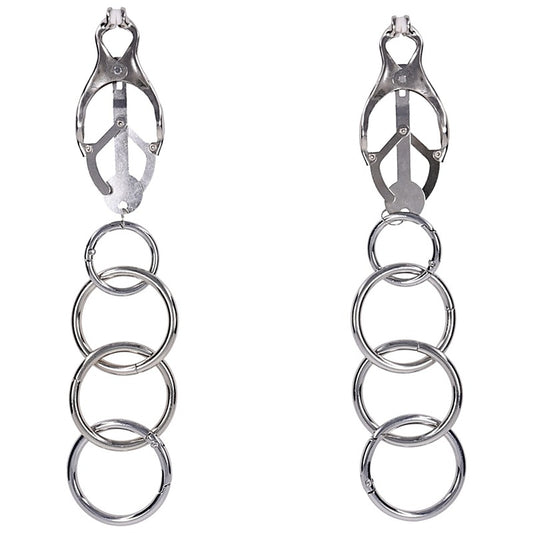
Edge by Sportsheets Tuggable Clover Clamps - BlackSportsheets Edge Tuggable Womens Clover Clamps are nipple clamps featuring progressive tension design with polished silver metal construction and textured silicone-tipped grips. The set includes two clamps, four connection rings, and two center-connected O-rings for customizable bondage play. Delivering deep pressure that intensifies with...
- $59.99
$69.99- $59.99
- Unit price
- per
-
Sex & Mischief Cougar Chained Nipple Clamps Nipple Clamps - GoldSportsheets Sex & Mischief Cougar Chained Nipple Clamps are precision-engineered clamps featuring a 42-centimeter gold chain with cursive lettering and dual-sided adjustable tension. The blue rubber-tipped design delivers customizable pressure for extended wear while maintaining aesthetic appeal. These clamps suit people seeking refined bondage...
- $24.99
$29.99- $24.99
- Unit price
- per
-
Sex and Mischief Cougar Nipple Clamps by Sportsheets - GoldSportsheets Sex & Mischief Cougar Nipple Clamps are precision-engineered clamps featuring adjustable thumb-screws and a 33-centimeter gold chain. The removable rubber covers allow customization between gentle and intense stimulation, while striking blue tips provide visual appeal. Suited for people exploring sensation play who want...
- $39.99
$49.99- $39.99
- Unit price
- per
-
Alligator Nipple Clamps with Bell and Chain by BDStyleBDStyle Alligator Nipple Clamps with Bell and Chain deliver adjustable pressure stimulation with rust-resistant metal construction and soft silicone tips. Measuring compact dimensions with an attached chain, these clamps feature tinkling bells that create auditory feedback during wear. The adjustable mechanism accommodates various sensitivity...
- $11.99
$14.99- $11.99
- Unit price
- per
-
Fetish Fantasy Women's Nipple Chain ClampsFetish Fantasy Women's Nipple Chain Clamps are adjustable sensory clamps featuring medical-grade rubber tips and a polished metal chain connector. The precision-calibrated tension mechanism allows customized pressure from gentle awareness to intense sensation, while the lightweight chain creates movement-responsive stimulation. Ideal for those exploring...
- $19.99
$24.99- $19.99
- Unit price
- per
-
Sex & Mischief Chained Nipple Clamps Nipple ClampsSex & Mischief Chained Nipple Clamps are adjustable metal clamps with silicone tips connected by a chain, measuring approximately 4 inches in length. The nickel-free metal construction with soft silicone padding delivers customizable pressure for nipple stimulation. These clamps suit people exploring sensation play...
- $19.99
$24.99- $19.99
- Unit price
- per
VISIT XVIDEO FOR ADULT DVDS



Vibrating Double Penetrator with Remote by Passion Play
- Black
Passion Play Double Penetrator with Remote is a dual-chamber vibrator with 21 low-frequency patterns designed for internal male stimulation. Measuring 14.5 cm insertable length and 3 cm width, it delivers steady, deep vibrations via wireless remote control from up to 8 metres away. Made...
- $69.99
$74.99- $69.99
- Unit price
- per
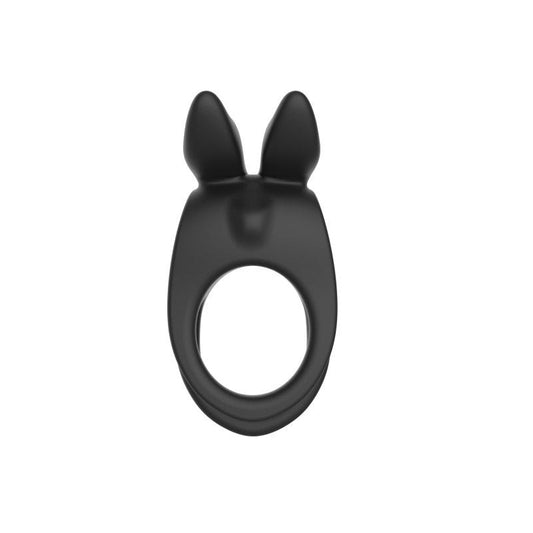
Men 10 Mode Vibrating Rabbit Cock Ring by Ashella
- Black
Ashella Men 10 Mode Vibrating Rabbit Cock Ring is a dual-ring vibrator designed for partnered stimulation and performance enhancement. Measuring 45.2 x 91.1 x 43.1mm with 10 vibration modes across 3 speed settings, it combines a supportive shaft and ball ring with external bunny...
- $34.99
$39.99- $34.99
- Unit price
- per
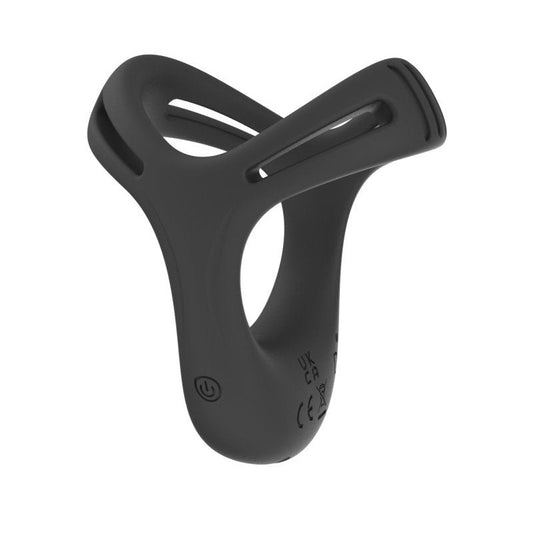
Men 10 Mode Vibrating Sling Ring by Ashella
- Black
Ashella Men 10 Mode Vibrating Sling Ring is a vibrating cock ring designed for enhanced support and dual-partner stimulation. Featuring 10 vibration modes across 3 speed settings, this silicone ring stretches to secure both shaft and balls for extended performance. At 63 x 55.5...
- $34.99
$39.99- $34.99
- Unit price
- per


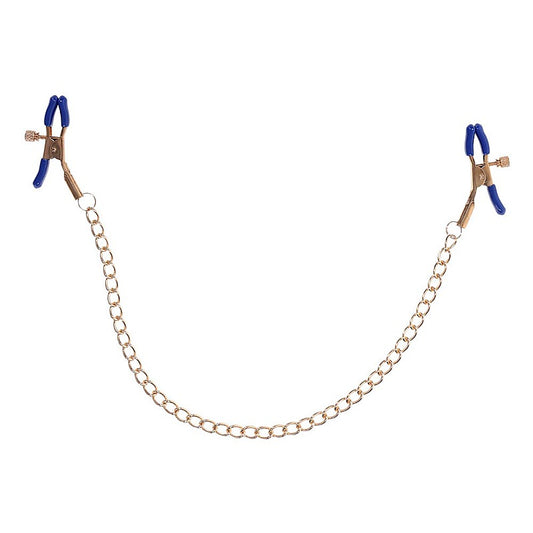

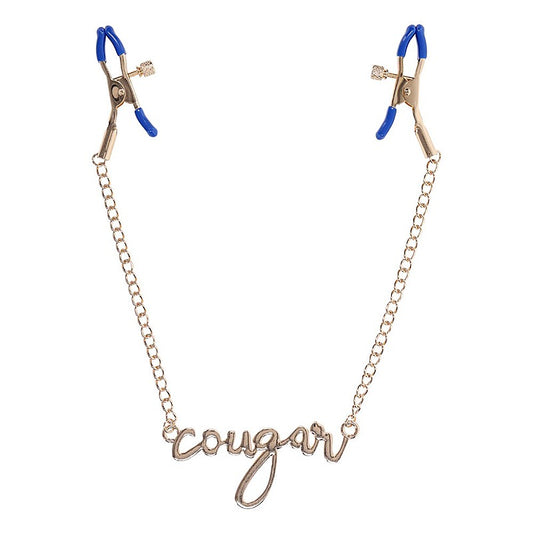

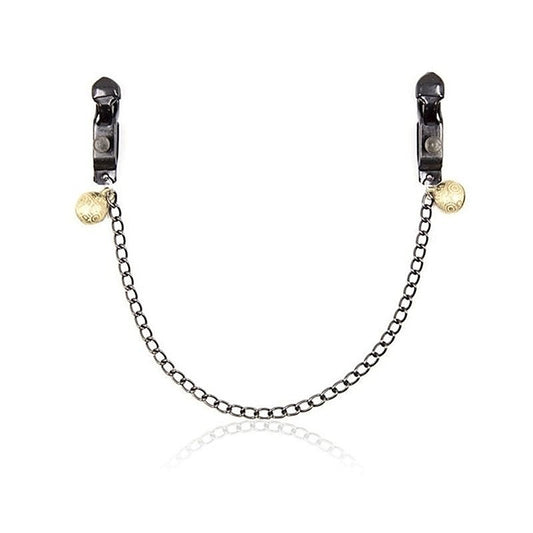

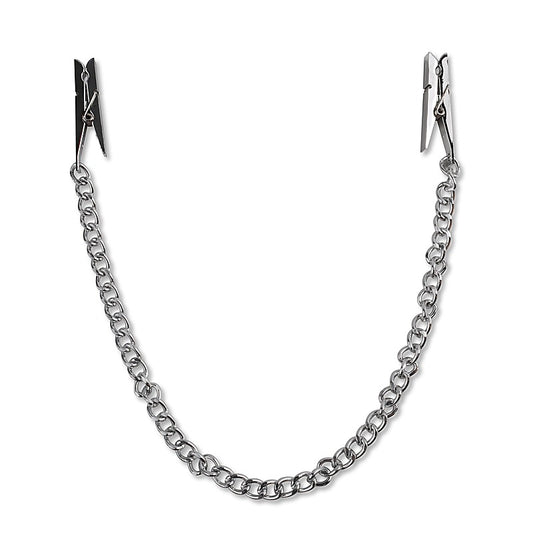



Chain clamps are bondage sex toys with two or more compression clamps linked by metal chains, creating coordinated sensations across multiple body points. They transmit pulling forces between attached locations, so movement in one area affects all connected points simultaneously during scenes.
At a glance
|
🚚 Plain, discreet packaging • 🔒 Discreet billing • 🔁 Hygiene-conscious returns |
About Chain Clamps
Chain clamps work by connecting individual compression points through metal link systems that transfer mechanical forces across body distances. When a submissive moves or struggles, the chain pulls on all attached clamps at once, creating cascading sensations that punish movement through coordinated discomfort. The chain length determines how much restriction occurs—short connections limit motion drastically, while longer chains allow measured movement that still transmits pulling awareness throughout the body.
Most chain clamps feature stainless steel construction with rubber or silicone-lined clamp heads to protect sensitive skin. Nipple Clamps connected by chain are the most common entry point, though genital clamps and multi-point configurations suit experienced players. These sex toys transform a submissive's body into a self-restraining system where natural impulses to shift position trigger immediate punishment through the chain network.
What makes Chain Clamps different
Unlike single clamps that create isolated sensations, chain-connected designs transmit movement between all attached points simultaneously. This creates predicament bondage scenarios without additional restraints—a submissive becomes responsible for managing their own stillness while the chain system enforces discipline through mechanical cause and effect. The psychological element differs significantly from static bondage; the ability to move exists, but carries immediate painful consequences. Pairing chain clamps with Themed Costumes can deepen the power dynamic during longer scenes.
Types of Chain Clamps
Chain clamp designs range from simple two-point connections to complex full-body networks.
Nipple chain clamps. The most popular configuration, connecting both nipples with adjustable tension and optional weights to increase baseline pulling sensation during wear.
Genital clamps. Designed for labia or scrotum with chain connections that create intense sensations during movement, suited to experienced players familiar with genital play. Check our Clearance Sale for discounted options across all clamp styles.
Multi-point configurations. Three or more clamps connected in sequence or to a central ring, creating complex sensory networks where tugging one area affects all other attachment points simultaneously for synchronized suffering.
How they compare
| Model | Material | Best for | Control or Base | Safety |
|---|---|---|---|---|
| Standard Nipple Chain Clamps | Stainless steel chain, rubber-lined clamp heads | Beginners and couples exploring predicament bondage | Screw-tightened compression, adjustable chain length | Removable clamps, clear tension control, non-toxic lining |
| Weighted Chain Clamps | Stainless steel with attached weights or rings | Experienced players seeking constant baseline tension | Fixed weight, chain length varies | Inspect attachment points regularly, monitor circulation |
| Adjustable Tension Clamps | Stainless steel with graduated screw mechanism | Players wanting precise control over clamp intensity | Fine-tuned screw adjustment, removable weights | Clear tension markings, easy to release quickly |
| Multi-Point Body Chains | Stainless steel chain, silicone-padded clamp heads | Advanced players exploring full-body sensation networks | Multiple connection points, varying chain segments | Requires clear safe word, never leave unattended during wear |
How to choose a chain clamp
Start by considering your experience level and the sensations you're targeting. Beginners should choose simple two-point nipple configurations with adjustable tension screws and a longer initial chain length—this gives you room to experiment without overwhelming sensation. Experienced players often prefer weighted variants or multi-point setups that create more complex predicament scenarios. Think about whether you want constant baseline tension (weighted models) or the ability to control intensity precisely (adjustable screw mechanisms).
Chain length matters significantly for how much restriction you'll experience. Short chains (5–10cm) severely limit movement and create intense pulling with any shift. Longer chains (15–20cm) allow more natural positioning while still transmitting awareness of the connection. Consider your body anatomy too—nipple spacing, genital sensitivity, and skin texture all affect clamp comfort. If you're combining chain clamps with other bondage gear like Bullet Vibrators or restraints, ensure the chain length doesn't tangle with other equipment. Always start with lower tension and build gradually as you learn your body's response.
Tips from the Adultsmart team
Hard-won pointers from the Adultsmart team, alongside our panel of sexologists, educators, and adult-industry contributors. Meet our experts →
After years of helping customers with chain clamps, we've noticed most first-timers underestimate how quickly sensation builds once movement begins. Start with the clamp screws barely tight—you should be able to fit a fingernail under the clamp head. Test the setup for five minutes while stationary before any movement or pulling begins. Many people find that sensation feels manageable until they try to shift position, then the chain suddenly transmits forces they weren't expecting. This is intentional, but knowing it's coming helps you prepare mentally.
The most common mistake is choosing a chain that's too short right away. A 5cm chain between nipple clamps feels restrictive immediately and limits your ability to find comfortable positions during longer scenes. We recommend starting with 10–15cm chains—you still get excellent predicament sensations when you move, but you have enough slack to breathe and adjust slightly without intense pulling. You can always upgrade to shorter chains once you understand your pain tolerance and how your body responds to the pulling sensation.
Stainless steel chains are genuinely low-maintenance, but inspect the attachment points where the chain connects to the clamp heads before every use. If a connection point shows signs of stress or loosening, the chain can slip or fail during a scene. Keep clamps clean with warm soapy water and dry thoroughly—moisture between the clamp head and your skin can cause irritation during longer wear. Never leave someone wearing chain clamps unattended, and always agree on a clear safe word before the scene starts.
| Please read — safety first. Charge only with the supplied cable and keep the charging port dry unless the sex toy is waterproof-rated. Pair and update through the official app, and switch the device off fully between sessions so the motor and battery aren't left under load. This information is general in nature only and is not medical advice; it does not account for your individual circumstances. If you have a relevant health condition or experience any persistent discomfort, discontinue use and seek advice from a qualified medical professional. |
Care and cleaning
Clean chain clamps with warm water and mild soap after each use, paying special attention to the clamp heads where skin contact occurs. Dry thoroughly with a soft cloth to prevent moisture buildup. Stainless steel chains resist rust well, but inspect them regularly for any sign of stress, corrosion, or loose attachment points. Store in a cool, dry place away from moisture. Check rubber or silicone clamp linings periodically—if they crack or harden, replace them to protect your skin during future scenes.
Learn more
Chain clamps open up creative bondage possibilities beyond traditional restraint. Explore our Ball Chain Games Collection for more ways to incorporate chains into your scenes and discover variations that suit different play styles and experience levels.
Why shop Chain Clamps at Adultsmart
Ready to find the right one for how you play? Adultsmart stocks chain clamps across all experience levels, from beginner-friendly two-point designs to advanced multi-point configurations. We pack everything in discreet, unmarked packaging and bill it privately. Australia's adult lifestyle specialists, helping you buy with confidence.
Chain Clamps FAQ
What chain length works best for nipple-to-nipple clamp connections during bondage?
Chains measuring 10-15cm create severe restriction forcing upright rigid posture, while 20-30cm lengths allow natural shoulder width with moderate tension. Measure the distance between nipples in your typical play position, then subtract 2-3cm for desired pulling tension. Adjustable-length chains offer flexibility across different positions and body types.
How do multi-point chain networks differ from simple two-clamp configurations?
Multi-point systems connecting three or more locations create complex force distribution where movement anywhere affects all connected points simultaneously through branching chain paths. Three-point triangle configurations provide the minimum viable network for true predicament dynamics, while four-plus point systems enable full-body restriction where even breathing creates sensation across the entire chain network.
How do chain clamps differ from individual clamps in sensation delivery?
Individual clamps create isolated pressure sensations at single points, while chain-connected systems transmit pulling forces between all attached locations simultaneously. Movement on one side affects all connected clamps through chain tension, creating coordinated pain experiences. Chains add weight and directional pulling that individual clamps lack, intensifying overall sensation through mechanical linkage.
What weight amounts are safe for adding to chain clamp systems?
Start with 50-100 grams attached at chain midpoints for beginners, progressing to 200-300 grams for experienced users during 15-20 minute sessions. Weights above 400 grams risk tissue tearing at clamp sites and should only be used briefly for punishment peaks. Distribute weight across multiple chain points rather than concentrating at single locations to prevent localized damage.
How does chain gauge thickness affect pulling comfort in connected clamps?
Thicker chains (3-4mm links) feel heavier and transmit pulling forces more noticeably even during small movements, while thin chains (1-2mm) provide lighter weight with sharper pulling sensations during larger position shifts. Medium gauge chains (2-3mm) balance weight awareness with comfortable extended wear for most body types and sensitivity levels during bondage scenes.
What attachment hardware prevents chains from detaching during intense scenes?
Welded rings provide permanent attachment that never separates but prevent chain removal without unclamping. Lobster clasps allow quick chain addition or removal mid-scene but may pop open under heavy pulling forces above 500 grams. Screw-gate carabiners offer secure attachment under extreme tension while remaining removable, ideal for weighted chain systems and dynamic bondage.
How do swivel attachments improve chain clamp functionality?
Swivel connections prevent chain twisting during movement, maintaining consistent pulling angles throughout position changes. Without swivels, chains wrap and tangle during rotation, creating unexpected directional forces that may pull clamps loose or compress tissue at wrong angles. Swivels add 15-20% to cost but significantly improve safety and sensation consistency during active scenes.
What connection patterns work for nipple-to-genital chain configurations?
Y-shaped patterns connect both nipples to a single genital clamp through a splitting junction, creating posture control that punishes forward bending. Separate chains from each nipple to individual genital clamps (left nipple to left labia, right to right) allow asymmetric pulling for complex predicament scenarios. Single vertical chains from nipple sets to genital clamps provide the most severe posture restriction.
How should chain tension be adjusted as submissive fatigue develops during scenes?
Monitor posture degradation every 10-15 minutes during extended sessions, as tired muscles cause slouching that tightens chains dangerously. Loosen individual clamp tension by 10-20% rather than removing chains entirely, maintaining restriction while preventing circulation problems. Add temporary slack with position adjustments or supporting chain weight manually during rest intervals before returning to full tension.
What maintenance keeps chain clamp connections functioning safely long-term?
Clean chains monthly with degreasing dish soap and hot water to remove body fluid buildup that corrodes links. Inspect attachment points quarterly for stress cracks, loose rings, or deformed metal that indicates impending failure. Replace chains showing rust, sharp burrs, or link separation greater than 1mm. Store chains hanging or loosely coiled to prevent permanent kinking.
Recently Viewed Products
Example product title
- $19.99
- $19.99
- Unit price
- per
Example product title
- $19.99
- $19.99
- Unit price
- per
Example product title
- $19.99
- $19.99
- Unit price
- per
Example product title
- $19.99
- $19.99
- Unit price
- per
Example product title
- $19.99
- $19.99
- Unit price
- per
Example product title
- $19.99
- $19.99
- Unit price
- per
Example product title
- $19.99
- $19.99
- Unit price
- per
Example product title
- $19.99
- $19.99
- Unit price
- per
Example product title
- $19.99
- $19.99
- Unit price
- per
Example product title
- $19.99
- $19.99
- Unit price
- per
Why Shop With Adultsmart?
- Choosing a selection results in a full page refresh.