



-
Electric Shock Tapered Elephant Dart Penis Plug by BDStyleThe Electric Shock Tapered Elephant Dart Penis Plug with Tube from BDStyle is a stainless steel urethral plug designed for electrostimulation play. Measuring 10.5 cm total length with 10 cm insertable depth, it features a tapered design and customizable silicone tubing. Compatible with standard...
- $19.99
$24.99- $19.99
- Unit price
- per
-
Tapered Elephant Dart Silicone Penis Plug by BDStyleThe Tapered Elephant Dart Silicone Penis Plug from BDStyle is a medical-grade silicone urethral insert designed for progressive exploration. Measuring 10cm total length with a 7.5cm insertable portion and 8mm diameter, it features a tapered tip that facilitates gradual insertion. The non-porous silicone surface...
- $14.99
$19.99- $14.99
- Unit price
- per
-
Tapered Elephant Dart Penis Plug by BDStyleTapered Elephant Dart Penis Plug is a medical-grade stainless steel urethral insert designed for experienced practitioners seeking controlled progression. Measuring approximately 4.5 inches with a gradual taper from 3mm to 8mm diameter, it features a flared base and polished seamless finish. The rigid construction...
- $17.99
$19.99- $17.99
- Unit price
- per
-
Sex Ribbed and Tapered Penis Plug by Hell's CoutureSex Ribbed and Tapered Penis Plug is a surgical stainless steel urethral insert designed for progressive internal stimulation. Measuring 55mm total length with 50mm insertable depth, it tapers from 5mm to 10mm width with strategically placed ribbing. The Hell's Couture design suits people seeking...
- $20.99
$29.99- $20.99
- Unit price
- per
-
Bliss Urethral Plug with Glans Ring by NANMA Corporation - BlackNanma Bliss Mens Urethral Plug with Glans Ring is an advanced silicone urethral sound designed for experienced users. Featuring graduated beads that progressively increase from 4mm to 8mm diameter, it enables controlled depth exploration with integrated glans retention straps. Made from sterilizable, non-porous body-safe...
- $14.99
$19.99- $14.99
- Unit price
- per
-
Tapered Metal Penis Plug 6 mm by BDStyleBDStyle Tapered Metal Penis Plug is a graduated urethral device designed for beginners exploring internal stimulation. Featuring 105mm of insertable length with a precise 6mm-to-10mm taper, it provides controlled progression. The integrated glans ring ensures stability and safe handling. Polished metal construction enables smooth...
- $19.99
$24.99- $19.99
- Unit price
- per
-
Injector Tapered Cum Thru Penis Plug by Hell's CoutureHell's Couture Injector Tapered Cum Thru Penis Plug is a hollow-core urethral plug crafted from medical-grade surgical steel. Measuring 65mm total length with 60mm insertable depth and a 12mm maximum diameter, it features a progressive taper that facilitates comfortable insertion. The non-porous steel construction...
- $19.99
$29.99- $19.99
- Unit price
- per
VISIT XVIDEO FOR ADULT DVDS



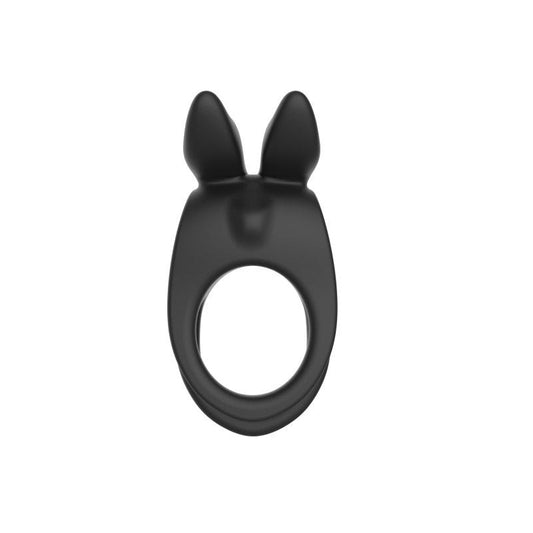
Men 10 Mode Vibrating Rabbit Cock Ring by Ashella
- Black
Ashella Men 10 Mode Vibrating Rabbit Cock Ring is a dual-ring vibrator designed for partnered stimulation and performance enhancement. Measuring 45.2 x 91.1 x 43.1mm with 10 vibration modes across 3 speed settings, it combines a supportive shaft and ball ring with external bunny...
- $34.99
$39.99- $34.99
- Unit price
- per
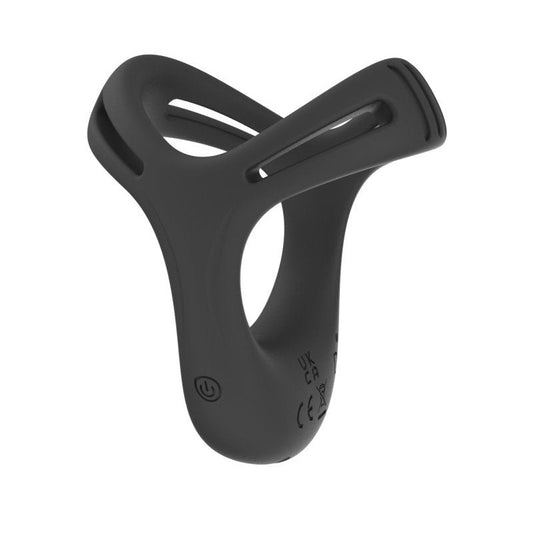
Men 10 Mode Vibrating Sling Ring by Ashella
- Black
Ashella Men 10 Mode Vibrating Sling Ring is a vibrating cock ring designed for enhanced support and dual-partner stimulation. Featuring 10 vibration modes across 3 speed settings, this silicone ring stretches to secure both shaft and balls for extended performance. At 63 x 55.5...
- $34.99
$39.99- $34.99
- Unit price
- per
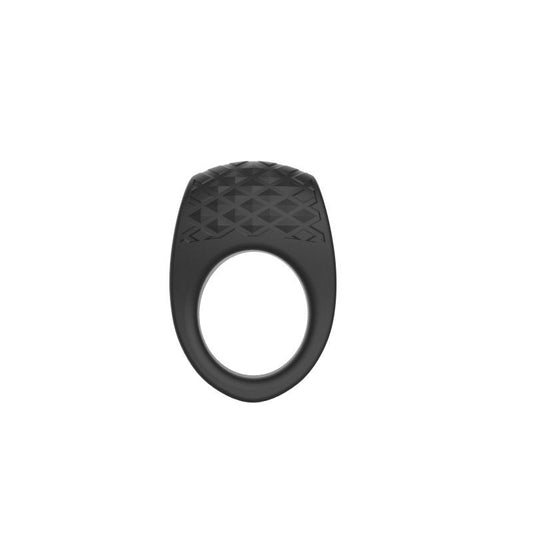
Men 10 Mode Vibrating Cock Ring by Ashella
- Black
The Ashella Men Vibrating Cock Ring is a silicone erection ring featuring 10 vibration modes across 3 speed settings. Measuring 45.5 x 66.7 x 29.4mm with rechargeable USB power lasting one hour per charge, it delivers customizable stimulation for solo or partnered play. The...
- $34.99
$39.99- $34.99
- Unit price
- per
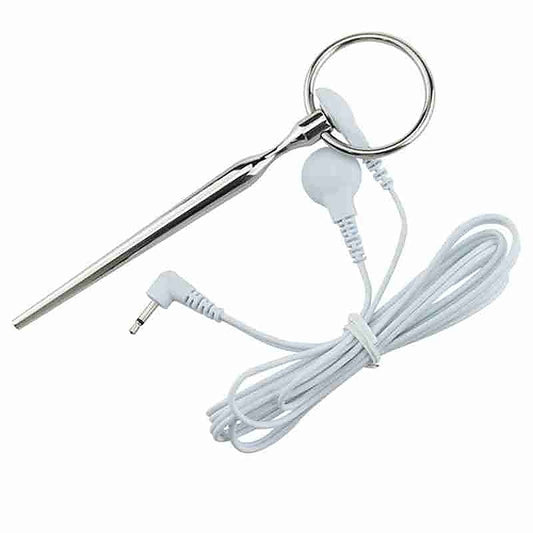

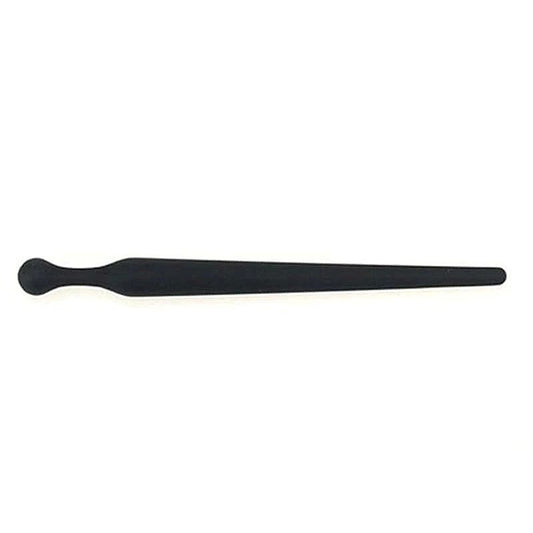

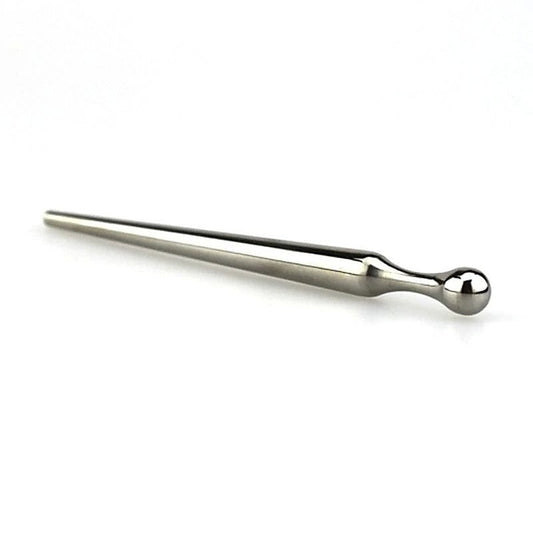

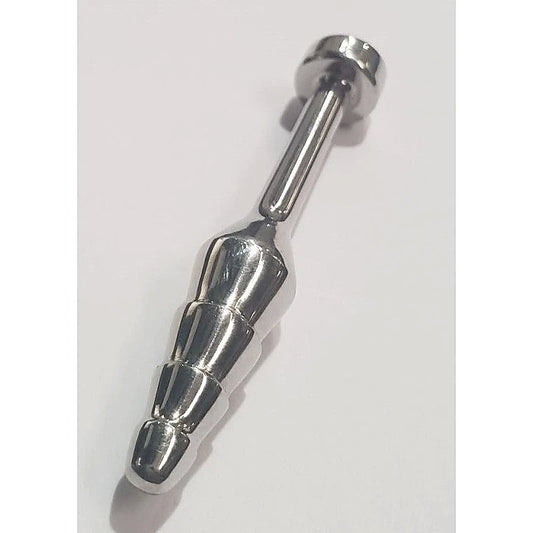

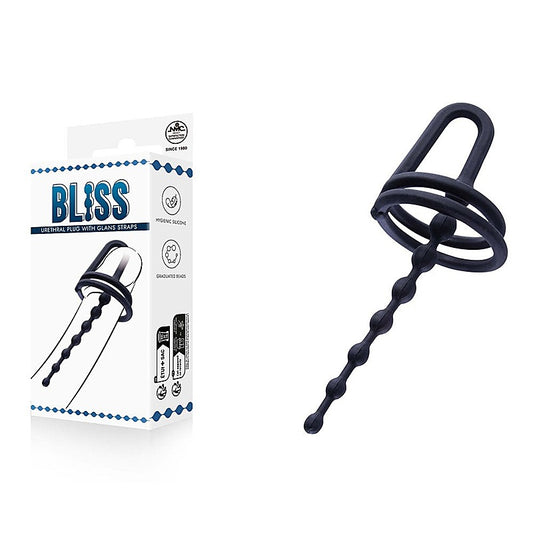

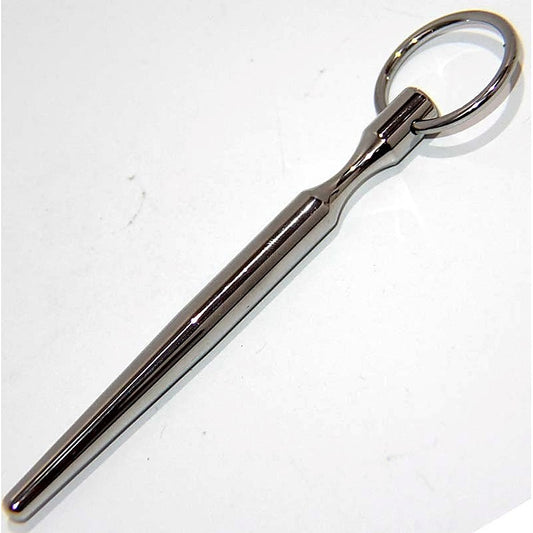

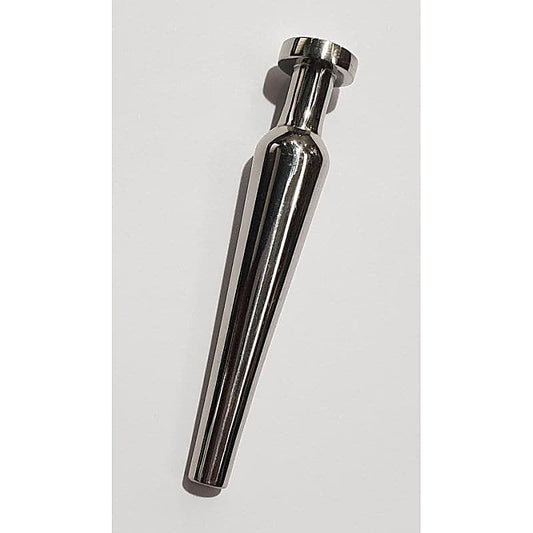

Tapered penis plugs are urethral insertion sex toys with gradually widening shafts that stretch the urethra progressively during a single insertion. They start narrow—typically 4–6 mm—and widen to 8–12 mm, letting you experience increasing stretch sensation as you insert deeper without needing multiple separate plugs.
At a glance
|
🚚 Plain, discreet packaging • 🔒 Discreet billing • 🔁 Hygiene-conscious returns |
About Tapered Penis Plugs
Tapered penis plugs are designed for progressive urethral stretching during extended play sessions. Unlike straight cylindrical plugs that maintain constant diameter, these sex toys create increasing sensation as you insert deeper, allowing your urethra to accommodate larger sizes gradually. Most are made from stainless steel, borosilicate glass, or medical-grade silicone—materials that resist corrosion and maintain rigidity during insertion. Some designs feature end stops or flared bases to prevent complete insertion; others allow full insertion with retrieval ends. Vibrating Butt Plugs operate on different principles and serve different body areas.
These plugs suit intermediate urethral play practitioners who have already mastered basic straight plug insertion and want to explore size progression without the jump between standard plug sizes. They're particularly valuable for users finding the gap between 6 mm and 10 mm plugs too large—a tapered plug bridges that gap smoothly. Tapered plugs are not for complete beginners; initial urethral exploration should always start with very thin straight sounds (5–6 mm) to establish basic insertion technique and depth tolerance first.
What makes Tapered Penis Plugs different
The key difference is built-in progression within a single insertion. As you push deeper, the widening shaft creates gradually increasing stretch sensation, turning one plug into multiple stretch experiences. This makes them far more efficient for size training than straight plugs, which offer no internal sensation change regardless of insertion depth. Butt Plugs follow different anatomical requirements and design principles. The taper rate—how quickly diameter increases—dramatically affects the experience: gentle tapers provide comfortable, extended stretching; aggressive tapers deliver faster sensation changes and quicker size progression.
Types of Tapered Penis Plugs
Stainless Steel Tapered Plugs. These are rigid, durable, and easy to clean. Stainless steel conducts temperature well, allowing warm-water presoaking for comfort. They're ideal for users seeking a firmer, more defined insertion experience and longer-term durability.
Borosilicate Glass Tapered Plugs. Glass offers smooth insertion with no porosity, making it extremely body-safe. It's visually appealing and temperature-responsive. Silicone Butt Plugs share some properties but glass provides superior clarity and a different tactile sensation during play.
Silicone Tapered Plugs. Medical-grade silicone is flexible, warm to the touch, and gentler on sensitive tissue. These suit users with lower pain tolerance or those returning to urethral play after a break.
Progressive Training Sets. Some retailers offer matched sets of tapered plugs with varying taper rates, letting you progress from gentle to aggressive stretching over weeks or months of consistent play.
How they compare
| Model Type | Material | Best for | Control or Base | Safety Notes |
|---|---|---|---|---|
| Stainless Steel Tapered Plug | Surgical-grade stainless steel | Experienced users; long-term size training | Flared base or end stop | Non-porous; autoclavable; no material degradation |
| Borosilicate Glass Tapered Plug | Borosilicate glass | Users prioritising smoothness and clarity | Retrieval loop or flared end | Non-porous; temperature-responsive; avoid sudden temperature changes |
| Medical-Grade Silicone Tapered Plug | Body-safe silicone | Sensitive tissue; gentler insertion preference | Flared base or retrieval cord | Non-porous when medical-grade; inspect for tears before use |
| Gentle-Taper Training Plug | Stainless steel or glass | First-time tapered plug users; extended sessions | End stop or base | 1–2 mm per cm increase; lower risk of tissue trauma |
How to choose a tapered penis plug
Start by assessing your current size tolerance. If you're comfortably inserting a 6 mm straight plug, a tapered plug starting at 4–5 mm and widening to 8–10 mm is a logical next step. If you're already comfortable with 8 mm straight plugs, look for tapered plugs starting at 6–7 mm and reaching 10–12 mm. Material choice matters: stainless steel and borosilicate glass are the safest options because they're non-porous and resist bacterial growth. Silicone is gentler but requires careful inspection for micro-tears before each use.
Consider the taper rate carefully. A gentle taper (1–2 mm per centimetre) suits extended play sessions and users returning to urethral play after a break; it allows your urethra to adjust gradually without shock. An aggressive taper (3–4 mm per centimetre) creates more dramatic sensation changes and faster progression but demands greater tissue elasticity and experience. Large Butt Plugs require similar patience and progression principles. Always prioritise a design with a reliable end stop or flared base to prevent complete insertion. Check the overall length—most tapered plugs range from 60–100 mm, but longer designs offer more gradual stretching.
Tips from the Adultsmart team
Hard-won pointers from the Adultsmart team, alongside our panel of sexologists, educators, and adult-industry contributors. Meet our experts →
After years of helping customers with tapered penis plugs, we've noticed the most common mistake is jumping to a plug with too aggressive a taper or too wide a final diameter. Users often underestimate how much sensation a taper creates compared to a straight plug. Start with a gentle taper in a narrower size range than you think you need—you can always progress to wider plugs later. Many customers find they enjoy the extended stretching sensation of a gentle taper far more than they expected.
Lubrication is absolutely critical and often overlooked. Use a high-quality water-based or hybrid lubricant designed for intimate use; never use oil-based products with silicone or glass. Apply generously to the plug and the urethral opening, then reapply as you insert deeper. The increased diameter as you progress through the taper means you'll need more lubrication at each stage—don't assume one application covers the whole insertion. Many users benefit from inserting slowly over 5–10 minutes, allowing their urethra to relax between small depth increases.
Pain is a genuine warning signal, not something to push through. Mild stretching sensation is normal; sharp pain, burning beyond normal sensation, or difficulty removing the plug means stop immediately and withdraw slowly. Users with any history of urethral strictures, scar tissue, or reduced elasticity should approach tapered plugs very cautiously—the forced stretching can worsen these conditions. If you have an active UTI, bleeding disorder, or difficulty recognising pain signals, avoid urethral insertion entirely. Never leave a plug inserted unattended for more than a few hours, even if it feels comfortable.
| Please read — safety first. Charge only with the supplied cable and keep the charging port dry unless the sex toy is waterproof-rated. Pair and update through the official app, and switch the device off fully between sessions so the motor and battery aren't left under load. Never share between partners, or between anal and vaginal use, without cleaning the item first or using a fresh condom. This information is general in nature only and is not medical advice; it does not account for your individual circumstances. If you have a relevant health condition or experience any persistent discomfort, discontinue use and seek advice from a qualified medical professional. |
Care and cleaning
Wash your tapered penis plug thoroughly with warm soapy water or a dedicated toy cleaner immediately after use. Stainless steel and glass can handle boiling water or dishwasher cycles if the manufacturer approves. Silicone should be washed by hand and air-dried. Store in a clean, dry location away from direct sunlight—a soft pouch or dedicated storage box prevents dust accumulation and material contact with other sex toys. Inspect the plug before each use for any cracks, chips, or surface damage that could harm delicate tissue.
Learn more
Urethral play requires patience, knowledge, and respect for your body's signals. For broader context on size progression and common concerns, That Penis Is Tooo Big For My Bottom covers similar progression principles. Our team is always available to answer specific questions about fit, material safety, or technique.
Why shop Tapered Penis Plugs at Adultsmart
Want a confident, no-guesswork choice? Adultsmart stocks tapered penis plugs from trusted manufacturers, with clear material specs and sizing details for every product. We ship discreetly in unmarked packaging with private billing—your order appears as a generic charge. Real advice, body-safe products, and discreet delivery Australia-wide.
Tapered Penis Plugs FAQ
How quickly can you progress through a tapered plug's full diameter range safely?
Very gradually—attempting full-depth insertion in single session risks tearing. Progress 1-2 mm of additional diameter per week maximum. Full progression through 4-12 mm taper may require 2-3 months.
Can tapered plugs be worn during activities or only while stationary?
Stationary only—movement can drive plug deeper unintentionally or cause friction trauma. Reserve tapered plug sessions for lying or sitting still with ability to monitor sensations and position constantly.
Do tapered plugs cause permanent urethral stretching or does tissue return to original size?
Tissue has elasticity—casual use creates temporary stretching reversing within days. Consistent stretching over months can cause permanent modest increases (1-2 mm). Extreme stretching risks permanent damage rather than controlled enlargement.
Can you leave tapered plugs inserted at maximum stretch diameter or should you remove immediately?
Brief holds (3-10 minutes) help tissue adapt to diameter. Extended wear at maximum stretch (30+ minutes) increases micro-tear risk. Progress gradually from short holds to longer durations over multiple sessions.
How does tapered plug stretching compare to using progressively larger straight plugs?
Tapered plugs provide smoother progression within single session—convenient and efficient. Straight plug sets allow more controlled pace—you consciously choose when to size up. Both work; tapered plugs are more convenient.
Do silicone tapered plugs stretch urethras as effectively as metal tapered plugs?
Less effectively—silicone compresses slightly under resistance, reducing actual stretch force applied. Metal's rigidity provides consistent stretching pressure. Silicone prioritizes comfort; metal prioritizes stretching efficiency.
Should you measure depth of comfortable insertion or focus solely on diameter with tapered plugs?
Both matter—reaching X diameter at Y depth indicates progress. Track both measurements over time. Some users tolerate deeper insertion at smaller diameters; others accommodate larger diameters at shallow depths.
Can tapered plugs be used for maintenance between size-training sessions or are they training-only tools?
Both—insert to previously achieved diameter for maintenance wear without pushing further. This maintains elasticity between progressive stretching sessions. However, limit maintenance session duration compared to training sessions.
Do tapered plugs with steeper angles cause more discomfort than gradual tapers?
Steep tapers create more rapid diameter increases over shorter distances. This concentrates stretching force, causing more intense sensation and higher micro-tear risk if advanced too quickly.
How do you determine when you've reached your safe maximum diameter with a tapered plug?
Sharp pain (not just pressure) indicates excessive stretch. Sustained burning after removal or blood in urine signals tissue damage. Stop well before these danger signs at "very full but not painful" sensation.
Recently Viewed Products
Example product title
- $19.99
- $19.99
- Unit price
- per
Example product title
- $19.99
- $19.99
- Unit price
- per
Example product title
- $19.99
- $19.99
- Unit price
- per
Example product title
- $19.99
- $19.99
- Unit price
- per
Example product title
- $19.99
- $19.99
- Unit price
- per
Example product title
- $19.99
- $19.99
- Unit price
- per
Example product title
- $19.99
- $19.99
- Unit price
- per
Example product title
- $19.99
- $19.99
- Unit price
- per
Example product title
- $19.99
- $19.99
- Unit price
- per
Example product title
- $19.99
- $19.99
- Unit price
- per
Why Shop With Adultsmart?
- Choosing a selection results in a full page refresh.