



-
8 Piece Rosebud Dilator Sounding Kit by Love In LeatherLove In Leather 8 Piece Rosebud Dilator Sounding Kit is a graduated urethral sounding set featuring eight stainless steel dilators ranging from 3mm to 10mm diameter. The medical-grade construction delivers mirror-polished surfaces with rosebud tip design for smooth insertion and enhanced sensation. The complete...
- $84.99
$94.99- $84.99
- Unit price
- per
-
Hegar Dilator Sounding Sex Kit by Love In LeatherLove In Leather Hegar Dilator Sounding Sex Kit is a comprehensive urethral dilation system featuring eight double-sided stainless steel dilators providing progressive sizes from 3mm to 18mm. The authentic Hegar design with gentle S-curve follows natural anatomy, while medical-grade construction ensures safety and sterilization...
- $59.99
$69.99- $59.99
- Unit price
- per
-
Dittle Urethral Sounding Kit by Hell's CoutureHell's Couture Dittle Urethral Sounding Kit is a medical-grade steel sounding set designed for progressive urethral exploration. Comprising three graduated size ranges (small 3-7mm, medium 5-10mm, large 3-10mm) with 215-225mm insertable lengths, it features flat ends for superior control and non-magnetic construction. The kit...
- From $54.99
$59.99- From $54.99
- Unit price
- per
-
Medical Sex Flat End Urethral Sound Kit by Hell's CoutureMedical Sex Flat End Urethral Sound Kit is a graduated stainless steel urethral sound set by Hell's Couture designed for controlled urethral exploration. The kit includes multiple flat-ended sounds in graduated sizes, each machined from medical-grade stainless steel with a highly polished surface. It...
- From $44.99
$54.99- From $44.99
- Unit price
- per
-
Deluxe Urethral Play Sound Kit by BDStyleBDStyle's Deluxe Urethral Play Sound Kit is a seven-piece chrome-plated brass set designed for urethral stimulation. Each sound measures 5.5 inches long with diameters ranging from 3mm to 8mm, allowing progressive exploration. The flat-ended design delivers precise, targeted sensation, while the weighted metal construction...
- $80.99
$89.99- $80.99
- Unit price
- per
VISIT XVIDEO FOR ADULT DVDS



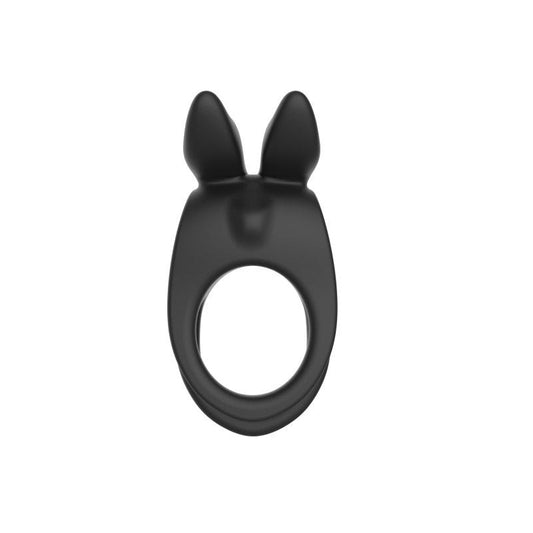
Men 10 Mode Vibrating Rabbit Cock Ring by Ashella
- Black
Ashella Men 10 Mode Vibrating Rabbit Cock Ring is a dual-ring vibrator designed for partnered stimulation and performance enhancement. Measuring 45.2 x 91.1 x 43.1mm with 10 vibration modes across 3 speed settings, it combines a supportive shaft and ball ring with external bunny...
- $34.99
$39.99- $34.99
- Unit price
- per
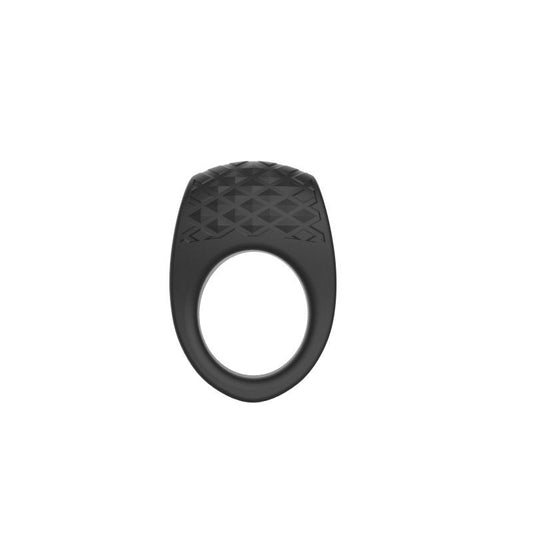
Men 10 Mode Vibrating Cock Ring by Ashella
- Black
The Ashella Men Vibrating Cock Ring is a silicone erection ring featuring 10 vibration modes across 3 speed settings. Measuring 45.5 x 66.7 x 29.4mm with rechargeable USB power lasting one hour per charge, it delivers customizable stimulation for solo or partnered play. The...
- $34.99
$39.99- $34.99
- Unit price
- per
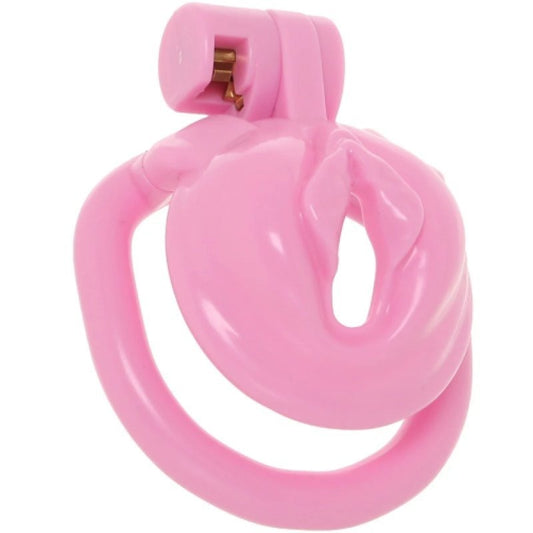
Bitchboy Degrading Mini Chastity Cage by Electric EEL Inc
- Pink
Bitchboy Degrading Mini Chastity Cage by Electric EEL Inc is a compact chastity cage featuring a pussy-shaped design with 1-inch insertable length. Constructed from lightweight, smooth material, it measures 3.23 x 2.68 x 1.3 inches and delivers open-design breathability. The cage combines visual humiliation...
- $129.99
$139.99- $129.99
- Unit price
- per
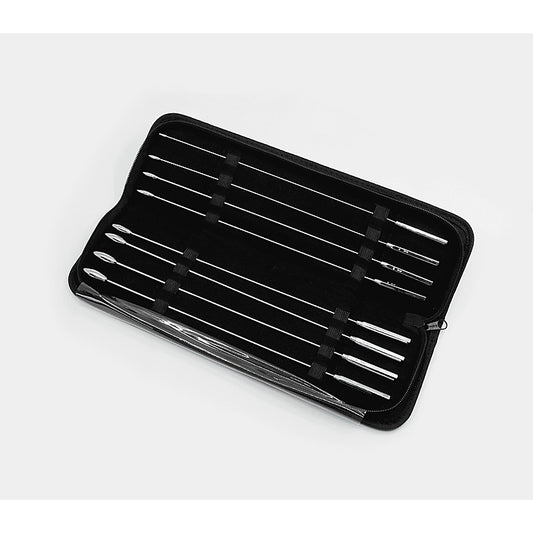

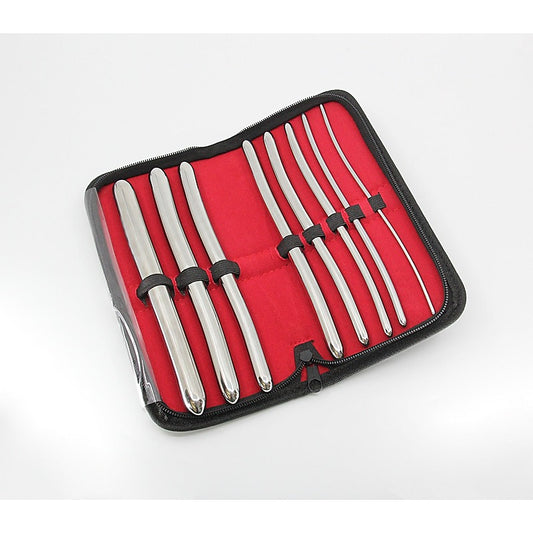

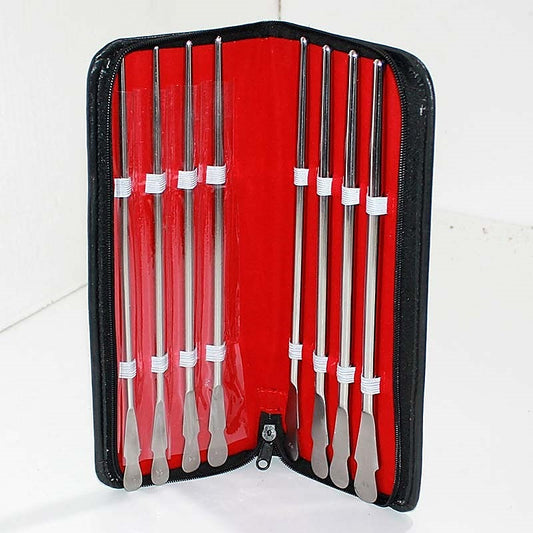

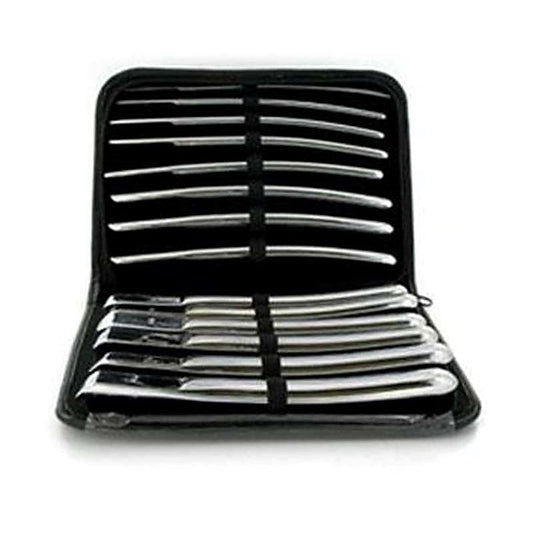

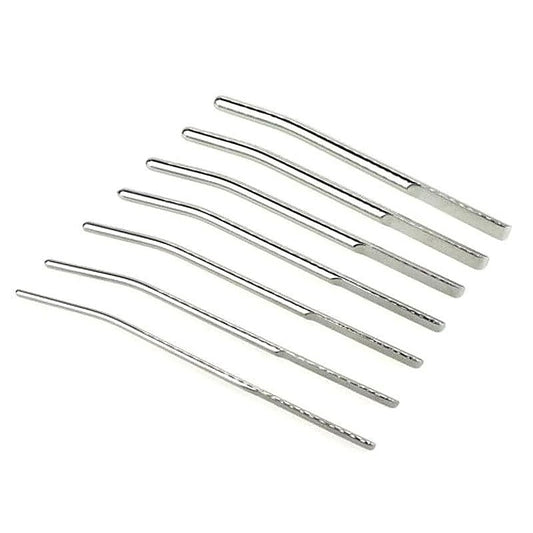

Medical sound kits are graduated sets of stainless steel urethral sounds in progressively larger diameters, designed for safe and systematic urethral stretching over weeks or months. They range from slim beginner sizes around 3–4mm through to thicker advanced sounds at 10–15mm, letting you build capacity gradually before moving to the next size.
At a glance
|
🚚 Plain, discreet packaging • 🔒 Discreet billing • 🔁 Hygiene-conscious returns |
About Medical Sound Kits
Medical sound kits deliver comprehensive urethral training through carefully calibrated sets containing multiple steel sounds in graduated sizes. Premium 904-grade stainless steel offers superior corrosion resistance compared to standard 316L surgical steel, making repeated insertions more hygienic. Each kit typically includes sounds progressing in 1–2mm diameter increments, preventing the dangerous sizing jumps that cause urethral tearing or perforation when players attempt sounds too large for their current capacity.
These kits suit both beginners starting urethral exploration and experienced players seeking systematic progression to larger diameters. Anyone committed to learning proper sounding technique through patient progressive stretching rather than aggressive sizing will benefit from a graduated set. The complete diameter range in a kit—from initial 3–4mm sounds through advanced 10–12mm sizes—makes them more economical than purchasing individual sounds incrementally. Couples Bondage Kits offer a similar progressive approach to partner play and restraint training.
What makes Medical Sound Kits different
Medical sound kits stand apart because they teach systematic progression rather than ad-hoc sizing. The graduated increments force you to master insertion technique, sterile handling, and body awareness at each stage before moving up. This methodical approach prevents the tissue damage and serious complications that come from jumping between sizes. Unlike standalone sounds or Bondage Kits, these sets are engineered specifically for safe long-term urethral training over months.
Types of Medical Sound Kits
Standard graduated kits. Six to ten sounds in 1–2mm increments, starting at 3–4mm and progressing to 8–10mm. These suit most players learning the fundamentals and building foundational capacity over two to four months.
Extended-range kits. Twelve or more sounds spanning 3–4mm through 12–15mm, designed for players committed to reaching larger diameters over an extended period. Medical Sex Toys in this range include additional specialist sounds for advanced practice.
Beginner-focused kits. Five to seven sounds with larger increments (2–3mm steps), ideal for first-timers who want to move steadily without overthinking each micro-progression.
Luxury stainless steel kits. Premium 904-grade steel throughout, polished to a mirror finish and supplied in protective cases. These command higher prices but offer superior corrosion resistance and durability for lifelong use.
How they compare
| Model | Material | Best for | Control or Base | Safety |
|---|---|---|---|---|
| Standard 8-piece kit | 316L surgical stainless steel | Beginners progressing 3–8mm over 8–12 weeks | Hand-inserted; self-paced progression | Corrosion-resistant; requires boiling sterilisation |
| Extended 12-piece kit | 904-grade stainless steel | Committed players targeting 10–15mm over 4–6 months | Hand-inserted; systematic long-term progression | Superior corrosion resistance; autoclavable |
| Beginner 6-piece kit | 316L surgical stainless steel | First-timers wanting confidence-building increments | Hand-inserted; wider gaps between sizes | Durable; straightforward boiling care |
| Luxury graduated set | 904-grade polished stainless steel | Players valuing premium finish and lifelong durability | Hand-inserted; protective case included | Heirloom-quality corrosion resistance; autoclavable |
How to choose a medical sound kit
Start by assessing your commitment level and timeline. If you are exploring urethral sounding for the first time, a standard 6–8 piece beginner kit with increments of 2–3mm and a maximum diameter of 8–10mm is ideal. You will progress steadily without feeling rushed, and you can always buy a second kit later if you want to go larger. If you are already experienced with standalone sounds and know you want to reach 12–15mm, an extended 12-piece kit with 1–2mm increments and 904-grade steel justifies the higher cost.
Consider your hygiene setup and sterilisation method. All sounds require boiling for ten minutes or autoclave sterilisation before every insertion. If you have reliable access to a pressure cooker or medical autoclave, either material works fine. If you are boiling regularly, 904-grade steel's superior corrosion resistance extends kit lifespan significantly. Budget also matters: standard 316L kits cost less upfront but may show surface wear after months of boiling, while 904-grade steel resists pitting and discolouration. Anal Training Kits follow a similar logic of progressive sizing, so the same patience principle applies to urethral play.
Tips from the Adultsmart team
Hard-won pointers from the Adultsmart team, alongside our panel of sexologists, educators, and adult-industry contributors. Meet our experts →
After years of helping customers with medical sound kits, the biggest mistake we see is skipping sizes out of impatience. Even if you feel you can handle the next diameter up, stick to the kit's sequence. Your urethra adapts gradually, and rushing causes micro-tears you won't notice until infection sets in. Proper progression is not boring—it builds the body awareness and insertion skill that make advanced sounding actually safe and enjoyable.
Sterilisation discipline is non-negotiable. Boil every sound for the full ten minutes before every single use, and let them cool on a clean paper towel. Do not rinse them in tap water and insert straight away. Urethral infections are serious and can lead to strictures or permanent scarring if neglected. Keep your sounds in a clean, dry container between uses. Many customers tell us they wished they had been stricter about this from the start.
Buy a dedicated sterile surgical lubricant and use it generously. Water-based lubes dry out quickly inside the urethra, and oil-based lubes damage condoms if you are combining sounding with other activities. Apply lube to both the sound and your urethral opening, then insert slowly and stop immediately if you feel sharp pain or resistance. Mild discomfort is normal; genuine pain is a signal to stop. Never force a sound, and always have a plan to remove it safely if it gets stuck.
| Please read — safety first. Charge only with the supplied cable and keep the charging port dry unless the sex toy is waterproof-rated. Pair and update through the official app, and switch the device off fully between sessions so the motor and battery aren't left under load. Never share between partners, or between anal and vaginal use, without cleaning the item first or using a fresh condom. This information is general in nature only and is not medical advice; it does not account for your individual circumstances. If you have a relevant health condition or experience any persistent discomfort, discontinue use and seek advice from a qualified medical professional. |
Care and cleaning
Sterilise all sounds by boiling in water for ten minutes before every insertion, or use an autoclave if you have access to one. After boiling, place sounds on a clean paper towel and allow them to cool completely. Store them in a clean, dry container away from moisture. Between uses, rinse under cool running water and dry thoroughly. Inspect sounds regularly for pitting, scratches, or discolouration; replace any that show signs of corrosion or damage. Never use damaged sounds, as rough edges cause urethral trauma.
Learn more
Urethral sounding carries real risks if done carelessly. Read our detailed guide on Safe Sound And Catheter Play to understand infection symptoms, proper technique, and when to seek medical help. Knowledge is your best defence against serious complications.
Why shop Medical Sound Kits at Adultsmart
Keen to get this right the first time? Adultsmart stocks medical sound kits from trusted brands that prioritise materials, safety, and graduated progression. Real advice, body-safe products, and discreet delivery Australia-wide.
Medical Sound Kits FAQ
What diameter medical sound should I start with as a complete beginner?
Start with 3-4mm diameter sounds for initial urethral exploration regardless of perceived capacity, as learning proper insertion technique and sterile handling matters more than rapid diameter progression. The smallest sounds in beginner kits teach essential skills while minimizing tissue damage risks during your learning phase before advancing to challenging sizes.
What signs indicate I should stop progression and seek medical evaluation?
Stop immediately and consult urologists if you experience persistent burning lasting over 24 hours post-session, blood in urine beyond light spotting, thick or discolored urethral discharge, difficulty urinating, or fever developing after sounding. These symptoms indicate infection, tissue damage, or developing stricture requiring professional medical assessment, with delayed treatment risking permanent urethral damage or serious kidney infections.
How long should I wait between progressing to the next diameter size?
Wait minimum 1-2 weeks between diameter progressions, performing 3-5 successful comfortable insertions at your current size before attempting the next increment. Rushing progression causes micro-tears healing as restrictive scar tissue that creates strictures requiring medical intervention, making patient conservative advancement critical for long-term sounding safety and sustainable urethral capacity development.
Can I skip diameter sizes in my sound kit to progress faster?
Never skip sizes as the systematic 1-2mm increments provide safe tissue adaptation preventing dangerous tearing and perforation from aggressive diameter jumps. Each size serves essential stretching purpose preparing your urethra for the next increment, with skipped progressions causing tissue trauma that sets back your stretching timeline through forced healing periods and potential permanent stricture formation.
What insertion depth is safe for medical sounds during training?
Limit insertion to maximum 8-10cm even with extensive experience, as deeper penetration risks reaching bladder sphincter or prostate areas where perforation causes serious medical emergencies. The initial straight urethral portion accommodates sounds most safely, with the significant curve past 8-10cm demanding advanced technique and creating substantially higher perforation probability that beginners should avoid entirely.
How do I know when my urethra is ready for the next diameter?
Progress to the next size when you achieve 3-5 comfortable insertions at your current diameter with minimal discomfort during insertion and no burning or bleeding after removal. If insertion still feels tight or you experience prolonged discomfort post-session, continue practicing current diameter for additional week before reassessing readiness for size progression.
Should I practice with medical sounds daily or less frequently?
Limit sounding sessions to 2-3 times weekly maximum, allowing urethral tissue 48-72 hours recovery between insertions for tissue adaptation and healing. Daily practice increases infection risk and prevents proper healing causing chronic inflammation that paradoxically slows stretching progress compared to spaced sessions giving tissue adequate recovery time between training insertions.
What sterilization method works best for medical sound kits?
Boil sounds for 10 minutes before every insertion providing reliable complete sterilization, or use autoclave sterilization if available for medical-grade bacteria elimination. Chemical sterilizers work less reliably than heat methods, making boiling the preferred home sterilization technique ensuring the steel surfaces contact no bacteria before entering your urethra where infections develop rapidly from inadequate sterilization.
Can I share medical sound kits with partners after sterilization?
Never share urethral sounds even after thorough sterilization due to extreme infection transmission risks between users despite cleaning efforts. The direct pathway from urethra to bladder means any surviving bacteria causes serious bladder or kidney infections requiring antibiotic treatment, with shared sounds exponentially increasing disease transmission making individual kit ownership absolutely essential for safety.
Do curved Van Buren sounds in kits work better than straight Hegar sounds?
Curved Van Buren sounds navigate deeper urethral curves more safely than straight Hegar sounds but demand advanced technique making them inappropriate for beginners. Start with straight Hegar sounds in initial kits mastering shallow insertion and proper handling before progressing to curved designs that offer anatomical advantages only when you possess the control and body awareness for safe curved sound manipulation.
Recently Viewed Products
Example product title
- $19.99
- $19.99
- Unit price
- per
Example product title
- $19.99
- $19.99
- Unit price
- per
Example product title
- $19.99
- $19.99
- Unit price
- per
Example product title
- $19.99
- $19.99
- Unit price
- per
Example product title
- $19.99
- $19.99
- Unit price
- per
Example product title
- $19.99
- $19.99
- Unit price
- per
Example product title
- $19.99
- $19.99
- Unit price
- per
Example product title
- $19.99
- $19.99
- Unit price
- per
Example product title
- $19.99
- $19.99
- Unit price
- per
Example product title
- $19.99
- $19.99
- Unit price
- per
Why Shop With Adultsmart?
- Choosing a selection results in a full page refresh.