




-
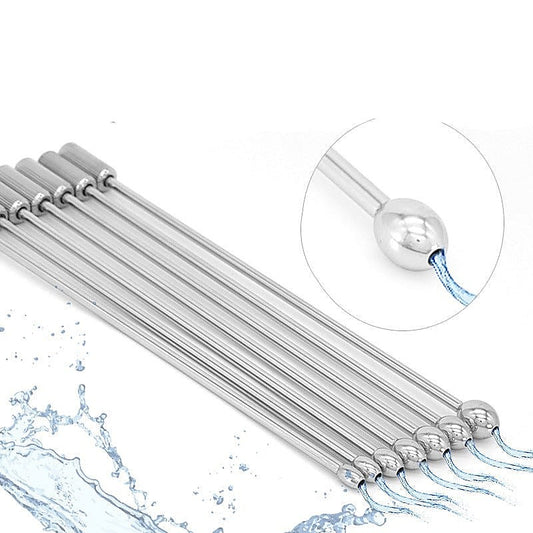
Stainless Steel Urethral Catheter by BDStyleBDStyle Stainless Steel Urethral Catheter is a medical-grade stainless steel sound designed for urethral exploration. Measuring 18 centimeters insertable length, it offers seven graduated diameter options ranging from 0.6 cm to 1.2 cm to accommodate progressive advancement. The smooth, polished surface conducts temperature naturally...
- $24.99
$29.99- $24.99
- Unit price
- per
-
Horse Eye Urethral Catheter Stick by BDStyleBDStyle Horse Eye Urethral Catheter Stick is a precision-engineered urethral stimulation device measuring 20 cm long with a 0.6 cm diameter tip. Constructed from medical-grade metal and PVC, it weighs 23 grams and features a specialized horse eye design for controlled insertion. This professional-grade...
- $14.99
$19.99- $14.99
- Unit price
- per
-
Metal Ball Urethral Catheter Penis Plug by BDStyleBDStyle Metal Ball Urethral Catheter is a precision-engineered exploration instrument constructed from medical-grade metal with a ball-end tip design. Available in Small (0.8 cm) and Medium (1 cm) diameters at 9 cm insertable length, it provides controlled insertion and extraction with a mirror-polished surface....
- $24.99
$29.99- $24.99
- Unit price
- per
-
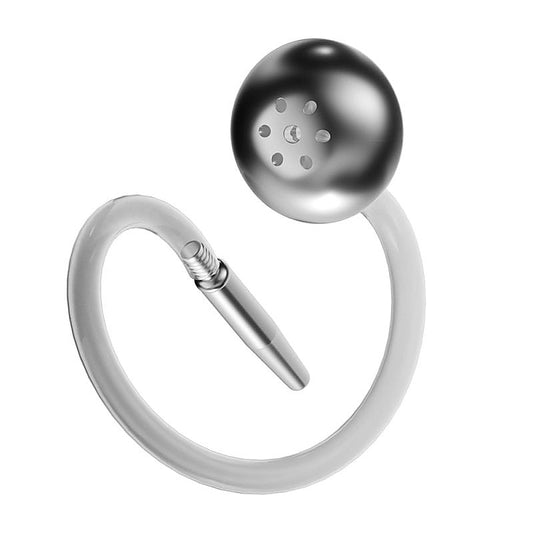
Urethral Buddy Catheter Penis Plug by BDStyleUrethral Buddy Catheter is a stainless steel and medical-grade PVC urethral play device designed for couples exploring intimate sensations. Available in Small, Medium, and Large sizes, it features a precision-engineered metal head with clear tubing and a stainless steel clamp for secure positioning. The...
- From $19.99
$24.99- From $19.99
- Unit price
- per
-
Silicone Urethral Catheter Penis Plug by BDStyleBDStyle Silicone Urethral Catheter is a medical-grade urological device measuring 35 cm in length with options of 0.8 cm or 1 cm diameter. The flexible silicone construction minimizes friction during insertion while maintaining structural integrity. Weighing just 24 grams, it delivers consistent performance for...
- From $14.99
$19.99- From $14.99
- Unit price
- per
VISIT XVIDEO FOR ADULT DVDS



Vibrating Double Penetrator with Remote by Passion Play
- Black
Passion Play Double Penetrator with Remote is a dual-chamber vibrator with 21 low-frequency patterns designed for internal male stimulation. Measuring 14.5 cm insertable length and 3 cm width, it delivers steady, deep vibrations via wireless remote control from up to 8 metres away. Made...
- $69.99
$74.99- $69.99
- Unit price
- per
Men 10 Mode Vibrating Rabbit Cock Ring by Ashella
- Black
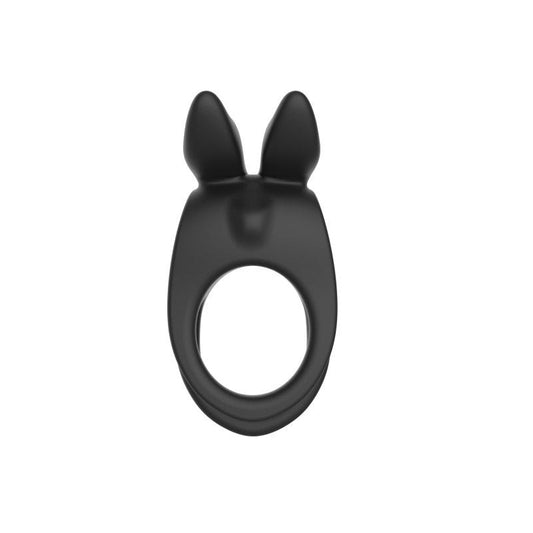
Ashella Men 10 Mode Vibrating Rabbit Cock Ring is a dual-ring vibrator designed for partnered stimulation and performance enhancement. Measuring 45.2 x 91.1 x 43.1mm with 10 vibration modes across 3 speed settings, it combines a supportive shaft and ball ring with external bunny...
- $34.99
$39.99- $34.99
- Unit price
- per
Men 10 Mode Vibrating Sling Ring by Ashella
- Black
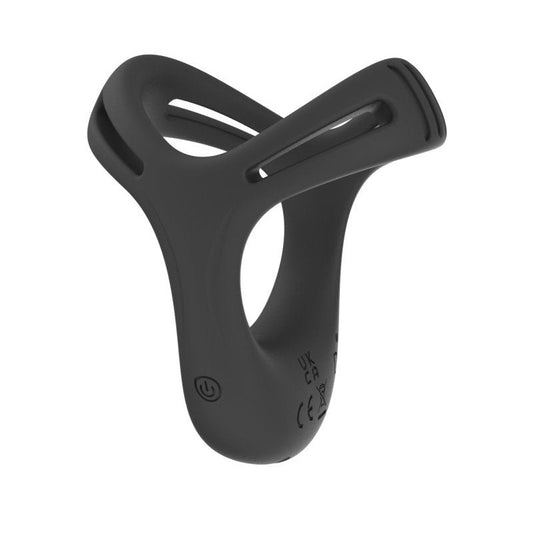
Ashella Men 10 Mode Vibrating Sling Ring is a vibrating cock ring designed for enhanced support and dual-partner stimulation. Featuring 10 vibration modes across 3 speed settings, this silicone ring stretches to secure both shaft and balls for extended performance. At 63 x 55.5...
- $34.99
$39.99- $34.99
- Unit price
- per


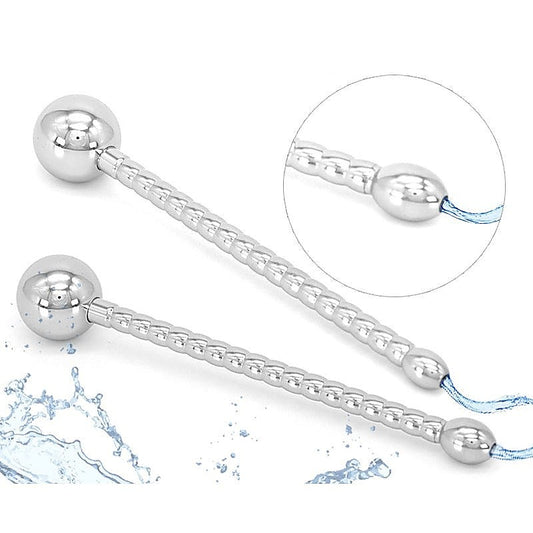

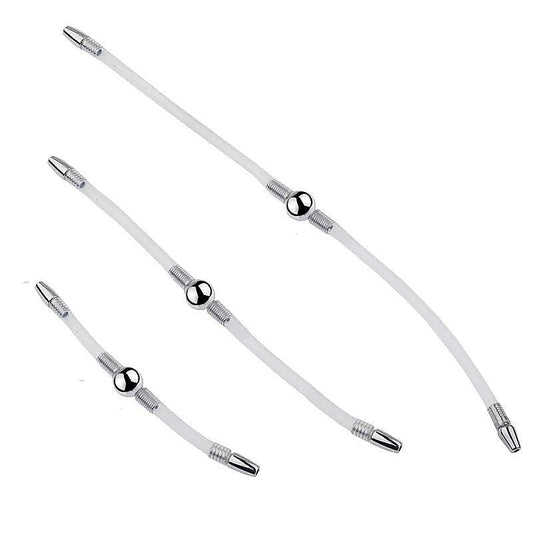

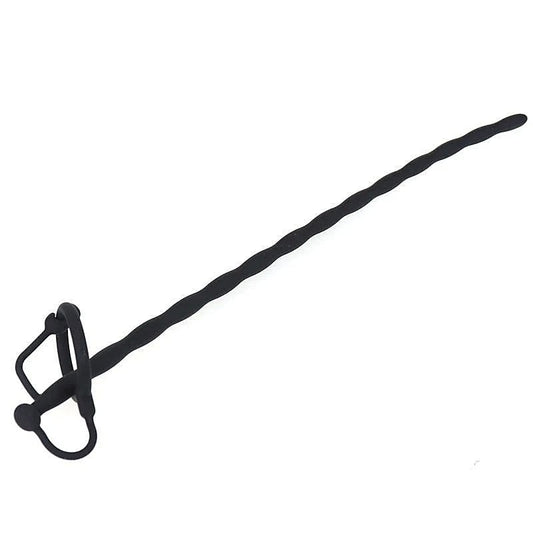

Catheters are hollow medical-grade tubes inserted through the urethra into the bladder for drainage during advanced urethral play. They come as rigid stainless steel reusables or flexible silicone single-use models, with straight intermittent or retention-balloon (Foley) designs for medical roleplay and sensory control.
At a glance
|
🚚 Plain, discreet packaging • 🔒 Discreet billing • 🔁 Hygiene-conscious returns |
About Catheters
Catheters are hollow medical instruments designed to pass through the urethra into the bladder. The smooth rounded tip allows controlled insertion, while the hollow core permits fluid drainage during wear. Foley catheters feature an inflatable retention balloon that expands inside the bladder, preventing accidental expulsion and enabling extended wear. Straight intermittent catheters have no retention mechanism and are removed after each use, making them suitable for brief insertion or catheterisation training scenarios.
Stainless steel catheters offer rigid construction, lifetime durability, and full sterilisation capability through boiling. Silicone models provide flexible, single-use options that eliminate sterilisation concerns and suit those seeking convenience. Both types replicate authentic urological equipment for realistic clinical roleplay and sensory control. Catheters are an expert-level activity—they suit only very experienced users comfortable with sounds and progressive urethral stretching, as improper technique risks urethral tears, false passages, or infection. Massage Oils can support relaxation before advanced play, though water-based lubricant is essential during catheter insertion itself.
What makes Catheters different
Catheters stand apart because they provide invasive bladder access and sustained urethral presence—a level of vulnerability and anatomical depth beyond other urethral sex toys. Unlike sounds, which are solid and temporary, catheters offer fluid drainage capability and the option of retention wear. The medical authenticity appeals to clinical roleplay and fetish scenarios. Their extreme technical demands mean they are unsuitable for beginners; mastery of sterile insertion technique, correct sizing, and anatomy is non-negotiable. Flavored Lubricants are not appropriate for this play—only sterile, medical-grade lubrication should be used during insertion.
Types of Catheters
Catheters come in two main functional designs, each suited to different play scenarios:
Foley Catheters. These feature an inflatable retention balloon near the tip that expands inside the bladder once inserted, preventing the catheter from slipping out. The balloon allows sustained wear during extended medical scenes, with urine draining continuously into a collection bag or container. Foley catheters create the most authentic urological experience and suit those seeking prolonged bladder access and vulnerability.
Straight Intermittent Catheters. These lack a retention mechanism and are inserted, used briefly, then withdrawn. They suit catheterisation training, short examination roleplay, or practitioners preferring temporary rather than sustained wear. Straight catheters offer quicker insertion and removal with less anatomical commitment.
Stainless Steel Reusable Catheters. Rigid construction provides durability and precise insertion control. They can be sterilised by boiling for 15–20 minutes before use, making them cost-effective for frequent play. Cooling Lubricants are not suitable for use with catheters—only water-based medical lubricant should be applied during insertion.
Silicone Single-Use Catheters. Flexible silicone models come pre-sterilised and are disposed of after one use, eliminating sterilisation responsibility. The flexibility can ease insertion for some users, though the material is less durable than steel.
How they compare
| Model | Material | Best for | Control or Base | Safety |
|---|---|---|---|---|
| Stainless Steel Foley | Surgical-grade stainless steel | Extended wear, medical roleplay, reusable play | Rigid, precise insertion; retention balloon | Requires boiling sterilisation; high durability |
| Silicone Foley | Medical-grade silicone | Flexible retention, single-use convenience | Flexible tube; inflation balloon | Pre-sterilised; dispose after use |
| Stainless Steel Straight | Surgical-grade stainless steel | Temporary insertion, training, brief scenes | Rigid; no retention mechanism | Reusable with boiling sterilisation |
| Silicone Straight | Medical-grade silicone | Short-term play, flexible insertion preference | Flexible; no retention | Pre-sterilised, single-use only |
How to choose a catheter
Your choice depends on experience level, play duration, and sterilisation preference. Retention (Foley) catheters demand higher anatomical knowledge because the inflated balloon sits inside the bladder; improper insertion angle or over-inflation risks injury. Straight intermittent catheters are less complex but still require careful, sterile technique. Stainless steel suits those confident in boiling sterilisation and wanting reusability; silicone suits those preferring single-use safety and flexibility. Sizing matters greatly—French gauge indicates diameter, with 12–16 Fr typical for beginners and 18–24 Fr for experienced users. Hybrid Lubricants are not suitable for catheter insertion; use only sterile, water-based medical lubricant to avoid urethral irritation or infection.
Before purchasing, assess your genuine comfort with urethral anatomy, insertion angles, and sterile technique. Catheters are not a casual introduction to urethral play—they require understanding how to locate the urethral opening, angle insertion correctly to avoid the false passage, and recognise signs of discomfort or resistance. If you are new to urethral play, sounds are a safer starting point. Choose a model that matches your intended wear duration and your ability to sterilise (or willingness to buy single-use).
Tips from the Adultsmart team
Hard-won pointers from the Adultsmart team, alongside our panel of sexologists, educators, and adult-industry contributors. Meet our experts →
After years of helping customers with catheters, the most common mistake we see is underestimating the importance of water-based medical lubricant. Many assume any lube will do—it won't. The urethra is sensitive and unforgiving; cheap or silicone-based lubricant can irritate, cause inflammation, or trap bacteria. Always buy sterile, medical-grade water-based lubricant specifically for urethral use. Apply it generously to both the catheter and the urethral opening, and take your time. Rushing insertion causes micro-tears that sting for days afterward and risk infection.
Sizing is critical and often misunderstood. French gauge measures the outer diameter of the tube—a larger gauge is not "better" or "more intense." In fact, starting conservatively (12–14 Fr) is wise even if you have urethral play experience. The urethra does not permanently stretch like other tissues; each session is independent. Forcing a larger catheter into an unprepared urethra causes pain, bleeding, and swelling. If you are transitioning from sounds to catheters, stay one or two sizes smaller than your largest sound to avoid injury. Many experienced users find their comfortable range and stick to it rather than constantly sizing up.
Retention balloons (Foley catheters) demand respect for inflation pressure. The balloon should expand just enough to anchor the catheter—over-inflation strains the bladder wall and causes acute discomfort or injury. Always inflate slowly and stop as soon as you feel gentle resistance. If insertion feels wrong at any point—sharp pain, resistance, or a sensation of hitting bone—stop immediately and remove the catheter. A false passage (where the tube has pierced the urethral wall instead of following the correct path) is a medical emergency. Never force past resistance, and always have a plan to get medical help if something goes wrong.
| Please read — safety first. Charge only with the supplied cable and keep the charging port dry unless the sex toy is waterproof-rated. Pair and update through the official app, and switch the device off fully between sessions so the motor and battery aren't left under load. As porous materials can harbour bacteria, use a condom over them for sharing or easy clean-up. This information is general in nature only and is not medical advice; it does not account for your individual circumstances. If you have a relevant health condition or experience any persistent discomfort, discontinue use and seek advice from a qualified medical professional. |
Care and cleaning
Stainless steel catheters must be thoroughly cleaned after each use with warm soapy water and a soft brush, then boiled for 15–20 minutes to sterilise. Allow them to air-dry completely on a clean cloth before storage in a sealed, sterile container. Silicone single-use catheters are disposed of after one use—do not attempt to resteam or reuse them, as sterilisation cannot be guaranteed. Always inspect catheters before use for cracks, corrosion, or damage. Store steel catheters in a cool, dry place away from moisture.
Learn more
Urethral play sits at the extreme end of BDSM and kink practice, and understanding power dynamics, consent, and communication is as important as technique. Brat In Bdsm explores role and negotiation in power exchange—principles that apply to any advanced play requiring trust and clear boundaries.
Why shop Catheters at Adultsmart
Keen to get this right the first time? Adultsmart stocks body-safe, medical-grade catheters and the sterile lubricants essential for safe insertion. Our team understands the technical demands of this category and can guide you toward the right size, material, and type for your experience level. Every order ships in discreet packaging with confidential billing. Real advice, body-safe products, and discreet delivery Australia-wide.
Catheters FAQ
What French gauge catheter size suits users with extensive urethral sound experience?
Users comfortable with 6-7mm diameter sounds typically accommodate 16-18 French catheters (5.3-6mm) for initial catheterization experiences. Progress to larger 20-24 French sizes (6.7-8mm) only after confirming comfortable insertion and removal of smaller catheters over multiple sessions, ensuring adequate urethral accommodation before advancing catheter diameters.
What urethral stretching progression prepares users for safe catheter insertion after sound training?
Progress through urethral sounds reaching 5-6mm diameter comfortably before attempting 14-16 French catheters (4.7-5.3mm). Master smooth painless sound insertion and removal over multiple sessions, then advance to small intermittent catheters practicing proper insertion angle and sterile technique. Only progress to Foley retention catheters after confirming comfortable intermittent catheter use without urethral trauma over several experiences.
How does Foley catheter retention balloon inflation prevent premature expulsion during extended wear?
Foley retention balloons expand inside the bladder after insertion using sterile water injected through inflation ports, creating bulbous obstruction preventing catheter withdrawal through urethra. The balloon sits completely inside bladder beyond internal sphincter, securing catheter position without expulsion until intentional deflation before removal from cock.
Can stainless steel catheters safely sterilize through home boiling between urethral insertion sessions?
Boil stainless steel catheters 15-20 minutes providing adequate sterilization for repeated urethral use. Longer boiling duration compared to other instruments ensures complete pathogen elimination preventing bladder infection risks from catheter insertion. Alternatively, use autoclave sterilization or hospital-grade disinfectant if boiling remains impractical for steel catheter maintenance.
What insertion depth indicates catheter tip reaching bladder during cock hole penetration?
Urine flow through catheter hollow core indicates successful bladder entry during insertion. Continue advancing catheter additional 1-2 inches after urine begins flowing, ensuring retention balloon (if present) sits completely inside bladder before inflation. Typical bladder depth requires 6-8 inches insertion through average male urethra length.
Do flexible silicone catheters reduce urethral injury risks compared to rigid stainless steel designs?
Flexible silicone conforms to natural urethral curves during insertion reducing scraping or false passage risks from incorrect angles, while rigid steel demands precise positioning preventing urethral wall trauma. However, experienced users with proper technique safely use steel catheters, with flexibility advantages primarily benefiting less experienced practitioners during challenging insertions.
What volume sterile water safely inflates Foley catheter retention balloons without bladder discomfort?
Standard Foley balloons safely inflate with 5-10ml sterile water creating adequate retention without excessive bladder pressure causing discomfort. Larger balloons accommodate 10-30ml for enhanced security during extended wear, though excessive inflation causes bladder cramping or urgency sensations. Follow manufacturer specifications avoiding over-inflation damaging balloon or causing excessive internal pressure.
Can catheters remain safely inserted during extended multi-hour medical play sessions?
Experienced users may maintain catheter insertion for 2-4 hours with careful monitoring for discomfort, infection signs, or urethral irritation. Extended wear beyond several hours increases infection risks and urethral tissue stress. Monitor continuously for burning sensations, difficult urination after removal, or blood indicating urethral damage requiring immediate catheter removal and medical evaluation.
What sterilization protocols prevent bladder infection risks when sharing catheters between partners?
Never share catheters between partners even with sterilization due to serious bladder infection transmission risks. Dedicate catheters to individual users, or use disposable single-use silicone catheters for each partner preventing cross-contamination during group urological play. The bladder infection severity makes catheter sharing extremely inadvisable regardless of sterilization efforts.
Do intermittent catheters without retention balloons provide adequate sensations for urethral fetish play?
Intermittent catheters deliver intense urethral stretching and internal bladder contact sensations during insertion and brief wear, though lack sustained presence of retained Foley catheters. The temporary nature suits users wanting catheterization experiences without extended internal occupation, or practicing insertion technique before advancing to retention catheter applications during medical play.
Recently Viewed Products
Example product title
- $19.99
- $19.99
- Unit price
- per
Example product title
- $19.99
- $19.99
- Unit price
- per
Example product title
- $19.99
- $19.99
- Unit price
- per
Example product title
- $19.99
- $19.99
- Unit price
- per
Example product title
- $19.99
- $19.99
- Unit price
- per
Example product title
- $19.99
- $19.99
- Unit price
- per
Example product title
- $19.99
- $19.99
- Unit price
- per
Example product title
- $19.99
- $19.99
- Unit price
- per
Example product title
- $19.99
- $19.99
- Unit price
- per
Example product title
- $19.99
- $19.99
- Unit price
- per
Why Shop With Adultsmart?
- Choosing a selection results in a full page refresh.