




-
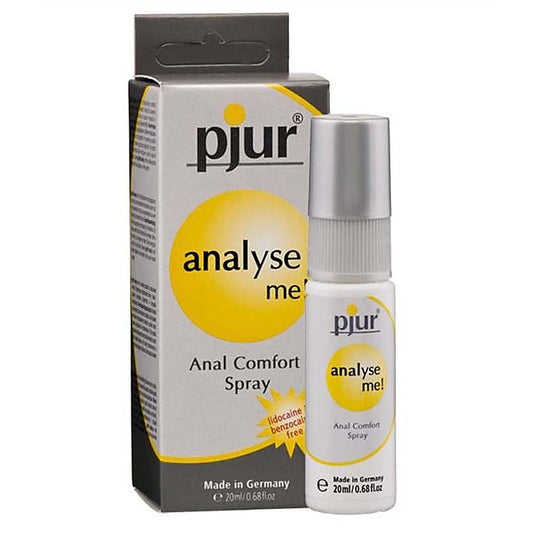
Analyse Me! Intimate Comfort Spray by PjurPjur Analyse Me! Intimate Comfort Spray is a water-based relaxation spray designed to prepare the body for anal play. Formulated with aloe vera and vitamin E, it delivers 30-60 second muscle relaxation through a precision spray nozzle. Compatible with all lubricant types, it absorbs...
- $29.99
$34.99- $29.99
- Unit price
- per
-
Ero Backside Spray Delay Spray by Hot EroEro Backside Spray is a 50ml muscle-relaxing anal preparation spray from Hot Ero containing aloe vera and panthenol. It delivers a high-glide effect with cooling muscle relaxation properties, designed to ease tension during anal play. The spray format provides even, mess-free application for couples...
- $29.99
$34.99- $29.99
- Unit price
- per
-
Booty Call Lube Duo 118 Ml 10ml Numbing by Little GenieBooty Call Lube Duo is a two-product lubricant system pairing 118ml of cherry-flavored lubricant with 10ml of numbing gel, specifically formulated for anal play. The main lube provides lasting glide while the numbing component offers gradual sensation reduction without over-desensitizing. This combination allows customizable...
- $24.99
$29.99- $24.99
- Unit price
- per
-
Big Dick Energy Anal Desensitiser by Little GenieBig Dick Energy Anal Desensitiser is a topical numbing solution designed for anal play comfort. This 44ml formula reduces nerve sensitivity in the applied area, allowing for more relaxed penetration. Fast-acting and compatible with all body-safe materials, it works within 5-10 minutes and maintains...
- $24.99
$29.99- $24.99
- Unit price
- per
-
SHIATSU Beginner Anal Relax Spray by Hot EroSHIATSU Beginner Anal Relax Spray is a water-based relaxation spray designed for first-time anal exploration. The 50ml spray bottle contains gentle relaxing agents that soothe and prepare the anal area, making initial penetration more comfortable. Its unisex formula works with all materials and condoms,...
- $34.99
$39.99- $34.99
- Unit price
- per
-
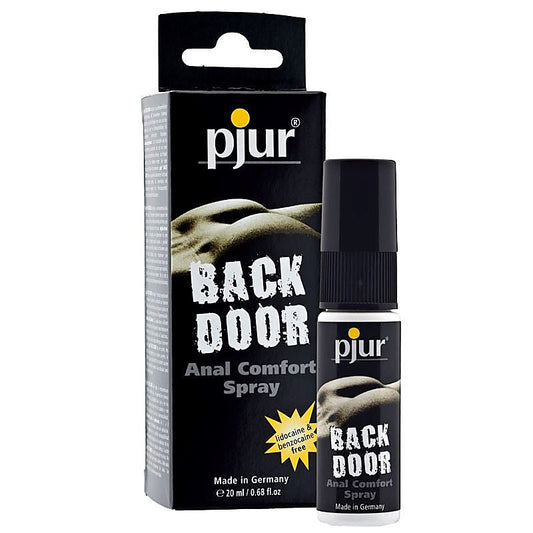
Back Door Anal Comfort Spray Anal Lubricant by PjurPjur Back Door Anal Comfort Spray is a panthenol-enriched topical spray designed to support skin elasticity and comfort during anal play. Containing 5% panthenol, aloe barbadensis gel, and peppermint oil, it absorbs within minutes without numbing effects. The spray maintains full sensation while promoting...
- $29.99
$34.99- $29.99
- Unit price
- per
-
Passion Extra Strength Anal Desensitizing Spray GelPassion Extra Strength Anal Desensitizing Spray Gel is a water-based numbing formula by XR Brands containing 3.5% active desensitizing agent. The 130ml spray mechanism delivers precise application with consistent dosing through an engineered pump system. It absorbs quickly and works within minutes, making it...
- $34.99
$44.99- $34.99
- Unit price
- per
VISIT XVIDEO FOR ADULT DVDS



Vibrating Double Penetrator with Remote by Passion Play
- Black
Passion Play Double Penetrator with Remote is a dual-chamber vibrator with 21 low-frequency patterns designed for internal male stimulation. Measuring 14.5 cm insertable length and 3 cm width, it delivers steady, deep vibrations via wireless remote control from up to 8 metres away. Made...
- $69.99
$74.99- $69.99
- Unit price
- per
Men 10 Mode Vibrating Rabbit Cock Ring by Ashella
- Black
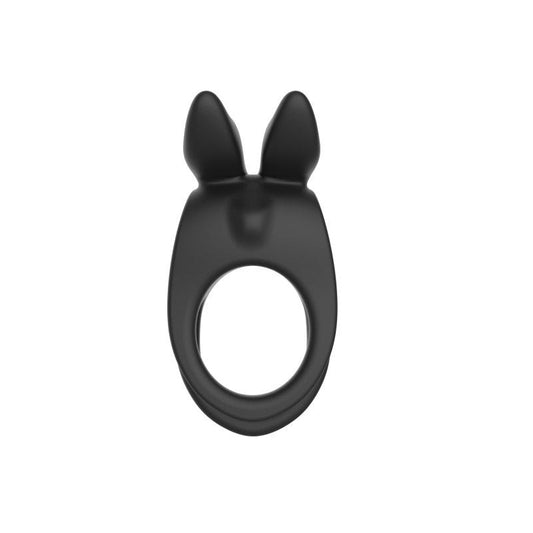
Ashella Men 10 Mode Vibrating Rabbit Cock Ring is a dual-ring vibrator designed for partnered stimulation and performance enhancement. Measuring 45.2 x 91.1 x 43.1mm with 10 vibration modes across 3 speed settings, it combines a supportive shaft and ball ring with external bunny...
- $34.99
$39.99- $34.99
- Unit price
- per
Men 10 Mode Vibrating Sling Ring by Ashella
- Black
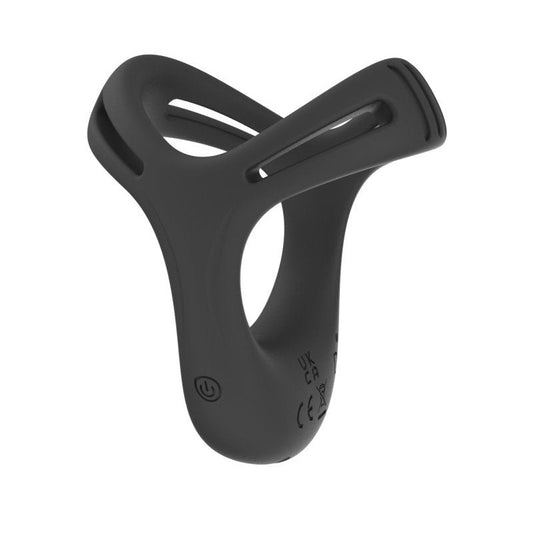
Ashella Men 10 Mode Vibrating Sling Ring is a vibrating cock ring designed for enhanced support and dual-partner stimulation. Featuring 10 vibration modes across 3 speed settings, this silicone ring stretches to secure both shaft and balls for extended performance. At 63 x 55.5...
- $34.99
$39.99- $34.99
- Unit price
- per




Anal relaxing sprays are topical formulations applied directly to the anal sphincter to reduce involuntary muscle tension and surface sensitivity during penetration. They use botanical compounds like clove oil or pharmaceutical desensitisers such as benzocaine to ease initial entry for first-time users or anyone experiencing involuntary clenching.
At a glance
|
🚚 Plain, discreet packaging • 🔒 Discreet billing • 🔁 Hygiene-conscious returns |
About Anal Relaxing Sprays
Anal relaxing sprays address a real physiological response: sphincter muscles involuntarily contract when touched, during anxiety, or in anticipation of penetration. This reflex creates resistance that complicates comfortable entry even when lubrication is adequate and foreplay is thorough. These sprays work through two mechanisms—mild muscle relaxants reduce contractile tension to allow conscious relaxation, while light desensitisers diminish surface sensitivity that triggers protective clenching. Quality formulations calibrate ingredient strength to ease tension without creating complete numbness that removes protective pain feedback signalling excessive force or inadequate preparation.
The category spans light botanical relaxants using clove oil or peppermint extracts for subtle tension relief, moderate desensitising sprays containing 4–7% benzocaine or lidocaine for noticeable sensation reduction, and prescription-strength formulas exceeding 10% pharmaceutical anaesthetic for medical procedures. Premium anal relaxing sprays use fine-mist atomisers to concentrate product on sphincter tissue rather than dispersing across surrounding areas, with fast-acting formulations providing effects within 3–5 minutes. If you're exploring other options, Delay Sprays work on a similar principle but target different tissue and sensations.
What makes Anal Relaxing Sprays different
These sprays address the gap between mental readiness and involuntary physical response. Adequate lubrication and foreplay alone sometimes cannot override the body's natural clenching reflex, especially for anxious first-timers or people with naturally high sphincter tone. Unlike general topical numbing products, anal relaxing sprays combine muscle relaxation with light desensitisation to ease both tension and the reflex that triggers it. They're designed to work quickly so application doesn't disrupt intimacy flow. Preparation is also key—proper Anal Cleansing beforehand ensures comfort and confidence.
Types of Anal Relaxing Sprays
Anal relaxing sprays fall into three main categories based on active ingredients and strength.
Botanical relaxant sprays. These use natural extracts like clove oil or peppermint to provide subtle muscle relaxation and mild cooling sensation. They suit users who prefer gentler formulations or want to start with light tension relief before progressing to stronger options.
Moderate desensitising sprays. Containing 4–7% benzocaine or lidocaine, these offer noticeable sensation reduction and muscle relaxation. They're the most popular choice for first-time anal play and work well alongside Anal Dildos or other insertables when you want reliable, predictable effect within minutes.
Prescription-strength formulas. Exceeding 10% pharmaceutical anaesthetic, these are typically used for medical procedures or by experienced users who need maximum desensitisation. They require careful use to preserve protective pain feedback.
How they compare
| Product type | Active ingredient | Best for | Onset and duration | Safety considerations |
|---|---|---|---|---|
| Botanical relaxant spray | Clove oil, peppermint extract | Gentle first-time users, preference for natural ingredients | 5–10 minutes; 15–20 minutes duration | Mild sensation reduction; protective pain feedback preserved |
| Moderate benzocaine spray (5–7%) | Benzocaine or lidocaine | First-time anal play, involuntary clenching, anxiety | 3–5 minutes; 30–45 minutes duration | Noticeable numbness; pain signal still present at high force |
| Standard lidocaine spray (4–6%) | Lidocaine | Users who want reliable, fast-acting desensitisation | 2–4 minutes; 20–40 minutes duration | Faster onset than benzocaine; some users find it smoother |
| Prescription-strength spray (10%+) | High-concentration benzocaine or lidocaine | Medical procedures, experienced users needing maximum effect | 1–3 minutes; 45–60 minutes duration | Significant numbness; requires careful monitoring to avoid injury |
How to choose an anal relaxing spray
Start by considering your experience level and what you're trying to achieve. If you're a first-timer or have experienced involuntary clenching despite adequate foreplay and lubrication, a moderate 4–7% benzocaine or lidocaine spray is a reliable starting point. Botanical sprays suit users who prefer gentler formulations or want to trial the category without strong desensitisation. Check the onset time—most effective sprays work within 3–5 minutes, which is important if you want to progress smoothly from application to penetration without long waits that interrupt the moment.
Consider also how long you need the effect to last. Most moderate sprays provide 20–45 minutes of relief, which is usually sufficient for initial penetration and adjustment. If you're combining this with Anal Sex Toys, match the spray's duration to your anticipated playtime. Always check the ingredient list—some users have sensitivities to benzocaine or specific botanical oils. Never use prescription-strength formulas recreationally, as they remove too much protective pain feedback and increase injury risk. Test any new product on a small area of skin first to rule out allergic reaction.
Tips from the Adultsmart team
Hard-won pointers from the Adultsmart team, alongside our panel of sexologists, educators, and adult-industry contributors. Meet our experts →
After years of helping customers with anal relaxing sprays, we've noticed the biggest mistake is using too much product. A light, even spray covering the sphincter area is all you need—oversaturation doesn't work better and can cause discomfort or waste product. Apply it 3–5 minutes before you plan to begin penetration so the active ingredients have time to work. Rushing into play immediately after application reduces effectiveness.
Many first-timers don't realise that a good spray works best alongside slow, patient penetration and high-quality thick lubricant. The spray reduces involuntary clenching, but it's not a substitute for going slowly or for adequate lubrication. If you're anxious, the spray gives your body permission to relax while you also use breathing and mental relaxation techniques. Some users find that knowing they've used a spray actually reduces anxiety because they feel more in control.
We also recommend testing your chosen spray a day or two before you plan to use it during play. Apply a small amount to check for any skin sensitivity or allergic reaction. This is especially important if you have sensitive skin or have reacted to topical products before. Once you find a spray that works for you, keep using the same one—switching formulations frequently can mean constantly readjusting to different onset times and strength levels.
| Please read — safety first. Charge only with the supplied cable and keep the charging port dry unless the sex toy is waterproof-rated. Pair and update through the official app, and switch the device off fully between sessions so the motor and battery aren't left under load. Never share between partners, or between anal and vaginal use, without cleaning the item first or using a fresh condom. This information is general in nature only and is not medical advice; it does not account for your individual circumstances. If you have a relevant health condition or experience any persistent discomfort, discontinue use and seek advice from a qualified medical professional. |
Care and cleaning
Store anal relaxing sprays in a cool, dry place away from direct sunlight and heat, as this can degrade active ingredients. Most sprays have a shelf life of 2–3 years when stored properly. Check the expiry date before use. Keep the spray nozzle clean by wiping it with a dry cloth after each use to prevent product buildup. Never share your spray with a partner without thorough cleaning of the applicator, as this can transfer bacteria or infection risk.
Learn more
Anal play involves comfort, consent, and communication—all essential for a positive experience. Read more about the category and real user experiences in our Anal Shopping Experiences guide to help you make confident choices.
Why shop Anal Relaxing Sprays at Adultsmart
Want a confident, no-guesswork choice? Adultsmart stocks anal relaxing sprays from trusted brands, clearly labelled by strength and active ingredient so you can match the right spray to your needs. We ship in discreet packaging with private billing so your purchase stays between you and us. Body-safe, clearly labelled, and chosen by people who use this gear.
Anal Relaxing Sprays FAQ
Do anal relaxing sprays with higher benzocaine concentrations provide proportionally longer duration or primarily stronger numbing?
Higher benzocaine concentrations primarily increase numbing intensity rather than extending duration proportionally, with 7% formulas creating 60-70% stronger sensation reduction than 4% products while extending duration only 20-30% longer. The concentration affects depth of anaesthesia more significantly than time window, with most formulas lasting 25-45 minutes regardless of strength.
Can methemoglobinemia occur from excessive benzocaine-based anal relaxing spray application during single sessions?
Methemoglobinemia risk from topical benzocaine remains extremely low during normal anal spray use, though applying entire bottles or using products exceeding 20% concentration can theoretically trigger this condition where blood oxygen transport becomes impaired. Following manufacturer dosing recommendations of 2-4 sprays per session prevents accumulation reaching dangerous systemic levels, with methemoglobinemia cases typically involving mucous membrane application of prescription-strength formulas exceeding 20% concentration.
Can applying anal relaxing spray to internal rectal tissue beyond the sphincter improve comfort or only increase injury risk?
Applying relaxing spray beyond the external sphincter provides no comfort benefit since internal rectal tissue lacks the voluntary muscle control requiring relaxation, while numbness there eliminates protective pain signals indicating internal tissue damage. Effective spray application targets only the 1-2 centimetre sphincter zone where muscular tension concentrates.
Does botanical clove oil in relaxing sprays work through actual muscle relaxation or counter-irritation creating warmth distraction?
Clove oil works primarily through counter-irritation creating mild warmth sensation that distracts from penetration discomfort while providing minor muscle relaxation through eugenol compounds affecting smooth muscle. The mechanism differs from pharmaceutical nerve blockade, maintaining sensation while reducing anxiety-driven clenching through sensory distraction and subtle pharmacological effects.
Can tolerance develop to benzocaine-based anal relaxing sprays with frequent use requiring escalating concentrations?
Regular benzocaine spray use 3-4 times weekly or more can develop mild tolerance over 4-8 weeks, requiring 15-25% higher concentrations for equivalent effects as nerve endings adapt to consistent anaesthetic exposure. Tolerance development signals reliance on chemical relaxation rather than developing natural comfort, indicating users should reduce frequency and focus on technique improvement.
Does the propellant type in anal relaxing spray bottles affect absorption speed or only application convenience?
Propellant type primarily affects application convenience and particle size rather than absorption speed, with fine-mist aerosols creating smaller droplets that spread more evenly while pump sprays deliver larger particles concentrating on specific spots. Absorption timing depends on active ingredient chemistry rather than delivery method, though even distribution from aerosols may create more consistent effects across the sphincter area.
Can anal relaxing sprays containing both benzocaine and botanical ingredients provide additive relaxation effects or redundant mechanisms?
Combination sprays with pharmaceutical anaesthetics and botanical relaxants provide modest additive effects through complementary mechanisms, with benzocaine blocking nerve signals while botanicals create counter-irritation warmth. The combined effect increases overall relaxation by 10-20% compared to single-ingredient formulas at equivalent pharmaceutical concentrations, though cost increases without proportional benefit for most users.
Does applying relaxing spray before or after warming lubricant affect activation timing or absorption depth?
Applying relaxing spray before lubricant allows direct tissue contact maximising absorption within 3-5 minutes, while spray-over-lube application creates barriers delaying activation to 8-12 minutes and reducing total absorption by 30-40%. Users should always spray directly on clean dry tissue, then apply lubricant after the recommended activation wait period for optimal relaxation effects.
Can cold storage of anal relaxing sprays extend shelf life or does temperature affect active ingredient stability?
Refrigeration extends botanical relaxing spray shelf life by 20-30% through slowed oxidation of plant compounds like clove oil, though pharmaceutical benzocaine and lidocaine formulas remain stable at room temperature for 24-36 months. Cold application creates initial tissue contraction potentially counteracting relaxation benefits, so refrigerated sprays should warm to room temperature before use despite storage benefits.
Does lidocaine in relaxing sprays penetrate deeper into sphincter muscle layers than benzocaine at equivalent concentrations?
Lidocaine penetrates 25-40% deeper into tissue than benzocaine at equivalent concentrations due to higher lipid solubility allowing better cell membrane penetration, affecting smooth muscle fibres beneath surface epithelium. This deeper penetration creates more comprehensive muscle relaxation but increases risk of excessive numbness masking internal tissue damage during aggressive penetration.
Recently Viewed Products
Example product title
- $19.99
- $19.99
- Unit price
- per
Example product title
- $19.99
- $19.99
- Unit price
- per
Example product title
- $19.99
- $19.99
- Unit price
- per
Example product title
- $19.99
- $19.99
- Unit price
- per
Example product title
- $19.99
- $19.99
- Unit price
- per
Example product title
- $19.99
- $19.99
- Unit price
- per
Example product title
- $19.99
- $19.99
- Unit price
- per
Example product title
- $19.99
- $19.99
- Unit price
- per
Example product title
- $19.99
- $19.99
- Unit price
- per
Example product title
- $19.99
- $19.99
- Unit price
- per
Why Shop With Adultsmart?
- Choosing a selection results in a full page refresh.