




-
Metal Mens Ball STretcher Weight Hanger 2 Balls by BDStyleBDStyle Adjustable Metal Ball Stretcher is a metal cock ring with weight-hanging capability designed for testicular suspension and enhancement. Available in 6 sizes with dual-ball construction, it delivers adjustable tension through removable weights for customized sensation. The non-porous metal surface conducts temperature naturally and...
- $26.99
$29.99- $26.99
- Unit price
- per
-
Sensual Stainless Steel Hanger by BDStyleBDStyle Stainless Steel Hanger Pendant Ball Stretcher is an adjustable weight ball stretcher crafted from premium stainless steel. The pendant measures approximately 3 inches long with customizable tension to accommodate individual preferences. It features a sleek, minimalist design with smooth edges and durable construction,...
- From $52.99
$59.99- From $52.99
- Unit price
- per
-
Bomb Stretcher Weight 325g by Hell's CoutureBomb Stretcher Weight 325g by Hell's Couture is a medical-grade stainless steel weight designed for advanced genital stretching and sensory play. Weighing precisely 325 grams with reinforced S-hook attachment, it delivers consistent pressure for experienced practitioners. The polished, non-porous surface conducts temperature and resists...
- $35.99
$39.99- $35.99
- Unit price
- per
-
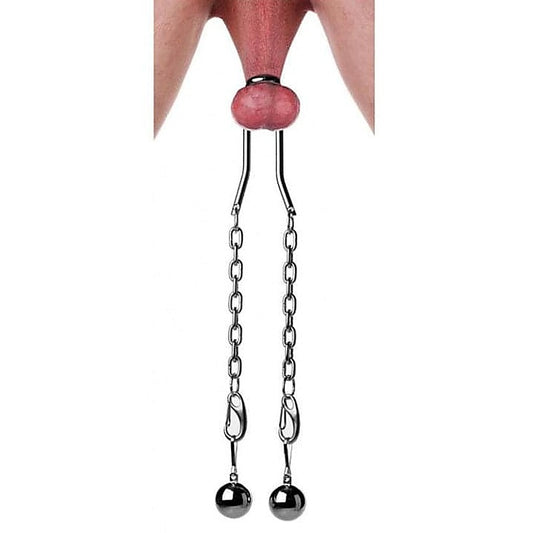
Ben's Erotic Ball with Two Chains by Hell's CoutureBen's Erotic Ball with Two Chains is a stainless steel kegel exerciser designed for pelvic floor muscle conditioning. Featuring medical-grade construction with a 30mm sphere diameter and dual 90mm chains, it delivers weighted resistance for muscle strengthening and enhanced sensitivity. This unisex device suits...
- $19.99
$24.99- $19.99
- Unit price
- per
-
Metallic Testicle Stretcher Weights - 4 Balls Small - BlackBDStyle Metallic Testicle Stretcher Weights is a four-ball weighted stretcher designed for testicular enhancement and gentle tension play. Constructed from premium metal in silver or black finishes, it delivers consistent weight distribution across four spheres. Measuring small size with calibrated metal construction, it suits...
- $53.99
$59.99- $53.99
- Unit price
- per
-
Hung Low Steel Ball Stretcher by Hell's CoutureHung Low Steel Ball Stretcher is a premium CBT device manufactured by Hell's Couture with aircraft-grade steel construction. Weighing 550g with a 42mm ring diameter and 45mm solid cylinder, it delivers consistent pressure distribution through integrated 12mm chain design. It suits advanced practitioners seeking...
- $69.99
$89.99- $69.99
- Unit price
- per
-
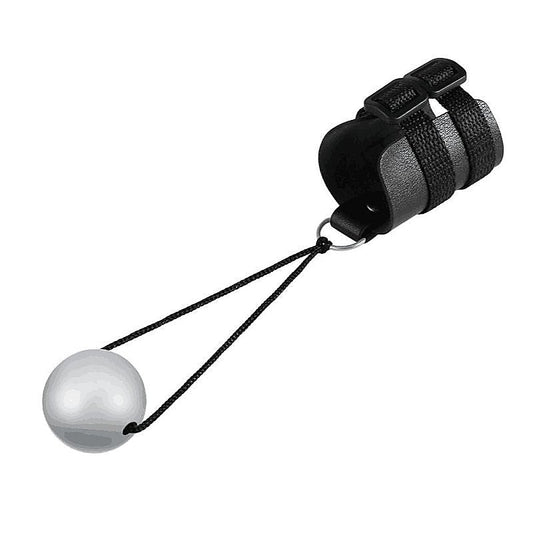
Ball Stretcher Weight With Karabiner LeatherHell's Couture Ball Stretcher Weight With Karabiner is a leather and metal bondage accessory designed for scrotum stretching and weight play. Weighing 200 grams total with detachable weights and an adjustable leather strap, it features a karabiner clip for easy attachment and removal. The...
- $34.99
$39.99- $34.99
- Unit price
- per
-
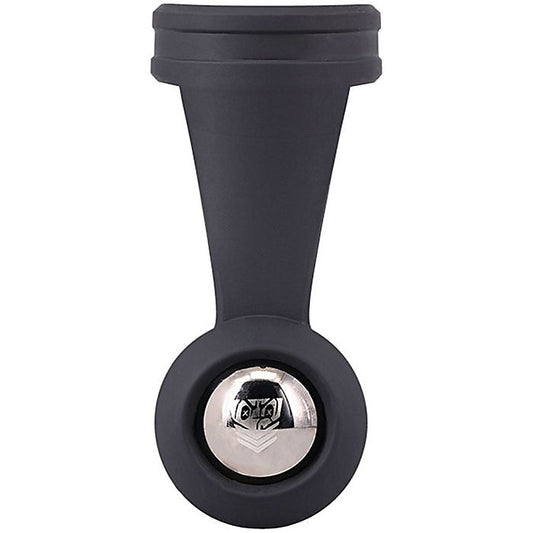
Fort Troff Swing N' Hang Weighted Ball Tugger - BlackDoc Johnson Fort Troff Swing N Hang Weighted Ball Tugger is a silicone ball stretcher with internal iron weighting designed for testicular stimulation and enhancement. Measuring 11.4 cm in length with a 3 cm inner diameter, it delivers dynamic pendulum motion responsive to body...
- $94.99
$124.99- $94.99
- Unit price
- per
-
Metallic Testicle Stretcher Weights - 2 BallsBDStyle's Metallic Testicle Stretcher Weights is a two-piece weight set designed for genital stretching and sensation enhancement. Featuring precision-engineered metallic construction with an inner ring diameter of 35mm and 13mm thickness, each weight delivers consistent pressure for extended wear. The set includes multiple attachment...
- From $25.99
$29.99- From $25.99
- Unit price
- per
-
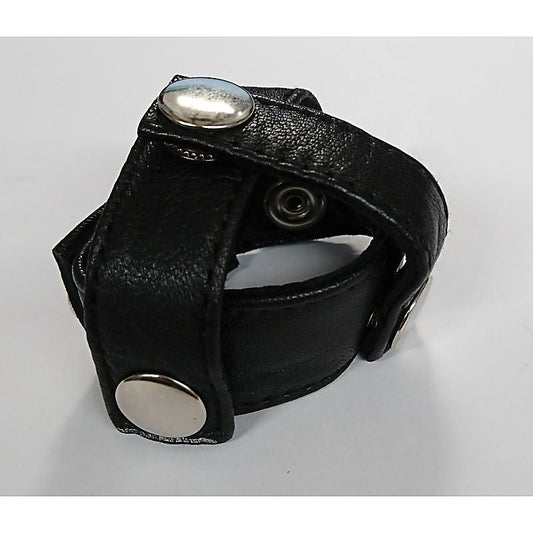
Strap Ball Stretcher by BDStyleBDStyle Strap Ball Stretcher is a surgical steel ball stretcher designed for progressive sensations and extended wear. Featuring medical-grade steel with premium double-stitched leather components, it offers 40mm and 60mm configurations with integrated D-ring compatibility. The split design enables straightforward application while maintaining secure...
- $17.99
$24.99- $17.99
- Unit price
- per
-
Mens Sensation Cock Ring Testicle Divider by Hells CoutureThe Sensation Cock Ring & Testicle Divider by Hell's Couture is a premium leather enhancement system featuring dual adjustable straps, metal stud accents, and integrated testicle separation. Weighing 105 grams, this genuine leather accessory delivers customized pressure and stamina control through precision engineering. It...
- $16.99
$19.99- $16.99
- Unit price
- per
-
Heavy Hitch Ball Stretcher Hook by BDStyleBDstyle Heavy Hitch Ball Stretcher Hook is a surgical steel testicular stretcher designed for weight-based sensation and extended wear. Measuring 1.5 inches in diameter with precision-engineered locking mechanism, this medical-grade device delivers controlled tension through careful weight distribution. The ultra-smooth polished finish prevents friction...
- $70.99
$79.99- $70.99
- Unit price
- per
-
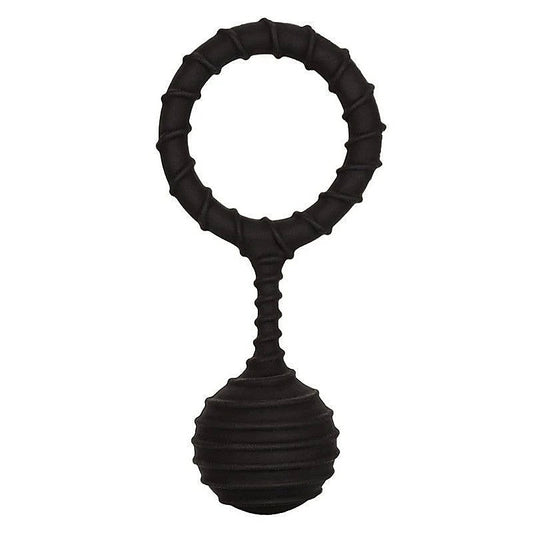
Colt Weighted Mens Pleasure Silicone Cock RingColt Weighted Men's Pleasure Silicone Cock Ring is a weighted enhancement ring designed for extended stamina and dynamic stimulation. Featuring a 4.7-4.8 ounce integrated weighted ball system and textured pleasure ridges, it delivers gravitational sensations that respond to movement. Available in large and extra-large...
- $25.99
$29.99- $25.99
- Unit price
- per
VISIT XVIDEO FOR ADULT DVDS



Vibrating Double Penetrator with Remote by Passion Play
- Black
Passion Play Double Penetrator with Remote is a dual-chamber vibrator with 21 low-frequency patterns designed for internal male stimulation. Measuring 14.5 cm insertable length and 3 cm width, it delivers steady, deep vibrations via wireless remote control from up to 8 metres away. Made...
- $69.99
$74.99- $69.99
- Unit price
- per
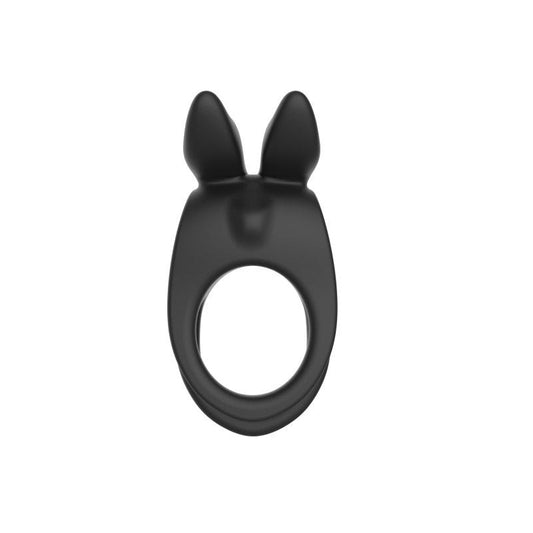
Men 10 Mode Vibrating Rabbit Cock Ring by Ashella
- Black
Ashella Men 10 Mode Vibrating Rabbit Cock Ring is a dual-ring vibrator designed for partnered stimulation and performance enhancement. Measuring 45.2 x 91.1 x 43.1mm with 10 vibration modes across 3 speed settings, it combines a supportive shaft and ball ring with external bunny...
- $34.99
$39.99- $34.99
- Unit price
- per
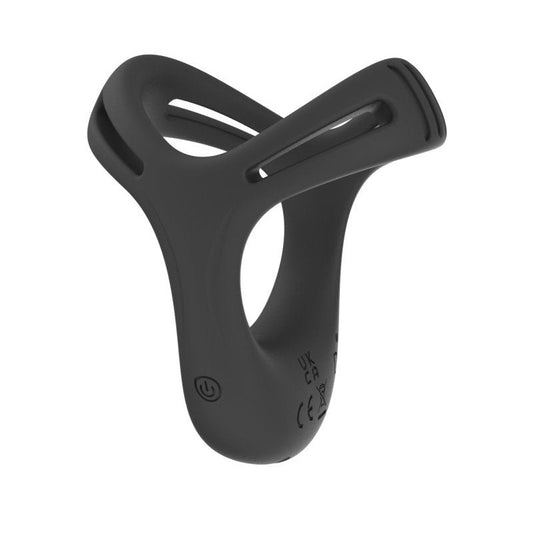
Men 10 Mode Vibrating Sling Ring by Ashella
- Black
Ashella Men 10 Mode Vibrating Sling Ring is a vibrating cock ring designed for enhanced support and dual-partner stimulation. Featuring 10 vibration modes across 3 speed settings, this silicone ring stretches to secure both shaft and balls for extended performance. At 63 x 55.5...
- $34.99
$39.99- $34.99
- Unit price
- per

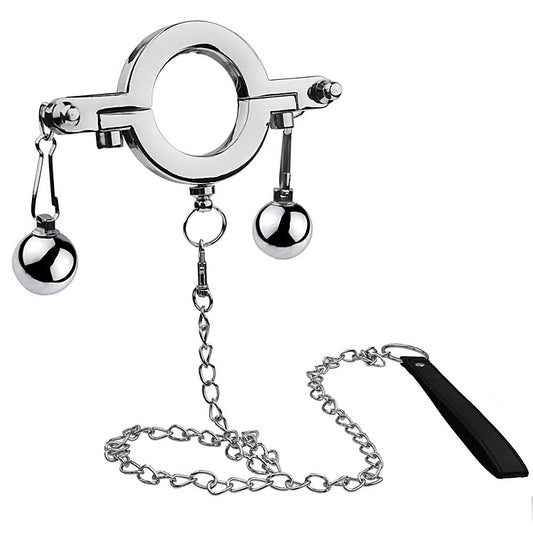

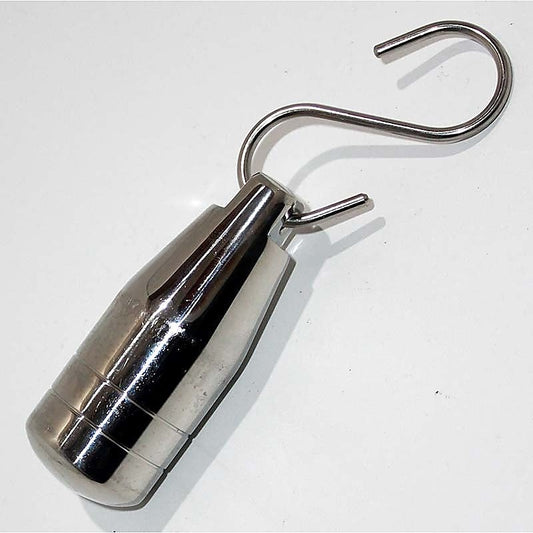

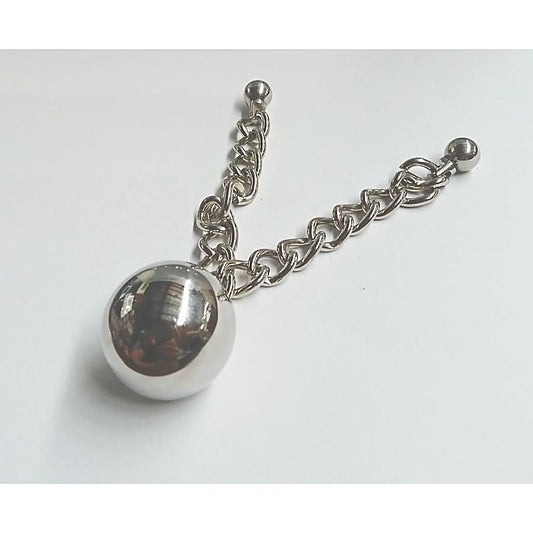

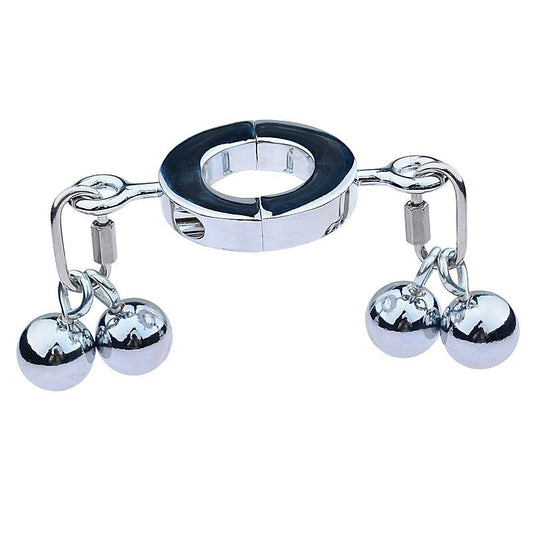

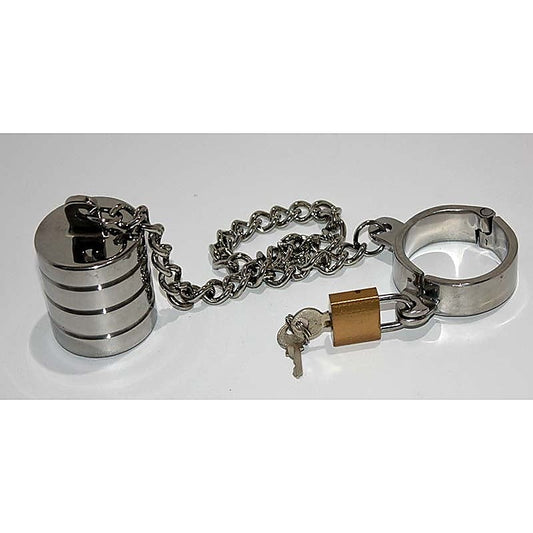

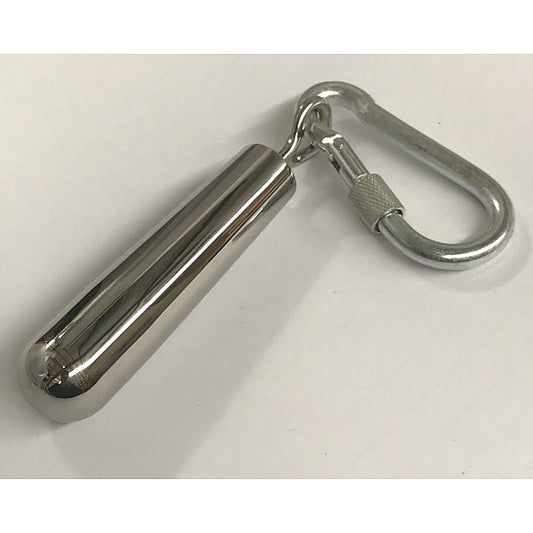







Discipline weights are BDSM sex toys that attach to clamps or restraints, using gravity to create sustained pulling tension on restrained body parts. They transform static compression into dynamic sensation, building physical and psychological intensity through constant downward force without requiring ongoing dominant involvement.
At a glance
|
🚚 Plain, discreet packaging • 🔒 Discreet billing • 🔁 Hygiene-conscious returns |
About Discipline Weights
Discipline weights are metal or weighted attachments designed to hang from body clamps, nipple clamps, genital rings, or other BDSM restraint gear already secured to skin. The constant downward pull creates stretching sensations that differ markedly from compression alone, triggering different nerve responses and producing deep aching that builds as muscles fatigue from supporting the weight. Materials range from stainless steel to aluminium, often with rubber or silicone contact points to protect skin and prevent slipping.
These sex toys work well for submissives pursuing endurance training, since the steady pulling creates manageable sustained discomfort that builds mental fortitude through prolonged sensation rather than brief intensity spikes. Practitioners exploring predicament bondage find them ideal because body positioning directly alters the angle and force of the pull, forcing difficult choices between postures that increase tension and uncomfortable positions that offer relief. Spreader Bars can be combined with discipline weights to create complex predicament scenarios where leg position determines pulling angles across multiple attachment points.
What makes Discipline Weights different
Unlike static clamps that deliver fixed compression, discipline weights add a dynamic gravitational element that shifts with every movement, breath, and position change. The constant inescapable pulling creates psychological impact that submissives cannot adapt to or mentally block the way they might with stationary sensation. This makes them especially valuable for punishment protocols requiring ongoing consequences without dominant intervention, and for building objective tolerance progression through incremental weight additions. Restraint Systems often work together with weights to create more complex, multi-point scenarios.
Types of Discipline Weights
Discipline weights come in several distinct configurations, each suited to different body parts and scene goals.
Nipple weights. Designed to hang from nipple clamps, these usually range from 100 grams to 500 grams per side. The pulling sensation intensifies with arm movement and breathing, making them ideal for extended wear during other scene activities.
Genital weights. These attach to cock rings, labia clamps, or similar genital restraints, creating intense pulling sensations during movement. Weight ranges vary widely depending on anatomy and tolerance, and positioning determines whether tension increases or decreases with body movement.
Wrist and ankle weights. Smaller weights (50–250 grams) that attach to limb restraints or spreader bars, creating cumulative pulling across multiple points. Chastity Belts can sometimes accommodate small weights for additional sensation during extended wear periods.
Chain-mounted weights. Suspended weights that hang between two clamp points, distributing tension across both attachment sites. These work well for predicament bondage where the submissive's body position determines how much weight pulls on each clamp simultaneously.
How they compare
| Model | Material | Best for | Control or Base | Safety |
|---|---|---|---|---|
| Stainless Steel Nipple Weights (250g pair) | Polished stainless steel with silicone contact pads | Extended nipple play and endurance training | Passive; gravity-driven once attached to clamp | Non-corrosive; inspect silicone pads for wear before use |
| Aluminium Genital Ring Weight (150g) | Anodised aluminium with rubber grip coating | Genital predicament bondage and position control | Passive; weight shifts with body movement and positioning | Lightweight option for sensitive anatomy; check ring fit before attaching weight |
| Chain-Mounted Dual Weight System (200g each) | Steel chain with stainless steel weight blocks | Predicament bondage across multiple clamp points | Passive; tension distributes between both attachment sites | Inspect chain links for damage; never leave unattended during wear |
| Progressive Weight Set (50g, 100g, 150g, 200g) | Stainless steel with modular attachment loops | Systematic tolerance building and training progression | Passive; weights stack or combine for incremental increase | Track tolerance progression in writing; allow recovery time between sessions |
How to choose a discipline weight
Start by identifying which body part you want to weight—nipples, genitals, limbs, or multiple points—since that determines the weight range and attachment type you'll need. Nipple weights typically start around 100–150 grams per side for most people; genital weights vary much more widely depending on individual anatomy and tolerance. If you're new to weighted sensation, begin conservatively with a lighter option and progress upward over multiple sessions rather than jumping to heavier weights immediately. Babydolls have nothing to do with discipline weights, but many people exploring BDSM wear comfortable clothing during longer scenes where weights will be attached.
Consider whether you want a single weight or a progressive set that lets you track tolerance building objectively across weeks or months. Stainless steel weights last longer and resist corrosion better than other metals, though they're also heavier for the same volume. Check that any clamps or restraints you already own are compatible with the weight's attachment point—some weights use carabiners, others use screw loops, and some clip directly onto clamp chains. Always inspect attachment points before use to ensure nothing will slip or fail during wear.
Tips from the Adultsmart team
Hard-won pointers from the Adultsmart team, alongside our panel of sexologists, educators, and adult-industry contributors. Meet our experts →
After years of helping customers with discipline weights, the most common mistake we see is people attaching too much weight too soon and then abandoning them because the sensation feels unbearable rather than pleasurable. Start with 100–150 grams on a single clamp point and wear it for just 10–15 minutes during your first session. This lets you understand how the pulling sensation actually feels on your body before committing to heavier weights or longer durations. Progressive tolerance building works best when you add weight in small increments—25 to 50 grams per session—rather than doubling the load.
Compatibility between your weights and clamps matters more than most people realise before they buy. If your clamps have small attachment loops or use a specific chain gauge, make sure the weight's connector matches. Some weights come with multiple attachment options (carabiner, screw loop, clip), which gives you flexibility across different restraint gear. Measure your clamp attachment point before ordering, and don't assume all weights fit all clamps—many customers discover this the hard way and end up with weights they can't actually use with their existing gear.
Never leave someone wearing discipline weights unattended, especially during the first few sessions with a particular weight or attachment point. Watch for signs of circulation problems—colour changes, numbness, or tingling below the weight—and establish a clear safe word before you start. Skin under attachment points can develop pressure marks or minor irritation, so inspect the area after you remove the weights and give the skin time to recover before reattaching. If you're using weights on sensitive anatomy, check in frequently and be prepared to remove them sooner than you planned if the sensation shifts from manageable discomfort into pain.
| Please read — safety first. Charge only with the supplied cable and keep the charging port dry unless the sex toy is waterproof-rated. Pair and update through the official app, and switch the device off fully between sessions so the motor and battery aren't left under load. This information is general in nature only and is not medical advice; it does not account for your individual circumstances. If you have a relevant health condition or experience any persistent discomfort, discontinue use and seek advice from a qualified medical professional. |
Care and cleaning
Clean discipline weights after each use with warm soapy water and dry them thoroughly to prevent corrosion, especially where metal meets rubber or silicone contact pads. Stainless steel weights resist rust and can be wiped down quickly; aluminium weights need drying immediately to avoid oxidation. Store weights in a cool, dry place away from moisture. Inspect rubber or silicone attachment pads regularly for cracks, tears, or hardening, and replace them if they no longer grip securely or might slip during wear.
Learn more
Discipline weights sit at the intersection of physical sensation and psychological control, making them relevant to broader conversations about consent and power exchange in BDSM contexts. Can Employers Discipline Workers For Adult Content Online explores how adults navigate privacy around their sexual interests in professional settings.
Why shop Discipline Weights at Adultsmart
Keen to get this right the first time? Adultsmart stocks discipline weights in stainless steel, aluminium, and progressive weight sets, with detailed specifications so you can match weights to your existing clamps before you buy. We pack everything in discreet, unmarked boxes and bill under a non-descript company name so your privacy is protected from delivery through to your door. Real advice, body-safe products, and discreet delivery Australia-wide.
Discipline Weights FAQ
What weight amounts are safe for different body locations during discipline play?
Nipples tolerate 100-300 grams for 15-20 minutes with conditioned tissue. Genital areas (labia, scrotum, cock skin) require lighter loads of 25-150 grams maximum due to thinner tissue and higher tearing risk. Earlobes and tongue need minimal weights under 50 grams. Start at the lower end of ranges, increasing by 25-50 gram increments as tolerance develops through progressive training.
What maintenance prevents weight attachment hardware corrosion?
Clean attachment points after every use with antibacterial cleaner removing body fluid residue that corrodes metal. Dry thoroughly before storage preventing rust formation. Inspect screw threads and spring mechanisms monthly for degradation indicating replacement necessity. Apply food-grade anti-seize compound to threaded attachments quarterly preventing binding. Replace hardware showing rust, cracks, or deformation immediately before mechanical failure during scenes.
How long can discipline weights be worn safely during BDSM scenes?
Light weights (25-100g) tolerate 20-30 minute sessions safely. Medium weights (100-300g) limit to 10-20 minutes before tissue stress becomes concerning. Heavy weights (300g+) should only hang for 5-10 minutes maximum due to extreme pulling forces risking permanent stretching or tearing. Remove immediately if circulation problems, numbness, or sharp pains develop during wear.
How do clip attachments compare to permanent hooks for weight applications?
Clip attachments allow quick weight changes mid-scene without disturbing clamps, ideal for progressive loading during training. Permanent hooks provide superior security under heavy loads but prevent hardware flexibility. Clips suit dynamic scenes with varying intensity, while permanent hooks work better for single-weight static applications where maximum security matters more than adjustment capability.
What makes spherical weights different from cylindrical designs?
Spherical weights swing and shift with body movement, creating unpredictable pulling angle changes that maintain attention through varying sensations. Cylindrical weights hang vertically with minimal swing, producing stable consistent pulling better for mental endurance focus without movement-triggered intensity fluctuations. Spheres suit active scenes while cylinders work for static positions and meditation-style discipline.
How should weights be added progressively during training sessions?
Start with 25-50 grams allowing 5-10 minutes adaptation before adding more. Increase by 25-50 gram increments every 5-10 minutes for systematic progression. Document exact weights and wear times tracking tolerance development across sessions. Never add more than 100 grams total per session during initial training phases. Experienced users may progress faster but should maintain consistent increment sizes for safety.
What attachment hardware prevents weights from detaching during movement?
Screw-gate clips lock closed preventing accidental opening under load or during activity. Spring clips with safety catches provide secure attachment with quick-release capability for emergencies. Welded rings offer permanent security but lack removal convenience. Always test attachment security by tugging gently before releasing weight fully onto tissue to verify connection integrity before scene activities begin.
How does weight shape affect psychological impact during humiliation scenes?
Decorative shapes like teardrops or geometric forms create obvious visual display emphasizing objectification and degradation through visible weighted attachments. Industrial shapes like hex nuts or cylindrical bars provide mechanical utilitarian appearance reinforcing functional use rather than erotic context. Decorative weights suit exhibitionist humiliation while plain functional designs work better for private discipline focusing on sensation rather than appearance.
What tissue preparation reduces tearing risk from weighted pulling?
Apply weights only to well-stimulated engorged tissue where increased blood flow improves elasticity and resilience. Warm tissue with massage, suction, or arousal before attachment. Avoid weighting cold or unstimulated tissue that lacks flexibility. Use clamps with wide jaw surfaces distributing pulling forces across larger attachment areas rather than narrow points concentrating stress that tears tissue more easily.
How do chain-linked weights differ from individual weight applications?
Chain-linked systems distribute total weight across multiple attachment points reducing load per location while creating coordinated pulling sensations. Individual weights deliver full force to single locations creating more intense local stress. Chains suit lighter total loads spread broadly, while individual weights work for focused applications where concentrated pulling serves specific training or punishment purposes.
Recently Viewed Products
Example product title
- $19.99
- $19.99
- Unit price
- per
Example product title
- $19.99
- $19.99
- Unit price
- per
Example product title
- $19.99
- $19.99
- Unit price
- per
Example product title
- $19.99
- $19.99
- Unit price
- per
Example product title
- $19.99
- $19.99
- Unit price
- per
Example product title
- $19.99
- $19.99
- Unit price
- per
Example product title
- $19.99
- $19.99
- Unit price
- per
Example product title
- $19.99
- $19.99
- Unit price
- per
Example product title
- $19.99
- $19.99
- Unit price
- per
Example product title
- $19.99
- $19.99
- Unit price
- per
Why Shop With Adultsmart?
- Choosing a selection results in a full page refresh.