



-
Grapefruit Blowjob Masturbator Set by Doc Johnson - Yellow/PinkDoc Johnson Grapefruit Blowjob Stroker Set is an open-ended stroker made from body-safe ULTRASKYN material featuring a tight, textured interior. The set includes a 29ml bottle of Grapefruit-flavored GoodHead Slick Head lubricant and ULTRASKYN Refresh Powder to maintain the material. It delivers handheld stroking...
- $59.99
$69.99- $59.99
- Unit price
- per
-
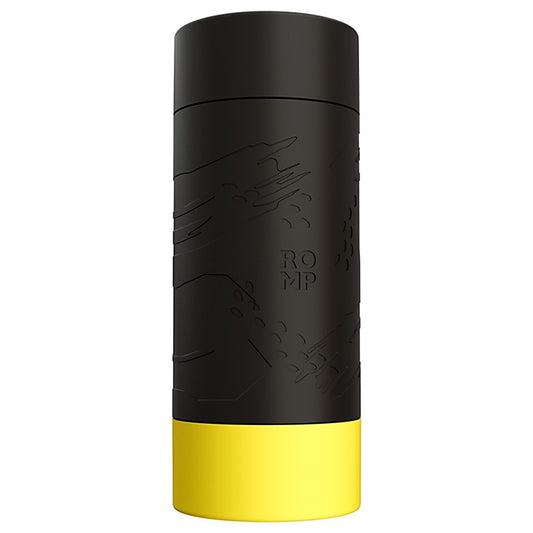
Romp Dash Masturbator by Love Honey - BlackLove Honey Romp Dash is a penis masturbator designed for hands-on solo play. At 7.5 inches in internal length with a soft TPE canal, it accommodates most penis sizes. The suction feature operates through manual control of the pressure release valve, delivering variable intensity...
- $49.99
$59.99- $49.99
- Unit price
- per
-
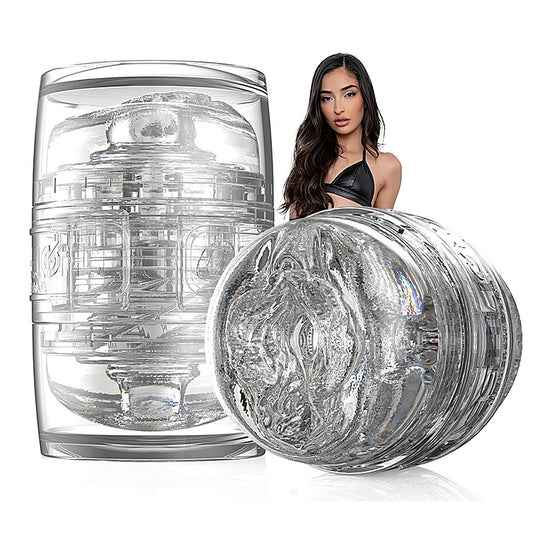
Quickshot Emily Willis Masturbator by FleshlightFleshlight Quickshot Emily Willis Realistic Stroker is a dual-orifice masturbator featuring transparent SuperSkin construction with 4-inch usable length. The clear sleeve replicates both vaginal and anal openings from adult performer Emily Willis, allowing visual stimulation during solo or partnered play. Open-ended design enables passthrough...
- $69.99
$74.99- $69.99
- Unit price
- per
-
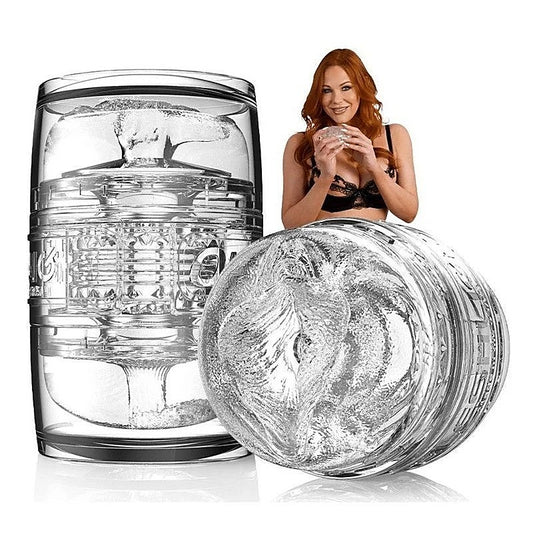
Quickshot Maitland Ward Masturbator by FleshlightFleshlight Girl Quickshot Maitland Ward is a compact male stroker with dual-entry orifices molded from adult performer Maitland Ward. At 4.4 inches long, it features clear SuperSkin sleeve, open-ended design, and waterproof construction. The stroker delivers lifelike sensations through vagina and butt entry options,...
- $64.99
$79.99- $64.99
- Unit price
- per
-
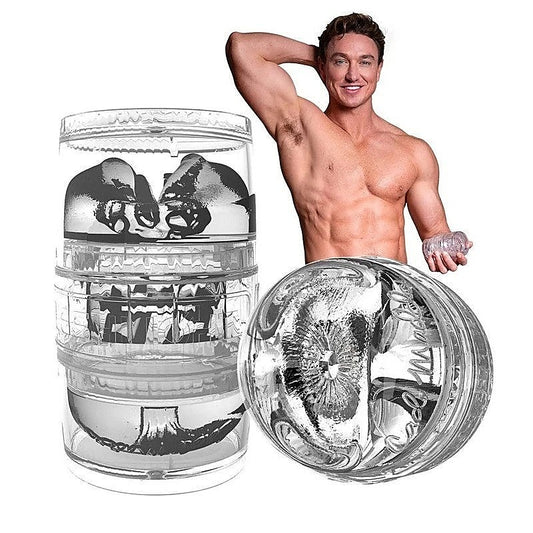
Quickshot Cade Maddox Masturbator by FleshlightFleshlight Quickshot Cade Maddox is a dual-entry stroker featuring SuperSkin sleeve molded from adult performer Cade Maddox's lips and butt. At 6.75 inches long with an open-ended, waterproof design, it accommodates all sizes and simplifies cleaning. The compact case makes it travel-friendly, suitable for...
- $69.99
$79.99- $69.99
- Unit price
- per
-
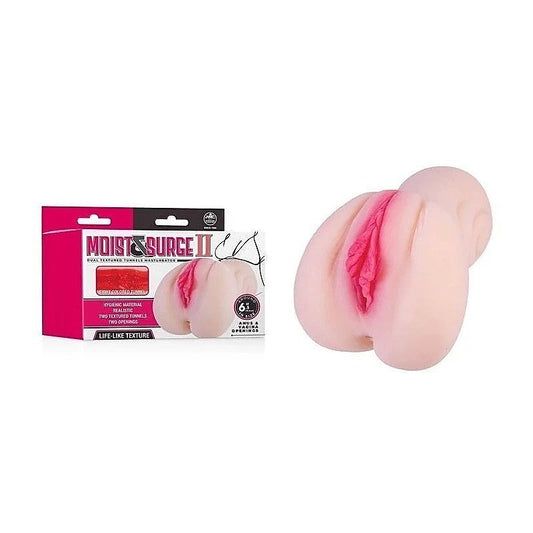
Moist and Surge II Dual Layer Vagina Stroker - FleshThe Excellent Power Moist and Surge II Dual Layer Vagina Stroker With Two Openings is a premium dual-entrance male stroker featuring anatomically correct vaginal and anal tunnels. Measuring 15.2 cm long with body-safe TPE construction, it delivers distinct internal textures in each chamber and...
- $49.99
$64.99- $49.99
- Unit price
- per
-
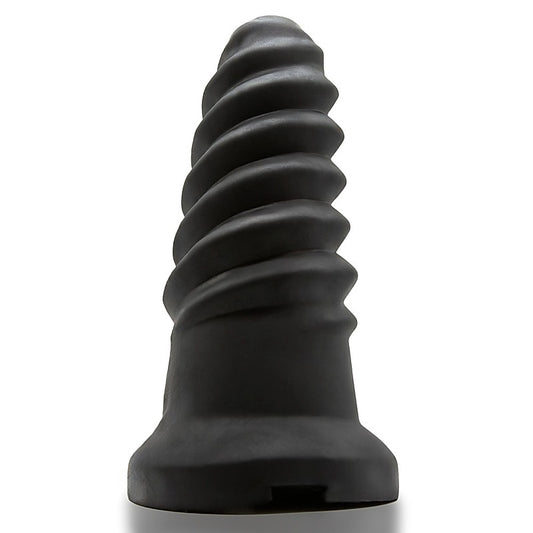
Screwdhole Screwd-In Open Tip Masturbator Night by OxBalls - ClearOxBalls Screwdhole Screwd-In Open Tip Male Masturbator Night Edition is a textured stroker crafted from phthalate-free Silsoft Silicone Blend. Measuring 6.75 inches long with variable width from 1.5 to 3.25 inches and a screw-shaped internal design, it delivers progressive stimulation through strategically positioned humps...
- $69.99
$89.99- $69.99
- Unit price
- per
-
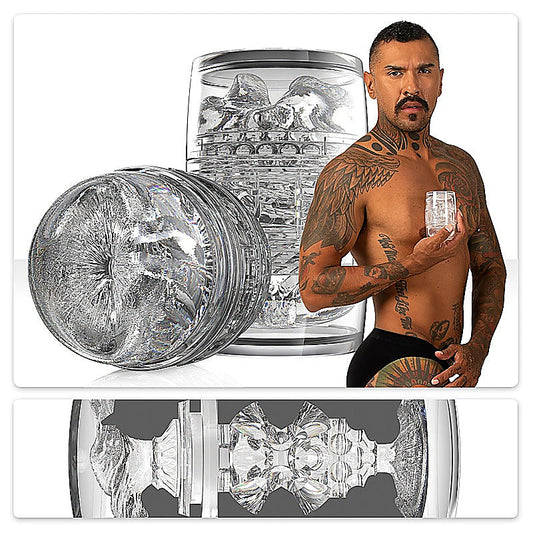
Quickshot Boomer Banks Masturbator by FleshlightFleshlight Quickshot Boomer Banks Realistic Stroker is a compact open-ended masturbator featuring a patented clear SuperSkin sleeve designed for realistic internal sensation. The 4.75-inch case fits discreetly in travel bags while delivering textured internal chambers that mimic natural anatomy. It includes removable end caps...
- $64.99
$74.99- $64.99
- Unit price
- per
-
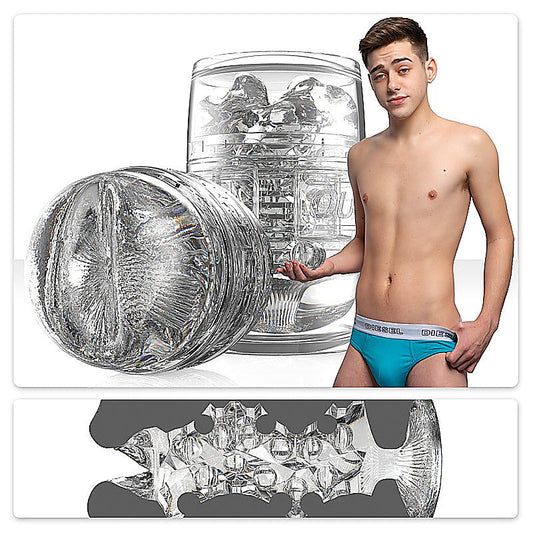
Quickshot Joey Mills Masturbator by FleshlightFleshlight Quickshot Joey Mills is an open-ended masturbator designed for compact, portable stimulation. The clear SuperSkin sleeve measures 5.75 inches long with dual end caps for storage and discreet carrying. Its patented material replicates natural sensation while the open design allows temperature play and...
- $64.99
$74.99- $64.99
- Unit price
- per
-
Quickshot Diego Sans Masturbator by FleshlightFleshlight Quickshot Diego Sans is a compact open-ended male masturbator featuring a clear SuperSkin sleeve. Measuring 5.75 inches long with a patented transparent design, it delivers realistic internal texture through the branded sleeve. The open-ended construction allows customizable grip and depth control, making it...
- $64.99
$74.99- $64.99
- Unit price
- per
VISIT XVIDEO FOR ADULT DVDS



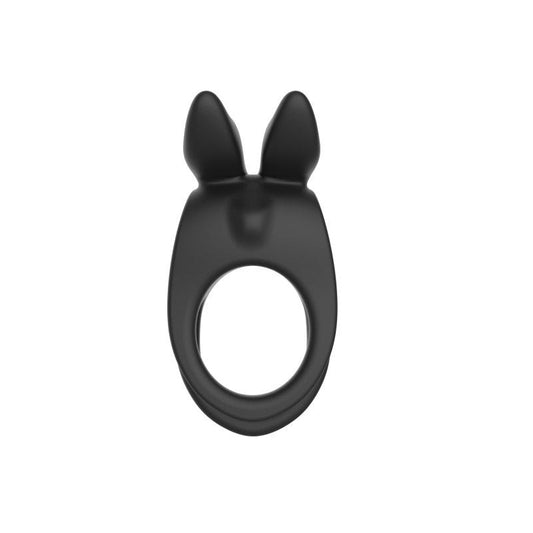
Men 10 Mode Vibrating Rabbit Cock Ring by Ashella
- Black
Ashella Men 10 Mode Vibrating Rabbit Cock Ring is a dual-ring vibrator designed for partnered stimulation and performance enhancement. Measuring 45.2 x 91.1 x 43.1mm with 10 vibration modes across 3 speed settings, it combines a supportive shaft and ball ring with external bunny...
- $34.99
$39.99- $34.99
- Unit price
- per
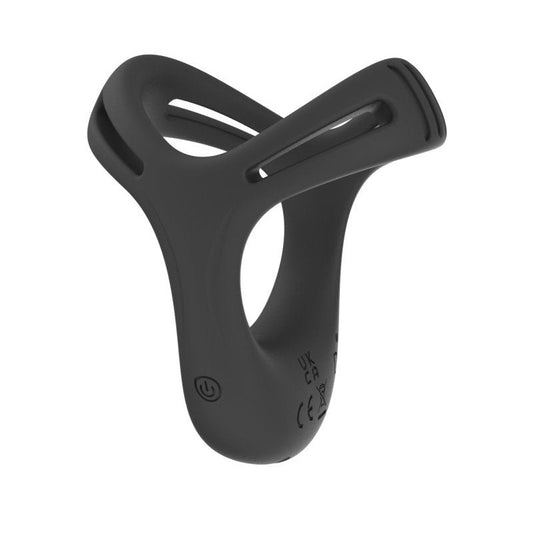
Men 10 Mode Vibrating Sling Ring by Ashella
- Black
Ashella Men 10 Mode Vibrating Sling Ring is a vibrating cock ring designed for enhanced support and dual-partner stimulation. Featuring 10 vibration modes across 3 speed settings, this silicone ring stretches to secure both shaft and balls for extended performance. At 63 x 55.5...
- $34.99
$39.99- $34.99
- Unit price
- per
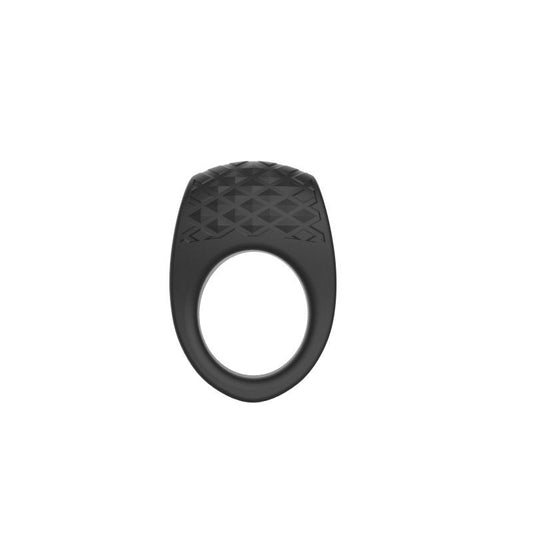
Men 10 Mode Vibrating Cock Ring by Ashella
- Black
The Ashella Men Vibrating Cock Ring is a silicone erection ring featuring 10 vibration modes across 3 speed settings. Measuring 45.5 x 66.7 x 29.4mm with rechargeable USB power lasting one hour per charge, it delivers customizable stimulation for solo or partnered play. The...
- $34.99
$39.99- $34.99
- Unit price
- per
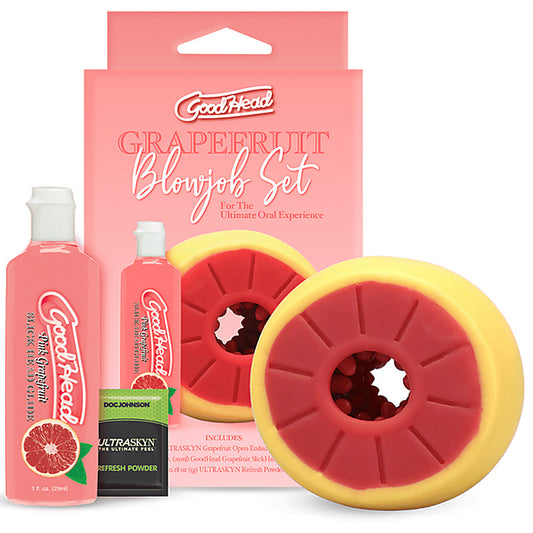









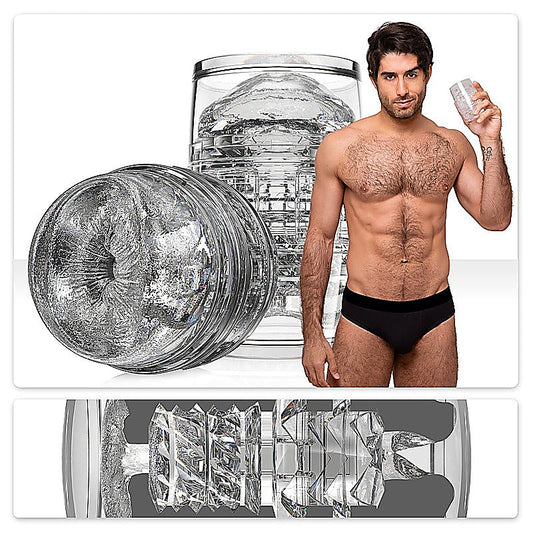

Open-ended masturbators are male strokers with through-hole construction—openings at both the entrance and exit. This design gives you manual suction control, makes cleaning straightforward, and works for any shaft length since excess simply extends through the exit end.
At a glance
|
🚚 Plain, discreet packaging • 🔒 Discreet billing • 🔁 Hygiene-conscious returns |
About Open Ended Masturbators
Open-ended masturbators are strokers designed with through-hole construction that lets you control the sensation in real time. The dual openings mean you can create vacuum pressure by covering the exit during withdrawal strokes, then release it during insertion for a looser glide. Materials range from medical-grade silicone to soft TPE, each offering different firmness levels and durability. If you're looking for a similar concept in partnered play, Double-Ended Dildos offer a comparable through-hole principle for couples.
These strokers suit several user types. If you have above-average length, the open-ended design prevents the discomfort of bottoming out in a closed chamber. If you value ease of maintenance, the flow-through cleaning eliminates the need to turn the sleeve inside out. If you want real-time pressure adjustment without changing your outer grip, the manual suction control gives you that flexibility within a single session.
What makes Open Ended Masturbators different
The key difference is control and practicality. Closed-end strokers offer consistent sensation but fixed pressure and require more involved cleaning. Open-ended designs let you vary tightness by simply covering or uncovering the exit hole, adjust drainage instantly, and work regardless of your length. If you're comparing across the broader category, Male Masturbators include closed chambers, vibrating sleeves, and textured options—but open-ended models are the only ones offering this level of manual suction customisation.
Types of Open Ended Masturbators
Open-ended strokers come in several distinct styles:
Basic sleeve strokers. Simple, textured tubes with minimal internal detail. Lightweight and easy to control; ideal for learning manual suction techniques before moving to more complex designs.
Textured chamber strokers. Ribbed, nubbed, or patterned internal surfaces that add sensation during the stroke. The texture intensifies grip feedback, especially when you seal the exit for maximum vacuum.
Dual-chamber strokers. Two distinct internal zones with different textures or firmness levels. You can vary your stroke to hit different sensations, and some users appreciate the added internal structure that mimics anatomical variation.
Suction-tube strokers. Designed specifically to amplify the vacuum effect, with a narrower exit hole that makes sealing easier and pressure more pronounced. Popular with users who prioritise the suction sensation itself, and sometimes used alongside Floggers or other sex toys in a broader session.
How they compare
| Model | Material | Best for | Control or Base | Safety |
|---|---|---|---|---|
| Standard TPE sleeve | Thermoplastic elastomer | First-time users; budget-conscious buyers | Manual suction via exit coverage | Porous; requires thorough drying; water-based lube only |
| Silicone tube stroker | Medical-grade silicone | Long-term durability; easy cleaning | Manual suction with firm exit seal | Non-porous; compatible with all lube types; dishwasher safe |
| Textured ribbed stroker | TPE or silicone blend | Added internal sensation during stroke | Manual suction; texture intensifies vacuum effect | Check material; water-based lube recommended for TPE |
| Dual-chamber stroker | Silicone or TPE hybrid | Varied sensation; longer sessions | Manual suction across two distinct zones | Hybrid materials; inspect seams; air dry thoroughly |
How to choose an open ended masturbator
Start by considering what sensation matters most. If you're drawn to strong suction and vacuum feedback, look for strokers with a narrower exit hole and firmer material—they seal more easily and amplify pressure. If texture is your priority, choose ribbed or nubbed chambers. If you want the stroker to last years without degrading, silicone is more durable than TPE, though both are valid choices. Think about your shaft length; open-ended designs won't pressure you, but consider the overall stroker length and whether you prefer a compact sex toy or something with more internal depth.
Material choice also affects maintenance. Silicone is non-porous, dishwasher-safe, and works with any lube—a genuine long-term investment. TPE is softer, more affordable, and porous, so it needs careful drying and water-based lube only. If you're new to strokers or exploring alongside other gear like Babydolls or other items, a mid-range TPE stroker is a sensible starting point. If you know you'll use this regularly, silicone pays for itself over time.
Tips from the Adultsmart team
Hard-won pointers from the Adultsmart team, alongside our panel of sexologists, educators, and adult-industry contributors. Meet our experts →
After years of helping customers with open-ended strokers, we've noticed the most common mistake is using too little lubricant. Because both ends are open, lube leaks out during use—you need more than you'd think, and reapplying mid-session is normal. Keep a small cup of lube nearby and don't be shy about topping up. It makes the whole experience smoother and stops the stroker from drying out, which kills the sensation and can wear the material faster.
The second thing: don't assume maximum suction is always better. Many first-timers seal the exit hole completely and grip hard, expecting intense sensation—but that's often uncomfortable rather than pleasurable. Start with loose coverage or partial sealing, and experiment with rhythm. Some users find alternating between sealed and open strokes (tight on withdrawal, loose on insertion) hits a sweet spot that full sealing never does. Give yourself permission to adjust on the fly.
Finally, drying matters more than people realise. Open-ended strokers dry faster than closed ones because air flows through both ends, but moisture still gets trapped inside if you don't leave them standing upright or hanging. After rinsing, shake out excess water, then stand the stroker vertically with the openings facing up. A few hours in a warm room and it'll be bone dry. Storing a damp stroker invites mildew, which ruins the material and makes it unsafe.
| Please read — safety first. Charge only with the supplied cable and keep the charging port dry unless the sex toy is waterproof-rated. Pair and update through the official app, and switch the device off fully between sessions so the motor and battery aren't left under load. Never share between partners, or between anal and vaginal use, without cleaning the item first or using a fresh condom. This information is general in nature only and is not medical advice; it does not account for your individual circumstances. If you have a relevant health condition or experience any persistent discomfort, discontinue use and seek advice from a qualified medical professional. |
Care and cleaning
Rinse immediately after use with warm water, running it through both openings to flush the chamber completely. For stubborn residue, use a soft cloth or gentle brush inside; avoid anything abrasive. Pat dry with a lint-free towel, then stand the stroker upright with openings facing up to air dry fully before storage. Store in a cool, dry place away from direct sunlight. Check periodically for signs of mould, especially if the stroker was stored damp.
Learn more
Strokers come in many styles and brands. If you're curious about specific manufacturers and their approach to design, Tenga Masturbators offer detailed insight into how premium stroker engineering works and what sets different models apart.
Why shop Open Ended Masturbators at Adultsmart
Looking for a piece that actually fits how you play? Adultsmart stocks open-ended strokers in silicone, TPE, and hybrid materials, with clear descriptions of texture, size, and material properties so you know exactly what you're getting. We pack everything discreetly and bill it privately. Body-safe, clearly labelled, and chosen by people who use this gear.
Open Ended Masturbators FAQ
Does manual suction control in open-ended strokers require constant attention during use?
Manual exit coverage demands conscious hand positioning to maintain vacuum pressure, requiring more attention than automatic enclosed suction. Users must coordinate exit covering with stroke rhythm, though the technique becomes intuitive after several sessions. Some find the active control engaging while others prefer the passive automatic suction of closed designs.
How does chamber length in open-ended strokers affect usability despite unlimited length accommodation?
Longer chambers provide more textured surface engagement and allow greater stroke length variation before the shaft extends completely through the exit. Shorter open-ended sleeves concentrate texture on smaller shaft areas and limit stroke length before full pass-through occurs. Length accommodation prevents bottoming out but does not eliminate the practical differences that chamber depth creates for stroke dynamics and texture coverage.
Can open-ended masturbators achieve suction intensity matching fully enclosed strokers?
Complete exit sealing with firm palm coverage creates vacuum pressure comparable to enclosed automatic suction when executed properly. However, maintaining perfect sealing throughout vigorous stroking proves challenging, with occasional air leaks reducing intensity. Enclosed designs deliver more consistent maximum suction without technique-dependent pressure maintenance.
How much additional lubricant do open-ended designs require compared to closed chambers?
Open-ended strokers typically consume 30-50 percent more lubricant since both openings allow leakage during use rather than containing fluids within sealed chambers. Vigorous stroking accelerates lubricant displacement toward exits, requiring more frequent reapplication or larger initial amounts to maintain adequate moisture throughout extended sessions.
Do through-hole designs compromise texture intensity compared to enclosed textured sleeves?
Internal texture patterns function identically in open and closed designs when equivalent suction pressure is applied. The open-ended construction affects pressure control but not inherent texture character. Users controlling exit coverage properly experience texture intensity matching enclosed strokers, though inconsistent sealing creates variable texture engagement that enclosed automatic suction eliminates.
Can users with average or below-average length benefit from open-ended designs despite unlimited accommodation being unnecessary?
Flow-through cleaning convenience and adjustable suction control benefit users regardless of length considerations. The simplified maintenance and customizable pressure appeal to anyone prioritizing these features over automatic suction consistency. Length accommodation simply adds value for those needing it without diminishing benefits for users within standard size ranges.
How does exit opening diameter affect suction control difficulty during use?
Larger exit openings require more hand surface area to seal effectively, making complete coverage slightly more challenging during vigorous movement. Smaller exits seal more easily with fingertip coverage but may restrict flow-through cleaning efficiency and limit how much shaft can extend through. Most open-ended designs balance these factors with 3-4cm exit diameters accommodating both sealing ease and functional flow-through.
Do open-ended strokers dry completely between uses without active drying intervention?
Positioning the sleeve upright with both openings exposed allows passive air circulation that achieves complete drying within 2-4 hours in most environments. High humidity conditions may extend drying time, occasionally requiring towel patting or active airflow from fans. The through-hole design still dries substantially faster than enclosed chambers regardless of intervention level.
Can textured open-ended sleeves accommodate effective cleaning without texture pattern degradation?
Flow-through rinsing reaches textured surfaces effectively without the aggressive stretching that inside-out cleaning requires, potentially extending texture lifespan. However, complex patterns with deep crevices may trap residue that through-flow alone cannot dislodge, occasionally requiring finger cleaning or soft brush assistance for complete removal without relying solely on water flow.
Does lubricant leakage from open ends create hygiene concerns during storage?
Thorough post-use cleaning and complete drying before storage prevents residual lubricant issues. Properly maintained open-ended sleeves pose no greater hygiene risks than enclosed designs. Users must simply ensure both openings are completely clean and dry before storage, as the dual-opening design provides no advantage against bacterial growth if moisture remains trapped in inadequately dried chambers.
Recently Viewed Products
Example product title
- $19.99
- $19.99
- Unit price
- per
Example product title
- $19.99
- $19.99
- Unit price
- per
Example product title
- $19.99
- $19.99
- Unit price
- per
Example product title
- $19.99
- $19.99
- Unit price
- per
Example product title
- $19.99
- $19.99
- Unit price
- per
Example product title
- $19.99
- $19.99
- Unit price
- per
Example product title
- $19.99
- $19.99
- Unit price
- per
Example product title
- $19.99
- $19.99
- Unit price
- per
Example product title
- $19.99
- $19.99
- Unit price
- per
Example product title
- $19.99
- $19.99
- Unit price
- per
Why Shop With Adultsmart?
- Choosing a selection results in a full page refresh.