




-
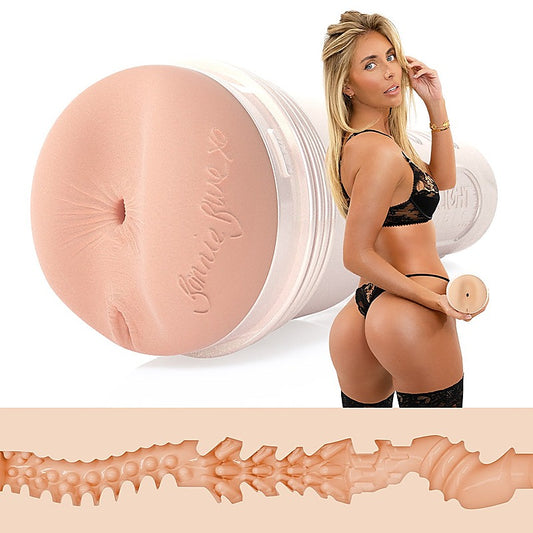
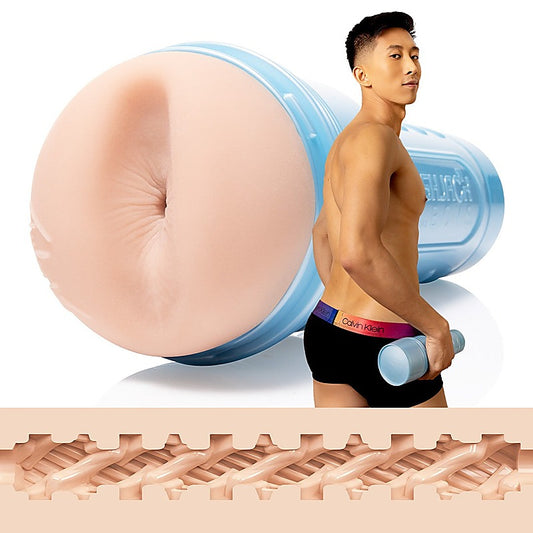
Bonnie Blue Zero Miles Butt Masturbator by FleshlightBonnie Blue Zero Miles Butt Masturbator by Fleshlight is an officially licensed stroker featuring progressive internal texture designed for balanced anal stimulation. Measuring 8.75 inches long with patented SuperSkin material, it delivers gradually intensifying pressure from entry through climax. The removable sleeve and adjustable...
- $129.99
$139.99- $129.99
- Unit price
- per
-
Body Parts Collection Abella Danger Buttwoman MasturbatorBody Parts Collection Abella Danger Buttwoman Masturbator is a realistic stroker sleeve designed for male masturbation, crafted from soft Fanta Flesh material. At 14 centimeters long with a 4.5-centimeter inner diameter, it features an internal texture that mimics natural sensations. The stroker delivers tactile...
- $134.99
$144.99- $134.99
- Unit price
- per
-
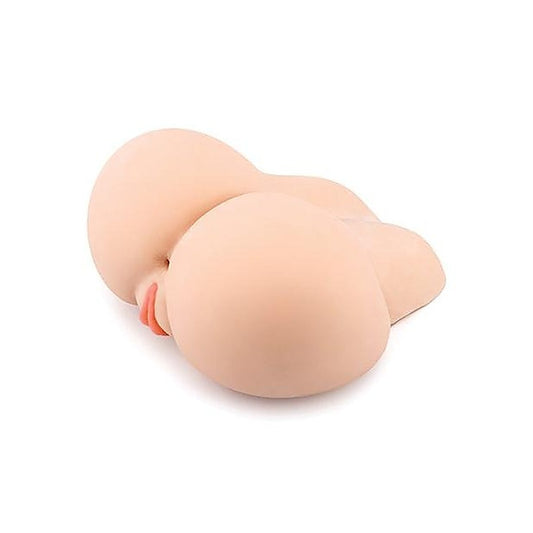
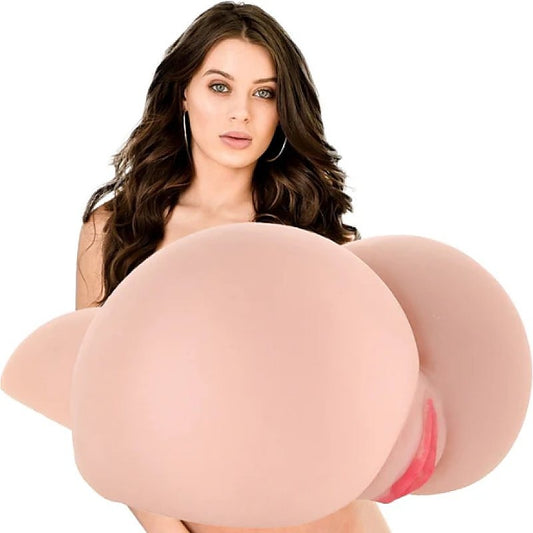
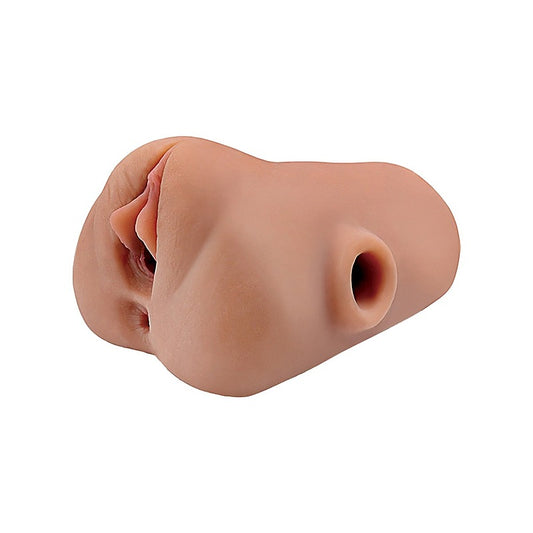
Body Parts Collection Lana Rhodes Buttwoman MasturbatorThe Lana Rhodes Big Round Ass Pussy and Anus Masturbator is a dual-channel silicone stroker designed for realistic penetrative sensation with distinct vaginal and anal textures. Weighing 5.73 pounds with dimensions of 7 x 8 x 5 inches, this Body Parts Collection piece delivers...
- $109.99
$119.99- $109.99
- Unit price
- per
-
Cheap Thrills The Soldier Stroker by California ExoticsCheap Thrills The Soldier Stroker by California Exotics is a realistic masturbator crafted from Pure Skin TPR material, weighing 0.46 kg with dimensions of 8.25 inches long and 3.75 inches in diameter. The textured internal chamber delivers multi-sensory stimulation through its intricately designed passage,...
- $39.99
$49.99- $39.99
- Unit price
- per
-
Cheap Thrills The Wrestler Stroker by California ExoticsCheap Thrills The Wrestler Stroker by California Exotics is a heavyweight TPR masturbator weighing 0.46 kg, designed for intense stroking pleasure with a textured internal chamber. Measuring 8.25 inches long with a 3.75-inch diameter, it features a closed-end design that creates powerful suction and...
- $39.99
$49.99- $39.99
- Unit price
- per
-
Zolo STROKE OFF Backdoor Action Anal Stroker - FleshZolo STROKE OFF Backdoor Action is a realistic anal stroker featuring textured inner sleeves for intense stimulation. Measuring 24 cm long with a 9.5 cm diameter, it delivers coiled and ribbed textures throughout the full length. The removable, easy-clean sleeve and ergonomic grip make...
- $64.99
$74.99- $64.99
- Unit price
- per
-
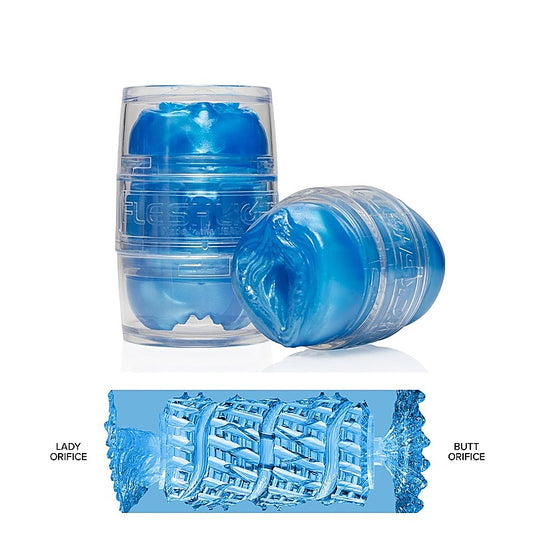
Quickshot Alien Lady Butt Masturbator MetallicFleshlight Quickshot Alien Lady/Butt is a dual-entry compact male masturbator featuring textured alien-inspired sleeves in metallic blue. At 5.75 inches long with open-ended design, it offers both mini lady and mini butt orifices for versatile stimulation. The shorter format suits quick sessions, easy cleaning,...
- $69.99
$74.99- $69.99
- Unit price
- per
-
PDX Double Pounder Vibrating Squeeze Stroker Light - BrownPDX Plus Double Pounder is a male stroker featuring patented Squeeze-Core hollow cavity design with vibrating bullet. At 8.1 inches long with textured interior tunnel and dual opening options, it delivers 10 vibration modes via remote control. The TPR construction accommodates hand insertion for...
- From $199.99
$229.99- From $199.99
- Unit price
- per
-
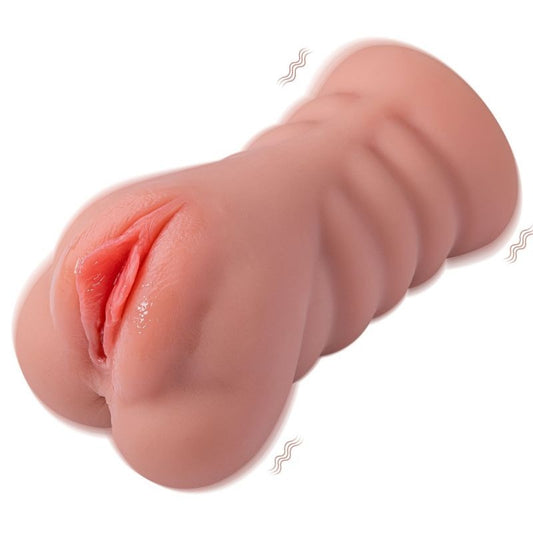
Ramar Realistic Vibrating Anal Vaginal Masturbator by XISE - FleshXise Ramar is a dual-opening masturbator designed for combined vaginal and anal stimulation. Crafted from ultra-soft body-safe TPR, it features 3D textured internal channels, 7 vibration modes across 3 adjustable frequencies, and magnetic recharging. At 7.5 inches long with realistic weight and presence, it...
- $84.99
$109.99- $84.99
- Unit price
- per
-
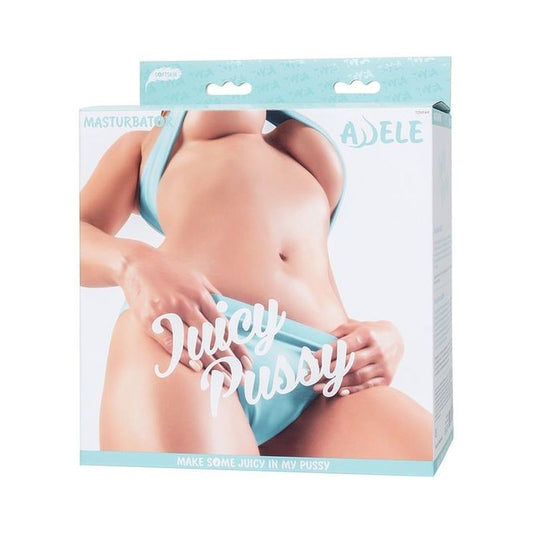
Juicy Pussy Masturbator Adele by ToyFa - FleshToyfa Juicy Pussy Adele is a dual-opening TPE masturbator weighing 2.5 kg with distinct textured channels—one ridged for deep massage, one tight for gripping intensity. Its realistic flesh-toned body conducts heat naturally and responds to pressure with lifelike rebound. Waterproof construction supports easy cleaning...
- $84.99
$109.99- $84.99
- Unit price
- per
-
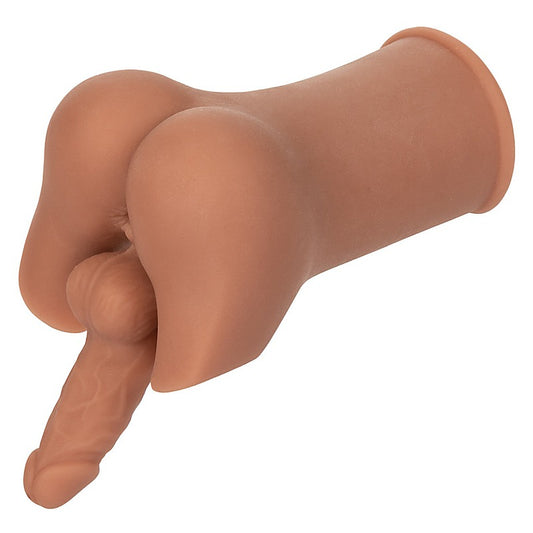
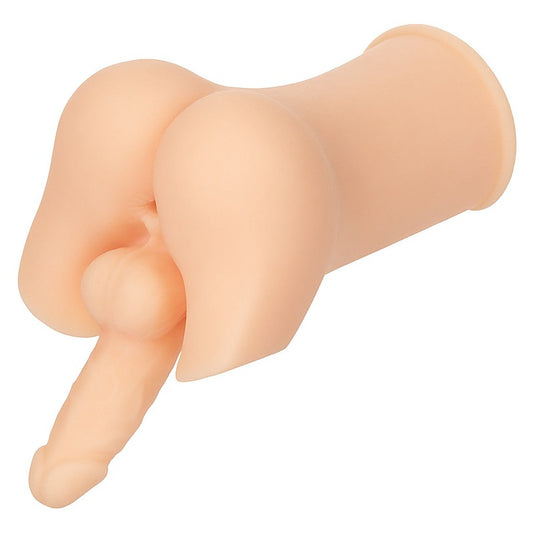
Dildocket Man with Cock, Balls and Ass by Doc Johnson - BrownDoc Johnson Titan Man Torso is a full-body male masturbator designed for deep penetration and versatile play. Weighing 1.8 kg with a realistic sculpted torso, it features a thick shaft for intense penetration, full anatomical detail, and a discreet anal opening. Constructed from soft...
- $89.99
$99.99- $89.99
- Unit price
- per
-
Lorenzo Male Torso with Cock and Balls by Doc Johnson - FleshDoc Johnson Lorenzo Male Torso is a 3.5 kg male masturbator designed for penetrative play featuring a sculpted torso with realistic anal channel. Made from body-safe TPE flesh with firm resistance, it measures approximately 26 inches in height with a squeezable backside and detailed...
- $124.99
$139.99- $124.99
- Unit price
- per
-
Bella Butt Torso Vaginal Anal Masturbator by Doc Johnson - FleshDoc Johnson Bella Butt Torso is a dual-chamber masturbator featuring realistic vaginal and anal openings. Measuring 26×20×13 cm and weighing 2.7 kg, it combines soft silicone butt cheeks with two distinct penetration channels. The torso delivers lifelike sensations through textured internal passages and accommodates...
- $99.99
$109.99- $99.99
- Unit price
- per
-
Miss Italy Masturbator by Full Circle - LightFull Circle Miss Italy is a realistic male stroker featuring a textured butt torso with dual entry points. Measuring 5.1 inches long and weighing 452 grams, it combines body-safe TPE material with ultra-tight internal tunnels for intensified sensation. The stroker suits men seeking authentic...
- $69.99
$79.99- $69.99
- Unit price
- per
-
Boys Tyler Wu Skater Boy Realistic Dildo by FleshjackFleshlight Boys Tyler Wu Skater Boy is a body-cast male masturbator featuring dual-density Superskin material with signature ribbed texture. At 8.5 inches long, it delivers realistic internal sensation cast from performer anatomy. The powder blue storage case provides discreet portability, making it suited for...
- $124.99
$134.99- $124.99
- Unit price
- per
-
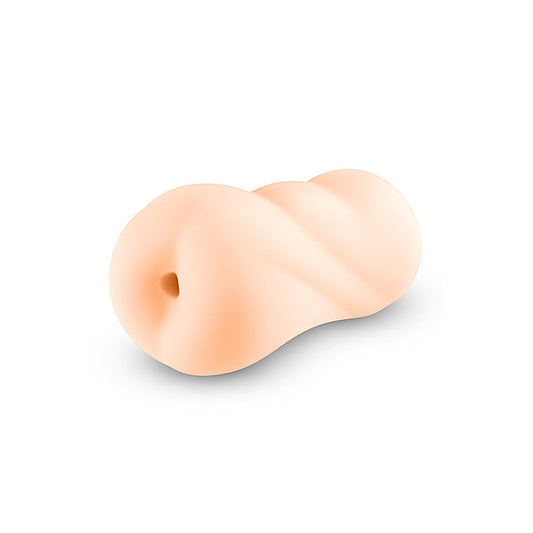
Pocket Pals Anal Stroker by NS Novelties - FleshNS Novelties Pocket Pals Realistic Anal Stroker is a compact TPE stroker designed for portable anal stimulation. At 9.5 cm long with a 3.1 cm x 5.8 cm profile, it features textured internal chambers that create tight, suction-style grip. The soft, body-safe material accommodates...
- $24.99
$29.99- $24.99
- Unit price
- per
-
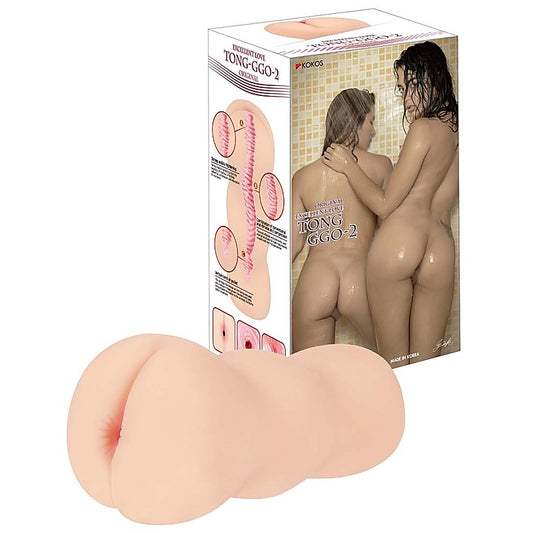
Masturbator Anal by KokosKokos Tong-GGO 2 is a realistic anal masturbator featuring a 3D textured internal tunnel with V-shaped crests and a 6-stage compression system. Measuring 16 cm long and weighing 500 grams, it is crafted from premium body-safe TPR material that warms to body temperature. The...
- $59.99
$69.99- $59.99
- Unit price
- per
-
Realistic Anal Vibrating Masturbator by BDStyleBDStyle Realistic Anal Masturbator is a TPE sleeve designed for anatomical anal stimulation with included vibrating bullet. Measuring 7.5 inches with textured interior and ABS hard case storage, it delivers multiple vibration patterns for customizable intensity. The odor-free, body-safe material suits people seeking realistic...
- $44.99
$49.99- $44.99
- Unit price
- per
-
Hip Cleo Anal by KokosKokos Mini Hip Cleo Realistic Anal Masturbator is a compact handheld anal simulator measuring 13.5cm length with anatomically precise internal architecture. Crafted from premium TPE material, it features strategically placed creases and progressive tightening chambers that intensify sensation with deeper penetration. The realistic external...
- $59.99
$69.99- $59.99
- Unit price
- per
-
Jane Realistic Anal Masturbator by NANMA CorporationJane Realistic Anal Masturbator is a premium male pleasure device measuring 9.5 cm long with anatomically textured TPR material that warms naturally to body temperature. The 80-gram weight enables extended sessions without hand fatigue, while the non-porous construction maintains durability through repeated use. It...
- $19.99
$29.99- $19.99
- Unit price
- per
-
Wendy 6kg Pussy And Ass Female Torso Masturbator by XISE - FleshXise Wendy Remote Control Pussy And Ass Female Torso is a 48cm silicone torso designed for penetrative play with dual internal chambers. Featuring 5 vibration and 5 sucking modes controlled via remote, it delivers 90 minutes of runtime per magnetic charge. The realistic internal...
- $389.99
$404.99- $389.99
- Unit price
- per
-
Michael 2.5kg USB Auto Male Cock and Ass Masturbator - FleshXise Michael is a thrusting male masturbator featuring a realistic 1:1 cock with textured anal canal. At 20cm long and weighing 2.5kg, it delivers dual thrusting and vibration modes via USB magnetic charging. The TPR construction provides lifelike texture for penetrative or hands-free play...
- $189.99
$199.99- $189.99
- Unit price
- per
-
Zoe Ultra Soft And Flexible Male Stroker by Full Circle - LightFull Circle Zoe Ultra Soft and Flexible Male Stroker is a realistic TPE masturbator measuring 24cm in length with a 14cm internal vaginal canal. The textured inner tunnel delivers responsive suction grip during thrusting, while flexible material accommodates most sizes comfortably. Its waterproof construction...
- $279.99
$289.99- $279.99
- Unit price
- per
-
Monika Realistic Pleasure Male Stroker by Full Circle - LightFull Circle Monika is a realistic male stroker featuring dual textured openings—a 14cm vaginal channel and 10.5cm anal opening—each with internal ridging for varied sensation. Constructed from body-safe TPE measuring 40cm long, it delivers responsive grip that intensifies with pressure adjustments. The waterproof design...
- $169.99
$179.99- $169.99
- Unit price
- per
-
Karley Fantasy Like Realistic Male Stroker by Full Circle - LightFull Circle Karley Fantasy is a realistic male stroker featuring dual-entry openings measuring 24cm long with textured inner tunnels. The ultra-soft TPE material creates a tight suction grip that intensifies during stroking, and the waterproof construction allows shower use. It suits people seeking handheld...
- $69.99
$79.99- $69.99
- Unit price
- per
-
Dani Soft and Flexible Realistic Stroker by Full Circle - LightFull Circle Dani is a realistic stroker measuring 25cm tall with dual-entry design featuring separate 13.5cm vaginal and 10.5cm anal channels. The body-safe TPE material includes textured inner tunnels and pressure-responsive suction grip that activates during stroking. It suits people seeking realistic sensation with...
- $189.99
$199.99- $189.99
- Unit price
- per
-
Ashley Tight Suction Grip Male Stroker by Full Circle - LightFull Circle Ashley Tight Suction Grip Male Stroker is a dual-passage masturbator featuring separate 14cm vaginal and 12cm anal tunnels with textured TPE interiors. Measuring 19cm in total length, it delivers realistic internal sensation through distinct grip patterns in each opening. The waterproof, flexible...
- $99.99
$119.99- $99.99
- Unit price
- per
-
Abby Realistic Pleasure Male Stroker by Full Circle - LightFull Circle Abby is a dual-opening male stroker featuring textured internal passages measuring 17.8cm long with 15.5cm vaginal and 12cm anal tunnels. Crafted from body-safe TPE material, it delivers skin-like texture with pressure-responsive suction grip that intensifies as grip strength increases. The waterproof construction...
- $59.99
$69.99- $59.99
- Unit price
- per
-
Haley Realistic Butt and Vagina Stroker by Full Circle - LightFull Circle Haley is a dual-chamber stroker designed for penile stimulation with separate vaginal and anal entries. At 17cm long with textured TPE construction, it features inner ridging that grips and responds to thrusting speed. The waterproof design suits people seeking realistic sensation with...
- $49.99
$59.99- $49.99
- Unit price
- per
-
Anal Masturbator Anna by Naked FactoryNaked Factory Realistic Anal Masturbator Anna is a premium TPE masturbator designed for anal penetration with anatomically precise internal structure. Measuring 170mm in length with a 95mm diameter and 12cm insertion depth, it features specialized textured chambers and comes with a protective PET cup...
- $54.99
$64.99- $54.99
- Unit price
- per
-
Brown Eyed Girl Realistic Anal Stroker by PipedreamPipedream Extreme Brown Eyed Girl Realistic Anal Stroker is a closed-end masturbator designed for anal stimulation. Crafted from proprietary Fanta Flesh material that warms naturally during use, it features anatomically detailed entrance and internal pleasure modules. The stroker measures 7.5 inches insertable length with...
- $17.99
$19.99- $17.99
- Unit price
- per
-
PDX Elite Mega Grip Realistic Anal StrokerPDX Elite Mega Grip Realistic Anal Stroker is a premium male masturbator featuring an anatomically accurate anal entry with a textured internal tunnel and squeezable TPU midsection. The device delivers ten vibration patterns while offering variable pressure control through its innovative grip system. It...
- $99.99
$124.99- $99.99
- Unit price
- per
VISIT XVIDEO FOR ADULT DVDS



Vibrating Double Penetrator with Remote by Passion Play
- Black
Passion Play Double Penetrator with Remote is a dual-chamber vibrator with 21 low-frequency patterns designed for internal male stimulation. Measuring 14.5 cm insertable length and 3 cm width, it delivers steady, deep vibrations via wireless remote control from up to 8 metres away. Made...
- $69.99
$74.99- $69.99
- Unit price
- per
Men 10 Mode Vibrating Rabbit Cock Ring by Ashella
- Black
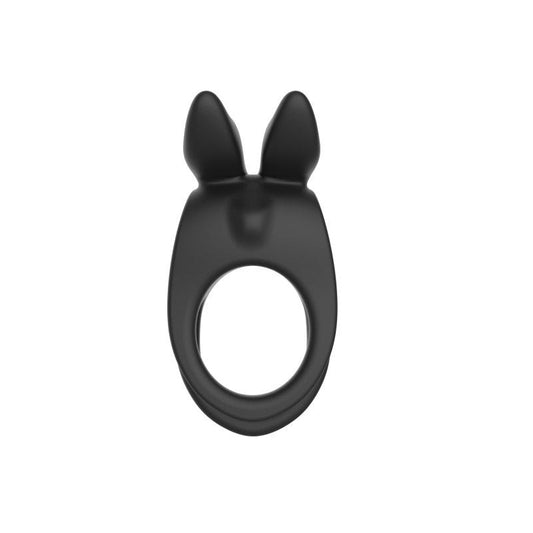
Ashella Men 10 Mode Vibrating Rabbit Cock Ring is a dual-ring vibrator designed for partnered stimulation and performance enhancement. Measuring 45.2 x 91.1 x 43.1mm with 10 vibration modes across 3 speed settings, it combines a supportive shaft and ball ring with external bunny...
- $34.99
$39.99- $34.99
- Unit price
- per
Men 10 Mode Vibrating Sling Ring by Ashella
- Black
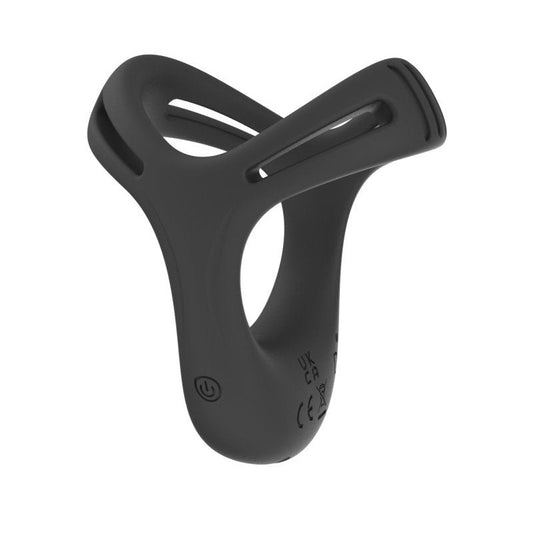
Ashella Men 10 Mode Vibrating Sling Ring is a vibrating cock ring designed for enhanced support and dual-partner stimulation. Featuring 10 vibration modes across 3 speed settings, this silicone ring stretches to secure both shaft and balls for extended performance. At 63 x 55.5...
- $34.99
$39.99- $34.99
- Unit price
- per





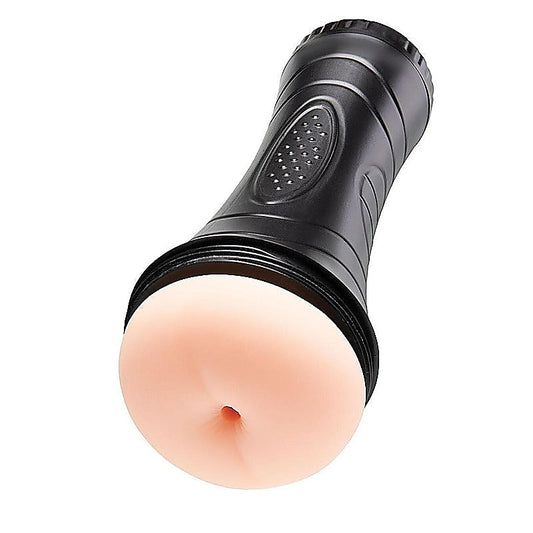





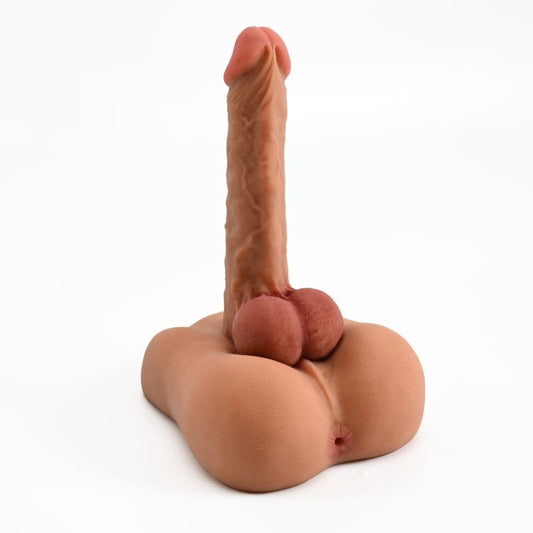

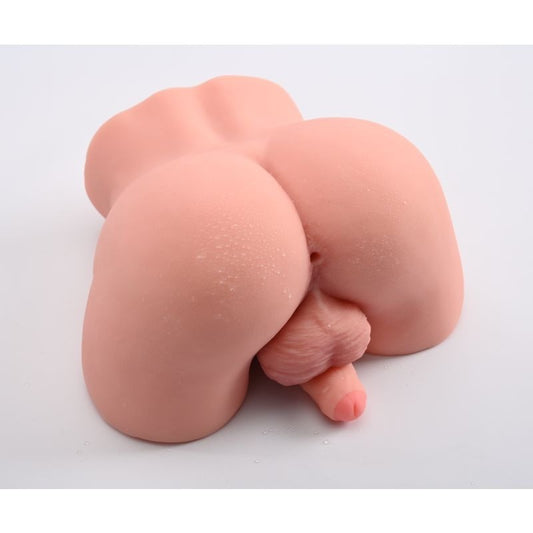

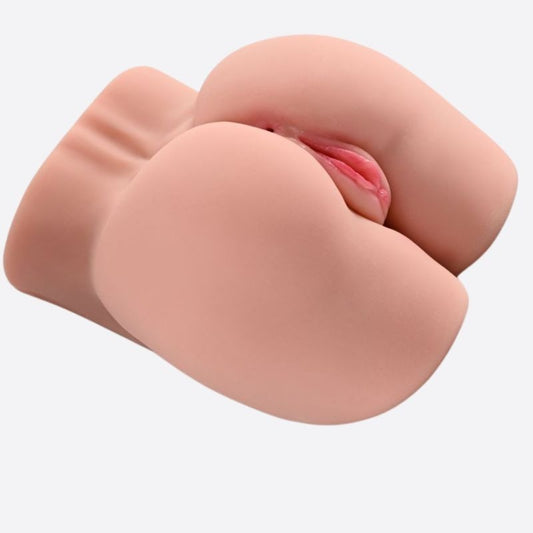

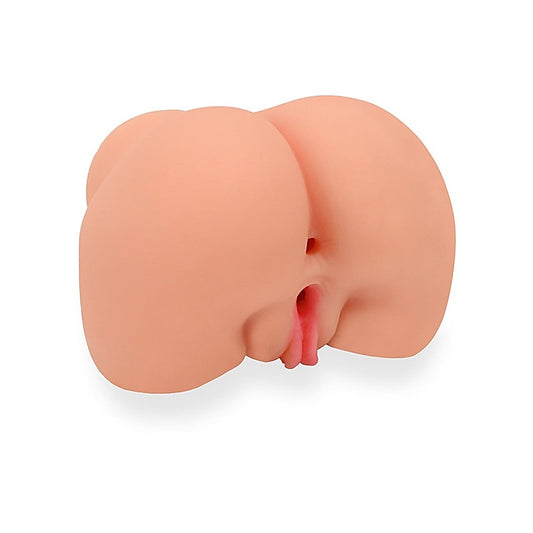





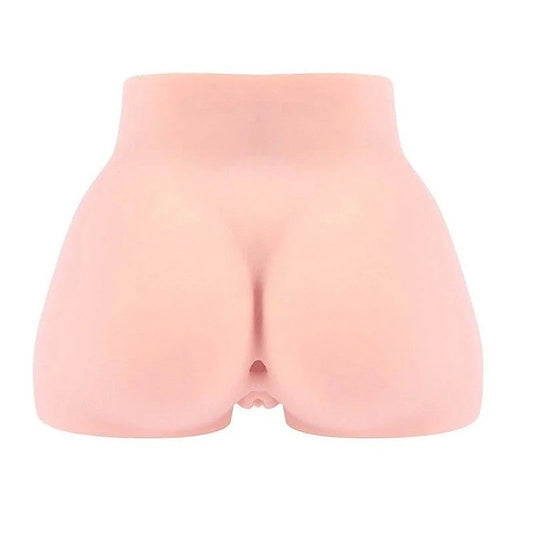

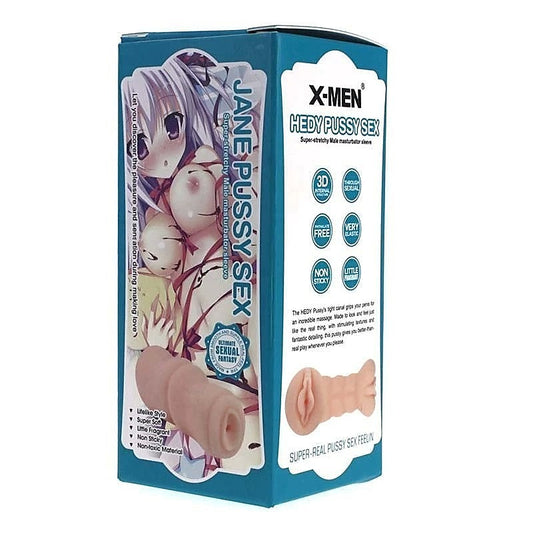

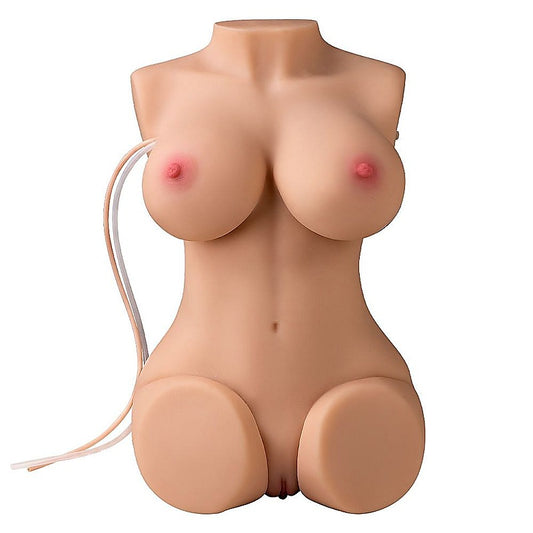

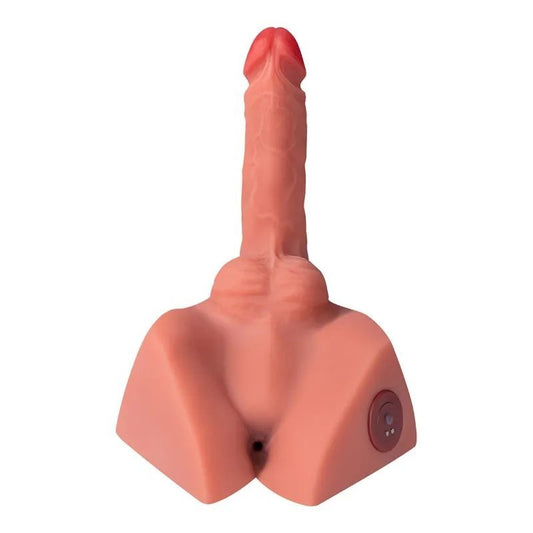

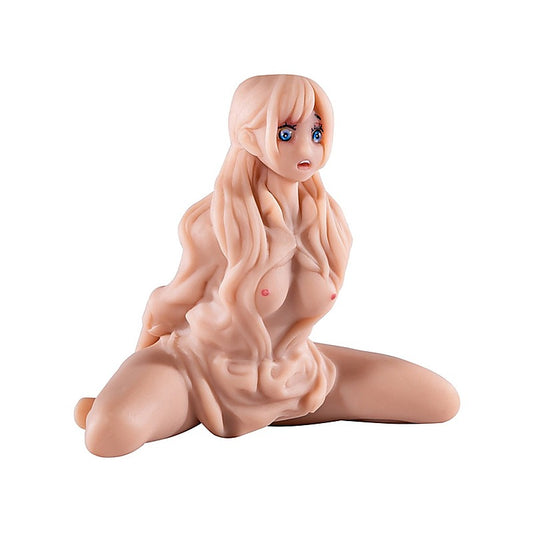

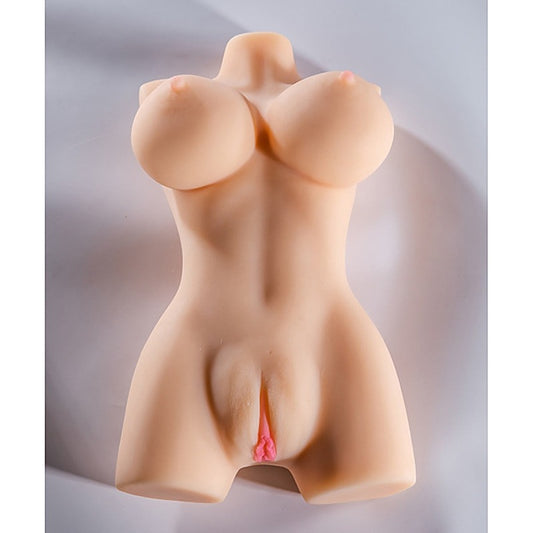

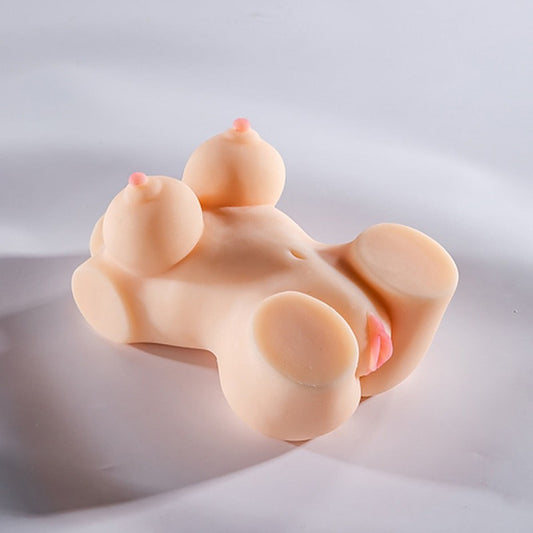

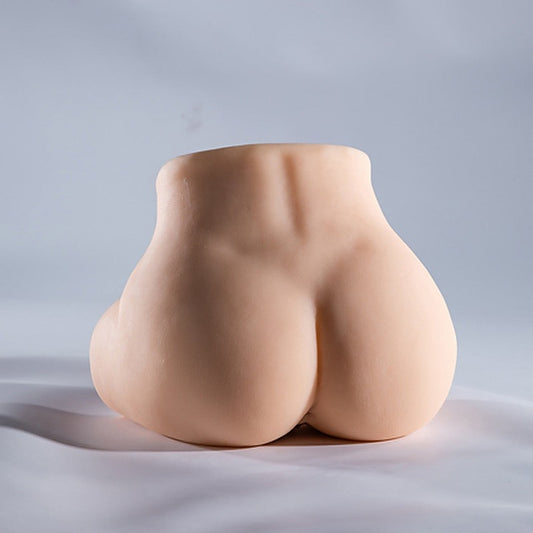

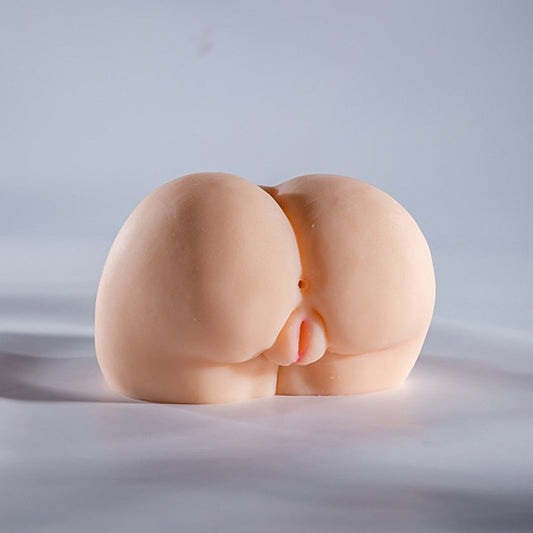

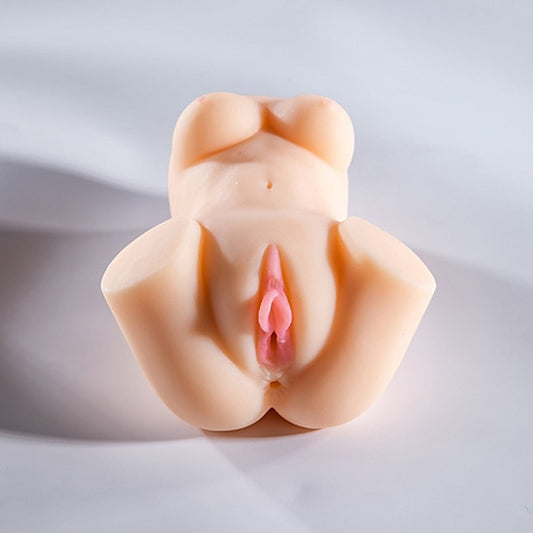

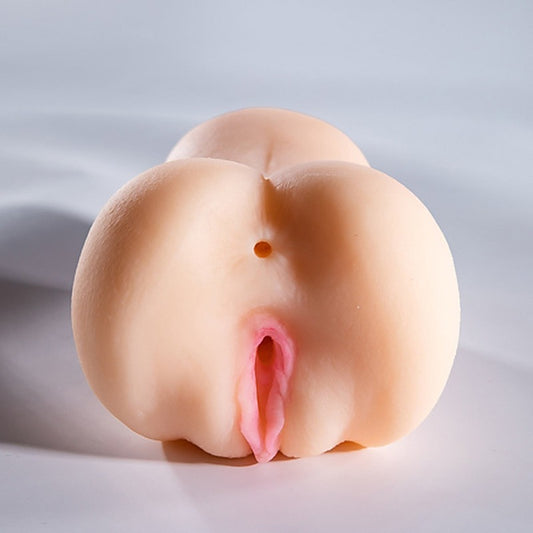

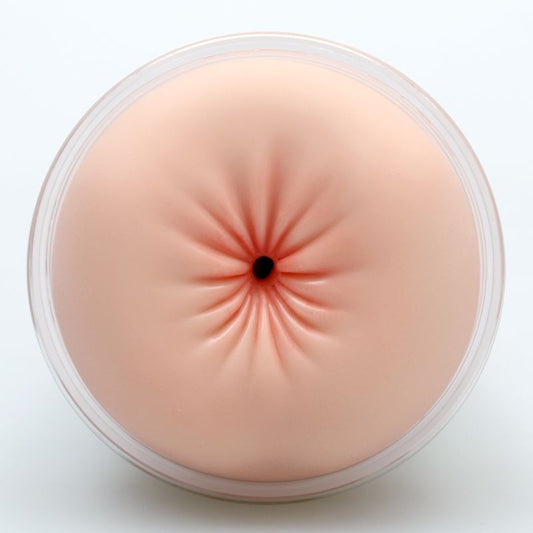

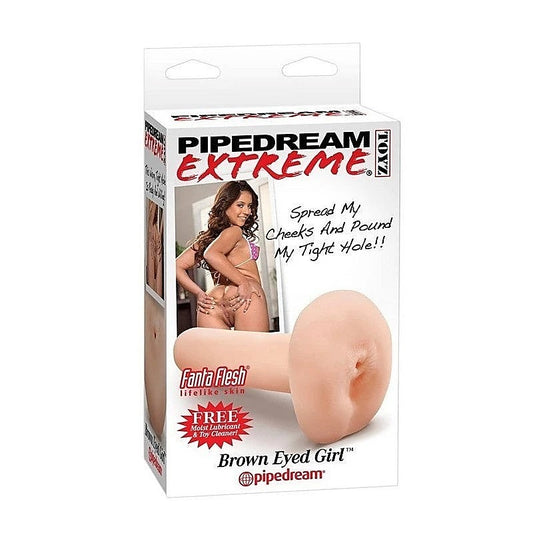

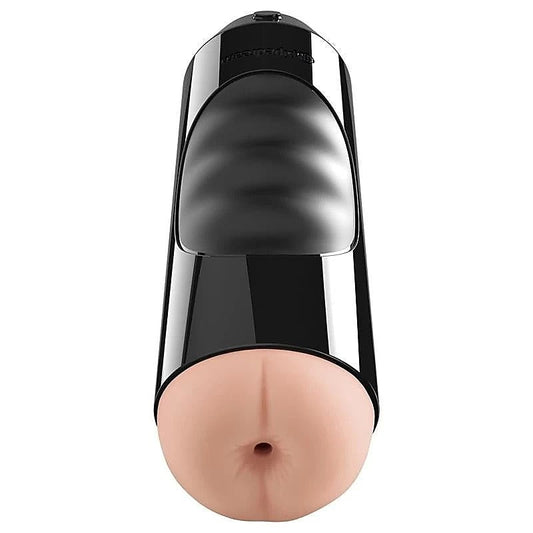

Realistic anal strokers are masturbators moulded from anatomical casts, featuring sculpted external detail and internal chambers engineered to replicate the friction and compression of anal penetration. They combine lifelike outer appearance with precision-engineered internal geometry for authentic sensation.
At a glance
|
🚚 Plain, discreet packaging • 🔒 Discreet billing • 🔁 Hygiene-conscious returns |
About Realistic Anal Strokers
Realistic anal strokers work through anatomically accurate chamber design that replicates the friction characteristics and compression patterns of anal penetration. The internal geometry emphasises consistent tightness throughout depth rather than the varied compression zones found in frontal designs, reflecting real anatomical differences. Materials vary from moderately firm compounds that provide structural support to softer formulations that prioritise tactile authenticity, with both maintaining the snug chamber characteristics that define effective anal simulation.
These strokers suit users who want visual authenticity paired with accurate friction characteristics, since the anatomical moulding provides psychological engagement that generic designs cannot deliver. People curious about anal sensations without partnered experience benefit from realistic simulation that approximates natural characteristics through anatomically informed chamber design. Those already experienced in anal play often use them for solo practice or variety, while collectors appreciate how they complement other styles like Realistic Dildos.
What makes Realistic Anal Strokers different
Realistic anal strokers stand apart because they combine anatomically accurate external sculpting with internal engineering that replicates actual anal sensation, rather than simply offering a tight generic sleeve. The chamber geometry reflects genuine anatomical characteristics specific to anal penetration, creating distinct friction patterns and compression that users cannot find in Non-Realistic Dildos. This specificity means the stroker delivers sensations that approximate natural experiences through informed design, not abstract tightness.
Types of Realistic Anal Strokers
Realistic anal strokers come in several distinct styles, each offering different internal geometry and external detail.
Firm anatomical strokers. These use moderately firm compounds that provide structural support while maintaining snug chamber characteristics. They suit users who want durability and defined sensation without excessive softness.
Soft tactile strokers. Built from softer formulations, these prioritise tactile authenticity and realistic texture. They offer more give during use and often feel closer to natural tissue, though they require gentler handling.
Ultra-realistic strokers. These combine detailed external sculpting with precision-engineered internal geometry for maximum authenticity. Some include textured internal walls, multiple pressure zones, and lifelike external detail that extends to Realistic Sex Dolls in terms of anatomical accuracy.
Compact strokers. Smaller, lighter versions designed for travel or users with space constraints, without compromising internal chamber design or sensation.
How they compare
| Model | Material | Best for | Control or Base | Safety |
|---|---|---|---|---|
| Firm Anatomical Classic | Firm TPE compound | Users wanting durability and defined sensation | Hand-held with textured grip | Body-safe TPE; non-porous when sealed |
| Soft Realistic Stroker | Soft silicone blend | Maximum tactile authenticity and comfort | Hand-held with ergonomic design | Medical-grade silicone; hypoallergenic |
| Ultra-Detailed Stroker | Premium TPE or silicone | Collectors and users seeking lifelike appearance and sensation | Weighted base or hand-held | Body-safe materials; detailed seams require careful cleaning |
| Travel Stroker | Firm TPE | Discreet storage and portability | Compact hand-held design | Body-safe TPE; smaller surface area to clean |
How to choose a realistic anal stroker
Start by considering what sensation matters most to you. If you want defined, consistent pressure throughout, a firm stroker will deliver that reliably. If you prioritise how it feels against your body and want something closer to natural tissue, a soft formulation is worth the extra care during cleaning. Check the internal depth and opening diameter against your own measurements—strokers are not one-size-fits-all, and choosing something slightly smaller than you think you need often provides better sensation and easier insertion.
Think about your cleaning routine and storage space. Soft silicone strokers are easier to clean thoroughly but need careful drying to prevent mould. Firm TPE strokers are durable but sometimes more porous, so they require body-safe options and regular inspection. If you want variety and texture, strokers with textured internal walls create richer sensation than smooth chambers. For solo practice before partnered anal play, realistic strokers with accurate chamber geometry transfer skills more effectively than generic tight sleeves. If you enjoy vibration, compare options with Anal Vibrators to see whether you prefer a stroker alone or one with vibration built in.
Tips from the Adultsmart team
Hard-won pointers from the Adultsmart team, alongside our panel of sexologists, educators, and adult-industry contributors. Meet our experts →
After years of helping customers with realistic anal strokers, the most common mistake is choosing one that's too large. People often assume bigger feels better, but realistic strokers deliver their best sensation when they fit snugly. If you're new to anal play, picking a stroker slightly smaller than you think you need creates better pressure and more authentic sensation. Measure yourself honestly and don't be afraid to go down a size—you can always upgrade once you know what works for your body.
Material choice matters more than people realise. Soft silicone strokers feel amazing but demand proper drying after washing to stay hygienic. If you're impatient with cleaning routines, a firm TPE stroker is more forgiving, though it still needs thorough care. Whatever material you choose, always use plenty of quality lubricant designed for anal play. The stroker's internal chamber is engineered for snug fit, so generous lubrication makes insertion comfortable and lets you feel the designed sensation rather than fighting friction.
Don't overlook the importance of starting slow and building up gradually, even with a stroker that fits well. Your body needs time to relax into anal play, and rushing leads to discomfort and disappointing sensation. Use the stroker as a learning tool to understand what your body responds to—different depths, speeds, and pressure patterns—so you develop confidence and awareness before partnered experiences. Take your time, listen to your body, and remember that realistic strokers are most effective when you're relaxed and focused on what you're feeling.
| Please read — safety first. Charge only with the supplied cable and keep the charging port dry unless the sex toy is waterproof-rated. Pair and update through the official app, and switch the device off fully between sessions so the motor and battery aren't left under load. Never share between partners, or between anal and vaginal use, without cleaning the item first or using a fresh condom. As porous materials can harbour bacteria, use a condom over them for sharing or easy clean-up. This information is general in nature only and is not medical advice; it does not account for your individual circumstances. If you have a relevant health condition or experience any persistent discomfort, discontinue use and seek advice from a qualified medical professional. |
Care and cleaning
Wash your realistic anal stroker with warm soapy water or a dedicated toy cleaner immediately after use, paying special attention to all internal surfaces and any textured areas. For silicone strokers, use a soft cloth or sex toy brush to reach the full depth of the chamber. For TPE strokers, be gentler to avoid tearing the material. Rinse thoroughly under running water until all soap is gone, then pat dry with a clean towel and air-dry completely before storage. Store in a cool, dark place away from direct sunlight and heat, ideally in a breathable pouch to prevent dust accumulation.
Learn more
Realistic strokers are one part of a broader world of anatomically detailed sex toys. If you're building a collection or want deeper guidance on choosing realistic options across categories, the Realistic Sex Doll Buyer Guide covers material choices, anatomical authenticity, and long-term care in detail.
Why shop Realistic Anal Strokers at Adultsmart
Looking for a piece that actually fits how you play? Adultsmart stocks a curated range of realistic anal strokers from trusted brands, with detailed specifications so you can choose the right fit and material for your needs. We ship in discreet, unmarked packaging with private billing, so your purchase stays between you and us. Trusted Australian adult retailer — discreet, knowledgeable, and here to help.
Realistic Anal Strokers FAQ
Do realistic anal strokers create more intense tightness than realistic vaginal alternatives?
Posterior anatomical chambers emphasize uniform snugness throughout depth, typically feeling tighter than frontal designs with their varied compression zones. The anatomical accuracy means posterior realistic strokers naturally provide greater consistent tightness reflecting actual posterior characteristics, creating more pronounced gripping sensations throughout insertion compared to frontal alternatives with their graduated tightness variations from entrance to deep zones.
How does the uniform tightness of posterior chambers affect stroke technique compared to frontal graduated zones?
Consistent compression throughout posterior depth means stroke speed and depth variations create less dramatic sensation changes compared to frontal designs where different insertion depths engage distinct tightness zones. Posterior realistic strokers deliver more uniform friction regardless of stroke characteristics, requiring users to control intensity primarily through grip pressure and speed rather than leveraging chamber tightness variations that frontal anatomical designs provide through their graduated compression architecture.
How much more lubricant do realistic anal strokers require compared to frontal realistic designs?
Snug posterior chambers need 30-50 percent more lubricant than frontal alternatives due to greater surface contact creating increased friction throughout the uniformly tight channel. The anatomical snugness demands generous lubrication, with posterior realistic strokers requiring reapplication more frequently during extended sessions compared to looser frontal chambers with their varied tightness zones distributing moisture more efficiently across different compression areas.
Can realistic anal strokers accommodate users with above-average girth comfortably?
Stretchable materials accommodate varying dimensions despite snug posterior geometry, though users with substantially above-average girth may experience restrictive tightness that feels uncomfortable rather than pleasantly snug. Softer materials yield more readily than firmer compounds, helping larger users fit within posterior chambers, though some may prefer frontal realistic designs with their naturally looser anatomical characteristics providing more accommodating fit across broader size ranges.
How does texture intensity in realistic anal chambers compare to frontal realistic alternatives?
Posterior chambers typically feature circumferential textures like tight circular ribs creating rhythmic friction within the uniformly snug space, while frontal designs often incorporate more varied pattern types across their graduated tightness zones. The posterior texture approach emphasizes consistent stimulation throughout depth, creating different sensory character compared to frontal patterns that change character across entrance, mid-chamber, and deep zones with varying compression levels.
Do realistic anal strokers require special cleaning techniques compared to frontal alternatives?
The uniformly snug posterior chamber demands careful attention during cleaning to ensure thorough residue removal from textured surfaces throughout the tight internal space. Inside-out turning provides necessary access, though the narrow geometry may require more patient manipulation compared to looser frontal chambers. Cleaning time and technique difficulty are comparable between anatomical types, with posterior designs demanding thoroughness due to tightness rather than fundamentally different maintenance procedures.
Can realistic anal strokers effectively support stamina training for posterior partnered experiences?
Anatomically-accurate posterior chambers provide excellent training conditions approximating natural posterior engagement characteristics through uniform snugness and appropriate friction patterns. The realistic simulation helps develop control under sensations closely resembling partnered experiences, making posterior realistic strokers more effective training tools than abstract tight sleeves bearing little relation to actual posterior anatomical compression and texture characteristics users encounter during partnered activity.
How does visual realism in posterior anatomical designs affect psychological engagement compared to abstract tight strokers?
Recognizable posterior anatomical features enhance psychological engagement for visually-responsive users by providing familiar references supporting immersive mental scenarios during use. The realistic appearance creates stronger mental associations with posterior experiences compared to generic tight sleeves lacking contextual visual cues, though the psychological benefit varies significantly based on individual reliance on visual stimulation versus purely physical sensations during solo sessions.
Do compact realistic anal strokers maintain sufficient anatomical detail for effective psychological engagement?
Scaled-down posterior designs preserve recognizable anatomical features and proportional relationships despite reduced dimensions, maintaining psychological benefits of realistic appearance within portable formats. However, some fine detail loss occurs during size reduction, with compact versions showing less surface texture complexity than full-size counterparts. Most users find compact realistic anal strokers provide adequate visual context despite detail compromises necessary for miniaturization.
Can softer materials in realistic anal chambers create overwhelming tightness for first-time users?
Very soft materials combined with snug posterior geometry can feel intensely tight for users new to posterior simulation, potentially creating uncomfortable pressure requiring acclimation. First-time realistic anal stroker users may benefit from moderately firm materials that deliver anatomical accuracy without the most extreme tightness possible from softest formulations in narrow posterior chambers, gradually progressing to softer options after developing comfort with posterior characteristics.
Recently Viewed Products
Example product title
- $19.99
- $19.99
- Unit price
- per
Example product title
- $19.99
- $19.99
- Unit price
- per
Example product title
- $19.99
- $19.99
- Unit price
- per
Example product title
- $19.99
- $19.99
- Unit price
- per
Example product title
- $19.99
- $19.99
- Unit price
- per
Example product title
- $19.99
- $19.99
- Unit price
- per
Example product title
- $19.99
- $19.99
- Unit price
- per
Example product title
- $19.99
- $19.99
- Unit price
- per
Example product title
- $19.99
- $19.99
- Unit price
- per
Example product title
- $19.99
- $19.99
- Unit price
- per
Why Shop With Adultsmart?
- Choosing a selection results in a full page refresh.