




-
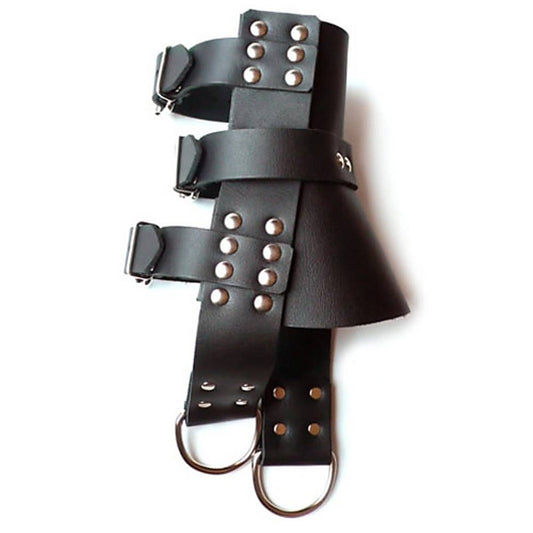
Boot Suspension Leather Bondage Cuff by BDStyleBDStyle Boot Suspension Leather Bondage Cuff is a professional-grade restraint system crafted from premium Latigo leather for advanced suspension scenarios. Featuring three independently adjustable straps with reinforced nickel-plated D-rings, it accommodates ankle circumferences from 17.8-30.5 cm and lower calf ranges from 25.4-36.5 cm. The...
- $62.99
$69.99- $62.99
- Unit price
- per
-
Wrap-Around Leather Suspension Ankle Cuffs by Shots ToysShots Toys Pain Wrap-Around Leather Suspension Ankle Cuffs are premium leather restraints designed for suspension activities. Measuring adjustable in circumference with reinforced stitching and quality hardware, they distribute weight evenly across the ankle during extended wear. The wrap-around design accommodates various sizes while maintaining...
- $284.99
$329.99- $284.99
- Unit price
- per
-
Pain Suspension Wrist Bondage Handcuffs by Shots ToysPain Suspension Wrist Bondage Handcuffs from Shots Toys are professional-grade leather restraints designed for suspension play. Featuring reinforced stitching, hardened steel O-rings, and adjustable straps fitting wrists from 15.5 cm to 25 cm, these cuffs distribute weight evenly during extended wear. The genuine leather...
- $134.99
$149.99- $134.99
- Unit price
- per
-
Pain Saddle Leather Suspension Cuffs by Shots ToysPain Saddle Leather Suspension Hands and Feet Cuffs by Shots Toys are professional-grade restraint cuffs crafted from premium saddle leather. Measuring 27.95 inches long, 1.77 inches wide, and 0.39 inches thick, they feature integrated heavy-duty O-rings for multiple attachment configurations. The reinforced stitching and...
- $129.99
$149.99- $129.99
- Unit price
- per
-
Pain Leather Suspension Wrist Cuffs by Shots ToysPain Leather Suspension Wrist Cuffs by Shots Toys are professional-grade restraint equipment designed for suspension activities. Featuring reinforced D-rings rated for dynamic load-bearing, multi-layer padding, and adjustable straps accommodating wrist sizes 5.5 to 8.5 inches, these cuffs prioritize safety during extended suspension scenarios. They...
- $179.99
$199.99- $179.99
- Unit price
- per
-
Padded Suspension Mitts Restraints by BDStyle - BlackPadded Suspension Mitts Restraints Handcuffs by BDStyle are professional-grade mitt-style restraints designed for advanced bondage and suspension play. Constructed from premium synthetic leather with thick interior padding, they feature heavy-duty D-rings for secure attachment points. The adjustable buckle strap system accommodates various wrist sizes,...
- $53.99
$59.99- $53.99
- Unit price
- per
-
Nailed Hard Foot Leather Suspender by Hell's CoutureHell's Couture Nailed Hard Foot Leather Suspender is a professional-grade restraint device crafted from premium bridle leather. Featuring strategically placed O-rings, an ergonomic foot cradle, and reinforced hardware, it measures approximately 12 inches in length with adjustable straps. The device distributes pressure evenly across...
- $59.99
$69.99- $59.99
- Unit price
- per
-
Dual Steel Vaginal Anal Hanger by Hell's CoutureHell's Couture Dual Steel Vaginal and Anal Hanger is a medical-grade surgical steel pleasure system designed for advanced users exploring customizable internal stimulation. Measuring 225 mm with 78 mm rods, it accepts interchangeable attachments ranging from 30–90 mm solid balls to Ben Wa and...
- $27.99
$34.99- $27.99
- Unit price
- per
-
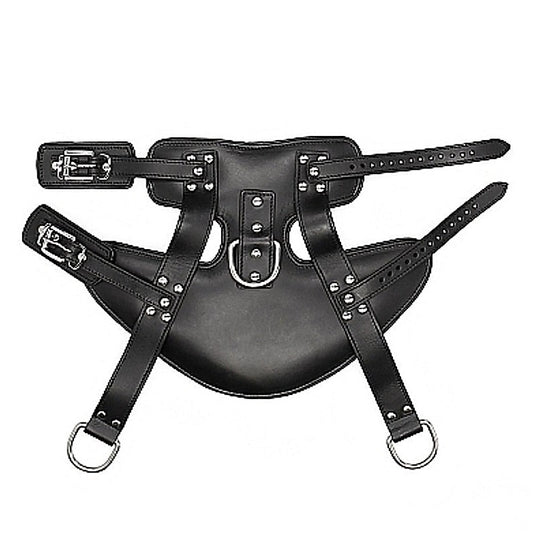
Bondage Head Harness Hanger Thick by BDStyleBDStyle Bondage Head Harness Hanger Thick is a professional-grade BDSM suspension harness crafted from high-grade faux leather with a 5.2 cm main strap width and 2.5 cm chin band. It accommodates head circumferences from 50–65 cm and supports up to 255 kg safely. The...
- $34.99
$44.99- $34.99
- Unit price
- per
-
Luxury Suspension Bar 4 Cuffs by Shots ToysOuch Luxury Suspension Bar 4 Cuffs is a chrome-plated steel spreader bar system featuring four soft cotton cuffs designed for wrist and ankle restraint. The adjustable bar accommodates positions ranging from gentle spreads to intense configurations, while secure metal hardware ensures reliable restraint during...
- $89.99
$99.99- $89.99
- Unit price
- per
-
Pendant Foot Suspension Boots by BDStylePendant Foot Suspension Boots by BDStyle are professional-grade restraint equipment designed for elevation and suspension scenarios. Measuring 19 centimeters long with 30-centimeter width, these faux leather boots feature three adjustment straps and dual hanging points for secure positioning. The reinforced buckles and strategic strap...
- $71.99
$79.99- $71.99
- Unit price
- per
-
Pain Wrap-Around Leather Suspension Wrist CuffsPain Wrap-Around Leather Suspension Wrist Cuffs are professional-grade restraints designed for suspension play, featuring premium leather construction with reinforced attachment points rated for dynamic tension. The wrap-around design distributes pressure evenly across the wrist while maintaining circulation safety. Adjustable sizing accommodates various wrist dimensions,...
- $170.99
$189.99- $170.99
- Unit price
- per
-
OUCH! Deluxe Chrome-Plated Steel Suspension BarOUCH! Deluxe Chrome-Plated Steel Suspension Bar is a bondage suspension system constructed from 24-inch chrome-plated steel with 1-inch diameter for secure grip. It includes two integrated handcuffs for wrist or ankle restraint. The bar enables overhead suspension positioning for BDSM exploration, suited for couples...
- $59.99
$69.99- $59.99
- Unit price
- per
-
BDSM Head Harness Hanger Thin by BDStyleBDStyle's BDSM Head Harness Hanger Thin is a professional-grade suspension harness designed for controlled head positioning during BDSM scenes. Constructed from reinforced faux leather with stitching tested to 255kg, it accommodates head circumferences from 50–65cm with a 5.2cm main strap and 2.5cm chin band....
- $26.99
$29.99- $26.99
- Unit price
- per
-
Rampant Metal Anal Hanger by Hell's CoutureRampant Metal Anal Hanger by Hell's Couture is a professional-grade anal retention device crafted from medical-grade surgical steel. Measuring 165mm in length with a 12mm thickness, it features a curved design with an integrated O-ring attachment point for restraint integration. This equipment is designed...
- $39.99
$49.99- $39.99
- Unit price
- per
VISIT XVIDEO FOR ADULT DVDS



Vibrating Double Penetrator with Remote by Passion Play
- Black
Passion Play Double Penetrator with Remote is a dual-chamber vibrator with 21 low-frequency patterns designed for internal male stimulation. Measuring 14.5 cm insertable length and 3 cm width, it delivers steady, deep vibrations via wireless remote control from up to 8 metres away. Made...
- $69.99
$74.99- $69.99
- Unit price
- per
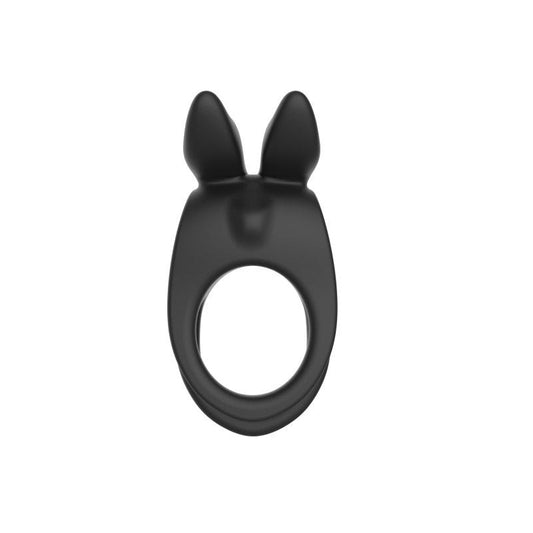
Men 10 Mode Vibrating Rabbit Cock Ring by Ashella
- Black
Ashella Men 10 Mode Vibrating Rabbit Cock Ring is a dual-ring vibrator designed for partnered stimulation and performance enhancement. Measuring 45.2 x 91.1 x 43.1mm with 10 vibration modes across 3 speed settings, it combines a supportive shaft and ball ring with external bunny...
- $34.99
$39.99- $34.99
- Unit price
- per
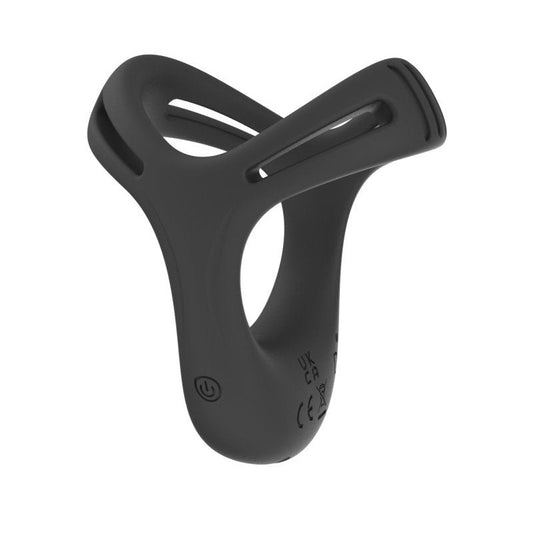
Men 10 Mode Vibrating Sling Ring by Ashella
- Black
Ashella Men 10 Mode Vibrating Sling Ring is a vibrating cock ring designed for enhanced support and dual-partner stimulation. Featuring 10 vibration modes across 3 speed settings, this silicone ring stretches to secure both shaft and balls for extended performance. At 63 x 55.5...
- $34.99
$39.99- $34.99
- Unit price
- per



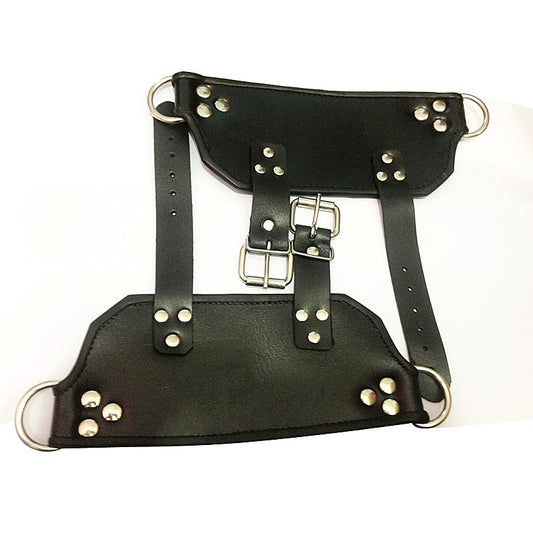


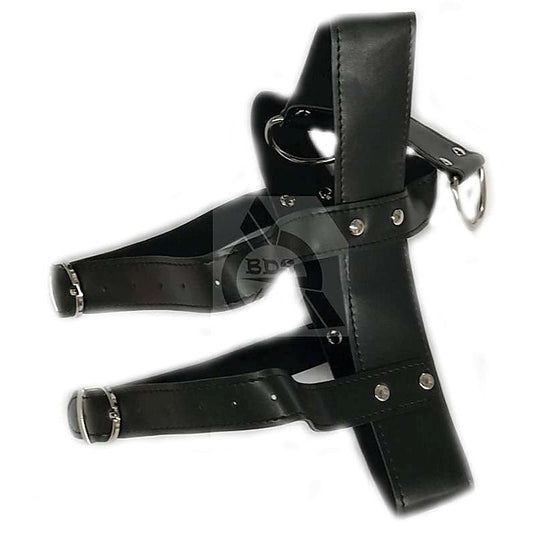


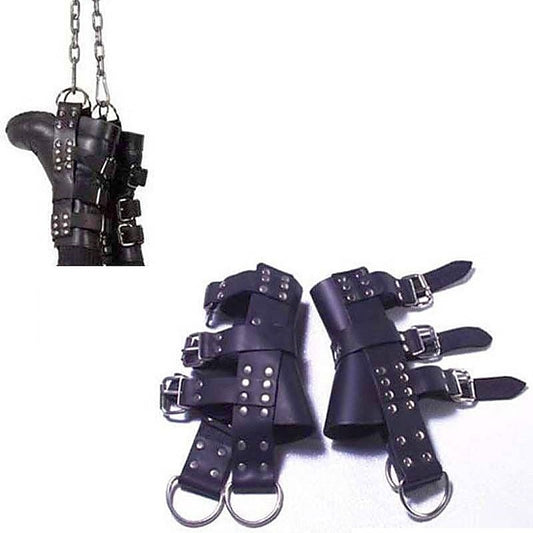


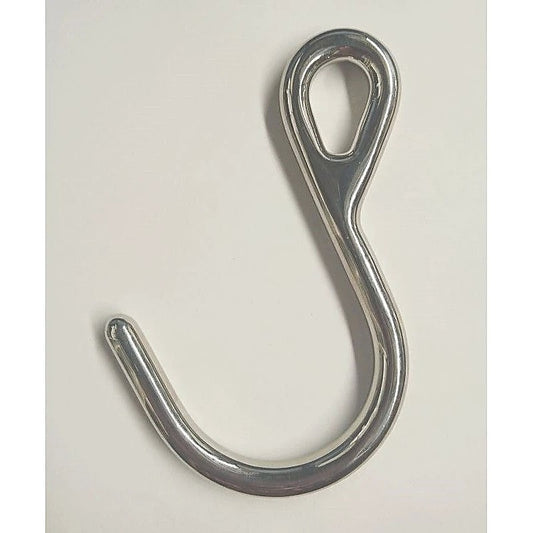

Suspension restraint bars are load-bearing equipment engineered to support body weight during bondage, featuring reinforced steel construction, certified hardware, and integrated swivels that standard spreader bars cannot match. They enable suspended positions from partial to full elevation.
At a glance
|
🚚 Plain, discreet packaging • 🔒 Discreet billing • 🔁 Hygiene-conscious returns |
About Suspension Restraint Bars
Suspension restraint bars are purpose-built systems for holding body weight safely during bondage. Unlike floor spreaders that simply hold limbs apart, these bars must withstand dynamic forces—swinging, struggling, and position shifts create stress far beyond static weight. Quality bars feature reinforced steel tubing, welded attachment points tested to failure, integrated swivel mechanisms to prevent rope twisting, and documented load ratings with appropriate safety margins. They support a range of positions: horizontal suspension for weightless access, partial suspension where feet touch lightly while the upper body hangs, or complete elevation for display and vulnerability.
Suspension restraint bars suit advanced practitioners with extensive bondage experience who have mastered ground-based restraint thoroughly. This equipment demands understanding of circulation monitoring, emergency descent procedures, body mechanics under load, and stress point recognition. Users need dedicated spaces with proper ceiling structures capable of supporting substantial anchor points. Explore our full Restraint Systems collection for complementary equipment.
What makes Suspension Restraint Bars different
Suspension restraint bars differ fundamentally from floor-based equipment through engineering for weight-bearing applications. Standard Spreader Bars hold limbs apart without supporting weight, but suspension bars must withstand the dynamic forces of hanging bodies. This demands robust construction: reinforced steel, tested welds, integrated swivel mechanisms preventing dangerous rope twisting, and certified load ratings. The equipment enables elevated bondage positions impossible on the ground, creating aesthetic beauty and psychological intensity of complete helplessness.
Types of Suspension Restraint Bars
Horizontal suspension bars. These systems suspend the entire body horizontally, creating weightless positioning that enables penetration access and display. Typically feature spreader-style arms with central suspension point and require strong core strength from the suspended person.
Partial suspension bars. Designed so the feet remain in light contact with the ground while the upper body or specific limbs hang. This reduces stress on joints and circulation while still creating the sensation and aesthetics of elevation, making it suitable for longer scenes.
Overhead frames with integrated bars. Freestanding or wall-mounted structures that combine suspension bars with attachment points, eliminating the need for ceiling installation. Often paired with Stockings and Garters and other restraints for complete setups.
Single-point suspension bars. Compact bars suspended from one central anchor, allowing full-body rotation and dynamic movement. Require experienced riggers and strong awareness of body positioning to prevent nerve or circulation compression.
How they compare
| Item | Material | Best for | Skill level | Notes |
|---|---|---|---|---|
| Horizontal suspension bar | Reinforced steel tubing with stainless hardware | Full-body weightless suspension and display | Advanced | Requires excellent core strength; 500–600 lb capacity typical |
| Partial suspension bar | Steel with integrated swivel joints | Longer scenes with reduced joint stress | Advanced | Feet contact ground; more forgiving for circulation |
| Overhead frame system | Steel frame with welded attachment points | Permanent dungeon installation without ceiling work | Intermediate to advanced | Freestanding or wall-mounted; eliminates structural concerns |
| Single-point suspension bar | High-grade steel with bearing swivel | Dynamic rotation and experienced rope bondage | Expert only | Allows full 360° movement; demands expert rigging knowledge |
How to choose a suspension restraint bar
Start by assessing your space and ceiling structure. Professional installation into structural joists is non-negotiable—never use drywall or drop ceilings. Hire a structural engineer or professional installer if you're uncertain about your ceiling's capacity. Anchors must be rated for 800–1000 pounds minimum. Consider whether you want permanent ceiling installation or a freestanding frame system that avoids structural work altogether.
Next, evaluate the type of suspension that matches your experience and aesthetic goals. Horizontal bars create dramatic weightless suspension but demand strong core strength and circulation awareness from the suspended person. Partial suspension bars suit longer scenes and are more forgiving for beginners to suspension. Check the weight capacity—quality bars rate 400–600 pounds accounting for dynamic forces, not just static weight. Finally, assess your rigging knowledge. If you're new to suspension, consider starting with a frame system and taking a suspension workshop before attempting ceiling-mounted bars. Products like Silicone Chastity Cages are unrelated to suspension play, but proper planning of your entire restraint collection ensures safety and compatibility.
Tips from the Adultsmart team
Hard-won pointers from the Adultsmart team, alongside our panel of sexologists, educators, and adult-industry contributors. Meet our experts →
After years of helping customers with suspension restraint bars, the biggest mistake we see is underestimating how different suspension feels from ground restraint. Even experienced rope bondagers often misjudge circulation pressure when weight hangs on limbs. Always start with short durations—five to ten minutes maximum on your first attempt. Have your partner or spotter familiar with emergency descent procedures before you're ever suspended. A rehearsal with no bondage involved is time well spent.
Installation quality directly affects safety, and we can't stress this enough: do not DIY a ceiling anchor unless you're a structural engineer or licensed installer. We've seen customers install anchors into what they thought were joists only to discover they'd drilled into plumbing or electrical conduit. A professional installer costs a few hundred dollars and is insurance against serious injury. If a freestanding frame fits your space, that's often the safest entry point to suspension play without the installation risk.
The bars themselves are robust, but the swivel mechanisms and connection hardware require regular inspection. Check for rust, loose welds, and smooth swivel operation before every use. If you notice any grinding, sticking, or visible damage, stop using that bar immediately. Many suspension injuries happen not from the bar failing but from poor rigging technique or inadequate communication between partners. Invest time in learning proper rope routing, load distribution, and how to recognize nerve compression signs—tingling, numbness, or colour changes in the suspended limbs are your signal to descend immediately.
| Please read — safety first. Charge only with the supplied cable and keep the charging port dry unless the sex toy is waterproof-rated. Pair and update through the official app, and switch the device off fully between sessions so the motor and battery aren't left under load. This information is general in nature only and is not medical advice; it does not account for your individual circumstances. If you have a relevant health condition or experience any persistent discomfort, discontinue use and seek advice from a qualified medical professional. |
Care and cleaning
Wipe down your suspension restraint bar after each use to remove sweat and moisture. Use a damp cloth and mild soap, then dry thoroughly to prevent rust on steel components. For stainless steel hardware, occasional treatment with a stainless steel cleaner keeps it looking new and prevents corrosion. Check swivel joints and connection points regularly for debris or salt buildup, especially if you live near the coast. Store bars in a dry space, and inspect welds and attachment points every few months for stress cracks or separation.
Learn more
Suspension bondage carries real risks, and education is your best safety tool. Read Flying Remembering My First Shibari Suspension for a first-hand account of suspension experience. Consider taking a hands-on suspension workshop from a qualified instructor before attempting any aerial bondage with a partner.
Why shop Suspension Restraint Bars at Adultsmart
Want a confident, no-guesswork choice? Adultsmart stocks suspension restraint bars selected by people who actually use this gear, with clear weight ratings, material specs, and installation guidance. We ship discreetly with unmarked packaging and billing so your purchase stays private. Body-safe, clearly labelled, and chosen by people who use this gear.
Suspension Restraint Bars FAQ
Can standard ceiling joists handle suspension restraint bar installation or do they require reinforcement?
Modern ceiling joists in good condition typically support suspension loads when properly installed across multiple joists. Older construction, damaged wood, or single-joist mounting may need reinforcement. Professional assessment ensures adequate capacity.
Can decorative suspension in dungeons use lower-rated bars or does display require full weight capacity?
Even decorative suspension bears full body weight requiring properly rated equipment. Display creates identical forces as active suspension—no safety shortcuts for aesthetic versus "active" use. Always use appropriate capacity.
Do freestanding suspension frames provide safety comparable to ceiling-mounted systems?
Quality frames with wide, heavy bases provide adequate stability when used within weight limits on level floors. They cost significantly more and occupy substantial space but avoid permanent ceiling modifications.
Will partial suspension with feet touching ground provide adequate introduction before full elevation?
Partial suspension builds critical experience with pressure distribution and circulation monitoring without full-suspension stress. Progress from light toe-touch to full elevation over 5-10 sessions minimum.
Can suspension restraint bars be used for non-suspension activities or are they specialized equipment only?
Suspension restraint bars function as extremely robust spreader bars for floor bondage when not elevating bodies. The overbuilt construction handles any spreader application though the extra weight makes them cumbersome for simple tasks.
Do rope suspension techniques require different bars than strap-based suspension systems?
Attachment point design matters more than material type. Rope needs smooth surfaces preventing abrasion while straps work with any attachment hardware. Quality bars accommodate both through versatile connection points.
Will suspension restraint bar swivels require lubrication or maintenance between uses?
Ball-bearing swivels need periodic light machine oil for smooth operation. Inspect and lubricate every 10-15 uses or when rotation becomes stiff. Proper maintenance prevents binding that could cause dangerous twisting.
Can one person safely manage suspension activities or do they require assistant help?
Suspension absolutely demands assistants. Getting people into suspension, monitoring throughout, and emergency descent exceed solo capability. Minimum two people for any suspension activity—preferably three for full elevation.
Do suspension restraint bars accommodate users over 250 pounds or are weight limits restrictive?
Quality bars rate for 400-600 pounds accommodating most individuals safely. Very heavy users need bars at capacity's upper end plus appropriate ceiling reinforcement. Verify specific ratings rather than assuming adequacy.
Will improper suspension technique cause permanent injury or primarily temporary discomfort?
Nerve damage from circulation cutoff or pressure points can cause permanent numbness or weakness. Suspension demands proper technique and constant monitoring. This isn't activity where mistakes cause temporary soreness—real injury risk exists.
Recently Viewed Products
Example product title
- $19.99
- $19.99
- Unit price
- per
Example product title
- $19.99
- $19.99
- Unit price
- per
Example product title
- $19.99
- $19.99
- Unit price
- per
Example product title
- $19.99
- $19.99
- Unit price
- per
Example product title
- $19.99
- $19.99
- Unit price
- per
Example product title
- $19.99
- $19.99
- Unit price
- per
Example product title
- $19.99
- $19.99
- Unit price
- per
Example product title
- $19.99
- $19.99
- Unit price
- per
Example product title
- $19.99
- $19.99
- Unit price
- per
Example product title
- $19.99
- $19.99
- Unit price
- per
Why Shop With Adultsmart?
- Choosing a selection results in a full page refresh.