



-
Silver Adjustable Spreader Bar by Love In LeatherLove In Leather Silver Adjustable Spreader Bar Love In Leather Silver Adjustable Spreader Bar revolutionizes intimate restraint through its modular design philosophy that celebrates customization and personal preference. This sophisticated silver metal system extends from 58 to 86 centimeters while providing unlimited compatibility with...
- $64.99
$74.99- $64.99
- Unit price
- per
-
Adjustable Spreader Bar with Cuffs by Love In LeatherLove In Leather Adjustable Spreader Bar with Cuffs Love In Leather Adjustable Spreader Bar with Cuffs represents the pinnacle of versatile restraint engineering, where heavy-duty construction meets infinite customization possibilities. This sophisticated black metal restraint system transforms intimate power exchange through its unique adjustability...
- $89.99
$104.99- $89.99
- Unit price
- per
-
Master Series Adjustable Steel Spreader Bar by XR Brands - SilverProfessional-Grade Restraint Equipment The Master Series Adjustable Steel Spreader Bar represents excellence in restraint accessories. This precision-engineered device features robust steel construction and adjustable positioning, offering secure and customizable restraint scenarios. The professional-grade design emphasizes both functionality and durability. The bar's adaptable length ranges...
- $94.99
$119.99- $94.99
- Unit price
- per
-
Edge Adjustable Bar Spreader by SportsheetsSportsheets Edge Adjustable Bar Spreader is a professional-grade aluminum spreader bar with adjustable length from 28.5 to 37 inches. Featuring aircraft-grade anodized aluminum construction, three heavy-duty D-rings, and a secure locking mechanism, it delivers precise positioning control. The collapsible design enables travel-ready storage while...
- $53.99
$59.99- $53.99
- Unit price
- per
-
Kinklab Spreader Bar by The Stockroom - SilverKink lab Adjustable Spreader Bar is a metal restraint tool designed for BDSM positioning and control. Measuring 18–30 inches with adjustable length, it features secure eye bolts for attachment points and weighs just 1.5 pounds for portability. The lightweight metal construction supports versatile positioning...
- $109.99
$144.99- $109.99
- Unit price
- per
-
Adjustable Steel Spreader Bar by XR Brands - BlackThe Adjustable Steel Spreader Bar by XR Brands is industrial-grade bondage equipment spanning 23 to 35 inches with welded eyebolts for restraint attachment. Its precision-engineered locking mechanism allows seamless position transitions, while the durable steel construction with silver or black finish withstands consistent tension....
- $89.99
$114.99- $89.99
- Unit price
- per
-
Adjustable Steel Spreader Bar by BDStyle - BlackBDStyle Adjustable Steel Spreader Bar Lock your partner into perfect vulnerability with the BDStyle Adjustable Steel Spreader Bar, the backbone of every serious restraint scene. One smooth twist extends from snug 50 cm to a full-leg-stretch 90 cm, letting you dial in the exact...
- $49.99
$54.99- $49.99
- Unit price
- per
-
The Adjustable Steel Spreader Bar - BlackThe Adjustable Steel Spreader Bar is a stainless steel restraint accessory designed for bondage positioning during partnered play. Adjustable from 25 cm to 37 cm, it locks firmly at any length within that range. The premium construction supports secure leg separation while maintaining comfort...
- $53.99
$59.99- $53.99
- Unit price
- per
VISIT XVIDEO FOR ADULT DVDS



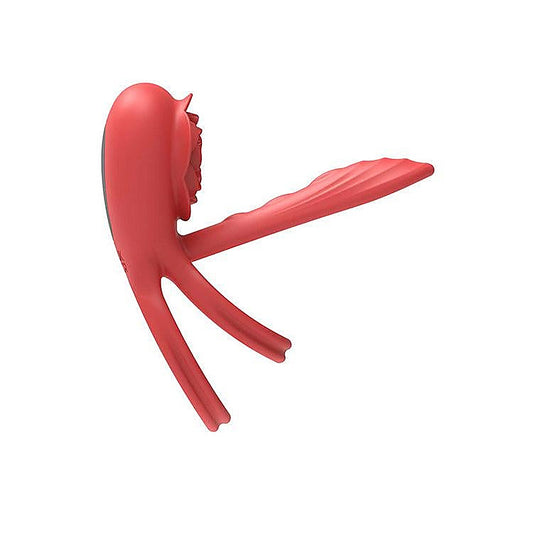
Vibrating Rose Girth Enhancer by Adam & Eve
- Red
Adam & Eve VIBRATING ROSE GIRTH ENHANCER is a dual-ring cock ring with clitoral stimulator designed for couples seeking enhanced performance and shared pleasure. Measuring 3 inches long with 7 vibration modes and a textured clitoral stimulator, it combines penile support with external stimulation....
- $99.99
$119.99- $99.99
- Unit price
- per
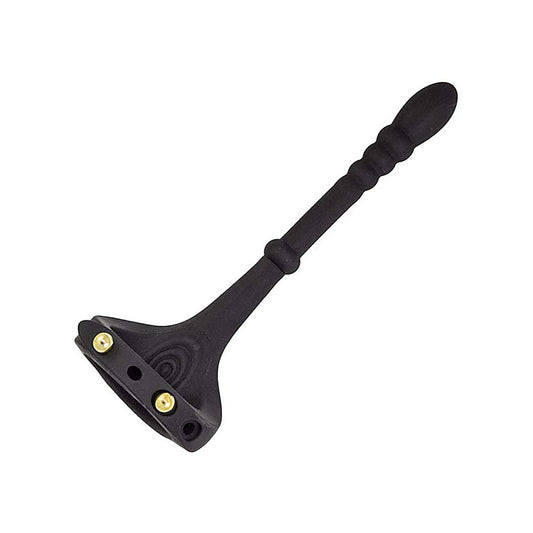
Magic Dual Pleasure Erection Enhancer Massager by Nasstoys
- Black
Nasstoys Magic Dual Pleasure Erection Enhancer Massager is a rechargeable cock ring with attached anal vibrator designed for prostate and perineum stimulation. Featuring 7 vibration functions, an adjustable silicone ring, and a bendable 6-inch insertable anal wand, it delivers targeted sensation during solo or...
- $69.99
$74.99- $69.99
- Unit price
- per
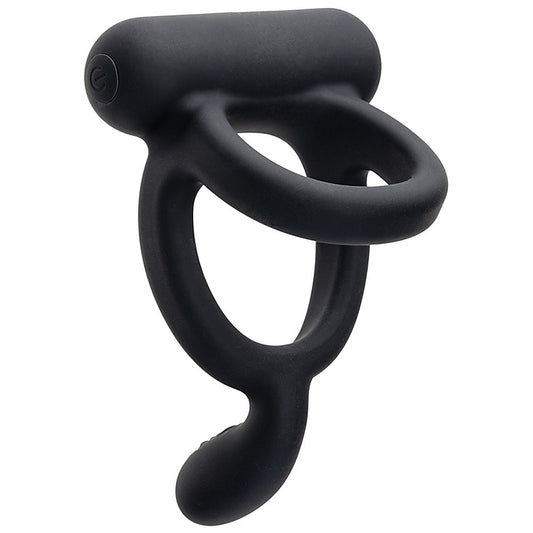
Closer Intimate Rechargeable Caress Penis Ring
- Black
CalExotics Closer Intimate Rechargeable Caress Penis Ring is a dual-motor cock ring with vibrating taint tickler designed for partnered penetration. The stretchy silicone construction fits shaft and scrotum diameters of 1.5 and 1.75 inches respectively, delivering 10 vibration speeds across dual motors. IPX7 waterproof...
- $64.99
$74.99- $64.99
- Unit price
- per
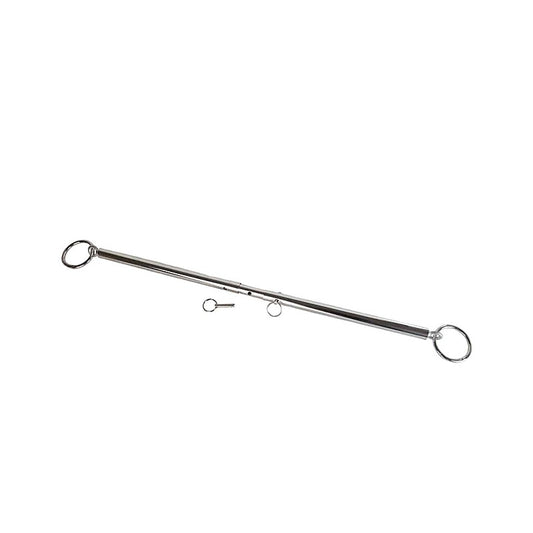

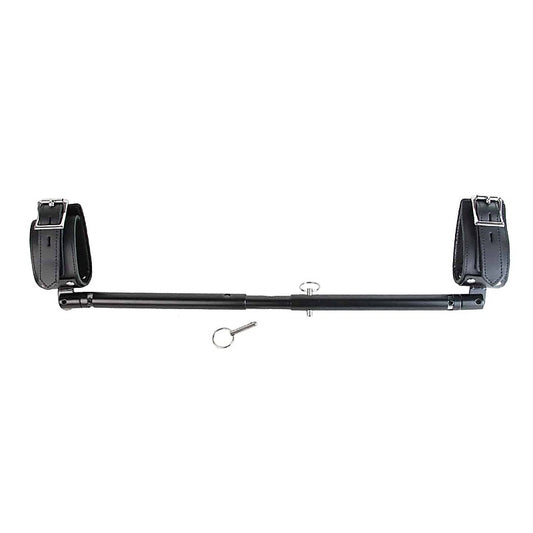

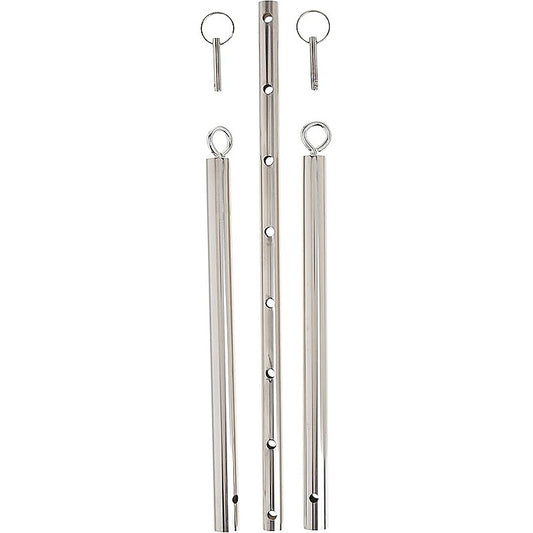

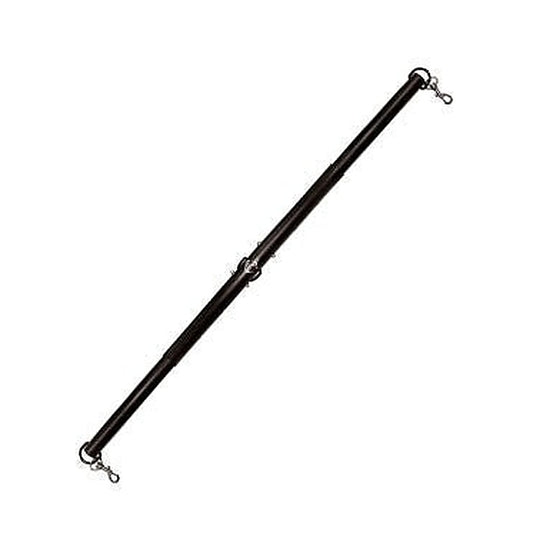

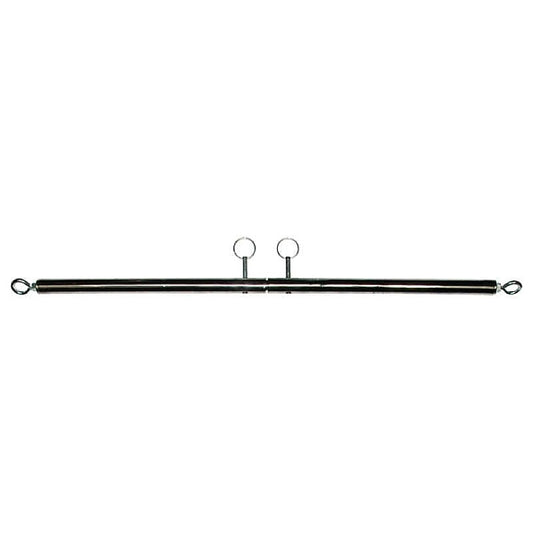

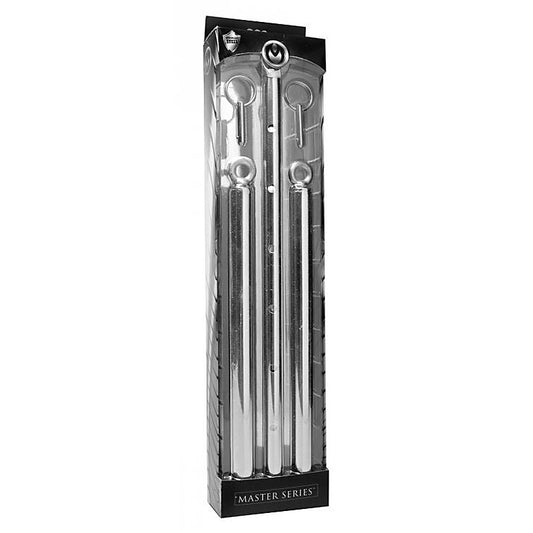

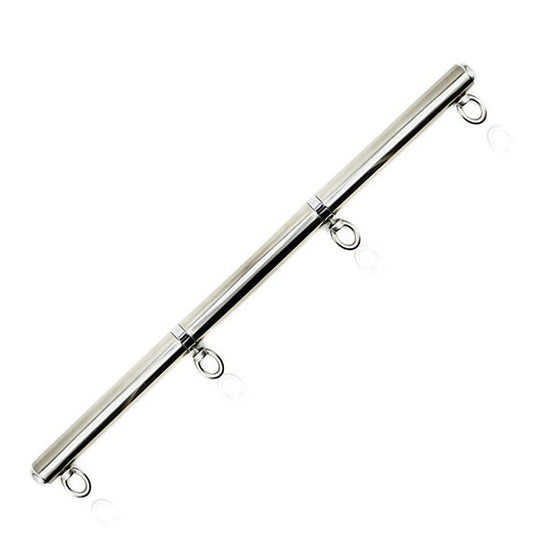

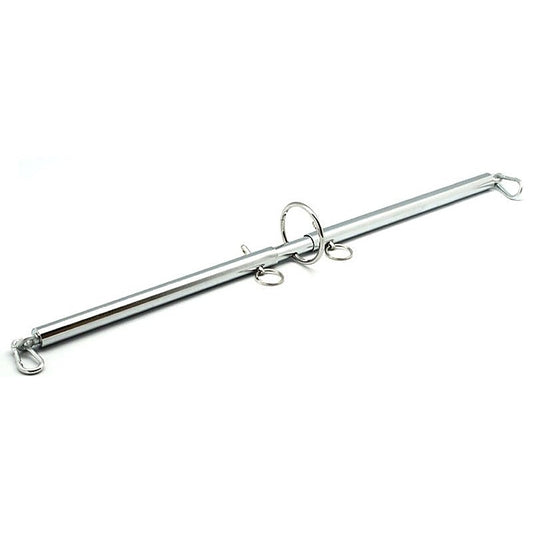

Adjustable spreader bars are bondage devices with variable-length mechanisms—telescoping tubes, sliding collars, or multi-hole designs—that let you customise the distance between attachment points from compact to wide within a single bar. They replace the need for multiple fixed-length bars.
At a glance
|
🚚 Plain, discreet packaging • 🔒 Discreet billing • 🔁 Hygiene-conscious returns |
About Adjustable Spreader Bars
Adjustable spreader bars solve the core problem with fixed bars: bodies vary in size, flexibility, and comfort. A single adjustable bar spanning 18 to 36 inches replaces three or four fixed bars covering the same range. You get one piece of equipment that works for different partners, different positions, and different levels of experience. They're made from stainless steel, aluminium, or powder-coated steel, with adjustment mechanisms that lock securely once you've set the length. Spreader Bars come in styles suited to beginners and experienced users alike.
Adjustability matters practically and economically. You can start with a conservative spread during warm-up, then gradually widen it as arousal builds—all without stopping to swap equipment. Travellers appreciate bars that collapse to compact sizes for transport. However, adjustable designs add mechanical complexity: locking mechanisms must be reliable, and movable parts weigh more than simple fixed tubes. Once you've identified your ideal spread distance through experimentation, some people prefer the simplicity and durability of a fixed bar instead.
What makes Adjustable Spreader Bars different
Fixed spreader bars come in one length only—you either own the right size or you don't. Adjustables let you change spread mid-scene, accommodate partners of different sizes, and explore your preferences without buying multiple bars. This flexibility costs a bit more upfront and adds weight, but it cuts out equipment clutter. If you want something that locks in place and never changes, look at Chastity Belts for a different type of restraint altogether.
Types of Adjustable Spreader Bars
Telescoping bars. Tubes slide inside each other and lock with a pin, collar, or twist mechanism. They collapse smallest for travel and offer smooth length adjustment across the full range.
Multi-hole design. A single bar has multiple attachment holes along its length, so you move the cuff or D-ring to change spread. Simple and reliable, with no moving parts to fail, though adjustment happens in fixed increments rather than smoothly.
Sliding collar bars. A collar or ring slides along the bar and locks in place at any point, letting you set spread anywhere within the range. Often used with Babydolls and other bondage outfits for coordinated play.
Multi-point bars. Some adjustable bars have D-rings or attachment points at the centre as well as the ends, letting you spread limbs in different configurations or attach additional cuffs for more complex positions.
How they compare
| Model | Material | Best for | Control or Base | Safety |
|---|---|---|---|---|
| Telescoping Steel Bar | Stainless steel tubes with pin lock | Frequent adjustment and travel | Manual pin or twist collar; adjusts 18–36 inches | Check pin retention before each use; rated for safe load limits |
| Multi-Hole Aluminium Bar | Lightweight aluminium with D-rings | Beginners and users valuing simplicity | Fixed increments of 2–3 inches; no moving parts | Verify cuff attachment is secure; aluminium suits most body weights |
| Sliding Collar Adjustable | Steel bar with locking collar | Scene variety and mid-play adjustment | Collar slides smoothly; locks at any length 20–34 inches | Test collar grip before use; ensure limbs are supported evenly |
| Multi-Point Spreader | Steel with central D-ring plus end rings | Complex positions and multiple attachment points | Manual adjustment; centre ring allows horizontal or vertical spread | Higher load capacity; check all attachment points for wear |
How to choose an adjustable spreader bar
Start by measuring the range you need. If you're new to spreader bars, try borrowing or testing a friend's to find what spread feels good before committing. Most people find 24 to 30 inches comfortable for legs or arms. If you're buying for two people of very different sizes, aim for a bar covering at least 18 to 36 inches. Telescoping bars adjust smoothly anywhere within the range; multi-hole bars lock at set intervals, which some people prefer for consistency.
Consider your lifestyle. Frequent travellers benefit from bars that collapse small. If you play regularly and like changing spread mid-scene, smooth adjustment matters more than compactness. Check the locking mechanism—pins can slip if not fully seated, and collars need to grip firmly. Material choice is less critical than mechanism reliability; stainless steel lasts longest, but aluminium suits lighter use. if you're wearing Bras or other clothing during play, make sure the bar's length and cuff style won't pinch or dig into skin.
Tips from the Adultsmart team
Hard-won pointers from the Adultsmart team, alongside our panel of sexologists, educators, and adult-industry contributors. Meet our experts →
After years of helping customers with adjustable spreader bars, we've noticed the most common mistake is setting the spread too wide too quickly. First-timers often think wider is more intense, but comfort and safety matter more. Start at a conservative length—around 24 inches for most people—and only increase spread if you're genuinely enjoying it and feel stable. Your body will tell you when it's ready for more.
Check your locking mechanism every single time before use. A telescoping bar with a loose pin can collapse suddenly under tension, which isn't just uncomfortable—it's unsafe. Twist collars need to be tight enough that they won't slip but not so tight you can't adjust them by hand. If you're using a multi-hole design, double-check that the cuff pin is fully seated in the hole. A few seconds of inspection prevents surprises.
Think about attachment point comfort, not just spread distance. Some bars come with padded cuffs; others have bare D-rings you'll want to wrap with soft fabric or padding before use. If you're spreading limbs for longer than 20 or 30 minutes, pressure points matter. Test the bar on yourself first—adjust it, lie or stand in the position you'll be using, and feel where contact points press. Minor padding adjustments beforehand save discomfort later.
| Please read — safety first. Charge only with the supplied cable and keep the charging port dry unless the sex toy is waterproof-rated. Pair and update through the official app, and switch the device off fully between sessions so the motor and battery aren't left under load. Never share between partners, or between anal and vaginal use, without cleaning the item first or using a fresh condom. This information is general in nature only and is not medical advice; it does not account for your individual circumstances. If you have a relevant health condition or experience any persistent discomfort, discontinue use and seek advice from a qualified medical professional. |
Care and cleaning
Wipe your spreader bar with a damp cloth after each use, especially if it's been in contact with skin, sweat, or lubricant. Dry it thoroughly to prevent corrosion, particularly around locking mechanisms. Check moving parts regularly—pins should slide smoothly, collars should grip without sticking, and all D-rings should be secure. Store it in a cool, dry place away from direct sunlight. Stainless steel rarely needs more than cleaning; aluminium may benefit from occasional light polishing to prevent oxidation.
Learn more
Spreader bars work best when you're mentally and physically ready for restraint play. Building confidence, understanding your boundaries, and communicating clearly with your partner are just as important as the equipment itself. For tips on meeting like-minded people and building your community, check out The Best Brisbane Bars For Meeting Singles.
Why shop Adjustable Spreader Bars at Adultsmart
Want a confident, no-guesswork choice? Adultsmart stocks adjustable spreader bars suited to every experience level and budget, with real product information and honest sizing guidance. We pack everything discreetly and bill with privacy—your receipt shows only Adultsmart, never the item name. Australia's adult lifestyle specialists, helping you buy with confidence.
Adjustable Spreader Bars FAQ
Do push-pin adjustment mechanisms stay locked reliably during struggling or can pins pop out?
Quality pins with strong springs hold securely under normal struggle. However, aggressive thrashing combined with exact wrong-angle force can occasionally disengage cheap mechanisms. Premium brands with robust springs and deep pin engagement resist accidental release effectively.
Do adjustable spreader bars collapse to compact sizes for travel or remain at minimum extended length?
Telescoping bars collapse fully, often to 50-60% of maximum length. Multi-hole designs don't change physical size. For travel, telescoping offers best compactness—a 36" maximum bar may collapse to 20" for packing versus fixed 36" bars.
Can I adjust telescoping spreader bars while someone is restrained in them or must I release first?
Possible but risky—adjustment under tension may pinch skin caught in telescoping tubes or cause sudden collapse if lock fails. Always support spread manually during adjustment, never relying on mechanism alone. Safest approach releases restraints before adjusting.
Will adjustable spreader bars weigh significantly more than fixed-length bars of similar maximum size?
Telescoping construction means overlapping tubes creating double thickness at collapsed sections. Adjustables typically weigh 1.5-2x more than equivalent fixed bars. Consider weight if portability or extended holding matters.
Do set screw adjustment systems require specific tools or can I adjust with improvised items?
Most use standard hex (Allen) keys—keep appropriate sizes with equipment. Some use thumbscrews requiring no tools. Avoid improvising with wrong-sized tools—stripped screws render bars permanently locked at current length or unable to lock securely.
Can debris or body fluids jam telescoping mechanisms preventing smooth adjustment?
Sweat, lubricant, or environmental debris can gum up sliding tubes. Wipe adjustment mechanisms clean after use and periodically apply light machine oil to metal surfaces. Sticky mechanisms resist adjustment and may bind mid-extension creating uneven positioning.
Will frequent adjustment wear out locking mechanisms faster than leaving bars at fixed lengths?
Constant adjustment accelerates wear on pins, screws, and mating surfaces. Pins develop play, screw threads strip gradually, and sliding surfaces score. However, quality mechanisms withstand hundreds of adjustments. Minimize unnecessary changes—set once per session rather than repeatedly.
Do adjustable spreader bars offer the same maximum spread as fixed bars or compromise range?
Adjustables reach comparable maximum spreads but minimum length typically starts higher than short fixed bars. For example, adjustables span 18-36" while fixed bars exist in 12" lengths. If needing very short spreads, fixed options provide better minimum range.
Can adjustment increments fall between my ideal spread or do most designs allow precise positioning?
Coarse adjustment (3" increments) often misses ideal positions—you're stuck with too-tight or too-loose. Fine adjustment (1" increments) or infinite adjustment (set screws) enables precision positioning. Verify increment specifications if precise spread matters.
Will multi-hole adjustable designs stress attachment point welds unevenly compared to end-only attachment?
Potentially—off-center loading when using mid-bar holes creates uneven stress distribution. Quality bars reinforce all attachment points equally, but budget designs may have weaker mid-bar welds. Inspect welds regularly if using varied attachment positions frequently.
Recently Viewed Products
Example product title
- $19.99
- $19.99
- Unit price
- per
Example product title
- $19.99
- $19.99
- Unit price
- per
Example product title
- $19.99
- $19.99
- Unit price
- per
Example product title
- $19.99
- $19.99
- Unit price
- per
Example product title
- $19.99
- $19.99
- Unit price
- per
Example product title
- $19.99
- $19.99
- Unit price
- per
Example product title
- $19.99
- $19.99
- Unit price
- per
Example product title
- $19.99
- $19.99
- Unit price
- per
Example product title
- $19.99
- $19.99
- Unit price
- per
Example product title
- $19.99
- $19.99
- Unit price
- per
Why Shop With Adultsmart?
- Choosing a selection results in a full page refresh.