




-
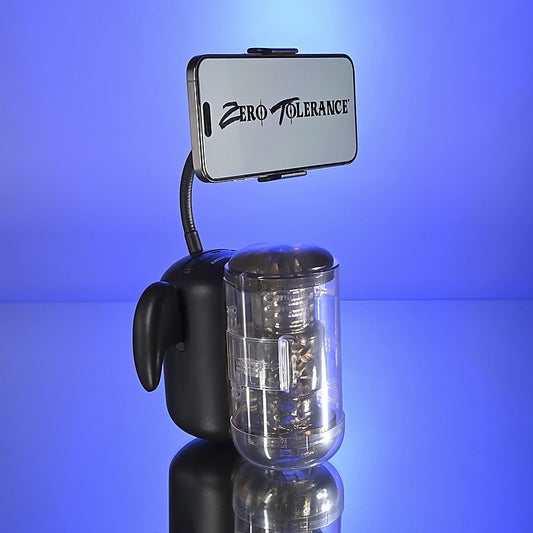
HOLD ME TIGHT Vibrating Automatic Stroker by Evolved - BlackZero Tolerance HOLD ME TIGHT is a heated thrusting stroker with independent vibration and thrust motors. Featuring 10 vibration speeds and 7 thrust speeds, the insertable channel measures 13.3 cm long by 5.7 cm diameter and warms to 40–42°C. The detachable magnetic sleeve enables...
- $289.99
$299.99- $289.99
- Unit price
- per
-
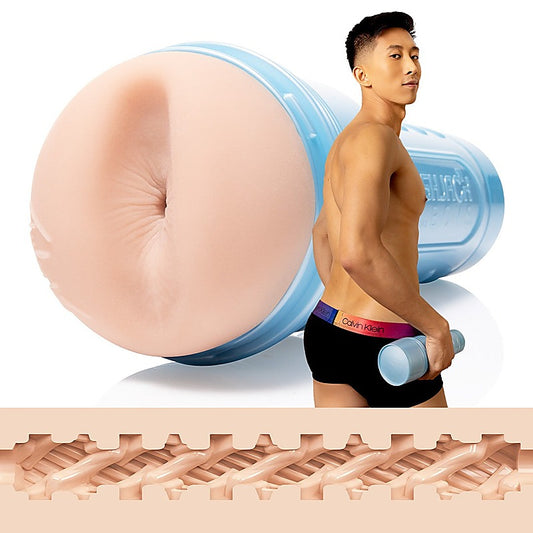
Boys Tyler Wu Skater Boy Realistic Dildo by FleshjackFleshlight Boys Tyler Wu Skater Boy is a body-cast male masturbator featuring dual-density Superskin material with signature ribbed texture. At 8.5 inches long, it delivers realistic internal sensation cast from performer anatomy. The powder blue storage case provides discreet portability, making it suited for...
- $124.99
$134.99- $124.99
- Unit price
- per
-
Feel Argenta by KIIROO Stars Collection Stroker Limited - SilverKIIROO Feel Argenta Stars Collection PowerBlow Stroker is a beaded interactive masturbator designed for manual and automated use. At 23cm long with internal diameters ranging from 1.1cm to 2cm, the TPE sleeve features molded ridges that grip along your entire shaft. Compatible with Keon,...
- $89.99
$109.99- $89.99
- Unit price
- per
-
Zolo Lift Off and Auto Stroker by Xgen Products - FleshXgen Zolo Lift Off Vibrating and Thrusting Auto Stroker is a motorized masturbator combining nine thrusting modes with seven vibration intensities for dual-action stimulation. At 29.3 cm long and weighing 910 grams, it features a removable medical-grade silicone sleeve and USB Type-C rechargeable battery....
- $304.99
$379.99- $304.99
- Unit price
- per
-
JUICY LUCY Self Lubricating Vagina Stroker - FleshAdam & Eve JUICY LUCY is a self-lubricating TPE stroker designed for realistic vaginal sensations. At 6.3 inches long with a 3.6-inch width, it activates with water to create a wet grip lasting 20 to 30 uses. The textured internal sleeve features raised nubs...
- $59.99
$74.99- $59.99
- Unit price
- per
-
Vivid Raw Butt Fuck Silicone Stroker by CalExotics - BlackVivid Raw Dual-Density Textured Stroker is a masturbator designed for intense internal stimulation featuring dual-density construction. Measuring 7 inches long with a 2-inch opening, the stroker combines a supple outer silicone layer with a firmer textured inner core. The ergonomic design fits comfortably in...
- $59.99
$79.99- $59.99
- Unit price
- per
-
Zolo Masturbator Girlfriend by Xgen ProductsZOLO Perfect Girlfriend is a dual-density stroker measuring 7 inches long with a 2.5-inch diameter, featuring transparent body-safe silicone construction. The inner core delivers a soft, supple sensation while the outer sleeve maintains firm grip. It includes a storage pouch and suits people seeking...
- $54.99
$69.99- $54.99
- Unit price
- per
-
Extreme Crystal Tickler Realistic StrokerPipedream Extreme Crystal Tickler Realistic Stroker is a transparent TPE stroker designed for comprehensive shaft stimulation. Measuring 7.5 inches insertable length with closed-end structure, it features specialized ribbing and tickler textures throughout the interior canal. The transparent ABS housing enables visual engagement during use,...
- $39.99
$44.99- $39.99
- Unit price
- per
-
Jackers Teaser Male Stroker Silicone by NS NoveltiesJackers Teaser Stroker is a dual-density male masturbator measuring 6 inches long with 2-inch diameter, combining soft outer silicone with firmer inner core for blended sensation. It features ergonomic hand-fitting design and versatile stimulation techniques from gentle to intense. The stroker suits solo players...
- $62.99
$69.99- $62.99
- Unit price
- per
-
Apollo Dual Density Realistic Male StrokerCalExotics Apollo Dual Density Realistic Male Stroker is a manual stroker featuring proprietary Pure Skin® dual-density construction that combines soft outer surfaces with firm inner cores. Measuring 7.5 inches long with reversible design, it delivers two distinct textural experiences and enhanced suction through dual...
- $59.99
$69.99- $59.99
- Unit price
- per
VISIT XVIDEO FOR ADULT DVDS



Vibrating Double Penetrator with Remote by Passion Play
- Black
Passion Play Double Penetrator with Remote is a dual-chamber vibrator with 21 low-frequency patterns designed for internal male stimulation. Measuring 14.5 cm insertable length and 3 cm width, it delivers steady, deep vibrations via wireless remote control from up to 8 metres away. Made...
- $69.99
$74.99- $69.99
- Unit price
- per
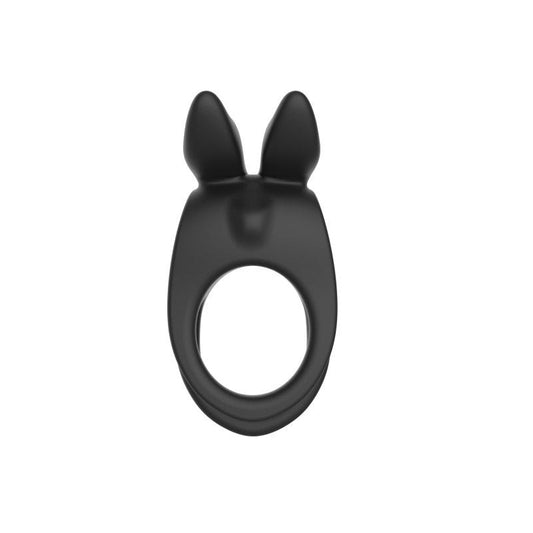
Men 10 Mode Vibrating Rabbit Cock Ring by Ashella
- Black
Ashella Men 10 Mode Vibrating Rabbit Cock Ring is a dual-ring vibrator designed for partnered stimulation and performance enhancement. Measuring 45.2 x 91.1 x 43.1mm with 10 vibration modes across 3 speed settings, it combines a supportive shaft and ball ring with external bunny...
- $34.99
$39.99- $34.99
- Unit price
- per
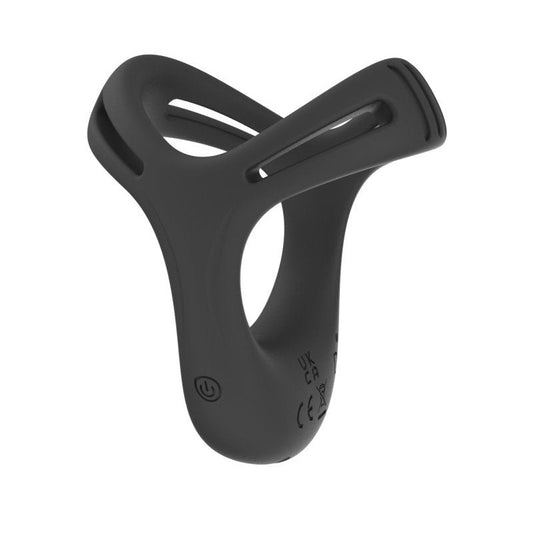
Men 10 Mode Vibrating Sling Ring by Ashella
- Black
Ashella Men 10 Mode Vibrating Sling Ring is a vibrating cock ring designed for enhanced support and dual-partner stimulation. Featuring 10 vibration modes across 3 speed settings, this silicone ring stretches to secure both shaft and balls for extended performance. At 63 x 55.5...
- $34.99
$39.99- $34.99
- Unit price
- per


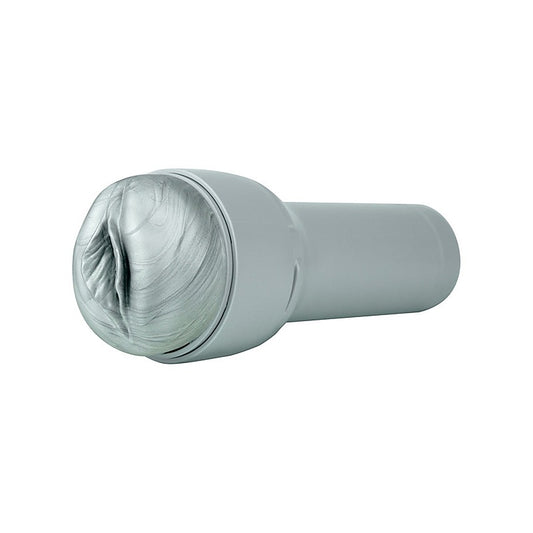

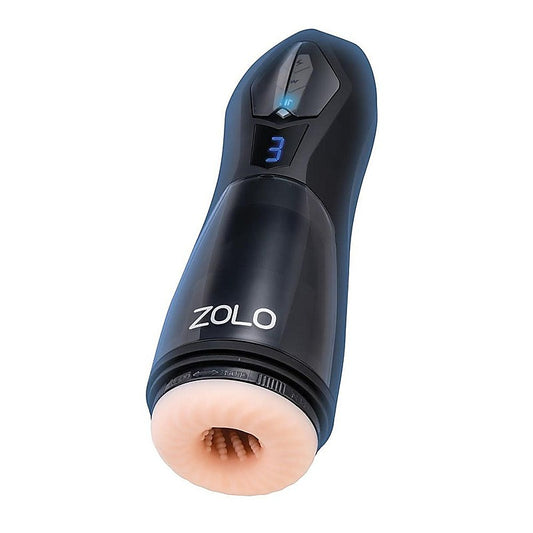

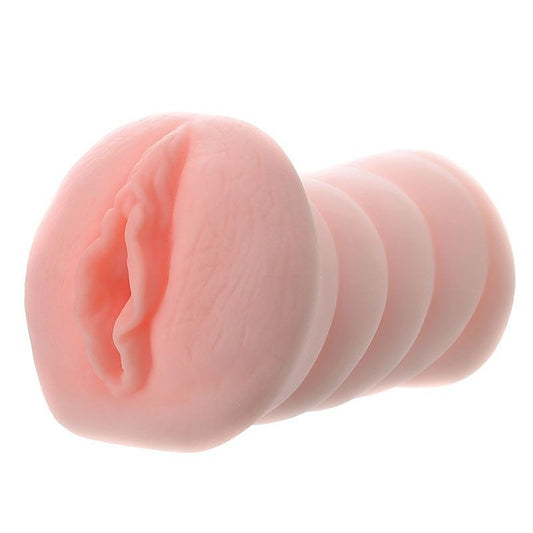


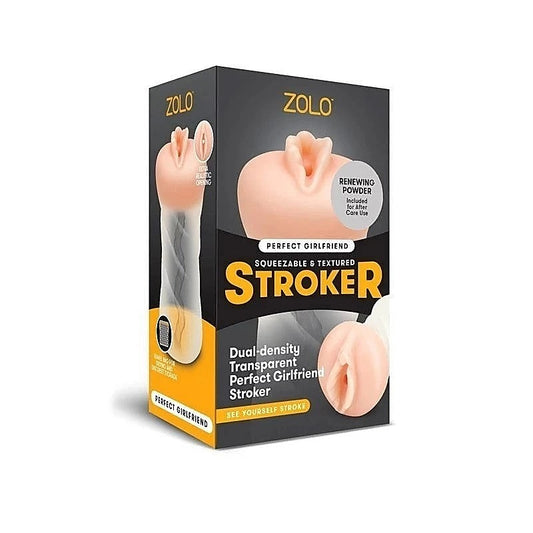

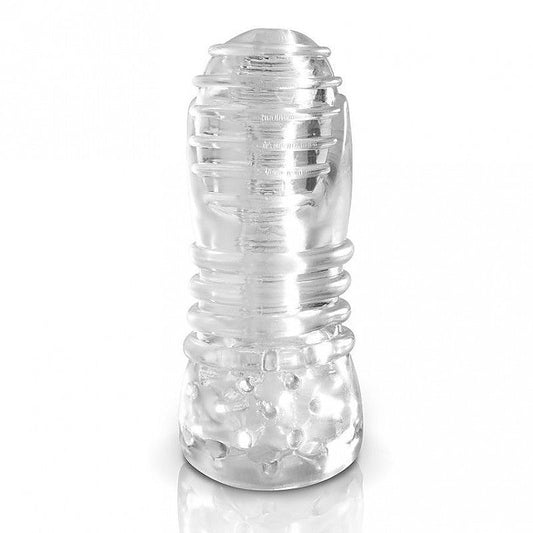

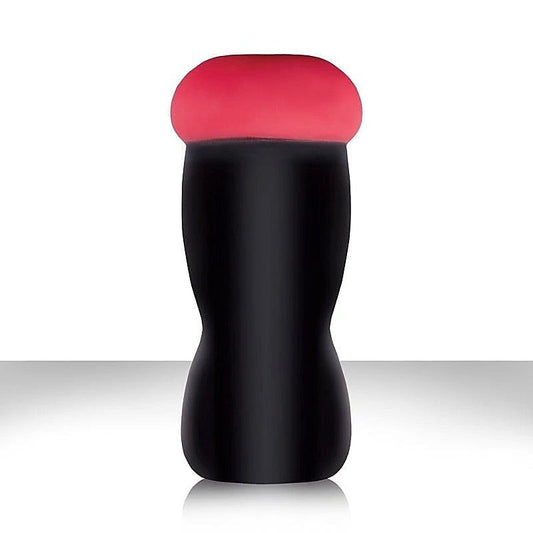

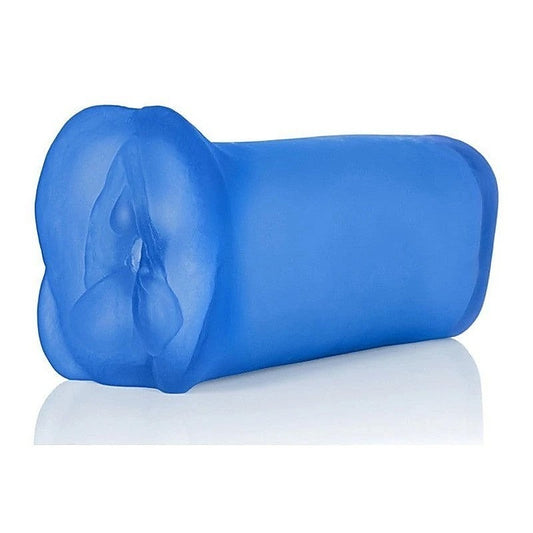

Dual density mens strokers are male masturbation sleeves built from two material layers—a firm outer shell and a soft inner sleeve—that replicate the natural contrast between external firmness and internal softness found in the human body.
At a glance
|
🚚 Plain, discreet packaging • 🔒 Discreet billing • 🔁 Hygiene-conscious returns |
About Dual Density Mens Strokers
Dual density strokers work by separating structural and sensory roles across two material layers. The firm outer shell maintains consistent chamber shape and keeps internal textures properly aligned during use, preventing the texture shifting that happens when single-density soft materials compress under pressure. Meanwhile, the soft inner sleeve delivers cushioned contact against your shaft, creating a plush, yielding sensation despite the rigid external structure. This pairing solves a common problem: users who find firm materials too rigid against sensitive skin but need structural support to prevent chamber collapse benefit from both comfort and texture definition simultaneously.
These strokers suit a range of preferences and anatomies. Those with sensitivity appreciate the cushioned inner layer delivering gentle contact while the firm outer shell maintains texture sharpness. Users wanting textured stimulation without harsh material contact find that aggressive patterns embedded in soft inner layers feel pronounced but not abrasive. If you're interested in exploring similar sensations with moving components, Dual Stimulation Vibrators offer an alternative approach to layered sensation.
What makes Dual Density Mens Strokers different
Single-density strokers compress and shift under pressure, changing texture patterns as you grip or apply suction. Dual density construction eliminates this problem by separating the load-bearing shell from the contact surface, ensuring friction patterns remain consistent throughout use. The soft inner layer also prevents discomfort from rigid materials, making extended sessions more comfortable for sensitive users. If you prefer hands-free operation, Automatic Male Strokers offer motorised stroking without requiring manual grip control.
Types of Dual Density Mens Strokers
Standard chamber strokers. Single-entry sleeves with consistent internal texture throughout. These are the most straightforward option and suit users who want reliable sensation without complexity.
Multi-chamber strokers. Multiple distinct texture zones create varied sensation as you stroke through different sections. Each chamber offers different patterns—some tight, some loose, some heavily textured—for progressive stimulation.
Textured surface strokers. Aggressive ribbing, bumps, or nodules embedded in the soft inner layer deliver pronounced stimulation. These pair well with Mens Briefs designed for easy cleanup and comfort during or after extended sessions.
Open-ended strokers. Both ends remain open, allowing you to see inside or use them differently. These are easier to clean and inspect but require slightly more technique during use.
How they compare
| Model | Material | Best for | Control or Base | Safety |
|---|---|---|---|---|
| Standard Dual Density Chamber | Firm TPE shell, soft silicone lining | First-time users wanting realistic feel | Manual grip control | Non-porous; water-based lube only |
| Multi-Chamber Textured Stroker | Rigid outer shell, ultra-soft TPE zones | Users wanting varied sensation progression | Manual grip control | Inspect seams regularly; air dry thoroughly |
| Open-Ended Dual Density | Firm TPE frame, plush inner sleeve | Easy cleaning and visual inspection | Manual grip control | Fully accessible; easiest to dry |
| Ribbed Sensation Stroker | Reinforced TPE shell, textured silicone interior | Users wanting pronounced tactile feedback | Manual grip control | Ribbing can trap moisture; dry carefully |
How to choose a dual density mens stroker
Start by thinking about what sensation appeals to you. Do you want consistent texture throughout, or varied zones that change as you stroke? How much tactile feedback do you prefer—gentle waves or pronounced ribbing? Consider your sensitivity level too. If you're sensitive to firm materials, the cushioned inner layer of a dual density stroker will feel noticeably better than a single-layer alternative. Check the dimensions carefully: length and diameter matter for fit and comfort during use.
Think about maintenance and your cleaning routine. Open-ended strokers dry faster and let you inspect the interior, which many users find reassuring. Closed-end designs feel more enclosed but require patience during drying. If you're combining this with other gear, Mens Fetish Clothing designed for easy access and quick cleanup can enhance your experience. Always check the material composition—quality dual density strokers use medical-grade silicone or premium TPE, not cheap plastics that degrade quickly or feel unpleasant against skin.
Tips from the Adultsmart team
Hard-won pointers from the Adultsmart team, alongside our panel of sexologists, educators, and adult-industry contributors. Meet our experts →
After years of helping customers with dual density strokers, we've noticed most people underestimate how much lubrication they need. The soft inner material creates more surface contact than firm single-layer sleeves, so you need thorough, generous coverage. Dry patches cause friction, which kills the sensation and can irritate skin. Apply lube inside the chamber and on yourself before insertion, then reapply during longer sessions. Water-based lube works best—silicone and oil damage the materials.
A common mistake is gripping too hard too soon. The firm outer shell is designed to maintain structure under normal grip pressure, not maximum squeeze. When you grip too tightly, you're not adding sensation—you're actually compressing the soft inner layer so much that textures flatten out. Start with a gentler grip and let the stroker's design do the work. You'll feel more texture definition and have better control over intensity when you're not fighting the material.
Storage matters more than people think. Always clean and completely dry your stroker before putting it away. Moisture trapped inside creates mould and degrades the materials from within. Stand it upright or hang it in a cool, dark place. Don't store it compressed or folded—the soft inner layer can develop permanent creases that change how it feels during use. A mesh storage pouch lets air circulate while keeping dust out.
| Please read — safety first. Charge only with the supplied cable and keep the charging port dry unless the sex toy is waterproof-rated. Pair and update through the official app, and switch the device off fully between sessions so the motor and battery aren't left under load. Never share between partners, or between anal and vaginal use, without cleaning the item first or using a fresh condom. As porous materials can harbour bacteria, use a condom over them for sharing or easy clean-up. This information is general in nature only and is not medical advice; it does not account for your individual circumstances. If you have a relevant health condition or experience any persistent discomfort, discontinue use and seek advice from a qualified medical professional. |
Care and cleaning
Wash your stroker immediately after use with warm water and a sex toy-specific cleanser. Rinse thoroughly inside and out, paying special attention to seams and textured areas where lube can hide. Shake out excess water, then stand it upright to air dry completely—this usually takes 4–6 hours depending on humidity. Never use soap, as residue affects sensation and can irritate skin. Store in a cool, dry place away from direct sunlight, which can degrade the materials over time.
Learn more
Male sexual health covers more than just strokers—stamina, sensitivity, and comfort during sex matter too. Read more about common concerns and practical solutions in our Mens Issues guide for firsthand advice and expert tips.
Why shop Dual Density Mens Strokers at Adultsmart
Want a confident, no-guesswork choice? Adultsmart stocks dual density mens strokers from trusted brands with honest specs and real customer feedback. We pack everything discreetly with unmarked billing so your privacy is protected from delivery to your door. Australia's adult lifestyle specialists, helping you buy with confidence.
Dual Density Mens Strokers FAQ
Does the soft inner layer in dual-density strokers compress enough to flatten internal textures during firm gripping?
The rigid outer shell prevents excessive inner layer compression by maintaining structural boundaries that limit how much the soft material can deform. While the inner layer yields for cushioned contact, the firm exterior stops compression before textures flatten completely, preserving pattern definition better than uniformly soft single-density materials without rigid support.
Do dual-density strokers show wear patterns differently than single-density alternatives?
Dual-density wear concentrates at the layer interface where bond stress accumulates, potentially causing delamination before material degradation becomes obvious. Single-density strokers show surface wear, texture smoothing, and material softening more uniformly. Dual-density designs may appear externally intact while internal layer separation progresses invisibly, requiring attention to tactile changes suggesting bond weakening rather than relying solely on visual inspection.
Can dual-density construction accommodate different shaft girths as effectively as uniformly soft materials?
The soft inner layer stretches to accommodate girth variations similarly to single-density soft materials, while the firm outer shell provides slightly less overall expansion. Dual-density strokers handle average to moderately above-average thickness well, though extremely thick dimensions may find uniformly soft single-density materials more accommodating due to unrestricted expansion without rigid outer boundaries.
How does cleaning difficulty for dual-density strokers compare to single-density alternatives?
Dual-density cleaning requires gentler handling to avoid separating the bonded material layers during inside-out inversion. The process takes similar time to single-density cleaning but demands more careful technique. Users must stretch gradually rather than forcefully, making dual-density maintenance slightly more demanding than single-material designs without layer separation concerns.
Do textured dual-density strokers deliver less intense friction than identical patterns in uniformly firm materials?
Textures embedded in soft inner layers feel gentler than the same patterns in uniformly firm materials since the cushioned contact softens friction peaks. The firm outer shell maintains texture positioning but cannot eliminate the softening effect of plush inner material. Users wanting maximum texture intensity should consider uniformly firm options, while those seeking pronounced patterns without harshness benefit from dual-density cushioning.
Can layer separation in dual-density strokers be repaired once delamination begins?
Layer separation typically cannot be effectively repaired since the manufacturing bond relies on controlled heat, pressure, and chemical adhesion during production. Attempting DIY repairs with adhesives often creates rigid spots or toxic residue unsuitable for intimate contact. Once delamination starts, the stroker should be replaced rather than attempting repairs that compromise safety or functionality.
How does the firm outer shell affect suction intensity in closed-end dual-density designs?
Rigid outer shells enhance suction consistency by preventing chamber wall collapse under vacuum pressure, channeling trapped air forces into uniform gripping rather than localized tight spots. The structural support creates stronger more evenly-distributed suction compared to soft single-density chambers that may stick together internally during intense vacuum cycles, making dual-density designs superior for maximizing closed-end automatic suction performance.
Do dual-density strokers require special storage conditions to prevent layer separation during dormancy?
Store dual-density strokers without compression or twisted positioning that stresses the layer interface over extended periods. Laying flat or hanging vertically prevents bond strain better than cramped storage with bent or folded positioning. Avoid temperature extremes that cause differential expansion between firmness layers, potentially weakening bonds through repeated thermal cycling between hot and cold environments.
Can the soft inner layer in dual-density strokers retain warmth longer than uniformly firm materials?
Soft materials typically retain body heat longer than firm compounds due to different thermal conductivity properties. The plush inner layer warms quickly and maintains temperature while the firm outer shell stays cooler, creating thermal contrast that enhances realism. This layered thermal response provides more authentic temperature dynamics than uniformly-warming single-density materials regardless of firmness level.
How does price difference between dual-density and single-density strokers reflect manufacturing complexity?
Dual-density construction requires multi-step molding processes, precision layer bonding, and quality control ensuring proper material adhesion, significantly increasing manufacturing costs. Single-density strokers use simpler single-pour molding with fewer production steps. The 30-50 percent price premium for dual-density designs reflects genuine engineering sophistication rather than arbitrary markup, justifying higher costs through enhanced realism and structural performance.
Recently Viewed Products
Example product title
- $19.99
- $19.99
- Unit price
- per
Example product title
- $19.99
- $19.99
- Unit price
- per
Example product title
- $19.99
- $19.99
- Unit price
- per
Example product title
- $19.99
- $19.99
- Unit price
- per
Example product title
- $19.99
- $19.99
- Unit price
- per
Example product title
- $19.99
- $19.99
- Unit price
- per
Example product title
- $19.99
- $19.99
- Unit price
- per
Example product title
- $19.99
- $19.99
- Unit price
- per
Example product title
- $19.99
- $19.99
- Unit price
- per
Example product title
- $19.99
- $19.99
- Unit price
- per
Why Shop With Adultsmart?
- Choosing a selection results in a full page refresh.