



-
Bitchboy Degrading Mini Chastity Cage by Electric EEL Inc - PinkBitchboy Degrading Mini Chastity Cage by Electric EEL Inc is a compact chastity cage featuring a pussy-shaped design with 1-inch insertable length. Constructed from lightweight, smooth material, it measures 3.23 x 2.68 x 1.3 inches and delivers open-design breathability. The cage combines visual humiliation...
- $129.99
$139.99- $129.99
- Unit price
- per
-
Gladiator Size 1 Soft Cock Cage with Pussification Plug - BlackSport Fucker Gladiator Size 1 Soft Cock Cage with Plug is a flexible TPE chastity device designed for extended wear and pussification play. Measuring 77 mm in cage length with a 38 mm diameter, it includes six ergonomic cock rings and dual locking systems....
- $179.99
$189.99- $179.99
- Unit price
- per
-
Centurion Size 2 Cock Cage with Pussification Plug - BlackSport Fucker Centurion Size 2 Cock Cage with Plug is a rigid chastity device constructed from body-safe reinforced polymer with a silicone urethral insert featuring sculpted vulva detail. The cage measures 39 mm diameter and 85 mm length, includes four ergonomic base rings ranging...
- $179.99
$189.99- $179.99
- Unit price
- per
-
Master Series Bull Theme Male Chastity Cage by XR Brands - RedXR Brands Master Series Bull Theme Male Chastity Cage is a plastic penis cage designed for chastity play and submission dynamics. Measuring 2.2 inches long with a 1.8-inch width, it features a bull-head design that caps the shaft tip with a cum-thru opening. Four...
- $64.99
$69.99- $64.99
- Unit price
- per
-
Airmesh Chastity Cage by Brutus - ClearBrutus Airmesh is a lightweight polyethylene chastity cage designed for extended wear, featuring three ergonomic cock rings in different sizes, a concealed stealth lock system, and an adapter for metal-free plastic locks. The medium cage measures 7 cm length with 3 cm diameter, delivering...
- $79.99
$99.99- $79.99
- Unit price
- per
-
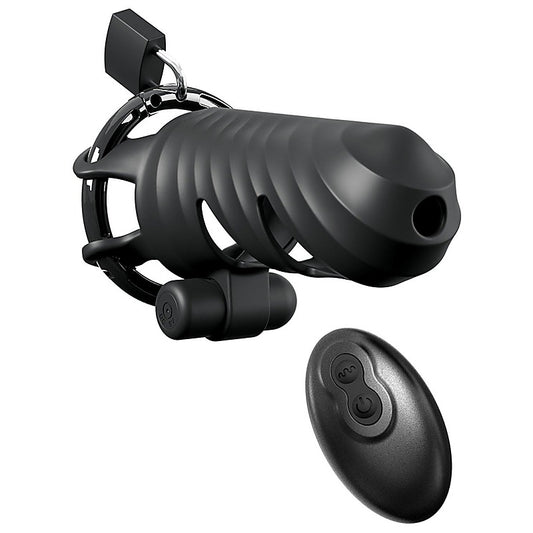
Fantasy C-Ringz Remote-Controlled Vibrating Cock Blocker - BlackFantasy C-Ringz Remote-Controlled Vibrating Cock Blocker is an elite silicone chastity cage with integrated 10-function vibration controlled remotely by a keyholder. The ventilated design with urination hole supports extended wear during daily activities, while IPX6 water resistance enables shower teasing. The 60-minute runtime and...
- $64.99
$79.99- $64.99
- Unit price
- per
-
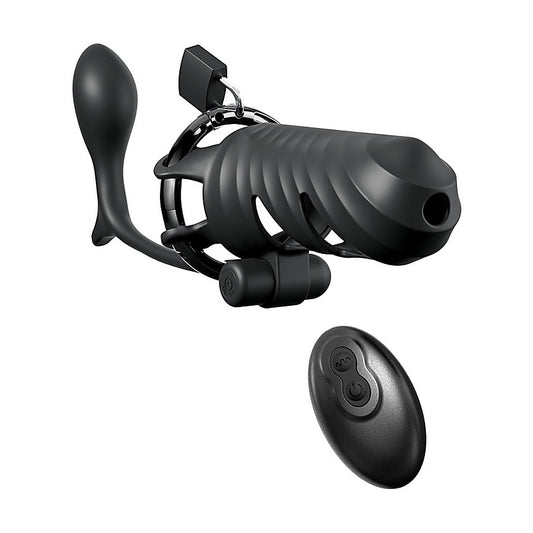
Fantasy C-Ringz Vibrating Cock Blocker with Ass-Gasm Plug - BlackFantasy C-Ringz Vibrating Cock Blocker with Ass-Gasm Plug is a dual-purpose chastity system combining a ventilated silicone cage with a removable 10-function vibrating prostate plug. The adjustable high-density plastic ring secures around the shaft and balls while the posable Ass-Gasm plug delivers remote-controlled prostate...
- $74.99
$94.99- $74.99
- Unit price
- per
-
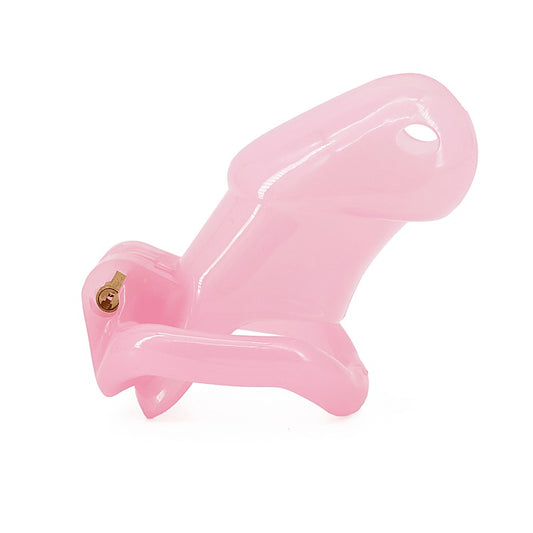
Resin Male Chastity Cock Cage Pink by Love In LeatherLove In Leather Resin Male Chastity Cock Cage Pink is a rigid ABS polymer chastity device designed for male containment and power exchange play. Weighing 55-67g with two cage lengths (45mm and 55mm base options), it accommodates varied restriction preferences. Four shaped rings (38-48mm)...
- $49.99
$59.99- $49.99
- Unit price
- per
-
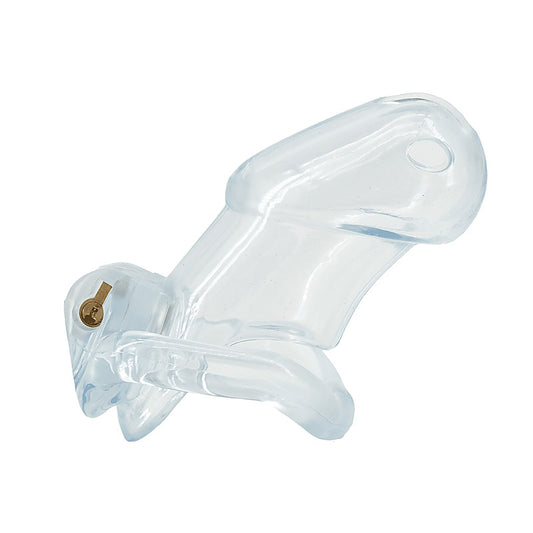
Resin Male Chastity Cock Cage Clear by Love In LeatherLove In Leather Resin Male Chastity Cock Cage Clear is a transparent ABS polymer chastity device designed for visual containment play. Weighing 55-67g with two cage lengths (short 45mm, long 55mm base), it includes four shaped rings from 38-48mm to fit varied anatomies. The...
- $49.99
$59.99- $49.99
- Unit price
- per
-
Resin Male Chastity Cage Black by Love In LeatherLove In Leather Resin Male Chastity Cage is a beginner-friendly resin chastity cage designed for containment play. Weighing 55-67g with two length options (short: 45mm/89mm, long: 55mm/95mm) and four shaped rings (38-48mm), it delivers lightweight restriction without metal's discomfort. The cylinder lock provides straightforward...
- $49.99
$59.99- $49.99
- Unit price
- per
-
Micro Cock Cage 4 Interchangeable Rings by Love In Leather - BlackLove In Leather Micro Cock Cage is a restrictive chastity device with 40mm internal measurement and four interchangeable rings spanning 37-51mm. The lightweight ABS polymer construction weighs 27-29g, while the tubular cam lock provides tool-free security. Available in black, blue, and pink, it suits...
- $49.99
$59.99- $49.99
- Unit price
- per
-
Micro Cock Cage With Urethral Opening by Love In Leather - BlackLove In Leather Micro Cock Cage with Urethral Opening is a micro chastity device featuring a 22mm internal diameter for extreme restriction. The lightweight ABS polymer construction weighs just 20-22g, and four shaped ring sizes (38-53mm) ensure proper fit. The urethral opening allows urination...
- $49.99
$59.99- $49.99
- Unit price
- per
-
Renegade Power Cage Sleeve by Chisa - ClearChisa Renegade Men's Pleasure Power Cage is a textured shaft sleeve with integrated ball anchor designed for prolonged rigidity and visual stimulation. At 11.5 cm long with 2.8 cm snug diameter, the clear TPE construction features raised interior ridges that massage continuously while restricting...
- $24.99
$29.99- $24.99
- Unit price
- per
-
Bent Cum Thru Cock Cage by Hell's CoutureHells Couture Bent Cum Thru Cock Cage is a medical-grade surgical steel chastity device designed for advanced BDSM restraint. The 40mm curved cage pairs with a removable 50–80mm penis plug for intense stimulation during solo or partnered dominance play. Its 45mm support ring, non-magnetic...
- $39.99
$44.99- $39.99
- Unit price
- per
-
Steampunk Male Cock Cage Medium by BDStyleBDStyle Steampunk Male Cock Cage – Medium is a surgical-grade stainless steel chastity device featuring three interchangeable ring sizes (40mm, 45mm, 50mm) and optional urethral tube attachment. Precision CNC-machined with hand-polished mirror finish, it delivers secure restraint with pivoting dorsal arm comfort and Prince...
- $116.99
$129.99- $116.99
- Unit price
- per
-
Flat Black Male Chastity Cage by Love In LeatherLove In Leather Flat Male Chastity Device Black is a streamlined chastity cage constructed from 29-gram ABS polymer measuring just 5mm in internal depth. The flat profile eliminates visible bulk under fitted clothing while five interchangeable ring sizes (38mm–52mm) accommodate diverse anatomical requirements. Strategic...
- $49.99
$59.99- $49.99
- Unit price
- per
-
Zinc Alloy Bird Cage Chastity Device by Love In LeatherLove In Leather Bird Cage Chastity Device is a premium zinc alloy male chastity cage designed for experienced practitioners seeking secure, long-term wear. Available in three ring sizes (40mm, 45mm, 50mm) weighing 112–124 grams, it features a professional pin tumbler lock, 4-centimeter internal cage...
- $49.99
$59.99- $49.99
- Unit price
- per
-
Caged Tiger Stainless Steel Chastity Cage by BDStyle - BlackBDStyle Caged Tiger is a surgical-grade stainless steel chastity device designed for extended wear and power exchange dynamics. Measuring 73–112mm with a 40mm cage width and three interchangeable ring sizes (40mm, 45mm, 50mm), it features a ventilated cage design, secure padlock mechanism, and smooth...
- $39.99
$44.99- $39.99
- Unit price
- per
-
Silicone Male Chastity Cage Long by Love In Leather - BlackLove In Leather Silicone Male Chastity Cage Long is a full-sheath confinement device designed for extended wear and experienced users. With internal dimensions of 7.5cm at the base and 10cm at the top, it accommodates larger anatomy while remaining lightweight at 77 grams. The...
- $49.99
$59.99- $49.99
- Unit price
- per
-
Silicone Male Chastity Cage Short by Love In Leather - BlackLove In Leather Silicone Male Chastity Cage Short is a medical-grade silicone chastity device designed for power exchange play and submission dynamics. Weighing only 72 grams with a contoured full sheath design, it includes five graduated ring sizes (35mm–47mm diameter) with adjustable pins and...
- $49.99
$59.99- $49.99
- Unit price
- per
-
Matte Black Male Chastity Cage by Love In LeatherLove In Leather Matte Black Male Chastity Cage "The Gates Of Hell" is a zinc alloy chastity device with matte black finish designed for experienced practitioners. Weighing 211–224g with internal measurements of 6.5cm to 8cm, it features solid ring construction, precision urethral opening, and...
- $49.99
$59.99- $49.99
- Unit price
- per
-
The Hannibal Male Chastity Cock Cage by Love In LeatherLove In Leather The Hannibal Male Chastity Cock Cage is a hybrid sheath-and-cage chastity device combining full shaft coverage with strategic head exposure. Constructed from zinc alloy weighing 128–164g across three ring sizes (40mm, 45mm, 50mm), it features a precision-engineered urethral opening and hinged...
- $49.99
$59.99- $49.99
- Unit price
- per
-
The Spider Web Male Cock Cage by Love In LeatherLove In Leather The Spider Web Male Cock Cage is a lightweight zinc alloy chastity device featuring web-pattern construction that weighs just 89–123g depending on ring size. The hinged ring system accommodates three sizing options (40mm, 45mm, 50mm) with precision-engineered 40mm × 45mm openings...
- $49.99
$59.99- $49.99
- Unit price
- per
-
Chrome Male Chastity Cock Cage by Love In LeatherLove In Leather Chrome Male Chastity Cock Cage "The Gates Of Hell" is a solid zinc alloy chastity device engineered for experienced practitioners seeking complete containment. Weighing 212–226 grams with three ring sizes (40mm, 45mm, 50mm), it features precision urethral engineering and a premium...
- $49.99
$59.99- $49.99
- Unit price
- per
-
Moulded Shaft Male Chastity Cage by Love In LeatherLove In Leather Moulded Shaft Male Chastity Cage "The Straitjacket" is a full-sheath chastity device engineered for experienced practitioners seeking complete containment. Weighing 248–262 grams depending on ring size, it features anatomically molded internal contours, precision urethral slits, and an open cock ring system...
- $49.99
$59.99- $49.99
- Unit price
- per
-
Bird Cage Style Male Chastity Device by Love In LeatherLove In Leather Bird Cage Style Male Chastity Device is a zinc alloy chastity cage designed for secure, comfortable long-term wear during power exchange play. Available in three ring sizes (40mm, 45mm, 50mm) with an 11cm cage length, it features integrated padlock security with...
- $49.99
$59.99- $49.99
- Unit price
- per
-
Lock Love Male Chastity Cock Cage by BDStyleBDStyle Lock Love Male Chastity Cock Cage is a metal restraint device designed for power exchange play and delayed gratification. Featuring three interchangeable ball ring sizes (40mm, 45mm, 50mm) and a 7.5cm cage length, it delivers secure confinement with ventilated design for extended wear....
- $62.99
$69.99- $62.99
- Unit price
- per
-
Chastity Cock Cage by XR BrandsMaster Series Stainless Steel Male Chastity Cock Cage is a premium metal chastity device engineered for secure restriction and extended wear comfort. Crafted from chrome-plated stainless steel with internal dimensions of 3 inches length and 1.5 inches diameter, it includes three precision-sized cock rings...
- $274.99
$319.99- $274.99
- Unit price
- per
-
Hard Stop Double Ring Chastity Cage by XR BrandsMaster Series Hard Stop Double Ring Men's Chastity Cage is a plastic cock cage with ventilated construction designed for extended chastity wear. Featuring four interchangeable ring sizes (1.6" to 2" inner diameter), a 2.1-inch cage length, and secure metal locking mechanism, it accommodates individual...
- $94.99
$119.99- $94.99
- Unit price
- per
-
Stainless Steel Chastity Cage With Silicone Urethral PlugMaster Series Stainless Steel Chastity Cage With Silicone Urethral Plug is a comprehensive restriction system designed for experienced practitioners. This medical-grade stainless steel device features a 4-inch cage with integrated 4-inch urethral component, 1.75-inch base ring, and secure hex nut locking mechanism. The silicone...
- $234.99
$269.99- $234.99
- Unit price
- per
-
Jail House Stainless Steel Chastity Cage by XR BrandsMaster Series The Jail House is a stainless steel chastity cage designed for extended control dynamics between partners. At 3.25 inches long with three adjustable base rings (1.5, 1.75, and 2-inch inner diameters), it features medical-grade construction and strategic ventilation for responsible prolonged wear....
- $189.99
$199.99- $189.99
- Unit price
- per
-
Stainless Steel Male Penis Trap by BDStyleBDStyle Master Series Stainless Steel Male Penis Trap is a surgical-grade stainless steel chastity device designed for extended secure wear. Measuring 1.5 inches in length with a 2.25-inch outer diameter, it features precision-engineered openings of 1.3 inches at the top and 1.5 inches at...
- From $49.99
$54.99- From $49.99
- Unit price
- per
-
New Bent Ring Male Chastity Cock Cage by BDStyleBDStyle New Bent Ring Male Chastity Cock Cage is a metal chastity device designed for extended wear with anatomical comfort. The cage measures 4.5 cm in length and 3.3 cm in diameter, with ring sizes from 4.0 to 5.0 cm available. Its innovative bent...
- $44.99
$49.99- $44.99
- Unit price
- per
-
Rainbow Male Metal Chastity Cage HTV3 Medium by BDStyleBDStyle Rainbow Male Metal Chastity Cage HTV3 Medium is a medical-grade stainless steel chastity device featuring vacuum metalizing rainbow gold finish. With cage lengths from 60mm to 105mm and internal tube variants spanning 25mm to 60mm, the 40mm medium ring ensures secure positioning. It...
- From $80.99
$89.99- From $80.99
- Unit price
- per
-
Bent Ring Cylindrical Short Male Chastity Lock by BDStyleBDStyle Bent Ring Cylindrical Short Male Chastity Lock is a metal chastity cage featuring a bent ring design with ring sizes from 4.0 cm to 5.5 cm. The cylindrical cage measures 2 cm by 3.5 cm and is constructed from medical-grade metal with a...
- $67.99
$74.99- $67.99
- Unit price
- per
-
Rivet Screw Bent Male Cock Cage by BDStyleBDStyle Rivet Screw Bent Male Cock Cage is a premium metal chastity device with an ergonomic bent design and innovative rivet screw locking mechanism. Measuring 13 cm long with a 3.5 cm diameter cage, it offers three ring sizes from 4.0 to 5.0 cm...
- $58.99
$64.99- $58.99
- Unit price
- per
-
Hex Screw Pad Mens Cock Lock Cage by BDStyleThe BDStyle Hex Screw Pad Mens Cock Lock Cage is a precision-engineered metal chastity device featuring a calibrated 2.4 cm stabilizing pad and hex screw mechanism. Available in four ring sizes from 4.0 cm to 5.5 cm, it delivers consistent security and positioning during...
- $58.99
$64.99- $58.99
- Unit price
- per
-
Hex Screw Pad Mens 5.5 cm Cock Cage by BDStyleBDStyle Hex Screw Pad Mens Cock Cage is a metal chastity device featuring a precision catheter port and hex screw locking mechanism. Measuring 2.4 cm across the integrated pad with ring sizes from 4.0 to 5.5 cm, it delivers medical-grade steel construction and even...
- $58.99
$64.99- $58.99
- Unit price
- per
-
Double Ring Male Chastity Lock Cage by BDStyleBDStyle Double Ring Male Chastity Lock Cage With Bent Ring is a metal chastity device designed for extended wear security. Featuring a bent ring design measuring 3.7 cm across the front with sizes ranging from 4.0 to 5.5 cm, it delivers anatomically calibrated fit...
- $44.99
$49.99- $44.99
- Unit price
- per
-
Double Ring Mens Chastity Lock Cage by BDStyleBDStyle Double Ring Mens Chastity Lock Cage is a metal security device featuring dual ring construction and a flat ring design measuring 3.7 cm at the front. Available in four sizes from 4.0 cm to 5.5 cm, it delivers even pressure distribution across extended...
- $34.99
$39.99- $34.99
- Unit price
- per
-
Hex Screw Male Chastity Lock Cage by BDStyleBDStyle Hex Screw Male Chastity Lock Cage is a metal restraint device featuring a 3.2 x 3.5 cm cage with hex screw closure and anti-drop ring technology. Available in four ring sizes from 4.0 to 5.3 cm, it combines medical-grade metal construction with precision...
- $67.99
$74.99- $67.99
- Unit price
- per
-
Rivet Screw Double Ring Mens Chastity Lock Cage by BDStyleBDStyle Rivet Screw Double Ring Mens Chastity Lock Cage with Bent Ring is a stainless steel male chastity device featuring dual ring technology and anatomically optimized bent ring design. The cage measures 2.3 x 3.2 cm with four sizing options ranging from 4.0 to...
- $67.99
$74.99- $67.99
- Unit price
- per
-
Rivet Screw Double Ring Male Chastity Lock Cage by BDStyleBDStyle Rivet Screw Double Ring Male Chastity Lock Cage is a metal restraint device featuring a dual-ring security system with a cage measuring 2.3 x 3.2 cm. The flat ring design distributes pressure evenly across four size options ranging from 4.0 to 5.5 cm,...
- $85.99
$94.99- $85.99
- Unit price
- per
-
Rivet Screw Cover Male Chastity Lock Cage by BDStyleBDStyle Rivet Screw Cover Male Chastity Lock Cage with Bent Ring is a metal chastity device featuring a 2.3 x 3.2 cm cage with anatomically curved bent ring design. Available in four ring sizes (4.0–5.5 cm), it delivers security through rivet screw cover closure...
- $67.99
$74.99- $67.99
- Unit price
- per
-
Rivet Screw Cover Mens Chastity Lock Cage by BDStyleBDStyle Rivet Screw Cover Men's Chastity Lock Cage is a precision-engineered metal chastity device featuring a compact 2.3 x 3.2 cm cage with flat ring design. Available in four ring sizes from 4.0 to 5.5 cm, it delivers secure closure through innovative rivet screw...
- $67.99
$74.99- $67.99
- Unit price
- per
-
Spike Alloy Male Chastity Cock Cage by BDStyleBDStyle Spike Alloy Male Chastity Cock Cage is a premium metal chastity device featuring a 5.0cm cage length and three customizable ball ring sizes (40mm, 45mm, 50mm). Constructed from durable metal alloy with a polished silver finish, it delivers secure restriction with smoothed edges...
- $44.99
$49.99- $44.99
- Unit price
- per
-
Canned Male Chastity Cock Cage by BDStyleBDStyle Canned Male Chastity Cock Cage is a stainless steel chastity device engineered for secure wear with a 2.2 cm cage length and 190-gram weight. It offers four calibrated ring sizes from 40 mm to 55 mm, accommodating various anatomies. Premium stainless steel construction...
- $67.99
$74.99- $67.99
- Unit price
- per
-
Male Chastity Device Penis Cage With Bent Ring by BDStyleBDStyle Male Chastity Device Penis Cage With Bent Ring is a premium stainless steel chastity cage featuring a 2.0 cm cage length, 138-gram weight, and four calibrated ring sizes from 40 mm to 55 mm. The bent ring design offers alternative comfort profiles with...
- $67.99
$74.99- $67.99
- Unit price
- per
-
Male Chastity Device Penis Cage With Flat Ring by BDStyleBDStyle Male Chastity Device with Flat Ring is a premium stainless steel penis cage designed for extended wear security and discretion. Measuring 2.0 cm in cage length with a weight of 138 grams, it offers four ring sizes from 40 mm to 55 mm...
- $67.99
$74.99- $67.99
- Unit price
- per
-
Plate Cage Male Chastity Device Large by BDStyleBDStyle Plate Cage Male Chastity Device Large is a stainless steel chastity cage designed for extended wear security. Measuring 4.7 cm x 3.2 cm with 304 stainless steel construction, it offers three ring sizes ranging from 4.0 cm to 5.0 cm for personalized fit....
- $44.99
$49.99- $44.99
- Unit price
- per
VISIT XVIDEO FOR ADULT DVDS



Men 10 Mode Vibrating Rabbit Cock Ring by Ashella
- Black
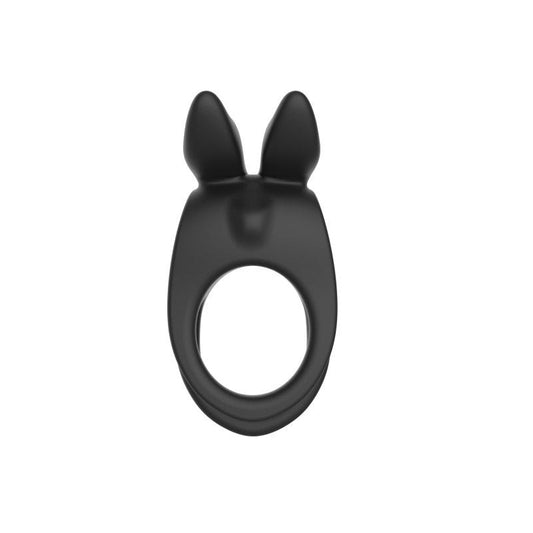
Ashella Men 10 Mode Vibrating Rabbit Cock Ring is a dual-ring vibrator designed for partnered stimulation and performance enhancement. Measuring 45.2 x 91.1 x 43.1mm with 10 vibration modes across 3 speed settings, it combines a supportive shaft and ball ring with external bunny...
- $34.99
$39.99- $34.99
- Unit price
- per
Men 10 Mode Vibrating Sling Ring by Ashella
- Black
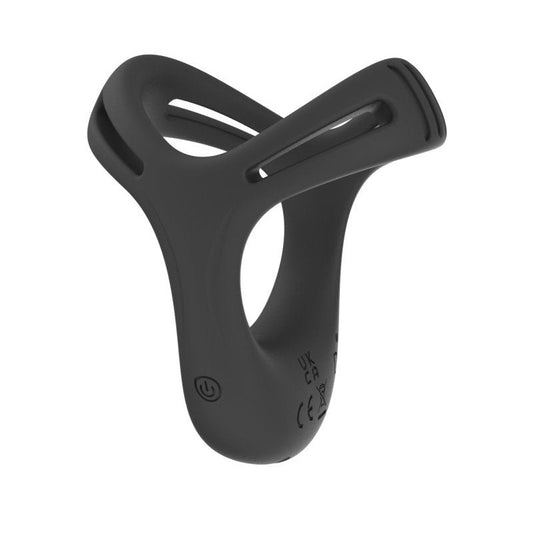
Ashella Men 10 Mode Vibrating Sling Ring is a vibrating cock ring designed for enhanced support and dual-partner stimulation. Featuring 10 vibration modes across 3 speed settings, this silicone ring stretches to secure both shaft and balls for extended performance. At 63 x 55.5...
- $34.99
$39.99- $34.99
- Unit price
- per
Men 10 Mode Vibrating Cock Ring by Ashella
- Black
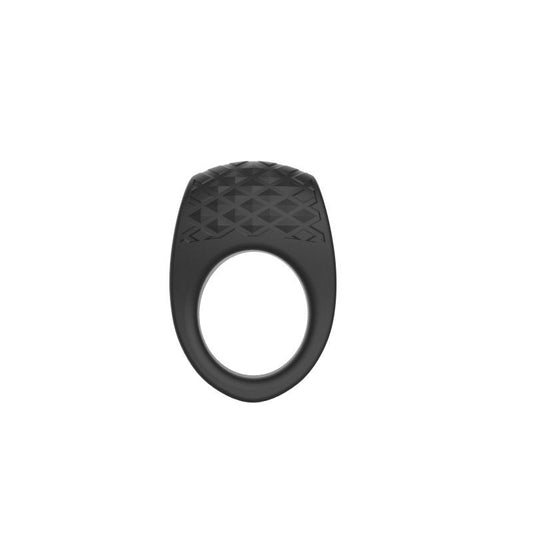
The Ashella Men Vibrating Cock Ring is a silicone erection ring featuring 10 vibration modes across 3 speed settings. Measuring 45.5 x 66.7 x 29.4mm with rechargeable USB power lasting one hour per charge, it delivers customizable stimulation for solo or partnered play. The...
- $34.99
$39.99- $34.99
- Unit price
- per
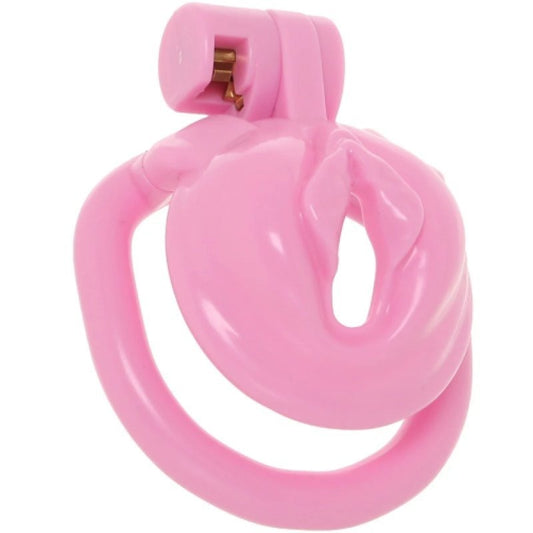

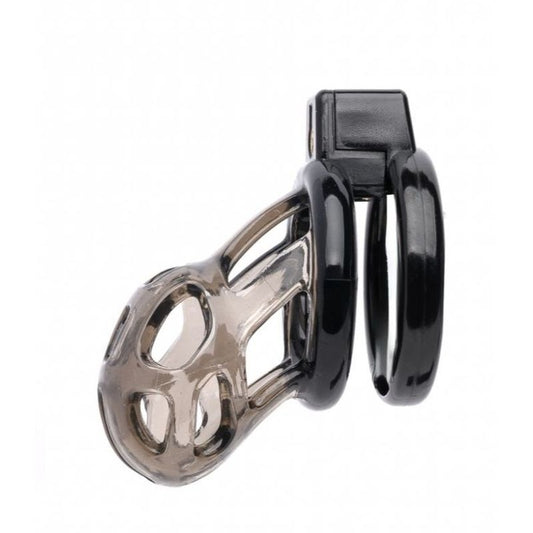

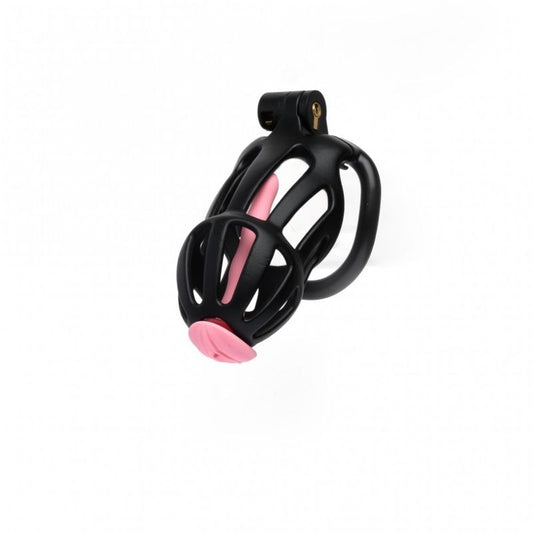

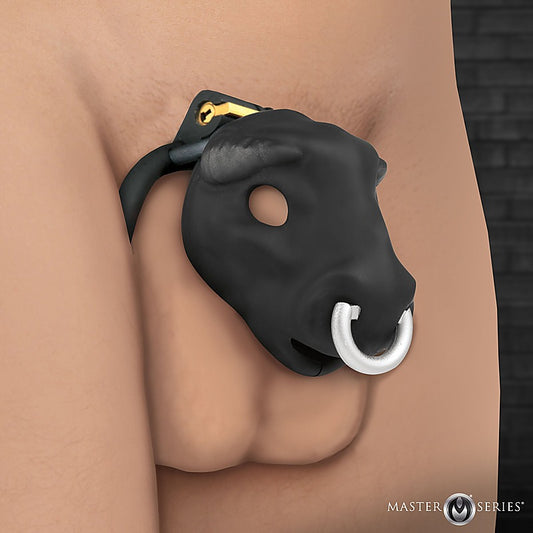

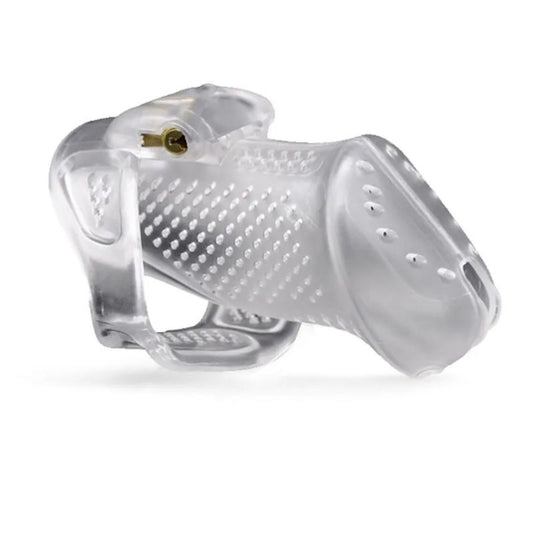





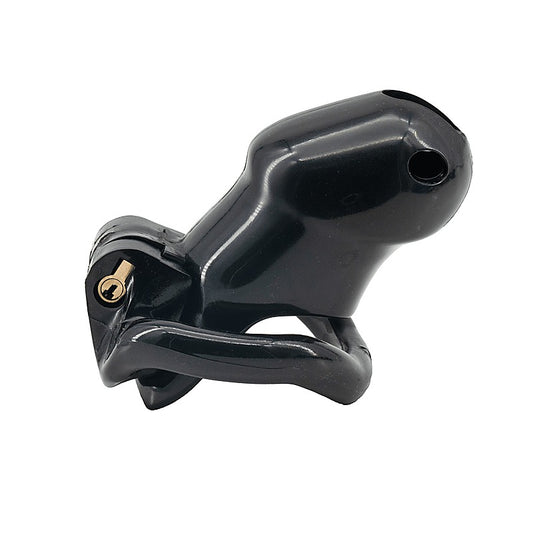

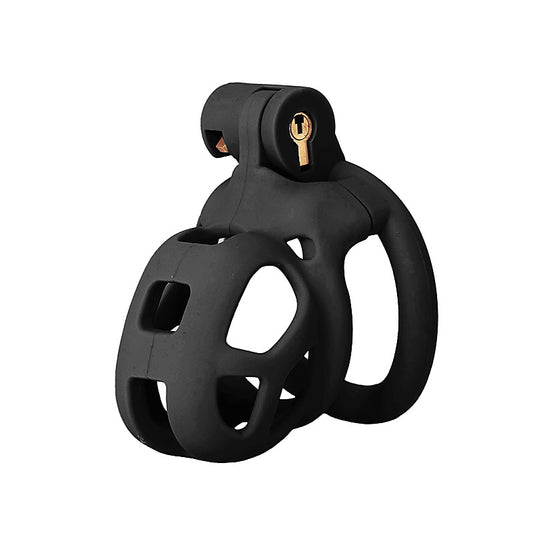

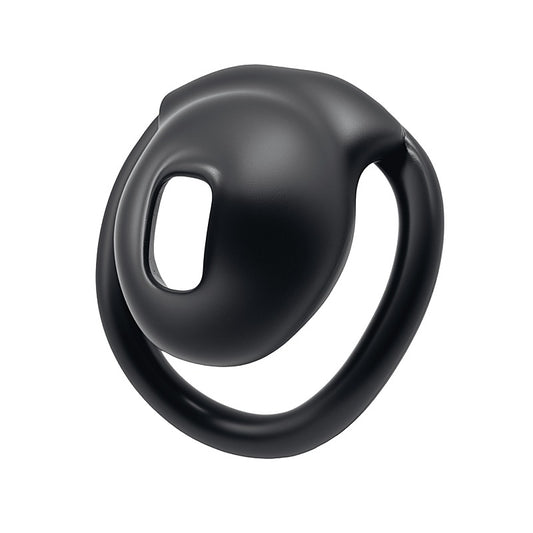

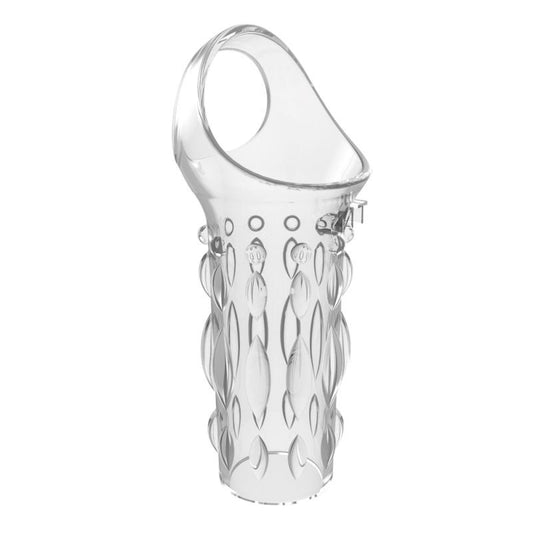

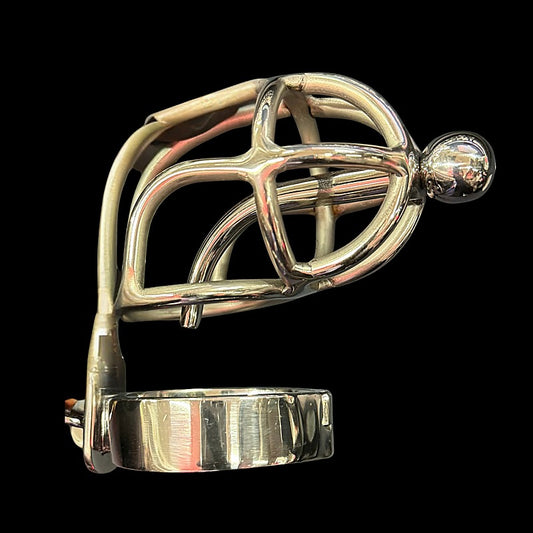

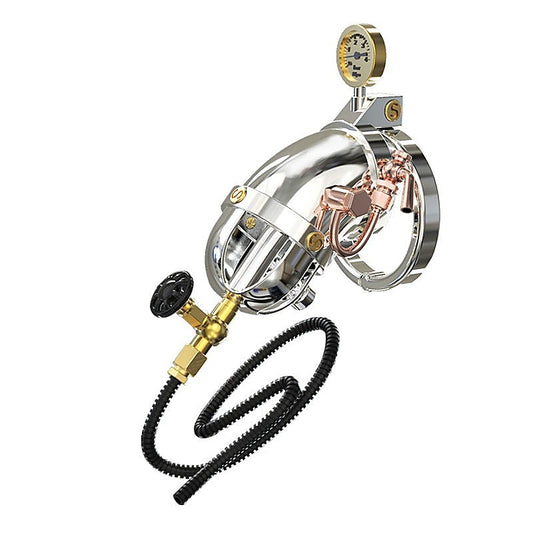

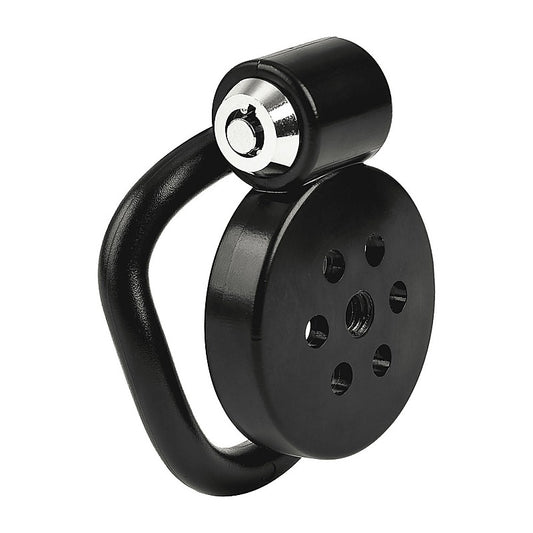


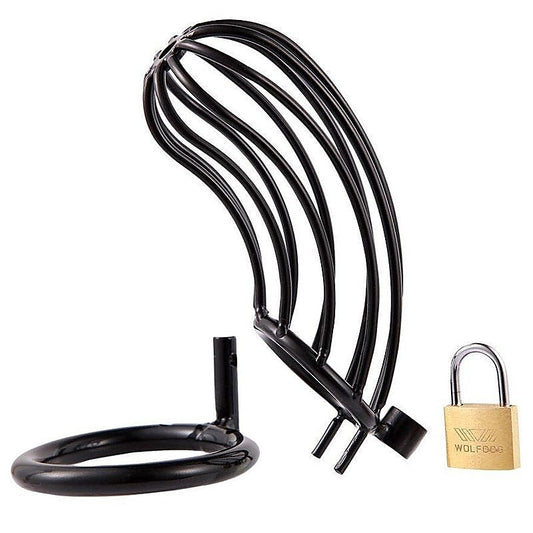

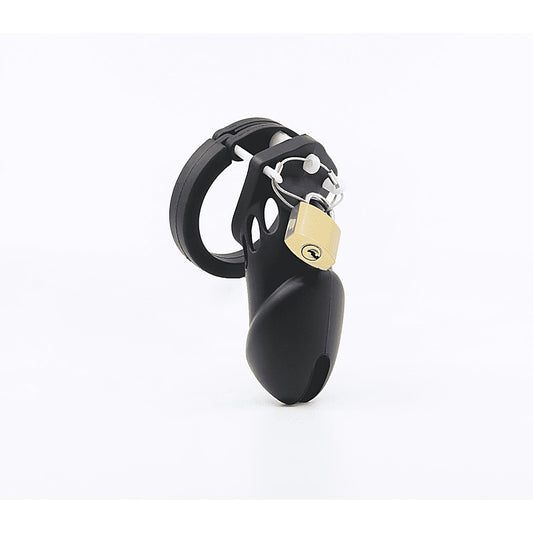

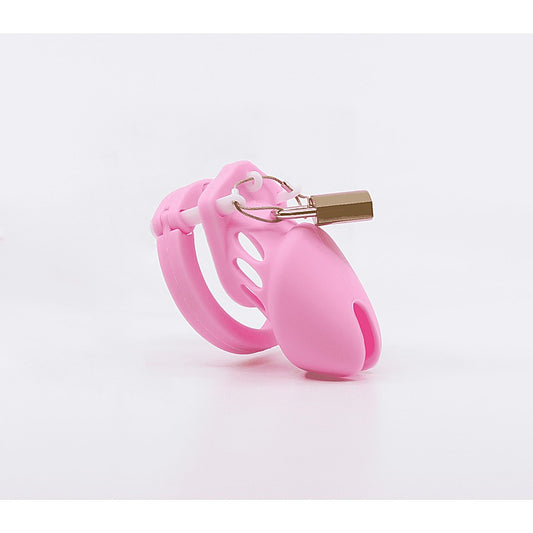

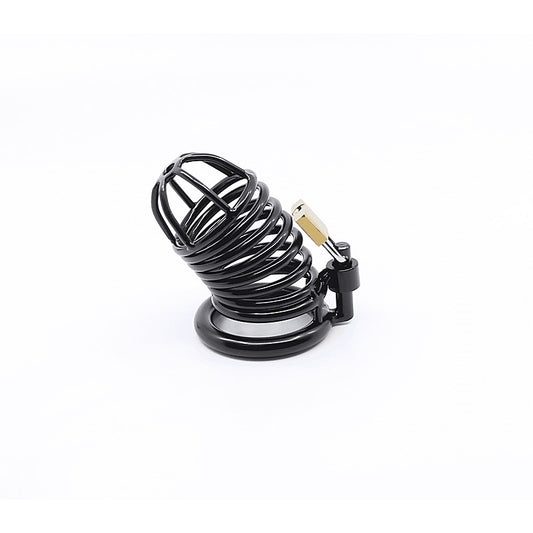

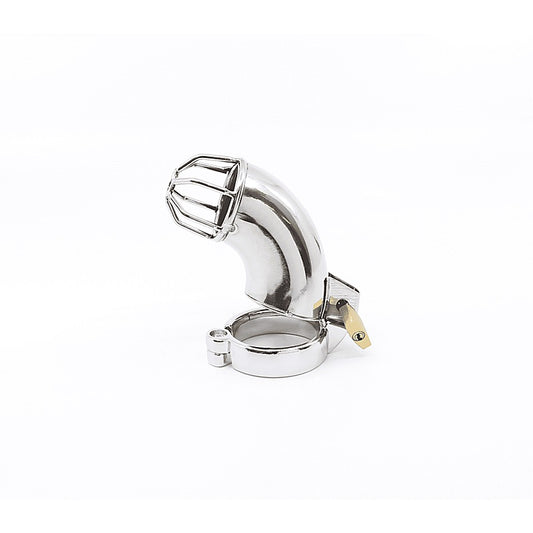

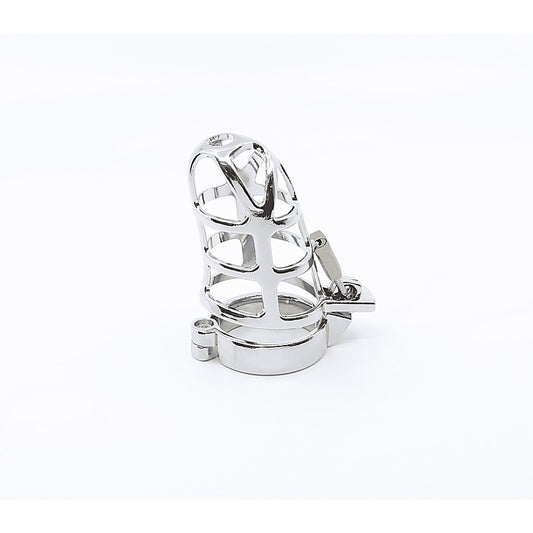

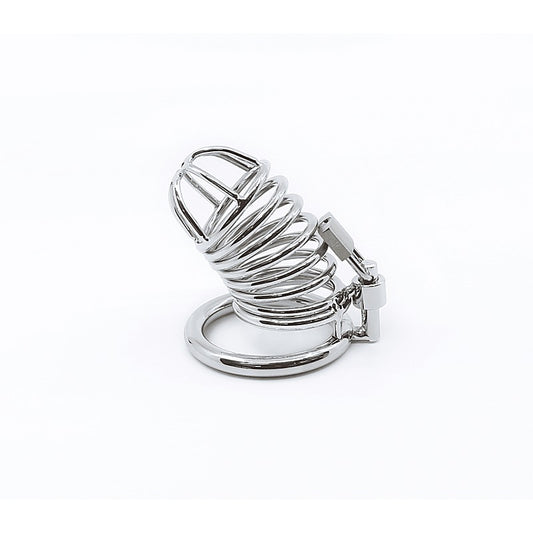

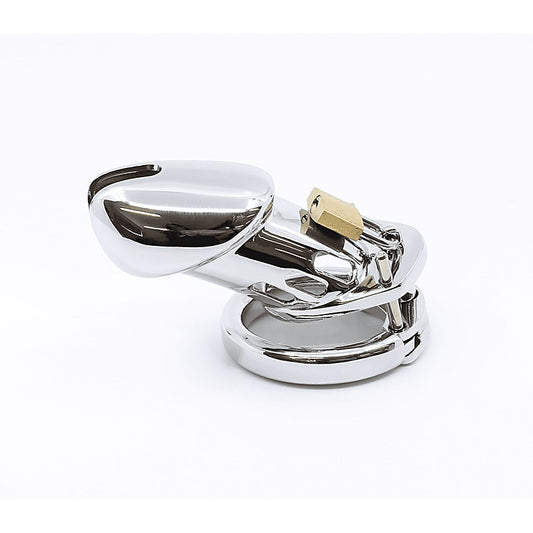

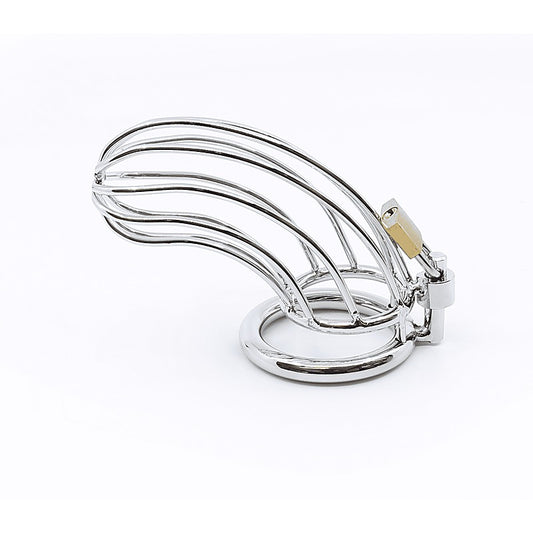

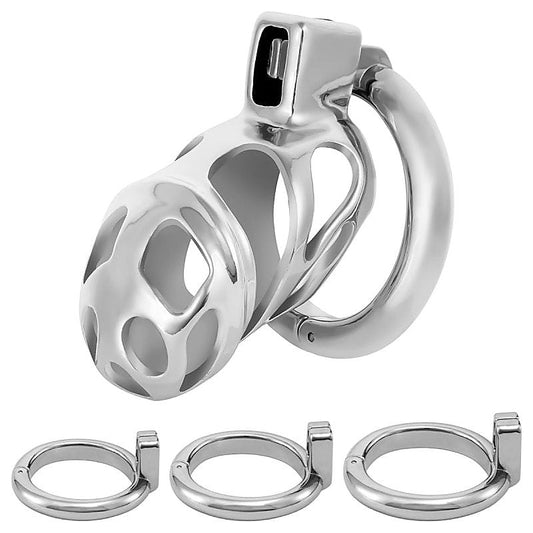

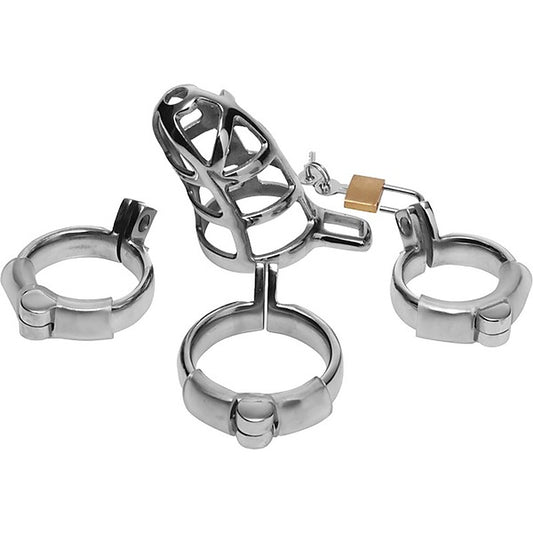

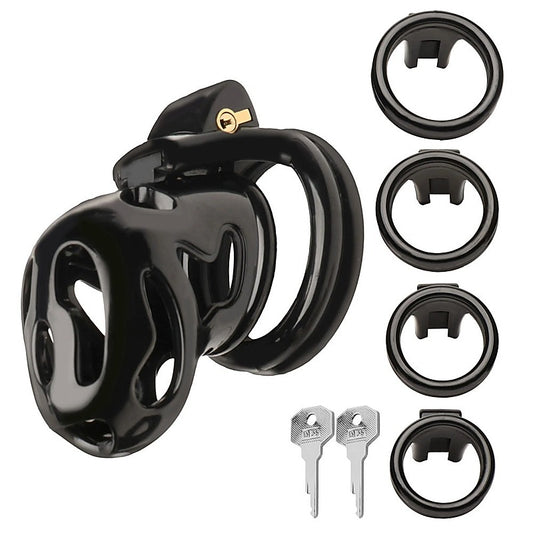

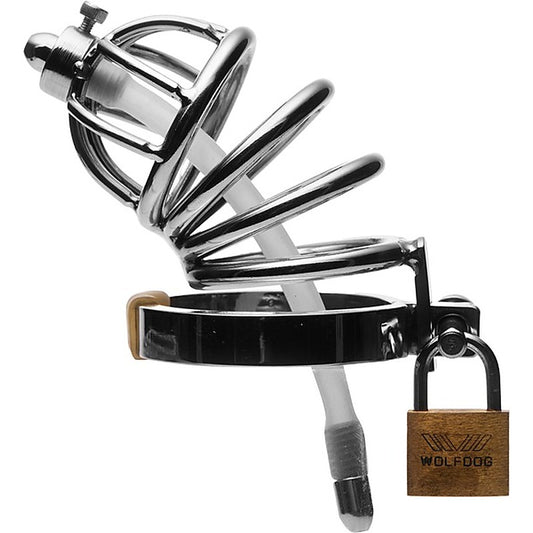

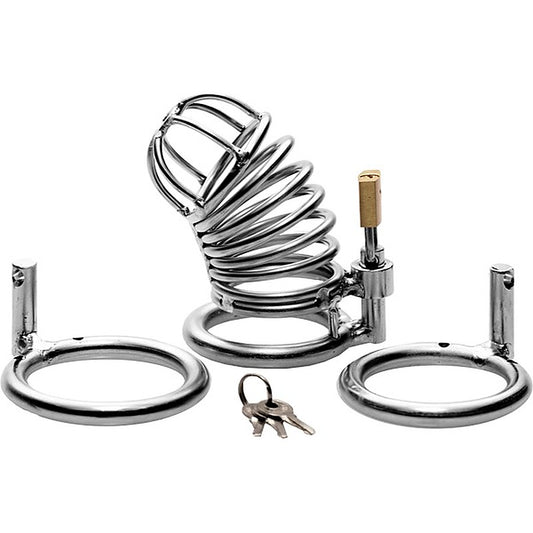

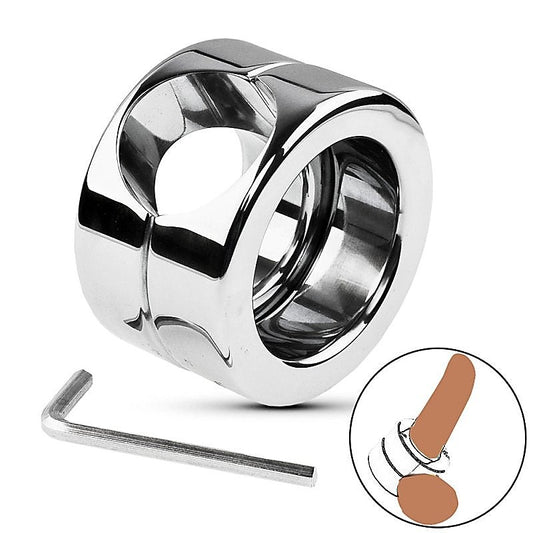

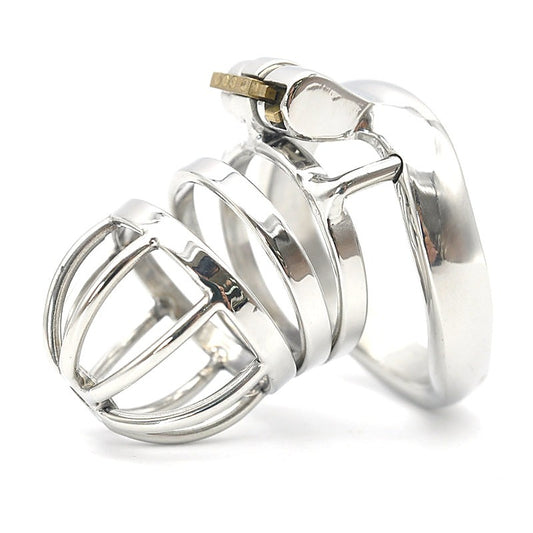

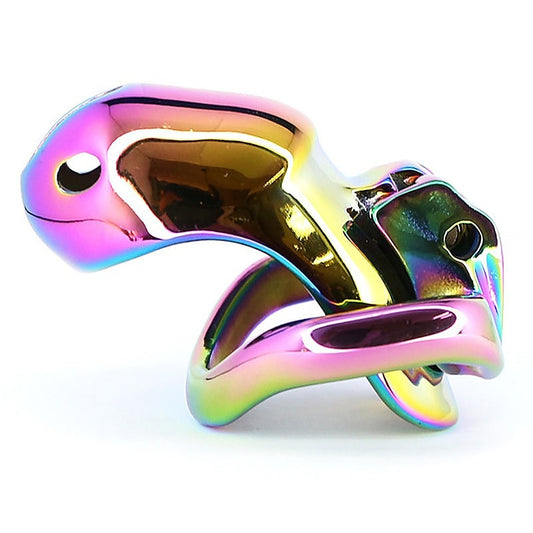

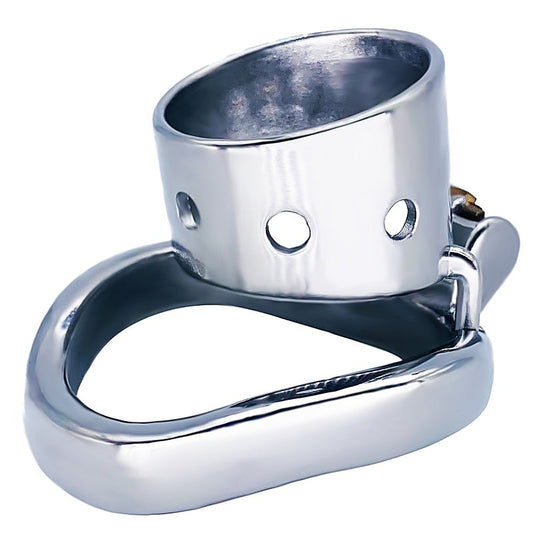


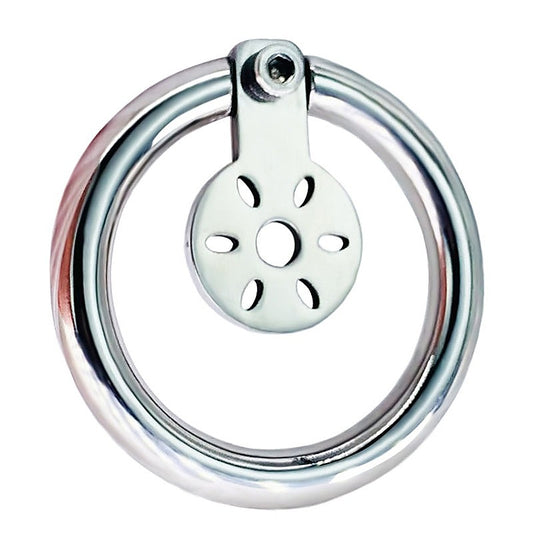

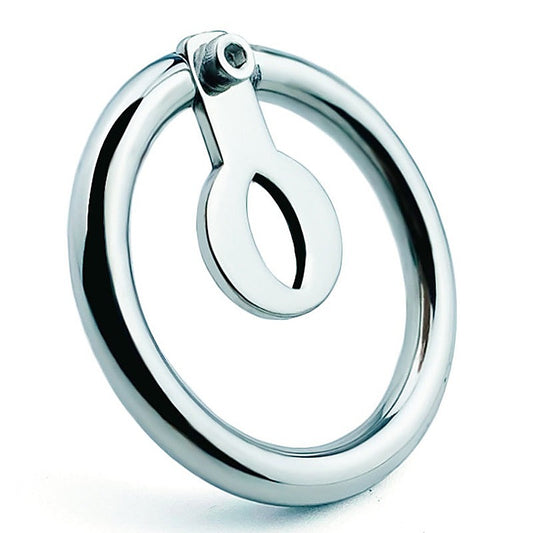

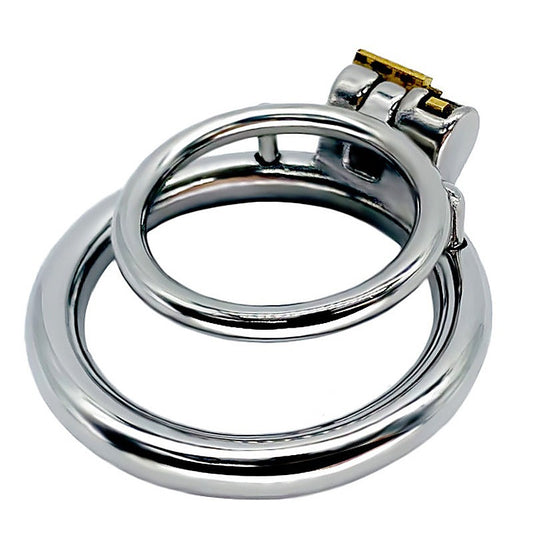

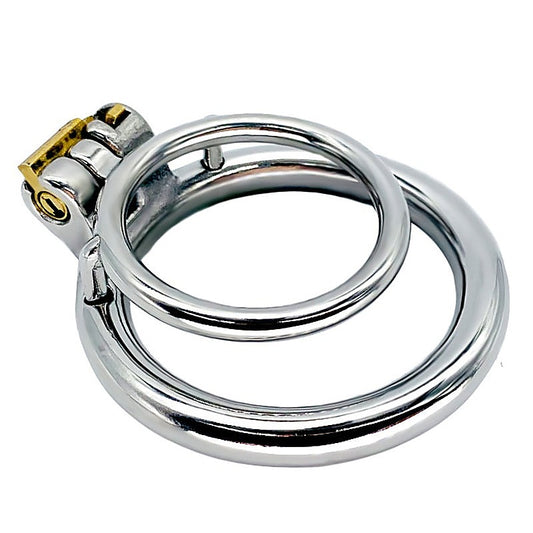

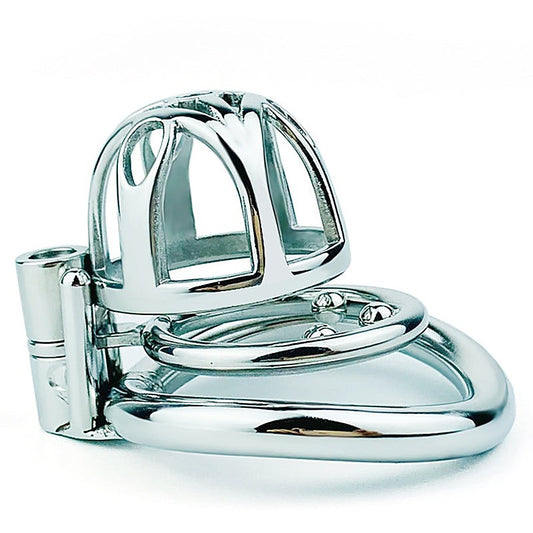

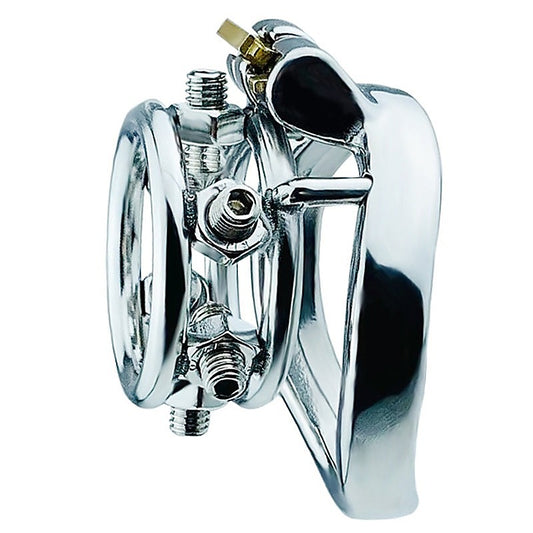

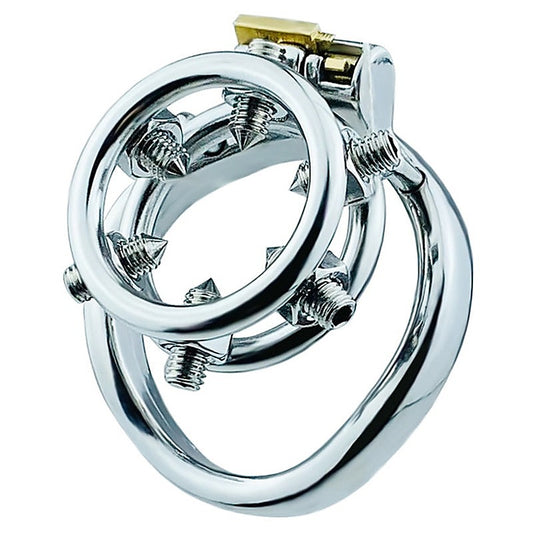

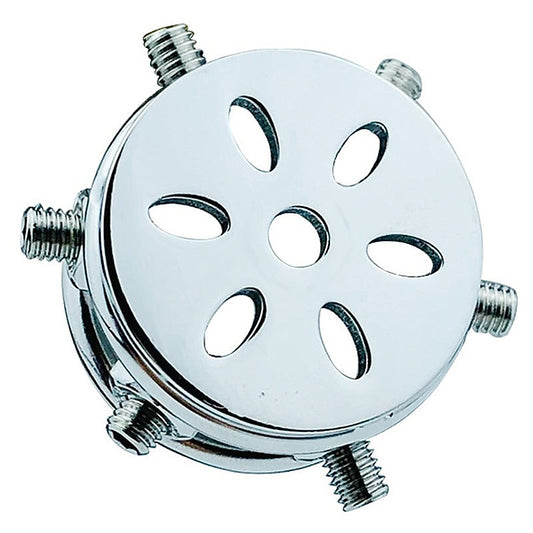

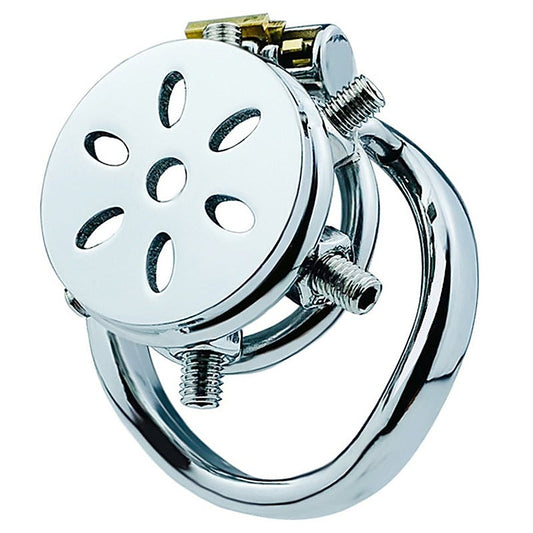

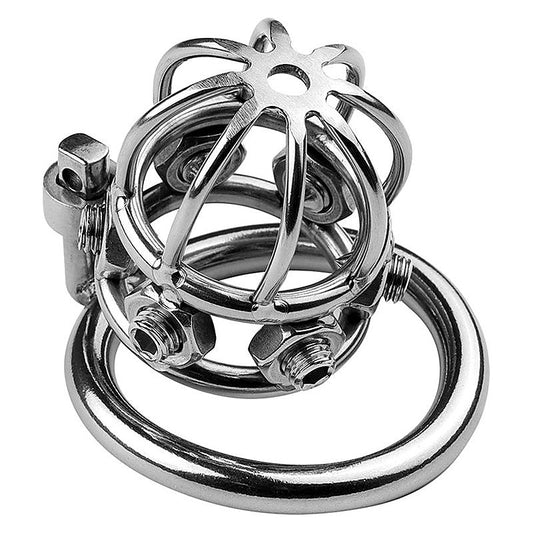

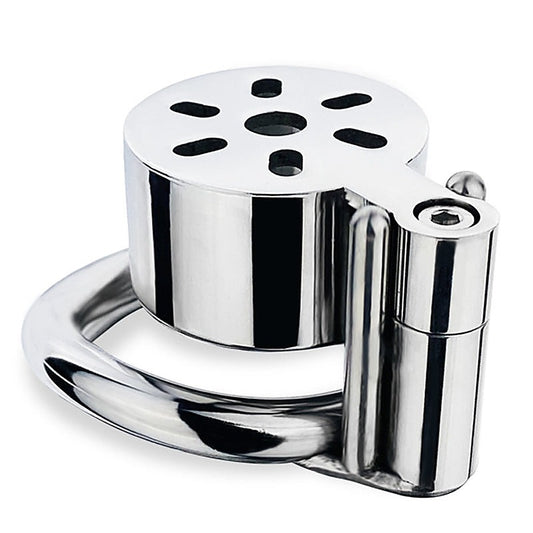

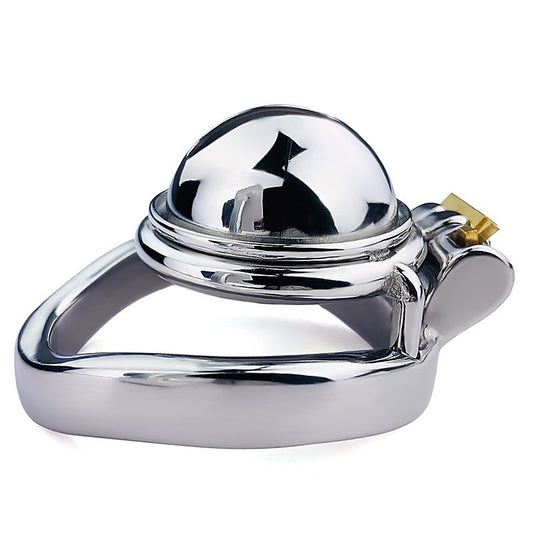

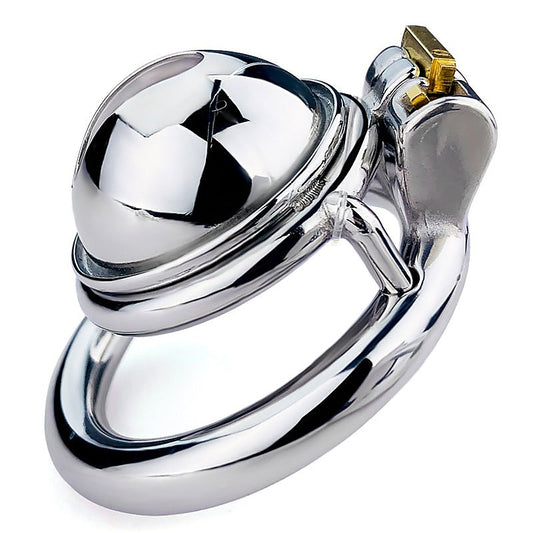

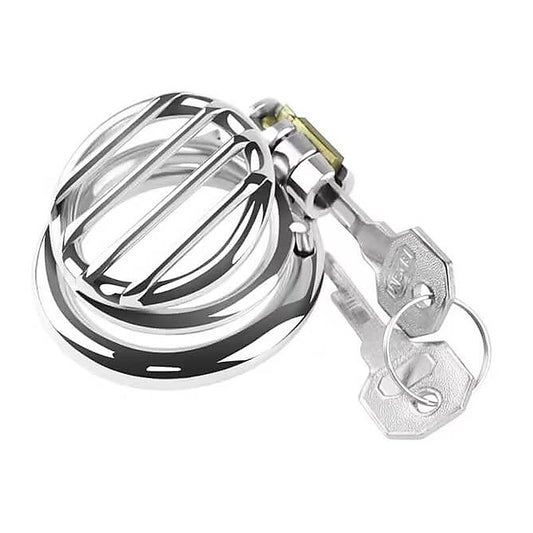

Chastity devices for men are locking cages or tubes that enclose the penis to prevent erection, manual stimulation, and orgasm. They transfer sexual control to a keyholder or support self-discipline practices, combining physical restraint with psychological power exchange in relationships or solo play.
At a glance
|
🚚 Plain, discreet packaging • 🔒 Discreet billing • 🔁 Hygiene-conscious returns |
About Chastity Devices For Men
Male chastity devices work by containing the penis in a restrictive cage or tube that prevents full erection and blocks direct touch. A ring component sits behind the testicles, creating a secure anchor point that locks around the shaft. This physical barrier puts sexual access under the control of a keyholder—a partner, dominant, or the wearer themselves through a timed lockbox. Chastity Devices come in materials ranging from surgical steel and aluminium to medical-grade silicone and rigid plastic, each offering different balances of durability, comfort, and discretion.
The psychological impact often outweighs the physical restraint. Wearers report heightened awareness of their locked state throughout daily life, creating sustained arousal without relief. For keyholders, the device provides tangible control over their partner's most intimate functions. These devices suit individuals and couples with established trust and clear communication about boundaries, safe words, and emergency release procedures. Modern designs have largely eliminated historical comfort issues through improved cage geometry, better materials, and sizing options that accommodate different body types.
What makes Chastity Devices For Men different
Unlike other forms of sexual restraint, chastity devices create continuous, 24/7 control over sexual access rather than temporary bondage during a scene. The locked cage becomes a constant physical reminder of the power dynamic or self-imposed commitment. Chastity Belts offer an alternative full-body approach, but cage devices remain the most common choice because they allow hygiene access, are easier to size correctly, and work across more body types. The psychological surrender involved—knowing you cannot touch yourself or climax without permission—creates a unique dynamic that extends far beyond the bedroom.
Types of Chastity Devices For Men
Different designs suit different needs, body types, and commitment levels.
Cage devices. The standard option, these enclose the penis in a rigid or semi-rigid cage anchored by a base ring. Metal Chastity Cages offer durability and a heavier feel; they're ideal for extended wear and experienced users who want a permanent-feeling device.
Tube devices. These fully enclose the penis in a smooth tube, offering maximum discretion and preventing any visible bulge. Tubes suit users who want the most secure feeling or need to wear under tight clothing.
Silicone cages. Silicone Chastity Cages are softer, lighter, and more comfortable for beginners or shorter wear periods, making them a good starting point before upgrading to metal.
Hybrid designs. Some devices combine a plastic or silicone cage with metal components for a balance of comfort and security, working well for users transitioning from soft to rigid materials.
How they compare
| Model | Material | Best for | Control or Base | Safety |
|---|---|---|---|---|
| Standard metal cage | Stainless steel or aluminium | Extended wear, experienced users | Padlock or combination lock | Durable, hygienic, requires emergency key |
| Silicone cage | Medical-grade silicone | Beginners, shorter sessions, comfort | Padlock or cable tie | Softer on skin, easy to clean, less secure |
| Tube design | Plastic or metal | Maximum discretion, full enclosure | Padlock or timed release | Most secure feeling, harder to clean inside |
| Hybrid cage | Silicone cage with metal ring | Transition from soft to rigid | Padlock or combination lock | Balanced comfort and security, moderate durability |
How to choose a chastity devices for men
Correct sizing is the most critical factor. The base ring must sit comfortably behind the testicles without cutting off circulation or sliding up during wear. Measure your flaccid penis length and the circumference of your shaft just below the glans, then cross-reference with the manufacturer's sizing chart. Ring sizes typically range from 40mm to 55mm diameter. Starting with a cage slightly larger than you think you need prevents discomfort and allows you to identify the right fit before committing to extended wear.
Consider your experience level and intended wear duration. First-timers should start with shorter sessions—two to four hours—to adapt to the sensation of confinement and ensure proper sizing. Silicone Chastity Cages are gentler on the skin and easier to adjust, making them ideal for learning what works for your body. If you plan sessions longer than a few hours, prioritise devices with good hygiene access and airflow to prevent moisture buildup. Discuss cage time, emergency release procedures, and check-in routines with your partner before your first lock.
Tips from the Adultsmart team
Hard-won pointers from the Adultsmart team, alongside our panel of sexologists, educators, and adult-industry contributors. Meet our experts →
After years of helping customers with chastity devices, the most common mistake we see is buying the wrong ring size. Many people measure only the flaccid length and skip the circumference check, then end up with a device that either cuts off blood flow or slides off when soft. Always measure both dimensions and, if you're between sizes, go one size larger for your first device. You can always upgrade to a smaller ring later once you know your exact fit.
New users often underestimate how the psychological aspect will affect them. The first day or two in a cage feels strange and uncomfortable—not painful, but definitely present. By day three or four, many wearers report that the awareness becomes arousing rather than annoying, and the locked-in feeling becomes something they crave. Start with realistic expectations and give yourself at least a week of regular, short sessions before deciding whether chastity play is right for you. What feels awkward on day one often feels perfect on day five.
Hygiene and comfort during wear are non-negotiable. If you're locking for more than a few hours, you need to be able to wash the device and your skin daily. Metal cages with wider bar spacing are easier to clean than tubes. Keep the area dry, use a bit of talcum powder or cornstarch if you're prone to moisture, and inspect your skin daily for irritation. If you notice redness, swelling, or numbness, unlock immediately—these are signs the fit is wrong or you're wearing it too tight. Your safety and comfort always come first.
| Please read — safety first. Charge only with the supplied cable and keep the charging port dry unless the sex toy is waterproof-rated. Pair and update through the official app, and switch the device off fully between sessions so the motor and battery aren't left under load. This information is general in nature only and is not medical advice; it does not account for your individual circumstances. If you have a relevant health condition or experience any persistent discomfort, discontinue use and seek advice from a qualified medical professional. |
Care and cleaning
Clean your chastity device daily with warm water and mild soap, paying special attention to the inside of the cage and the base ring where skin contact is closest. Most metal and silicone devices are waterproof and can be cleaned in the shower. For tube designs, use a soft brush or cloth to reach inside. Dry thoroughly before locking back up to prevent moisture buildup and skin irritation. Store your device in a cool, dry place away from direct sunlight. Check all locks and hinges regularly for corrosion or damage, especially if you wear metal devices for extended periods.
Learn more
Chastity play ranges from short tease-and-denial sessions to long-term power exchange dynamics. Our guide on Permanent Chastity 2 explores extended wear practices, keyholder agreements, and the psychological depth of this form of control. if you're curious about starting or already experienced, there's always more to discover about what works for your relationship or solo practice.
Why shop Chastity Devices For Men at Adultsmart
Ready to find the right one for how you play? Adultsmart stocks a full range of chastity devices for men in different materials, sizes, and styles to suit beginners through experienced users. Every order ships in discreet packaging with private billing—no one will know what's inside. Australia's adult lifestyle specialists, helping you buy with confidence.
Chastity Devices For Men FAQ
What cage length prevents full erection without causing painful compression during attempted arousal?
Cage length should measure 10-15mm shorter than completely flaccid penis length. This spacing prevents full erection through physical restriction while allowing enough internal room that tissue doesn't compress painfully against the end cap during arousal attempts or natural fluctuations in size.
Do tube-style cages require larger ring sizes than open cage designs with equivalent shaft dimensions?
Tube cages solid construction prevents the slight inward flex that open bars allow, typically requiring 2-3mm larger ring diameter to achieve equivalent comfort. The reduced airflow in enclosed designs also causes more swelling during extended wear, making slightly oversized rings more practical for multi-day sessions.
Do ball trap designs provide significantly more pullout security compared to standard ring-only devices?
Ball trap mechanisms that pass testicles through the base ring alongside the penis substantially reduce pullout risk because the scrotum creates a larger anchor point. Standard rings rely only on the penis base for security, which determined wearers can sometimes defeat through lubrication and manipulation.
How does stainless steel cage weight compare to polycarbonate for daily wear awareness?
Stainless steel devices typically weigh 150-300 grams compared to 30-60 grams for polycarbonate cages of similar size. This 5-10x weight difference creates constant physical awareness during movement, while lighter resin becomes less noticeable after the initial adjustment period, affecting the psychological intensity of denial.
Can integrated locks reduce visible bulk under fitted clothing compared to external padlock systems?
Integrated lock mechanisms sit flush within the device body, eliminating the 15-25mm protrusion that external padlocks create. This reduction significantly improves discretion under dress pants or fitted shorts, though integrated systems typically cost more and offer fewer emergency release options than standard padlocks.
What ring diameter tolerance prevents circulation restriction while maintaining pullout security?
Base rings should allow 3-5mm clearance around the combined circumference of penis base and scrotum when measured while semi-aroused. Tighter tolerances risk circulation issues during extended wear, while gaps exceeding 8mm often permit pullout through lubrication and strategic manipulation.
Do open cage designs compromise security compared to enclosed tube construction?
Open cages prevent erection and manual stimulation equally to enclosed designs when properly sized, though bar spacing over 15mm may allow fingertip contact with sensitive areas. Security differences relate more to visibility deterring tampering than actual escape prevention, as both styles rely on the base ring lock as the primary security point.
How does silicone cage flexibility affect restriction during erection attempts versus rigid materials?
Silicone devices stretch 10-20% during strong erection attempts, allowing partial tumescence that rigid materials completely prevent. This flex improves comfort for active wear but reduces the psychological impact of absolute physical denial that steel or polycarbonate creates through unyielding restriction.
What hygiene access do head-only devices provide compared to full-shaft cage designs?
Head-only cages leave the shaft completely accessible for washing while preventing glans stimulation, allowing thorough cleaning without device removal. Full-shaft designs require either daily removal for hygiene or careful washing through ventilation holes, making head-only styles significantly more practical for extended multi-week wear.
Can numbered locks enable remote keyholder verification without requiring in-person device inspection?
Numbered locks display unique digits that change with each locking cycle, allowing wearers to photograph the current number as proof the device remains secured. This verification system supports long-distance power exchange relationships where physical keyholder access isn't possible for daily confirmation.
Recently Viewed Products
Example product title
- $19.99
- $19.99
- Unit price
- per
Example product title
- $19.99
- $19.99
- Unit price
- per
Example product title
- $19.99
- $19.99
- Unit price
- per
Example product title
- $19.99
- $19.99
- Unit price
- per
Example product title
- $19.99
- $19.99
- Unit price
- per
Example product title
- $19.99
- $19.99
- Unit price
- per
Example product title
- $19.99
- $19.99
- Unit price
- per
Example product title
- $19.99
- $19.99
- Unit price
- per
Example product title
- $19.99
- $19.99
- Unit price
- per
Example product title
- $19.99
- $19.99
- Unit price
- per
Why Shop With Adultsmart?
- Choosing a selection results in a full page refresh.