



-
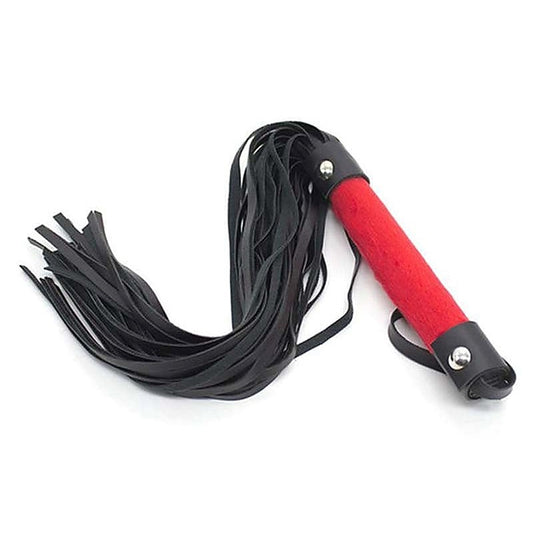
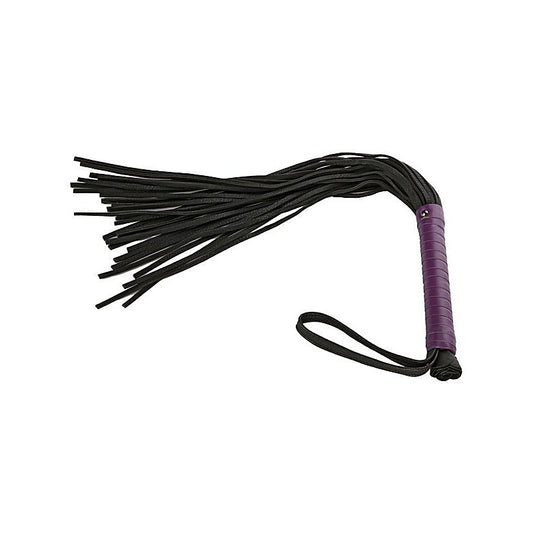
House of Harlot Flogger Black Leather Six TailsHouse of Harlot Flogger Black Leather Six Tails is a handcrafted leather impact tool featuring six individual tails for sensation play. Constructed from genuine black leather with red accents, the reinforced handle measures approximately 10 inches with a secure wrist loop. The six tails...
- $40.99
$44.99- $40.99
- Unit price
- per
-
Suede Sana Flogger by Hell's CoutureHell's Couture Suede Sana Flogger is a premium black suede impact tool designed for BDSM scene play. Featuring a reinforced handle with integrated wrist loop and carefully matched suede falls, it delivers both thudding and tickling sensations across a spectrum of intensities. Measuring approximately...
- $35.99
$39.99- $35.99
- Unit price
- per
-
Heatwood Flogger Leather Nine Tail by Hell's CoutureHeatwood Flogger Leather Nine Tail is a nine-tail impact flogger crafted from genuine leather with decorative red hearts. Measuring 83cm total length with individual tails at 60cm and 6mm thickness, it delivers controlled sensation from gentle caresses to pronounced impact. The integrated wrist loop...
- $35.99
$39.99- $35.99
- Unit price
- per
-
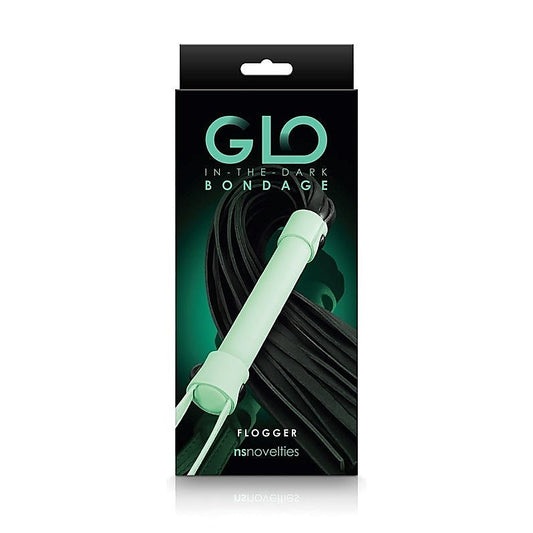
GLO Bondage Flogger by NS NoveltiesThe GLO Bondage Flogger by NS Novelties is a professional-grade impact play implement featuring an ergonomic handle and balanced design for precise control. Its expertly constructed falls deliver consistent sensations across skill levels, from gentle caresses to more intense impact. The flogger suits both...
- $34.99
$49.99- $34.99
- Unit price
- per
-
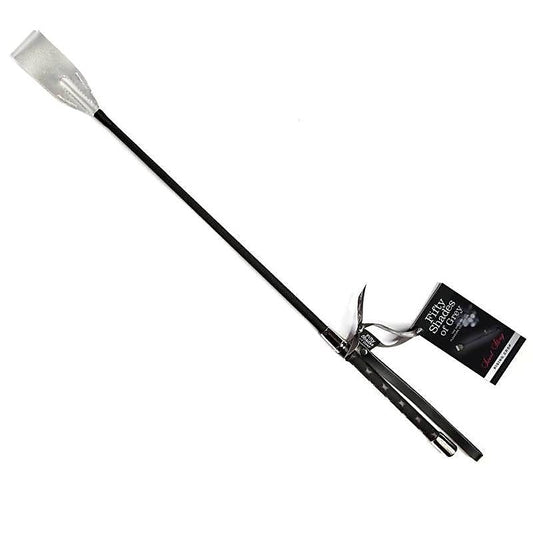
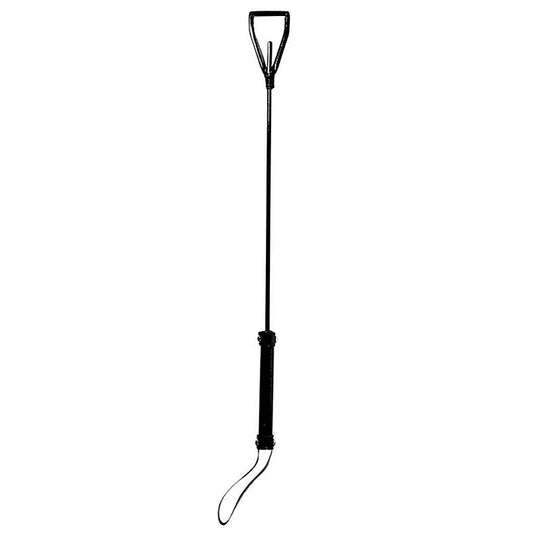
Fifty Shades of Grey Sweet Sting Riding Crop by Love HoneyFifty Shades of Grey Sweet Sting Riding Crop is a leather impact tool featuring a genuine leather tip, braided stem, and soft rubber handle. At approximately 18 inches long, it delivers precise control for varied sensations from gentle caresses to firmer contact. The integrated...
- $44.99
$49.99- $44.99
- Unit price
- per
-
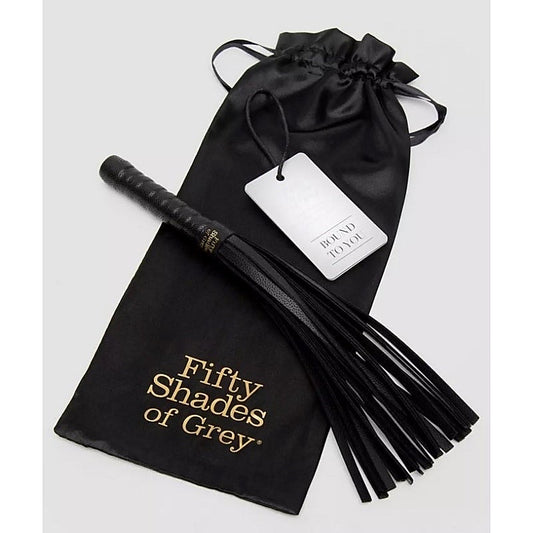
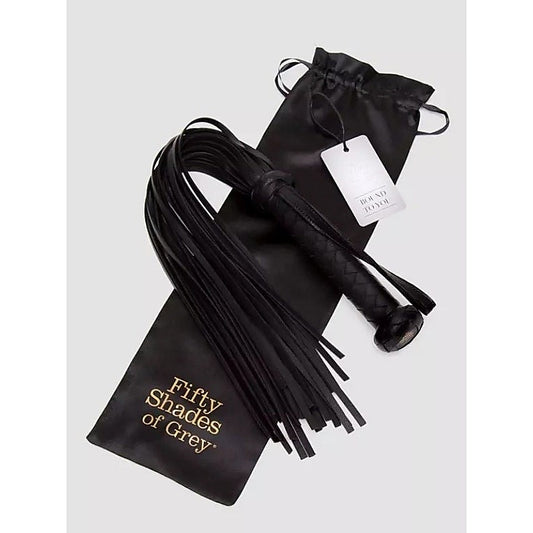
Bound to You Small Flogger by Love HoneyFifty Shades of Grey Bound to You Small Flogger is an officially licensed impact tool crafted from animal-free leather with soft suede tassels. Measuring compact dimensions with an ergonomic handle, it delivers varied sensations from gentle caresses to sharper impact. The balanced weight distribution...
- $40.99
$44.99- $40.99
- Unit price
- per
-
Fifty Shades Vegan Leather BDSM Flogger by Love HoneyFifty Shades Vegan Leather BDSM Flogger is a 60 cm impact play tool featuring a 20 cm wide head crafted from high-quality vegan leather. This Love Honey flogger delivers controlled strikes with flexible strands and balanced weight distribution, making it suitable for BDSM practitioners...
- $80.99
$89.99- $80.99
- Unit price
- per
-
Fetish Fantasy Series BDSM Play Silk Rope WhipFetish Fantasy Series Silk Rope Whip is a premium impact play implement crafted from high-quality silk-like rope, measuring 56 cm in length with an ergonomic handle for precise control. The specialized knotting at rope ends creates multiple contact points that distribute sensation across wider...
- $22.99
$24.99- $22.99
- Unit price
- per
-
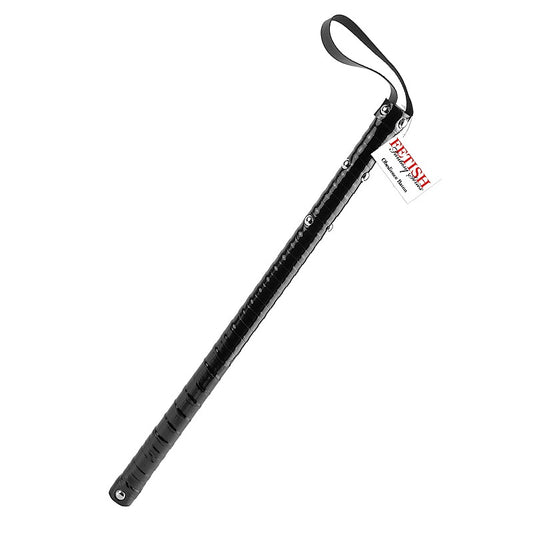
Fetish Fantasy Obedience Baton by Pipedream ProductsPipedream Fetish Fantasy Obedience Baton is a professional-grade leather impact tool measuring 51 cm long, designed for precision dominance play. The reinforced internal core and textured ergonomic grip deliver balanced weight distribution for controlled sensation. It produces distinct thuddy and stinging sensations depending on...
- $10.99
$14.99- $10.99
- Unit price
- per
-
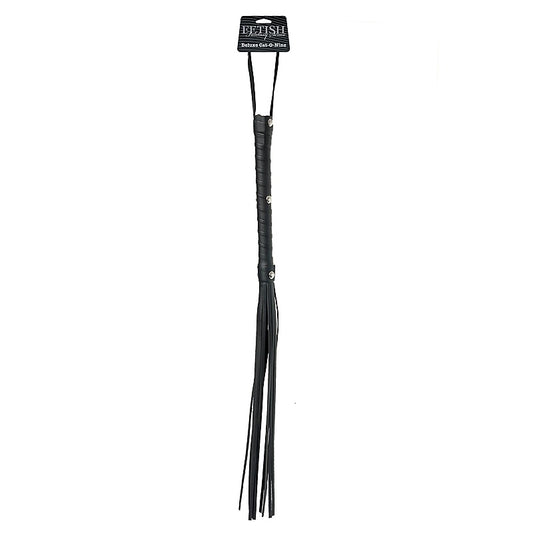
Fetish Fantasy Limited Edition Deluxe Cat-O-Nine TailsFetish Fantasy Limited Edition Deluxe Cat-O-Nine Tails is a professional-grade impact implement featuring multiple synthetic tresses and an ergonomic no-slip grip handle. The balanced weight distribution reduces user fatigue while enhancing precision control across sensation intensities. Constructed with reinforced connection points and specialized synthetic...
- $8.99
$9.99- $8.99
- Unit price
- per
-
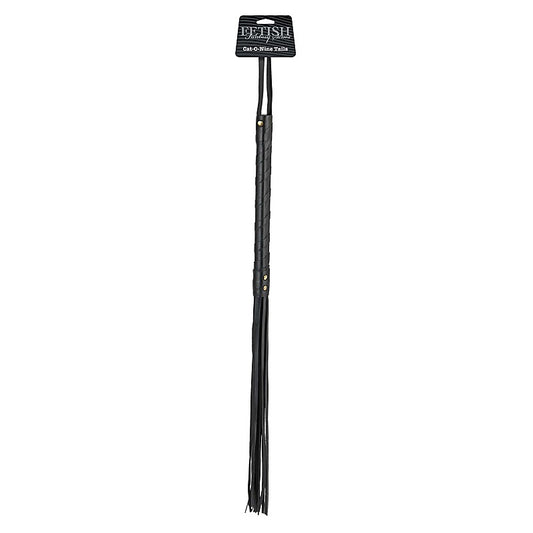
Cat O Nine BDSM Tails by Pipedream ProductsFetish Fantasy Limited Edition Cat O Nine BDSM Tails is a premium impact play implement featuring nine precisely balanced genuine leather tails attached to an ergonomic beaded handle. Measuring approximately 24 inches total length with a weighted handle designed for secure grip, it delivers...
- $14.99
$19.99- $14.99
- Unit price
- per
-
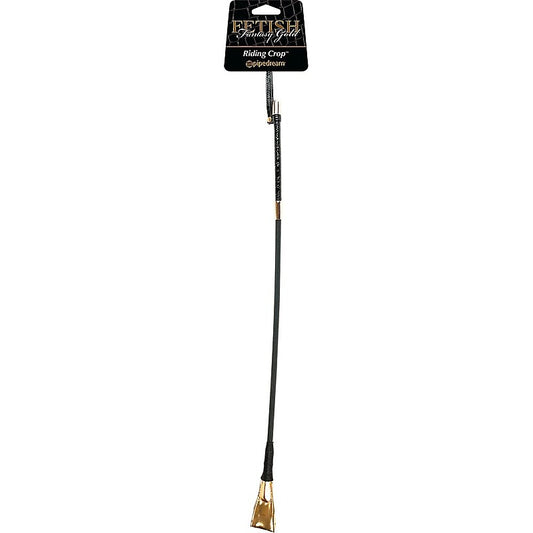
Fetish Fantasy Gold BDSM Play Riding CropFetish Fantasy Gold BDSM Play Riding Crop is a precision impact tool designed for controlled sensation during power exchange play. Constructed with balanced weight distribution and a responsive synthetic tip, this 18-inch crop delivers sensations ranging from gentle taps to assertive strikes. The ergonomic...
- $23.99
$29.99- $23.99
- Unit price
- per
-
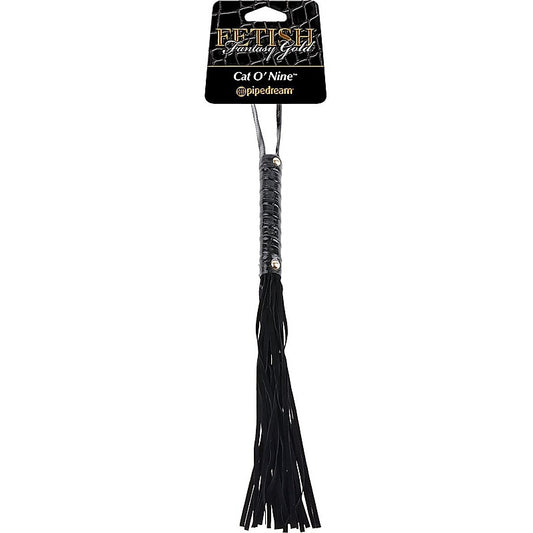
Fetish Fantasy Gold Cat O' Nine Leather FloggerFetish Fantasy Gold Cat O' Nine Black Leather Flogger is a premium impact play instrument featuring 30 genuine leather tresses and an ergonomic non-slip handle. Measuring 584 mm total length with a balanced 64-gram weight, it delivers versatile sensation from gentle caresses to intense...
- $31.99
$34.99- $31.99
- Unit price
- per
-
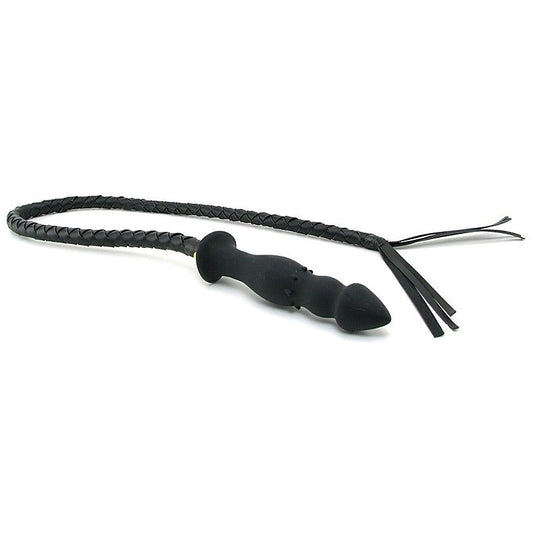
Fetish Fantasy Extreme Silicone Butt Plug WhipFetish Fantasy Extreme Silicone Butt Plug Whip is a hybrid anal toy combining a 4-inch medical-grade silicone plug with a 20-inch faux leather whip. The seamless construction creates dual-function stimulation where internal pressure and impact sensation work together. Designed for experienced players seeking complex...
- $35.99
$39.99- $35.99
- Unit price
- per
-
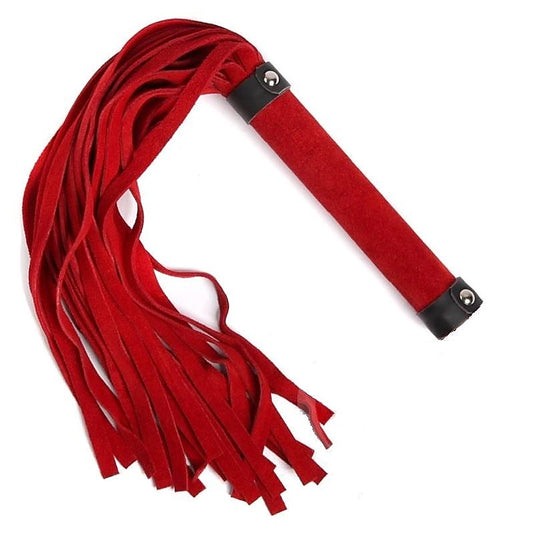
Handcrafted Suede Pleasure Flogger by Hell's Couture - RedHell's Couture Fetish Factory Flogger is a 24-inch BDSM impact tool with 25 soft suede tails, each measuring 12 inches long. The ergonomic handle provides balanced control for striking techniques ranging from gentle caresses to invigorating strokes. Constructed from premium suede material, it suits...
- $24.99
$29.99- $24.99
- Unit price
- per
-
24 Karat Leopard Eye Mask and Whip by California ExoticsCalifornia Exotics 24 Karat Leopard Eye Mask and Whip is a faux fur sensory play set combining an elastic eye mask and 38 cm whip with gold-toned accents. The plush-lined mask blocks light effectively for sensory deprivation, while the whip's sturdy handle and wrist...
- $24.99
$29.99- $24.99
- Unit price
- per
-
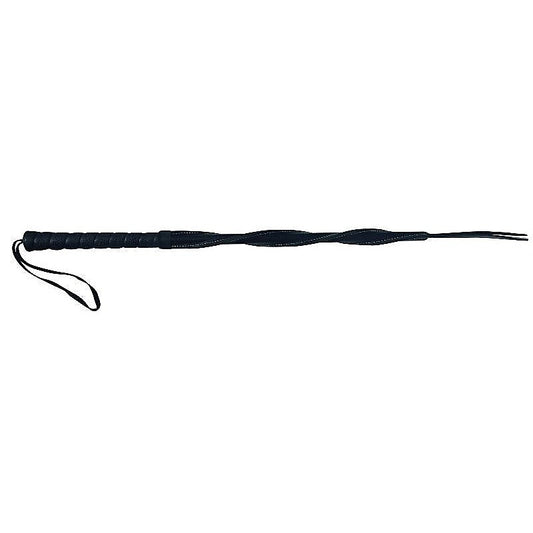
Edge Twisted Whip by SportsheetsEdge Twisted Whip is a 30-inch braided leather impact tool designed for BDSM sensory play. Crafted by Sportsheets with a distinctive twisted design, it delivers varied tactile sensations from gentle teasing to intense striking. The sturdy handle provides precise control and balanced weight distribution,...
- $89.99
$99.99- $89.99
- Unit price
- per
-
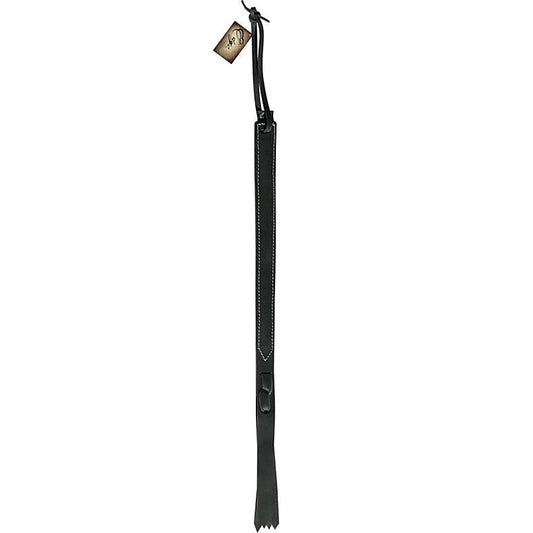
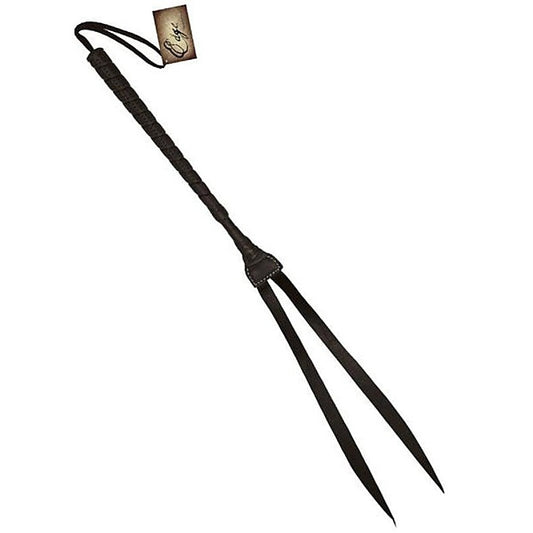
Edge Tawse Whip by SportsheetsEdge Tawse Whip is a leather impact play implement featuring split tails and an ergonomic handle for BDSM sensation play. The whip measures approximately 24 inches in total length with dual leather strands, delivering controlled strikes ranging from gentle caresses to sharp sensations. Crafted...
- $62.99
$69.99- $62.99
- Unit price
- per
-
Dragon Kiss Whip by SportsheetsDragon Kiss Whip by Sportsheets is a faux leather impact tool featuring dragon-scale texture across its length. The whip measures 24 inches total with a reinforced handle grip, delivering varied sensations from light teasing to intense strikes. Its black finish and mythical design make...
- $62.99
$69.99- $62.99
- Unit price
- per
-
Fetish Play Whip Black and Red by BDStyleThe Downy Fetish Play Whip Black and Red by BDStyle is a lightweight impact play whip designed for beginner BDSM exploration. Featuring soft nylon tassels and a sturdy handle, it delivers sensations ranging from gentle caresses to controlled taps. At compact size with striking...
- $14.99
$19.99- $14.99
- Unit price
- per
-
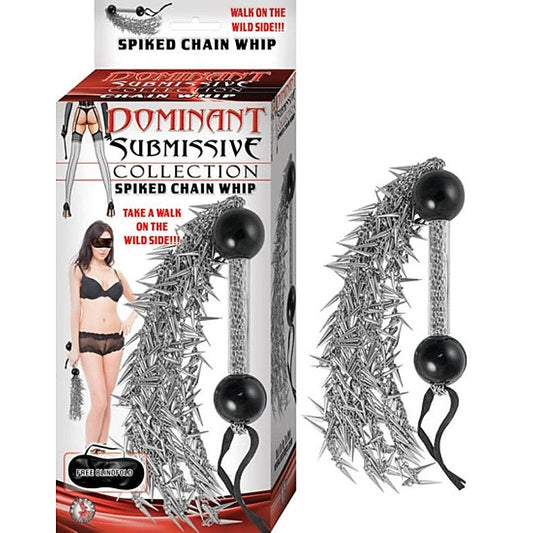
Spiked Chain Whip by NasstoysDominant Submissive Collection Spiked Chain Whip is an impact play tool featuring flexible iron chains with silicone ball accents and an acrylic handle. Measuring 16 inches in whip length with a 7.25-inch handle, it delivers sensations ranging from delicate tickles to firm impact. Made...
- $53.99
$59.99- $53.99
- Unit price
- per
-
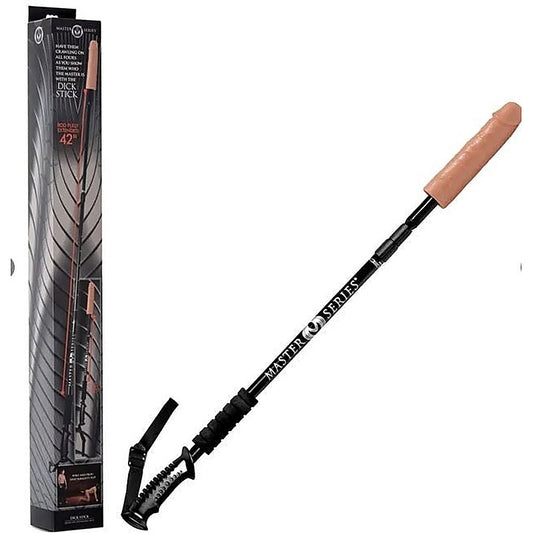
Dick Stick Expandable Dildo Rod by XR BrandsDick Stick Expandable Dildo Rod is an adjustable aluminum dildo extender featuring a telescoping rod that extends from 28 inches to 42 inches, paired with a 6.75-inch realistic TPE dildo attachment. The aircraft-grade aluminum construction maintains lightweight control while the precision locking mechanism secures...
- $84.99
$99.99- $84.99
- Unit price
- per
-
Devious Cat o 9 Tails Braided Flogger by Hell's Couture - Black / PurpleThe Devious Cat o 9 Tails Braided Flogger is a premium leather impact tool designed for BDSM practitioners. Measuring 118cm total with a 77cm handle and nine 41cm braided tails, it delivers controlled strikes across varied sensation spectrums. Available in black or purple, this...
- $59.99
$64.99- $59.99
- Unit price
- per
-
Designer Sana Faux Leather Whip by RoomFunDesigner Sana Whip is a faux leather impact tool from RoomFun featuring a hard-bulbed ergonomic handle and soft thong-style ends. Measuring approximately 60cm in total length with a striking black and red design, it delivers versatile sensations ranging from gentle teasing to pronounced impact....
- $13.99
$14.99- $13.99
- Unit price
- per
-
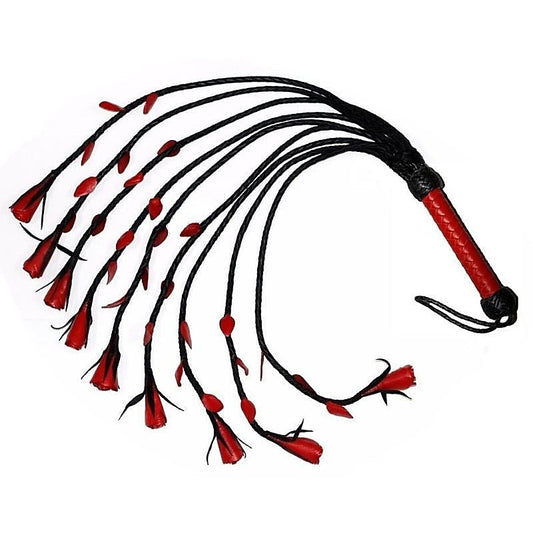
Cat o' Nine Tails Flogger by Hell's Couture - Black / RedHell's Couture Cat o' Nine Tails Flogger is a 24-inch BDSM flogger featuring eight-petal flower tips and supple leather tails extending 12 inches. Weighing 1.5 pounds with a weighted handle, it delivers variable sensation from gentle caresses to satisfying stings. The flexible yet firm...
- $54.99
$59.99- $54.99
- Unit price
- per
-
Leather BDSM Whip for Beginners and Experts - BlackHell's Couture Bull Whip 240cm is a genuine leather BDSM whip measuring 240 centimetres, designed for both beginners and experienced practitioners. The supple leather construction delivers precise control with satisfying cracks, while the ergonomic balance enables powerful strikes with minimal effort. It suits people...
- $69.99
$74.99- $69.99
- Unit price
- per
-
Black Rose Whipping Willow by Doc JohnsonThe Doc Johnson Black Rose Whipping Willow is a 23-inch faux leather impact whip designed for sensation play and power exchange dynamics. Featuring a braided ergonomic handle and wrist strap, it delivers calibrated intensity from gentle teasing to firm correction. The premium black and...
- $23.99
$29.99- $23.99
- Unit price
- per
-
Black Leather Flogger with Aluminium Handle by Rouge RoyaltyBlack Leather Flogger with Aluminium Handle is an impact play implement from Rouge Royalty featuring premium A-grade leather tails and a precision-weighted aluminum handle. The ergonomic grip delivers balanced control for strokes ranging from gentle caresses to sharp impacts, while the handle's thermal conductivity...
- $112.99
$124.99- $112.99
- Unit price
- per
-
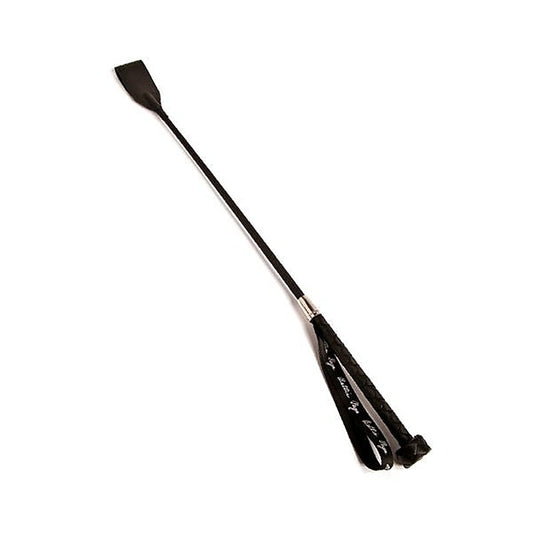
Bettie Page Teasearama Leather Riding Crop by Love HoneyBettie Page Teasearama Leather Riding Crop is a 23.5-inch impact play implement featuring genuine leather construction and an embossed Bettie Page signature handle. The wrist loop ensures secure grip control during impact play, while the premium leather tip delivers precise, satisfying strikes. Suited for...
- $62.99
$69.99- $62.99
- Unit price
- per
-
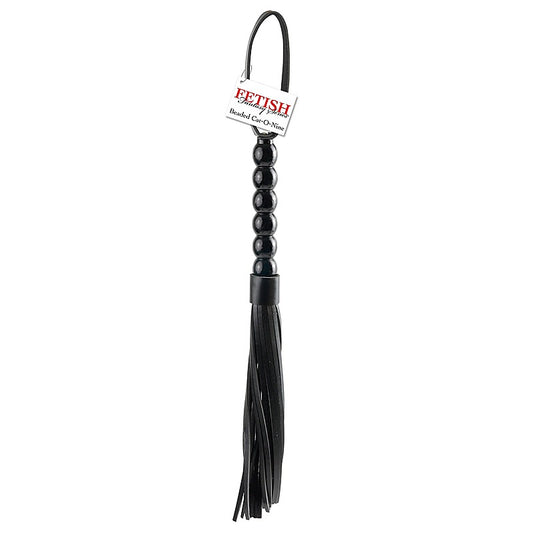
Fetish Fantasy Beaded Cat-O-Nine Tails by Pipedream ProductsFetish Fantasy Beaded Cat-O-Nine Tails is a nine-tailed impact flogger designed for BDSM power exchange play. The ergonomic beaded handle measures approximately 10 inches long and features textured grip beads for enhanced control during impact scenes. Nine balanced tails deliver versatile sensation ranging from...
- $24.99
$29.99- $24.99
- Unit price
- per
-
Bare Bondage Riding Crop by NS NoveltiesThe Bare Bondage Riding Crop from NS Novelties is a precision impact implement measuring 29 inches long with a 3-inch striking surface. Constructed from non-staining vinyl with a calibrated core, it delivers controlled feedback for impact play. The transparent design integrates seamlessly with the...
- $17.99
$19.99- $17.99
- Unit price
- per
-
Bad Romance Translucent Whip with Metal Nails by Shots ToysBad Romance Translucent Whip with Metal Nails by Shots Toys is a PVC impact tool featuring dual-tone black and white translucent construction with integrated metal accents. At approximately 18 inches total length, the whip delivers adjustable intensity from gentle contact to assertive impact. The...
- $35.99
$39.99- $35.99
- Unit price
- per
-
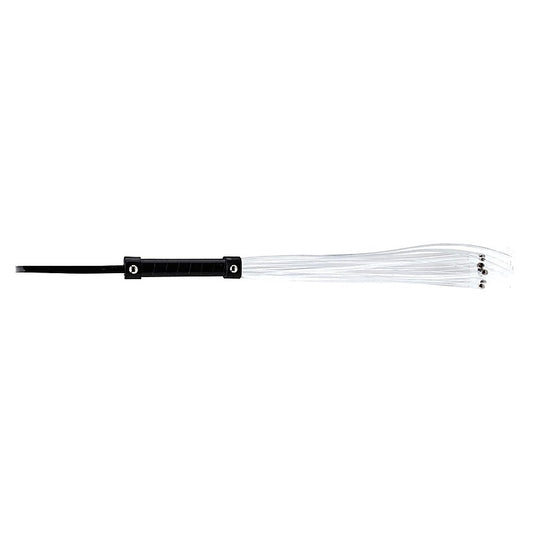
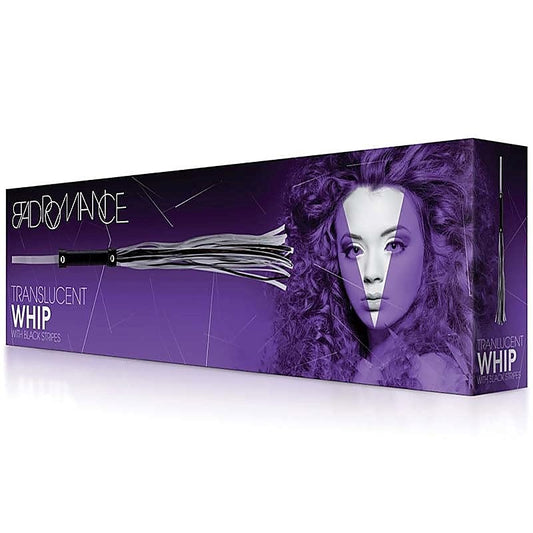
Bad Romance Translucent Whip by Shots ToysBad Romance Translucent Whip by Shots Toys is a BDSM impact tool featuring black and white translucent PVC strands with an ergonomic metal-accented handle. The whip measures approximately 65 centimeters in total length with lightweight, flexible construction suitable for precise control. It delivers sensations...
- $28.99
$34.99- $28.99
- Unit price
- per
-
Alloy Handled Leather Bondage Flogger by BDStyleThe Alloy Handled Flogger by BDStyle is a leather impact toy featuring an aircraft-grade alloy handle designed for controlled sensation play. Weighing approximately 300 grams with a balanced construction, it delivers variable intensity from gentle caresses to firmer impact. The ergonomic grip and genuine...
- $24.99
$34.99- $24.99
- Unit price
- per
-
35 Inch Whip Tip Crop by Spartacus EnterprisesThe 35 Inch Whip Tip Crop by Spartacus Enterprises is a precision impact play implement measuring 35 inches long with a balanced design for controlled striking. The whip tip construction delivers focused sensation with professional-grade durability, making it suitable for both beginners learning impact...
- $49.99
$54.99- $49.99
- Unit price
- per
-
26 Inch Red Heart Tip Crop by Spartacus EnterprisesThe 26 Inch Red Heart Tip Crop from Spartacus Enterprises is a precision impact play tool measuring 25.5 inches with a distinctive heart-shaped tip for concentrated strikes. Crafted from durable materials in bold metallic red or classic black, it delivers controlled impact with minimal...
- $44.99
$49.99- $44.99
- Unit price
- per
-
26 Inch Black Hand Tip Bondage Crop by Spartacus EnterprisesThe 26 Inch Black Hand Tip Bondage Crop is a precision BDSM implement measuring 66 centimeters with a distinctive hand-shaped tip for varied sensation delivery. Constructed from durable materials with balanced weight distribution, it enables controlled intensity from gentle contact to firm impact. The...
- $44.99
$49.99- $44.99
- Unit price
- per
-
Red's Black Leather Pony Play BDSM Whip by Doc JohnsonDoc Johnson Red's Black Leather Pony Play BDSM Whip is a dual-purpose pony play accessory combining a body-safe rubber plug with attached genuine leather whip. The tapered plug measures 2.8 inches long, expanding from 2.2 to 3 inches in diameter for comfortable insertion and...
- $26.99
$29.99- $26.99
- Unit price
- per
VISIT XVIDEO FOR ADULT DVDS



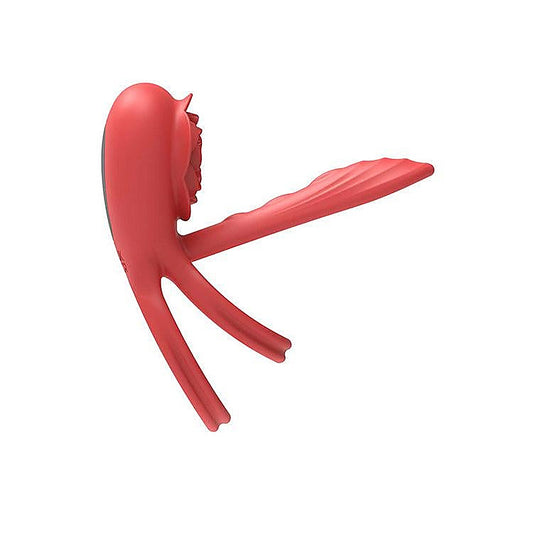
Vibrating Rose Girth Enhancer by Adam & Eve
- Red
Adam & Eve VIBRATING ROSE GIRTH ENHANCER is a dual-ring cock ring with clitoral stimulator designed for couples seeking enhanced performance and shared pleasure. Measuring 3 inches long with 7 vibration modes and a textured clitoral stimulator, it combines penile support with external stimulation....
- $99.99
$119.99- $99.99
- Unit price
- per
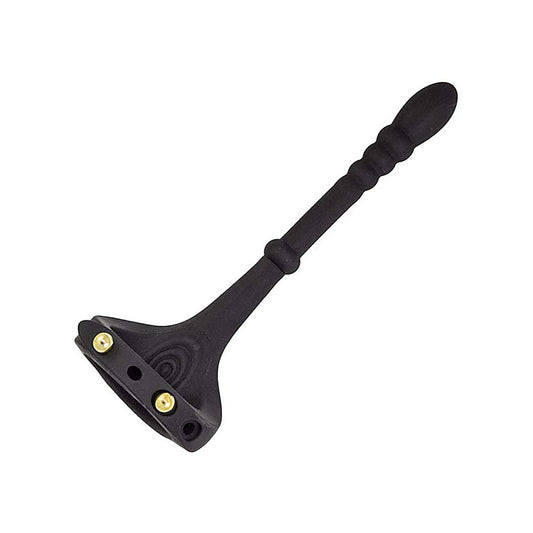
Magic Dual Pleasure Erection Enhancer Massager by Nasstoys
- Black
Nasstoys Magic Dual Pleasure Erection Enhancer Massager is a rechargeable cock ring with attached anal vibrator designed for prostate and perineum stimulation. Featuring 7 vibration functions, an adjustable silicone ring, and a bendable 6-inch insertable anal wand, it delivers targeted sensation during solo or...
- $69.99
$74.99- $69.99
- Unit price
- per
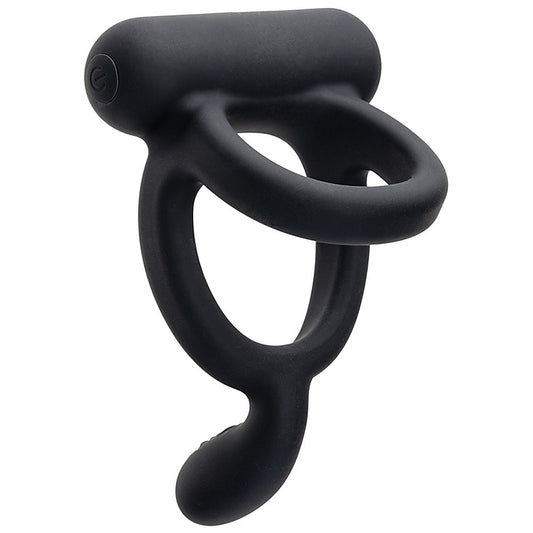
Closer Intimate Rechargeable Caress Penis Ring
- Black
CalExotics Closer Intimate Rechargeable Caress Penis Ring is a dual-motor cock ring with vibrating taint tickler designed for partnered penetration. The stretchy silicone construction fits shaft and scrotum diameters of 1.5 and 1.75 inches respectively, delivering 10 vibration speeds across dual motors. IPX7 waterproof...
- $64.99
$74.99- $64.99
- Unit price
- per


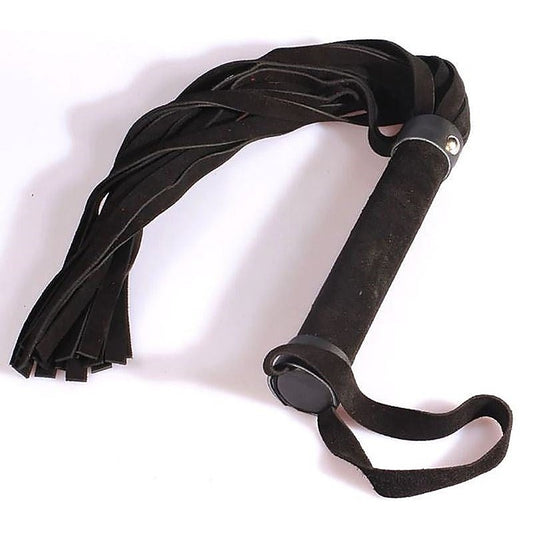































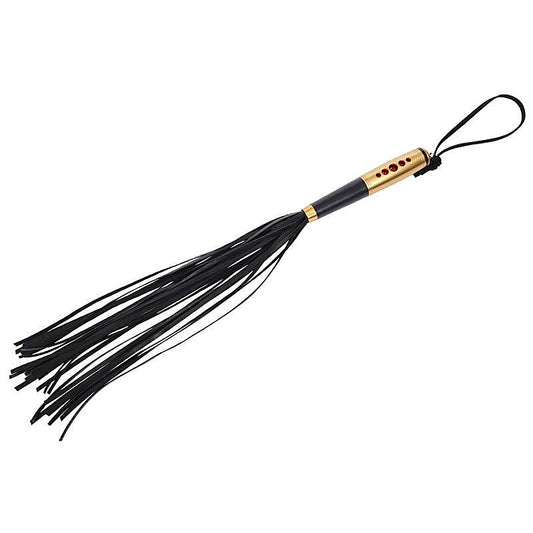


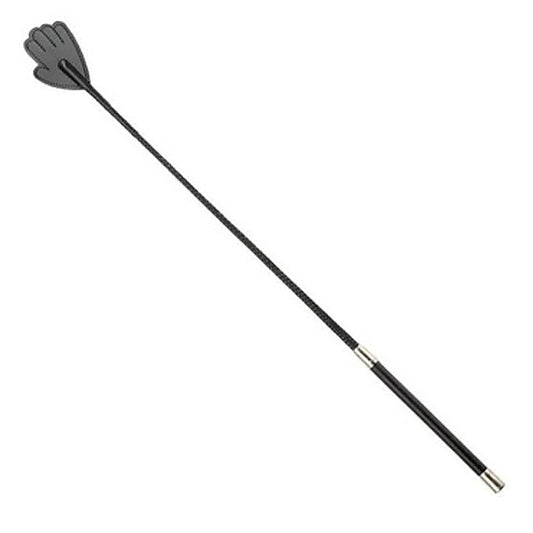

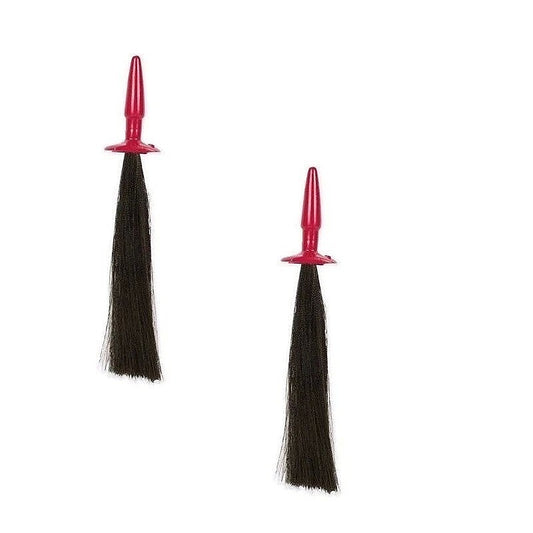

Punishment whips are single-tail impact implements that create severe sting through velocity rather than mass. Flexible braided tails accelerate to near or supersonic speeds, concentrating force at the tip. Types include bullwhips, signal whips, and snake whips, made from leather or synthetic materials.
At a glance
|
🚚 Plain, discreet packaging • 🔒 Discreet billing • 🔁 Hygiene-conscious returns |
About Punishment Whips
Punishment whips are the most advanced impact implements in BDSM play, generating sensation through the speed of the flexible tail rather than weight or bulk. The braided tail accelerates to speeds approaching the speed of sound, creating the characteristic crack and concentrating all energy at the precise point where the tip makes contact. Unlike paddles that spread force across a wide surface or floggers with multiple tails, whips deliver intensity to a small, focused area—typically just 2–5 cm—making them far more intense than other impact tools.
These implements are made from braided leather or synthetic materials. Kangaroo leather is the traditional choice because its strength-to-weight ratio allows tight braiding without excess mass, producing faster acceleration and sharper cracks. Cowhide is heavier but more affordable. Synthetic options using paracord or nylon offer durability and weather resistance, though they may lack the traditional aesthetic. For more general bondage implements, explore Bondage Whips.
What makes Punishment Whips different
Punishment whips stand apart because they demand precision and skill that no other impact tool requires. The velocity-based design means control is everything—an off-target strike can wrap around the body and hit eyes, throat, or other sensitive areas, causing serious harm. Unlike floggers or paddles where a slight miss spreads relatively harmless impact across a wider area, a whip requires months of dedicated practice on inanimate targets before any partner use. This category is fundamentally different from general impact sex toys or even Remote Control Vibrators, which require no prior training.
Types of Punishment Whips
Punishment whips fall into three main categories, each balancing handle control against speed and flexibility.
Bullwhips. These feature a rigid handle (typically 20–40 cm) attached to a tapered, braided thong that ends in a fall and cracker. Total length ranges from 120–360 cm. Longer bullwhips generate more velocity but demand greater skill to control accurately.
Signal whips. Signal whips have no rigid handle—the entire length is flexible braiding, which allows faster acceleration but makes precision harder to achieve. They typically range 90–180 cm and suit only very experienced users who have mastered bullwhips first.
Snake whips. These combine elements of bullwhips and signal whips, offering a middle ground between control and speed. Lengths typically fall between 90–150 cm, making them slightly easier to manage than signal whips while faster than traditional bullwhips. Like Jelly Vibrators, they're popular for those seeking a balanced option.
How they compare
| Type | Material | Best for | Control or Base | Safety |
|---|---|---|---|---|
| Bullwhip 150 cm | Kangaroo leather | Experienced users with formal training | Rigid 30 cm handle for control | Requires 100+ hours solo practice; precise aim essential |
| Signal whip 120 cm | Synthetic paracord | Advanced players seeking faster acceleration | No handle; all-flexible design | Hardest to control; highest injury risk if off-target |
| Snake whip 100 cm | Cowhide braided | Intermediate-advanced users seeking balance | Partial flexibility with slight grip point | Moderate difficulty; less forgiving than bullwhips |
| Bullwhip 200 cm | Kangaroo leather | Expert users only; maximum velocity | Rigid handle; demands substantial skill | Generates supersonic speeds; extreme precision required |
How to choose a punishment whip
Choosing a whip starts with honest self-assessment of your impact experience. These implements suit only people who have already mastered paddles, floggers, and canes and have received hands-on instruction from a skilled whip user. Most BDSM educators recommend 100+ hours of solo practice on inanimate targets (heavy bags, cardboard, or dedicated practice equipment) before attempting any partner work. Length matters: longer whips generate more velocity and require more space and skill, while shorter whips offer slightly more control. Material choice affects performance—kangaroo leather cracks sharply and accelerates fastest, cowhide is heavier but affordable, and synthetics offer durability without the traditional aesthetic.
Your practice space and partner's comfort also matter. Whips demand room to move safely; a cramped bedroom isn't suitable. Your partner must fully understand the risks and agree in writing to the activity. Even with extensive training, accidents happen—off-target strikes are a real possibility. Consider taking a whip workshop from an experienced instructor before purchasing. Waterproof options like Waterproof Vibrators solve different needs, but whips themselves aren't typically water-resistant and shouldn't be used in wet conditions.
Tips from the Adultsmart team
Hard-won pointers from the Adultsmart team, alongside our panel of sexologists, educators, and adult-industry contributors. Meet our experts →
After years of helping customers with punishment whips, we've noticed the biggest mistake is buying before training. People assume they can learn from YouTube videos alone—they can't. A single in-person session with an experienced whip user changes everything. You learn body positioning, how the whip actually feels in your hand, and how to read distance and speed in real time. Video can't teach that. If you're serious about whips, find a local instructor first. The whip itself can wait.
Length is deceptively important, and most beginners choose wrong. Shorter isn't always easier—a 120 cm bullwhip is genuinely harder to crack cleanly than a 150 cm one because you have less time to build momentum. But a 200 cm whip in a small space becomes dangerous fast. We recommend 150 cm as a realistic starting point for most people: long enough to accelerate properly, short enough to control in a typical bedroom or dungeon. Kangaroo leather whips cost more upfront but last years with proper care. Synthetics are cheaper but don't develop the same responsiveness.
Never assume a whip is ready to use fresh from the box. Braided leather whips benefit from conditioning with leather balm before the first use—it keeps the material supple and helps it hold its shape through repeated practice. Synthetic whips are tougher but should still be inspected for loose braiding before use. Store all whips coiled loosely (not kinked) in a dry place. A damaged whip—fraying, unravelling, or cracked braiding—becomes unpredictable and unsafe. If your whip starts to fray, retire it. The cost of replacement is nothing compared to the cost of a serious injury.
| Please read — safety first. Charge only with the supplied cable and keep the charging port dry unless the sex toy is waterproof-rated. Pair and update through the official app, and switch the device off fully between sessions so the motor and battery aren't left under load. This information is general in nature only and is not medical advice; it does not account for your individual circumstances. If you have a relevant health condition or experience any persistent discomfort, discontinue use and seek advice from a qualified medical professional. |
Care and cleaning
Leather whips should be wiped clean after use with a soft, dry cloth to remove sweat and debris. Once monthly, condition them with leather balm or mink oil, working it gently into the braiding and handle. Avoid soaking or machine washing—leather whips are not waterproof. Store coiled loosely in a cool, dry place away from direct sunlight and heat, which can crack the material. Synthetic whips can be hand-washed with mild soap and cool water, then air-dried completely before storage. Both types should be inspected regularly for loose braiding, fraying, or damage that could affect safety or performance.
Learn more
Whips are complex implements with a steep learning curve. Our detailed guide Cracking The Whip On Whips covers training methods, safety protocols, and what to expect from different whip types. It's essential reading before you buy.
Why shop Punishment Whips at Adultsmart
Ready to shop with the details sorted? Adultsmart stocks punishment whips from trusted makers in materials and lengths suited to genuine impact players. We offer discreet packaging and billing on all orders, so your purchase arrives private and unnamed on your statement. Australia's adult lifestyle specialists, helping you buy with confidence.
Punishment Whips FAQ
How many practice hours on inanimate targets should someone complete before attempting partner whipping?
Minimum 100 hours developing consistent accuracy, wrap prevention, and force control. Many practitioners recommend 200+ hours. Formal instruction from experienced whip users accelerates safe skill development.
Can someone self-teach punishment whip use through online videos without in-person instruction?
Technically possible but significantly riskier and slower. Videos cannot provide real-time correction of dangerous technique errors. Strongly recommend in-person instruction, workshops, or mentorship for safe skill development and immediate feedback
Can whip strikes be delivered at reduced intensity for less experienced receivers?
Reduce arm extension and wrist snap force significantly. However, even "light" whip strikes exceed paddle or flogger intensity. Start at 20–30% perceived force, building gradually over multiple sessions.
Why do single-tail whips require significantly more space than other impact implements?
Whip length (typically 180–360 cm) plus throwing motion clearance requires 4–6 meters radius minimum. Ceiling height matters too—overhead clearance prevents ceiling strikes damaging whips or creating unpredictable trajectory.
Do synthetic material whips perform equivalently to leather whips for BDSM impact?
Functionally yes—modern synthetics crack and strike similarly. Leather offers traditional feel and aesthetics. Synthetics resist weather/moisture better. Performance differences are minimal; choose based on preference and maintenance priorities.
What causes whip tails to wrap around targets instead of striking cleanly?
Improper throwing angle, insufficient follow-through, or target positioning errors. Wrap-around is dangerous—tails contact unsafe body areas accidentally. Requires extensive practice preventing through proper technique.
Can punishment whips be used in apartments or shared-living situations?
Whip cracks reach 100+ decibels—clearly audible through walls. Neighbors will hear. Non-cracking techniques exist but require advanced skill and reduce intensity. Not practical for noise-sensitive environments.
Why do experienced whip users recommend eye protection even for back/buttock targeting?
Off-target strikes or unexpected wrapping can send tail tips toward face. Whip tips moving at sonic speeds cause permanent eye damage or blindness instantly. Non-negotiable safety requirement regardless of intended target area.
How does whip strike sensation differ from cane strikes at equivalent intensity?
Whips create sharper, more concentrated sting with higher cutting/marking risk. Canes distribute force along rod length (10–15 cm contact). Whips concentrate energy at tip (2–5 cm). Whips mark and cut more readily.
Do longer whips create proportionally more intense sensations than shorter whips?
Yes—longer length generates higher velocity and momentum. However, longer whips require proportionally more skill. A poorly controlled long whip is more dangerous than a well-controlled short whip at higher intensity.
Recently Viewed Products
Example product title
- $19.99
- $19.99
- Unit price
- per
Example product title
- $19.99
- $19.99
- Unit price
- per
Example product title
- $19.99
- $19.99
- Unit price
- per
Example product title
- $19.99
- $19.99
- Unit price
- per
Example product title
- $19.99
- $19.99
- Unit price
- per
Example product title
- $19.99
- $19.99
- Unit price
- per
Example product title
- $19.99
- $19.99
- Unit price
- per
Example product title
- $19.99
- $19.99
- Unit price
- per
Example product title
- $19.99
- $19.99
- Unit price
- per
Example product title
- $19.99
- $19.99
- Unit price
- per
Why Shop With Adultsmart?
- Choosing a selection results in a full page refresh.