



-
Fetish Fantasy Limited Edition Bondage Luv CuffsFetish Fantasy Limited Edition Bondage Luv Cuffs are premium wrist and ankle restraints featuring plush faux-fur lining and heavy-duty metal hardware. The adjustable Velcro closure accommodates various body sizes while spring-loaded clips ensure secure attachment during active play. These versatile cuffs balance authentic restraint...
- $19.99
$24.99- $19.99
- Unit price
- per
-
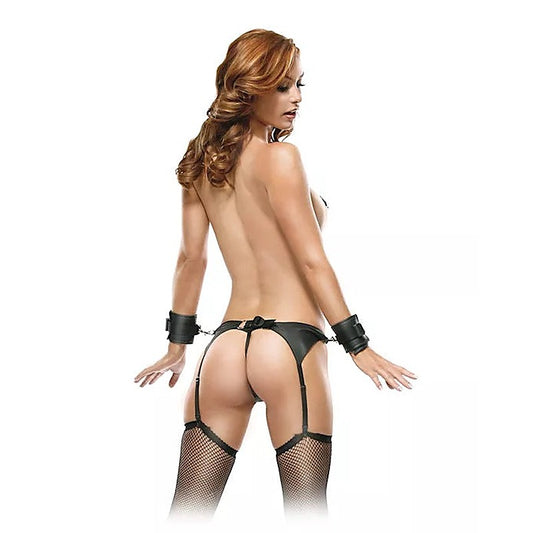
Fetish Fantasy Bondage Play Garter Belt SetFetish Fantasy Bondage Play Garter Belt Set is a complete lingerie and light restraint system combining a garter belt with integrated D-rings, adjustable wrist cuffs, X-shaped pasties, fishnet stockings, G-string, and satin love mask. The metal springclips attach securely to hip-positioned anchor points, enabling...
- $44.99
$49.99- $44.99
- Unit price
- per
-
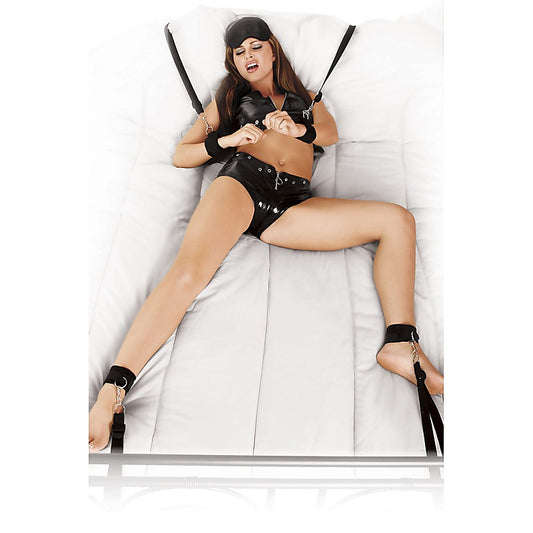
Fetish Fantasy Bed Bindings BDSM Restraint KitFetish Fantasy Bed Bindings BDSM Restraint Kit is a under-mattress restraint system by Pipedream Products designed for bondage exploration. The five adjustable tethers extend up to 52 inches with four velvet-lined cuffs that accommodate wrists and ankles from 7 to 15 inches. Installation requires...
- $74.99
$99.99- $74.99
- Unit price
- per
-
Entice Universal Bondage Cuff Links by California ExoticsCalExotics Entice Universal Bondage Cuff Links are adjustable faux leather restraint cuffs designed for wrists and ankles. Expanding to 10.5 inches with hand-stitched construction and a soft polyester lining, they feature nickel-free D-rings and dual-closure Velcro and clasp system. The cuffs suit beginners and...
- $54.99
$59.99- $54.99
- Unit price
- per
-
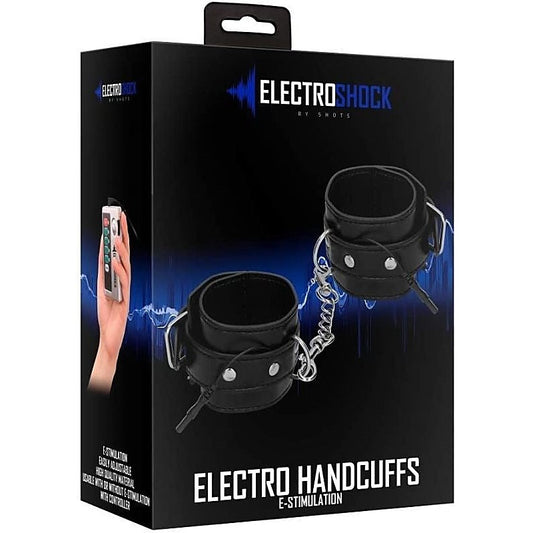
Electroshock Electro Handcuffs by Shots ToysShots Toys Electroshock Electro Handcuffs combine PU leather restraints with electronic stimulation control. Measuring 31.5 centimeters long with seven adjustment positions for varied wrist sizes, these cuffs deliver multiple stimulation modes via wired remote. The removable carabiner system enables flexible positioning configurations. Designed for...
- $125.99
$139.99- $125.99
- Unit price
- per
-
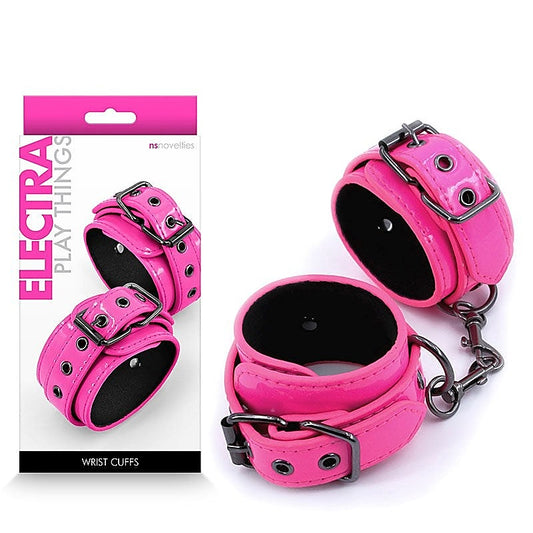
Electra Wrist Cuffs Leather by NS Novelties - PinkNS Novelties Electra Wrist Cuffs are leather restraint cuffs designed for bondage play with adjustable straps and D-ring attachment points. Measuring 5 inches long and 2 inches wide per cuff, they feature soft leather exterior with hypoallergenic inner lining and metal hardware for secure...
- $49.99
$54.99- $49.99
- Unit price
- per
-
Edge Hand Grip Wrist Cuffs by SportsheetsSportsheets Edge Hand Grip Wrist Cuffs are neoprene restraint cuffs designed for power exchange play. Featuring ergonomic hand grips and reinforced metal D-rings, they accommodate various wrist sizes through adjustable Velcro straps. The water-resistant construction supports extended sessions while maintaining security without compromising circulation,...
- $80.99
$89.99- $80.99
- Unit price
- per
-
Gummy Hand Cuffs Strawberry by Hott ProductsEat Me Gummy Hand Cuffs Strawberry is an edible restraint made from stretchy gummy candy by Hott Products. Designed for light bondage play, these strawberry-flavored cuffs fit most wrist sizes comfortably and can be nibbled away during intimate moments. Perfect for couples exploring playful...
- $13.99
$14.99- $13.99
- Unit price
- per
-
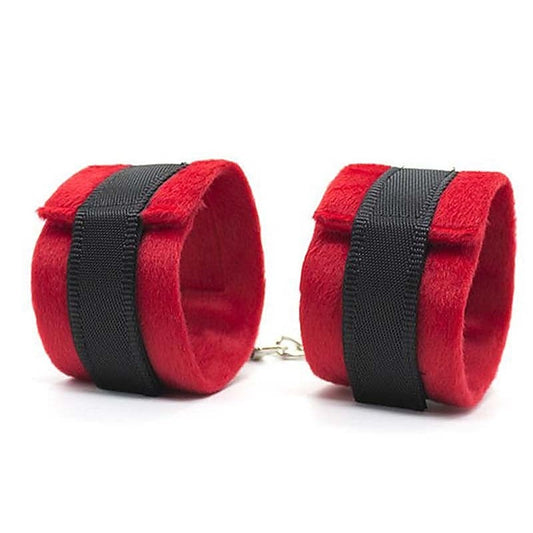
Downy Fetish Play Cuffs Black and Red by BDStyleDowny Fetish Play Cuffs are adjustable wrist restraints featuring faux fur lining and synthetic leather construction. The pair includes a detachable 6-inch connecting chain with buckle closures that fit various wrist sizes. Designed for bondage play, these cuffs balance comfort with secure restraint for...
- $7.99
$9.99- $7.99
- Unit price
- per
-
Darby Steel Bondage Restraints by Hell's CoutureDarby Steel Restraints by Hell's Couture are medical-grade steel bondage cuffs designed for secure BDSM restraint play. Measuring approximately 8 inches in length with adjustable straps, they deliver a customizable fit without compromising comfort. The smooth, corrosion-resistant steel construction conducts temperature naturally and supports...
- $83.99
$99.99- $83.99
- Unit price
- per
-
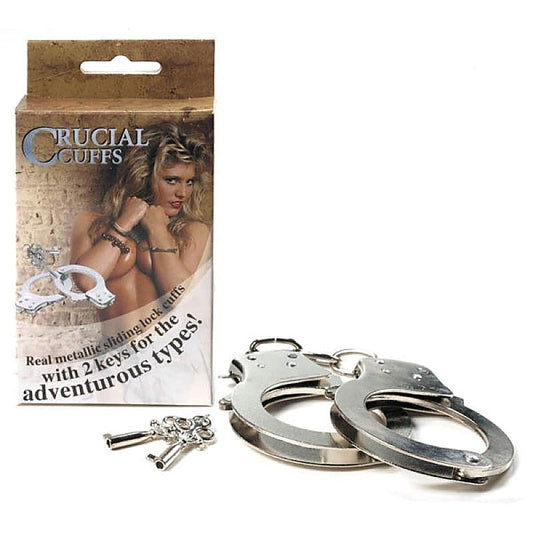
Crucial Cuffs Metal by NANMA CorporationCrucial Cuffs by NANMA Corporation are metal restraint cuffs forged from premium alloy with a polished silver finish. Featuring a non-removable linking mechanism and integrated quick-release function, they include two precision-cut keys for secure locking. The lightweight construction prevents fatigue during extended wear, making...
- $15.75
$19.99- $15.75
- Unit price
- per
-
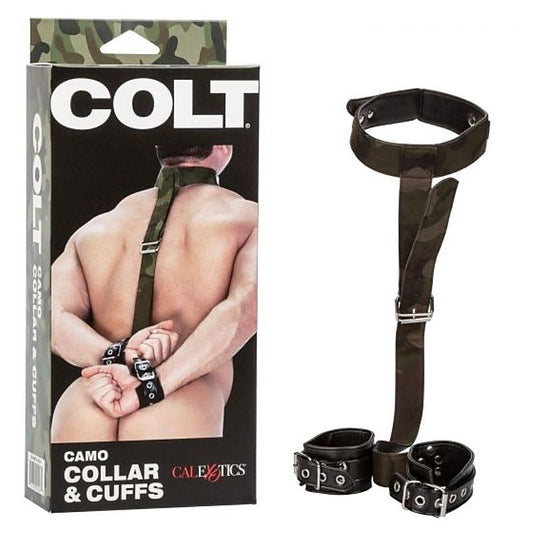
Colt Camo BDSM Play Collar and Cuffs by California ExoticsColt Camo BDSM Play Collar and Cuffs is a professional-grade bondage restraint set featuring camouflage cotton exterior with PU leatherette lining. The 2-inch collar adjusts up to 55.75 centimeters, while cuffs fit up to 11.75 inches with quick-release clasps and industrial-grade chain links. Nickel-free...
- $99.99
$104.99- $99.99
- Unit price
- per
-
Coax Collar To Wrist Restraints by XR BrandsCoax Collar To Wrist Restraints is a premium bondage system from XR Brands featuring vegan PU leather with gold accents and brass hardware. The collar fits 12-21 inches with three D-rings, while adjustable cuffs (6-9.5 inches) include detachable connector chains at 17 inches and...
- $49.99
$54.99- $49.99
- Unit price
- per
-
Buckler Faux Leather Cuffs With Chain by BDStyleBuckler Faux Leather Cuffs With Chain are padded wrist and ankle restraints designed for secure, comfortable bondage play. Made by BDStyle, these cuffs adjust from 16–26 cm (wrists) or 23.5–35 cm (ankles) with buckle closures and removable connecting chain. The faux leather exterior with...
- $17.99
$19.99- $17.99
- Unit price
- per
-
Boundless Fetish Play Wrist Cuffs by California ExoticsCalifornia Exotics Boundless Fetish Play Wrist Cuffs are professional-grade restraint accessories featuring double-padded vegan leather construction with swivel clasps. Each cuff accommodates up to 12 inches of wrist circumference with nickel-free hardware and detachable universal clasps. The double-stitched interior polyester lining prevents chafing during...
- $44.99
$49.99- $44.99
- Unit price
- per
-
Luxurious Leather Wrist Restraints by Hell's CoutureBondage Asylum Wrist Restraints Padded are white leather restraints designed for secure bondage play. Featuring adjustable straps fitting wrists from 5 to 10 inches and lockable 1.5-inch O-rings, they deliver customizable restraint with padded comfort. The soft leather construction supports extended sessions, making them...
- $62.99
$69.99- $62.99
- Unit price
- per
-
Bond Deluxe Cuff Kit Bondage Restraints by LiberatorBond Deluxe Cuff Kit is a comprehensive restraint system featuring premium microfiber wrist and ankle cuffs, an adjustable blindfold, and nickel-plated connecting hardware. The kit includes four robust clips and a central O-ring, enabling multiple configuration options. Designed for partners exploring consensual restraint from...
- $89.99
$99.99- $89.99
- Unit price
- per
-
Black Rose Four-Way Foreplay Cuff Set by Doc JohnsonDoc Johnson Black Rose Four-Way Foreplay Cuff Set is a luxury restraint system featuring black lace and purple silk construction with adjustable Velcro closures. The set includes four removable cuffs with metal connectors, measuring approximately 3 inches wide with soft velvet interior lining. It...
- $67.99
$74.99- $67.99
- Unit price
- per
-
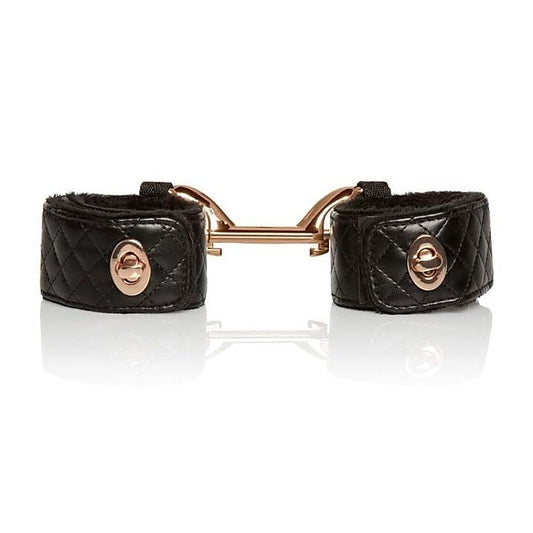
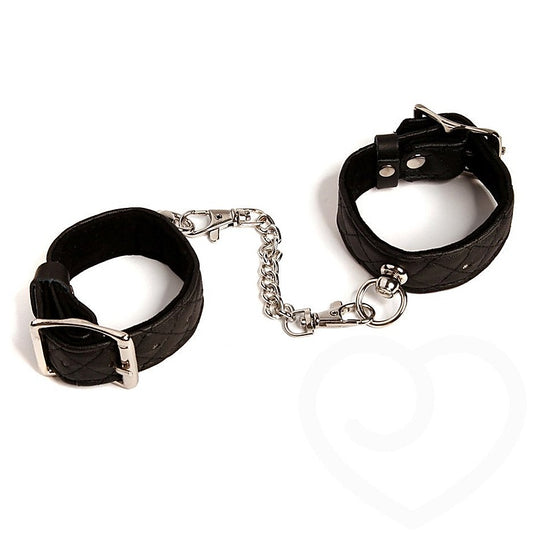
Wild 'n' Willing Wrist Cuffs by Love HoneyBettie Page Wild 'n' Willing Wrist Cuffs are luxury restraint cuffs featuring quilted faux leather with velvet lining and adjustable sizing from 5.7 to 9 inches. Connected by a 7-inch chain with quick-release clips, they accommodate wrist sizes securely while maintaining comfort. The officially...
- $62.99
$69.99- $62.99
- Unit price
- per
-
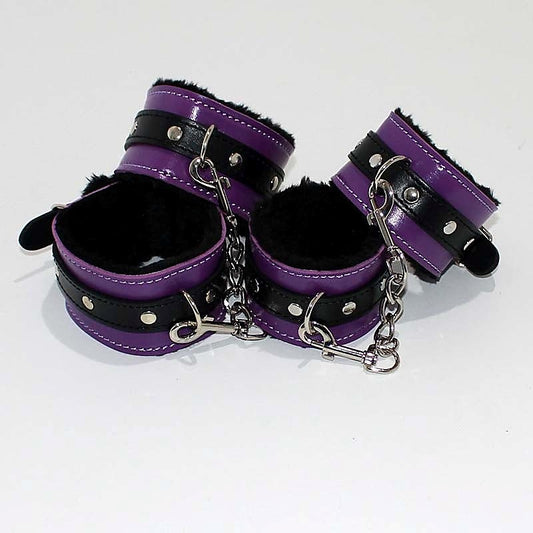
Ankle & Wrist Restraints 70 mm by BDStyle - PurpleBDStyle Ankle & Wrist Restraints are adjustable bondage cuffs designed for wrist and ankle restraint play. The wrist cuffs adjust from 45mm to 70mm diameter while ankle restraints range from 50mm to 85mm, both featuring 4mm-thick imitation leather with plush fur lining. The set...
- $24.99
$29.99- $24.99
- Unit price
- per
-
Bare Bondage Vinyl Transparent Wrist Cuffs by NS NoveltiesBare Bondage Vinyl Transparent Wrist Cuffs by NS Novelties are crystal-clear vinyl restraints designed for modern bondage play. Measuring 8 x 2 x 10 inches with adjustable sizing, they feature nickel-free hardware and body-safe construction. The transparent material allows visual monitoring of circulation during...
- $19.99
$24.99- $19.99
- Unit price
- per
-
Bad Romance Translucent Handcuffs by Shots ToysBad Romance Translucent Handcuffs are restraint cuffs by Shots Toys featuring translucent PVC with black stripes and adjustable metal chain. The transparent design allows visual contact while maintaining restraint security, with leather accents and sturdy metal components. Ideal for couples and BDSM enthusiasts seeking...
- $49.99
$54.99- $49.99
- Unit price
- per
-
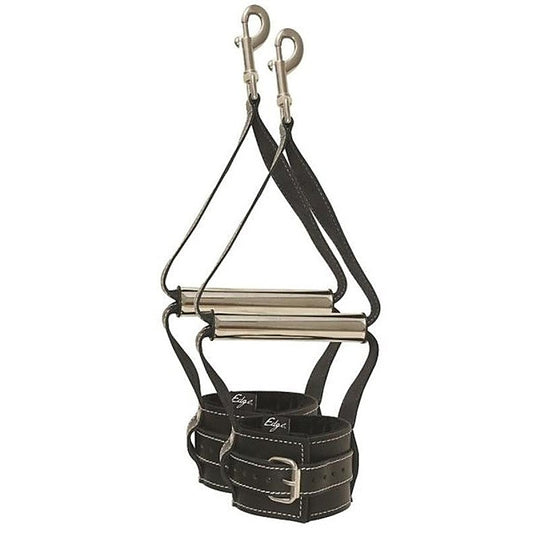
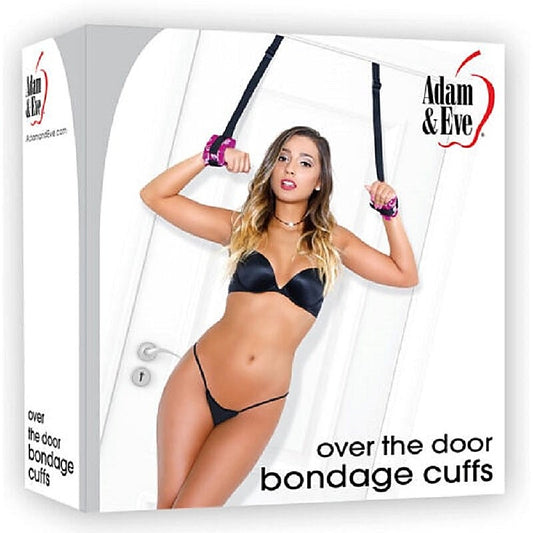
Adam and Eve Over the Door Bondage CuffsAdam and Eve Over the Door Bondage Cuffs are padded wrist restraints with adjustable nylon straps extending 6.5 to 28 inches for custom positioning. The brocade-fabric cuffs feature quick-release Velcro closures and sturdy metal support rods that fit over standard doors for secure installation....
- $63.00
$74.99- $63.00
- Unit price
- per
-
Fetish Double Clips Bondage Restraints by EasytoysEasytoys Fetish Double Clips are metal bondage connectors featuring spring-loaded mechanisms for secure attachment. At approximately 5cm long, they offer dual-ended design with smooth metal construction and firm grip without pinching. These clips connect wrist cuffs, ankle restraints, chains, and ropes, making them essential...
- $24.99
$29.99- $24.99
- Unit price
- per
VISIT XVIDEO FOR ADULT DVDS



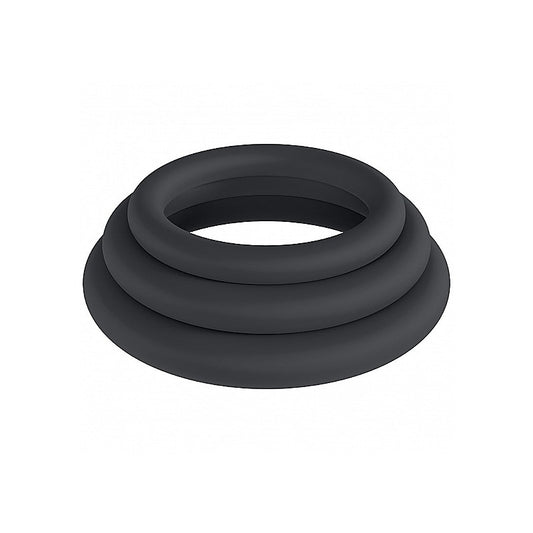
LEVELZ Soft Bead Grip Silicone Cock Ring by Shots Toys
- Black
LEVELZ Soft Bead Grip Silicone Cock Ring by Shots Toys is a three-loop restraint ring designed for shaft, scrotum, and full-package support. At 5.2 cm long with 100% body-safe silicone construction, it delivers sustained pressure that prolongs arousal without vibration. The non-porous material is...
- $14.99
$19.99- $14.99
- Unit price
- per
LEVELZ Classic Silicone Cock Ring Set by Shots Toys
- Black
LEVELZ Classic Silicone Cock Ring Set by Shots Toys is a non-vibrating trio of body-safe silicone rings in extra small, small, and medium sizes. Each ring measures 3.3 cm diameter with a 2.2 cm inner diameter, offering different fits for shaft, cock-and-balls, or stacked...
- $14.99
$19.99- $14.99
- Unit price
- per
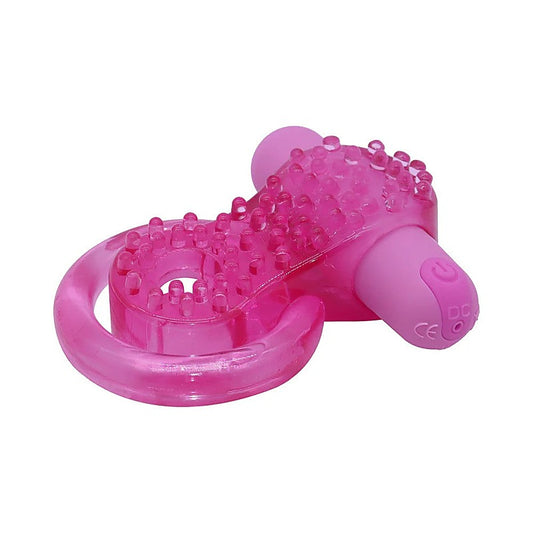
RECHARGEABLE COUPLES ENHANCER Cock Ring by Adam & Eve
- Pink
RECHARGEABLE COUPLES ENHANCER Cock Ring by Adam & Eve is a dual-ring vibrator designed for partnered penetrative play. Featuring a stretchy design that fits around shaft and balls while textured nubs stimulate the clitoris, it delivers 10 vibration functions via a removable rechargeable bullet....
- $99.99
$109.99- $99.99
- Unit price
- per
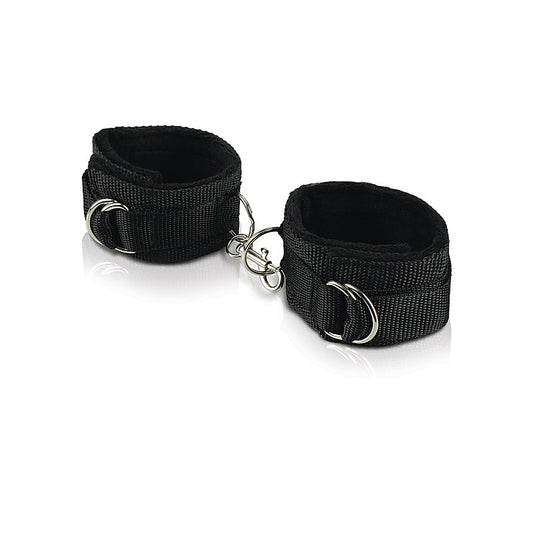














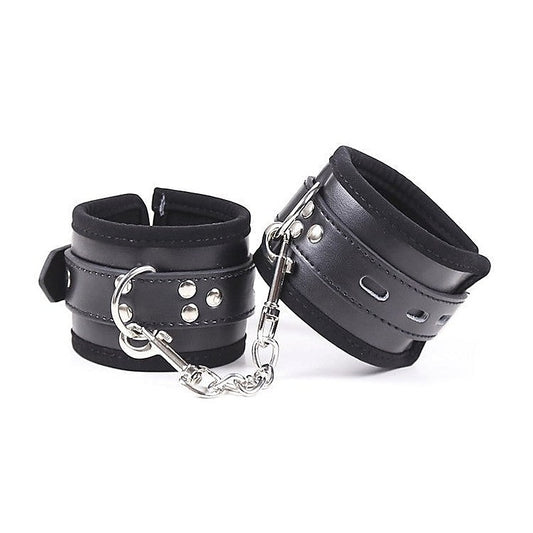

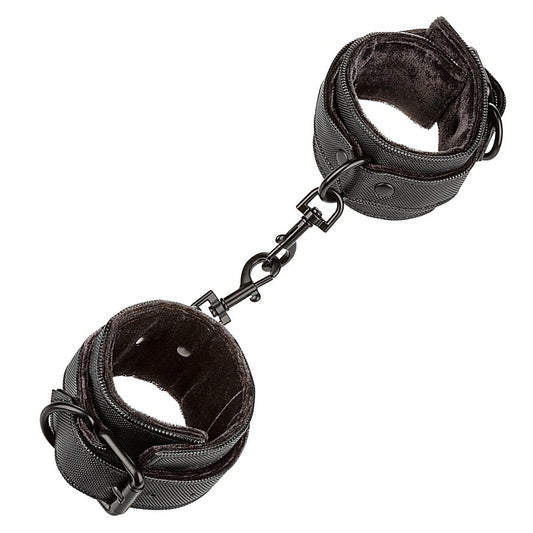


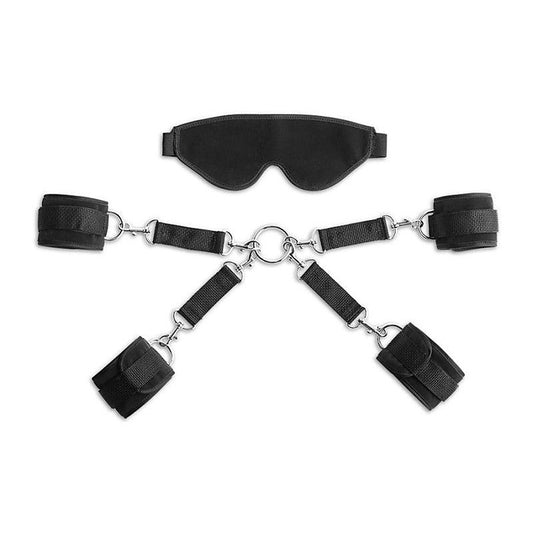

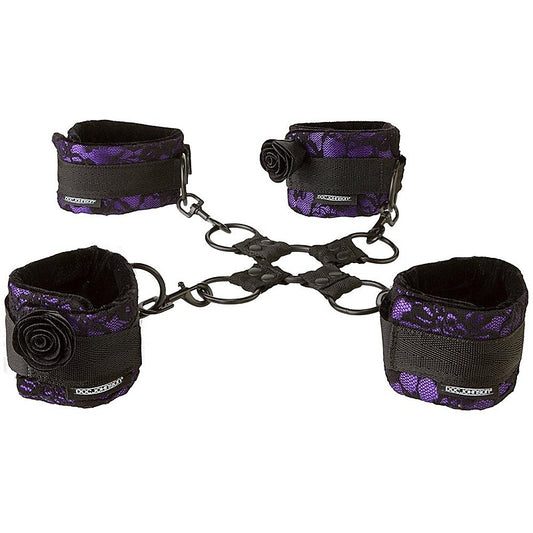








Hand restraints restrict fingers, palms, or entire hands—not just wrists—preventing grip and fine motor control during bondage play. Options range from fingerless mitts and fist closures to full hand enclosures and prayer position restraints, each creating different sensations and restriction levels than standard wrist cuffs.
At a glance
|
🚚 Plain, discreet packaging • 🔒 Discreet billing • 🔁 Hygiene-conscious returns |
About Hand Restraints
Hand restraints work by restricting the hand itself rather than just the wrist joint. This prevents gripping, grabbing, or manipulating objects while still allowing wrist movement. Some people find hand restriction more psychologically intense than wrist cuffs alone—being unable to grasp or use hand gestures creates a heightened sense of vulnerability. Others prefer hand restraints for pure comfort, avoiding pressure on sensitive wrist bones during longer bondage sessions.
These restraints suit all experience levels. Simple finger mitts work well for beginners exploring restriction beyond basic wrist cuffs. Full bondage mitts or prayer position restraints serve advanced players wanting complete hand immobilisation. Hand restraints often pair effectively with wrist or body restraints, creating comprehensive restriction without overloading a single attachment point. Materials include leather for durability and shape retention, neoprene for flexibility and easy washing, and heavy fabric with padding for comfort. Like Butt Plugs, hand restraints come in various materials to suit different sensitivities and preferences.
What makes Hand Restraints different
Hand restraints target a specific area that wrist cuffs don't control: the ability to grip, hold, or communicate through hand gestures. Removing finger mobility adds a psychological layer many players find intense. Unlike wrist cuffs that allow hand movement, these restraints prevent fine motor control entirely. The sensation of helplessness extends beyond physical restriction into mental surrender. Similar to how Metal Butt Plugs offer distinct sensations through material choice, hand restraints create unique experiences based on their design and closure type.
Types of Hand Restraints
Hand restraints come in several distinct styles, each creating different restriction sensations and aesthetics.
Bondage mitts. These resemble mittens, enclosing all fingers together so individual finger movement becomes impossible. Made from leather or thick fabric with soft interior padding, bondage mitts prevent gripping, manipulating buckles, or using fingers for any dexterity. Most include D-rings or attachment points on the outside for connecting to other restraints.
Prayer restraints. These hold hands together palm-to-palm in prayer position, often with finger sleeves keeping each finger aligned. They create specific visual aesthetics while restricting both grip and hand separation. Prayer restraints work well for creating vulnerable, submissive positioning during bondage scenes.
Finger sleeves and traps. These restrict individual fingers without fully enclosing hands, allowing some palm mobility while preventing fine motor control. Like Glass Butt Plugs, they offer a middle ground between full restriction and minimal control, letting players explore different intensity levels.
Fist mitts. These force hands into fist positions and secure them with straps or closures that prevent opening. Fist mitts create a locked, immobilised appearance and completely remove the ability to extend or use fingers.
How they compare
| Item | Material | Best for | Skill level | Notes |
|---|---|---|---|---|
| Leather bondage mitts | Leather with padded lining | Extended wear, durability | Intermediate to advanced | Requires leather care; holds shape well |
| Neoprene hand restraints | Neoprene with velcro closures | Comfort, easy cleaning | Beginner to intermediate | Flexible, washes easily, suits sensitive skin |
| Prayer position restraints | Leather or fabric with finger sleeves | Aesthetic positioning, psychological intensity | Intermediate to advanced | Creates specific visual effect; restricts separation |
| Fist mitts | Heavy fabric or leather with straps | Complete hand immobilisation | Advanced | Locks hands closed; most restrictive option |
How to choose a hand restraint
Start by considering what you want to restrict. Do you want to prevent gripping and fine motor control, or are you after a specific visual effect like prayer position? Think about comfort too—if you have sensitive hand bones or arthritis, a well-padded neoprene restraint may feel better than rigid leather during longer scenes. Hand size matters; measure across your knuckles and palm width to find the right fit, as restraints that are too loose won't restrict effectively and too-tight ones can cut off circulation.
Material choice affects both sensation and maintenance. Leather looks traditional and holds its shape, but needs regular conditioning. Neoprene is easier to wash and suits people with leather sensitivities. Consider how you'll use them—solo exploration, partner play, or as part of a larger bondage setup. If you're pairing them with other restraints like Large Butt Plugs or body harnesses, check that attachment points line up with your other gear. For first-timers, start with a simple neoprene mitt on velcro; you can always upgrade to more specialised styles once you know what you enjoy.
Tips from the Adultsmart team
Hard-won pointers from the Adultsmart team, alongside our panel of sexologists, educators, and adult-industry contributors. Meet our experts →
After years of helping customers with hand restraints, we've noticed most people underestimate how psychologically intense losing hand control feels. Your hands are how you communicate, steady yourself, and defend. Removing that ability hits different than wrist cuffs alone. If you're new to this, start with just one restraint—a single mitt or prayer position—rather than full hand enclosure on both sides. Let yourself get used to the headspace before adding more restriction.
Fit is critical and often overlooked. Hand restraints that are too loose won't create the restriction you want, and ones too tight will cut off circulation or cause nerve pressure. Always measure your hand properly and check the sizing chart. Test the closure system while your hands are unrestrained—velcro, buckles, and straps all have different release speeds. In a scene, you need to know your partner can undo them quickly if something goes wrong. Never leave someone in hand restraints alone; without hand mobility, they can't signal as easily if they need help.
Material choice comes down to lifestyle. Leather restraints look incredible but need conditioning every few months and aren't ideal if you sweat a lot during scenes. Neoprene is forgiving—it stretches slightly, washes in the shower, and dries fast. If you're wearing them under clothing or for longer periods, padding inside makes a real difference. Check the interior lining before you buy; cheap padding flattens quickly and loses its cushioning.
| Please read — safety first. Charge only with the supplied cable and keep the charging port dry unless the sex toy is waterproof-rated. Pair and update through the official app, and switch the device off fully between sessions so the motor and battery aren't left under load. Never share between partners, or between anal and vaginal use, without cleaning the item first or using a fresh condom. This information is general in nature only and is not medical advice; it does not account for your individual circumstances. If you have a relevant health condition or experience any persistent discomfort, discontinue use and seek advice from a qualified medical professional. |
Care and cleaning
Leather hand restraints should be wiped down after use with a damp cloth and dried immediately. Condition them every few months with leather balm to keep the material supple and prevent cracking. Neoprene restraints can be hand-washed in warm soapy water and air-dried. Avoid machine washing, as it can damage closures and seams. All restraints should be stored in a cool, dry place away from direct sunlight, which can fade colour and degrade materials over time.
Learn more
Hand restraints are one part of a broader bondage toolkit. For deeper insight into how they fit into your practice and what techniques work best, read more in our guide to Bondage Play Restraints for expert tips and safety information.
Why shop Hand Restraints at Adultsmart
Looking for a piece that actually fits how you play? Adultsmart stocks hand restraints in leather, neoprene, and fabric across all size ranges, so you'll find something that works for your hands and your scene. We offer discreet packaging and billing, so your order arrives private. Body-safe, clearly labelled, and chosen by people who use this gear.
Hand Restraints FAQ
How are hand restraints different from wrist cuffs?
Hand restraints restrict the hand itself—preventing grip and finger movement—while wrist cuffs restrict wrist position. Hand restraints eliminate fine motor control; wrist cuffs primarily limit arm positioning. Many users combine both for comprehensive arm restriction.
Can hand restraints attach to regular bondage equipment?
Most include D-rings or attachment points compatible with standard bondage hardware (clips, carabiners, chains). Check hardware compatibility before purchasing if planning to integrate with existing restraint collections. Quality hand restraints use standard attachment sizes.
Are hand restraints more dangerous than wrist restraints?
They require more frequent circulation checks (every 5–10 minutes vs. 10–15 for wrists) since hands are more sensitive to pressure. Proper sizing and monitoring prevents problems. Neither is inherently more dangerous when used correctly.
Can someone signal for help while in hand restraints?
Not with hand gestures, which is why verbal safe words and never leaving the person alone are critical. Establish non-verbal signals like dropping an object or foot movements before applying hand restraints if verbal communication might be restricted.
Do hand restraints fit most hand sizes?
Fit varies more than wrist cuffs since hand sizes differ significantly. Measure hand width and length before purchasing. Adjustable designs accommodate more variance but may not immobilize as completely as sized options.
Can I use hand restraints for extended bondage sessions?
Yes, with frequent circulation checks and periodic release for hand movement and stretching. Limit initial sessions to 15–20 minutes until you understand your comfort tolerance. Never exceed 30–45 minutes without releasing hands to restore full circulation.
What material is most comfortable for hand restraints?
Neoprene or padded leather. Both provide cushioning while maintaining structure. Avoid unlined leather or stiff materials for extended wear. Soft interior linings prevent chafing during hand movement inside restraints.
Can someone escape from hand restraints?
Most designs prevent self-release since fingers cannot manipulate closures. However, determined pulling or wiggling may defeat poorly fitted restraints. Choose appropriate security level for your desired psychological intensity while prioritizing safety over absolute inescapability.
Should I start with hand restraints or wrist cuffs as a beginner?
Wrist cuffs are more beginner-friendly—easier fit, simpler to monitor, more comfortable for extended wear. Try hand restraints after becoming comfortable with basic wrist restraint to add variety and explore different restriction sensations.
How do I clean bondage mitts and hand restraints?
Leather: wipe with damp cloth, use leather conditioner periodically. Neoprene: hand wash with mild soap, air dry. Fabric: spot clean or gentle hand wash. Never machine wash or dry leather restraints. Ensure complete drying before storage to prevent mold.
Recently Viewed Products
Example product title
- $19.99
- $19.99
- Unit price
- per
Example product title
- $19.99
- $19.99
- Unit price
- per
Example product title
- $19.99
- $19.99
- Unit price
- per
Example product title
- $19.99
- $19.99
- Unit price
- per
Example product title
- $19.99
- $19.99
- Unit price
- per
Example product title
- $19.99
- $19.99
- Unit price
- per
Example product title
- $19.99
- $19.99
- Unit price
- per
Example product title
- $19.99
- $19.99
- Unit price
- per
Example product title
- $19.99
- $19.99
- Unit price
- per
Example product title
- $19.99
- $19.99
- Unit price
- per
Why Shop With Adultsmart?
- Choosing a selection results in a full page refresh.