



-
Neoprene Hard Bar Spreader Bar by BDStyleThe Neoprene Hard Bar Spreader Bar by BDStyle is a 61-centimeter restraint bar featuring a metal core wrapped in protective neoprene padding. Designed for bondage play, it maintains stability during extended sessions while the soft neoprene coating prevents skin friction. The fixed 24-inch length...
- $29.99
$39.99- $29.99
- Unit price
- per
-
Misbehaviour Spread the Love Bar by BDStyleMisbehaviour Spread the Love Bar is a 15-inch metal and nylon restraint spreader bar designed for wrist and ankle positioning during partner play. The metal core wrapped in protective nylon provides stable support, while fully adjustable cuffs secure limbs without locking mechanisms. It suits...
- $24.99
$29.99- $24.99
- Unit price
- per
-
Manbound Bondage Spreader Bar by SportsheetsManbound Bondage Spreader Bar by Sportsheets is a 24-inch rigid restraint system featuring four padded neoprene cuffs and industrial-grade nylon covering. The bar maintains stable positioning across various scenarios while distributing pressure evenly through ergonomic padding. It suits experienced and new practitioners seeking adjustable,...
- $71.99
$79.99- $71.99
- Unit price
- per
-
Locking Wrist and Ankle Spreader Bar by BDStyle - BlackBDStyle's Locking Wrist and Ankle Spreader Bar is a steel restraint system featuring a fixed 50cm bar with adjustable PVC and leather cuffs. The wrist cuffs measure 25cm x 5.5cm while ankle cuffs measure 30cm x 5.5cm, with integrated locks and spare keys included....
- $44.99
$49.99- $44.99
- Unit price
- per
-
Locking Adjustable Wrist and Ankle Spreader Bar KitThe Locking Adjustable Wrist and Ankle Spreader Bar Kit by BDStyle is a professional-grade bondage restraint system featuring padded faux leather cuffs and a 62cm spreader bar with multiple attachment points. The wrist cuffs measure 32cm long with 5.5cm width, while ankle cuffs extend...
- $67.99
$74.99- $67.99
- Unit price
- per
-
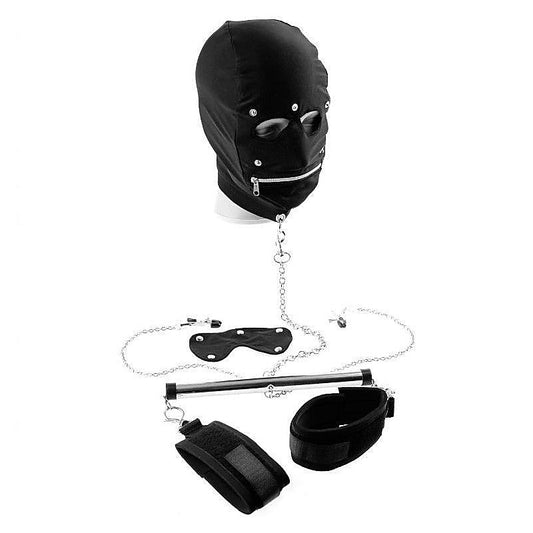
Fetish Fantasy Series Extreme Bondage Spreader SetFetish Fantasy Series Extreme Bondage Spreader Set is a complete metal restraint system designed for power exchange scenarios. Featuring a sturdy metal spreader bar with multiple attachment points, adjustable neoprene cuffs, alligator-style nipple clamps with tension screws, and a full-coverage lycra hood with zippered...
- $50.99
$59.99- $50.99
- Unit price
- per
-
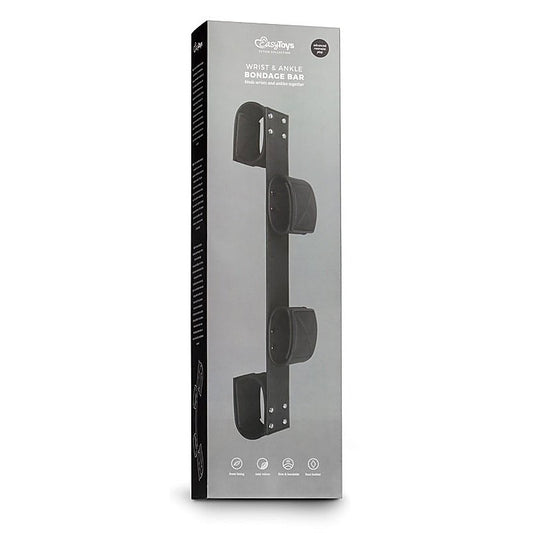
BDSM Fetish Bondage Bar Leather by EasytoysEasytoys Fetish Bondage Bar is a restraint system featuring PU leather cuffs with foam padding and adjustable velcro straps connected to a sturdy central bar. The four cuffs accommodate various body types and positions, providing secure yet comfortable restraint for extended BDSM sessions. It...
- $130.99
$144.99- $130.99
- Unit price
- per
-
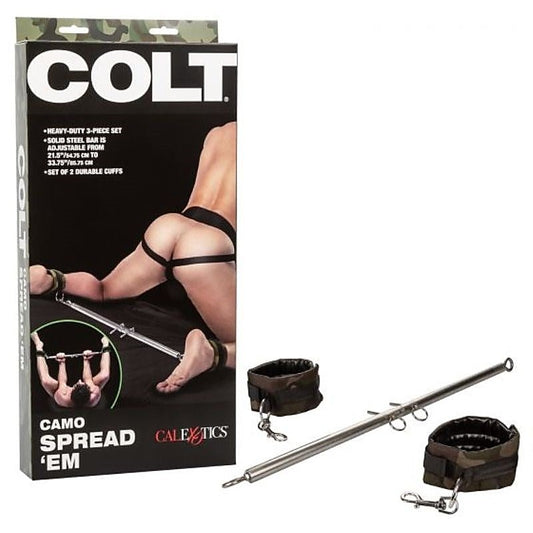
Colt Camo Spread Em Bondage Spreader BarColt Camo Spread Em Bondage Spreader Bar is a stainless steel restraint system adjusting from 21.5 to 33.75 inches with padded polyurethane cuffs and removable design. The universal O-rings accommodate additional bondage accessories, while dual-purpose wrist and ankle restraint capacity up to 19 inches...
- $129.99
$139.99- $129.99
- Unit price
- per
-
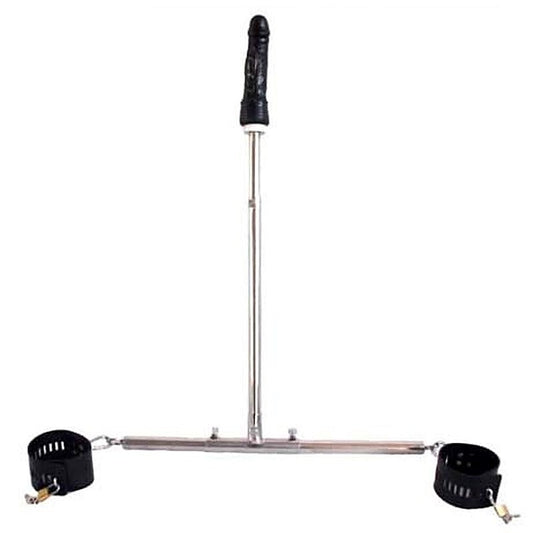
Ankle Spreader Bar With Dildo by BDStyle - BlackBDStyle Adjustable Spreader Bar With Dildo is a stainless steel restraint system designed for advanced intimate play. Measuring 21-28 cm adjustable width with a 19 cm detachable stimulator, it features medical-grade construction, premium faux leather cuffs, and secure locking mechanisms. It suits experienced practitioners...
- $149.99
$169.99- $149.99
- Unit price
- per
VISIT XVIDEO FOR ADULT DVDS



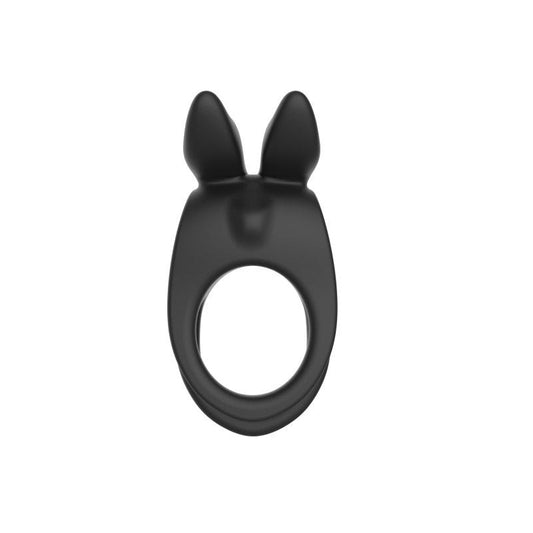
Men 10 Mode Vibrating Rabbit Cock Ring by Ashella
- Black
Ashella Men 10 Mode Vibrating Rabbit Cock Ring is a dual-ring vibrator designed for partnered stimulation and performance enhancement. Measuring 45.2 x 91.1 x 43.1mm with 10 vibration modes across 3 speed settings, it combines a supportive shaft and ball ring with external bunny...
- $34.99
$39.99- $34.99
- Unit price
- per
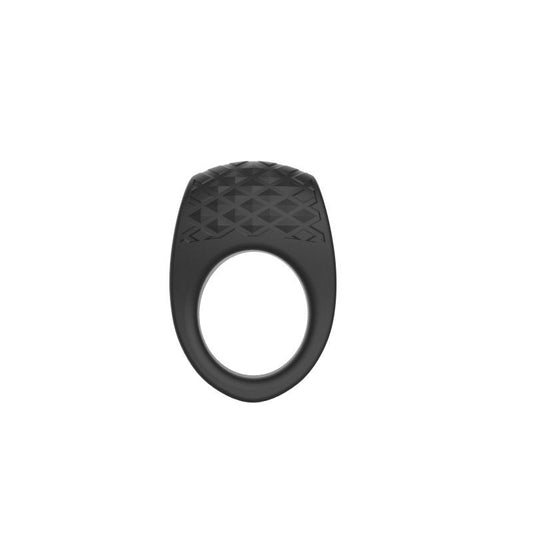
Men 10 Mode Vibrating Cock Ring by Ashella
- Black
The Ashella Men Vibrating Cock Ring is a silicone erection ring featuring 10 vibration modes across 3 speed settings. Measuring 45.5 x 66.7 x 29.4mm with rechargeable USB power lasting one hour per charge, it delivers customizable stimulation for solo or partnered play. The...
- $34.99
$39.99- $34.99
- Unit price
- per
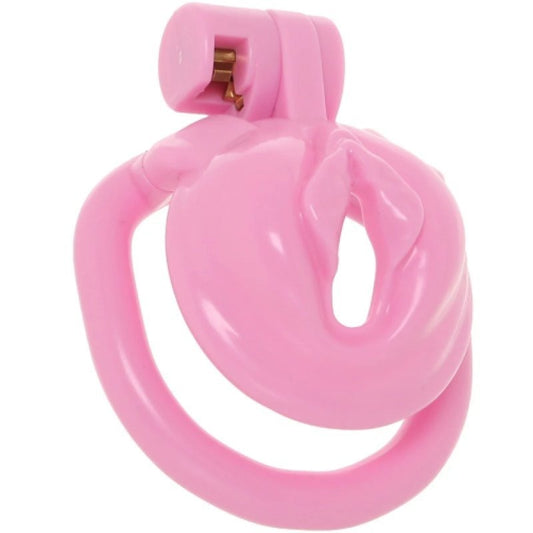
Bitchboy Degrading Mini Chastity Cage by Electric EEL Inc
- Pink
Bitchboy Degrading Mini Chastity Cage by Electric EEL Inc is a compact chastity cage featuring a pussy-shaped design with 1-inch insertable length. Constructed from lightweight, smooth material, it measures 3.23 x 2.68 x 1.3 inches and delivers open-design breathability. The cage combines visual humiliation...
- $129.99
$139.99- $129.99
- Unit price
- per
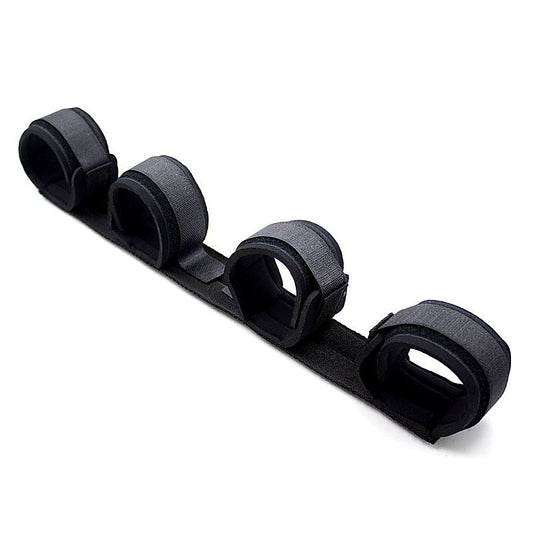

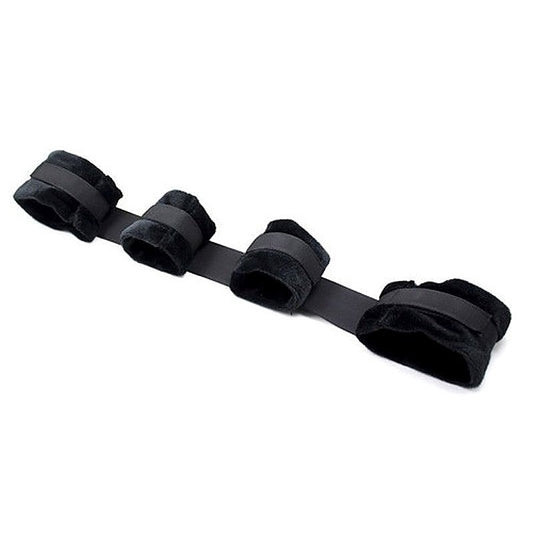

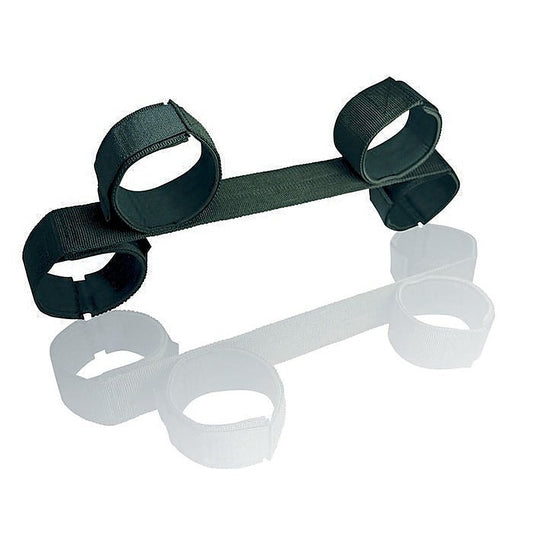

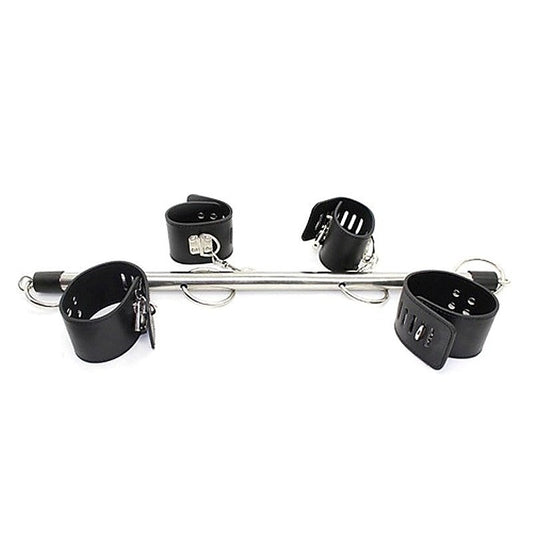

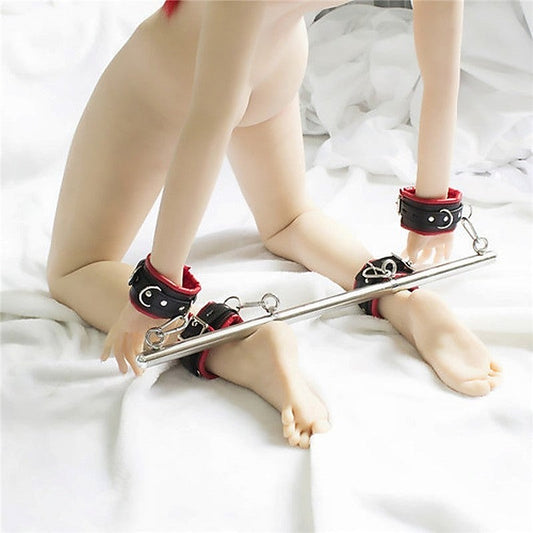





Spreader bondage bars are rigid metal or steel rods with cuff attachment points at each end that hold limbs apart at a fixed distance. They force legs, arms, or both into a set position, creating genuine immobilisation through mechanical separation rather than restraint alone.
At a glance
|
🚚 Plain, discreet packaging • 🔒 Discreet billing • 🔁 Hygiene-conscious returns |
About Spreader Bondage Bars
Spreader bondage bars transform voluntary positioning into forced positioning—the difference between asking someone to hold their legs apart versus making it physically impossible to close them. The rigid construction means no amount of struggling changes position, creating genuine helplessness fundamentally different from rope or soft cuffs that allow some movement. Spreader Bars come in several core types: ankle spreaders, wrist spreaders, and full-body spreaders that hold both limbs apart simultaneously.
Most bars are made from steel or stainless steel for durability and weight, though adjustable models may use lighter aluminium or PVC. Cuffs attach at each end—either padded leather, neoprene, or metal. They're designed for intermediate to advanced bondage practitioners who want to move beyond basic restraints into scenarios requiring absolute position control, extended scenes without fatigue from manual holding, or specific access needs during penetration, oral play, or impact activities.
What makes Spreader Bondage Bars different
Unlike rope, soft cuffs, or Bondage Whips, spreader bars offer mechanical certainty—there is no negotiation, no position drift, and no need for verbal reminders to stay in place. They eliminate the dominant's constant position correction and the submissive's effort to hold a difficult posture. The visible, substantial hardware reinforces power dynamics clearly. A bar dictates limb placement with absolute rigidity; cooperation is no longer required.
Types of Spreader Bondage Bars
Ankle spreaders. These hold the legs apart at a fixed distance, creating vulnerability and preventing defensive leg closure during vulnerable activities. They range from short bars (30–45 cm) for light bondage to longer bars (60–90 cm) that create more extreme separation and walking difficulty.
Wrist spreaders. These force torso exposure and eliminate protective arm crossing. Shorter bars hold wrists at shoulder width; longer bars pull arms wide apart and open the chest and abdomen to sensation, impact, or access. Bondage Tape can be wrapped around the bar or used to secure cuffs in place for added stability.
Adjustable spreaders. These bars feature sliding cuffs or telescoping rods, allowing length adjustment to suit different body sizes and scene requirements. They cost more but accommodate a wider range of users and offer flexibility across multiple scenes.
Full-body or multi-point spreaders. These rigid frames hold arms and legs apart simultaneously, creating complete immobilisation and maximum vulnerability. They require more space and planning but deliver intense position lock.
How they compare
| Item | Material | Best for | Skill level | Notes |
|---|---|---|---|---|
| Fixed ankle spreader (50 cm) | Steel with padded cuffs | Leg separation, access during sex play | Intermediate | Compact, fits most body types, creates moderate separation |
| Adjustable wrist spreader | Aluminium with neoprene cuffs | Arm restraint, chest exposure, photography | Intermediate to advanced | Lightweight, fits various arm spans, easier to store |
| Extended ankle spreader (80 cm) | Stainless steel with leather cuffs | Extreme leg separation, advanced bondage | Advanced | Heavy, intense separation, requires confident positioning |
| Full-body spreader frame | Steel with multiple attachment points | Complete immobilisation, multi-limb restraint | Advanced | Requires space, delivers maximum control, often freestanding |
How to choose a spreader bondage bar
Start by deciding which limbs you want to restrain. Ankle spreaders create vulnerability and access during sex; wrist spreaders open the torso and arms. Think about the separation distance you need—shorter bars (30–50 cm) suit average frames; taller or larger-framed users need longer bars. Fixed-length bars are cheaper and sturdy; adjustable models cost more but suit multiple users and scenes.
Consider your scene goals. If you want to extend long scenes without fatigue, a spreader bar solves the problem of manually holding difficult positions. If photography or repeated positioning matters, a bar holds exact placement across multiple shots. Bondage Handcuffs and ankle cuffs come separately from most bars, so check whether your bar includes cuffs or requires you to buy them. Choose stainless steel over regular steel if budget allows—it resists rust and lasts longer with minimal care.
Tips from the Adultsmart team
Hard-won pointers from the Adultsmart team, alongside our panel of sexologists, educators, and adult-industry contributors. Meet our experts →
After years of helping customers with spreader bars, the most common mistake we see is buying a bar that's too long for the user's frame. A bar that's too extended creates uncomfortable joint angles and actual injury risk rather than sensation or control. Measure the distance between your ankle bones or wrist bones in a relaxed state, then add 5–10 cm for comfort. If you're unsure, adjustable bars are worth the extra cost.
Second: always attach the bar to the person before tightening cuffs fully, and never leave someone restrained alone. Test your quick-release method—whether that's a key, a safety shear, or an emergency cutter—before the scene starts. Spreader bars are rigid and unforgiving; if someone panics or cramps, you need instant release capability. A bar holding limbs apart for more than 20–30 minutes without breaks can cause nerve pinching or circulation issues, especially in the legs.
Third: cuff padding matters more than you'd think. Metal cuffs against bone get painful fast, especially during struggling or extended wear. Padded or neoprene cuffs distribute pressure and let scenes last longer without discomfort turning into injury. If your bar came with thin cuffs, consider upgrading to padded alternatives or wrapping the existing cuffs with soft material. Test the fit before your scene—cuffs should be snug enough that the bar doesn't slip, but loose enough that you can fit a finger underneath.
| Please read — safety first. Charge only with the supplied cable and keep the charging port dry unless the sex toy is waterproof-rated. Pair and update through the official app, and switch the device off fully between sessions so the motor and battery aren't left under load. Never share between partners, or between anal and vaginal use, without cleaning the item first or using a fresh condom. This information is general in nature only and is not medical advice; it does not account for your individual circumstances. If you have a relevant health condition or experience any persistent discomfort, discontinue use and seek advice from a qualified medical professional. |
Care and cleaning
Wipe down your spreader bar with warm soapy water and a soft cloth after each use, especially if body fluids or sweat have contacted it. Dry thoroughly with a clean towel to prevent rust on steel models. Stainless steel resists rust naturally but still benefits from drying. Check cuff padding regularly for tears or wear; replace or rewrap damaged padding. Store in a cool, dry place away from humidity. Periodically check that all attachment points are secure and that cuffs move freely without binding.
Learn more
Bondage and power exchange dynamics run deeper than equipment alone. Committing To Loving A Man Behind Bars explores the emotional and relational layers of restraint play. Understanding consent, communication, and care transforms a spreader bar from a device into a meaningful part of your dynamic.
Why shop Spreader Bondage Bars at Adultsmart
Looking for a piece that actually fits how you play? Adultsmart stocks spreader bondage bars in fixed and adjustable lengths, with cuff options to suit your comfort and control needs. We ship discreetly to anywhere in Australia with unmarked packaging and billing—your privacy is standard. Trusted Australian adult retailer — discreet, knowledgeable, and here to help.
Spreader Bondage Bars FAQ
Do integrated cuffs on spreader bars adjust to fit different ankle or wrist sizes?
Integrated cuffs typically adjust within 2-3 inch range via buckles or Velcro. Users at size extremes may find fit uncomfortable. Measure ankles/wrists before buying—cuffs fitting 8-14 inch circumferences won't work comfortably for 6-inch or 16-inch measurements.
Do spreader bars make noise during movement or remain silent unlike metal restraints?
Metal bars striking against each other, floors, or furniture create noise. Padded versions reduce but don't eliminate sound. During active struggle or position changes, expect metallic clanking. Rubber bumpers at ends quiet impact sounds if discretion matters.
Can spreader bars be used during sex or do they interfere with positioning?
They're designed for sex access—ankle spreaders particularly enable penetration angles impossible with closed or movable legs. Position receivers on backs, stomachs, or kneeling with spreaders maintaining access throughout. Interference depends on specific position and bar length.
Will walking with ankle spreader bars cause falling or just awkward movement?
Bars under 24 inches allow careful shuffling without falling if users move slowly. Bars 28+ inches make walking essentially impossible—expect stationary positioning or crawling only. Practice walking in safe areas before attempting stairs or uneven surfaces.
Do padded spreader bars significantly reduce discomfort compared to bare metal contact?
Padding helps during extended sessions by distributing pressure across wider surface area and preventing cold metal direct contact. However, padding doesn't eliminate discomfort from held positions exceeding flexibility limits. Expect moderate improvement, not transformation.
Can I attach rope or additional restraints to spreader bar attachment points mid-bar?
Only if bars feature mid-length attachment points specifically. Most bars only have end attachments. Adding weight or tension to unintended locations may bend bars or stress welds. Verify attachment point locations and load ratings before creative rigging.
Will cheap spreader bars bend under struggling or maintain rigid positioning reliably?
Budget bars using thin-wall tubing or aluminum may bend under aggressive struggling, especially at longer lengths creating more leverage. Quality steel construction resists bending. For serious use, invest in substantial construction—bent bars are safety hazards and frustratingly ineffective.
Do spreader bars with quick-release mechanisms compromise security during scenes?
Quality quick-releases require deliberate action (pressing buttons while pulling) that struggle won't accidentally trigger. However, they enable faster emergency removal than buckles or locks. Balance security preference against safety—dominants control when to release, making accidental opening unlikely.
Can spreader bars be used for standing positions or primarily for lying/kneeling?
Ankle spreaders work for standing but severely challenge balance—expect wobbly, unstable posture requiring support. Most users find spreaders work better for lying, kneeling, or bent-over positions where balance isn't critical. Standing with spreaders suits photography more than active play.
Will spreader bars with attached collars restrict breathing or primarily control positioning?
Yoke-style spreaders with collar components can restrict breathing if sized wrong or positioned poorly. These require extra caution—ensure collar doesn't press throat and monitor breathing constantly. Standard limb spreaders don't affect breathing directly.
Recently Viewed Products
Example product title
- $19.99
- $19.99
- Unit price
- per
Example product title
- $19.99
- $19.99
- Unit price
- per
Example product title
- $19.99
- $19.99
- Unit price
- per
Example product title
- $19.99
- $19.99
- Unit price
- per
Example product title
- $19.99
- $19.99
- Unit price
- per
Example product title
- $19.99
- $19.99
- Unit price
- per
Example product title
- $19.99
- $19.99
- Unit price
- per
Example product title
- $19.99
- $19.99
- Unit price
- per
Example product title
- $19.99
- $19.99
- Unit price
- per
Example product title
- $19.99
- $19.99
- Unit price
- per
Why Shop With Adultsmart?
- Choosing a selection results in a full page refresh.