



-
Adam & Eve Masturbator LubeEnhance Your Personal Care with Adam & Eve Masturbator Lube Experience superior comfort with Adam & Eve Masturbator Lube, a thoughtfully formulated water-based lubricant designed to enhance your intimate moments. This 4 fl. oz. (118 ml) bottle provides the perfect amount of silky-smooth glide...
- From $15.00
$19.99- From $15.00
- Unit price
- per
-
Adam & Eve MAKE ME CUM - Heighten Sensitivity for Mind-Blowing SatisfactionProduct Description of Adam & Eve MAKE ME CUM Clit Sensitizer Elevate your intimate experiences with the Adam & Eve MAKE ME CUM Clit Sensitizer. This powerful sensitizer is designed to heighten sensations and intensify orgasms, delivering mind-blowing pleasure. Formulated with a unique blend...
- $44.99
$59.99- $44.99
- Unit price
- per
-
Adam & Eve Forbidden Water Based Anal LubeAdam & Eve Forbidden Water Based Anal Lube - Your Essential Companion for Safe, Comfortable Intimacy The Adam & Eve Forbidden Water Based Anal Lube represents the pinnacle of intimate care products, specifically formulated to provide exceptional comfort and safety during anal play. This...
- From $9.99
$14.99- From $9.99
- Unit price
- per
-
Eve's Intimate Tightening Gel - Amplify Sensations for You BothProduct Description of Adam & Eve's Tightening Gel Rediscover passion with Eve's Tightening Gel. This innovative product is designed to provide a natural tightening sensation, enhancing pleasure for you and your partner. Formulated with a blend of carefully selected ingredients, Eve's Tightening Gel offers...
- $17.99
$19.99- $17.99
- Unit price
- per
-
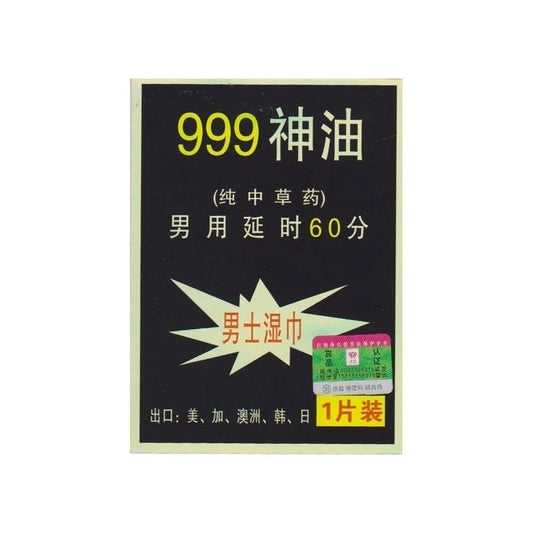
999 Delay Wipes Per UnitExperience Enhanced Control and Confidence The 999 Delay Wipes represent an innovative approach to intimate wellness, offering a sophisticated solution for those seeking to enhance their romantic experiences. These carefully formulated disposable wipes incorporate an advanced desensitizing formula that helps you maintain composure during...
- $1.99
$4.99- $1.99
- Unit price
- per
-
Little Genie's 18 Again! Vaginal Rejuvenation CreamProduct Description of 18 Again! Vaginal Shrink Cream Reclaim your youthful confidence with 18 Again! Vaginal Shrink Cream. This innovative formula works to tighten and rejuvenate the intimate area, helping you feel more vibrant and self-assured. Formulated with natural ingredients, this cream gently restores...
- $24.99
$29.99- $24.99
- Unit price
- per
VISIT XVIDEO FOR ADULT DVDS



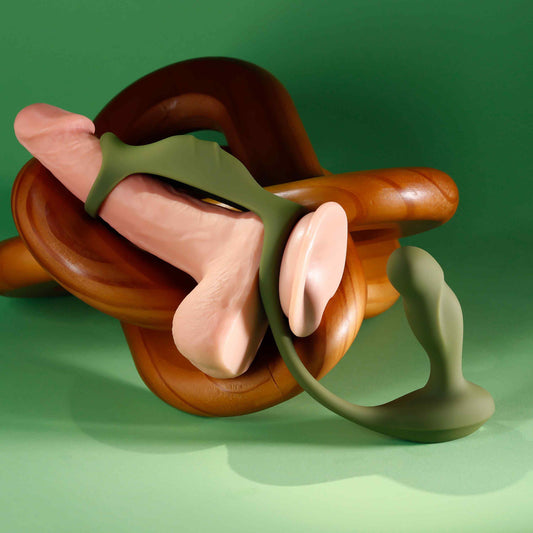
Zero Tolerance PROSTATE POWER PACK Massager With Remote
- Green
Zero Tolerance PROSTATE POWER PACK Massager With Remote is a dual-component prostate stimulator with vibrating plug and ridged C-ring harness. The insertable plug measures 8.3 cm long with 2.8 cm diameter, delivering 10 vibration speeds via 9.8-meter remote control. Liquid silicone construction ensures body-safe...
- $89.99
$99.99- $89.99
- Unit price
- per
LELO LIFEGUARD Originals Male Vibrating Penis Ring
- Pink
LELO LIFEGUARD Originals is a vibrating penis ring crafted from premium silicone, designed for couples' shared stimulation. Measuring 63 x 48 x 23 mm and weighing 32 grams, it features four standard vibration patterns plus four additional app-unlocked modes. The stretchy, body-safe silicone adapts...
- $74.99
$79.99- $74.99
- Unit price
- per
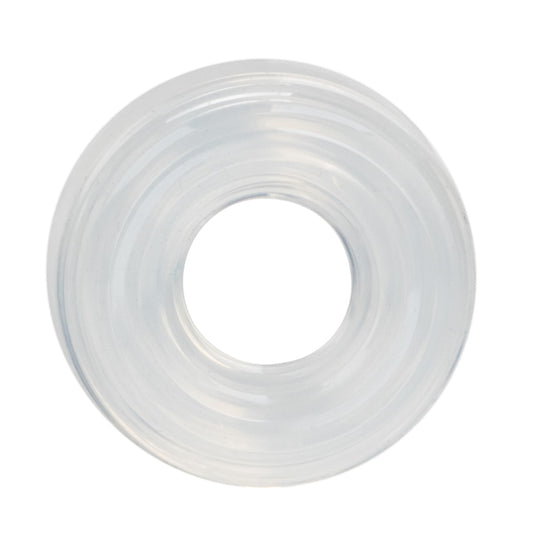
California Exotics Premium Silicone Cock Ring Medium
- Clear
California Exotics Premium Silicone Cock Ring Medium is a seamless silicone erection ring with a 0.75-inch diameter designed for girth enhancement and endurance support. Made from phthalate-free premium silicone, it delivers comfortable compression without restricting circulation. The thick, durable construction maintains shape through repeated...
- $9.99
$14.99- $9.99
- Unit price
- per




Sex Lubricants FAQ
1. What is the difference between lubricants and lotions?
Lubricants and lotions serve different purposes, though both enhance comfort and pleasure. Lubricants are specifically designed to reduce friction during sexual activity, penetration, or masturbation, and are typically long-lasting, body-safe, and compatible with toys or condoms. Lotions, on the other hand, are moisturizers designed to hydrate and soften the skin, often used for massage, aftercare, or daily body hydration. While some lotions may be suitable for sensual massage, they are usually not ideal for internal use and can cause irritation if used as a substitute for lube.
10. How should I store lubricants and lotions for longevity?
Store lubricants and lotions in a cool, dry place, away from direct sunlight and extreme temperatures, as heat and light can break down ingredients and shorten shelf life. Keep containers tightly sealed to prevent contamination. Most lubes have a shelf life of 1-3 years, but if a product changes color, develops an unusual smell, or separates, it's best to discard it. Always check expiration dates for safety and effectiveness.
2. What are the different types of lubricants, and how do they compare?
There are three main types of lubricants: water-based, silicone-based, and oil-based. Water-based lubes are the most versatile, safe for condoms and sex toys, easy to clean, and ideal for all types of play. Silicone-based lubes are ultra-slick, long-lasting, waterproof, and perfect for anal sex or shower play, but they should not be used with silicone toys. Oil-based lubes (like coconut oil) offer a natural, nourishing feel but can degrade latex condoms and are harder to wash off. Choosing the right lubricant depends on your activities and material compatibility.
3. Can I use lotion as a lubricant?
Lotions are generally not recommended as a substitute for lubricants, especially for vaginal or anal penetration. Many lotions contain fragrances, alcohol, or other chemicals that can cause irritation, infections, or disrupt natural pH levels. However, some natural, unscented, and paraben-free lotions may be safe for external use during masturbation. If you're looking for a lube alternative, a water-based or silicone-based lubricant is always a safer and more effective choice.
4. What lubricant is best for sensitive skin?
For sensitive skin, choose hypoallergenic, glycerin-free, and paraben-free lubricants. Water-based lubes with aloe vera or organic ingredients are gentle and less likely to cause irritation. Silicone-based lubes can also be a great option as they contain fewer additives and don’t absorb into the skin, reducing irritation risks. Avoid lubricants with fragrances, warming agents, or artificial dyes, as these can cause discomfort or allergic reactions. Always do a patch test before use if you have a history of sensitivity.
5. Are all lubricants safe to use with condoms and sex toys?
No, not all lubricants are condom or toy-safe. Water-based lubricants are the safest choice as they are compatible with latex condoms and all sex toy materials. Silicone-based lubes should never be used with silicone toys, as they can degrade the material over time. Oil-based lubes (such as coconut oil, petroleum jelly, or baby oil) break down latex condoms, increasing the risk of breakage and STI transmission. Always check the label to ensure compatibility with your toys and protection methods.
6. What are warming and cooling lubricants, and how do they work?
Warming lubricants contain ingredients like capsaicin or glycerol, which create a gentle heating sensation that can enhance arousal and increase blood flow. Cooling lubes, on the other hand, use ingredients like menthol or peppermint oil to provide a tingling, cooling effect that heightens sensitivity. Both types can add excitement to intimate experiences, but individuals with sensitive skin should test a small amount first, as some people may find the sensations too intense or irritating.
7. Can I use coconut oil or other natural oils as lube?
Yes, coconut oil and other natural oils can be used as a lubricant, but they come with pros and cons. Coconut oil is long-lasting, naturally antibacterial, and moisturizing, making it a great choice for solo play or external massage. However, oil-based lubes break down latex condoms, making them unsafe for protected sex. They can also be harder to clean, potentially trapping bacteria and increasing the risk of infections. If you use oil as a lube, choose an organic, unrefined version, and avoid scented or heavily processed oils.
8. What is the best lubricant for anal sex?
The best lubricants for anal sex are thicker, long-lasting, and highly slippery to reduce friction and discomfort. Silicone-based lubricants are the most recommended, as they provide long-lasting glide and don’t dry out quickly. If you prefer water-based lubes, opt for a thicker gel formula designed for anal play. Avoid lubricants with warming agents, numbing ingredients, or desensitizers, as they can mask pain and increase the risk of injury.
9. How do I clean up after using lubricants or lotions?
Water-based lubricants are the easiest to clean, as they rinse off with water and don’t leave residue. Silicone-based lubes require soap and warm water for removal, as they don’t dissolve easily. Oil-based lubricants and lotions may need a combination of soap and warm water to break down their residue. If using lubes with sex toys, clean the toys thoroughly with toy cleaner or mild soap to prevent bacterial buildup.
Recently Viewed Products
Example product title
- $19.99
- $19.99
- Unit price
- per
Example product title
- $19.99
- $19.99
- Unit price
- per
Example product title
- $19.99
- $19.99
- Unit price
- per
Example product title
- $19.99
- $19.99
- Unit price
- per
Example product title
- $19.99
- $19.99
- Unit price
- per
Example product title
- $19.99
- $19.99
- Unit price
- per
Example product title
- $19.99
- $19.99
- Unit price
- per
Example product title
- $19.99
- $19.99
- Unit price
- per
Example product title
- $19.99
- $19.99
- Unit price
- per
Example product title
- $19.99
- $19.99
- Unit price
- per
Why Shop With Adultsmart?
- Choosing a selection results in a full page refresh.