




-
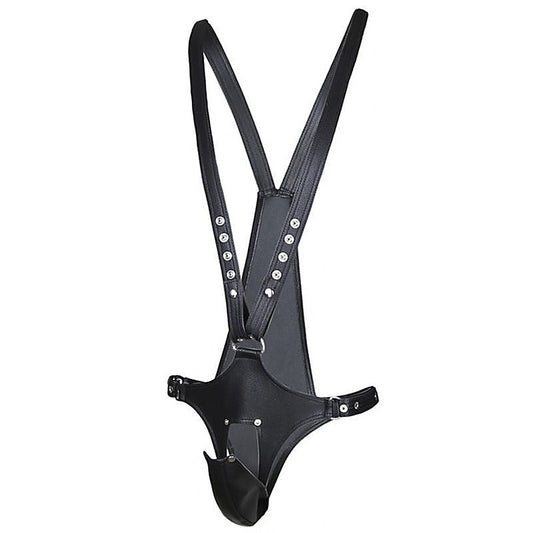
BDSM Open Cock Harness His Fetish by BDStyleThe BDStyle BDSM Open Cock Harness is a professional-grade faux leather harness designed for BDSM scenarios. Featuring five reinforced D-rings for accessory attachment and press-button adjustability from 109-123 cm waist, it accommodates heights of 160-178 cm and weights between 60-90 kg. The open design...
- $29.99
$39.99- $29.99
- Unit price
- per
-
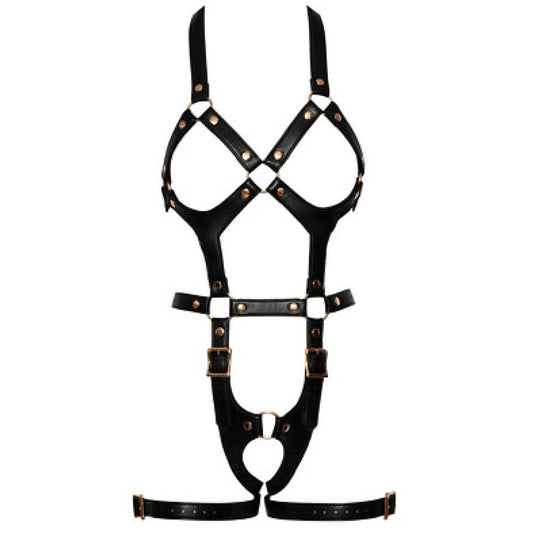
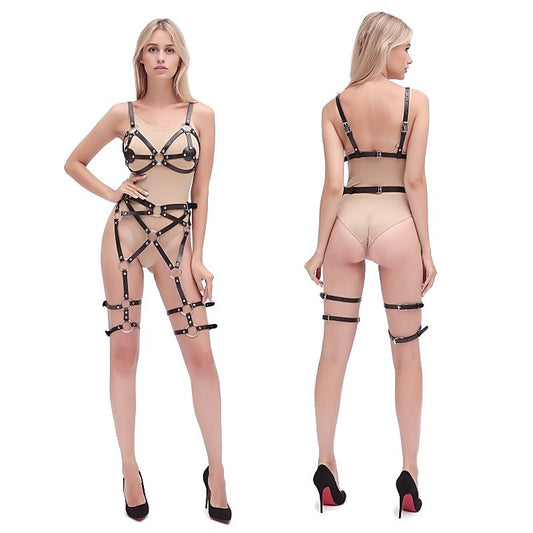
Bad Kitty Crotchless Open Cup Body Harness by OrionBad Kitty Crotchless Open Cup Body Harness by Orion is a vegan leather halterneck harness with open cups and crotchless design. Featuring rose-gold metal buckle fasteners and adjustable thigh straps, it measures approximately 55–80 cm in circumference with flexible sizing. The soft imitation leather...
- $109.99
$119.99- $109.99
- Unit price
- per
-
Glow in the Dark Full Body Harness by Shots ToysShots Toys Glow in the Dark Full Body Harness is a phosphorescent PU leather bondage harness designed for full-body restraint and visual impact. Measuring 8.86" x 6.5" x 2.76" when packaged, it features adjustable straps that fit multiple body types and glows bright fluorescent...
- $109.99
$114.99- $109.99
- Unit price
- per
-
Rebellion Reign Adjustable Dildo Saddle by LovetoyLovetoy Rebellion Reign Adjustable Dildo Saddle is a hands-free mounting system designed for furniture or pillow attachment. The 12-inch PU saddle features an adjustable 1.7-inch O-ring secured by snap buttons and zipper, with straps extending 17 to 42.5 inches. It accommodates multiple dildo sizes...
- $109.99
$119.99- $109.99
- Unit price
- per
-
Brown PU Leather Vintage Armor Bondage RestraintsBDStyle Unisex Brown PU Leather Vintage Armor is a faux leather costume piece designed for fantasy roleplay, steampunk conventions, and Renaissance faires. Measuring approximately 85-115 cm across the chest with adjustable straps, it features stitched detailing and lightweight PU construction that maintains authentic aged...
- $64.99
$69.99- $64.99
- Unit price
- per
-
Chest Harness Punk Costume Straps with O-Rings by BDStyleBDStyle Chest Harness Punk Costume Straps with O-Rings is a multi-strap bondage harness designed for punk aesthetic and functional accessory attachment. Measuring approximately 85–115 cm across the chest with adjustable faux leather and PVC construction, it features prominent welded metal O-rings positioned at key...
- $34.99
$39.99- $34.99
- Unit price
- per
-
Female Half Armbinder BDSM Restraint by BDStyle - BlackBDStyle Female Half Armbinder is a faux leather upper arm restraint designed for intermediate bondage play. Measuring 24-34 cm arm circumference and 76-96 cm torso accommodation, it restricts shoulder mobility while maintaining elbow flexibility. The adjustable strap system distributes pressure across soft faux leather...
- $54.99
$59.99- $54.99
- Unit price
- per
-
Tie In Wrist Muff Cuffs Bondage Restraint by BDStyleBDStyle Tie In Wrist Muff Cuffs are adjustable bondage restraints designed for wrist restraint during intimate play. Constructed from soft faux leather, they accommodate wrist circumferences from 14-20 cm with reinforced tie-in attachment points. The quick-release mechanism enables immediate removal for safety, while the...
- $54.99
$59.99- $54.99
- Unit price
- per
-
PU Leather Half Body Bondage Brace by Berlin BabyBerlin Baby PU Leather Half Body Bondage Brace is a premium half-body harness designed for BDSM restraint and power exchange play. Constructed from advanced PU leather with a luxurious velveteen lining, it spans the chest and shoulders with multiple buckle closures for secure, adjustable...
- $29.99
$34.99- $29.99
- Unit price
- per
-
Womens Leather Bralette Brace by Love In LeatherLove In Leather Women's Leather Bralette Brace is a delicate leather harness designed for feminine curves with ½″ Italian leather straps. Available in S/M and L/XL sizes, it features geometric strap patterns that create visual definition while maintaining ethereal bralette aesthetics. The piece suits...
- $229.99
$239.99- $229.99
- Unit price
- per
-
Womens Leather Collar To Waist Brace by Love In LeatherLove In Leather Women's Leather Collar to Waist Brace is a structured Italian leather harness designed for feminine authority and controlled elegance. Measuring ¾″ strap width with collar-to-waist coverage, it comes in S/M and L/XL sizes to accommodate diverse body proportions. Australian handcrafted construction...
- $59.99
$69.99- $59.99
- Unit price
- per
-
Double Shoulder Male Bulldog Brace by Love In LeatherLove In Leather Double Shoulder Male Bulldog Brace is a premium Italian leather harness designed for dominant aesthetic and commanding upper body presence. Featuring double shoulder architecture with unlined construction, it spans the chest and shoulders with substantial weight distribution. Australian handcrafted from authentic...
- $229.99
$239.99- $229.99
- Unit price
- per
-
Mens Unlined Half Body Leather Brace by Love In LeatherLove In Leather Mens Unlined Half Body Leather Brace is a premium Italian leather harness designed for masculine chest and shoulder emphasis. Measuring 1¼″ strap width with unlined construction, it develops personalized patina through regular wear and skin contact. This Australian-handcrafted piece suits people...
- $184.99
$214.99- $184.99
- Unit price
- per
-
Bulldog Harness by XR Brands - BlueMaster Series Bulldog Fully Adjustable Harness Restraints is a vegan leather chest harness designed for puppy play and bondage scenarios. Accommodating chest measurements from 40.5 to 52.75 inches, it features dual D-ring attachment points, reinforced stitching, and nickel-free hardware. The adjustable buckle system suits...
- $99.99
$124.99- $99.99
- Unit price
- per
-
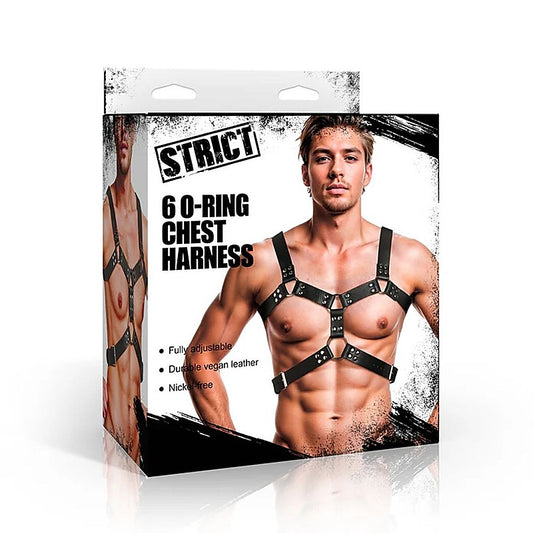
6 O-Ring Chest Harness by XR Brands - BlackThe Strict 6 O-Ring BDSM Play Adjustable Chest Harness is a vegan leather chest harness designed for power exchange play. Featuring six industrial-strength O-rings positioned across the chest, it adjusts from 44.5 to 49 inches chest circumference and 31.5 to 45.25 inches at the...
- $79.99
$94.99- $79.99
- Unit price
- per
-
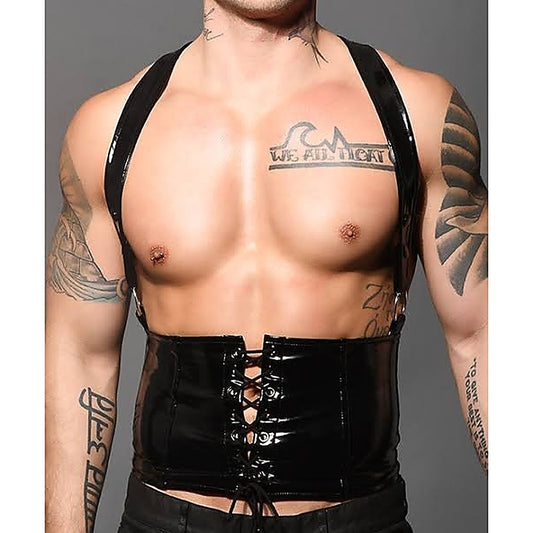
Men's Corset Harness Black by Andrew ChristianAndrew Christian Men's Corset Harness Black is a statement harness designed for bold self-expression. Featuring a precision-engineered corset-style cut with customizable tie-up detailing, this form-fitting harness accentuates the male physique while delivering versatile styling across clubwear and intimate settings. The reinforced construction maintains structural...
- $59.99
$69.99- $59.99
- Unit price
- per
-
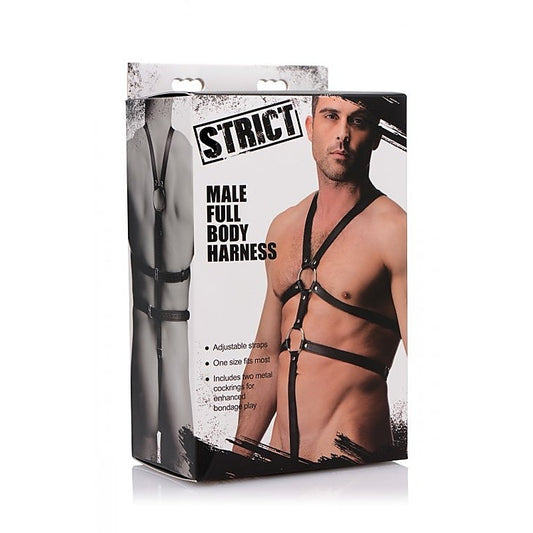
Male Full Body Harness by XR BrandsStrict Male Full Body Bondage Play Harness is a premium adjustable PU leather harness system designed for full-body bondage positioning. With chest capacity up to 54 inches and waist adjustment to 41 inches, it features reinforced metal rings and a three-point adjustment system for...
- $64.99
$74.99- $64.99
- Unit price
- per
-
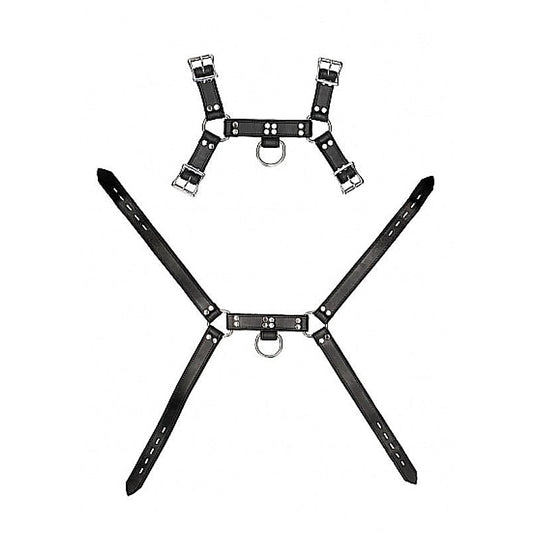
Full Body Leather Harness Belt Bondage RestraintsBDStyle Full Body Leather Harness Belt is a faux leather body harness featuring adjustable waist and thigh straps for customized fit. The suspender belt design measures approximately 60–100cm adjustable waist with strategic strap placement creating flattering body lines. Constructed from smooth leatherette material with...
- $44.99
$49.99- $44.99
- Unit price
- per
-
Pain Leather Male Chest Harness by Shots ToysPain Leather Male Chest Harness by Shots Toys is a premium leather BDSM harness designed for aesthetic impact and secure attachment functionality. Featuring high-grade leather construction with reinforced stitching and metal O-rings, it accommodates various body types through fully adjustable straps. The strategic hardware...
- $169.99
$189.99- $169.99
- Unit price
- per
-
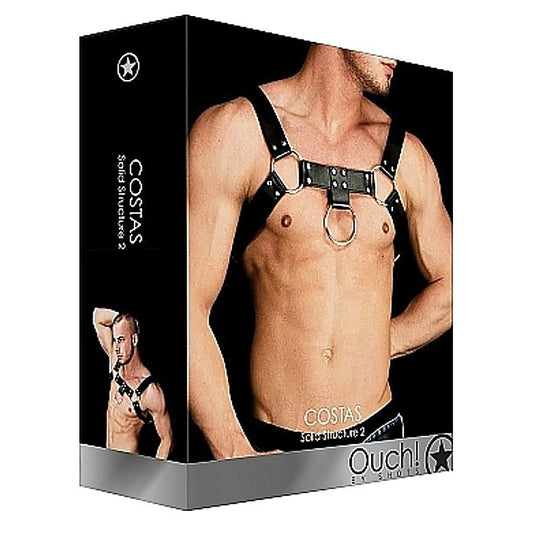
Ouch! Costas Solid Structure 2 Men RestraintsOuch! Costas Solid Structure 2 Men Restraints is a bonded leather chest harness designed for secure restraint play. Measuring 12 inches long and 6 inches wide, it features adjustable O-rings for customizable fit across different body types. The harness delivers reliable support during intimate...
- $62.99
$69.99- $62.99
- Unit price
- per
-
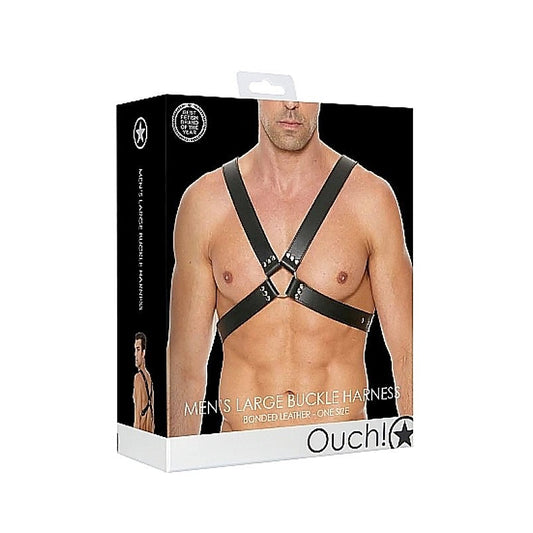
Adjustable Leather Harness for Men by Shots ToysShots Toys Men Large Buckle Harness Black is a bonded leather bondage harness featuring adjustable stainless steel buckles for customizable fit. Measuring 6 inches wide with multiple buckle points, it accommodates various body types and allows configuration experimentation. Designed for those seeking control and...
- $84.99
$94.99- $84.99
- Unit price
- per
-
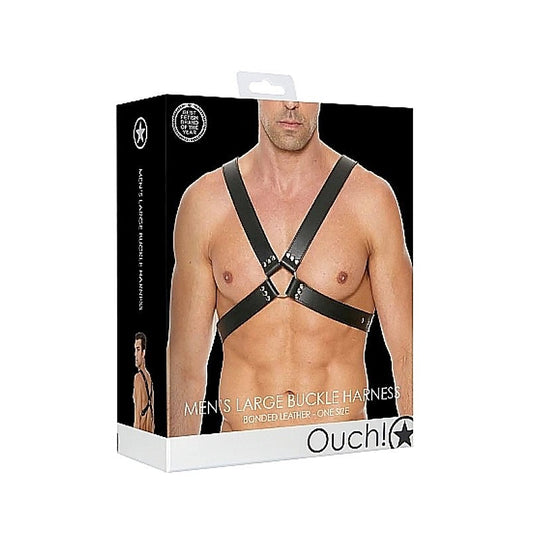
Mens Large Buckle Harness One Size Black by Shots ToysShots Toys Men's Large Buckle Harness is a full-body restraint system crafted from bonded leather with stainless steel hardware. Featuring four adjustable buckles, it accommodates shoulder straps from 35–49 cm and chest straps from 101–115 cm, with dual O-rings for accessory attachment. Designed for...
- $74.99
$94.99- $74.99
- Unit price
- per
-
Colt Camo Bondage Play Chest Harness by California ExoticsColt Camo Bondage Play Chest Harness is a military-grade restraint harness featuring camouflage fabric construction with corrosion-resistant metal O-rings and adjustable straps. The X-pattern design distributes weight evenly across the chest and fits various body sizes with reinforced stitching. It includes multiple attachment points...
- $149.99
$154.99- $149.99
- Unit price
- per
-
Chain and Chain Harness Black by Shots ToysShots Toys Chain and Chain Harness is a bonded faux leather harness with stainless steel chains, featuring adjustable chest strap (86-108cm) and shoulder straps (53-64cm). The reversible design includes front and back O-ring attachment points for accessory compatibility. Suited for people seeking bold statement...
- $85.99
$94.99- $85.99
- Unit price
- per
-
Brace Leather Body Harness Flat Studs by Hell's Couture - BlackBrace Leather Body Harness Flat Studs is a genuine leather BDSM harness featuring flat stud detailing and adjustable straps. Measuring 24 inches in length with a sturdy D-ring attachment point, it accommodates various body types for versatile power exchange play. The Hell's Couture design...
- $119.99
$129.99- $119.99
- Unit price
- per
VISIT XVIDEO FOR ADULT DVDS



Vibrating Double Penetrator with Remote by Passion Play
- Black
Passion Play Double Penetrator with Remote is a dual-chamber vibrator with 21 low-frequency patterns designed for internal male stimulation. Measuring 14.5 cm insertable length and 3 cm width, it delivers steady, deep vibrations via wireless remote control from up to 8 metres away. Made...
- $69.99
$74.99- $69.99
- Unit price
- per
Men 10 Mode Vibrating Rabbit Cock Ring by Ashella
- Black
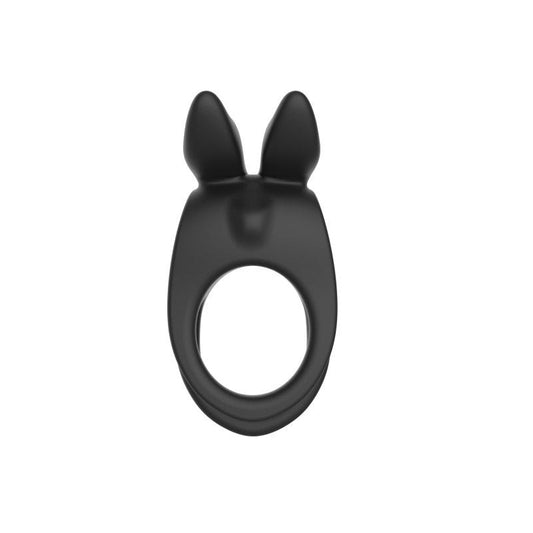
Ashella Men 10 Mode Vibrating Rabbit Cock Ring is a dual-ring vibrator designed for partnered stimulation and performance enhancement. Measuring 45.2 x 91.1 x 43.1mm with 10 vibration modes across 3 speed settings, it combines a supportive shaft and ball ring with external bunny...
- $34.99
$39.99- $34.99
- Unit price
- per
Men 10 Mode Vibrating Sling Ring by Ashella
- Black
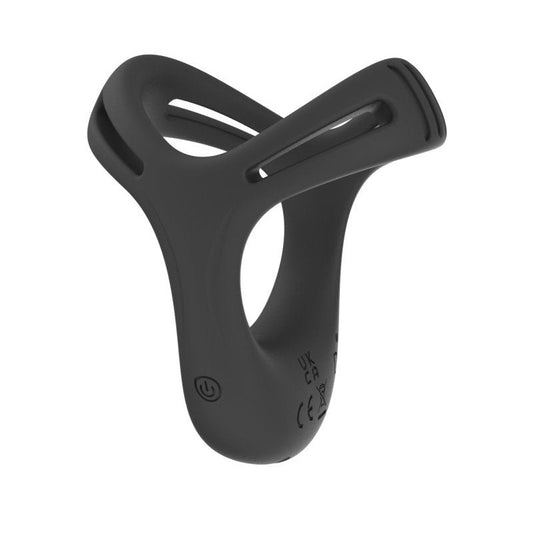
Ashella Men 10 Mode Vibrating Sling Ring is a vibrating cock ring designed for enhanced support and dual-partner stimulation. Featuring 10 vibration modes across 3 speed settings, this silicone ring stretches to secure both shaft and balls for extended performance. At 63 x 55.5...
- $34.99
$39.99- $34.99
- Unit price
- per


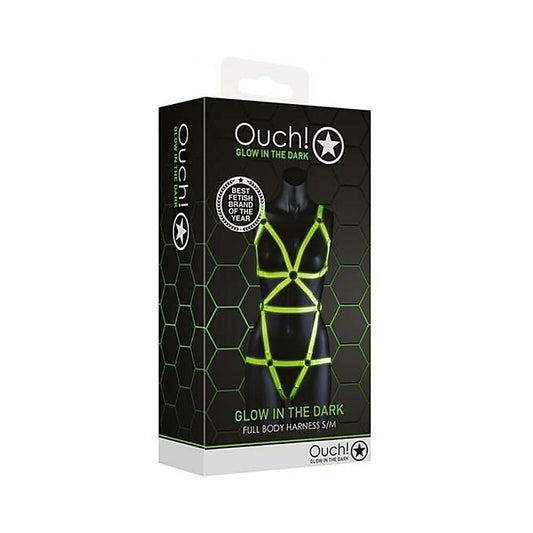

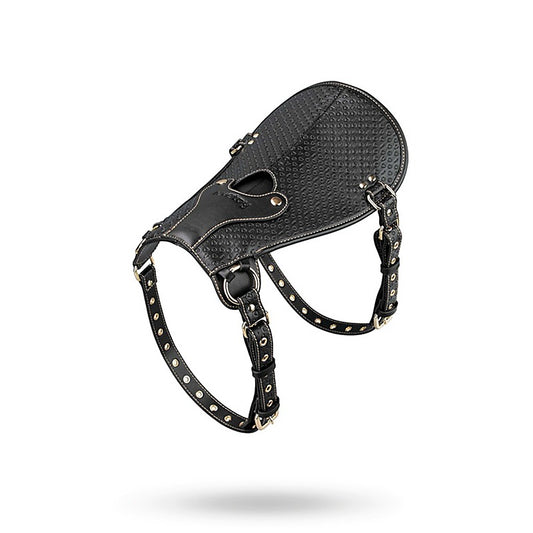

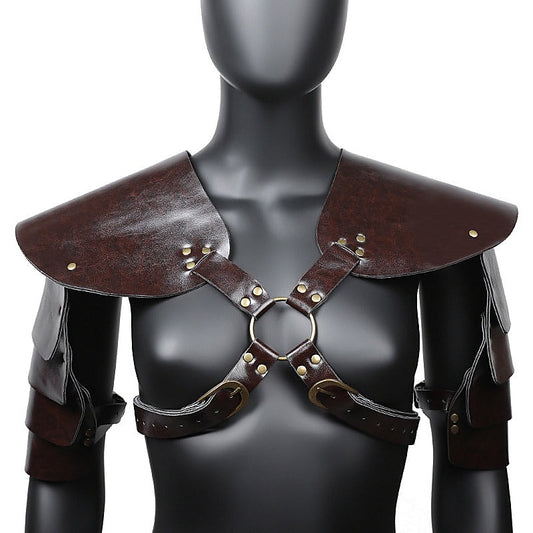

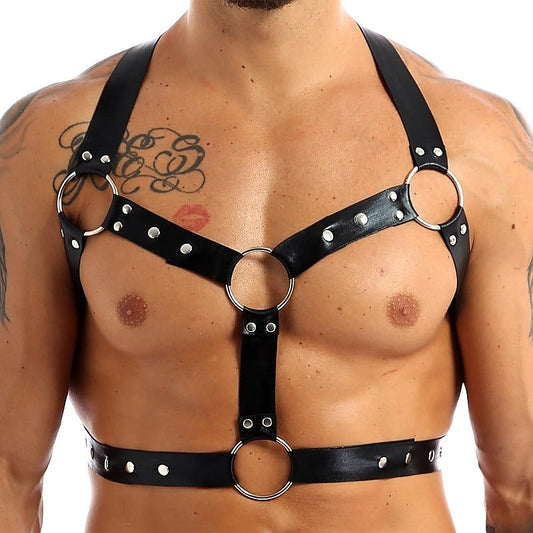

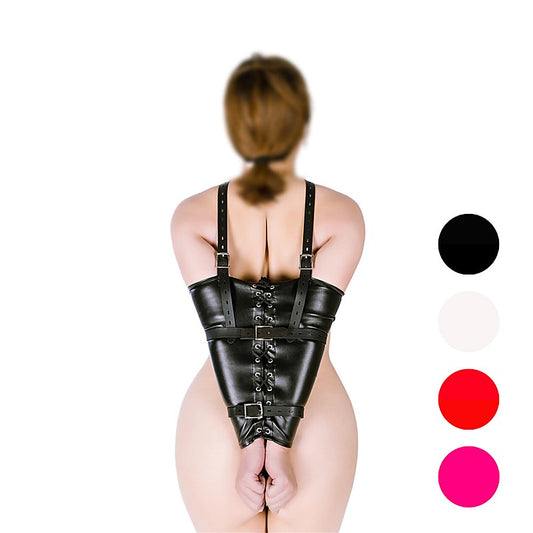

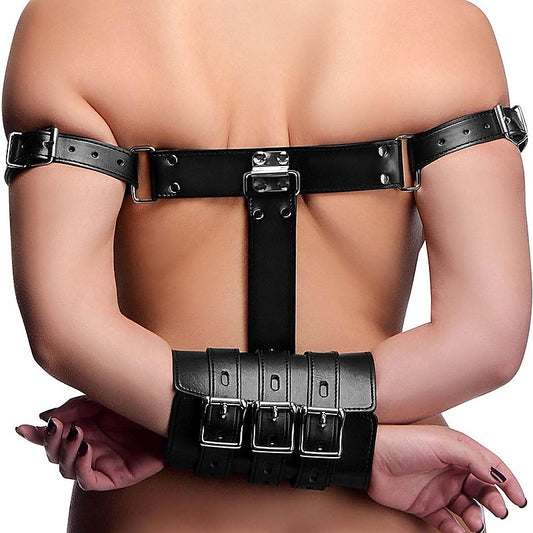


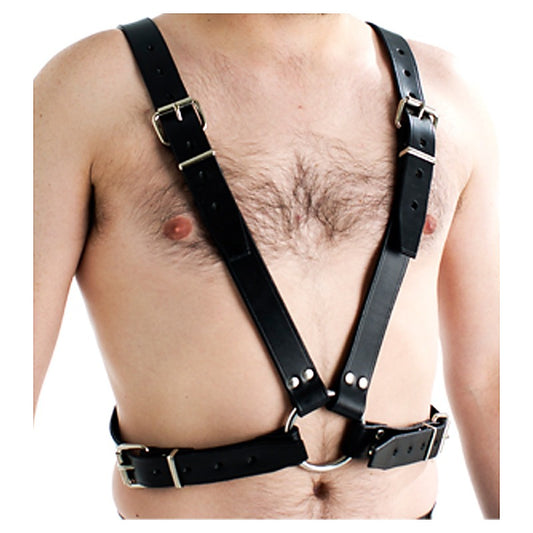

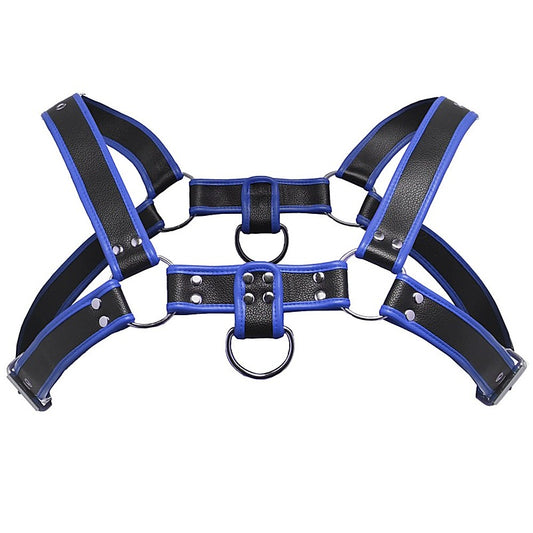









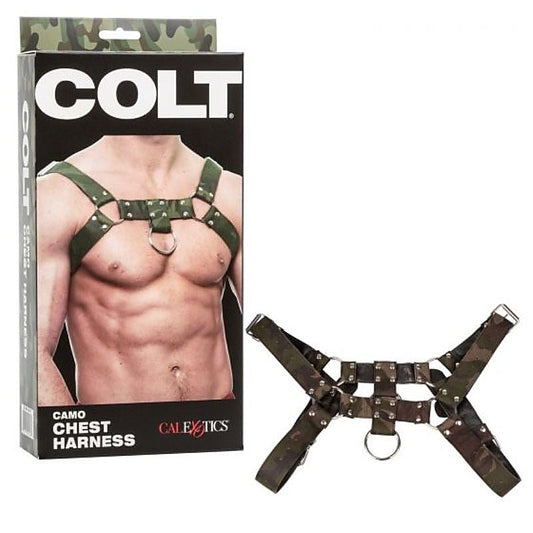

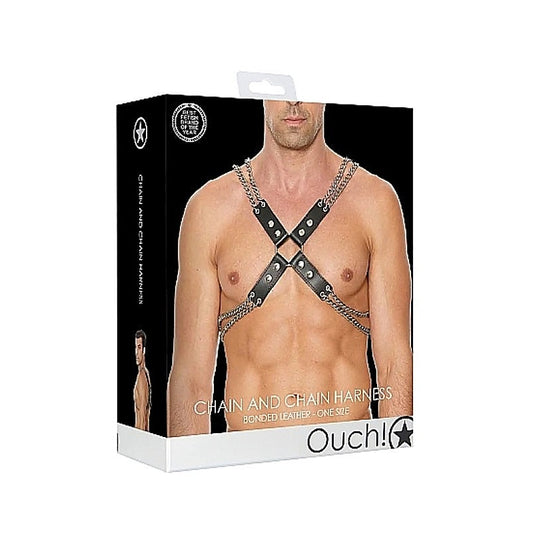


Leather bondage harnesses are wearable restraint systems made from leather straps arranged in geometric patterns across the torso, shoulders, or full body. They range from simple chest harnesses to complex full-body configurations, all featuring D-rings for attaching restraints, leashes, or suspension equipment.
At a glance
|
🚚 Plain, discreet packaging • 🔒 Discreet billing • 🔁 Hygiene-conscious returns |
About Leather Bondage Harnesses
Leather bondage harnesses are functional bondage infrastructure that turn your body into its own attachment point. The leather straps create visual frames highlighting muscle groups and body contours while keeping most skin exposed for sensation play and partner interaction. Strategic strap placement—across the chest, around the waist, along the legs, or in full-body configurations—combines aesthetic display with practical restraint capability. Quality harnesses integrate multiple D-rings positioned for real use: shoulder rings enable overhead pulling or suspension assists, back rings facilitate hogtie positions, and hip rings work for leash attachment or waist restraint.
Submissives wear harnesses because the straps create vulnerability through display while providing literal handles for dominant partners to grab, pull, or attach additional restraints. The exposure combined with being physically harnessed produces psychological submission reinforcement. Dominants occasionally wear harnesses to project authority through leather presence while maintaining mobility. Body-conscious individuals appreciate how strap geometry highlights physique—harnesses essentially draw attention lines across muscle groups. For people exploring public kink, harnesses worn under clothing offer discrete activation of submissive headspace throughout daily activities. The pressure against skin serves as a constant reminder of role without visible external markers. Bondage harnesses pair well with Bondage Handcuffs for complete restraint setups.
What makes Leather Bondage Harnesses different
Unlike furniture-based restraints, harnesses are portable and work anywhere your body goes. They don't require a bed frame, St. Andrew's cross, or suspension rig—the harness itself becomes the anchor point for restraint and control. The leather straps provide constant tactile feedback through pressure against skin during movement or when pulled by a partner, creating sensation that standalone restraints like Bondage Ropes deliver differently. Harnesses also allow minimal-coverage display, making them suitable for public wear under clothing or as standalone scene gear depending on your comfort and setting.
Types of Leather Bondage Harnesses
Leather bondage harnesses come in several functional configurations:
Chest harnesses. Simple strap systems crossing the front and back of the torso with D-rings at the shoulders and chest. These are ideal for beginners, offer quick on-and-off wear, and work well under street clothes.
Full-body harnesses. Complex configurations covering torso, waist, and legs simultaneously with multiple D-rings for suspension, hogtie, and leash options. Full-body harnesses create dramatic visual framing and suit experienced users comfortable with more elaborate gear.
Waist and hip harnesses. Straps cinching the waist and hips with side or back D-rings for leash attachment and restraint. These pair effectively with Bondage Collars for coordinated bondage looks.
Arm and shoulder harnesses. Systems that bind the arms or frame the shoulders and upper back with rings for overhead suspension or partner control. These suit users seeking upper-body restraint without full-body coverage.
How they compare
| Item | Material | Best for | Skill level | Notes |
|---|---|---|---|---|
| Simple chest harness | Genuine leather with metal D-rings | First-time users; discrete public wear | Beginner | Quick to put on; minimal strap adjustment; good starting point |
| Full-body harness | Premium leather with multiple D-rings | Suspension; elaborate scenes; experienced users | Intermediate to advanced | Requires careful threading; dramatic visual impact; higher cost |
| Waist harness with leg straps | Leather with hip and thigh D-rings | Leash attachment; bondage positioning | Beginner to intermediate | Works well with collars; allows leg movement; versatile positioning |
| Arm binder harness | Leather with shoulder and back D-rings | Upper-body restraint; suspension assists | Intermediate | Restricts arm movement; requires safe words; excellent for control play |
How to choose a leather bondage harness
Start by identifying your primary use. Are you seeking discrete public wear under clothes, or standalone scene gear? Do you want simple chest restraint, or full-body suspension capability? Chest and waist harnesses suit beginners and public wear, while full-body and arm binder configurations serve experienced users planning elaborate scenes. Next, measure your chest, waist, and hips accurately—harness fit matters for both comfort and visual symmetry. Straps positioned wrong look awkward and place D-rings at useless angles. Most harnesses use adjustable buckles, so one size often fits multiple frame types, but confirm sizing charts before purchasing.
Consider your partner's role and your scene frequency. If you're exploring submission occasionally, a simple chest harness offers versatility without significant investment. Regular players benefit from multiple harnesses for different scenes—a waist harness for public activation, a full-body system for elaborate bondage, and perhaps arm or shoulder configurations for specific positions. Quality matters: genuine leather ages beautifully and withstands repeated use, while synthetic leather costs less but may not last as long. Think about storage space too; full-body harnesses take more room than chest pieces. Bondage hoods and other gear often coordinate with harness styles, so consider your broader scene aesthetic. Try a harness on before committing if possible—comfort during wear and ease of adjustment affect real-world use significantly.
Tips from the Adultsmart team
Hard-won pointers from the Adultsmart team, alongside our panel of sexologists, educators, and adult-industry contributors. Meet our experts →
After years of helping customers with leather bondage harnesses, we've noticed the most common mistake is underestimating how much strap adjustment matters. People buy a harness, thread it once, and assume it's set. In reality, you'll need to fine-tune every strap for comfort, symmetry, and proper D-ring angles. Uneven tension looks sloppy and makes restraint attachment awkward. Spend time adjusting on your first wear, then write down (or photograph) your final settings so you can replicate them quickly next time.
Sizing down is rarely the answer with harnesses, even if you're between sizes. A harness that's too tight restricts breathing, cuts off circulation, and becomes painful within minutes—it stops being fun fast. Most people do better sizing up slightly and using all adjustable straps to achieve a snug fit. If a harness feels restrictive in the chest or shoulders during your first wear, loosen it immediately. You should always be able to take a full breath and move your arms without tingling or numbness. A proper fit feels secure without feeling suffocating.
Never leave someone restrained in a harness alone, especially during your first few scenes together. Even experienced players can experience circulation issues, panic, or physical discomfort that requires immediate partner attention. Establish a clear safe word beforehand—not "stop" (which can be part of roleplay), but something genuinely out of character like a colour system or a specific word. Check in regularly during wear, and always have safety shears or a sharp knife nearby in case you need to cut straps quickly. A few minutes of preparation prevents hours of regret.
| Please read — safety first. Charge only with the supplied cable and keep the charging port dry unless the sex toy is waterproof-rated. Pair and update through the official app, and switch the device off fully between sessions so the motor and battery aren't left under load. Never share between partners, or between anal and vaginal use, without cleaning the item first or using a fresh condom. This information is general in nature only and is not medical advice; it does not account for your individual circumstances. If you have a relevant health condition or experience any persistent discomfort, discontinue use and seek advice from a qualified medical professional. |
Care and cleaning
Wipe your leather harness clean with a damp cloth after each wear to remove sweat and body oils. Allow it to air-dry completely away from direct heat or sunlight, which can crack leather. Condition genuine leather every few months with leather conditioner to keep it supple and prevent cracking. Store harnesses flat or loosely rolled in a cool, dry place—avoid damp basements or hot attics. If your harness gets wet, dry it slowly at room temperature, never with heat. With regular care, quality leather harnesses last for years.
Learn more
Bondage harnesses are one piece of a larger restraint toolkit. For comprehensive guidance on planning and executing your first scene safely, read about First Bondage Session to understand safe words, consent, and aftercare alongside your gear choices.
Why shop Leather Bondage Harnesses at Adultsmart
Ready to shop with the details sorted? Adultsmart stocks quality leather bondage harnesses in multiple styles and sizes, from beginner chest pieces to advanced full-body configurations. We offer discreet packaging so your order arrives private and unmarked. Trusted Australian adult retailer — discreet, knowledgeable, and here to help.
Leather Bondage Harnesses FAQ
Should harness straps sit flat against skin or is some twisting during wear normal?
Straps should lay completely flat—twisting indicates incorrect threading during application or poor construction quality. Twisted straps dig into skin uncomfortably and look sloppy. Re-thread harness following diagram if twisting occurs; persistent twisting suggests design or sizing problems.
Do chrome-tanned harnesses resist sweat damage better than vegetable-tanned leather pieces?
Chrome-tanned leather handles moisture significantly better—sweat won't stain or stiffen it as readily as vegetable-tanned leather. However, vegetable-tanned develops richer patina and tooling detail. For high-sweat activities or extended wear, chrome-tanned provides better durability. For display pieces or shorter scenes, vegetable-tanned offers aesthetic advantages.
Can I wear leather harnesses directly against bare skin or should I wear undershirts beneath?
Direct skin contact is standard and intended—the leather pressure and sensation against bare skin contributes to psychological experience. Undershirts eliminate sensory feedback and look awkward with exposed strap designs. Condition leather well to soften straps for comfortable skin contact.
Do harnesses with more D-rings automatically provide better restraint functionality?
Not necessarily—D-ring positioning matters more than quantity. Six strategically placed rings (shoulders, back, hips) offer more utility than twelve decorative rings poorly positioned. Evaluate ring locations for your intended use rather than counting total rings as quality metric.
Will adjustable buckle closures eventually wear out leather strap holes with repeated adjustment?
Holes do enlarge slightly after 50-100 adjustments, particularly in thinner leathers. Alternate between adjacent holes periodically to distribute wear. Quality harnesses use reinforced hole edges, but all leather eventually stretches at stress points. Consider this normal wear requiring eventual hole re-punching or strap replacement.
Can leather harnesses be worn under business clothing without visible lines showing through shirts?
Thin (2-3oz) leather straps under fitted dress shirts may show as subtle lines but remain discrete under jackets or looser clothing. Thicker straps (5oz+) create visible ridges through most fabrics. Strategic strap routing beneath shirt seams minimizes visibility but complete concealment requires loose outer layers.
Do O-rings differ functionally from D-rings on leather harnesses or is it purely aesthetic?
O-rings rotate freely within their mounting, allowing attached items to swivel without twisting the harness. D-rings stay fixed directionally. For leash attachment, O-rings provide more natural following movement; for static restraint, D-rings work identically. O-rings cost slightly more due to swivel mechanisms.
Should I size leather harnesses based on clothing size or take specific body measurements?
Always measure specifically—chest circumference at widest point, waist at natural waist, shoulders point-to-point. Harnesses fit 2-4 inches tighter than clothing sizes since they're meant to hug body contours. Clothing sizes vary wildly between brands; body measurements ensure proper harness fit regardless.
Can harness shoulder straps cause neck strain during overhead pulling or suspension-assist scenarios?
Poorly designed harnesses concentrate force at narrow shoulder points, causing discomfort and potential strain. Quality suspension-rated harnesses distribute weight across broader shoulder/chest areas. Never use decorative harnesses for suspension—only pieces explicitly rated for weight-bearing with reinforced construction prevent injury during overhead pulling.
Will frequent harness wear cause permanent indentation marks or skin changes from constant pressure?
Temporary pressure marks fade within 30-60 minutes after removal. Long-term daily wear (8+ hours) over months may cause slight skin texture changes where straps press repeatedly, but no permanent harm occurs. Remove harnesses nightly to allow skin recovery—continuous 24/7 wear risks pressure sores.
Recently Viewed Products
Example product title
- $19.99
- $19.99
- Unit price
- per
Example product title
- $19.99
- $19.99
- Unit price
- per
Example product title
- $19.99
- $19.99
- Unit price
- per
Example product title
- $19.99
- $19.99
- Unit price
- per
Example product title
- $19.99
- $19.99
- Unit price
- per
Example product title
- $19.99
- $19.99
- Unit price
- per
Example product title
- $19.99
- $19.99
- Unit price
- per
Example product title
- $19.99
- $19.99
- Unit price
- per
Example product title
- $19.99
- $19.99
- Unit price
- per
Example product title
- $19.99
- $19.99
- Unit price
- per
Why Shop With Adultsmart?
- Choosing a selection results in a full page refresh.