



-
Airmesh Chastity Cage by Brutus - ClearBrutus Airmesh is a lightweight polyethylene chastity cage designed for extended wear, featuring three ergonomic cock rings in different sizes, a concealed stealth lock system, and an adapter for metal-free plastic locks. The medium cage measures 7 cm length with 3 cm diameter, delivering...
- $79.99
$99.99- $79.99
- Unit price
- per
-
Resin Male Chastity Cock Cage Pink by Love In LeatherLove In Leather Resin Male Chastity Cock Cage Pink is a rigid ABS polymer chastity device designed for male containment and power exchange play. Weighing 55-67g with two cage lengths (45mm and 55mm base options), it accommodates varied restriction preferences. Four shaped rings (38-48mm)...
- $49.99
$59.99- $49.99
- Unit price
- per
-
Resin Male Chastity Cock Cage Clear by Love In LeatherLove In Leather Resin Male Chastity Cock Cage Clear is a transparent ABS polymer chastity device designed for visual containment play. Weighing 55-67g with two cage lengths (short 45mm, long 55mm base), it includes four shaped rings from 38-48mm to fit varied anatomies. The...
- $49.99
$59.99- $49.99
- Unit price
- per
-
Resin Male Chastity Cage Black by Love In LeatherLove In Leather Resin Male Chastity Cage is a beginner-friendly resin chastity cage designed for containment play. Weighing 55-67g with two length options (short: 45mm/89mm, long: 55mm/95mm) and four shaped rings (38-48mm), it delivers lightweight restriction without metal's discomfort. The cylinder lock provides straightforward...
- $49.99
$59.99- $49.99
- Unit price
- per
-
Micro Cock Cage 4 Interchangeable Rings by Love In Leather - BlackLove In Leather Micro Cock Cage is a restrictive chastity device with 40mm internal measurement and four interchangeable rings spanning 37-51mm. The lightweight ABS polymer construction weighs 27-29g, while the tubular cam lock provides tool-free security. Available in black, blue, and pink, it suits...
- $49.99
$59.99- $49.99
- Unit price
- per
-
Micro Cock Cage With Urethral Opening by Love In Leather - BlackLove In Leather Micro Cock Cage with Urethral Opening is a micro chastity device featuring a 22mm internal diameter for extreme restriction. The lightweight ABS polymer construction weighs just 20-22g, and four shaped ring sizes (38-53mm) ensure proper fit. The urethral opening allows urination...
- $49.99
$59.99- $49.99
- Unit price
- per
-
Zinc Alloy Bird Cage Chastity Device by Love In LeatherLove In Leather Bird Cage Chastity Device is a premium zinc alloy male chastity cage designed for experienced practitioners seeking secure, long-term wear. Available in three ring sizes (40mm, 45mm, 50mm) weighing 112–124 grams, it features a professional pin tumbler lock, 4-centimeter internal cage...
- $49.99
$59.99- $49.99
- Unit price
- per
-
Caged Tiger Stainless Steel Chastity Cage by BDStyle - BlackBDStyle Caged Tiger is a surgical-grade stainless steel chastity device designed for extended wear and power exchange dynamics. Measuring 73–112mm with a 40mm cage width and three interchangeable ring sizes (40mm, 45mm, 50mm), it features a ventilated cage design, secure padlock mechanism, and smooth...
- $39.99
$44.99- $39.99
- Unit price
- per
-
The Hannibal Male Chastity Cock Cage by Love In LeatherLove In Leather The Hannibal Male Chastity Cock Cage is a hybrid sheath-and-cage chastity device combining full shaft coverage with strategic head exposure. Constructed from zinc alloy weighing 128–164g across three ring sizes (40mm, 45mm, 50mm), it features a precision-engineered urethral opening and hinged...
- $49.99
$59.99- $49.99
- Unit price
- per
-
The Spider Web Male Cock Cage by Love In LeatherLove In Leather The Spider Web Male Cock Cage is a lightweight zinc alloy chastity device featuring web-pattern construction that weighs just 89–123g depending on ring size. The hinged ring system accommodates three sizing options (40mm, 45mm, 50mm) with precision-engineered 40mm × 45mm openings...
- $49.99
$59.99- $49.99
- Unit price
- per
-
Chrome Male Chastity Cock Cage by Love In LeatherLove In Leather Chrome Male Chastity Cock Cage "The Gates Of Hell" is a solid zinc alloy chastity device engineered for experienced practitioners seeking complete containment. Weighing 212–226 grams with three ring sizes (40mm, 45mm, 50mm), it features precision urethral engineering and a premium...
- $49.99
$59.99- $49.99
- Unit price
- per
-
Moulded Shaft Male Chastity Cage by Love In LeatherLove In Leather Moulded Shaft Male Chastity Cage "The Straitjacket" is a full-sheath chastity device engineered for experienced practitioners seeking complete containment. Weighing 248–262 grams depending on ring size, it features anatomically molded internal contours, precision urethral slits, and an open cock ring system...
- $49.99
$59.99- $49.99
- Unit price
- per
-
Bird Cage Style Male Chastity Device by Love In LeatherLove In Leather Bird Cage Style Male Chastity Device is a zinc alloy chastity cage designed for secure, comfortable long-term wear during power exchange play. Available in three ring sizes (40mm, 45mm, 50mm) with an 11cm cage length, it features integrated padlock security with...
- $49.99
$59.99- $49.99
- Unit price
- per
-
Lock Love Male Chastity Cock Cage by BDStyleBDStyle Lock Love Male Chastity Cock Cage is a metal restraint device designed for power exchange play and delayed gratification. Featuring three interchangeable ball ring sizes (40mm, 45mm, 50mm) and a 7.5cm cage length, it delivers secure confinement with ventilated design for extended wear....
- $62.99
$69.99- $62.99
- Unit price
- per
-
Chastity Cock Cage by XR BrandsMaster Series Stainless Steel Male Chastity Cock Cage is a premium metal chastity device engineered for secure restriction and extended wear comfort. Crafted from chrome-plated stainless steel with internal dimensions of 3 inches length and 1.5 inches diameter, it includes three precision-sized cock rings...
- $274.99
$319.99- $274.99
- Unit price
- per
-
Stainless Steel Chastity Cage With Silicone Urethral PlugMaster Series Stainless Steel Chastity Cage With Silicone Urethral Plug is a comprehensive restriction system designed for experienced practitioners. This medical-grade stainless steel device features a 4-inch cage with integrated 4-inch urethral component, 1.75-inch base ring, and secure hex nut locking mechanism. The silicone...
- $234.99
$269.99- $234.99
- Unit price
- per
-
Jail House Stainless Steel Chastity Cage by XR BrandsMaster Series The Jail House is a stainless steel chastity cage designed for extended control dynamics between partners. At 3.25 inches long with three adjustable base rings (1.5, 1.75, and 2-inch inner diameters), it features medical-grade construction and strategic ventilation for responsible prolonged wear....
- $189.99
$199.99- $189.99
- Unit price
- per
-
Rainbow Male Metal Chastity Cage HTV3 Medium by BDStyleBDStyle Rainbow Male Metal Chastity Cage HTV3 Medium is a medical-grade stainless steel chastity device featuring vacuum metalizing rainbow gold finish. With cage lengths from 60mm to 105mm and internal tube variants spanning 25mm to 60mm, the 40mm medium ring ensures secure positioning. It...
- From $80.99
$89.99- From $80.99
- Unit price
- per
-
Bent Ring Cylindrical Short Male Chastity Lock by BDStyleBDStyle Bent Ring Cylindrical Short Male Chastity Lock is a metal chastity cage featuring a bent ring design with ring sizes from 4.0 cm to 5.5 cm. The cylindrical cage measures 2 cm by 3.5 cm and is constructed from medical-grade metal with a...
- $67.99
$74.99- $67.99
- Unit price
- per
-
Stuck In Chastity Cock Cage With Bent Ring by BDStyleBDStyle Stuck In Chastity Cock Cage With Bent Ring is a premium stainless steel chastity device featuring a 14 mm tapered interior and ergonomic bent ring design. Available in four ring sizes from 40 mm to 55 mm, it weighs 171–176 grams and combines...
- $71.99
$79.99- $71.99
- Unit price
- per
-
Stuck In Stainless Steel Male Chastity Cage by BDStyleBDStyle Stuck In Male Chastity Cage is a stainless steel restraint device designed for extended wear confinement. Constructed from premium 304 stainless steel with mirror-polished finish, it features a 14 mm tapered interior and flower basket design. Available in four ring sizes (40–55 mm)...
- $71.99
$79.99- $71.99
- Unit price
- per
-
Adjustable Ring Stainless Steel Cock Cage by BDStyleBDStyle Gear Adjustable Ring Stainless Steel Cock Cage is a medical-grade stainless steel chastity device featuring a precision-engineered adjustable ring system spanning 42–62.5 mm. The carabiner mechanism enables seamless size adjustment between 1.65–2.48 inches for personalized fit, while the polished silver finish provides durability...
- $67.99
$74.99- $67.99
- Unit price
- per
-
Opening Chastity Cage Bent Ring by BDStyleBDStyle Chastity Opening Cage With Chastity Lock Bent Ring is a stainless steel chastity device designed for extended wear and security. Measuring 6.0 x 3.6 centimeters with four ring sizes (40mm to 55mm), it features medical-grade construction and an ergonomic bent ring that reduces...
- $58.99
$64.99- $58.99
- Unit price
- per
-
Opening Chastity Cage Flat Ring by BDStyleBDStyle Chastity Opening Cage With Chastity Lock Flat Ring is a stainless steel chastity device designed for extended wear and sensory feedback. Measuring 6.0 cm x 3.6 cm with four ring sizes (40mm, 45mm, 50mm, 55mm), it features an innovative bead structure for tactile...
- $58.99
$64.99- $58.99
- Unit price
- per
-
Adjustable Ring and Invisible Vertical Lock Cock CageBDStyle Adjustable Ring and Invisible Vertical Lock Cock Cage is a metal restraint device with a 7.5-centimetre hollow cage and adjustable snap ring system. The ring accommodates sizes from 42 to 62.5 millimetres, with three included ring options measuring 40, 45, and 50 millimetres....
- $107.99
$119.99- $107.99
- Unit price
- per
-
Metal Birdcage Cock Cage by ToyFa - SilverToyFa Metal Silver Metal Birdcage Cock Cage is a premium stainless steel chastity device designed for extended wear and secure restraint. Featuring a 4-centimeter maximum diameter with integrated ventilation ports, it includes three adjustable scrotum rings and a professional-grade locking mechanism with triple keys....
- $69.99
$89.99- $69.99
- Unit price
- per
-
The Tube Stainless Steel Chastity Cage by BDStyleThe Tube Male Chastity Device by BDStyle is a medical-grade stainless steel chastity cage featuring a 45mm hinged ring with adjustable tube length from 60–95mm. The polished steel construction delivers secure containment with integrated ventilation openings, suitable for extended wear and professional-grade control play....
- $34.99
$44.99- $34.99
- Unit price
- per
-
Super Max Steel Male Chastity Cage by BDStyleSuper Max Male Chastity Device by BDStyle is a medical-grade steel confinement cage featuring five sizes with ring options from 42mm to 50mm and 70mm cage length. It includes removable spacers for precise fit customization and integrated ventilation holes for extended wear comfort. The...
- $89.99
$99.99- $89.99
- Unit price
- per
-
The Snake Metal Cock Cage by BDStyleThe Snake Metal Cock Cage by BDStyle is a medical-grade steel chastity device featuring a 70mm cage length with a 37mm internal width and 43mm external width. The base ring offers five sizing options from 38mm to 51mm, accommodating various anatomies. Its ventilation design...
- $89.99
$99.99- $89.99
- Unit price
- per
-
The Cartilage Chastity Cage with Dual Ring by BDStyleThe Cartilage Chastity Device with Dual Ring by BDStyle is a metal restraint cage designed for extended wear power exchange. Featuring 60mm cage length with five graduated ring sizes from 32mm to 50.8mm in standard or spiked variations, it delivers secure positioning through a...
- $44.99
$49.99- $44.99
- Unit price
- per
-
Ridem Tiger Silver Male Chastity Cage by BDStyleRidem Tiger Silver Male Chastity Device by BDStyle is a stainless steel chastity cage featuring a 35mm internal diameter with three external ring sizes (40mm, 45mm, 50mm). Measuring 100mm curved external length and 70mm internal length, it delivers secure containment through an integrated padlock...
- $29.99
$34.99- $29.99
- Unit price
- per
-
Ridem Tiger Black Male Chastity Cage by BDStyleRidem Tiger Black Male Chastity Device by BDStyle is a surgical-steel chastity cage with 100mm curved external length and three ring sizes (40mm, 45mm, 50mm). The open-cage design promotes airflow and cleaning accessibility, while the padlock system with backup keys provides secure containment. It...
- $34.99
$44.99- $34.99
- Unit price
- per
-
Rhombic Bend Male Chastity Cock Cage by BDStyleThe Rhombic Bend Male Chastity Cock Cage is a stainless steel chastity device designed for secure confinement and power exchange dynamics. Featuring medical-grade construction with a distinctive rhombic pattern, it measures one-size-fits-most with an open-ended design for hygiene. The polished finish and smooth edges...
- $67.99
$74.99- $67.99
- Unit price
- per
-
Hoop Cock Cage with Urethral Tube by BDStyleBDStyle Hoop Cock Cage with Urethral Tube is a stainless steel chastity cage designed for advanced intimate control and sensory exploration. Featuring a removable urethral tube with 175 mm insertable length and 8 mm diameter, it offers five adjustable ring sizes from 38.1 mm...
- $58.99
$64.99- $58.99
- Unit price
- per
-
Pisser Steel Chastity Cage 50 mm by BDStylePisser Steel Chastity Cage is a body-safe steel chastity device designed for extended wear control play. Measuring 50mm in cage length with a 175mm flexible urethral component, it offers five cock ring sizes from 38mm to 50mm for customized fit. The integrated urethral system...
- $62.99
$69.99- $62.99
- Unit price
- per
-
Micturate Cock Cage & Urethral Tube by BDStyleMicturate Cock Cage & Urethral Tube is a medical-grade steel chastity device designed for extended wear control play. Featuring a 75mm cage length with adjustable internal widths from 25-33mm and a removable 160mm urethral tube, it accommodates five cock ring sizes from 38.1mm to...
- $58.99
$64.99- $58.99
- Unit price
- per
-
La Color Rounded Male Cock Cuff Chastity Cage by BDStyle - GreenLa Color Rounded Male Cock Cuff Chastity Cage is a silicone chastity device designed for power exchange play and BDSM exploration. Measuring 3 inches in length with adjustable locking mechanism, this lightweight cage delivers secure restraint while maintaining comfort during extended wear. The rounded...
- $39.99
$44.99- $39.99
- Unit price
- per
-
La Color Birdlocker Male Cock Cuff Chastity Cage - ClearLa Color Birdlocker Male Cock Cuff Chastity Cage is a plastic chastity device designed for male denial and control play. Featuring four interchangeable rings ranging from 4.0cm to 5.2cm, it accommodates various anatomies for extended wear. The 7.5cm cage length with strategic ventilation holes...
- $34.99
$44.99- $34.99
- Unit price
- per
-
Jailed Penis Cage & Pisser Plug by BDStyleJailed Penis Cage & Pisser Plug is a chastity device combining a 65mm cage with an integrated 70mm urethral plug, crafted from medical-grade steel. Available in five cock ring sizes from 38mm to 51mm, it features a split-ring design for easy application. The open...
- $67.99
$74.99- $67.99
- Unit price
- per
-
Instituted Cock Cage Penis Plug Large by BDStyleInstituted Cock Cage & Penis Plug Large is a stainless steel chastity device designed for long-term male confinement play. Measuring 120mm cage length with a 40mm internal width and featuring a removable 70mm urethral plug with graduated 5-8mm width, it delivers secure containment with...
- $71.99
$79.99- $71.99
- Unit price
- per
-
Instituted Cock Cage & Penis Plug by BDStyleBDStyle Instituted Cock Cage & Penis Plug is a premium steel chastity device designed for extended wear control. Measuring 90mm in cage length with a 35mm internal width, it includes three interchangeable ring sizes (40mm, 45mm, 50mm) and an integrated 35mm penis plug. The...
- $44.99
$49.99- $44.99
- Unit price
- per
-
Bird Cage Stainless Steel Chastity Device by BDStyleHT Bird Cage Chastity Device is a stainless steel male chastity cage measuring 3.6 inches long with a 1.3-inch diameter. It includes five ball ring sizes ranging from 36mm to 45mm for customized fit, urethral catheter tubes for advanced play, and an open birdcage...
- $71.99
$79.99- $71.99
- Unit price
- per
-
Gold Metal Chastity Cage Device by BDStyle - Dark PinkBDStyle Gold Metal Chastity Cage Device is a steel restraint system designed for extended wear control. Constructed from professional-grade steel with a golden finish, it features three calibrated ring sizes and an open cage design for ventilation. The secure locking mechanism maintains positioning without...
- $54.99
$59.99- $54.99
- Unit price
- per
-
Dual Ringed Cock Trap Male Chastity by BDStyleThe Dual Ringed Cock Trap Male Chastity is a locking urethral chastity device designed for extended power exchange play. Featuring a 95mm curved insertable length, 8mm plug width, and 44mm ring diameter, it delivers dual-ring pressure distribution for sustained wear. The BDStyle device combines...
- $44.99
$49.99- $44.99
- Unit price
- per
-
Double Barrel Silverado Male Chastity Device by BDStyleThe Double Barrel Silverado Male Chastity Device by BDStyle is a premium steel chastity cage designed for extended wear security and comfort. Available in three sizes with inner diameters of 38mm, 45mm, or 49mm and a consistent 9.5cm external length, it features an open-cage...
- $58.99
$64.99- $58.99
- Unit price
- per
-
Cock Cage with Catheter Tube Stainless Steel by BDStyleBDStyle Cock Cage with Catheter Tube is a medical-grade stainless steel restraint device featuring a removable graduated catheter and ventilated cage design. The 5 cm cage length with 3.3 cm interior diameter accommodates five calibrated ring sizes from 3.8 to 5.0 cm for precise...
- From $84.99
$99.99- From $84.99
- Unit price
- per
-
Chain Gang Male Chastity Cage by Hell's CoutureHell's Couture Chain Gang Cock Cage is a stainless steel chastity device designed for power exchange and sensation control during partnered play. Measuring approximately 3 inches in length with an adjustable ring and secure locking mechanism, it delivers focused restraint sensations through cool metal...
- $30.99
$44.99- $30.99
- Unit price
- per
-
Caged Dragon Male Chastity Device SilverCaged Dragon Male Chastity Device Silver is a premium steel restraint featuring an open cage design with three anatomically sized ring options: small (5.5cm outer, 4cm inner), medium (6cm outer, 4.55cm inner), and large (6.5cm outer, 5cm inner). The 11cm external cage length with...
- $29.99
$34.99- $29.99
- Unit price
- per
-
Caged Dragon Male Chastity Device Black 12 cmCaged Dragon Male Chastity Device Black is a premium steel restraint featuring breathable mesh cage construction with three interchangeable ring sizes ranging from 4cm to 5cm inner diameter. The 12cm external length delivers secure containment while the open-head design maintains hygiene. It includes a...
- $34.99
$39.99- $34.99
- Unit price
- per
-
Bullfrog Chastity Cock Cage Long by BDStyleBullfrog Chastity Cock Cage Long is a premium metal chastity device measuring 9.7 cm in length with a 2.8 cm diameter cage. BDStyle crafts it from high-grade metal with three adjustable ring sizes (small 6.4 cm, medium 6.7 cm, large 7.1 cm) and dual...
- $62.99
$69.99- $62.99
- Unit price
- per
VISIT XVIDEO FOR ADULT DVDS



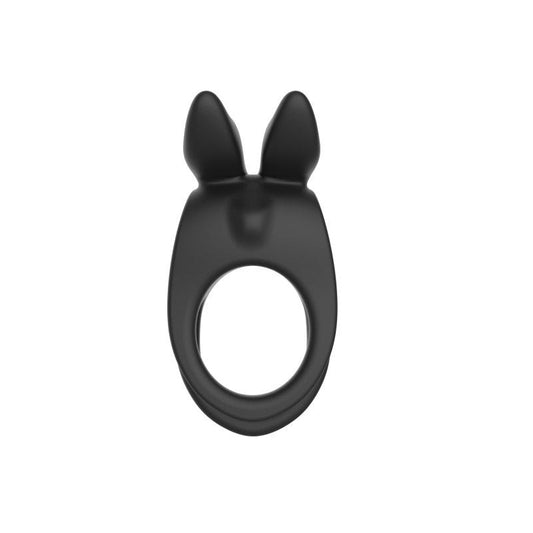
Men 10 Mode Vibrating Rabbit Cock Ring by Ashella
- Black
Ashella Men 10 Mode Vibrating Rabbit Cock Ring is a dual-ring vibrator designed for partnered stimulation and performance enhancement. Measuring 45.2 x 91.1 x 43.1mm with 10 vibration modes across 3 speed settings, it combines a supportive shaft and ball ring with external bunny...
- $34.99
$39.99- $34.99
- Unit price
- per
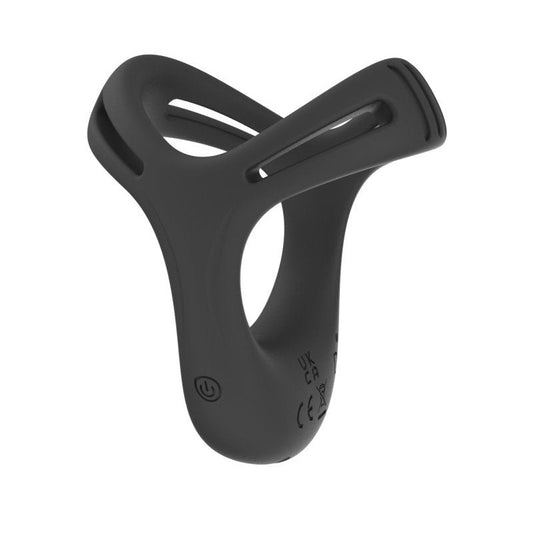
Men 10 Mode Vibrating Sling Ring by Ashella
- Black
Ashella Men 10 Mode Vibrating Sling Ring is a vibrating cock ring designed for enhanced support and dual-partner stimulation. Featuring 10 vibration modes across 3 speed settings, this silicone ring stretches to secure both shaft and balls for extended performance. At 63 x 55.5...
- $34.99
$39.99- $34.99
- Unit price
- per
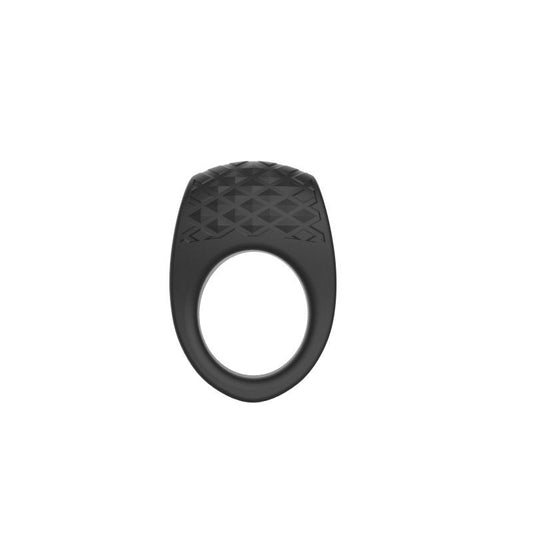
Men 10 Mode Vibrating Cock Ring by Ashella
- Black
The Ashella Men Vibrating Cock Ring is a silicone erection ring featuring 10 vibration modes across 3 speed settings. Measuring 45.5 x 66.7 x 29.4mm with rechargeable USB power lasting one hour per charge, it delivers customizable stimulation for solo or partnered play. The...
- $34.99
$39.99- $34.99
- Unit price
- per
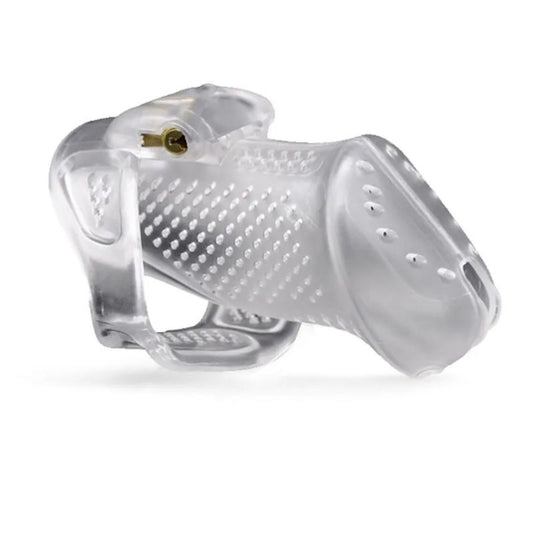

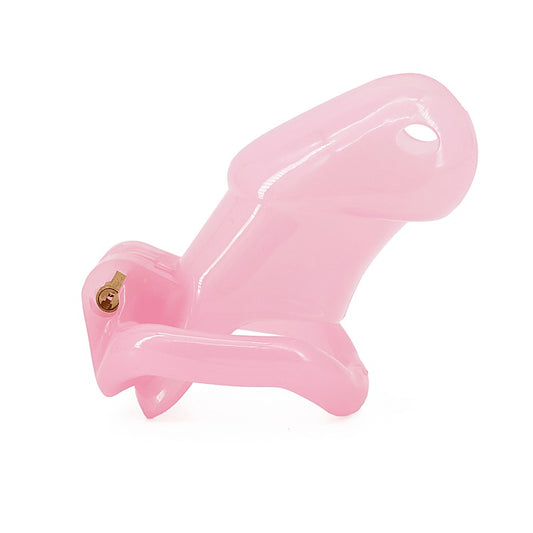

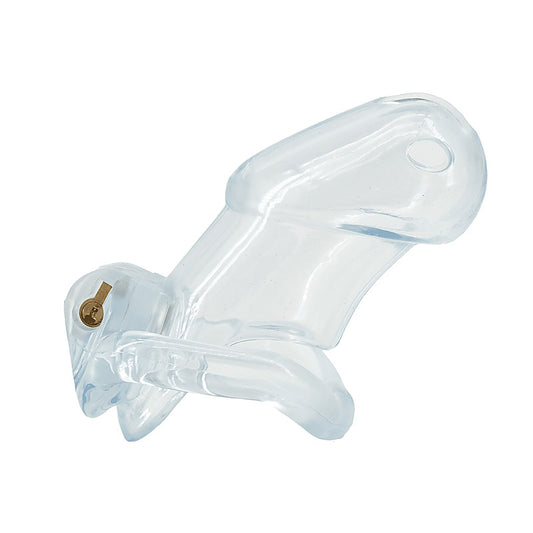

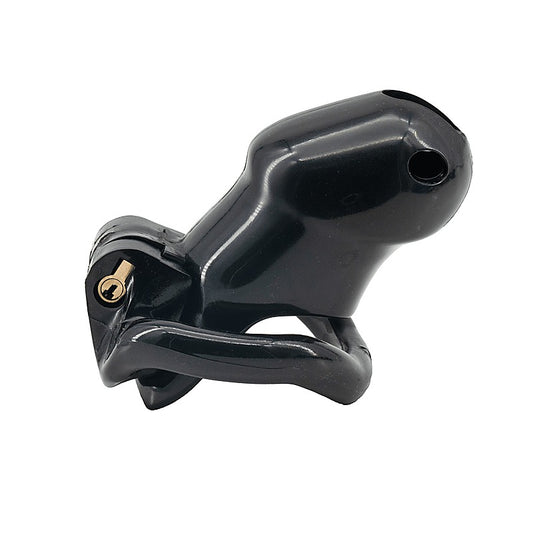

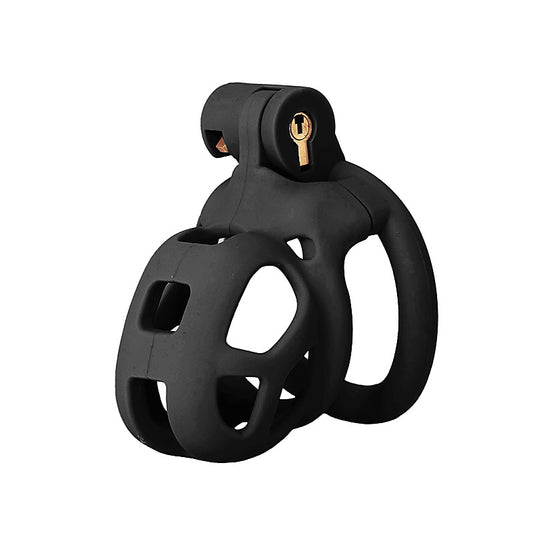

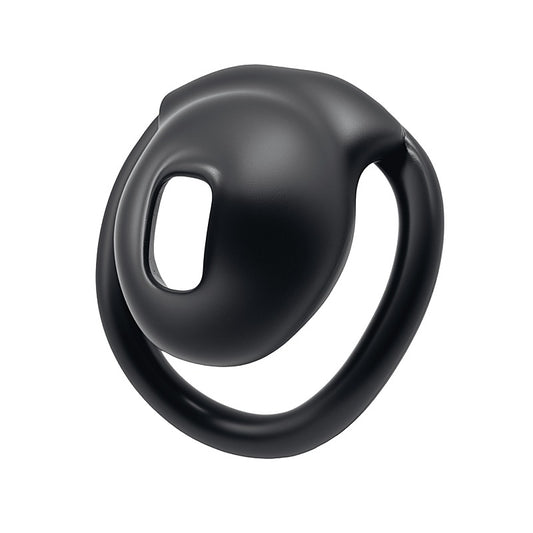


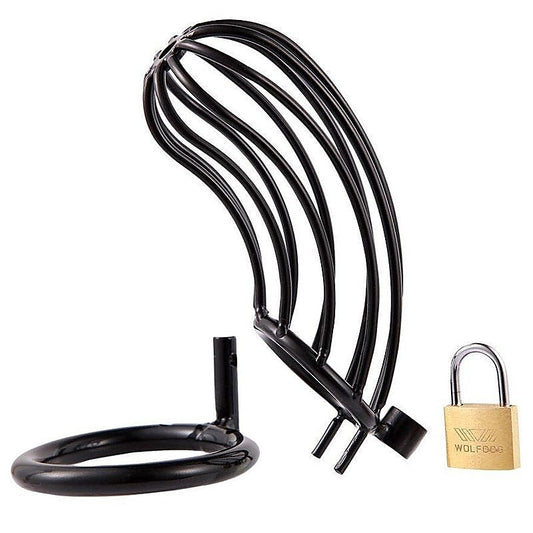

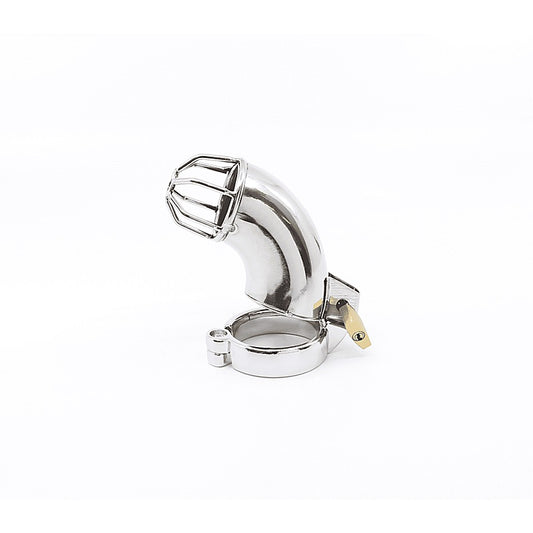

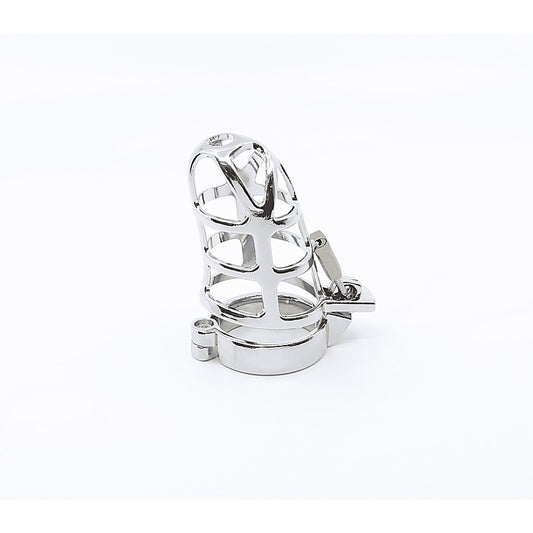

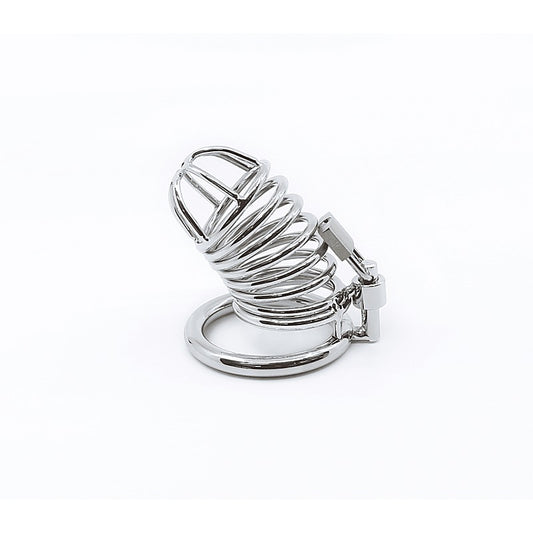

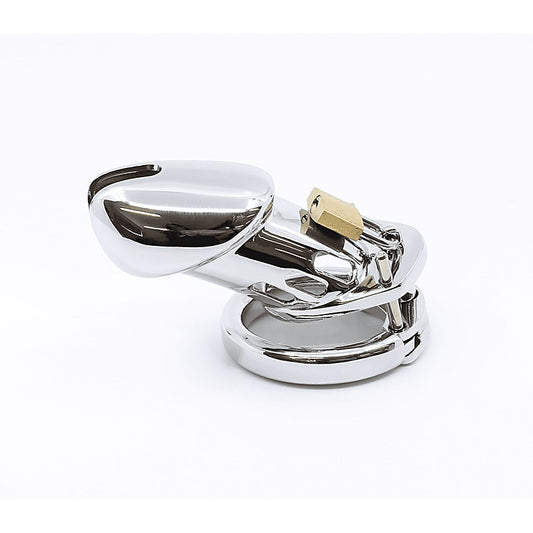

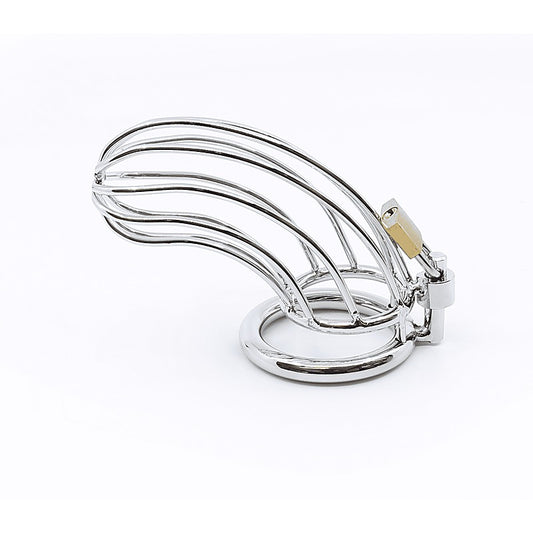

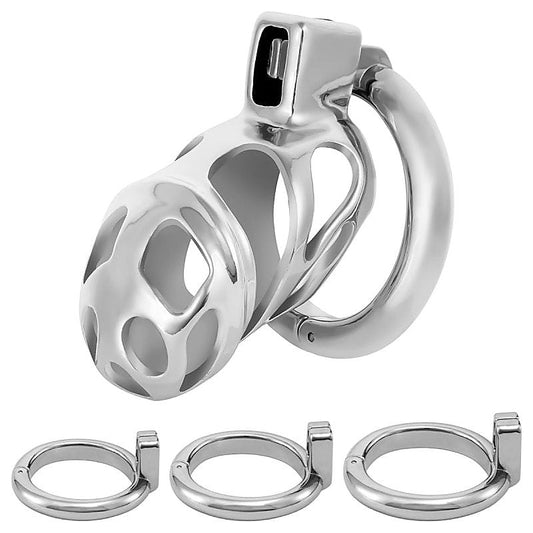

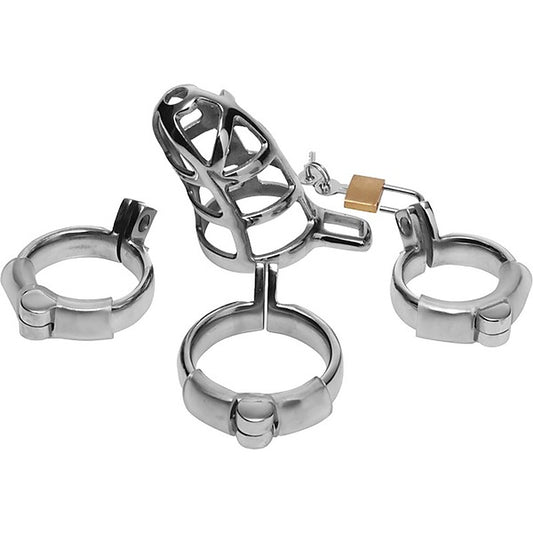

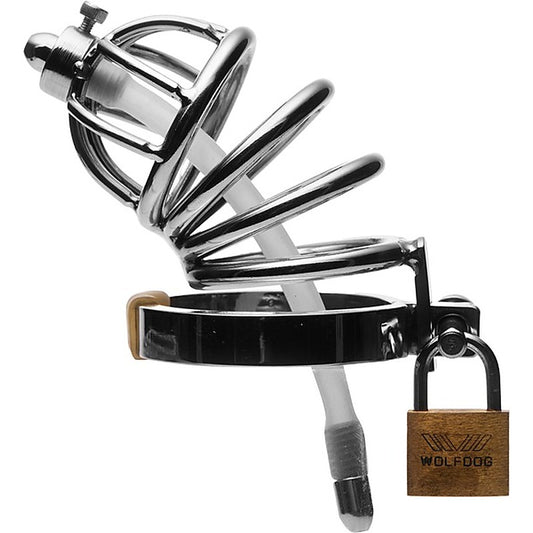

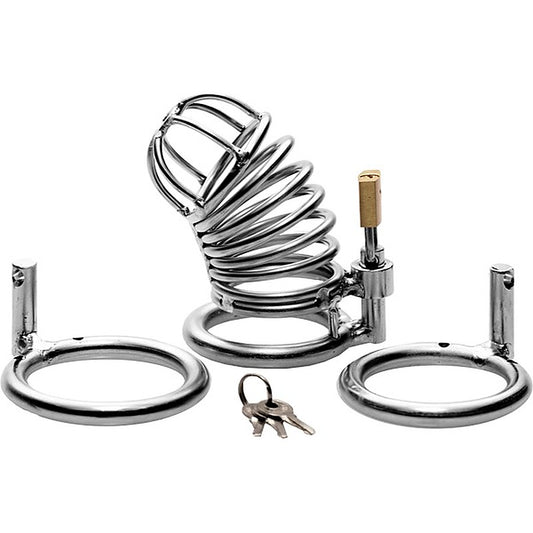

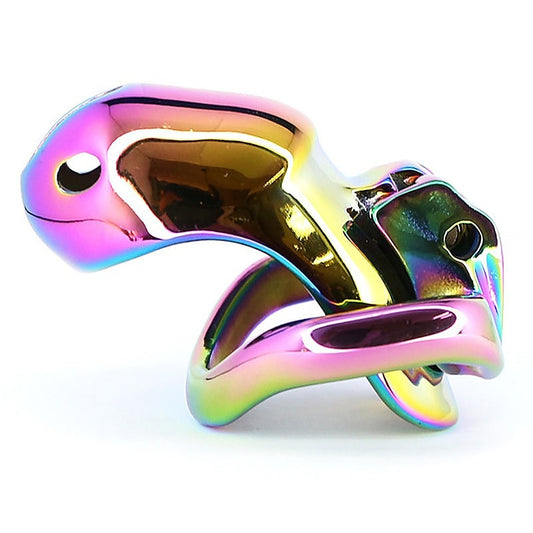

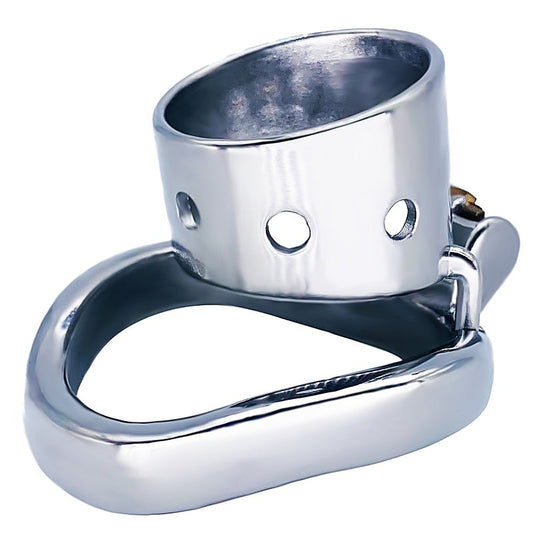

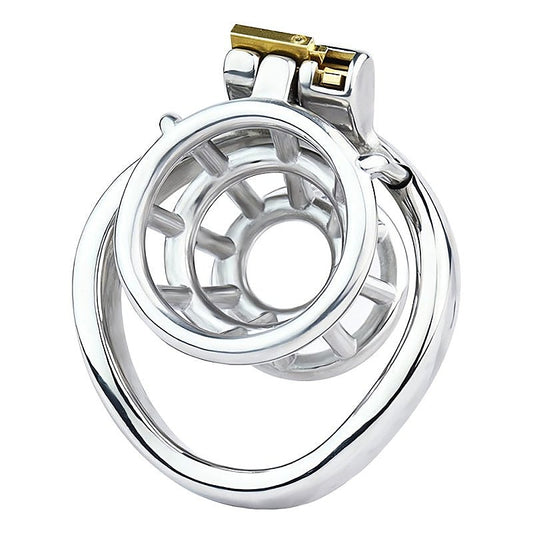

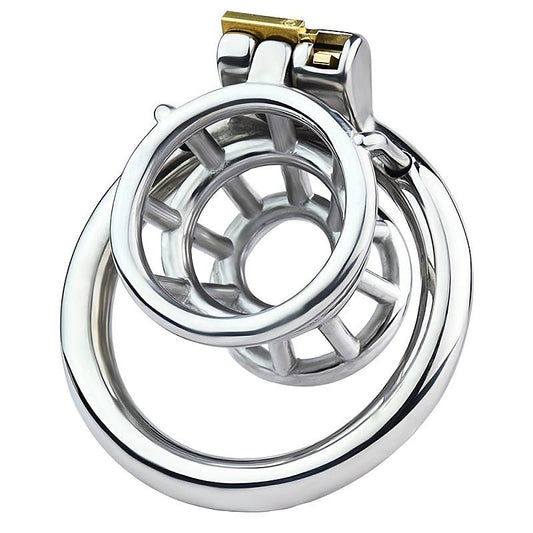

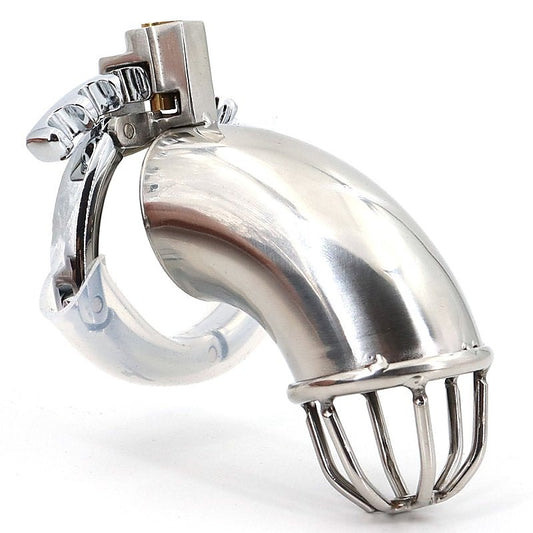

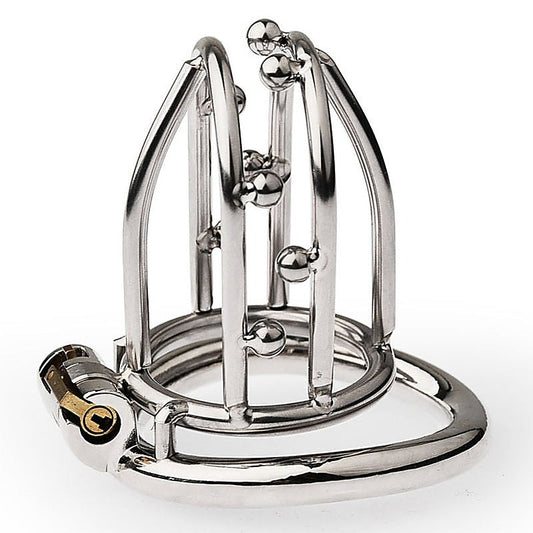

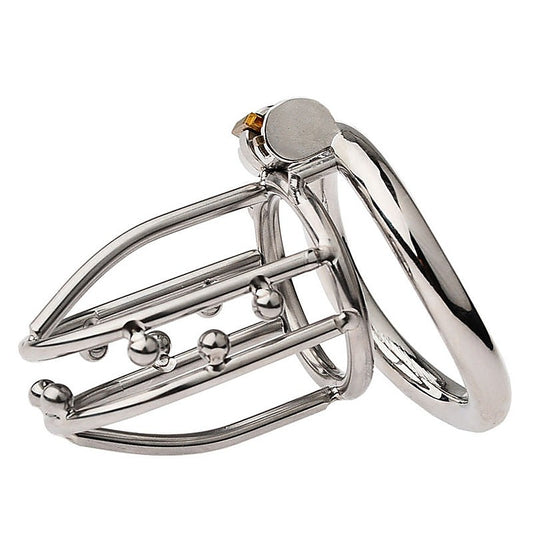

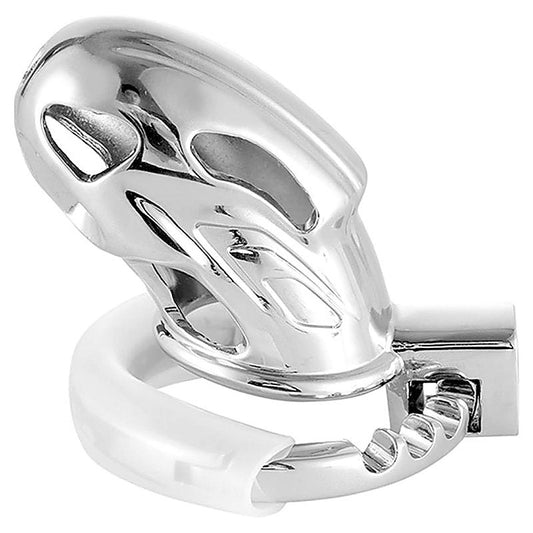

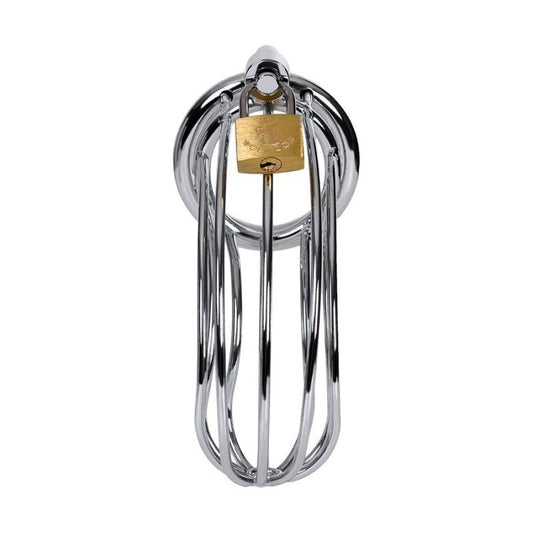

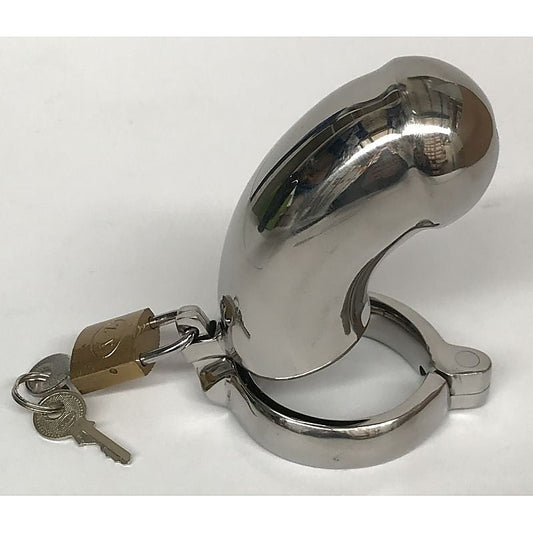

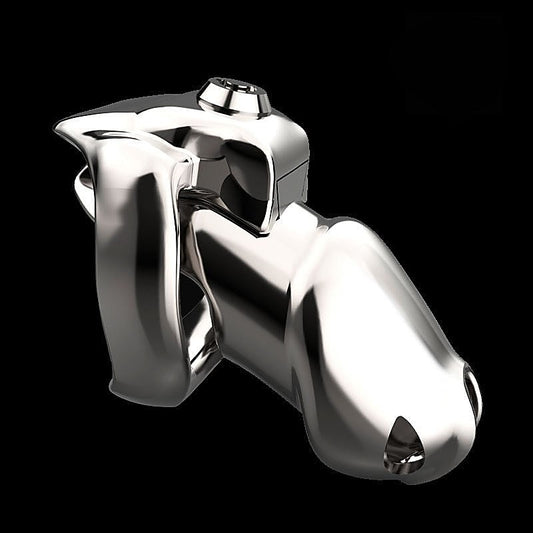

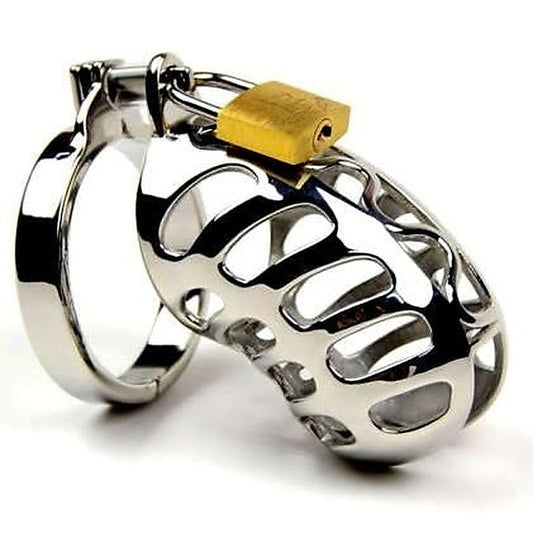


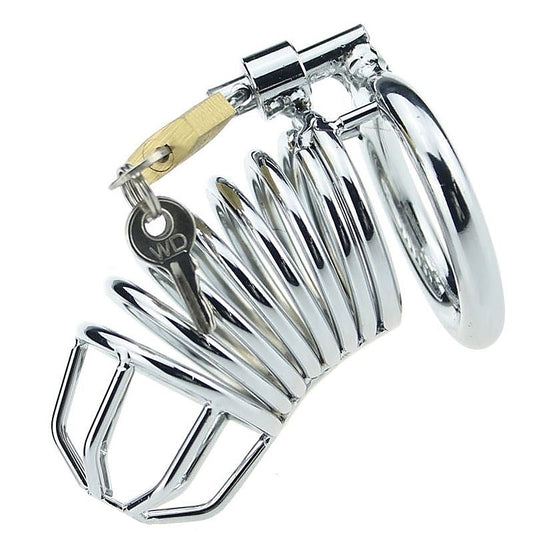

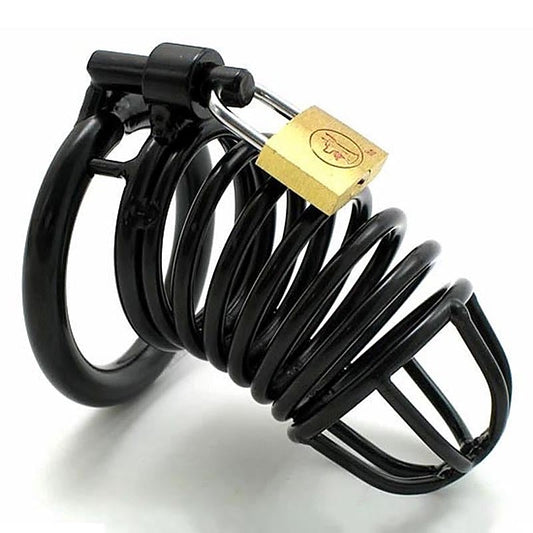

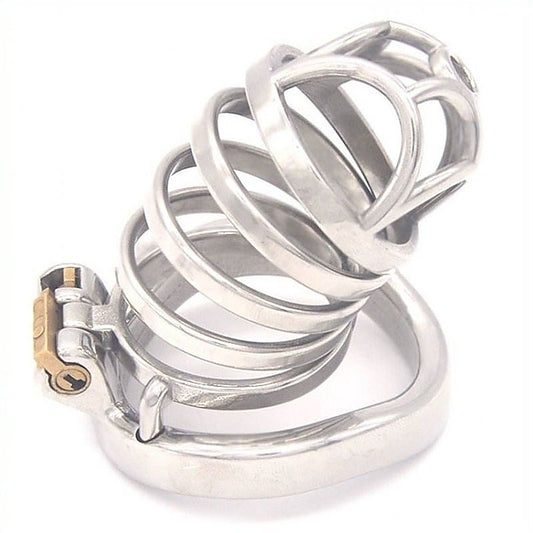

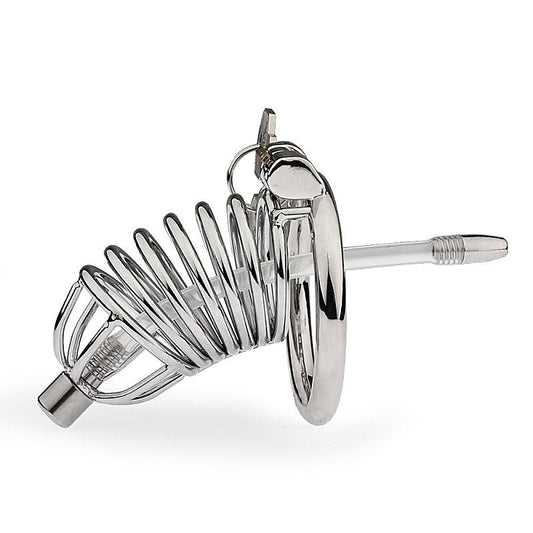

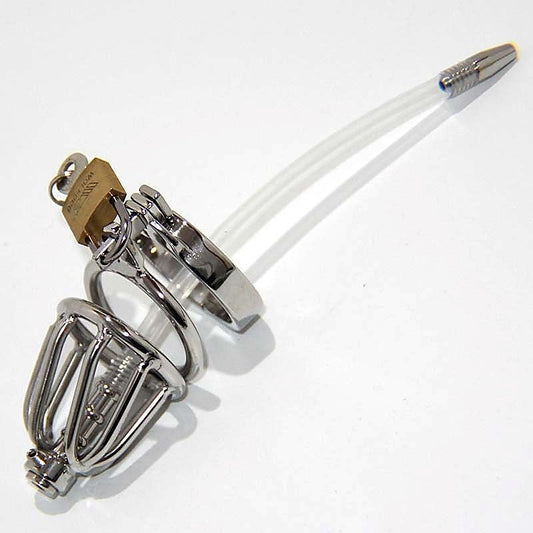

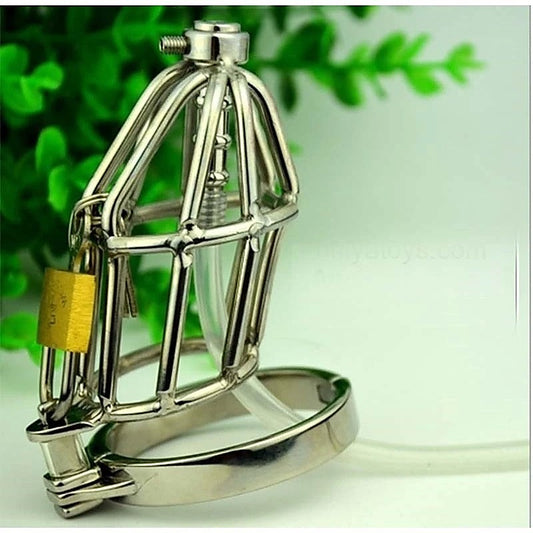

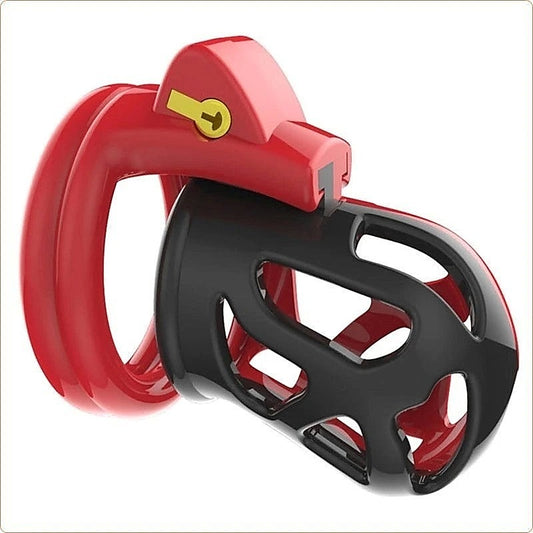

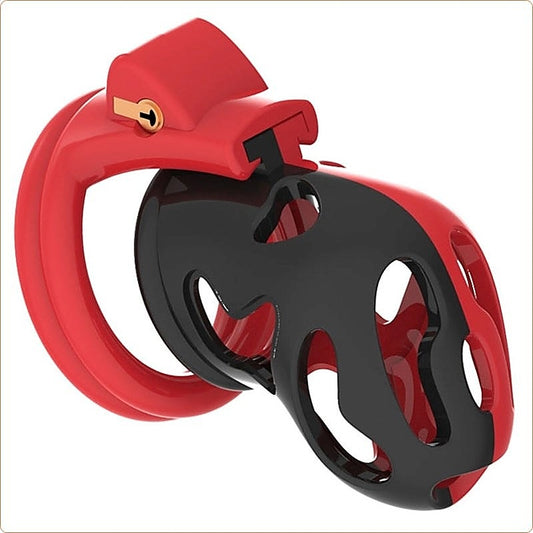

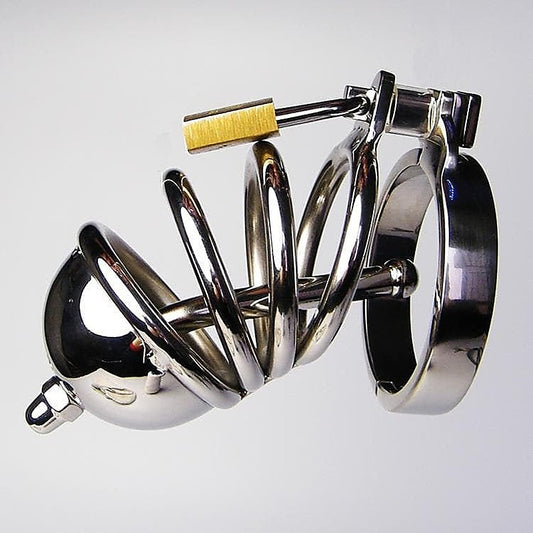

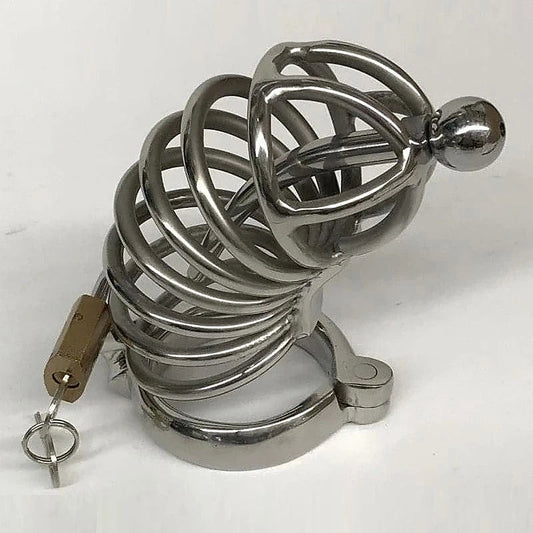

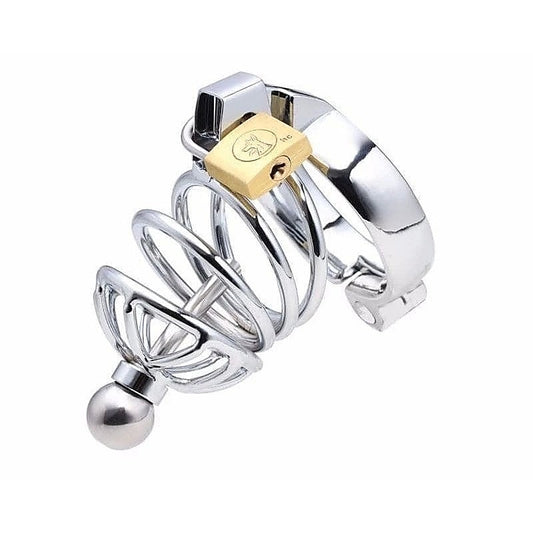

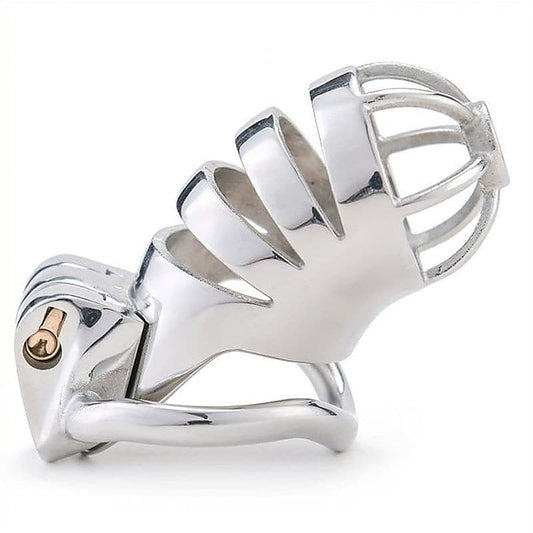

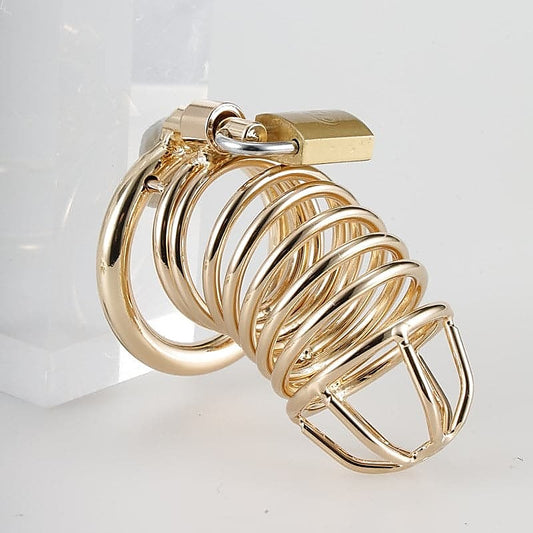


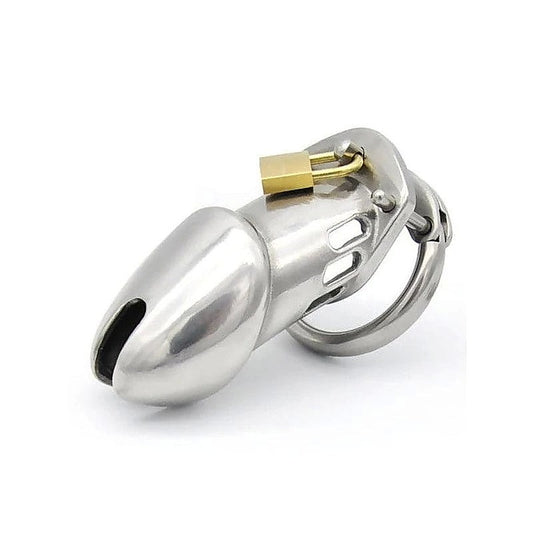

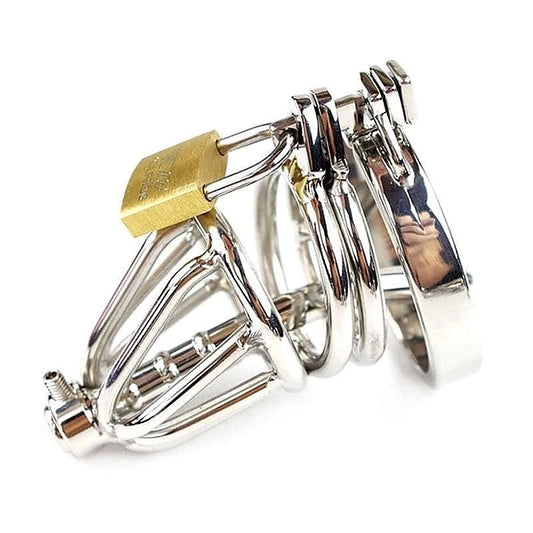


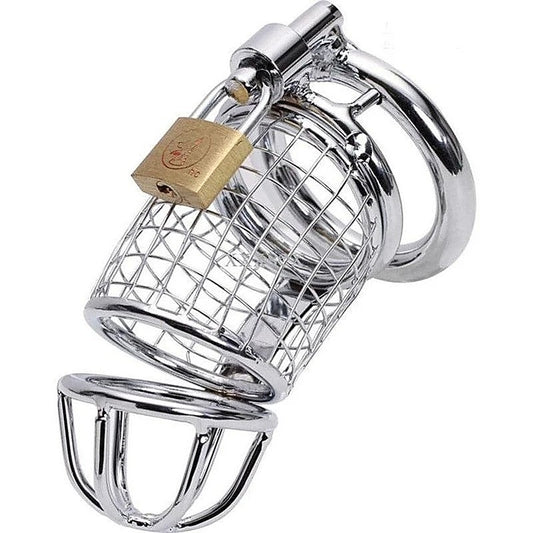

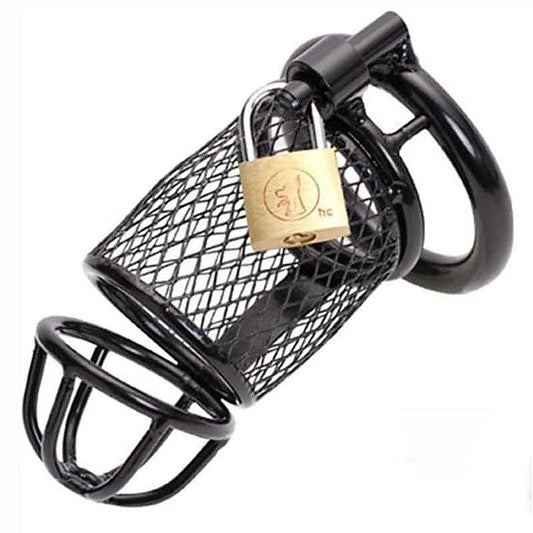

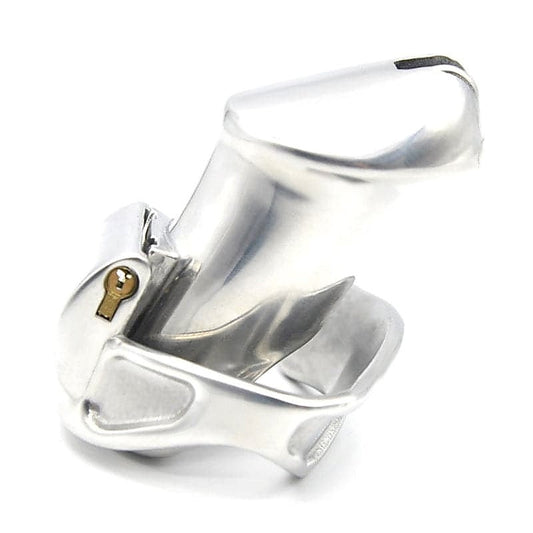

Cage design types are structural variations in male chastity devices that determine how the penis is contained, ventilated, and secured. Common designs range from fully enclosed tubes that cover the entire penis to open skeletal frameworks with bars or rings, each balancing restriction, comfort, visibility, and psychological impact differently.
At a glance
|
🚚 Plain, discreet packaging • 🔒 Discreet billing • 🔁 Hygiene-conscious returns |
About Cage Design Types
Cage design types refer to the architectural approaches used to confine and restrict the penis in chastity play. Each design makes different trade-offs between total concealment, breathability, ease of access, and security. Tube-style cages enclose the penis in a solid cylindrical housing, creating maximum psychological impact and visual denial. Open cage frameworks use bars or rings to maintain restriction while exposing the confined anatomy, reducing weight and heat buildup. Ball trap variations integrate testicular containment into the security system, while head-only designs restrict just the glans, allowing shaft access when needed. Materials range from polished stainless steel to medical-grade silicone and clear polycarbonate, each affecting durability, comfort, and visual presence.
The right cage design depends on your body, the dynamics you're exploring, and how long you plan to wear it. Some people respond strongly to the psychology of complete enclosure, while others need the ventilation and reduced contact of an open framework for multi-day wear. If you're new to chastity, understanding these design differences helps you choose gear that matches both your anatomy and what you want the experience to feel like. Pantyhose and other clothing can work alongside chastity wear in layered power exchange scenes.
What makes Cage Design Types different
The key difference between cage designs is how they balance psychological impact, physical comfort, and long-term wearability. Solid tube designs create a stronger visual and mental statement of control—the cage itself is always felt and seen—making them ideal for intense shorter sessions where maximum containment matters. Open frameworks prioritize breathability and reduced skin contact, making them practical for active wearers or climates where heat and moisture become problems. Ball trap designs shift focus to security and pullout prevention, while head-only designs let you maintain restriction without total shaft coverage. Like Stockings and Garters, each design choice creates a different aesthetic and feeling within the dynamic.
Types of Cage Design Types
Tube-style cages. These fully enclose the penis in a solid cylindrical housing, offering complete coverage and maximum psychological containment. The solid construction creates a strong visual statement of control and works well for shorter intense sessions where the constant physical presence and visual reminder matter most.
Open cage frameworks. These use bars or rings to maintain restriction while leaving the confined anatomy exposed. They weigh 40–60% less than enclosed designs and allow superior airflow, making them practical for multi-day or weekly wear where heat buildup and moisture would make solid tubes uncomfortable.
Ball trap designs. These integrate testicular containment into the security system, preventing pullout and adding a layer of control to the confinement. Ball traps are best suited to experienced users because proper sizing becomes more critical and installation requires more care and attention to comfort.
Head-only cages. These restrict just the glans while allowing the shaft to remain accessible. Head-only designs work well for users who need shaft access for specific protocols or who want partial rather than total denial. Think of them as Gifts and Novelties for dynamics that value flexibility alongside restriction.
How they compare
| Model | Material | Best for | Control or Base | Safety |
|---|---|---|---|---|
| Tube-style cage | Stainless steel or polycarbonate | Intense sessions, maximum psychology | Full containment with locking mechanism | Ensure proper sizing to avoid circulation issues |
| Open cage framework | Stainless steel with bar construction | Multi-day wear, active use, heat management | Ring-based with minimal contact points | Check bars regularly for sharp edges or burrs |
| Ball trap design | Stainless steel or medical silicone | Security-focused dynamics, pullout prevention | Testicular containment with dual locks | Proper sizing critical; test fit before extended wear |
| Head-only cage | Clear polycarbonate or silicone | Partial denial, flexible protocols, shaft access | Glans-only restriction with ring base | Inspect silicone for tears; clean thoroughly after use |
How to choose a cage design type
Start by thinking about wear duration and environment. If you're planning sessions under a few hours or in cooler settings, a tube-style cage gives you the full psychological impact of complete enclosure. For overnight wear, weekend sessions, or warm climates, an open cage framework reduces the moisture and heat buildup that make solid designs uncomfortable beyond 2–3 days. Ball trap designs suit security-focused dynamics where preventing pullout is the priority, but they need more careful sizing and are better for experienced users. Head-only cages work if your dynamic allows shaft access or if you want restriction without total denial.
Accurate sizing is essential for any design. Measure your flaccid length and girth carefully, and factor in shrinkage from cold or nervousness—undersizing causes circulation problems and discomfort, while oversizing defeats the point of the cage. Consider your body's sensitivity too: some people respond strongly to the psychology of total enclosure, while others find the constant pressure of a tube frustrating. If you're new to chastity, starting with an open or head-only design often works better because they're more forgiving during the learning curve. Party Gifts can complement your chastity gear in fun ways, but focus first on getting the cage itself right for your body and dynamic.
Tips from the Adultsmart team
Hard-won pointers from the Adultsmart team, alongside our panel of sexologists, educators, and adult-industry contributors. Meet our experts →
After years of helping customers with cage design types, the biggest mistake we see is undersizing. People think a tighter fit means better control, but it actually cuts off circulation, causes pain, and makes extended wear impossible. Measure when you're fully flaccid and relaxed—not cold, not nervous. Add a millimetre or two of clearance. A cage that fits properly feels secure without feeling like a vice, and you can actually wear it for the duration you planned.
The second common error is choosing a design based on looks alone rather than your actual daily life. Tube cages look incredible and feel amazing psychologically, but if you're going to wear it for more than a few hours, the heat and sweat will get uncomfortable fast. Open frameworks feel less visually dramatic, but they're genuinely practical for all-day or multi-day wear. Be honest about what you'll actually tolerate—a cage you can't comfortably wear is one that sits in a drawer.
Finally, don't overlook the importance of material choice. Stainless steel is durable and easy to clean, but it conducts temperature and can feel cold on sensitive skin. Medical silicone is gentler and warmer but needs more careful inspection for tears. Polycarbonate is lightweight and clear, great for visual impact, but can scratch or cloud over time. Think about your body's preferences and how you'll actually care for the cage between uses—that choice matters as much as the design itself.
| Please read — safety first. Charge only with the supplied cable and keep the charging port dry unless the sex toy is waterproof-rated. Pair and update through the official app, and switch the device off fully between sessions so the motor and battery aren't left under load. This information is general in nature only and is not medical advice; it does not account for your individual circumstances. If you have a relevant health condition or experience any persistent discomfort, discontinue use and seek advice from a qualified medical professional. |
Care and cleaning
Clean your cage regularly with warm soapy water and a soft brush, paying special attention to crevices where bacteria and sweat accumulate. Stainless steel can be soaked in warm water with mild detergent; medical silicone should be washed by hand and air-dried away from direct heat. Polycarbonate cages scratch easily, so avoid abrasive scrubbers and dry gently with a soft cloth. Inspect the cage regularly for damage, sharp edges, or signs of wear, especially around locking mechanisms and contact points. Store in a clean, dry place away from direct sunlight to prevent material degradation.
Learn more
Understanding chastity design and dynamics goes deeper when you hear from people with real experience in the space. Vip Interview With Isabelle Deslauriers President Founder Of Desirables Experience Design Inc offers insight into how thoughtful design shapes the experience of power exchange and confinement. Exploring these perspectives can help you make more informed choices about what design type suits your dynamic.
Why shop Cage Design Types at Adultsmart
Ready to shop with the details sorted? Adultsmart stocks a range of cage design types in different materials, sizes, and security levels, with clear sizing guides and honest product descriptions to help you choose the right fit. We ship discreetly Australia-wide in plain, unmarked packaging with private billing. Real advice, body-safe products, and discreet delivery Australia-wide.
Cage Design Types FAQ
What structural differences separate tube-style cages from open cage frameworks in terms of containment method?
Tube-style cages enclose the penis in complete cylindrical housing with solid or vented walls, while open frameworks use skeletal bar arrangements that maintain restriction through strategic spacing rather than full enclosure. Tubes provide 80-100 percent surface coverage compared to 20-40 percent in open designs, affecting ventilation and visual access.
How does cage design transparency in clear materials affect psychological denial experience compared to opaque construction?
Clear polycarbonate cages allow wearers to see their confined state without accessing it, adding visual frustration element that opaque designs eliminate. Some users report transparent cages intensify denial through constant visible reminder, while others prefer opaque construction that psychologically removes the penis from awareness entirely through complete concealment.
How does ventilation percentage in open cage designs affect maximum comfortable continuous wear duration?
Open cage frameworks with 70-90 percent surface exposure allow 7-14 days comfortable wear through natural evaporation preventing moisture buildup. Tube designs with 20-40 percent ventilation typically limit to 2-4 days before hygiene concerns require removal, as restricted airflow creates bacterial growth conditions in warm humid environments.
Do ball trap cage designs require significantly different sizing approach compared to standard ring-based models?
Ball trap devices need both shaft cage sizing and separate testicular passage measurements, adding complexity beyond standard length and ring diameter selection. The testicle opening must accommodate scrotum circumference while preventing pullback, typically requiring physical size sampling rather than measurement-based ordering for proper fit.
Can head-only chastity devices provide adequate stimulation prevention for users accustomed to full-shaft cage restriction?
Head-only designs prevent glans touching and orgasm through stimulation but allow complete shaft access, creating different denial experience than full containment. Users accustomed to total enclosure often find head-only restriction psychologically insufficient despite effective physical prevention, though some appreciate the hygiene access for indefinite wear.
What weight difference exists between equivalent-sized stainless steel open cages versus enclosed polycarbonate tube designs?
Stainless steel open cages typically weigh 120-200 grams for standard sizes, while enclosed polycarbonate tubes of similar length weigh 40-80 grams. However, solid steel tubes would weigh 250-400 grams, making open steel construction practical for users wanting metal properties without excessive bulk during extended wear.
Do enclosed cage designs without ventilation holes create measurably higher infection risk during multi-day wear?
Fully enclosed cages without airflow create 3-5 times higher bacterial growth rates compared to ventilated designs due to moisture retention and elevated temperature. Medical research indicates infection risk increases significantly beyond 48 hours in non-ventilated enclosures, making these unsuitable for extended protocols without daily removal.
How does bar spacing in open cage frameworks affect prevention of fingertip stimulation through the device?
Open cages with bar spacing under 12mm effectively prevent finger insertion for direct touching, while gaps exceeding 15mm may allow partial contact with sensitive areas. Most quality open designs use 8-10mm spacing that balances ventilation benefits against security, blocking stimulation while maximizing airflow for extended comfort.
Can tube-style cage internal diameter affect urine flow direction and drainage during wear?
Tube diameter and end-hole positioning critically determine drainage, with undersized tubes under 32mm often causing spray deflection and pooling. Proper tube sizing allows centered urine flow through strategically placed drainage holes at the lowest point when standing, preventing the moisture retention that creates odor and hygiene issues.
Do integrated ball trap designs prevent the lubrication-based removal techniques that defeat standard ring-only cages?
Ball trap mechanisms passing testicles through the base ring create anchor points too large to extract even with excessive lubrication, eliminating the gradual withdrawal that patient wearers achieve with ring-only designs. This architecture increases security from moderate to absolute, though proper sizing becomes essential to prevent testicular discomfort.
Recently Viewed Products
Example product title
- $19.99
- $19.99
- Unit price
- per
Example product title
- $19.99
- $19.99
- Unit price
- per
Example product title
- $19.99
- $19.99
- Unit price
- per
Example product title
- $19.99
- $19.99
- Unit price
- per
Example product title
- $19.99
- $19.99
- Unit price
- per
Example product title
- $19.99
- $19.99
- Unit price
- per
Example product title
- $19.99
- $19.99
- Unit price
- per
Example product title
- $19.99
- $19.99
- Unit price
- per
Example product title
- $19.99
- $19.99
- Unit price
- per
Example product title
- $19.99
- $19.99
- Unit price
- per
Why Shop With Adultsmart?
- Choosing a selection results in a full page refresh.