




-
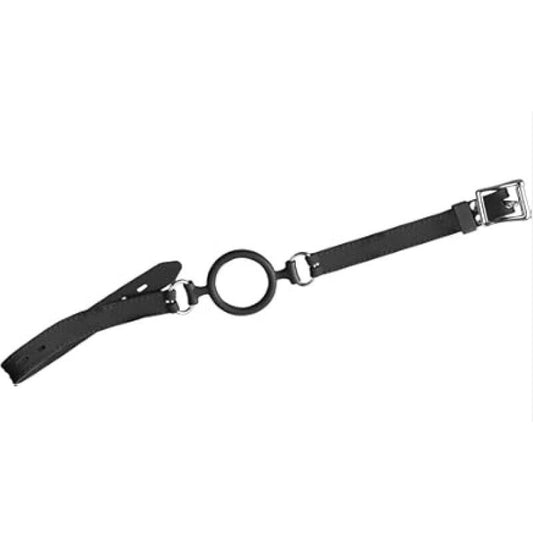
Bad Kitty Silicone Open Mouth Ring Gag by OrionBad Kitty Silicone Open Mouth Ring Gag by Orion is a black silicone ring gag designed for oral restraint during intimate play. The rigid 5 cm ring holds the mouth open at a fixed width, while adjustable straps secure comfortably around the head. Weighing...
- $34.99
$39.99- $34.99
- Unit price
- per
-
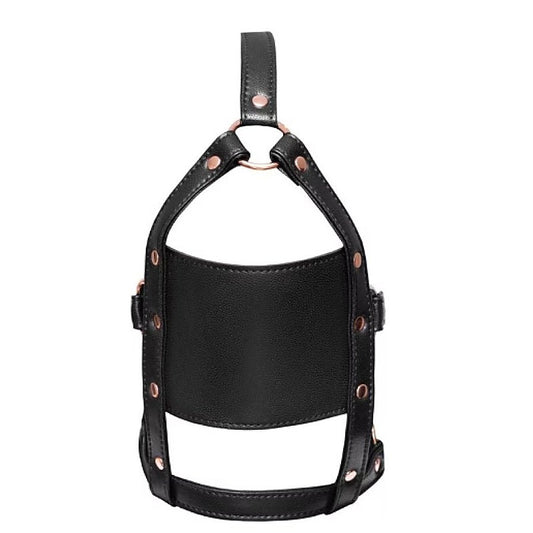
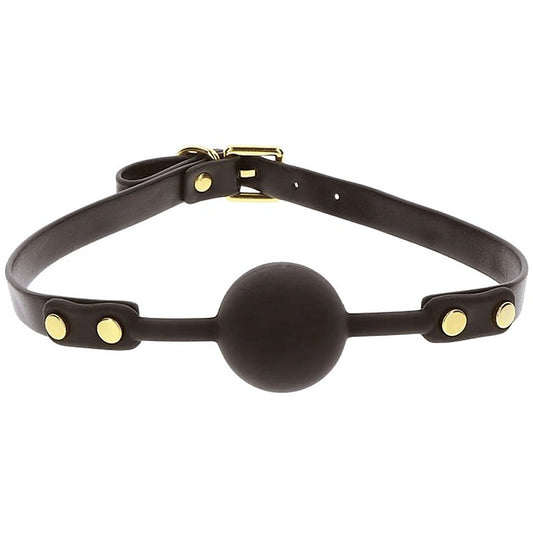
Bad Kitty Head Harness with Silicone Ball Gag by OrionBad Kitty Head Harness with Silicone Ball Gag by Orion is an adjustable leather-look head harness featuring a 4 cm silicone ball gag and rose-gold metal elements. Weighing 310 grams, the harness secures with buckle fasteners for a customizable fit. Constructed from polyurethane and...
- $74.99
$84.99- $74.99
- Unit price
- per
-
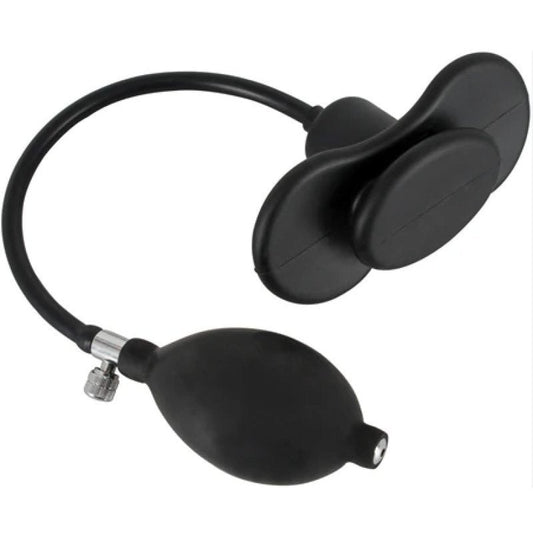
Bad Kitty Inflatable Butterfly Gag by OrionBad Kitty Inflatable Butterfly Gag by Orion is a silicone mouth restraint with an inflatable butterfly-shaped insert that expands via a hand pump. Measuring approximately 12 x 5.5 cm, it delivers customizable fullness through controlled inflation using the included latex pump ball. The silicone...
- $64.99
$74.99- $64.99
- Unit price
- per
-
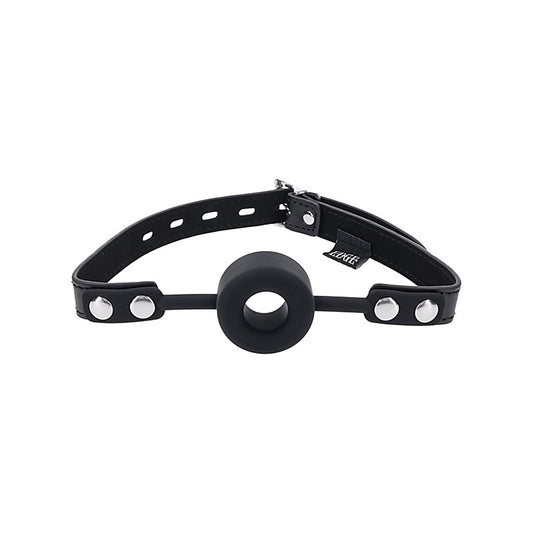
Edge by Sportsheets Silicone Ring Gag - BlackEdge by Sportsheets Silicone Ring Bondage Gag is a breathable silicone ring gag designed to enforce compliance and maintain mouth opening during BDSM scenes. The 1.75-inch diameter ring with 1-inch thickness pairs with an adjustable faux leather strap featuring polished silver hardware and a...
- $39.99
$44.99- $39.99
- Unit price
- per
-
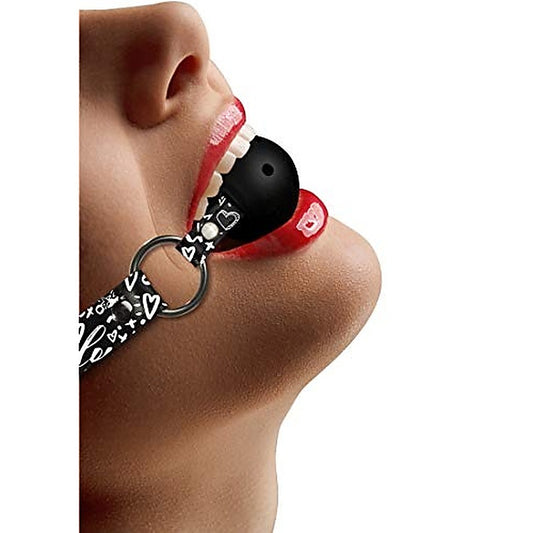
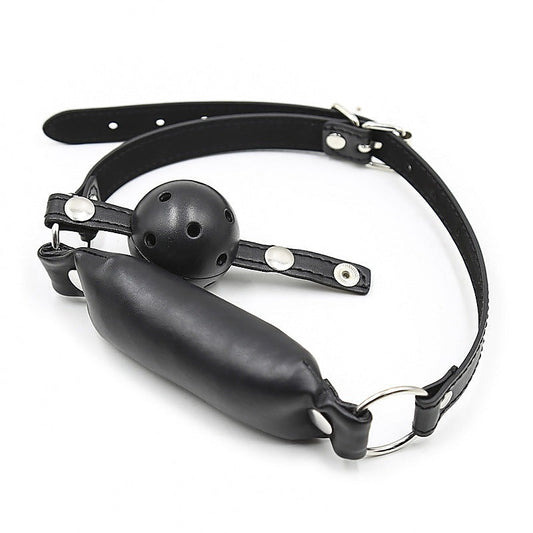
Street Art Fashion Breathable Ball Gag by Shots Toys - BlackShots Love Street Art Fashion Breathable Ball Gag is a bonded leather restraint gag featuring a 4cm breathable ball with adjustable straps. The gag spans 63cm total length with 10 adjustment holes for custom fit, constructed from quality bonded leather with reinforced stitching. Waterproof...
- $34.99
$39.99- $34.99
- Unit price
- per
-
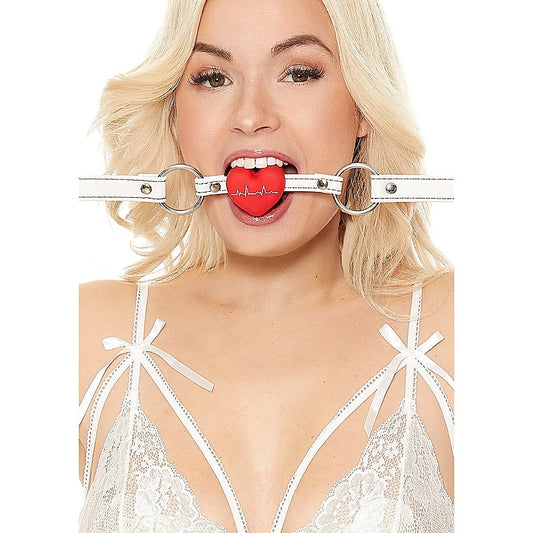
Nurse Theme BDSM Silicone Heart Gag by Shots Toys - WhiteShots Toys Nurse Theme BDSM Silicone Heart Gag is a silicone gag designed for roleplay and submission play. Measuring 25.2 inches around with a 1.5-inch heart-shaped silicone insert, it features an adjustable stainless steel buckle for secure fit. The waterproof construction and phthalate-free silicone...
- $44.99
$49.99- $44.99
- Unit price
- per
-
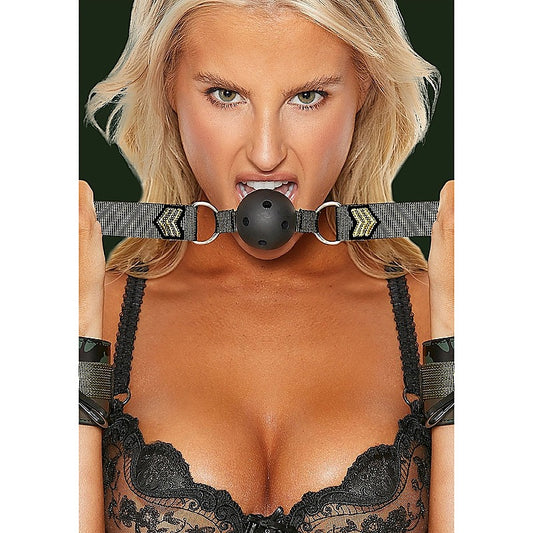
Army Theme Breathable BDSM Ball Gag by Shots Toys - GreenShots Toys Army Theme Breathable BDSM Ball Gag is a restraint accessory designed for impact play and sensory control. Measuring 1.73 inches in diameter with a 25.59-inch adjustable strap, it features breathable perforations throughout the ball for extended wear comfort. Constructed from durable PVC...
- $44.99
$49.99- $44.99
- Unit price
- per
-
Ball Gag by Scala - BlackScala Super Soft Vegan PU Leather Ball Gag is a restraint gag designed for bondage play with adjustable strap and ball restriction. Featuring vegan PU leather construction, gold-tone hardware, and multiple buckle adjustment points, it accommodates various head sizes from petite to larger frames....
- $64.99
$79.99- $64.99
- Unit price
- per
-
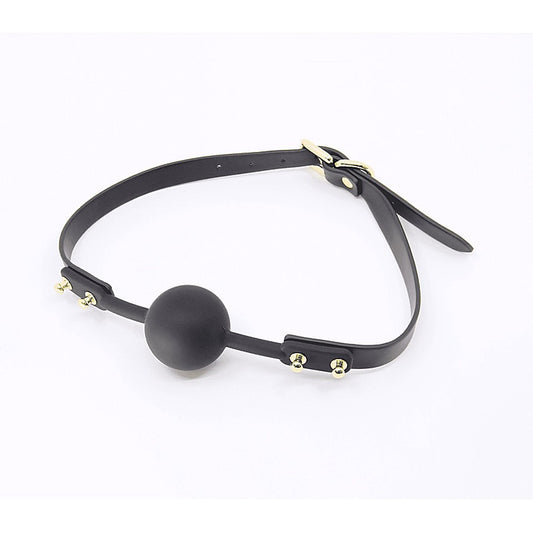
Studded Gag With Silicone Ball by Love In Leather - GoldLove In Leather Studded Gag With Silicone Ball is a premium BDSM gag featuring a 4 cm solid silicone ball with integrated mouth savers for extended wear comfort. The faux leather straps include decorative studs and corrosion-resistant gold or rose gold hardware with buckle...
- $29.99
$34.99- $29.99
- Unit price
- per
-
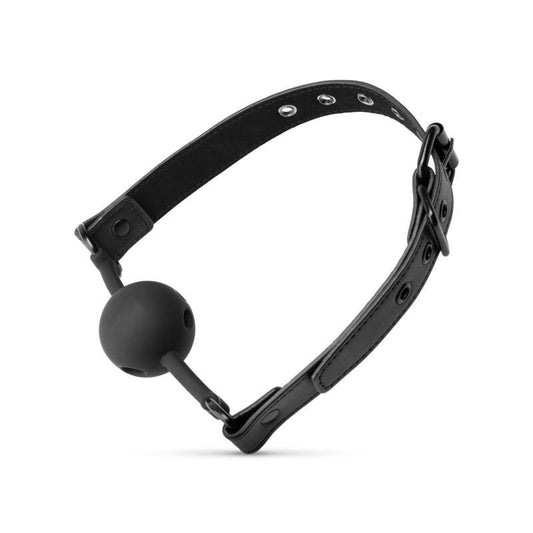
Breathable Silicone Ball Gag by Easytoys - BlackBedroom Fantasies Breathable Silicone Ball Gag is a medical-grade silicone restraint accessory featuring nine strategically placed breathing holes for enhanced comfort during extended wear. The 4.1 cm ball pairs with an adjustable faux leather strap spanning 39-55 cm, accommodating various face shapes. Its body-safe...
- $49.99
$54.99- $49.99
- Unit price
- per
-
Sex and Mischief Cougar Ball Gag by Sportsheets - BlueSportsheets Sex & Mischief Cougar BDSM Play Ball Gag is a soft rubber gag designed for intimate communication and sensory play. Measuring 42-62 centimeters in adjustable strap length with navy blue and gold coloring, it accommodates various experience levels. The soft rubber construction prioritizes...
- $24.99
$29.99- $24.99
- Unit price
- per
-
OUCH Milan Collection Breathable Silicone Ball Gag - BlackShots Toys OUCH Milan Collection Breathable Silicone Ball Gag is a premium restraint accessory featuring medical-grade silicone with ventilation channels for extended wear. The 1.38-inch ball pairs with adjustable PU leather straps extending 24.41 inches, zinc alloy hardware, and quick-release safety mechanism. Designed for...
- $39.99
$44.99- $39.99
- Unit price
- per
-
OUCH! Florence Collection Ball Gag Breathable Mouth - WhiteShots Toys OUCH! Florence Collection Breathable Ball Gag is a premium silicone restraint accessory designed for oral control and sensory play. Measuring 22.83 inches with a 1.57-inch ball diameter, it features breathable silicone construction, adjustable PU leather straps, and iridescent zinc alloy hardware. The...
- $34.99
$44.99- $34.99
- Unit price
- per
-
Glow Gag Glow in the Dark Silicone Ball Gag by XR BrandsFrisky Glow Gag is a silicone ball gag designed for BDSM restraint play, featuring a distinctive glow-in-the-dark finish. Measuring 1.75 inches in diameter with phthalate-free silicone construction and soft, chafe-resistant edges, it includes an adjustable strap and secure lock-and-key mechanism. The glow feature provides...
- $64.99
$74.99- $64.99
- Unit price
- per
-
Blindfold With Breathable Ball Gag by BDStyle - BlackBDStyle Blindfold With Breathable Ball Gag is a dual-feature sensory accessory combining a padded eye covering with an integrated ball gag. Crafted from premium faux leather with adjustable straps, it accommodates various sizes and features breathable construction for extended wear. The metal hardware adds...
- $19.99
$24.99- $19.99
- Unit price
- per
-
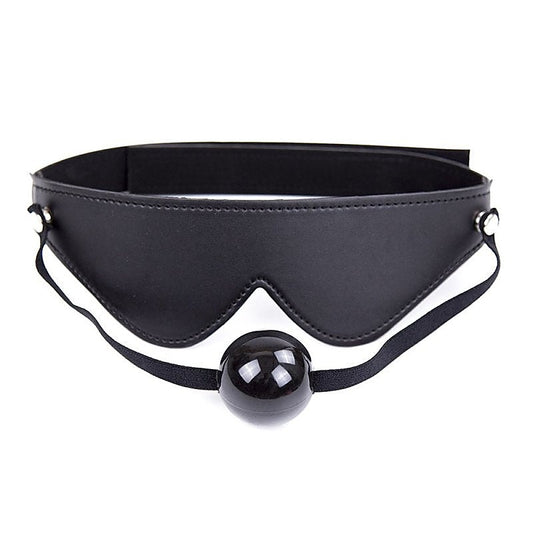
Velcro Strap Blindfold With Ball Gag by BDStyleBDStyle Velcro Strap Blindfold with Ball Gag is a dual-function sensory restraint combining a faux leather blindfold with an integrated 4 cm ball gag. Adjustable Velcro straps accommodate various sizes for secure, customizable fit. The premium construction delivers effective sensory deprivation paired with controlled...
- $19.99
$24.99- $19.99
- Unit price
- per
-
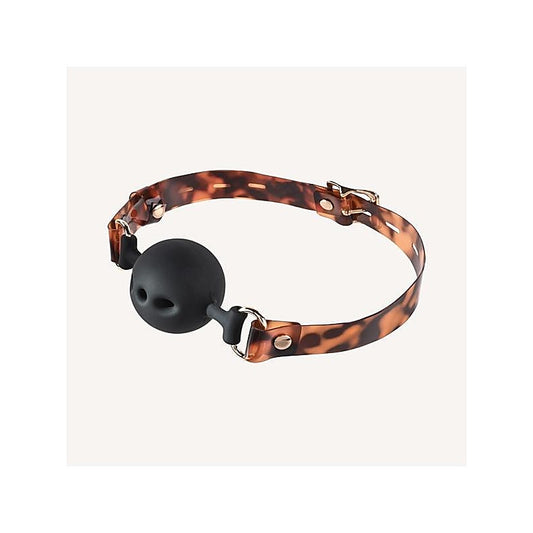
Ball Gag by SportsheetsSportsheets Amber Ball Gag is a premium breathable gag featuring a tortoiseshell-inspired design with adjustable exotic print strap and secure buckle closure. The three-hole breathing design prioritizes safety during extended wear, while malleable construction ensures comfort. At approximately 1.5 inches in diameter with multiple...
- $59.99
$74.99- $59.99
- Unit price
- per
-
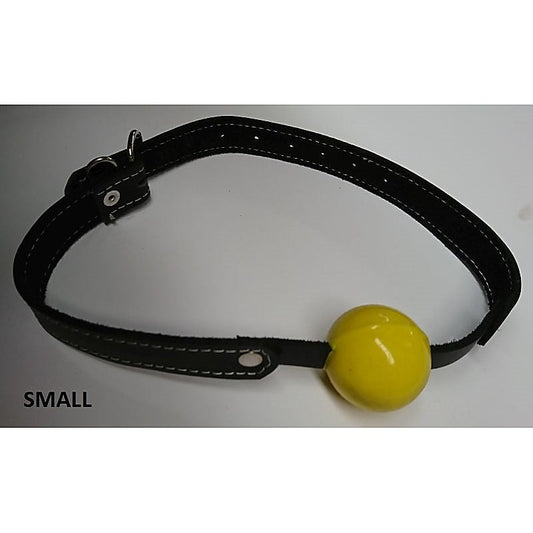
Amour Bondage Gag & Yellow Rubber Ball by Hell's CoutureThe Amour Bondage Gag & Yellow Rubber Ball is a restraint accessory featuring a 4.3cm yellow rubber ball with adjustable straps for BDSM play. Available in Small (64.5cm) and Large (72cm) sizes, it delivers secure positioning while maintaining comfort during bondage scenes. The Hell's...
- $19.99
$29.99- $19.99
- Unit price
- per
-
Kinky Leather Ball Gag by Hell's Couture - Black / YellowHell's Couture Red Leather Ball Gag is a leather BDSM restraint featuring a black silicone ball attached to adjustable red leather straps. The gag measures approximately 2 inches in ball diameter with secure buckle fastening around the head. It delivers sensory deprivation and silence...
- From $19.99
$24.99- From $19.99
- Unit price
- per
-
Metal Bar Silicone Ball Bondage Gag by BDStyle - BlackBDstyle's Metal Bar Silicone Ball Gag is a leather bondage restraint featuring a soft rubber ball and metal bar connector designed for sensory deprivation during partnered BDSM play. Measuring approximately 4.5 inches across the metal bar with an adjustable leather strap, it delivers muffled...
- $29.99
$39.99- $29.99
- Unit price
- per
-
Silicone Ball Gag Stainless Steel Harness by BDStyle - BlackBDStyle Silicone Ball Gag Stainless Steel Harness is a restraint gag featuring smooth silicone with adjustable stainless steel framework. The screw-tightening mechanism provides customizable fit across multiple head sizes, while the durable metal construction withstands intensive bondage play. Available in black, white, and red...
- $62.99
$69.99- $62.99
- Unit price
- per
-
Fetish Fantasy Beginners Bondage Ball Gag - BlackFetish Fantasy Beginners Bondage Ball Gag is a beginner-friendly speech restriction accessory featuring a moderate 1.75-inch phthalate-free PVC ball with adjustable nylon headstrap. Manufactured by Pipedream Products, it includes a complementary satin love mask for sensory deprivation. The design prioritizes comfort for first-time bondage...
- $29.99
$34.99- $29.99
- Unit price
- per
-
Silicone Ball Bondage Gag by BDStyle - BlackBDStyle Silicone Ball Bondage Gag is a soft silicone mouth gag designed for BDSM restraint play. The ball measures 4.2 cm in diameter, filling the mouth effectively while the adjustable faux leather strap ranges from 42 to 57 cm with 7-hole buckle fastening. It...
- $14.99
$19.99- $14.99
- Unit price
- per
-
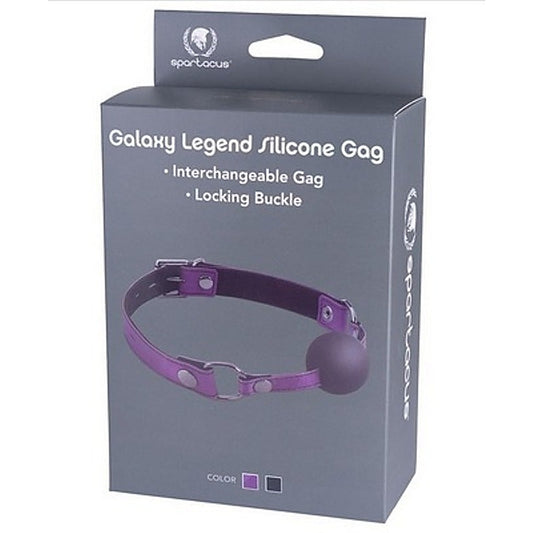
Galaxy Legend Silicone Gag by Spartacus Enterprises - PurpleGalaxy Legend Silicone Gag by Spartacus Enterprises is a silicone ball gag featuring a faux leather strap with soft leather-like lining and a locking buckle. The nickel-free hardware prevents allergic reactions during extended wear. The silicone ball measures 1.5 inches in diameter, accommodating various...
- $34.99
$39.99- $34.99
- Unit price
- per
-
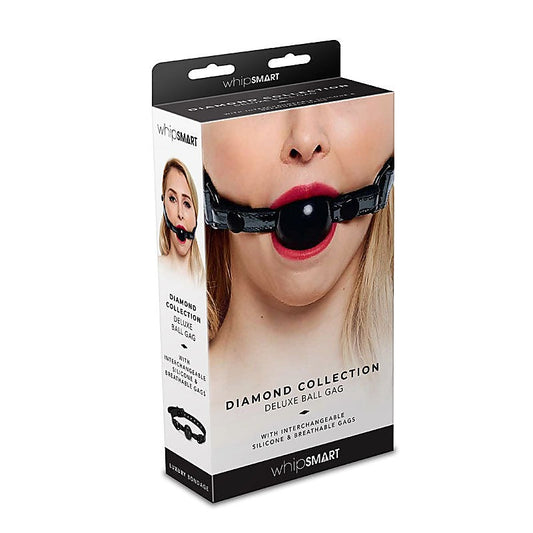
Whip Smart Diamond Deluxe Ball Gag by Xgen Products - BlueWhipSmart Diamond Ball Gag is a luxury bondage restraint featuring a diamond-studded silicone ball with adjustable buckle closure. Measuring 1.5 inches in diameter with an easy-release design, it restricts verbal communication while maintaining comfort during sensory play. Ideal for BDSM partners exploring power exchange...
- $44.99
$49.99- $44.99
- Unit price
- per
-
OUCH! Halo Breathable Ball Gag Mouth Restraint - GreenOUCH! Halo Breathable Ball Gag by Shots Toys is a leather-look ball gag with adjustable headband and golden accents designed for BDSM power exchange. Featuring breathable construction at 1.6 inches in diameter, it delivers secure restraint while maintaining airflow. The adjustable fit accommodates most...
- $39.99
$49.99- $39.99
- Unit price
- per
-
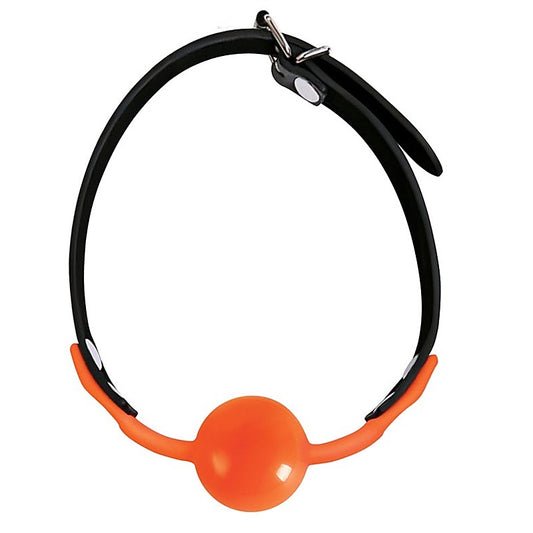
Orange is The New Black Siligag by Icon BrandsOrange is The New Black Siligag by Icon Brands is a body-safe silicone ball gag designed for playful bondage with adjustable silicone straps. Measuring approximately 1.5 inches in diameter with a black-and-orange color scheme, it features premium silicone construction and leatherette bands for secure,...
- $24.99
$29.99- $24.99
- Unit price
- per
-
Pony Bit Black Bondage Gag by BDStyleLasting Leather Pony Bit Gag with Black Open Bridle is a faux leather equestrian roleplay gag designed for human pony play and BDSM control. The adjustable bridle strap ranges from 26 to 45 cm to fit various sizes, while the bit measures 12 cm...
- $19.99
$24.99- $19.99
- Unit price
- per
-
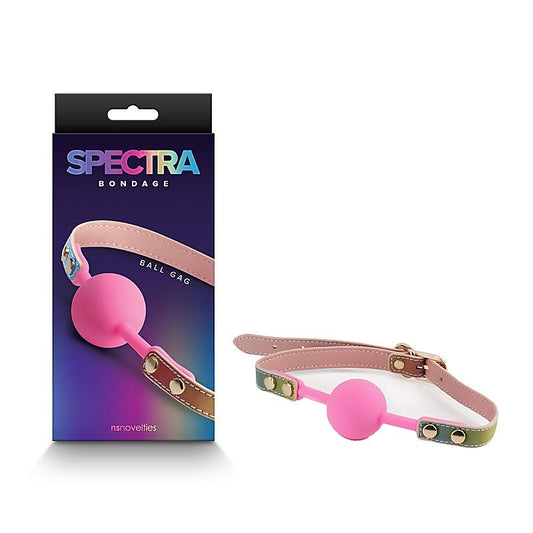
Spectra Bondage Ballgag Bondage Gag by NS NoveltiesSpectra Bondage Ballgag is a PU leather restraint gag designed for sensory deprivation during BDSM play. Weighing 110 grams with dimensions of 62 cm x 4.2 cm x 44 cm, it features couture-designed hardware and a silencing ball mechanism. The gag is suited for...
- $29.99
$34.99- $29.99
- Unit price
- per
-
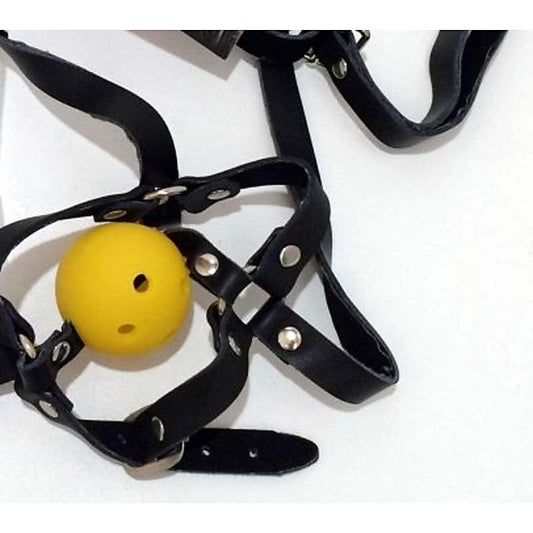
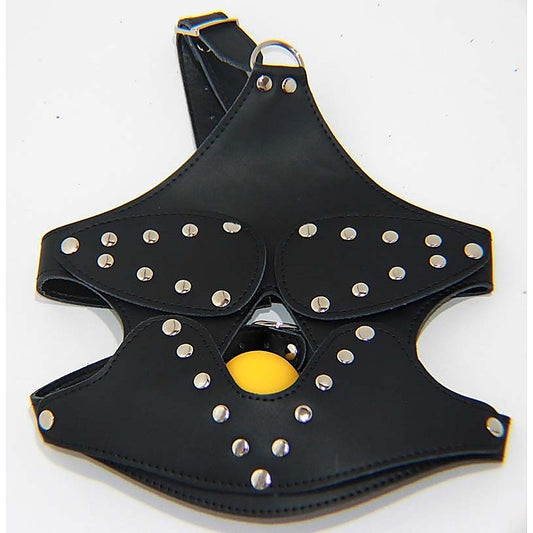
Dungeonnet Bondage Gag With Yellow Ball by Hell's CoutureHell's Couture Dungeonnet Bondage Gag With Yellow Ball is a full-face leather harness gag designed for BDSM power exchange and submission play. Featuring a striking yellow silicone ball, it measures approximately 15cm across the face plate with adjustable leather straps. The gag delivers psychological...
- $14.99
$19.99- $14.99
- Unit price
- per
-
Ball Gag with Face Harness by Hell's CoutureFetish Toy Box Ball Gag with Face Harness is a full-face restraint system featuring a 43mm rubber ball gag secured by adjustable leather straps and metal buckles. The comprehensive harness design restricts verbal communication while enabling non-verbal connection between partners. It suits people exploring...
- $14.99
$19.99- $14.99
- Unit price
- per
-
Kinksociety Ball Gag Leather Lead by Hell's CoutureKinkSociety Ball Gag & Leather Lead is a BDSM restraint set combining a bright yellow rubber ball gag with a genuine leather strap and metal buckle closure. The ball measures approximately 1.5 inches in diameter, while the adjustable leather lead provides control and maneuverability....
- $34.99
$39.99- $34.99
- Unit price
- per
-
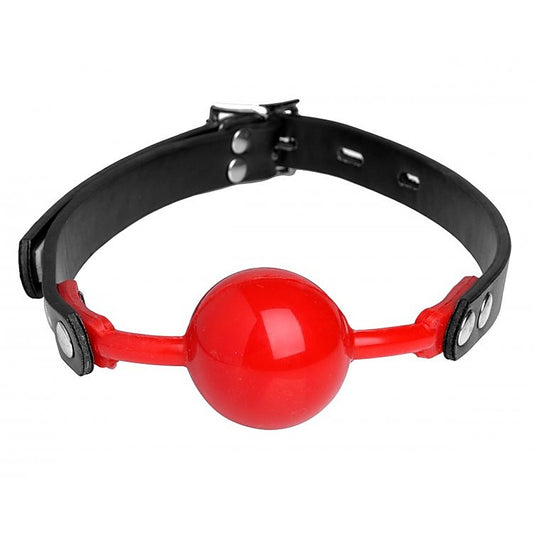
Sex & Mischief Solid Red Ball Gag by SportsheetsSex & Mischief Solid Red Ball Gag is a soft rubber ball gag designed for sensory restriction during BDSM play. The 2-inch red ball pairs with a 26-inch adjustable vinyl strap with nickel-free hardware. It suits people exploring bondage communication through silence and sensation...
- $19.99
$24.99- $19.99
- Unit price
- per
-
Bad Romance Translucent Mouth Gag by Shots ToysBad Romance Translucent Mouth Gag with Black Stripes is a restraint gag designed for bondage play featuring a transparent silicone construction with black rubber accents. The one-size-fits-all design accommodates most users, with a soft rubber ball that fits comfortably between teeth without causing jaw...
- $24.49
$34.99- $24.49
- Unit price
- per
-
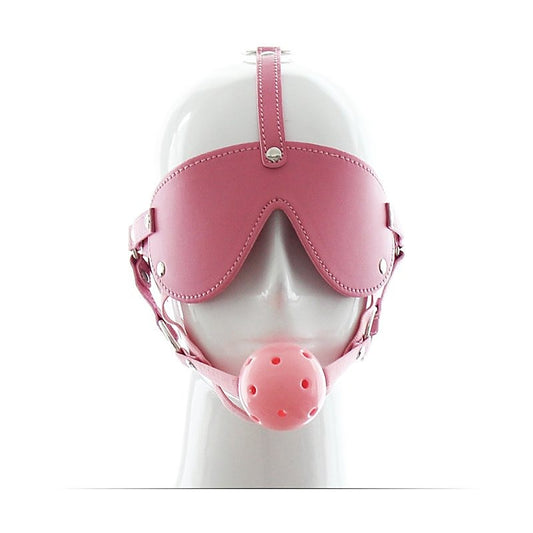
Bondage Mask with Blindfold and Ball Gag by BDStyleBDStyle's Bondage Mask with Blindfold and Ball Gag is a three-in-one sensory restriction set designed for BDSM exploration. Featuring removable blindfold, ball gag, and mouth muffler components, it delivers customizable sensory deprivation and submission play. The adjustable straps accommodate various head sizes, while high-quality...
- $71.99
$79.99- $71.99
- Unit price
- per
-
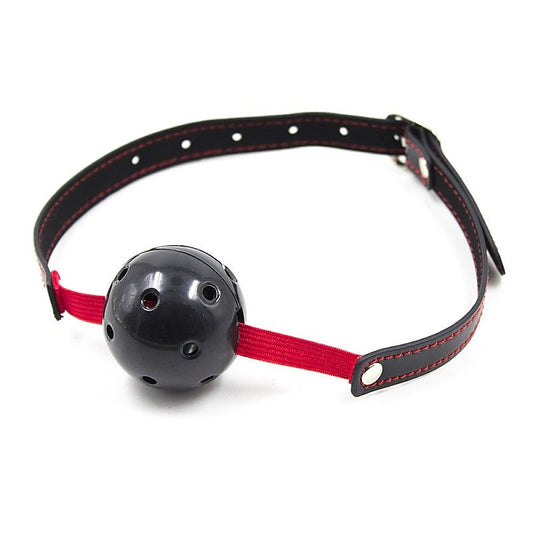
Pin Buckle Breathable O Ring Ball Gag by BDStyleBDStyle Pin Buckle Breathable O Ring Red & Black Strap Ball Gag is a breathable restraint gag designed for BDSM play with a 45mm silicone ball. The perforated design allows breathing through both mouth and nose, making extended wear safer than traditional solid gags....
- $9.99
$14.99- $9.99
- Unit price
- per
-
The Hush Gag Silicone Comfort Ball Gag by XR BrandsThe Hush Gag Silicone Comfort Ball Gag by XR Brands is a lockable mouth gag featuring a 1.65-inch phthalate-free silicone ball with corner-support straps that prevent jaw ache during extended scenes. The adjustable PU leather strap fits heads from 16 to 22 inches and...
- $69.99
$89.99- $69.99
- Unit price
- per
-
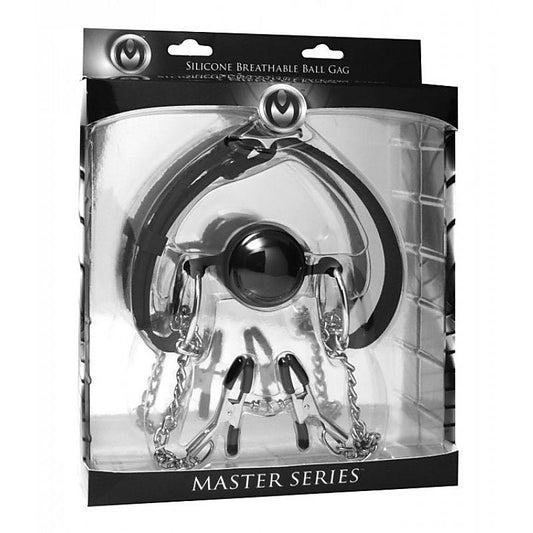
Hinder Breathable Silicone Ball Gag With Nipple ClampsHinder Breathable Silicone Ball Gag With Nipple Clamps is a dual-function bondage set combining a breathable silicone ball gag with adjustable nipple clamps. The gag measures 1.6 inches in diameter and fits circumferences between 16 and 24 inches, while the screw-adjustable clamps allow precise...
- $84.99
$94.99- $84.99
- Unit price
- per
-
Fetish Fantasy Breathable Ball Gag by Pipedream ProductsFetish Fantasy BDSM Play Breathable Ball Gag is a perforated oral restraint designed for extended power exchange scenes. The 10-inch vinyl strap with metal buckle secures firmly while strategic ventilation holes maintain airflow without compromising speech restriction. Weighing just 0.2 pounds, it prevents jaw...
- $29.99
$34.99- $29.99
- Unit price
- per
-
Colt Camo Ball Gag by California ExoticsColt Camo Ball Gag is a silicone and canvas bondage gag designed for restraint play and power exchange dynamics. Featuring a body-safe silicone ball measuring 1.5 inches in diameter, dual padded vegan leatherette straps, and an adjustable nickel-free buckle, it delivers customizable fit and...
- $79.99
$89.99- $79.99
- Unit price
- per
-
BDSM Glo Bondage Ball Gag by NS NoveltiesGLO Bondage Ball Gag from NS Novelties is a restraint accessory featuring a synthetic ball gag with glow-in-the-dark functionality. Measuring 13.5 inches in overall length with a 1-inch ball diameter, it combines tactile restraint with visual novelty for dark-room play. The body-safe synthetic construction...
- $27.99
$39.99- $27.99
- Unit price
- per
-
Cosmo Bondage Ball Gag Mouth Restraint by NS NoveltiesCosmo Bondage Ball Gag Rainbow is a holographic vinyl ball gag restraint by NS Novelties, measuring 24.53 inches with adjustable straps. The rose gold nickel-free hardware fits universally, while the vinyl construction cleans easily. It combines aesthetic appeal with practical bondage functionality for those...
- $39.99
$49.99- $39.99
- Unit price
- per
-
Super Naughty Ball Gag Mask by Little GenieSuper Naughty BALL GAG Mask is a knitted jersey fabric blindfold-style mask designed for BDSM roleplay and sensory restriction. Made from 95.7% polyester and 4.3% spandex, the soft material stretches to fit most head sizes while maintaining its shape. The mask creates visual anonymity...
- $14.99
$19.99- $14.99
- Unit price
- per
-
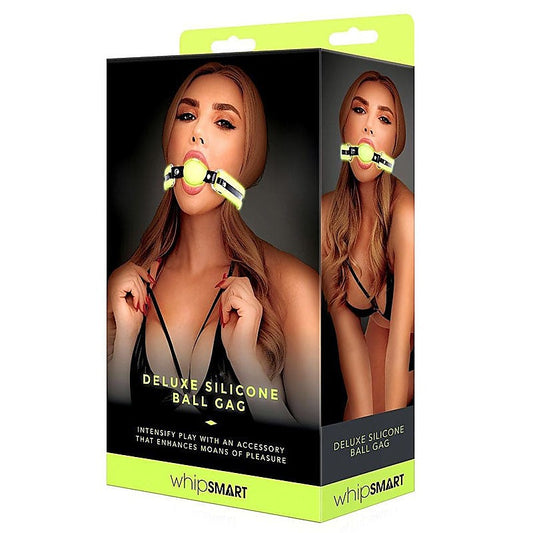
Glow In The Dark Silicone Ball Gag by Xgen ProductsWhipSmart Glow Deluxe Silicone Ball Gag is a bondage accessory featuring a smooth silicone ball with glow-in-the-dark properties and buckle closure. The ball measures approximately 1.5 inches in diameter, constructed from body-safe silicone that glows under UV or darkness. It delivers both sensory restraint...
- $49.99
$64.99- $49.99
- Unit price
- per
-
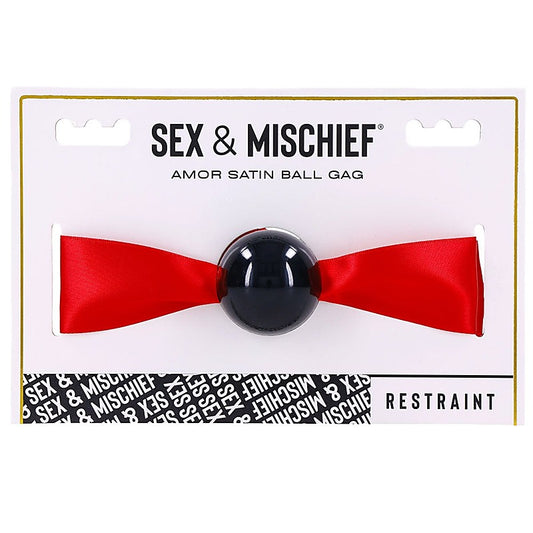
Sex and Mischief Amor Satin Ball Gag by SportsheetsS&M Amor Satin Ball Gag is a soft bondage gag designed for sensory play and power exchange. Featuring a black TPE ball with a flexible red satin ribbon strap measuring 117 cm long, it delivers comfort during extended wear. The polyester-TPE blend ensures durability...
- $24.99
$34.99- $24.99
- Unit price
- per
-
Ball Gag In A Bag by Doc Johnson - BlackDoc Johnson BDM Play Vegan Leather Ball Gag In A Bag is a breathable ball gag designed for power-dynamic exploration during intimate play. The 1.75-inch diameter ball features strategically placed air holes, while adjustable vegan leather straps extend to 26.5 inches with a locking...
- $44.99
$64.99- $44.99
- Unit price
- per
-
Quick Buckle Ball Gag by BDStyle - MediumQuick Buckle Ball Gag is a breathable plastic ball gag from BDStyle designed for sensory deprivation and power play. Featuring a quick-release buckle closure and adjustable nylon strap, it fits various head sizes securely. The breathable ball construction prioritizes comfort during extended wear, while...
- $9.99
$14.99- $9.99
- Unit price
- per
-
Bad Kitty Silicone Penis Shape Ball Gag by OrionBad Kitty Silicone Penis Shape Ball Gag by Orion is a silicone ball gag featuring a realistic penis-shaped design for roleplay and sensation play. Measuring 9.5 cm in total length with a 3 cm diameter bulb, this gag is crafted entirely from body-safe silicone...
- $49.99
$54.99- $49.99
- Unit price
- per
-
Silicone Gag Ball by NANMA Corporation - BrownNanma Breathable BDSM Play Silicone Gag Ball is a silicone ball gag designed for BDSM scenes. At 4.1 centimeters in diameter, it features strategically positioned air holes for continuous breathing and adjustable punch holes for custom strap fitting. The breathable design suits people exploring...
- $19.99
$24.99- $19.99
- Unit price
- per
-
Silicone Harness Hollow Bondage Ball Gag by BDstyleBDStyle Silicone Harness Hollow Bondage Ball Gag is a breathable mouth restriction gag designed for BDSM play. The 5.6 cm diameter hollow silicone ball permits continuous airflow, reducing breath-restriction anxiety common with solid alternatives. At 95 grams with an adjustable 60 cm strap, it...
- $19.99
$24.99- $19.99
- Unit price
- per
VISIT XVIDEO FOR ADULT DVDS



Vibrating Double Penetrator with Remote by Passion Play
- Black
Passion Play Double Penetrator with Remote is a dual-chamber vibrator with 21 low-frequency patterns designed for internal male stimulation. Measuring 14.5 cm insertable length and 3 cm width, it delivers steady, deep vibrations via wireless remote control from up to 8 metres away. Made...
- $69.99
$74.99- $69.99
- Unit price
- per
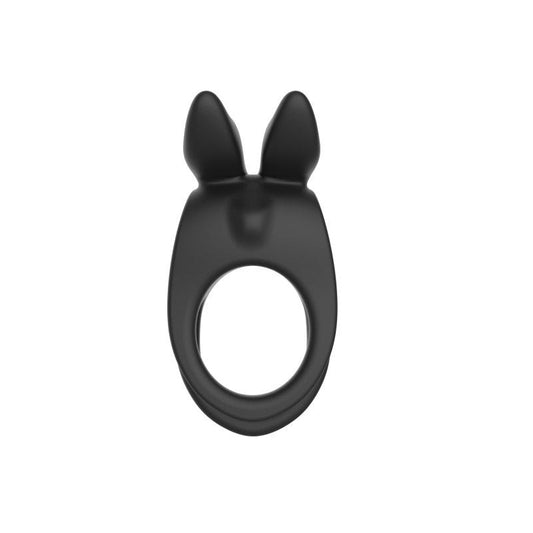
Men 10 Mode Vibrating Rabbit Cock Ring by Ashella
- Black
Ashella Men 10 Mode Vibrating Rabbit Cock Ring is a dual-ring vibrator designed for partnered stimulation and performance enhancement. Measuring 45.2 x 91.1 x 43.1mm with 10 vibration modes across 3 speed settings, it combines a supportive shaft and ball ring with external bunny...
- $34.99
$39.99- $34.99
- Unit price
- per
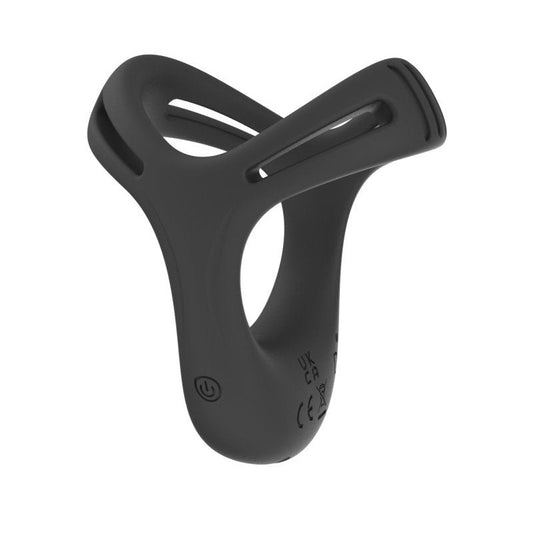
Men 10 Mode Vibrating Sling Ring by Ashella
- Black
Ashella Men 10 Mode Vibrating Sling Ring is a vibrating cock ring designed for enhanced support and dual-partner stimulation. Featuring 10 vibration modes across 3 speed settings, this silicone ring stretches to secure both shaft and balls for extended performance. At 63 x 55.5...
- $34.99
$39.99- $34.99
- Unit price
- per










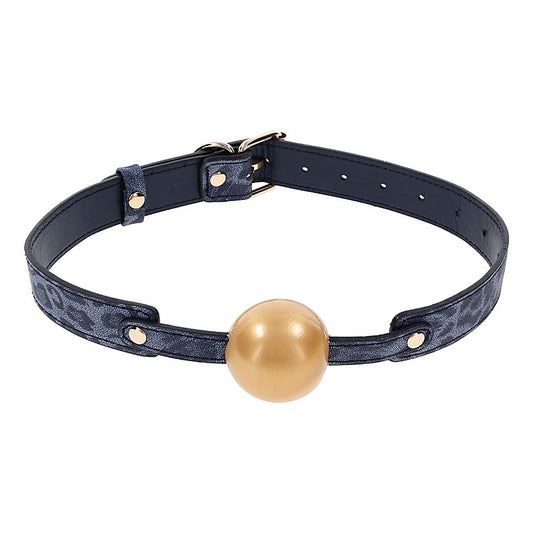

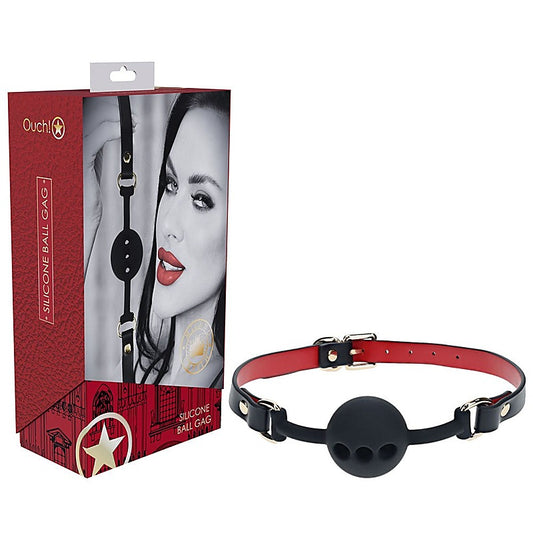

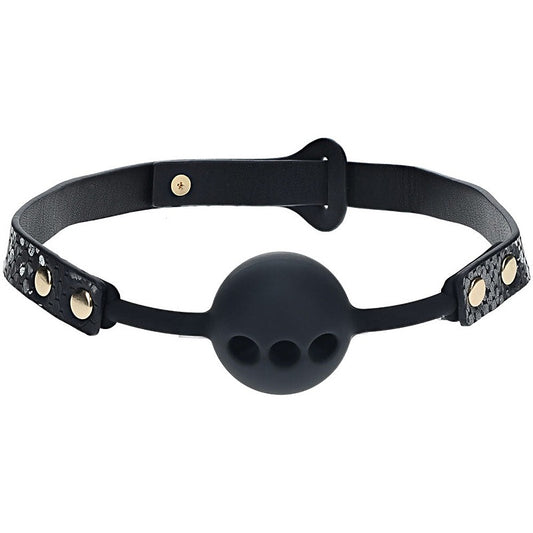

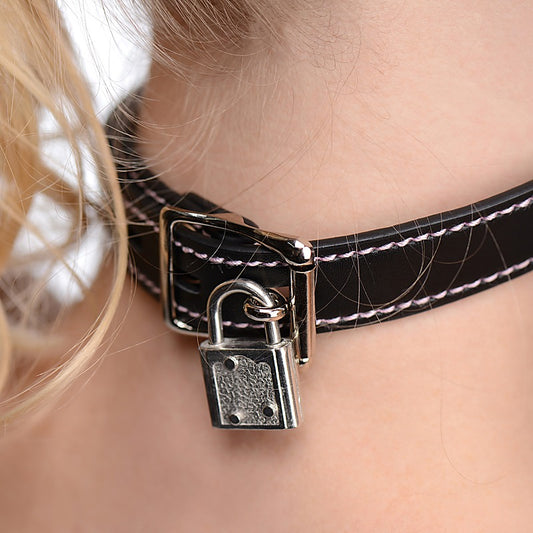





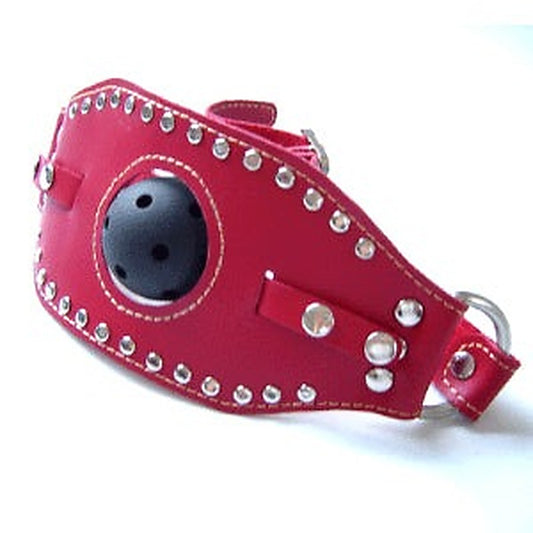

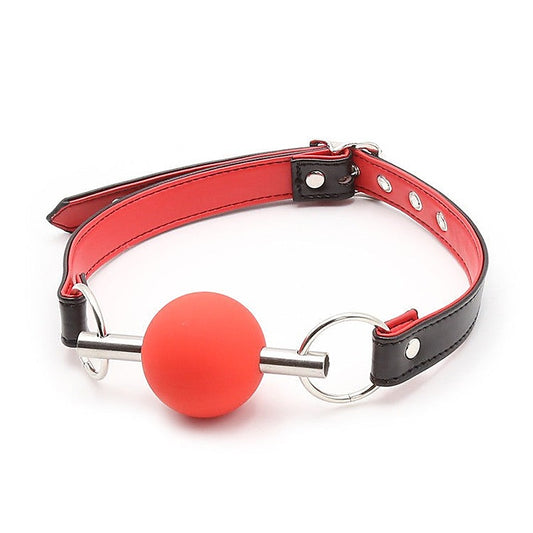

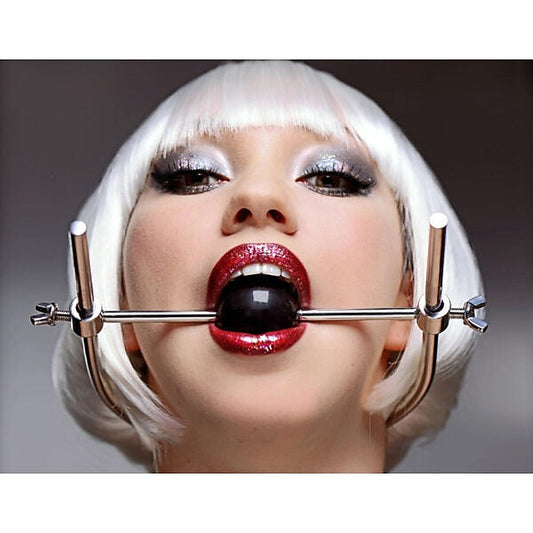

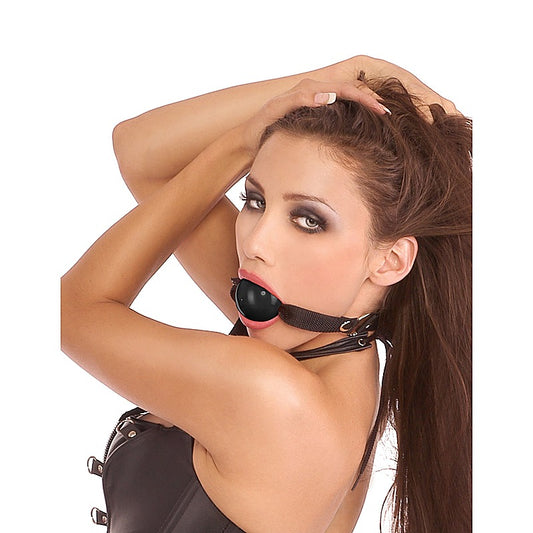

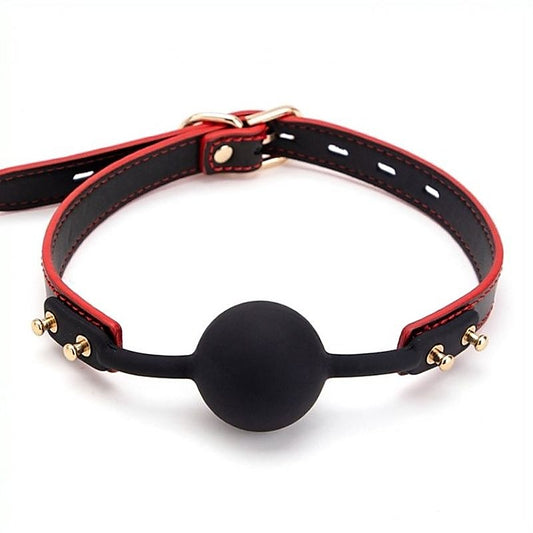



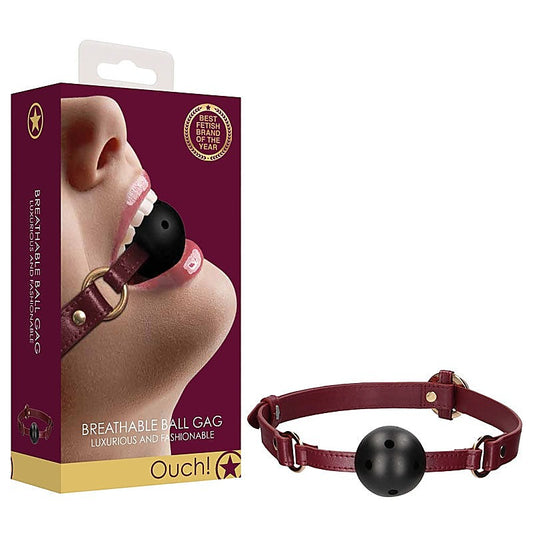





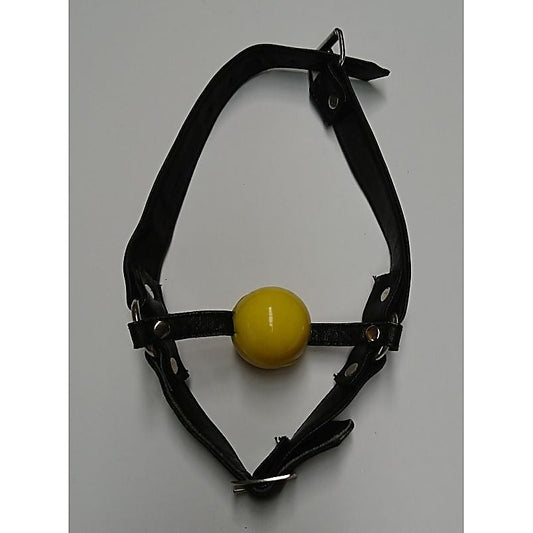

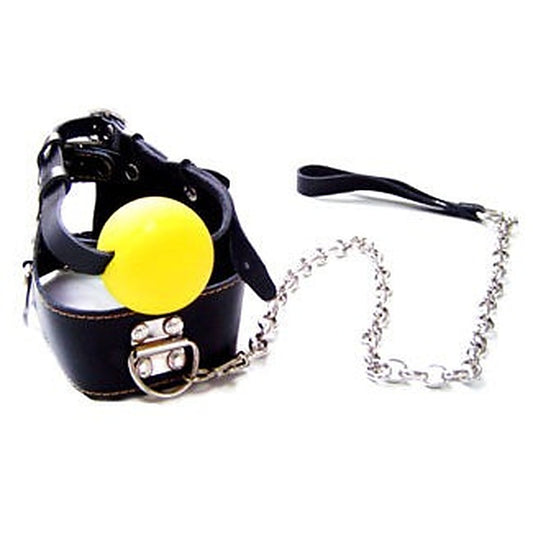

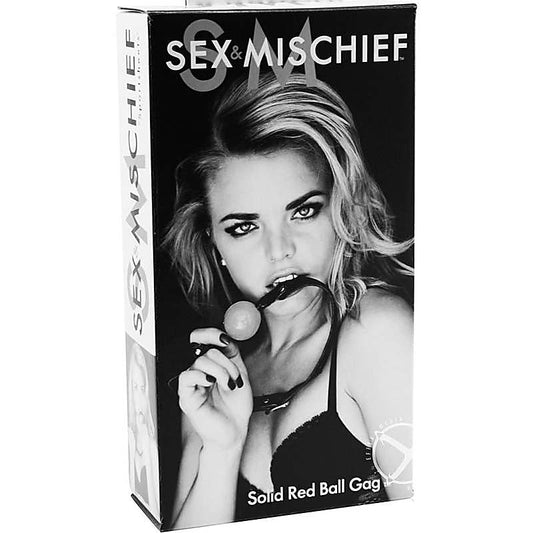

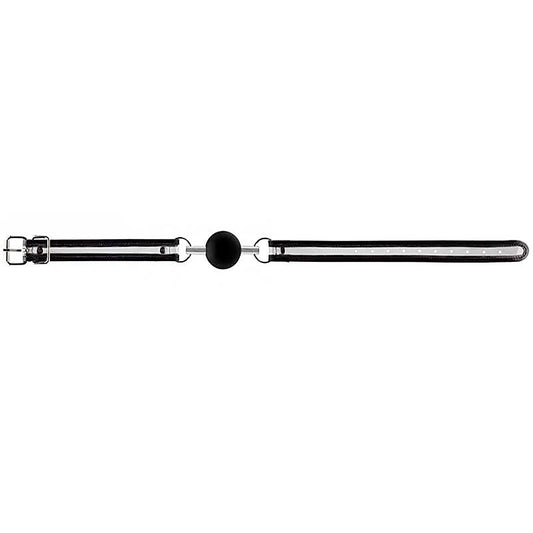





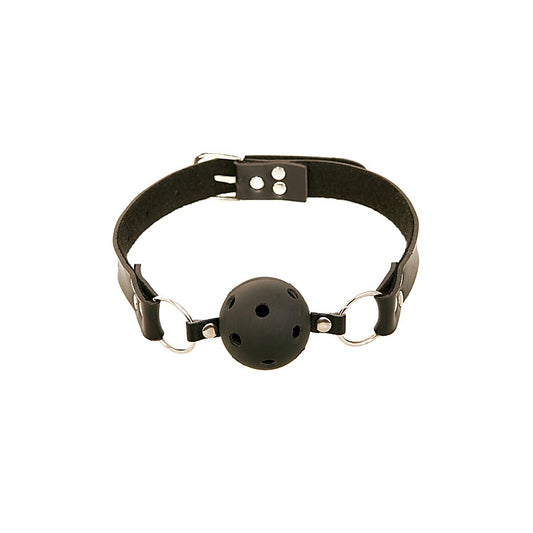

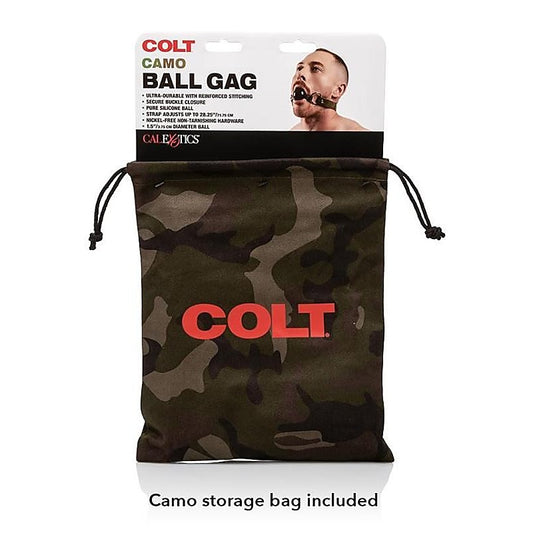

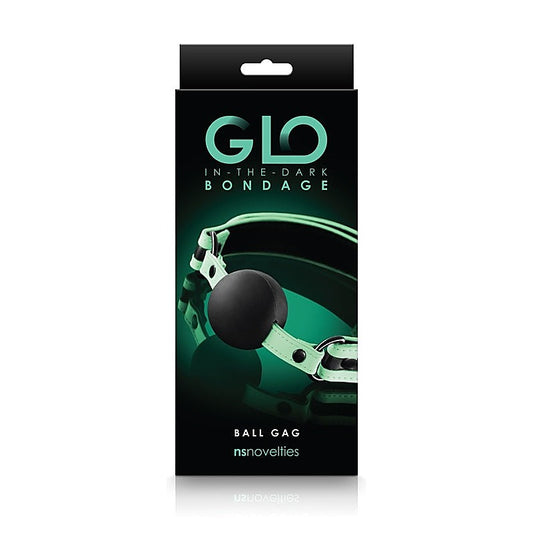

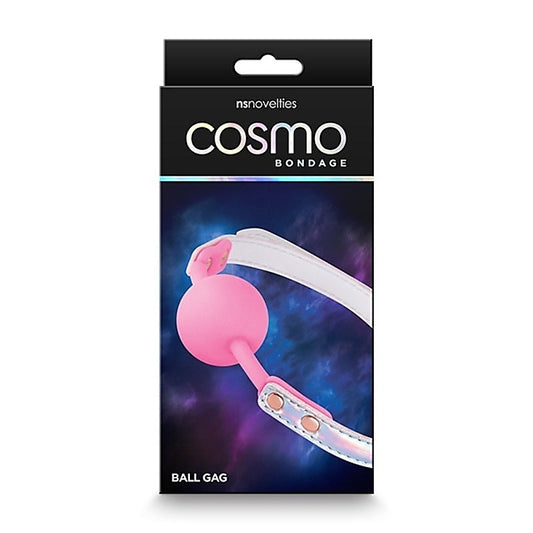






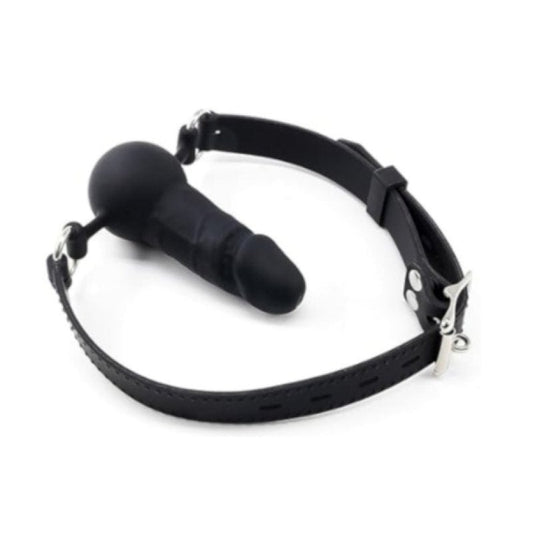

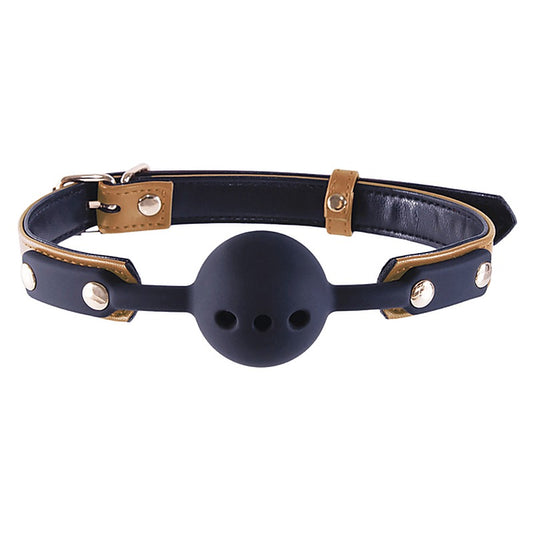

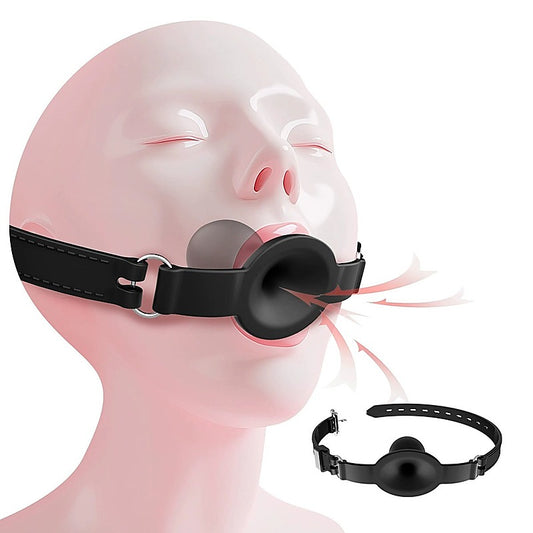

Bondage gags are restraint devices that limit speech during consensual BDSM play, made from silicone, leather, or metal. They come in three main types: ball gags that fully mute, O-ring gags that keep the mouth open, and bit gags that sit between the teeth.
At a glance
|
🚚 Plain, discreet packaging • 🔒 Discreet billing • 🔁 Hygiene-conscious returns |
About Bondage Gags
Bondage gags restrict speech to intensify submission and arousal in consensual roleplay. They work by limiting verbal communication, which heightens other senses—especially touch—and creates a powerful sense of surrender. The silencing effect, combined with physical restraint, deepens the power dynamic between partners and can heighten vulnerability and trust.
These restraints are made from body-safe materials: silicone for comfort and easy cleaning, leather for classic aesthetics and durability, and metal for a firmer feel. Bondage Ball Gags are a popular entry point for people new to restraint play. Gags suit all experience levels and pair well with other bondage gear to create more immersive scenes.
What makes Bondage Gags different
Gags stand out because they remove one of your most instinctive forms of communication—speech. This creates a unique psychological shift that intensifies surrender and trust. Unlike other restraints that limit movement, gags focus on sensory control and the erotic power of silence. If you're interested in more comprehensive head restraint, Bondage Hoods offer full sensory deprivation alongside speech restriction.
Types of Bondage Gags
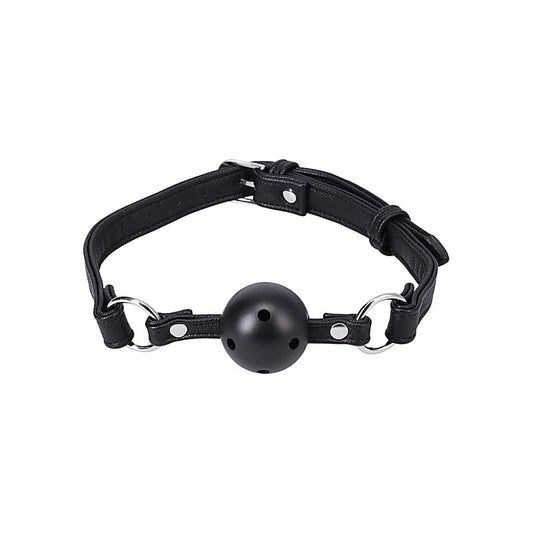
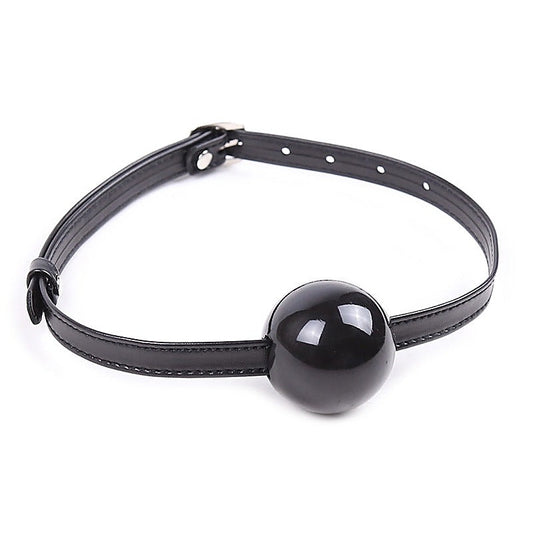
Ball Gags. A solid silicone or rubber ball sits in the mouth, fully muting speech. They're ideal for submissive scenarios where complete control is the goal, and the wearer often experiences drooling, which many find arousing.
O-Ring Gags. A hollow metal or silicone ring keeps the mouth open while restricting speech. This design allows oral play and intimacy while maintaining restraint, making it perfect for scenes that blend control with access.
Bit Gags. A horizontal bar, usually silicone, sits between the teeth and causes less jaw strain than ball gags. They offer moderate speech restriction and suit extended wear, appealing to those balancing comfort with submissive dynamics. Bondage Tape can secure bit gags in place for added control.
How they compare
| Item | Material | Best for | Skill level | Notes |
|---|---|---|---|---|
| Ball Gag (standard) | Silicone or rubber | Full speech restriction and muting | Beginner to advanced | Fully silences; adjustable strap; easy to clean |
| O-Ring Gag | Silicone or stainless steel | Oral play with partial speech restriction | Intermediate to advanced | Keeps mouth open; allows intimacy; durable |
| Bit Gag | Silicone | Extended wear with moderate restriction | Intermediate | Sits between teeth; comfortable for longer sessions |
| Metal O-Ring Gag | Stainless steel and leather | Firmer feel and advanced control | Advanced | Heavier; interchangeable rings; very durable |
How to choose a bondage gag
Start by deciding what kind of experience you want. If you're aiming for total silence and submission, a ball gag is the straightforward choice. If you want to combine restraint with oral play, an O-ring gag gives you both. Consider your comfort level with jaw tension—ball gags require more open-mouth holding, while bit gags sit between your teeth and suit longer wear. Silicone is the most forgiving material for beginners because it's soft and easy to clean.
Think about how you'll use it. Solo play has different needs than partnered scenes. If you're playing with a partner, agree on a safe signal (usually a hand gesture or dropping an object) because speech is already restricted. Pair your gag with Bondage Handcuffs or other restraints to build a complete scene. Check the strap adjustment range to ensure it fits your head size, and always inspect leather and metal for wear before use.
Tips from the Adultsmart team
Hard-won pointers from the Adultsmart team, alongside our panel of sexologists, educators, and adult-industry contributors. Meet our experts →
After years of helping customers with bondage gags, we've noticed the biggest mistake is underestimating how intense the psychological shift feels. First-timers often expect it to be about the muffling, but it's really about losing control of communication. Start with shorter sessions—even five or ten minutes—to see how your body and mind respond. The sensation of vulnerability can be powerful, and that's worth approaching gradually.
Fit is everything with gags. A strap that's too loose will fall out or feel insecure, killing the scene. A strap that's too tight will cause jaw pain and headaches. Most adjustable gags have multiple buckle holes; find the sweet spot where it's snug but not cutting into your skin. If you're buying for a partner, measure their head circumference first, or choose a model with a wide adjustment range.
Never leave someone gagged and alone—this is non-negotiable. If you're the dominant partner, stay present and attentive. Watch for signs of discomfort, drooling that's heavier than expected, or difficulty breathing. Agree on your safe signal before the gag goes in, and make sure the submissive partner can actually use it (hand drops, snapping fingers, or holding a small object work well). After the scene, remove the gag gently and rinse the wearer's mouth with water.
| Please read — safety first. Charge only with the supplied cable and keep the charging port dry unless the sex toy is waterproof-rated. Pair and update through the official app, and switch the device off fully between sessions so the motor and battery aren't left under load. As porous materials can harbour bacteria, use a condom over them for sharing or easy clean-up. This information is general in nature only and is not medical advice; it does not account for your individual circumstances. If you have a relevant health condition or experience any persistent discomfort, discontinue use and seek advice from a qualified medical professional. |
Care and cleaning
Wash your gag with warm soapy water or toy cleaner immediately after use. Silicone and rubber can be boiled for five minutes if you want full sterilisation. Leather straps should be wiped with a damp cloth and air-dried away from direct heat or sunlight. Metal components can be wiped dry to prevent water spots. Store your gag in a clean, dry place away from extreme temperatures. Check leather and metal regularly for cracks, rust, or wear before each use.
Learn more
Bondage gags are just one part of a larger practice. If you're new to restraint play, read our guide to First Bondage Session for practical advice on safety, communication, and building trust with a partner.
Why shop Bondage Gags at Adultsmart
Keen to get this right the first time? Adultsmart stocks a carefully selected range of bondage gags in silicone, leather, and metal, chosen by people who actually use this gear. Every order arrives in discreet packaging with confidential billing. Body-safe, clearly labelled, and chosen by people who use this gear.
Bondage Gags FAQ
What are bondage gags and bits, and how are they used?
Bondage gags and bits are BDSM restraint devices designed to restrict speech, enhance submission, and add sensory intensity to power play. A gag is placed in the mouth and secured with straps around the head, preventing or muffling speech while heightening the submissive’s vulnerability. A bit gag, inspired by equestrian gear, has a bar-like mouthpiece held in place by straps, similar to a horse’s bridle. These devices are commonly used in dominance and submission (D/s) play, sensory deprivation, humiliation play, and pet play. The act of being gagged increases the psychological and physical aspects of control, reinforcing submission and trust between partners.
How do I clean and store my bondage gag?
Proper cleaning is essential for hygiene and longevity. Silicone and rubber gags should be washed with warm water and antibacterial soap or a specialized toy cleaner after each use. Leather gags should be wiped with a damp cloth and treated with leather conditioner to prevent drying or cracking. Metal gags can be disinfected with alcohol wipes or mild soap. To store, keep gags in a clean, dry place away from dust and moisture. Avoid storing different materials together to prevent cross-contamination. If a gag starts to show signs of wear, cracks, or deterioration, replace it immediately for safety.
What types of bondage gags are available?
There are several types of bondage gags, each offering different levels of restriction and sensation. Ball gags are the most popular, featuring a rubber or silicone ball that fills the mouth and muffles speech. Bit gags have a cylindrical or flat bar that rests between the teeth, often used in pony play or roleplay scenarios. Ring gags keep the mouth open by using a rigid ring, allowing for oral access while preventing speech. Panel gags cover the mouth entirely with a padded panel for a silencing effect. Inflatable gags can be expanded inside the mouth for adjustable restriction, and mouth-bit hybrids combine elements of both styles. The best gag depends on comfort level and the desired intensity of play.
Are bondage gags safe to use?
Bondage gags are safe when used responsibly and with clear non-verbal communication methods in place. Since gags restrict speech, partners should establish a safe gesture, tap-out system, or other non-verbal cues to signal distress or discomfort. Gags should never block breathing, so it’s important to choose a design that allows for airflow, especially for beginners. Extended use can cause jaw strain, drooling, or gag reflex activation, so play should be monitored closely. If at any point the gag becomes uncomfortable, difficult to remove, or causes excessive distress, it should be removed immediately.
How do I choose the right gag for my experience level?
Beginners should start with a small, breathable, and soft material gag, such as a silicone ball gag with air holes or a bit gag that allows slight jaw movement. A soft, padded panel gag can also provide restriction without excessive mouth strain. Intermediate users may prefer larger ball gags, ring gags, or panel gags for increased restriction. Advanced users can explore metal ring gags, spider gags, or inflatable gags for extreme restriction and sensory play. Consider jaw size, comfort level, and breathing capability when choosing a gag, and always prioritize safety.
What’s the difference between a ball gag and a bit gag?
A ball gag consists of a round ball, usually made of silicone or rubber, that sits inside the mouth and prevents speech while restricting jaw movement. It is designed to muffle sounds and enforce submission. A bit gag, on the other hand, features a cylindrical or flat bar that rests between the teeth, often allowing some level of movement and articulation. Bit gags are commonly used in pet play and pony play, as they mimic horse bridles. While both restrict speech, ball gags provide stronger mouth-filling restriction, while bit gags allow slightly more flexibility.
Do bondage gags cause drooling, and is that normal?
Yes, drooling is a common and expected reaction to wearing a gag, especially ball gags and ring gags that keep the mouth open. Since the gag prevents swallowing normally, saliva tends to build up and spill out. Many BDSM enthusiasts find forced drooling arousing as it enhances the feeling of submission and helplessness. Some dominants also use drooling as part of humiliation play. If excessive drooling is uncomfortable, using a smaller gag or a bit gag may help reduce it. Having a towel or bib on hand can also make the experience more manageable.
How long can a bondage gag be worn safely?
For beginners, bondage gags should be worn for 10-15 minutes at a time to allow the jaw to adjust. More experienced users may wear them for 30-45 minutes, but it’s crucial to take breaks to prevent jaw fatigue or discomfort. Extended wear can cause sore jaw muscles, numbness, or excessive saliva buildup, so monitoring the wearer’s comfort is essential. If there is any pain, numbness, or difficulty breathing, the gag should be removed immediately. Using soft, flexible gags can allow for longer wear times, while rigid or oversized gags should be worn for shorter periods.
What materials are best for bondage gags?
The best materials for bondage gags are body-safe, non-toxic, and easy to clean. Silicone is the most popular option as it is soft, hypoallergenic, and non-porous, making it safe for long-term use. Rubber gags are common but may have a slight taste or odor that some users dislike. Metal ring gags and bit gags provide a more intense experience but can be uncomfortable for long periods. Leather and fabric gags offer a softer alternative, but they are harder to clean and may absorb saliva over time. Always choose non-toxic, phthalate-free materials to ensure safe use.
Can I wear a gag with a breathing issue or gag reflex sensitivity?
Individuals with asthma, sinus issues, or strong gag reflexes should be cautious when using bondage gags. If breathing is a concern, bit gags or breathable ball gags with holes are a better option, as they allow airflow through the mouth. Ring gags may cause discomfort for those with a sensitive gag reflex, as they keep the mouth forced open. If gagging is an issue, starting with a smaller ball gag or a soft cloth gag can help build tolerance over time. Always have a quick-release mechanism or emergency signal in place to ensure safety.
Recently Viewed Products
Example product title
- $19.99
- $19.99
- Unit price
- per
Example product title
- $19.99
- $19.99
- Unit price
- per
Example product title
- $19.99
- $19.99
- Unit price
- per
Example product title
- $19.99
- $19.99
- Unit price
- per
Example product title
- $19.99
- $19.99
- Unit price
- per
Example product title
- $19.99
- $19.99
- Unit price
- per
Example product title
- $19.99
- $19.99
- Unit price
- per
Example product title
- $19.99
- $19.99
- Unit price
- per
Example product title
- $19.99
- $19.99
- Unit price
- per
Example product title
- $19.99
- $19.99
- Unit price
- per
Why Shop With Adultsmart?
- Choosing a selection results in a full page refresh.