



-
Master Series Trapped Wrist and Ankle Stocks Restraints - BlackXR Brands Master Series Trapped Wrist and Ankle Stocks is a wooden bondage stockade designed for restraining both wrists and ankles simultaneously. Measuring 61 cm long with 6.1 cm wrist openings and 8.4 cm ankle openings, it features black wood construction with silver-tone metal...
- $179.99
$199.99- $179.99
- Unit price
- per
-
Indica Cutout Cuffs by Sportsheets - EmeraldSportsheets Indica Cutout Bondage Hand Cuffs are emerald green faux leather restraints with soft-lined interiors and adjustable buckle closures fitting wrists from 5.5 to 8.25 inches. The gold-tone hardware and elegant cutout detailing provide sophisticated visual appeal while preventing chafing during extended bondage scenes....
- $39.99
$49.99- $39.99
- Unit price
- per
-
Tie In Wrist Muff Cuffs Bondage Restraint by BDStyleBDStyle Tie In Wrist Muff Cuffs are adjustable bondage restraints designed for wrist restraint during intimate play. Constructed from soft faux leather, they accommodate wrist circumferences from 14-20 cm with reinforced tie-in attachment points. The quick-release mechanism enables immediate removal for safety, while the...
- $54.99
$59.99- $54.99
- Unit price
- per
-
Biind ex Cuffii Restraints by Biird - BlueBiird Biind is a silicone hand restraint set designed for bondage exploration and power play. Featuring 100% body-safe silicone construction with 6cm inner diameter cuffs and 7cm spacing, these metal-free restraints provide secure control without harsh edges or noise. The hypoallergenic material prevents chafing...
- $34.99
$44.99- $34.99
- Unit price
- per
-
Sex and Mischief Peaches n CreaMe Silicone CuffsSex and Mischief Peaches 'n CreaMe Silicone Cuffs are stretch-to-fit restraints available in small (9.5 inches) for wrists and large (11 inches) for ankles. Crafted from 100% body-safe silicone weighing 1.8 ounces each, they leave no marks and remain fully waterproof. Ideal for spontaneous...
- $29.99
$34.99- $29.99
- Unit price
- per
-
Animal Print Bondage Wrist Cuffs by Berlin Baby - Leopard PrintBerlin Baby Animal Print Bondage Wrist Cuffs are premium restraint accessories featuring bold leopard or red zebra patterns with metallic accents. Constructed from vegan-friendly faux fur with neoprene lining, these 6.5cm-wide cuffs fit wrist circumferences from 18–25cm and include a detachable 12cm chain with...
- $19.99
$24.99- $19.99
- Unit price
- per
-
Heavily Padded Wrist Restraints by Berlin BabyBerlin Baby Heavily Padded Wrist Restraints are lockable vegan leather cuffs designed for bondage play and power exchange. Featuring 5.5cm-wide padding and triple D-rings per cuff, they distribute pressure evenly across wrists without pinching. The detachable 16cm chain join allows customizable positioning, while adjustable...
- $24.99
$29.99- $24.99
- Unit price
- per
-
Diamante Buckle Bondage Wrist Cuffs by Berlin BabyBerlin Baby Diamante Buckle Bondage Wrist Cuffs are luxury restraint accessories featuring sparkling diamante-inlayed buckles, premium vegan PU leather construction, and adjustable 19-31cm fit. The 6.5cm width with 2cm D-rings and 15cm detachable chain delivers sophisticated restraint capability. These cuffs suit couples seeking glamorous...
- $19.99
$24.99- $19.99
- Unit price
- per
-
Black Lace Printed Wrist Restraints by Berlin BabyBerlin Baby Black Lace Printed Wrist Restraints are neoprene bondage cuffs featuring intricate lace printing on a soft-lined interior. Measuring 37 centimeters long with 5-centimeter width, they include matte black hardware, double-capped rivets, and a detachable 16-centimeter double-clasp chain. These restraints suit couples seeking...
- $24.99
$29.99- $24.99
- Unit price
- per
-
Unlined Faux Leather Wrist Cuffs by Berlin Baby - BlackBerlin Baby Unlined Faux Leather Wrist Cuffs are streamlined restraint accessories featuring vegan PU leather construction with double-capped rivet reinforcement. At 29 centimeters long with 5.5-centimeter width, they provide secure buckle closure and detachable 13-centimeter chain connection. Available in black, red, and pink, these...
- $12.99
$14.99- $12.99
- Unit price
- per
-
Padded PU Leather Wrist Cuffs by Berlin BabyBerlin Baby Padded PU Leather Wrist Cuffs are restraint accessories featuring vegan PU leather construction with integrated padding technology and hot pink interior contrast. The 40-centimeter length with 6-centimeter width accommodates diverse body types while the matte black 2.5-centimeter D-rings provide secure attachment points....
- $24.99
$29.99- $24.99
- Unit price
- per
-
Turquoise Blue Faux Leather Wrist Cuffs by Berlin BabyBerlin Baby Turquoise Blue Faux Leather Wrist Cuffs are bondage restraints featuring vibrant PU leather construction with triple D-ring hardware per cuff. The 30-centimeter length with adjustable buckle closure accommodates diverse wrist sizes, while the 16-centimeter detachable chain enables versatile positioning. The striking turquoise...
- $19.99
$24.99- $19.99
- Unit price
- per
-
Satin and Lace Bondage Wrist Cuffs by Berlin Baby - PurpleBerlin Baby Satin and Lace Bondage Wrist Cuffs are elegant restraint accessories featuring lace-printed satin exterior with plush interior lining. Each cuff measures 35 centimeters long with 6.5-centimeter width and includes 2.5-centimeter O-rings with dual snap connections. The hook and loop closure system provides...
- $19.99
$24.99- $19.99
- Unit price
- per
-
Faux Fur Lined Leatherette Wrist Restraint by Berlin Baby - BlackBerlin Baby Faux Fur Lined Leatherette Wrist Restraint combines luxurious faux fur comfort with professional-grade bondage security. These 6cm-wide cuffs feature double-capped rivets, detachable chain joins, and vegan-friendly leatherette construction. Available in black, red, pink, and purple, they deliver secure restraint without physical discomfort,...
- $19.99
$24.99- $19.99
- Unit price
- per
-
Metallic Heart Bondage Wrist Cuffs by Berlin BabyBerlin Baby Metallic Heart Bondage Wrist Cuffs are premium vegan PU leather restraints featuring striking red metallic heart inlays and professional-grade hardware. Each cuff includes a 3cm O-ring and 2.5cm Dee ring with a detachable 16cm chain, offering versatile configuration for various bondage scenarios....
- $24.99
$29.99- $24.99
- Unit price
- per
-
BDStyle Heavy Duty BDSM Play Metal Wrist Cuffs with ChainBDStyle Heavy Duty BDSM Play Metal Wrist Cuffs are professional-grade stainless steel restraints featuring precision-machined construction with Allen screw locking mechanisms. Each cuff weighs 450g and measures 1.2cm thick, with gender-specific sizing: 5.3cm diameter for female, 6.4cm for male. The 7cm connecting chain enables...
- $116.99
$129.99- $116.99
- Unit price
- per
-
Black Fur Lined Bracelet Wrist Cuff by BDStyleBDStyle Black Premium Fur Lined Bracelet Wrist Cuff is a wrist restraint featuring dual straps with six adjustment slots and mink-like fur lining. The 2-inch main strap paired with a 1-inch lockable top strap distributes pressure evenly across the wrist. Available in premium PVC...
- $19.99
$24.99- $19.99
- Unit price
- per
-
Heavy-Duty Metal Ankle/Wrist Cuffs with Chain by BDStyleBDStyle Heavy-Duty Metal Ankle/Wrist Cuffs with Chain are stainless steel restraints designed for BDSM play. Measuring 7 inches in diameter with a 12-inch connecting chain, these cuffs feature adjustable buckles and secure locking mechanisms. The solid metal construction delivers satisfying weight and durability for...
- From $121.99
$134.99- From $121.99
- Unit price
- per
-
Suspension Wrist Cuffs Leather by BDStyleBDStyle Suspension Wrist Cuffs are premium faux leather restraints measuring 28.1 cm x 15.6 cm, designed for suspension and power exchange play. Featuring locking buckles, snap adapters, and reinforced stitching, they accommodate most wrist sizes securely. These cuffs suit experienced practitioners and beginners exploring...
- $34.99
$44.99- $34.99
- Unit price
- per
VISIT XVIDEO FOR ADULT DVDS



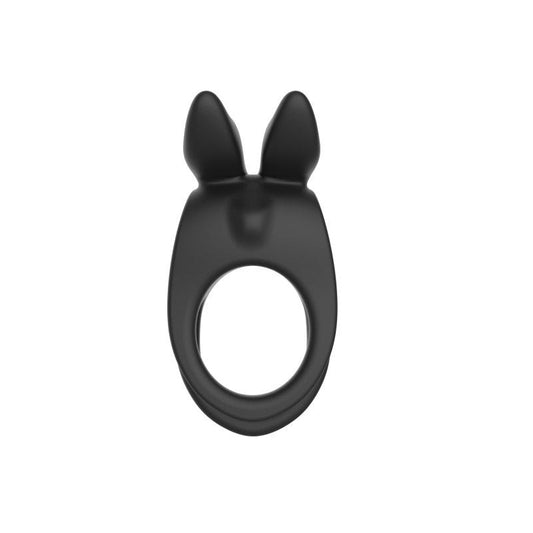
Men 10 Mode Vibrating Rabbit Cock Ring by Ashella
- Black
Ashella Men 10 Mode Vibrating Rabbit Cock Ring is a dual-ring vibrator designed for partnered stimulation and performance enhancement. Measuring 45.2 x 91.1 x 43.1mm with 10 vibration modes across 3 speed settings, it combines a supportive shaft and ball ring with external bunny...
- $34.99
$39.99- $34.99
- Unit price
- per
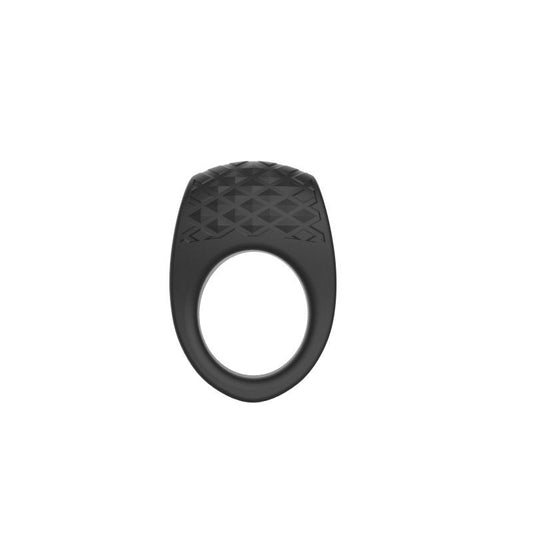
Men 10 Mode Vibrating Cock Ring by Ashella
- Black
The Ashella Men Vibrating Cock Ring is a silicone erection ring featuring 10 vibration modes across 3 speed settings. Measuring 45.5 x 66.7 x 29.4mm with rechargeable USB power lasting one hour per charge, it delivers customizable stimulation for solo or partnered play. The...
- $34.99
$39.99- $34.99
- Unit price
- per
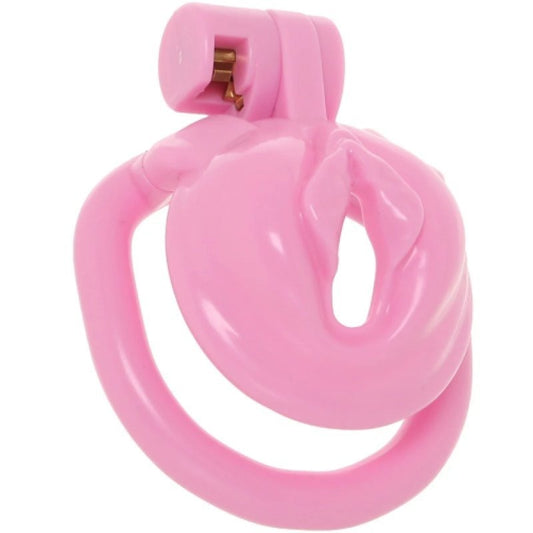
Bitchboy Degrading Mini Chastity Cage by Electric EEL Inc
- Pink
Bitchboy Degrading Mini Chastity Cage by Electric EEL Inc is a compact chastity cage featuring a pussy-shaped design with 1-inch insertable length. Constructed from lightweight, smooth material, it measures 3.23 x 2.68 x 1.3 inches and delivers open-design breathability. The cage combines visual humiliation...
- $129.99
$139.99- $129.99
- Unit price
- per


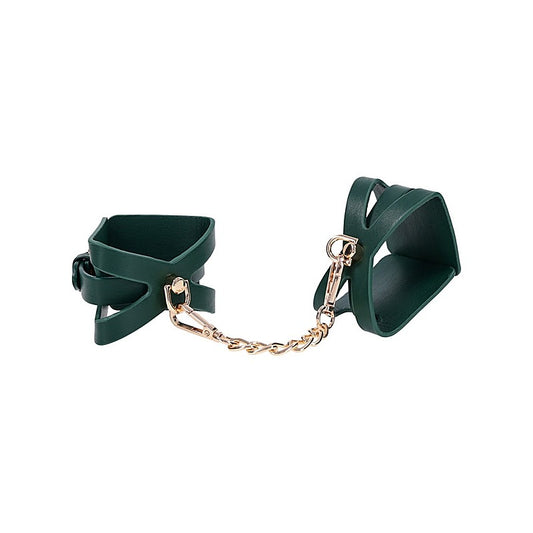

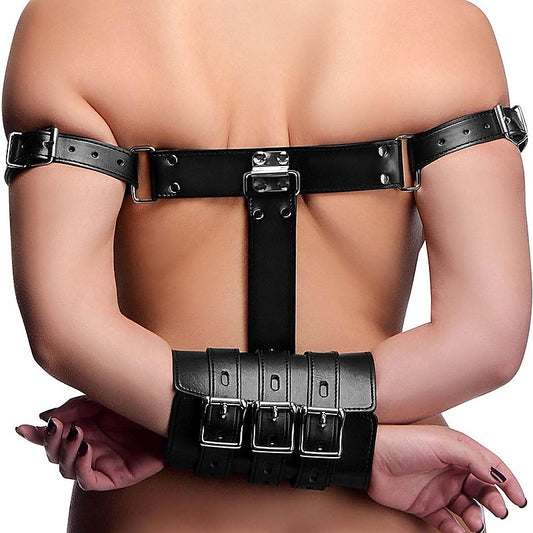




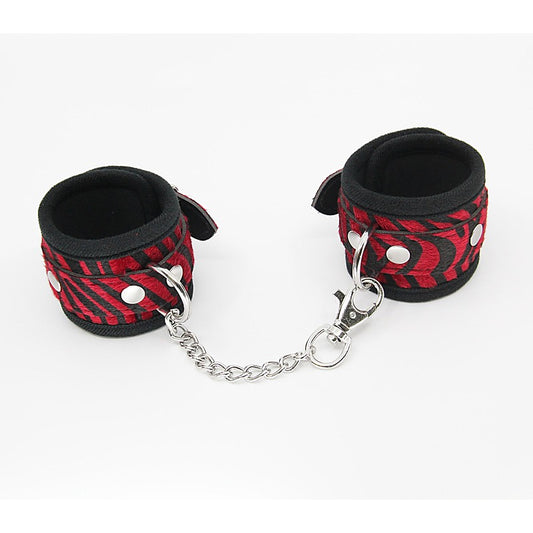

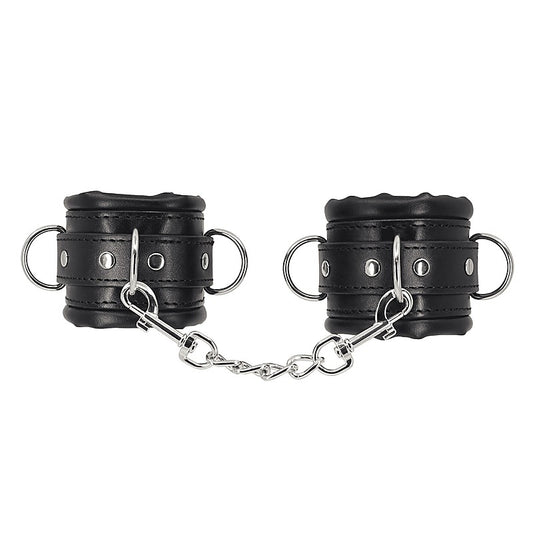


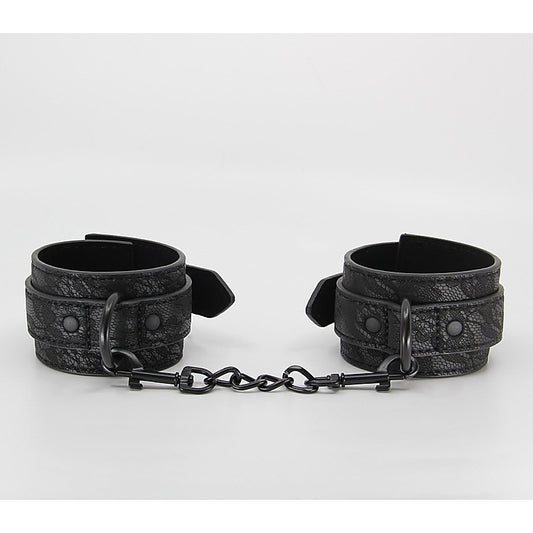

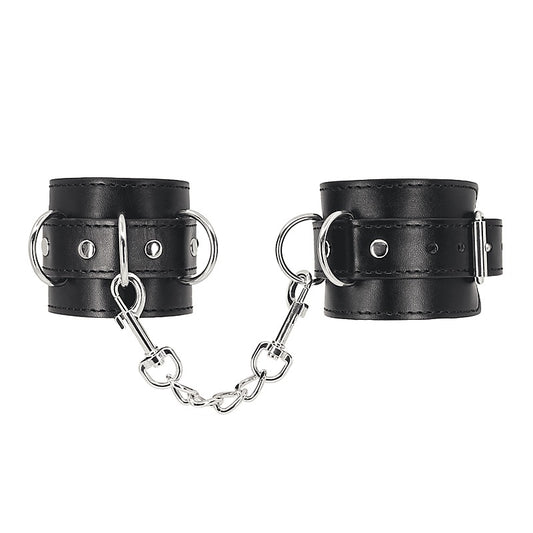

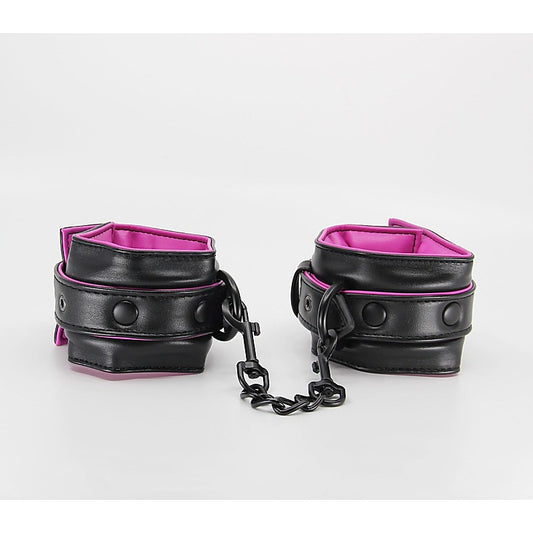

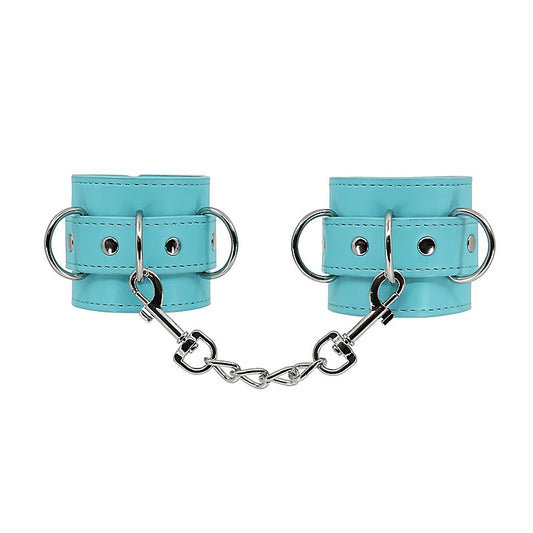

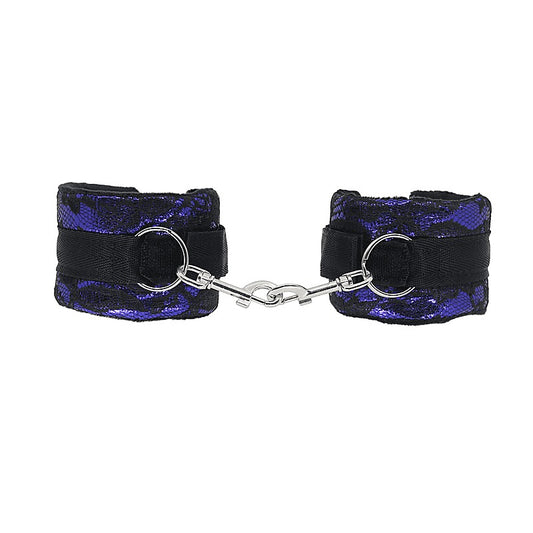

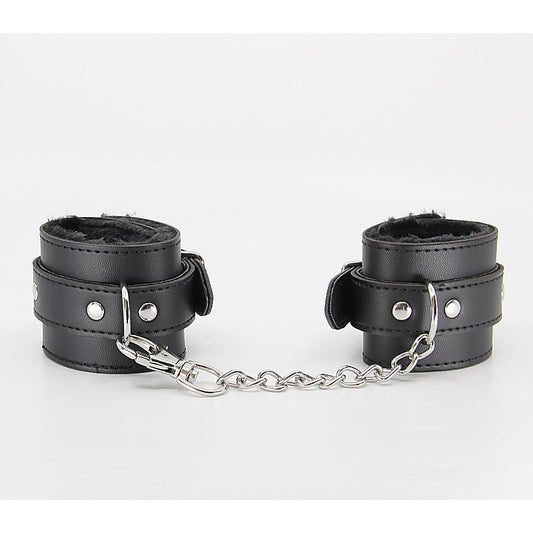

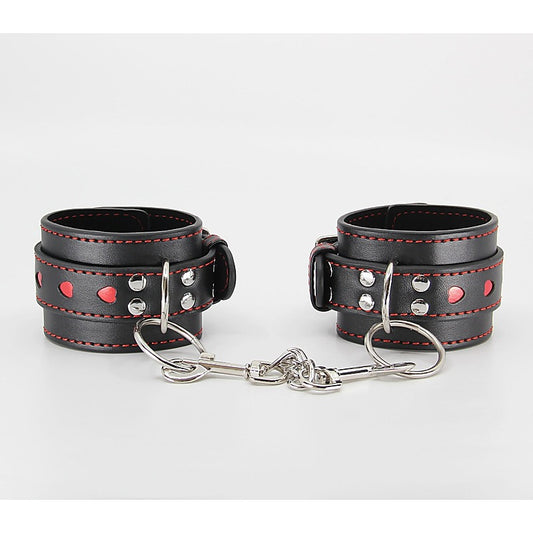

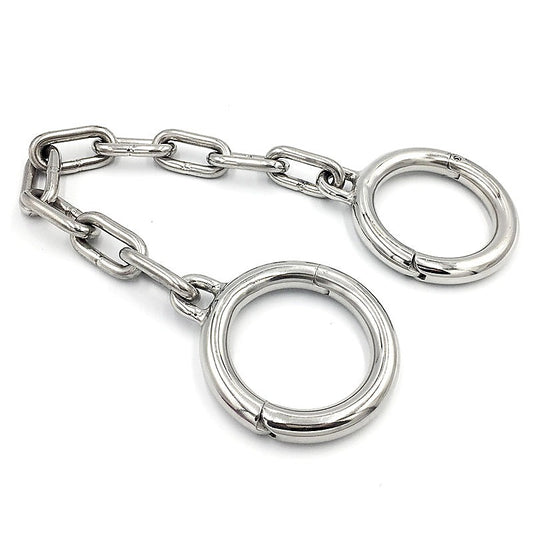

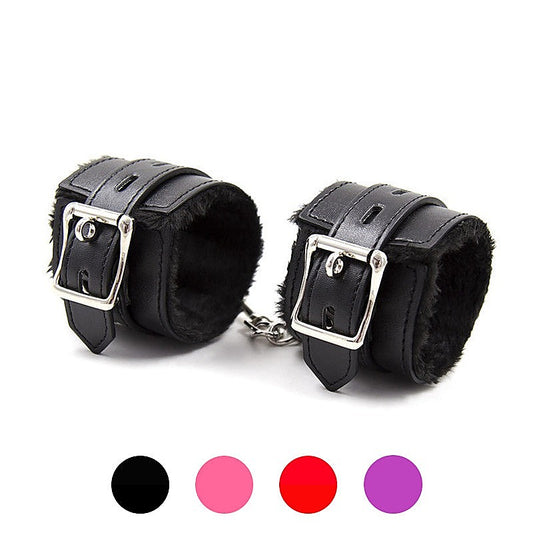


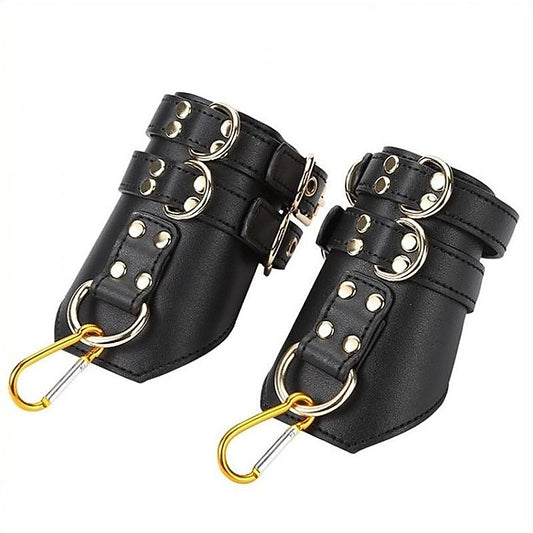

Wrist cuffs are restraints that fasten around the wrists to restrict arm movement during consensual bondage. They range from soft padded designs with quick-release closures to leather or metal options offering firmer control, balancing security with comfort through adjustable sizing and circulation-friendly padding.
At a glance
|
🚚 Plain, discreet packaging • 🔒 Discreet billing • 🔁 Hygiene-conscious returns |
About Wrist Cuffs
Wrist cuffs are the most versatile restraint option in bondage play. They attach securely around each wrist and connect to anchors, headboards, or other restraints depending on your scene. Unlike rope, they apply pressure evenly and come off in seconds. Most people who explore bondage own multiple sets for different situations—soft pairs for comfort, leather for durability, and metal for psychological intensity.
The wrist is a natural anchor point that stays comfortable during extended wear when the cuff fits properly. Soft padded designs in neoprene or fleece suit sensitive skin and longer sessions, while leather cuffs develop character over time and last years with basic care. If you're also exploring other restraint options, Vibrating Butt Plugs pair well with bondage scenes for added sensation. Metal cuffs demand precise sizing but deliver maximum security and cold-metal sensations that experienced users crave.
What makes Wrist Cuffs different
Wrist cuffs keep your hands and fingers fully functional while restricting arm movement—a major safety advantage for beginners. You can still gesture, sign, or tap out if needed. They're faster to apply and remove than rope, offer consistent pressure without circulation risk, and work in countless positions. Within the broader world of BDSM Gear, wrist cuffs stand out for their simplicity, speed, and forgiving learning curve.
Types of Wrist Cuffs
Wrist cuffs come in several material and closure combinations. Choose based on your comfort needs, session length, and experience level.
Soft padded cuffs. These use neoprene, fleece, or thick cushioned fabric and prioritize comfort for extended wear or first-timers. Velcro or buckle closures allow quick release, and they genuinely restrict when fastened properly despite their gentle feel.
Leather cuffs. Quality leather includes interior padding to prevent chafing while keeping the substantial, intense look and feel. Leather molds to your wrists over time and lasts years with proper conditioning. Budget leather may crack, so invest in good-quality pairs if you choose this material.
Metal cuffs. Steel or aluminum cuffs provide maximum security, cold-metal sensations, and psychological intensity. They require precise sizing since metal doesn't stretch or give. Metal cuffs suit experienced users and shorter scenes where the psychological impact matters most. If you're exploring impact play alongside restraint, Bondage Whips create complementary sensations during restrained scenes.
Combination cuffs. Some designs blend materials—for example, leather exterior with padded lining—to balance durability, comfort, and psychological intensity in one pair.
How they compare
| Type | Material | Best for | Skill level | Notes |
|---|---|---|---|---|
| Soft padded | Neoprene or fleece | Extended wear, sensitive skin, comfort focus | Beginner to advanced | Velcro closures lose grip over time; buckle versions more durable |
| Leather with padding | Quality leather interior-lined | Durability, psychological intensity, regular use | Intermediate to advanced | Requires conditioning; molds to wrists; lasts years if maintained |
| Metal | Steel or aluminium | Maximum security, cold sensation, short intense scenes | Experienced | Precise sizing essential; no give or adjustment; psychological impact high |
| Hybrid | Leather exterior, padded lining | Balance of comfort, durability, and intensity | Intermediate to advanced | Combines benefits of leather and padding; versatile for most scenes |
How to choose a wrist cuff
Start by thinking about how long you'll wear the cuffs and how much intensity you want. If you're new to bondage or plan sessions longer than 30 minutes, soft padded cuffs with Velcro closures are the safest bet—they feel gentle but genuinely restrict, and you can panic-release instantly. For regular play where comfort matters less than durability, leather with interior padding offers the best value over time.
Sizing matters more than people realise. Your wrist cuffs should sit snug enough that you can't slip a hand out, but loose enough that you can fit one finger underneath when fastened. Metal cuffs need exact sizing since they don't adjust; leather and padded cuffs offer some give. Consider how many positions you'll use them in—overhead attachment, wrists together, or connected to ankle restraints—and choose closures that work for your partner's (or your own) dexterity. If you enjoy impact play alongside restraint, Paddles pair naturally with wrist cuffs during scenes for layered sensation.
Tips from the Adultsmart team
Hard-won pointers from the Adultsmart team, alongside our panel of sexologists, educators, and adult-industry contributors. Meet our experts →
After years of helping customers fit wrist cuffs, the biggest mistake we see is buying them too loose. People worry about circulation, but a properly fitted cuff should sit snug at the wrist bone—you need that security so the cuff doesn't slip during movement or when you're pulling against it. Always test the fit with one finger underneath when fastened. If you can slide more than that, it's too loose and won't hold.
Velcro closures are brilliant for panic-proofing, but they genuinely do degrade over time as lint and dust build up in the hooks. If you use the same pair regularly, brush the Velcro with a soft brush or lint roller every few weeks to keep it grippy. Buckle closures last longer and resist wear, but they take a second longer to undo under pressure—think about what matters more for your scenes. Many experienced players own both types and switch depending on the situation.
Never leave someone restrained and alone, even briefly. Always establish a safe word beforehand and agree on hand signals if speech isn't possible. Check circulation in the fingers every 15–20 minutes during longer scenes—ask the restrained person to wiggle their fingers or make a fist. If they report numbness, tingling, or colour changes in the hands, remove the cuffs immediately. These signs mean the cuff is too tight or positioned badly, and circulation is compromised.
| Please read — safety first. Charge only with the supplied cable and keep the charging port dry unless the sex toy is waterproof-rated. Pair and update through the official app, and switch the device off fully between sessions so the motor and battery aren't left under load. Never share between partners, or between anal and vaginal use, without cleaning the item first or using a fresh condom. This information is general in nature only and is not medical advice; it does not account for your individual circumstances. If you have a relevant health condition or experience any persistent discomfort, discontinue use and seek advice from a qualified medical professional. |
Care and cleaning
Soft padded cuffs should be hand-washed in warm soapy water after each use, especially if there's sweat or body contact. Air dry completely before storing. Leather cuffs need occasional conditioning with leather balm to prevent cracking; wipe them clean with a damp cloth and condition every few months depending on use. Metal cuffs should be wiped dry immediately after use to prevent rust, especially if exposed to sweat or moisture. Store all cuffs in a cool, dry place away from direct sunlight.
Learn more
Wrist cuffs are just one part of the broader restraint world. For more on other restraint options and how they compare, check out our guide on Banned Foot And Ankle Cuffs. You'll find sizing tips, material breakdowns, and real-world advice from experienced players.
Why shop Wrist Cuffs at Adultsmart
Ready to shop with the details sorted? Adultsmart stocks wrist cuffs in padded, leather, and metal options to suit every skill level and scene type. Discreet packaging arrives in unmarked parcels, and your billing shows only Adultsmart on your statement—no product names visible. Trusted Australian adult retailer — discreet, knowledgeable, and here to help.
Wrist Cuffs FAQ
What wrist cuffs should beginners buy first?
Soft padded cuffs with Velcro or buckle closures. These provide comfort for extended wear and quick release for safety. Choose universal-fit designs accommodating different wrist sizes if sharing with partners.
Should I buy metal cuffs for more secure bondage?
Only if you have experience with soft and leather cuffs first. Metal requires precise sizing, provides less circulation warning, and creates psychological intensity not everyone enjoys. Start with adjustable materials before progressing to metal.
How tight should wrist cuffs feel?
Snug but not tight—fit 1–2 fingers between cuff and skin comfortably. Never so tight circulation restricts. Check fingers stay warm and normal-colored every 10–15 minutes. Numbness or tingling requires immediate loosening.
Can wrist cuffs cause permanent damage?
Yes, if too tight, worn too long, or positioned stressing joints. Proper fit, regular circulation checks, and limiting duration prevent problems. Take numbness, tingling, or color changes seriously—these indicate nerve or circulation compromise.
What is safer: Velcro or buckle closures?
Both are safe when used properly. Velcro releases instantly for panic situations but can be defeated by pulling. Buckles resist escape better while still unfastening quickly. Choose based on desired security level and anxiety concerns.
How long can someone wear wrist cuffs safely?
Depends on position and fit. Wrists-in-front: 30–60 minutes with checks. Wrists-behind-back: 15–20 minutes maximum initially. Arms overhead: 20–30 minutes before shoulder fatigue. Always prioritize comfort over arbitrary time limits.
Can I connect wrist cuffs directly to each other without anchor points?
Yes, many include connection chains or clips for linking wrists together. This provides restriction without requiring furniture or wall anchors. Short connections limit movement more than longer ones. Experiment with different connection lengths.
Do leather wrist cuffs need special care?
Wipe with damp cloth after use. Apply leather conditioner monthly to prevent drying and cracking. Never machine wash or soak. Store in dry locations away from direct sunlight. Quality leather lasts years with proper maintenance.
What if someone panics while in wrist cuffs?
They use their safe word, and you release immediately—no questions or delays. Keep safety shears accessible to cut through restraints if buckles jam. Respect safe words builds trust and ensures everyone's wellbeing during bondage exploration.
Can wrist cuffs fit over clothing or must they go on bare skin?
They work both ways. Over long sleeves provides padding and modesty. Bare skin allows better circulation monitoring and creates more direct sensation. Choose based on comfort preferences and session goals—both are valid approaches.
Recently Viewed Products
Example product title
- $19.99
- $19.99
- Unit price
- per
Example product title
- $19.99
- $19.99
- Unit price
- per
Example product title
- $19.99
- $19.99
- Unit price
- per
Example product title
- $19.99
- $19.99
- Unit price
- per
Example product title
- $19.99
- $19.99
- Unit price
- per
Example product title
- $19.99
- $19.99
- Unit price
- per
Example product title
- $19.99
- $19.99
- Unit price
- per
Example product title
- $19.99
- $19.99
- Unit price
- per
Example product title
- $19.99
- $19.99
- Unit price
- per
Example product title
- $19.99
- $19.99
- Unit price
- per
Why Shop With Adultsmart?
- Choosing a selection results in a full page refresh.