



-
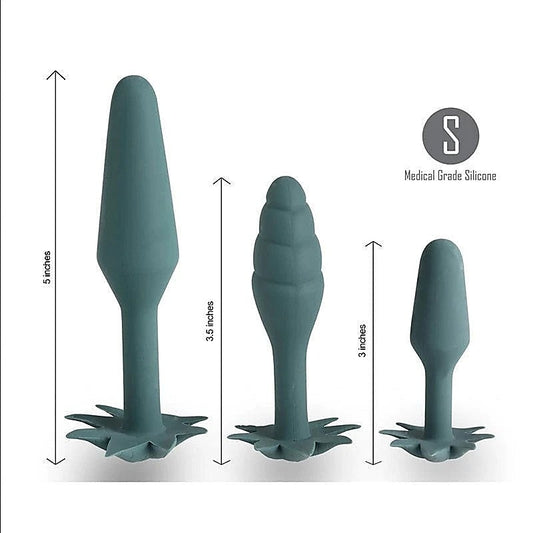
JERRY 3 Sizes Silicone Butt Plug Set by Party Up - BlackParty Up JERRY 3 Sizes Silicone Butt Plug Set is a graduated anal training collection featuring three body-safe silicone plugs progressing from 2.5cm to 3.5cm width and 27g to 77g weight. The tapered design with flared bases supports safe, comfortable advancement through systematic size...
- $34.99
$44.99- $34.99
- Unit price
- per
-
Perfect Practice Anal Training Kit by SportsheetsSportsheets Perfect Practice Anal Training Kit is a graduated three-plug set designed for progressive anal exploration. The silicone plugs measure 4 inches, 4.75 inches, and 5.75 inches in length with tapered tips for comfortable insertion. Body-safe construction and ergonomic handles support safe, controlled progression...
- $119.99
$154.99- $119.99
- Unit price
- per
-
Wendy Williams Anal Trainer Set by Doc Johnson - BlackDoc Johnson Wendy Williams Anal Trainer Set is a three-plug progression system designed for methodical anal exploration. Featuring tapered tips and flared bases across sizes of 3.9, 5, and 6.5 inches, it delivers graduated advancement with body-safe PVC construction. The set suits newcomers seeking...
- $39.99
$49.99- $39.99
- Unit price
- per
-
Sliders Anal Training Kit by NS NoveltiesNS Novelties Sliders Anal Training Kit is a three-piece silicone plug set designed for progressive anal exploration. Ranging from 3.5 inches to 4.5 inches in length, the graduated sizes allow gradual expansion with flared bases for secure, hands-free wear. The smooth, body-safe silicone construction...
- $44.99
$49.99- $44.99
- Unit price
- per
-
Jolie Trainer Kit - Clear Butt Plug Set by NS NoveltiesNS Novelties Jolie Trainer Kit is a four-piece graduated butt plug set designed for progressive anal exploration. Made from body-safe TPE material, it includes plugs measuring 3.05", 3.85", 4.6", and 5.4" in length with proportional widths. The crystal-clear construction allows visual inspection and partner...
- $49.99
$54.99- $49.99
- Unit price
- per
-
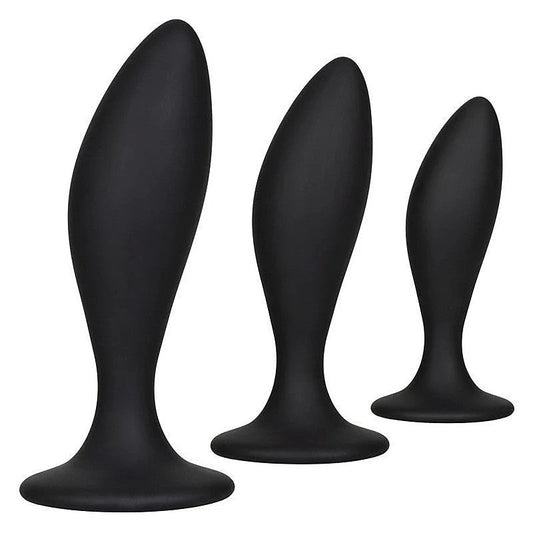
Silicone Curve Anal Plug Kit by California ExoticsCalifornia Exotics Silicone Curve Anal Plug Kit is a three-piece graduated anal plug set featuring small (3"), medium (3.75"), and large (4.5") sizes with curved profiles and suction cup bases. Each plug is constructed from body-safe silicone, waterproof, and designed for progressive anal training....
- $76.99
$84.99- $76.99
- Unit price
- per
-
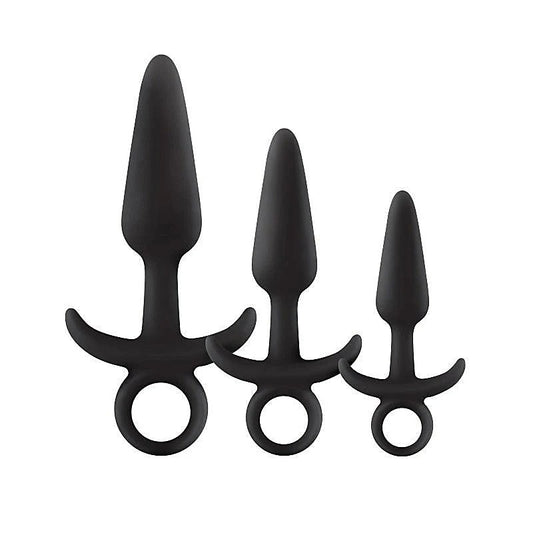
Renegade Men's Tool Kit Black by NS NoveltiesRenegade Men's Tool Kit Black is a three-piece silicone training set from NS Novelties featuring progressive sizing: 4.5 inches, 5.1 inches, and 6.2 inches. Crafted from medical-grade platinum silicone, each piece includes a secure finger ring and T-base for safe positioning. The waterproof, non-porous...
- $59.99
$79.99- $59.99
- Unit price
- per
-
Doobies 420 3 Size Anal Trainer Set by Maia ToysMaia Boobies Anal Trainer Set is a graduated three-plug anal training kit made from body-safe silicone. Sizes range from 3.5 inches to 4.5 inches long with flared bases for safety. The set includes a storage pouch and is designed for beginners progressing through comfortable...
- $44.99
$54.99- $44.99
- Unit price
- per
-
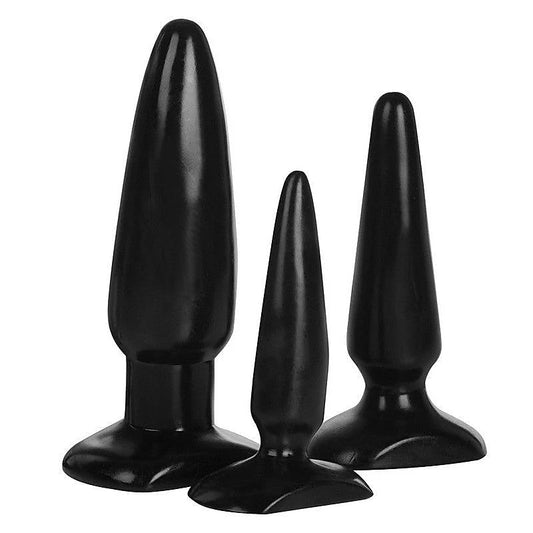
COLT Anal Trainer Kit for Beginners by CalExoticsColt Three Sizes Anal Plugs Trainer Kit is a progressive anal training system featuring three graduated plugs in phthalate-free PVC. Sizes range from 4 inches with 1-inch width to 6 inches with 1.5-inch width, allowing safe advancement through comfort levels. The waterproof, flared-base design...
- $49.99
$54.99- $49.99
- Unit price
- per
-
Booty Silicone Anal Trainer Kit Purple Butt PlugBooty Call Booty Silicone Anal Trainer Kit Purple is a three-piece graduated anal plug set designed for progressive exploration. Made from body-safe, phthalate-free silicone, the kit includes small (2.75 inches), medium (3.75 inches), and large (4.5 inches) plugs, each with a sturdy suction cup...
- $39.99
$44.99- $39.99
- Unit price
- per
-
4-Piece Anal Pleasure Set Butt Plug by Adam & EveAdam & Eve's 4-Piece Anal Plug Kit is a graduated silicone plug set designed for anal exploration at various experience levels. The set includes four plugs ranging from 3 to 5 inches long with diameters from 0.75 to 1.25 inches, each featuring a flared...
- $29.99
$39.99- $29.99
- Unit price
- per
VISIT XVIDEO FOR ADULT DVDS



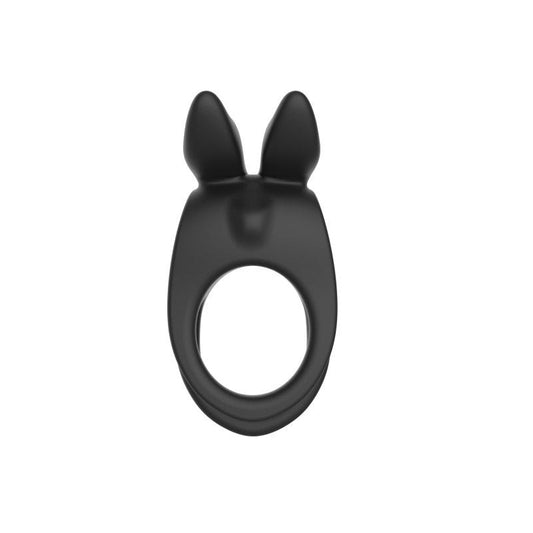
Men 10 Mode Vibrating Rabbit Cock Ring by Ashella
- Black
Ashella Men 10 Mode Vibrating Rabbit Cock Ring is a dual-ring vibrator designed for partnered stimulation and performance enhancement. Measuring 45.2 x 91.1 x 43.1mm with 10 vibration modes across 3 speed settings, it combines a supportive shaft and ball ring with external bunny...
- $34.99
$39.99- $34.99
- Unit price
- per
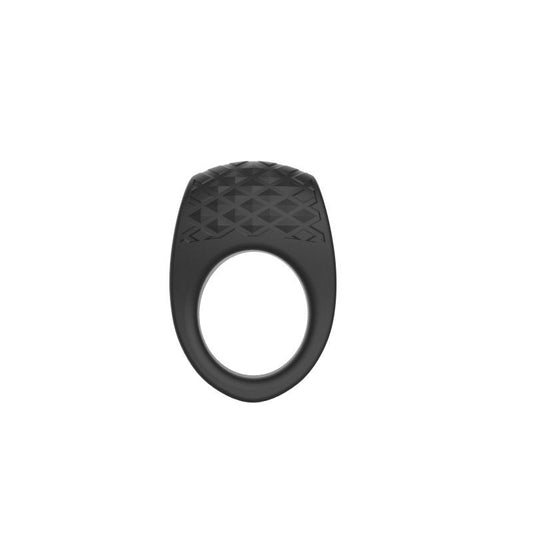
Men 10 Mode Vibrating Cock Ring by Ashella
- Black
The Ashella Men Vibrating Cock Ring is a silicone erection ring featuring 10 vibration modes across 3 speed settings. Measuring 45.5 x 66.7 x 29.4mm with rechargeable USB power lasting one hour per charge, it delivers customizable stimulation for solo or partnered play. The...
- $34.99
$39.99- $34.99
- Unit price
- per
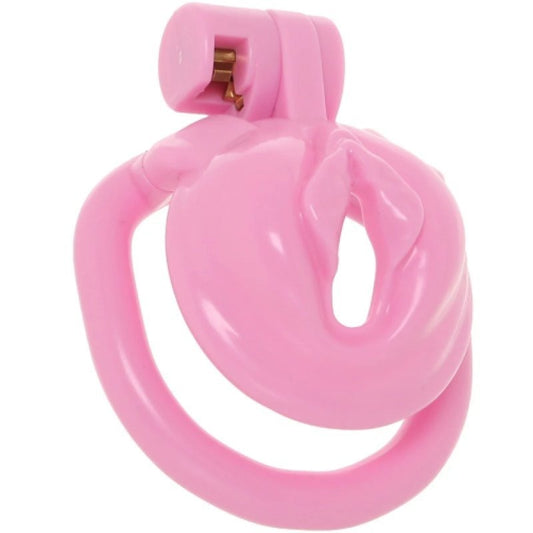
Bitchboy Degrading Mini Chastity Cage by Electric EEL Inc
- Pink
Bitchboy Degrading Mini Chastity Cage by Electric EEL Inc is a compact chastity cage featuring a pussy-shaped design with 1-inch insertable length. Constructed from lightweight, smooth material, it measures 3.23 x 2.68 x 1.3 inches and delivers open-design breathability. The cage combines visual humiliation...
- $129.99
$139.99- $129.99
- Unit price
- per
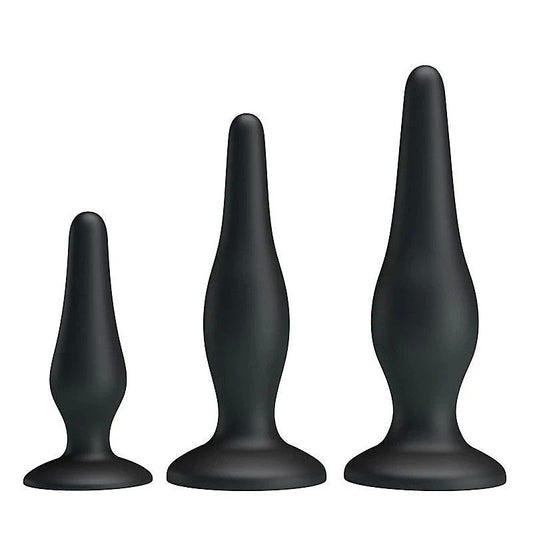

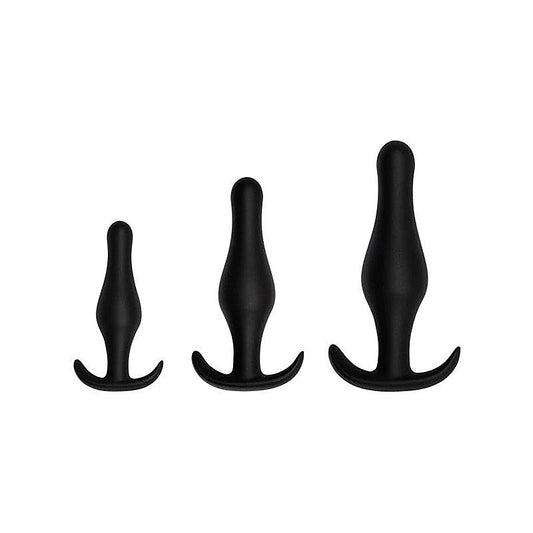

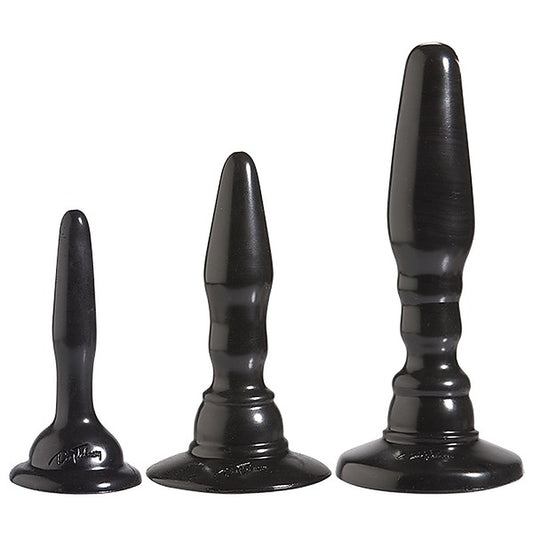

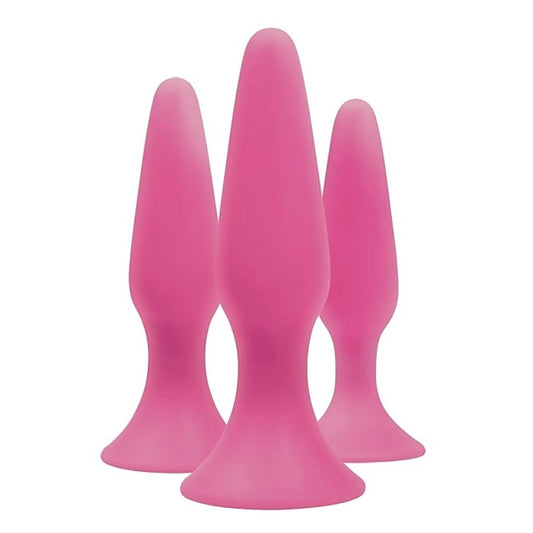

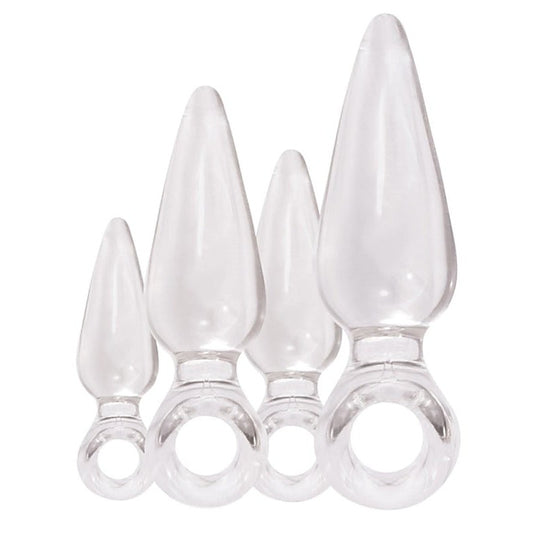





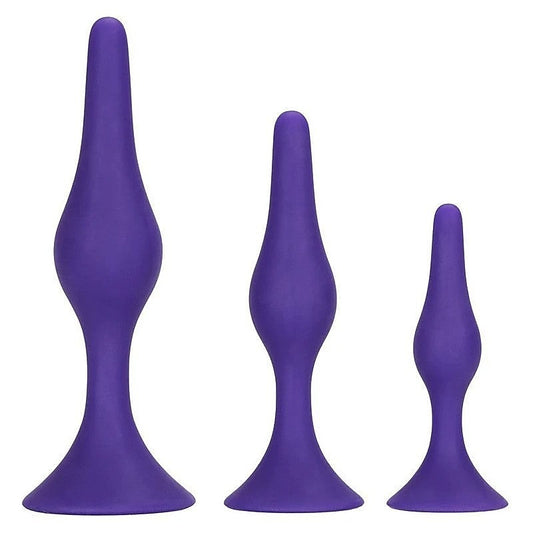

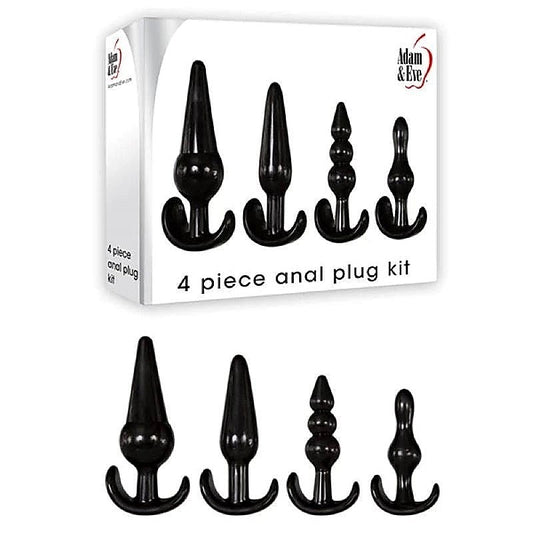

Tapered trainer butt plugs feature a cone-shaped design that gradually widens from a narrow tip to maximum width, letting you build anal capacity at your own pace. They're made from silicone, glass, or metal, and work through progressive stretching rather than forcing full insertion immediately.
At a glance
|
🚚 Plain, discreet packaging • 🔒 Discreet billing • 🔁 Hygiene-conscious returns |
About Tapered Trainer Butt Plugs
Tapered trainer butt plugs are designed specifically for people who want to build anal capacity gradually. The cone shape starts thin at the tip and widens steadily, so your sphincter muscles can adjust incrementally without sudden stretching. This makes them ideal for first-timers who feel nervous about insertion, as well as anyone moving between different sizes. Available materials include soft silicone for comfort and flexibility, Metal Butt Plugs for a firmer sensation and temperature play, and glass for a smooth, non-porous surface.
The flared base or retrieval cord keeps the plug safely in place during wear, and the narrow neck sits comfortably once you find your depth. Most trainers are compact enough for travel and discreet storage. They work by letting you hold the plug at a comfortable depth for 5–15 minutes while your muscles adapt, then gradually inserting deeper over days or weeks as your tolerance grows.
What makes Tapered Trainer Butt Plugs different
Unlike traditional plugs that jump from small to medium to large, tapered trainers offer infinite size variations along their length. You're not guessing which diameter is right for you—the plug itself tells you when you've hit your limit. This removes the pressure to take full width on day one. The cone geometry also provides real-time feedback about your progress: as your capacity increases, you naturally insert deeper, giving you a visible measure of improvement. Compare this to Glass Butt Plugs, which are fixed in size and better suited to users who already know their dimensions.
Types of Tapered Trainer Butt Plugs
Tapered trainers come in several material and design variations to suit different preferences and experience levels.
Silicone tapered trainers. Soft, flexible, and forgiving on the sphincter. They warm to body temperature and are easy to clean. Most first-timers prefer silicone for its comfort and grip.
Graduated multi-size trainers. Some plugs feature distinct stepped widths rather than a smooth taper, creating little "plateaus" as you insert. These suit people who like defined progression points and can help you build confidence at each stage before moving deeper.
Trainer sets. Multiple tapered plugs in increasing sizes let you move to the next trainer once you've mastered the current one. This bridges the gap between small and large Large Butt Plugs and keeps your training on track over weeks or months.
Weighted tapered trainers. Some silicone trainers include internal weights or a firmer core, adding mild resistance during wear. This can help strengthen your sphincter muscles and make the training feel more active.
How they compare
| Model | Material | Best for | Control or Base | Safety |
|---|---|---|---|---|
| Silicone Smooth Taper | Medical-grade silicone | First-time users; sensitive tissues | Flared base; smooth insertion | Non-porous; water-based lube only |
| Stainless Steel Trainer | Stainless steel | Advanced users; temperature play | Retrieval cord or flared base | Non-porous; compatible with all lubes |
| Graduated Step Trainer | Silicone | Building confidence through stages | Flared base; defined width steps | Non-porous; water-based lube only |
| Weighted Silicone Trainer | Silicone with internal core | Muscle conditioning; intermediate users | Flared base; firmer feel | Non-porous; water-based lube only |
How to choose a tapered trainer butt plug
Start by thinking about your experience level. If you've never tried anal play, a silicone tapered trainer with a generous taper is forgiving and easy to control. If you're moving between sizes or preparing for partnered anal penetration, consider a trainer set so you can progress without jumping to a fixed larger plug. Think about the material: silicone is warm and flexible, metal offers firmness and temperature sensation, and glass is smooth and non-porous but needs careful handling.
Size matters less with tapered trainers than with traditional plugs, since you control your depth. However, check the maximum diameter—trainers typically range from 1.5 to 3 inches at their widest. Beginners usually feel comfortable with a maximum of 1.5 to 2 inches. Consider your comfort with insertion control: if you like a defined stopping point, a graduated trainer with visible steps may suit you better than a smooth taper. If you want ongoing flexibility during your training, smooth tapers or Inflatable Butt Plugs let you adjust depth moment to moment. Always pair your choice with a high-quality water-based anal lubricant and take your time.
Tips from the Adultsmart team
Hard-won pointers from the Adultsmart team, alongside our panel of sexologists, educators, and adult-industry contributors. Meet our experts →
After years of helping customers with tapered trainers, we've noticed the biggest mistake is rushing the depth. People see the cone shape and think they should insert to the middle or further on day one. Your comfort threshold is the right depth, even if it's just the tip. Hold that position for 5–15 minutes, let your muscles relax, and come back tomorrow. Progress happens over days and weeks, not in one session.
Another common question is about lubricant. A generous amount is essential—more than you think you'll need. Apply it to the entire tapered section and around the opening. Water-based lube is safest for most materials. If you're using silicone, make sure your lube is water-based, not silicone-based, or it'll degrade the plug. Reapply lube if you're holding the trainer in place for longer than 10 minutes.
Finally, listen to your body. Slight pressure or fullness is normal. Sharp pain, burning, or bleeding means stop immediately and rest for several days. Your sphincter has two muscles—an outer one you control and an inner one that relaxes with time and patience. Rushing either one leads to soreness and setback. A tapered trainer works because it gives your body time to adapt. Respect that, and you'll progress smoothly.
| Please read — safety first. Charge only with the supplied cable and keep the charging port dry unless the sex toy is waterproof-rated. Pair and update through the official app, and switch the device off fully between sessions so the motor and battery aren't left under load. Never share between partners, or between anal and vaginal use, without cleaning the item first or using a fresh condom. This information is general in nature only and is not medical advice; it does not account for your individual circumstances. If you have a relevant health condition or experience any persistent discomfort, discontinue use and seek advice from a qualified medical professional. |
Care and cleaning
Wash your tapered trainer with warm soapy water and a soft cloth before and after each use. For silicone, avoid harsh scrubbing and don't use silicone-based cleaners. Glass and metal can handle toy cleaner or a quick rinse under warm water. Dry thoroughly with a lint-free cloth and store in a clean, cool place away from direct sunlight. Keep silicone plugs away from other silicone toys to prevent sticking. Never use harsh chemicals, bleach, or boiling water unless the manufacturer specifies it's safe.
Learn more
Anal training is a skill that takes patience and the right tools. Explore real experiences and techniques from people who've worked through the process themselves. Read about Wife Butt Fucks Husband to see how couples approach anal play together and manage comfort, communication, and progression.
Why shop Tapered Trainer Butt Plugs at Adultsmart
Ready to shop with the details sorted? Adultsmart stocks a genuine range of tapered trainer butt plugs in silicone, metal, and glass, with clear sizing and material information so you choose with confidence. Every order arrives in discreet packaging with confidential billing. Real advice, body-safe products, and discreet delivery Australia-wide.
Tapered Trainer Butt Plugs FAQ
Do steeper taper angles accelerate training progress compared to gentle gradual tapers?
Steeper tapers concentrate diameter increases into shorter lengths, potentially reducing total training time by 20-30% but increasing discomfort risk if insertion proceeds too quickly. Gentle tapers extend the timeline but provide more forgiving progression with lower injury probability for beginners learning insertion pacing.
Should maximum insertable length on tapered trainers exceed your goal diameter's position on the taper?
Total insertable length should extend 1-2 inches beyond the point where your goal diameter appears on the taper. This provides working room and prevents the base from limiting insertion depth before reaching target width. Trainers that reach maximum diameter at the base-neck junction restrict progression and force premature graduation to larger plugs.
Should you fully insert a tapered trainer during initial sessions or stop at resistance points?
Stop at the point where resistance feels challenging but not painful, even if this leaves substantial length uninserted. Full insertion is the goal after multiple sessions of progressive depth increases, not a first-session achievement. Forcing full depth risks muscle strain that sets training back weeks.
Can tapered trainers replace purchasing multiple discrete plug sizes during capacity building?
Single graduated tapered plugs with 4-6 inch taper spans effectively replace 3-4 discrete sizes, eliminating gaps between set sizes that often feel too large to bridge comfortably. However, sets provide psychological achievement milestones that motivate some users better than gradual depth marking on single plugs.
Does neck diameter matter as much on tapered trainers as on standard plugs?
Neck proportion relative to bulb width determines retention security during training holds. Necks at 50-60% of maximum diameter allow comfortable 10-15 minute holds without excessive sphincter fatigue, while thicker necks create tension that interferes with focusing on accommodating the bulb diameter during capacity building sessions.
How much insertion depth progression per session indicates healthy training pace?
Advancing 0.25-0.5 inches per session represents sustainable progress that builds capacity without tissue damage. Jumps exceeding 0.75 inches between sessions suggest rushing that increases micro-tear risk. Some sessions show no progression—plateaus are normal parts of training requiring patience rather than forced advancement.
Do flexible silicone tapered trainers provide less effective training than rigid metal versions?
Silicone's slight give creates forgiveness for insertion speed errors but may obscure precise capacity measurements since material compression adds 5-10% diameter tolerance. Metal provides exact capacity feedback and builds confidence in handling unyielding materials, though the rigidity demands more careful insertion technique to avoid discomfort.
Should training sessions maintain insertion at maximum depth continuously or include in-out repetitions?
Sustained holds at maximum comfortable depth for 10-15 minutes create adaptation through constant gentle stretch. Repetitive insertion-removal cycles during single sessions risk irritation without providing additional capacity benefit compared to simple sustained holds that allow muscle relaxation over time.
Can you train with tapered plugs daily or do muscles require rest days between sessions?
Training 3-4 times weekly with rest days between sessions allows muscle recovery and protein synthesis that solidifies capacity gains. Daily training often produces diminishing returns as cumulative fatigue prevents proper relaxation, potentially causing regression. Rest days are when capacity improvements actually consolidate through tissue adaptation.
Do tapered trainers with textured surfaces accelerate capacity building compared to smooth finishes?
Smooth surfaces allow focus on accommodating diameter without distraction from texture sensations during capacity-focused training. Textured trainers suit later stages after diameter goals are achieved and focus shifts to sensation variety. During active progression toward size targets, texture adds complexity that may interfere with relaxation necessary for comfortable depth advancement.
Recently Viewed Products
Example product title
- $19.99
- $19.99
- Unit price
- per
Example product title
- $19.99
- $19.99
- Unit price
- per
Example product title
- $19.99
- $19.99
- Unit price
- per
Example product title
- $19.99
- $19.99
- Unit price
- per
Example product title
- $19.99
- $19.99
- Unit price
- per
Example product title
- $19.99
- $19.99
- Unit price
- per
Example product title
- $19.99
- $19.99
- Unit price
- per
Example product title
- $19.99
- $19.99
- Unit price
- per
Example product title
- $19.99
- $19.99
- Unit price
- per
Example product title
- $19.99
- $19.99
- Unit price
- per
Why Shop With Adultsmart?
- Choosing a selection results in a full page refresh.