



-
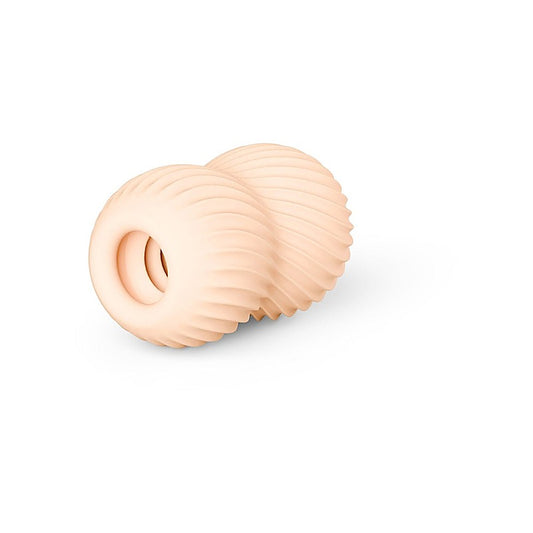
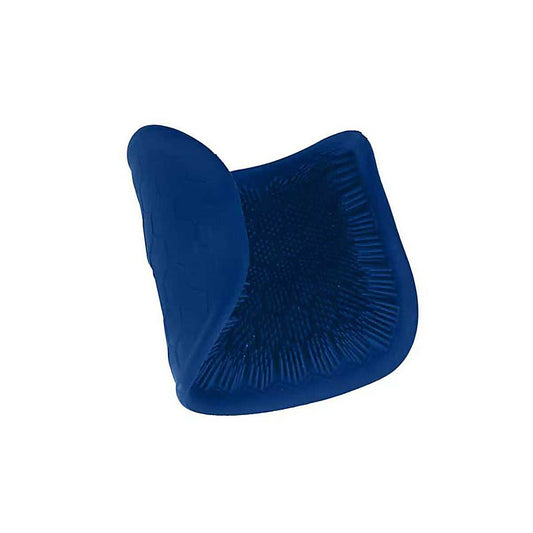
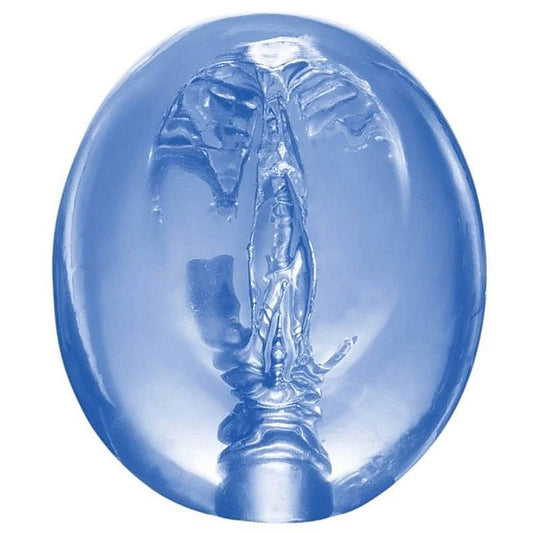
Pocket Pals Lexi Masturbator by NS Novelties - WhiteNS Novelties Pocket Pals Lexi White is a reversible TPE stroker measuring 3.46 inches with dual-textured internal surfaces housed in a compact 4.09-inch travel case. The flexible thermoplastic elastomer construction delivers realistic sensation with easy cleanup and lubricant compatibility. It suits people seeking discreet,...
- $19.99
$24.99- $19.99
- Unit price
- per
-
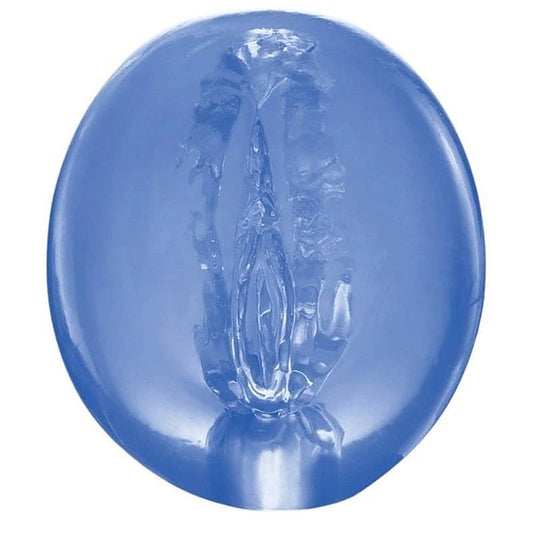
Pocket Pals Misty Masturbator by NS Novelties - WhiteNS Novelties Pocket Pals Misty White is a reversible TPE stroker designed for portable male masturbation. Measuring 3.46 inches with dual textured surfaces, it offers varied sensations in a compact travel case. The soft TPE material accommodates all lubricants and cleans easily with warm...
- $19.99
$24.99- $19.99
- Unit price
- per
-
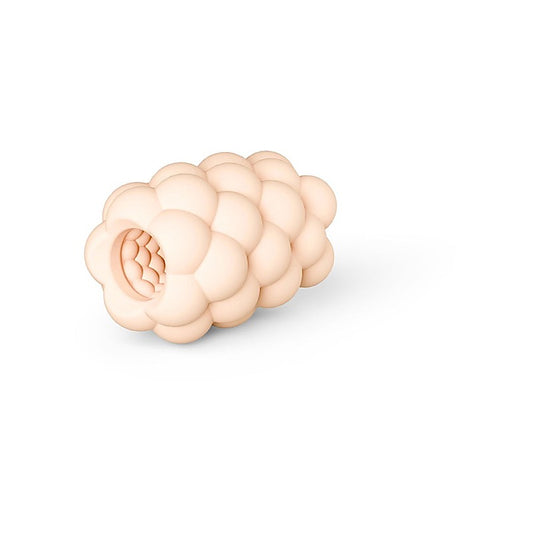
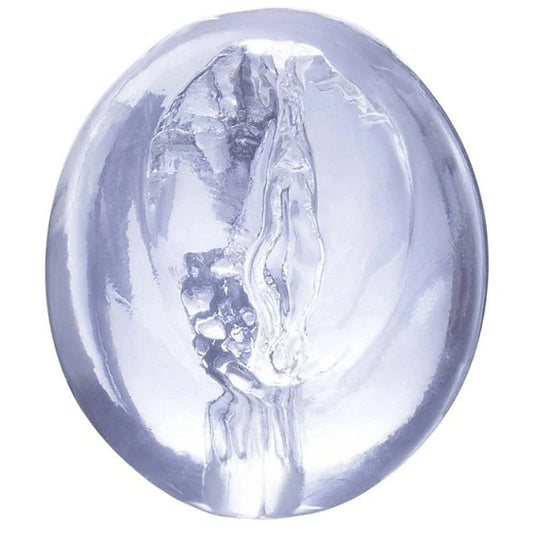
Pocket Pals Bubbles Masturbator by NS Novelties - WhiteNS Novelties Pocket Pals Bubbles White is a reversible TPE stroker designed for compact, portable male pleasure. Measuring 3.46 inches with textured internal surfaces, it delivers varied sensations through dual-sided designs housed in a discreet travel case. The soft TPE construction warms with body...
- $19.99
$24.99- $19.99
- Unit price
- per
-
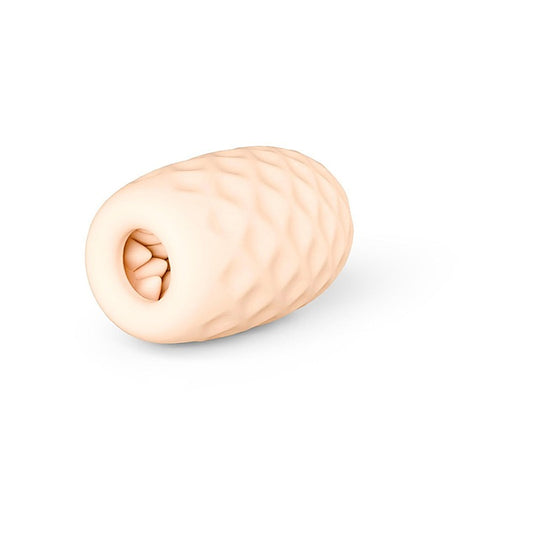
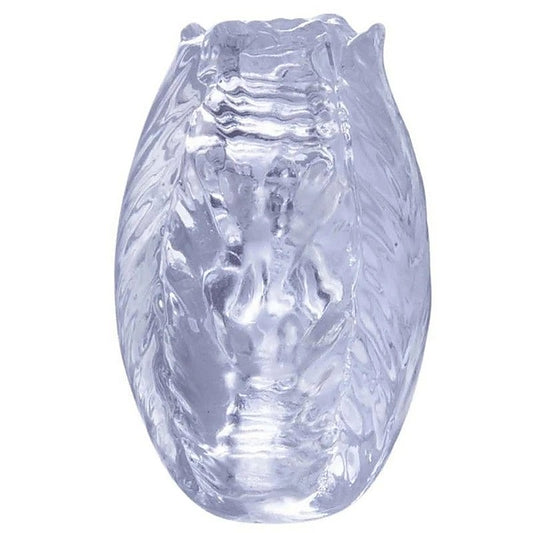
Pocket Pals Diamond Masturbator by NS Novelties - WhiteNS Novelties Pocket Pals Diamond White is a reversible TPE stroker designed for compact, discreet male pleasure. Measuring 3.46 inches long with dual textured internal surfaces, it delivers contrasting sensations from each end. The stroker comes housed in a travel-friendly case measuring 4.09 inches,...
- $19.99
$24.99- $19.99
- Unit price
- per
-
Jalome 3-in-1 Masturbator by XISE - FleshXise Jalome is a 3-in-1 masturbator featuring textured pussy, mouth, and breast chambers. Weighing 3.2kg with dimensions of 22cm x 19.5cm x 13cm, it's crafted from lifelike TPR material. The weighty construction provides substantial feel and stays stable during use, making it ideal for...
- $134.99
$144.99- $134.99
- Unit price
- per
-
ADAMS MAGNA MISSILE by Adam & Eve Masturbator - BlueAdam & Eve ADAMS MAGNA MISSILE is a thrusting and spinning masturbator featuring dual motors delivering 10 thrust patterns combined with 10 vibration modes. At 10.75 inches long with a 2.75-inch internal chamber, it thrusts up to one inch while rotating simultaneously for 360-degree...
- $199.99
$209.99- $199.99
- Unit price
- per
-
Zoe Ultra Soft And Flexible Male Stroker by Full Circle - LightFull Circle Zoe Ultra Soft and Flexible Male Stroker is a realistic TPE masturbator measuring 24cm in length with a 14cm internal vaginal canal. The textured inner tunnel delivers responsive suction grip during thrusting, while flexible material accommodates most sizes comfortably. Its waterproof construction...
- $279.99
$289.99- $279.99
- Unit price
- per
-
Monika Realistic Pleasure Male Stroker by Full Circle - LightFull Circle Monika is a realistic male stroker featuring dual textured openings—a 14cm vaginal channel and 10.5cm anal opening—each with internal ridging for varied sensation. Constructed from body-safe TPE measuring 40cm long, it delivers responsive grip that intensifies with pressure adjustments. The waterproof design...
- $169.99
$179.99- $169.99
- Unit price
- per
-
Karley Fantasy Like Realistic Male Stroker by Full Circle - LightFull Circle Karley Fantasy is a realistic male stroker featuring dual-entry openings measuring 24cm long with textured inner tunnels. The ultra-soft TPE material creates a tight suction grip that intensifies during stroking, and the waterproof construction allows shower use. It suits people seeking handheld...
- $69.99
$79.99- $69.99
- Unit price
- per
-
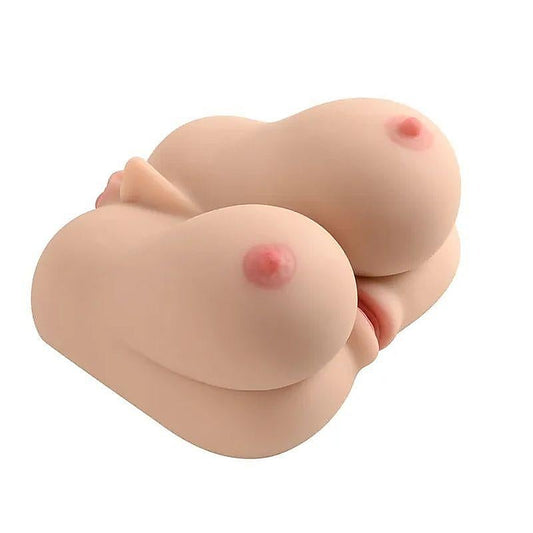
Maddie Realistic Busty Breast Torso Masturbator - LightFull Circle Maddie is a realistic breast torso stroker designed for penis stimulation during solo or partnered play. Measuring 19cm x 26cm with a 14.5cm opening, it features soft, flexible TPE material with a textured inner tunnel and suction grip. The realistic busty design...
- $119.99
$129.99- $119.99
- Unit price
- per
-
Dani Soft and Flexible Realistic Stroker by Full Circle - LightFull Circle Dani is a realistic stroker measuring 25cm tall with dual-entry design featuring separate 13.5cm vaginal and 10.5cm anal channels. The body-safe TPE material includes textured inner tunnels and pressure-responsive suction grip that activates during stroking. It suits people seeking realistic sensation with...
- $189.99
$199.99- $189.99
- Unit price
- per
-
Ashley Tight Suction Grip Male Stroker by Full Circle - LightFull Circle Ashley Tight Suction Grip Male Stroker is a dual-passage masturbator featuring separate 14cm vaginal and 12cm anal tunnels with textured TPE interiors. Measuring 19cm in total length, it delivers realistic internal sensation through distinct grip patterns in each opening. The waterproof, flexible...
- $99.99
$119.99- $99.99
- Unit price
- per
-
Abby Realistic Pleasure Male Stroker by Full Circle - LightFull Circle Abby is a dual-opening male stroker featuring textured internal passages measuring 17.8cm long with 15.5cm vaginal and 12cm anal tunnels. Crafted from body-safe TPE material, it delivers skin-like texture with pressure-responsive suction grip that intensifies as grip strength increases. The waterproof construction...
- $59.99
$69.99- $59.99
- Unit price
- per
-
Haley Realistic Butt and Vagina Stroker by Full Circle - LightFull Circle Haley is a dual-chamber stroker designed for penile stimulation with separate vaginal and anal entries. At 17cm long with textured TPE construction, it features inner ridging that grips and responds to thrusting speed. The waterproof design suits people seeking realistic sensation with...
- $49.99
$59.99- $49.99
- Unit price
- per
-
Brittany Ultra Realistic Skin like Stroker by Full Circle - LightFull Circle Brittany Ultra Realistic Skin like Stroker is a dual-opening stroker with separate 11.5cm vaginal and 9.5cm anal tunnels measuring 16.5cm long. Ultra-soft TPE material features textured inner surfaces that create realistic friction intensity controlled by grip pressure. The waterproof, flexible design accommodates...
- $49.99
$59.99- $49.99
- Unit price
- per
-
Pocket Pals Mouth Stroker by NS Novelties - BrownNS Novelties Pocket Pals Realistic Mouth Stroker is a compact oral stroker designed to replicate blowjob sensations. At 3.82 inches long with soft TPE construction, it features realistic brown lips, internal ridge textures mimicking tongue movement, and an open-ended design for easy cleaning. The...
- $24.99
$29.99- $24.99
- Unit price
- per
-
Maia LEO USB Rechargeable Penis Head Tickler by Maia Toys - GreyMaia LEO is a USB rechargeable penis head tickler featuring six flexible silicone arms that cup around the glans for 360-degree stimulation. At 15.2 cm long with a 4.4 cm diameter opening, it delivers 3 steady speeds and 7 pulsating patterns directly to the...
- $49.99
$59.99- $49.99
- Unit price
- per
-
Maia MADDOX Textured Stroker Sleeve by Maia Toys - BlueMaia MADDOX is a compact textured male stroker sleeve measuring 8.9 cm with nubby interior ridges and ridged exterior grip. Constructed from body-safe liquid silicone with IPX7 waterproof rating, it weighs just 85 grams for extended handheld sessions. Ideal for users seeking intense focused...
- $39.99
$49.99- $39.99
- Unit price
- per
-
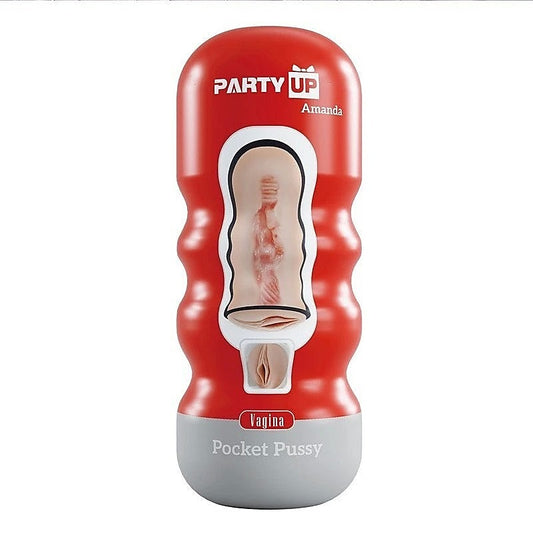
AMANDA Pocket Pussy Vagina Stroker by Party Up - FleshParty Up AMANDA Pocket Pussy Male Stroker is a portable TPR stroker designed for realistic masculine stimulation. Measuring 18 cm long with a 7 cm diameter and weighing 295 grams, it features anatomically inspired internal texturing with varied stimulation zones. Manual operation provides reliable...
- $24.99
$29.99- $24.99
- Unit price
- per
-
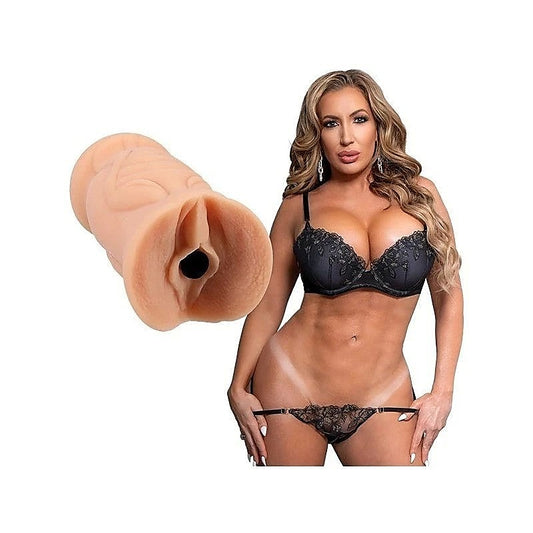
Signature Strokers Richelle Ryan Vagina StrokerDoc Johnson Richelle Ryan Pocket Pussy is a realistic stroker from the premium Signature Strokers collection, molded directly from adult performer Richelle Ryan. Measuring 6 inches long with a 2.75-inch diameter, it features ULTRASKYN material that warms to body temperature and includes an internally...
- $49.99
$64.99- $49.99
- Unit price
- per
-
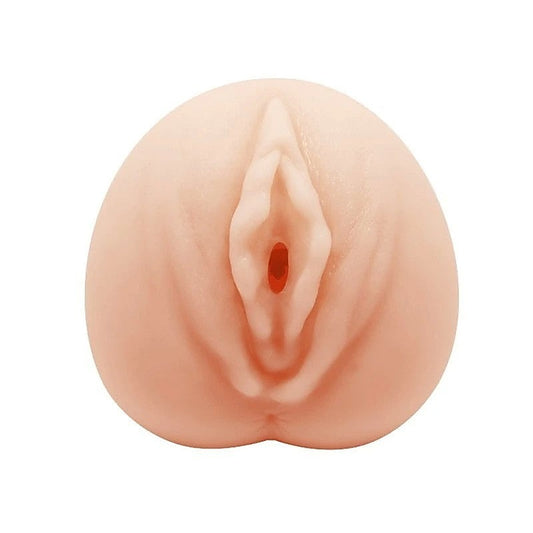
Crazy Bull Maggie Ultra Real Pocket Pussy by Baile - FleshCrazy Bull Maggie is a realistic male masturbator crafted from body-safe TPR material with anatomically detailed vaginal opening and ribbed interior passage. Measuring 170mm x 140mm x 80mm and weighing 438g, it delivers graduated internal texturing for deep thrusting stimulation. The waterproof construction accommodates...
- $24.99
$39.99- $24.99
- Unit price
- per
-
Crazy Bull Lea Vibrating Pocket Pussy by BaileCrazy Bull Lea Vibrating Pocket Pussy Male Masturbator is a vibrating male stroker designed for penile stimulation with multi-speed control. Featuring premium Loveskin TPE material and internal ribbing texture, it measures 6.5 inches long with a wired remote offering adjustable vibration intensity. The compact...
- $29.99
$54.99- $29.99
- Unit price
- per
-
Crazy Bull Nadya Vibrating Pocket Pussy by BaileCrazy Bull Nadya is a vibrating male stroker featuring premium TPE construction with multi-speed vibration control via wired remote. Measuring compact dimensions with anatomically textured internal sleeve, it delivers adjustable stimulation intensity through reliable vibration mechanics. The stroker suits men seeking customizable pleasure with...
- $29.99
$49.99- $29.99
- Unit price
- per
-
Crazy Bull Leona Pocket Pussy Male Masturbator by BaileCrazy Bull Leona is a male stroker with adjustable dual-ring pressure control and ultra-soft TPE construction. Measuring 6.3 inches long with anatomically textured internal ribbing, it allows users to customize tightness for personalized stimulation. The compact design suits men seeking discretionary pleasure with pressure...
- $24.99
$44.99- $24.99
- Unit price
- per
-
Cum On Pocket Jelly Transparent Mens Masturbator - BlueCum On Pocket Jelly Transparent Men's Masturbator is a compact stroker measuring 3.5 inches with premium TPE construction designed for targeted internal stimulation. The high-transparent material provides exceptional stretch and flexibility while maintaining structural integrity. Its discreet size and soft texture make it suitable...
- $24.99
$34.99- $24.99
- Unit price
- per
-
Cum On Pocket Jelly Flexible Male Masturbator by NANMA - BlueCum On Pocket Jelly Flexible Male Masturbator is a compact TPE stroker measuring 3.5 inches with interior texturing designed for targeted stimulation. The premium thermoplastic elastomer material responds to temperature variations and maintains flexibility through repeated use. High-transparent construction available in blue and clear...
- $24.99
$34.99- $24.99
- Unit price
- per
-
Cum On Stretchable Pocket Jelly Male Masturbator - BlueCum On Stretchable Pocket Jelly Male Masturbator is a compact TPE stroker measuring 3.5 inches long, engineered for portable discretion without compromising sensation. Constructed from medical-grade thermoplastic elastomer with high transparency, it features precision-textured interior channels and temperature-responsive material that warms naturally with body...
- $24.99
$34.99- $24.99
- Unit price
- per
-
Cum On 3.5 Inches Soft Material Pocket Jelly Men's Stroker - BlueCum On 3.5 Inches Soft Material Pocket Jelly Men's Stroker is a compact TPE stroker designed for penile stimulation with anatomically-inspired interior texture. Measuring 3.5 inches long with high-transparent thermoplastic elastomer construction, it features strategically positioned stimulation points and naturally warms to body temperature...
- $24.99
$34.99- $24.99
- Unit price
- per
-
Cum On 3.2 Inches Pocket Jelly Realistic Masturbator - BlueCum On 3.2 Inches Pocket Jelly Realistic Masturbator is a compact TPE stroker measuring 3.2 inches long, designed for discreet portable pleasure. The high-transparency thermoplastic elastomer material provides authentic tactile feedback and flexibility. Available in Blue and Clear variations, it suits men seeking realistic...
- $19.99
$29.99- $19.99
- Unit price
- per
-
Cum On 3.2 Inches Pocket Jelly Masturbator - BlueCum On 3.2 Inches Pocket Jelly Men's Masturbator is a compact TPE stroker designed for portable male pleasure. Measuring 3.2 inches long with high-transparency thermoplastic elastomer construction, it delivers flexible, body-safe stimulation in discreet Blue and Clear color options. The realistic internal chamber and...
- $19.99
$29.99- $19.99
- Unit price
- per
-
Pocket Jelly Masturbator 3.3" by NANMA Corporation - BlueCum On 3.3 Inches Pocket Jelly Masturbator is a compact male stroker measuring 3.3 inches with TPE construction for portability and discretion. Available in Blue and Clear options, it features flexible elastomer material compatible with water-based lubricants. The streamlined design suits men seeking portable...
- $19.99
$29.99- $19.99
- Unit price
- per
-
Lulu Chu ULTRASKYN Pocket Pussy by Doc Johnson - VanillaDoc Johnson Lulu Chu ULTRASKYN Pocket Pussy Male Stroker is a thermoplastic elastomer stroker molded directly from adult performer Lulu Chu's anatomy. Measuring 6 inches long with a 2.75-inch diameter, it features temperature-responsive ULTRASKYN material that warms naturally during use for lifelike sensation. The...
- $49.99
$64.99- $49.99
- Unit price
- per
-
Delite Male Pocket Masturbator Kit by NasstoysNasstoys Delite Male Pocket Masturbator Kit is a three-piece stroker collection featuring Bump, Twist, and Ribbed variants in premium TPE material. Dimensions range from 2″ × 2″ × 2.5″ to 2″ × 2″ × 4″, with distinct interior texturing patterns designed for varied sensations....
- $39.99
$49.99- $39.99
- Unit price
- per
-
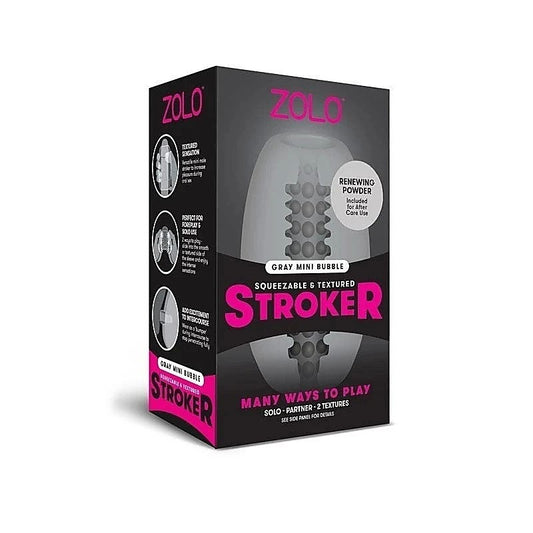
Zolo Grey Mini Bubble Squeezable & Textured Stroker - GreyZolo Grey Mini Bubble is a squeezable, dual-chamber stroker designed for customizable internal stimulation. Measuring 5.5 inches long with textured and smooth interior surfaces, it features phthalate-free material and includes renewing powder for maintenance. The squeezable design allows pressure adjustment for solo or partnered...
- $34.99
$44.99- $34.99
- Unit price
- per
-
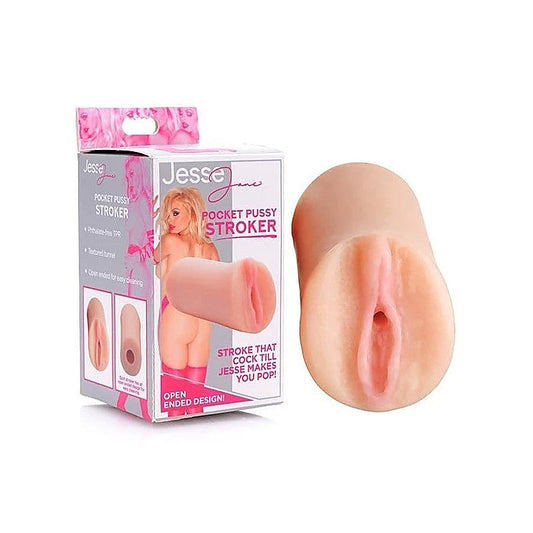
Jesse Jane Pocket Pussy Stroker Vagina StrokerXR Brands Jesse Jane Pocket Pussy Vagina Stroker Flesh is a realistic male stroker made from premium TPR material, measuring 10.1 cm long with 5 cm width. It features internally ribbed chambers for enhanced sensation and open-ended construction for easy cleaning. The stretchy, phthalate-free...
- $19.99
$24.99- $19.99
- Unit price
- per
-
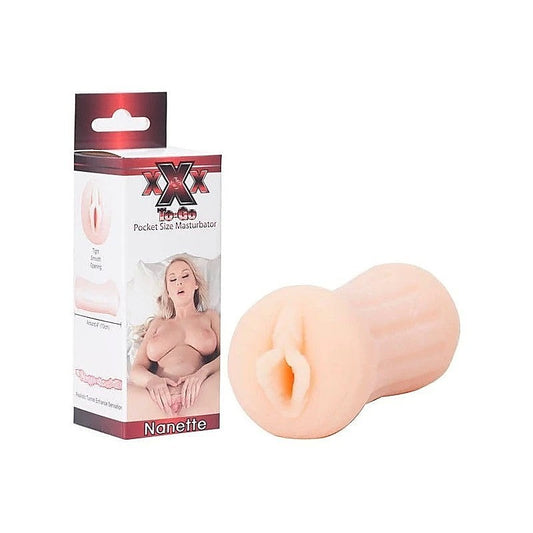
XXX To Go Nanette Pocket Sized Vagina Stroker - FleshXXX To Go Nanette is a compact pocket-sized masturbator measuring 10.2 cm long, constructed from premium LoveClone RX material for realistic sensation. The open-ended design features an anatomically accurate entrance with engineered internal texture, accommodating various sizes while allowing customizable suction control and easy...
- $14.99
$19.99- $14.99
- Unit price
- per
-
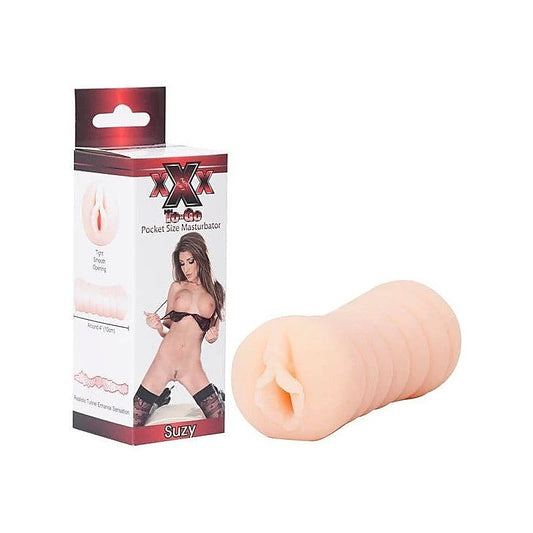
XXX To Go Suzy Pocket Sized Vagina Stroker - FleshExcellent Power XXX To Go Suzy is a compact male stroker made from body-safe LoveClone RX material, measuring pocket-sized dimensions for discreet travel. The fully extendable internal passage adapts to various sizes while the ergonomic exterior ensures secure handling. It suits men seeking realistic,...
- $14.99
$19.99- $14.99
- Unit price
- per
-
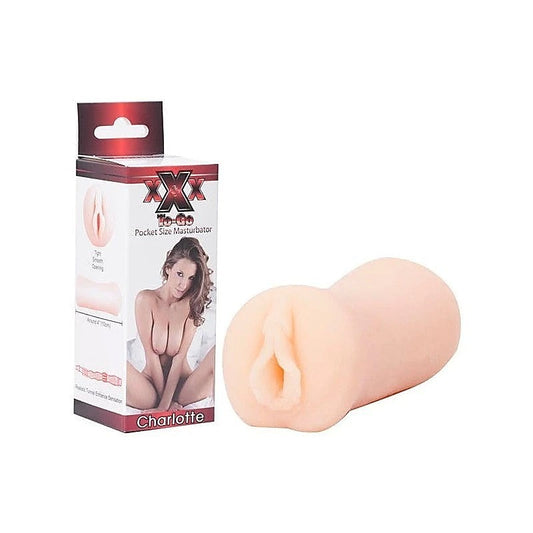
XXX To Go Charlotte Pocket Sized Vagina Stroker - FleshExcellent Power XXX To Go Charlotte is a pocket-sized stroker designed for male masturbation. Made from body-safe TPE material, it features anatomically accurate internal texturing and measures compact dimensions suitable for travel. The open-ended design enables thorough cleaning while maintaining realistic sensations. Ideal for...
- $14.99
$19.99- $14.99
- Unit price
- per
-
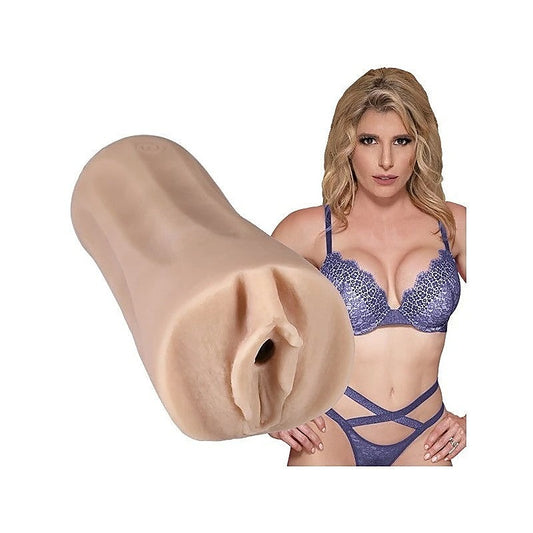
Cory Chase UltraSkyn Pocket Pussy Vagina Stroker - FleshDoc Johnson Cory Chase Pocket Pussy Vagina Stroker is a male masturbator molded directly from MILF superstar Cory Chase's anatomy. Measuring 6 inches long with a 2.75-inch diameter, it features premium ULTRASKYN™ material that warms naturally during use. The handcrafted interior texture delivers varied...
- $39.99
$49.99- $39.99
- Unit price
- per
-
Main Squeeze Signature Strokers Livv Fitt by Doc Johnson - VanillaDoc Johnson Main Squeeze Signature Strokers Livv Fitt ULTRASKYN Pocket Pussy is a compact masturbator molded from performer Livv Fitt, crafted from premium ULTRASKYN material. Measuring 5.75 inches long with a textured interior chamber, it warms naturally during use and delivers realistic sensation. This...
- $39.99
$49.99- $39.99
- Unit price
- per
-
Signature Strokers Scarlit Scandal Ultraskyn - CaramelDoc Johnson Main Squeeze Signature Strokers Scarlit Scandal ULTRASKYN Pocket Pussy is a molded male stroker designed for realistic internal stimulation. At 5.75 inches long with a 2.75-inch width, it features premium ULTRASKYN material with a textured interior and body-safe, phthalate-free construction. The compact...
- $39.99
$49.99- $39.99
- Unit price
- per
-
Main Squeeze Signature Strokers Eva Elfie by Doc Johnson - VanillaDoc Johnson Main Squeeze Signature Strokers Eva Elfie is a realistic masturbator molded from adult performer Eva Elfie. Measuring 9 inches total with 8.75 inches of insertable depth and 3.5 inches of width, it features phthalate-free TPE construction with adjustable suction and squeeze controls....
- $39.99
$49.99- $39.99
- Unit price
- per
-
Signature Strokers Aidra Fox Ultraskyn Pocket PussyMain Squeeze Doc Johnson Signature Strokers Aidra Fox Ultraskyn Pocket Pussy is a premium male stroker designed for realistic penetrative stimulation. Constructed from Doc Johnson's proprietary ULTRASKYN material, it measures 8.5 inches long with authentic internal texturing and naturally warms to body temperature. The...
- $39.99
$49.99- $39.99
- Unit price
- per
-
Main Squeeze Signature Strokers Skye Blue by Doc JohnsonMain Squeeze Doc Johnson Signature Strokers Skye Blue is a premium realistic stroker designed for male pleasure, crafted from body-safe ULTRASKYN material that naturally warms to body temperature. Measuring a compact size with a precisely engineered textured interior channel, it delivers authentic sensation through...
- $39.99
$49.99- $39.99
- Unit price
- per
-
William Seed ULTRASKYN Pocket Ass Stroker by Doc Johnson - VanillaDoc Johnson William Seed ULTRASKYN Pocket Ass Stroker is a premium male masturbator molded directly from adult performer William Seed. Measuring 6 inches long with a 2.75-inch diameter, it features ULTRASKYN material that warms to body temperature and contains meticulously engineered interior textures. This...
- $44.99
$54.99- $44.99
- Unit price
- per
-
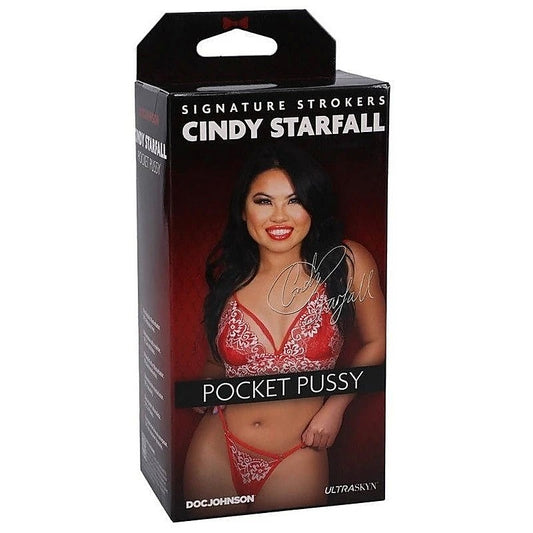
Signature Strokers Cindy Starfall Pocket Pussy - VanillaDoc Johnson Signature Strokers Cindy Starfall Pocket Pussy is a realistic male masturbator molded directly from adult performer Cindy Starfall. Measuring 6 inches long with a 2.75-inch diameter, it features ULTRASKYN material that warms to body temperature and includes meticulously crafted internal ribbing patterns....
- $44.99
$54.99- $44.99
- Unit price
- per
-
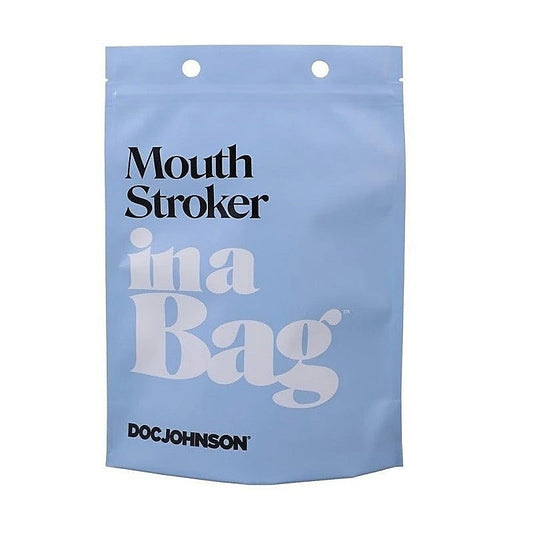
Lifelike & Textured Mouth Stroker by Doc Johnson - WhiteDoc Johnson Lifelike & Textured Mouth Stroker In A Bag is a realistic stroker designed for penile stimulation. Crafted from proprietary ULTRASKYN material, it features a meticulously detailed mouth entrance and strategically textured 5-inch interior. The 2-inch diameter provides ideal pressure without excessive grip...
- $19.99
$29.99- $19.99
- Unit price
- per
-
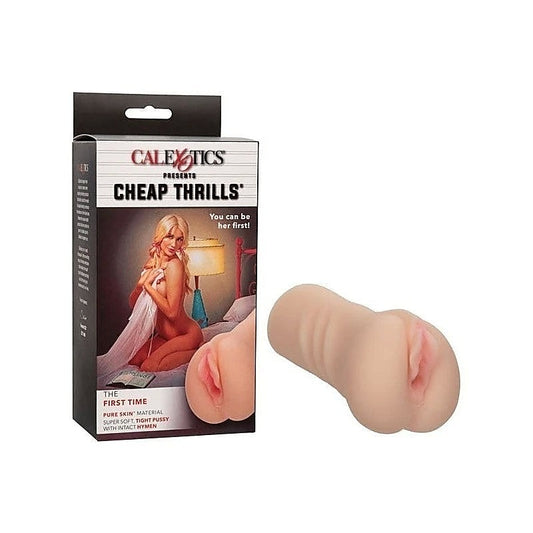
Cheap Thrills The First Time Masturbator - IvoryCheap Thrills The First Time Lifelike Textured Mens Stroker is a closed-end male masturbator made from body-safe TPE with internal textured chambers. Measuring 5.25 inches long and 2.75 inches wide, it weighs 9.2 ounces and features a realistic intact hymen design with powerful suction...
- $23.99
$34.99- $23.99
- Unit price
- per
-
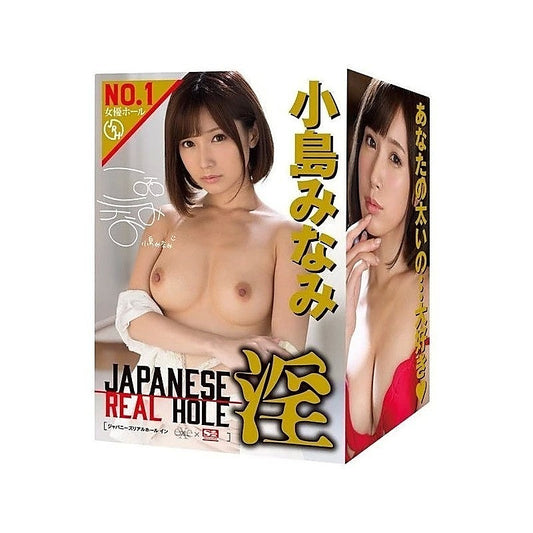
Minami Kojima Textured Male Stroker by Exe and KingMinami Kojima Textured Intimate Stroker is a body-safe TPE masturbator measuring 5.5 inches long with 2.4 inches width, featuring intricate ridged and grooved interior design. The snug fit applies consistent pressure while ridges create varied sensation with each stroke. Designed for portable, discreet pleasure...
- $59.99
$69.99- $59.99
- Unit price
- per
-
EXE Opello 072 Galactic Sensations Pocket MasturbatorEXE Opello 072 is a dual-opening pocket masturbator with ribbed TPE sleeves and powerful suction, measuring 5.5 inches long and 2.4 inches wide. The ergonomic design combines a vaginal and mouth opening for versatile sensation, with an ABS plastic shell and soft internal construction....
- $39.99
$49.99- $39.99
- Unit price
- per
VISIT XVIDEO FOR ADULT DVDS



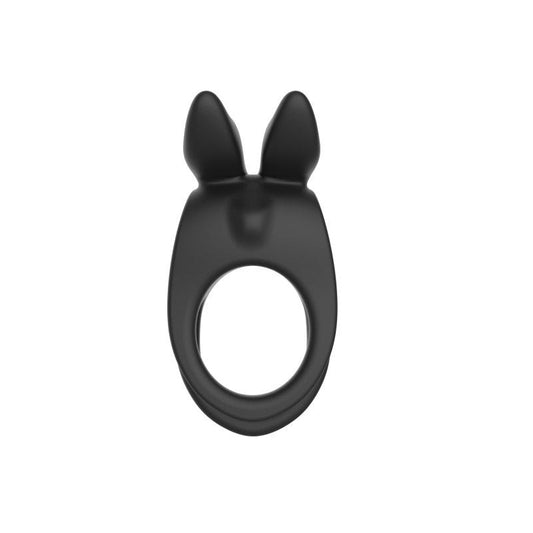
Men 10 Mode Vibrating Rabbit Cock Ring by Ashella
- Black
Ashella Men 10 Mode Vibrating Rabbit Cock Ring is a dual-ring vibrator designed for partnered stimulation and performance enhancement. Measuring 45.2 x 91.1 x 43.1mm with 10 vibration modes across 3 speed settings, it combines a supportive shaft and ball ring with external bunny...
- $34.99
$39.99- $34.99
- Unit price
- per
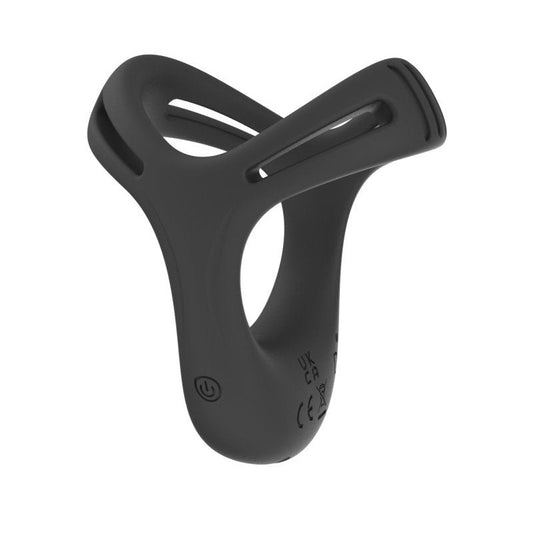
Men 10 Mode Vibrating Sling Ring by Ashella
- Black
Ashella Men 10 Mode Vibrating Sling Ring is a vibrating cock ring designed for enhanced support and dual-partner stimulation. Featuring 10 vibration modes across 3 speed settings, this silicone ring stretches to secure both shaft and balls for extended performance. At 63 x 55.5...
- $34.99
$39.99- $34.99
- Unit price
- per
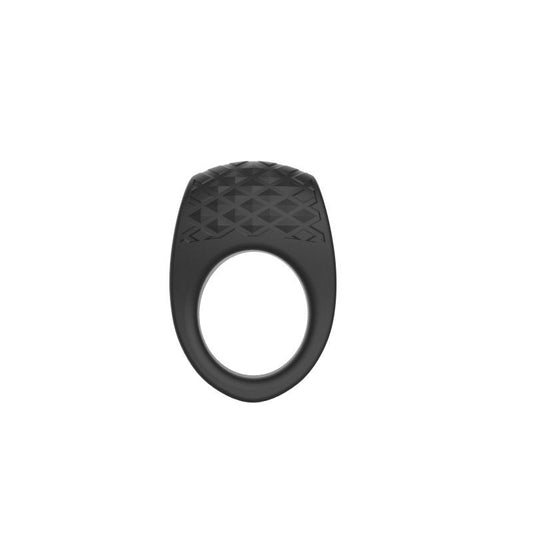
Men 10 Mode Vibrating Cock Ring by Ashella
- Black
The Ashella Men Vibrating Cock Ring is a silicone erection ring featuring 10 vibration modes across 3 speed settings. Measuring 45.5 x 66.7 x 29.4mm with rechargeable USB power lasting one hour per charge, it delivers customizable stimulation for solo or partnered play. The...
- $34.99
$39.99- $34.99
- Unit price
- per
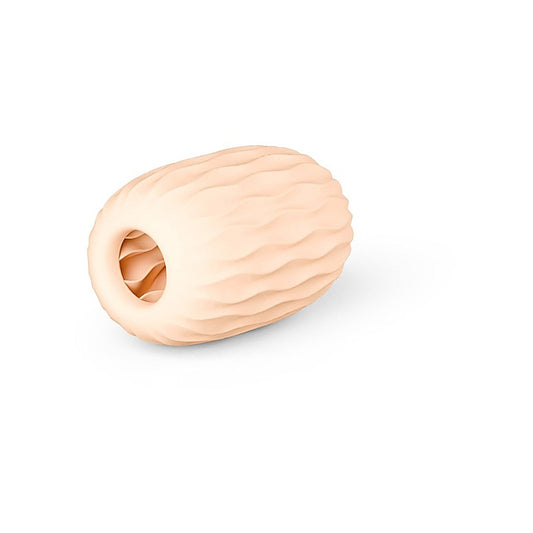





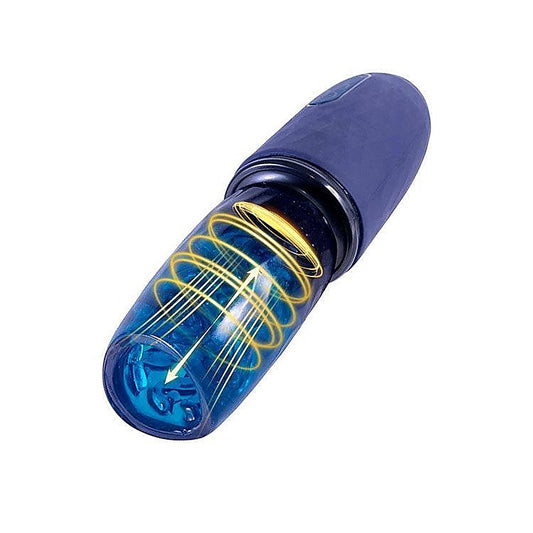

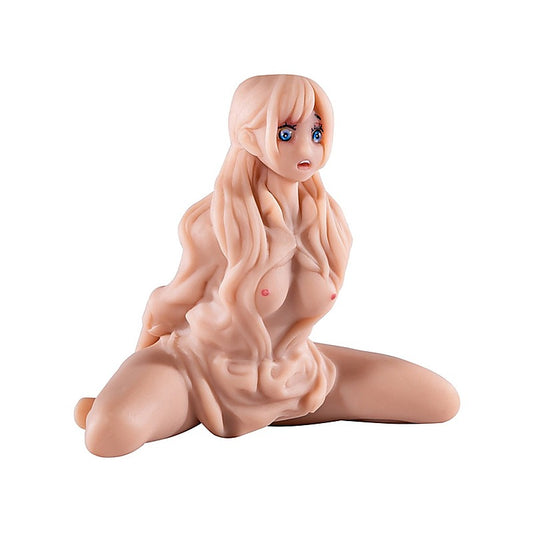

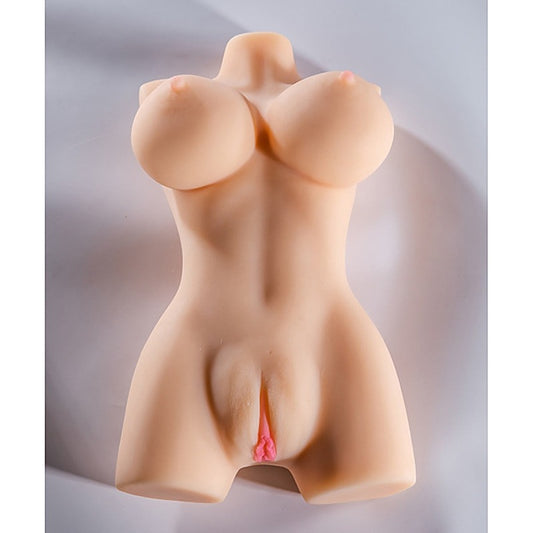

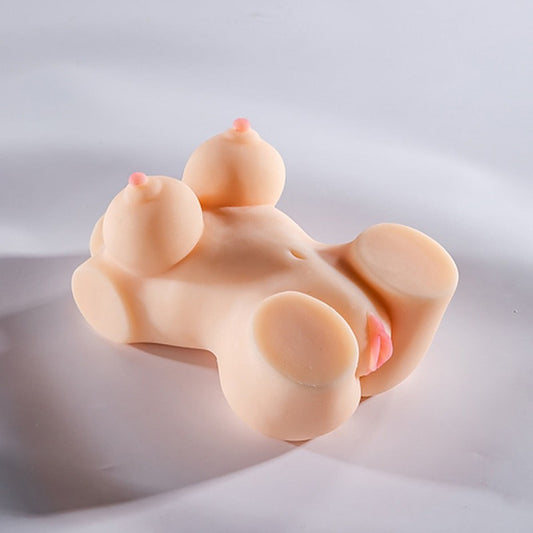

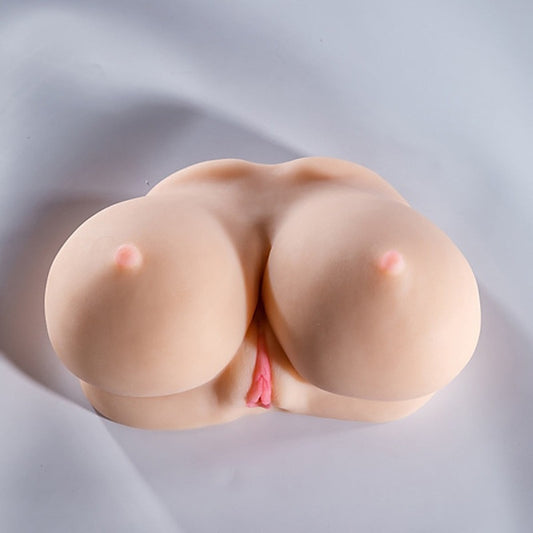

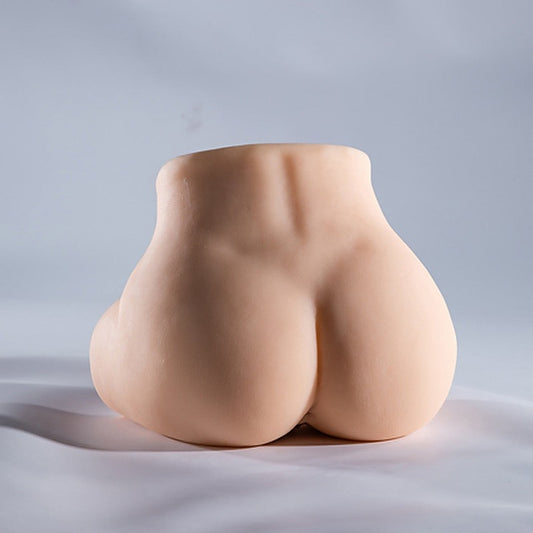

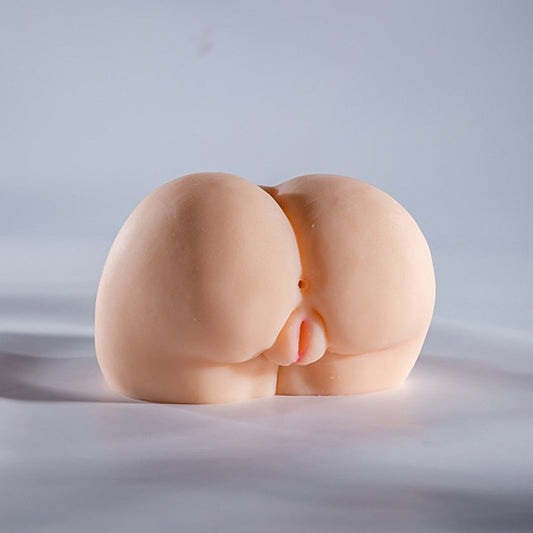

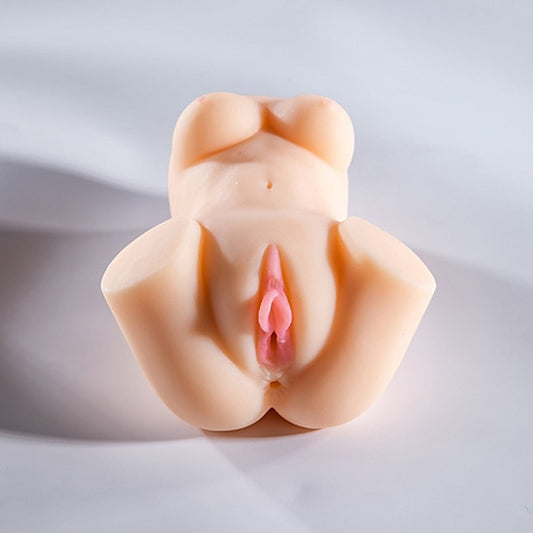

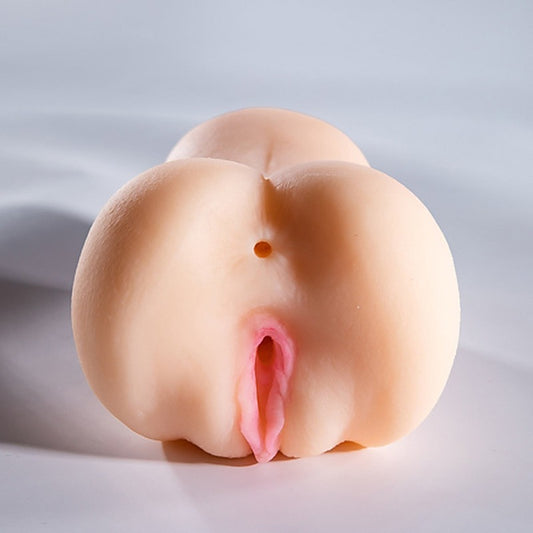

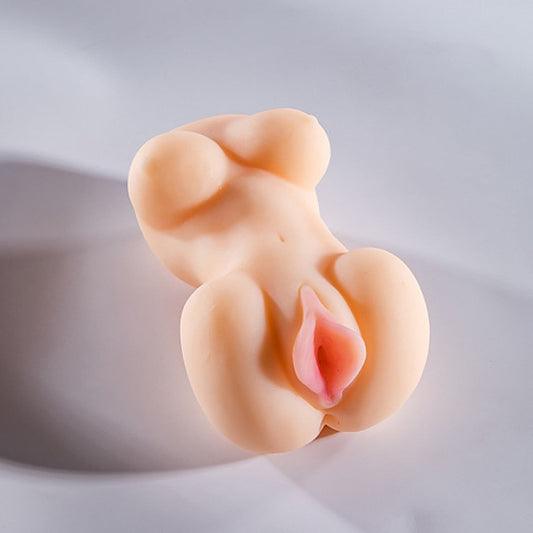

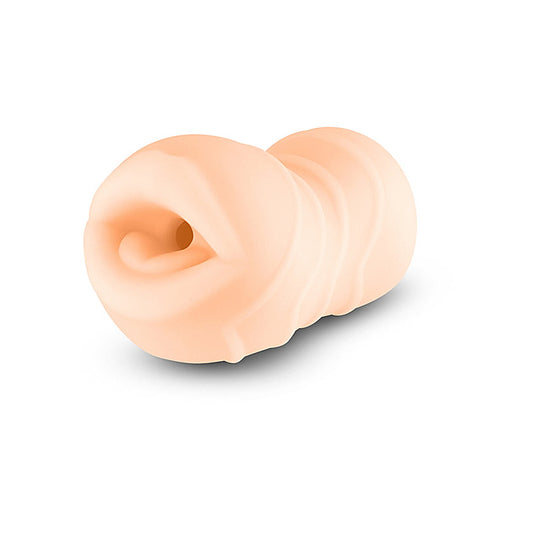

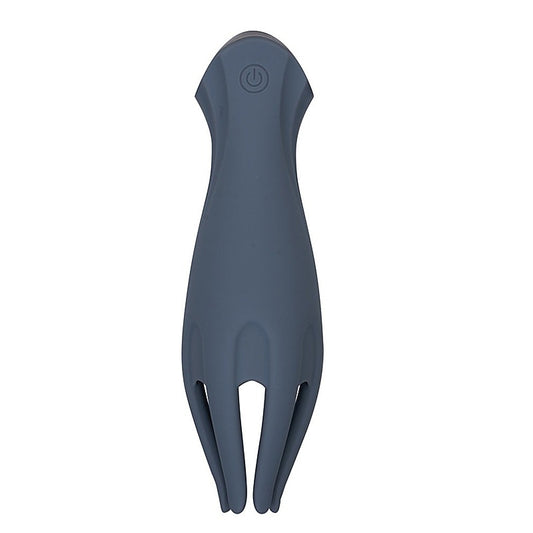





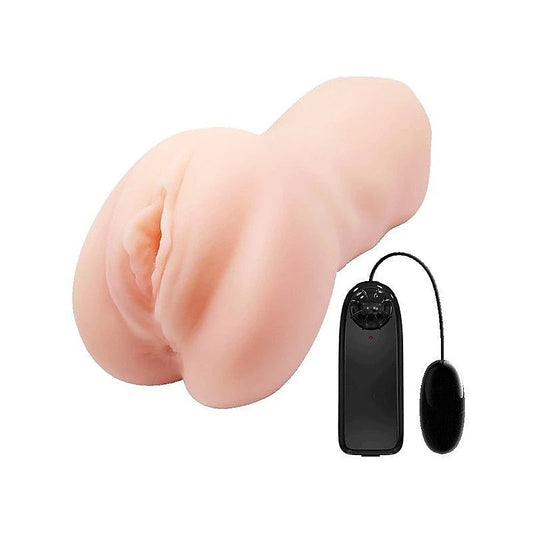

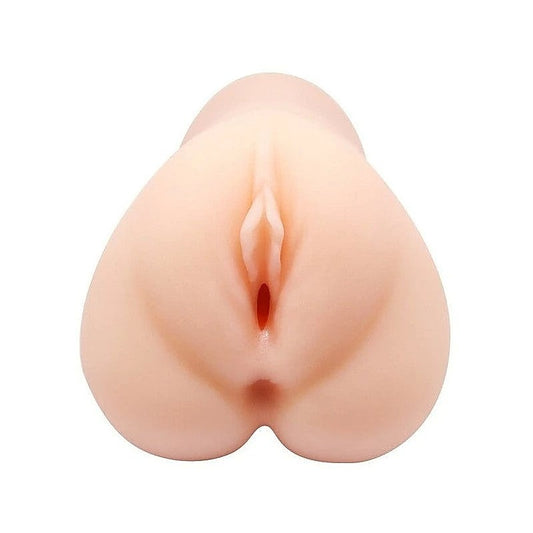

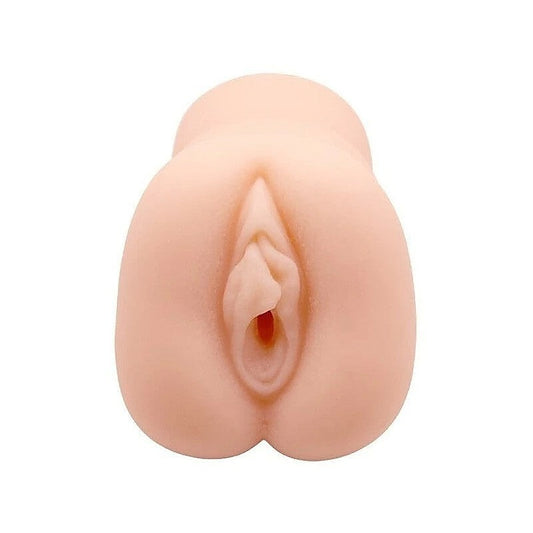

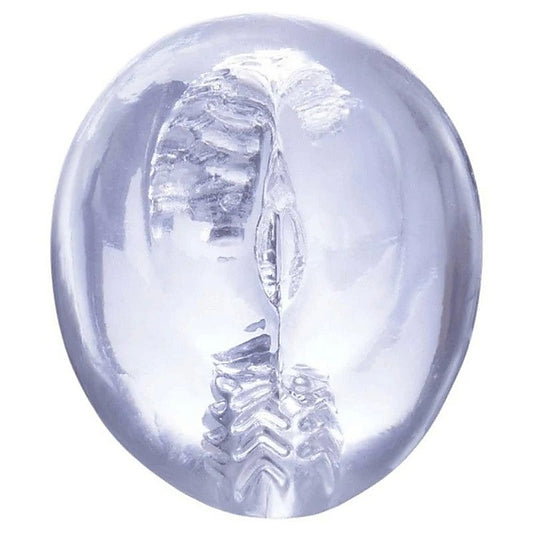





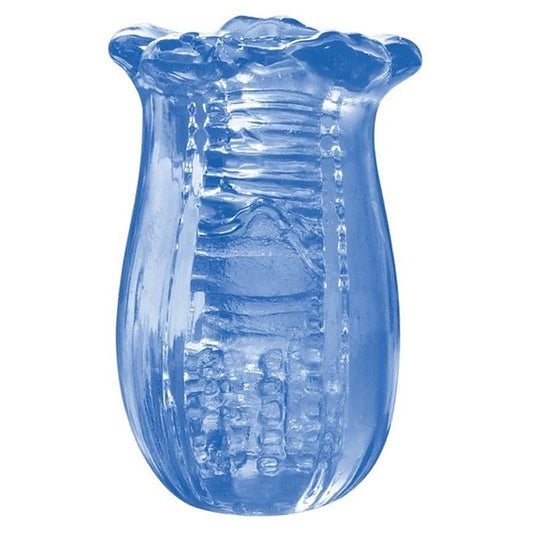

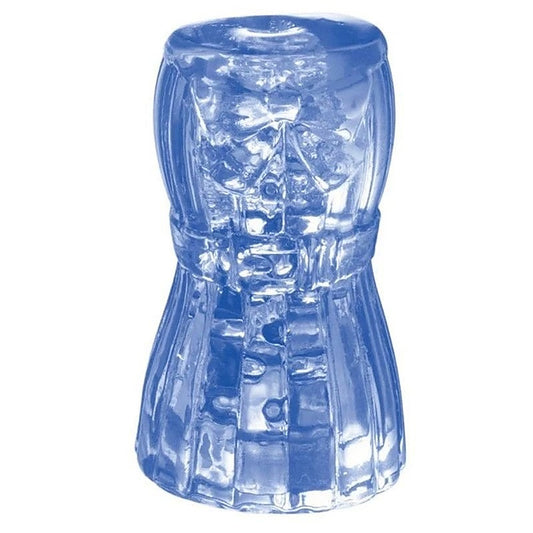

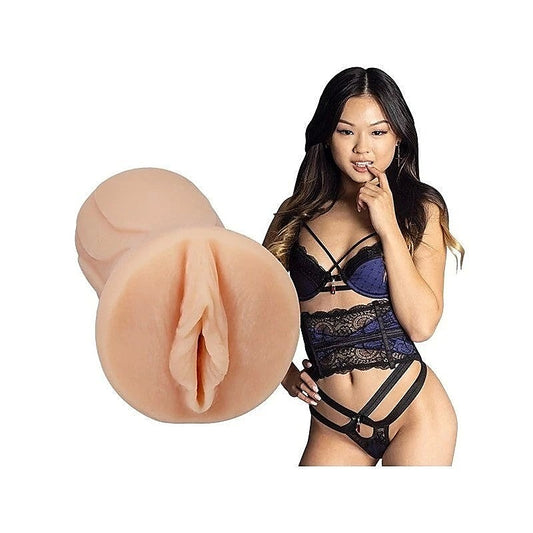

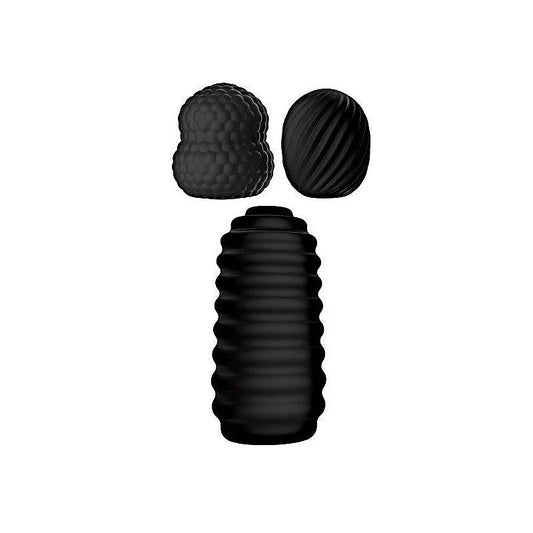







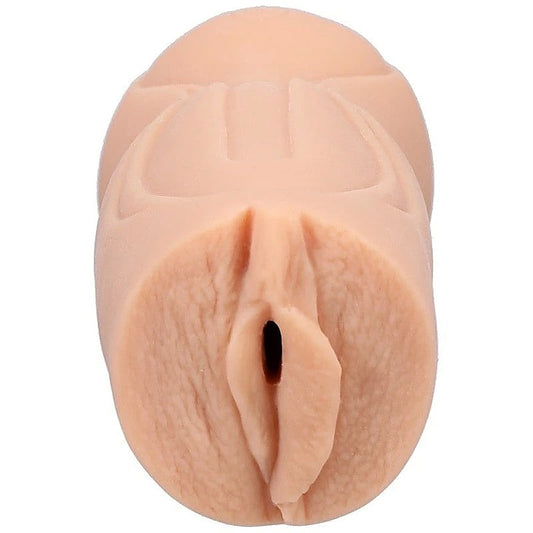

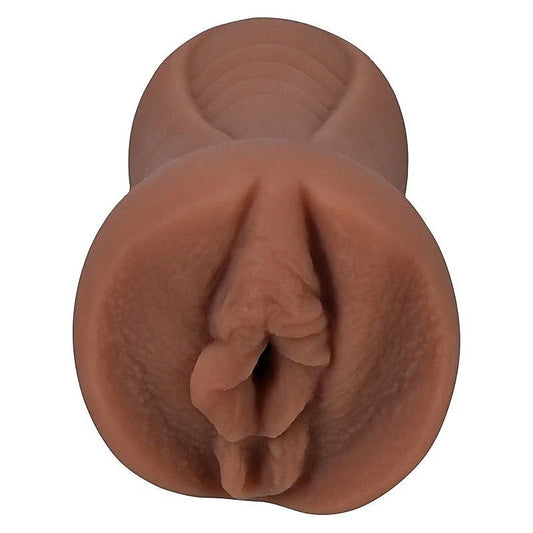

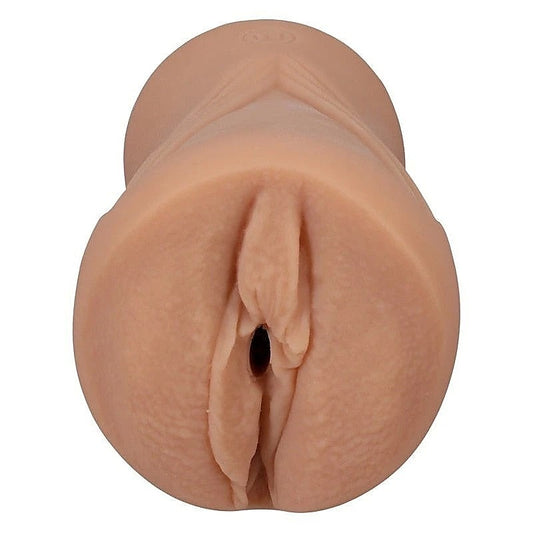

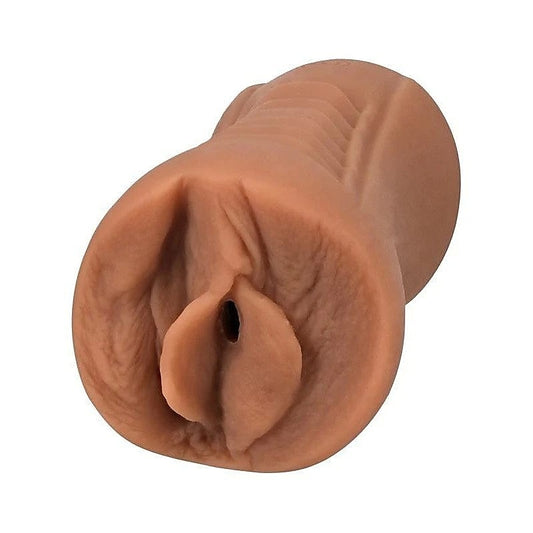

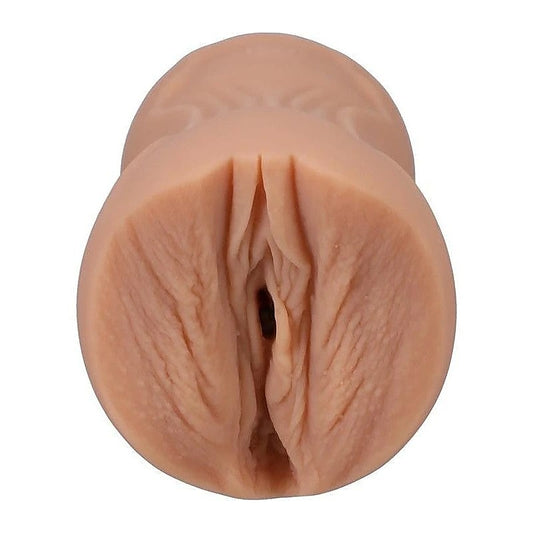

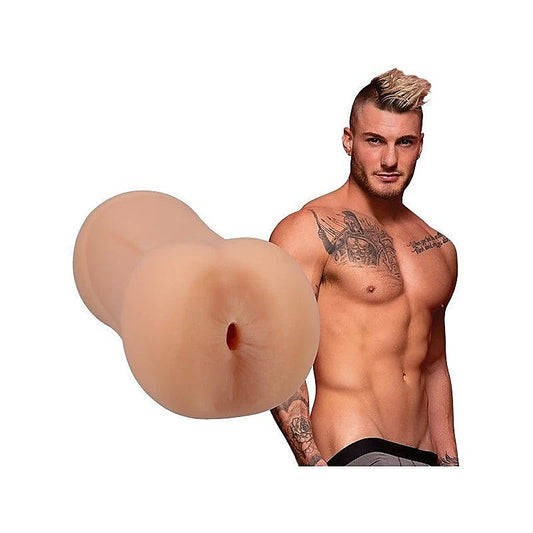






Stroker types are male masturbation sleeves designed with different internal structures and textures to create varied sensations during use. They range from compact pocket strokers with enclosed air chambers to open-ended designs offering manual suction control, textured variants with ribbed or nubbed patterns, and dual-density models that layer firm and soft materials.
At a glance
|
🚚 Plain, discreet packaging • 🔒 Discreet billing • 🔁 Hygiene-conscious returns |
About Stroker Types
Stroker types are male masturbation sleeves built around different chamber designs and internal textures. Pocket strokers use compact enclosed chambers that trap air to create suction as you insert and withdraw. Textured strokers prioritise pronounced internal patterns—ribs, nubs, or contours—that create specific friction profiles during use. Open-ended designs eliminate trapped air entirely, giving you manual control over suction by covering or uncovering the exit hole. Dual-density models layer a firm outer shell with a soft inner sleeve, replicating the contrast of real anatomy. Automatic Male Strokers offer motorised stroking for hands-free play if you prefer that option.
These sleeves work well for first-time users exploring solo play, as well as experienced users with specific sensation preferences. Pocket strokers appeal to those prioritising discretion and storage. Textured strokers suit users who've identified what friction patterns they enjoy. Open-ended designs benefit those wanting simplified cleaning and full control over suction intensity. Dual-density models attract users seeking realistic tactile experiences.
What makes Stroker Types different
Stroker types stand apart because they prioritise internal sensation through design rather than external features. Unlike vibrating sex toys that rely on motorised stimulation, these sleeves create pleasure through texture, air pressure, and the direct friction of your hand controlling depth and speed. Each design philosophy—enclosed chambers versus open-ended, smooth versus textured—produces distinct sensations and requires different techniques. Rechargeable Vibrators offer a completely different experience centred on vibration patterns and intensity levels.
Types of Stroker Types
Stroker types break down into several distinct designs, each with its own feel and best-use scenario.
Pocket strokers. These compact sleeves use enclosed air chambers to create suction as you stroke. They're ideal for first-time users because their smaller size feels less intimidating, and they require no technical adjustments—just apply lube and go. Storage and discretion are straightforward.
Textured strokers. Internal ribs, nubs, and contours create pronounced friction profiles throughout the chamber. These appeal to users who've identified specific sensation preferences and want consistent, pronounced patterns. Experimenting with different stroke depths lets you explore how texture varies from entrance to deeper chambers.
Open-ended strokers. The through-hole design eliminates trapped air, giving you full control over suction by covering or uncovering the exit opening during withdrawal. They're excellent for users who struggle with size accommodation or prefer manual suction control. Cleaning is simpler since water flows completely through without needing to invert the sleeve. Mini Vibrators offer a compact alternative if you want external stimulation alongside stroking.
Dual-density strokers. A firm outer shell layers over a soft inner sleeve, mimicking anatomical softness and creating realistic tactile contrast. They require gentler handling since aggressive stretching can separate the layers over time.
How they compare
| Model | Material | Best for | Control or Base | Safety |
|---|---|---|---|---|
| Pocket stroker | Silicone or TPE | First-time users; discreet storage | Manual grip; air-pressure suction | Water-based lube only; check material before mixing sex toys |
| Textured stroker | TPE or silicone blend | Users with identified texture preferences | Manual stroke depth and speed | Water-based lube essential; air-dry completely before storage |
| Open-ended stroker | TPE or medical-grade silicone | Easy cleaning; manual suction control | Hand position covers/uncovers exit hole | Through-hole design simplifies rinse; check material compatibility |
| Dual-density stroker | Layered silicone and TPE | Realistic anatomical feel | Gentle manual stroking; no aggressive stretching | Handle gently to prevent layer separation; water-based lube only |
How to choose a stroker type
Start by thinking about what sensations appeal to you. If you're new to strokers, a pocket design removes decision-making—compact, simple, no special technique required. If you already know you prefer pronounced texture or specific friction patterns, a textured stroker lets you dial in exactly what you want. For those who find standard designs uncomfortable or want full control over suction intensity, an open-ended stroker removes the pressure of trapped air. Dual Stimulation Vibrators provide an alternative if you want vibration combined with insertion.
Consider practical factors too. Pocket strokers win on storage and discretion. Open-ended models excel at cleaning—rinse thoroughly and they dry faster. Textured and dual-density designs reward patience during use; rushing reduces pleasure and can damage materials. Think about your grip strength and how much manual control you enjoy. If you prefer hands-off play, a motorised option might suit you better. Budget matters as well—pocket strokers often cost less, while dual-density models command higher prices for their realistic feel. Always use water-based lubricant regardless of type, and let the sleeve air-dry completely before storing it away.
Tips from the Adultsmart team
Hard-won pointers from the Adultsmart team, alongside our panel of sexologists, educators, and adult-industry contributors. Meet our experts →
After years of helping customers with stroker types, we've noticed the biggest mistake is underestimating how much lube you actually need. Inadequate lubrication causes uncomfortable drag and reduces sensation dramatically. Start with more than you think necessary—water-based lube is cheap, and you can always use less next time. Reapply mid-session if things feel dry; it makes a genuine difference in how the sleeve feels and performs.
Pocket strokers teach newcomers a valuable lesson about air pressure and suction. Insert slowly at first to displace the air gradually—rushing creates too much pressure too fast, which feels uncomfortable rather than pleasurable. Once you understand how suction works in a pocket design, you'll have better control with other types. Grip pressure matters more than you'd expect; experiment with looser and firmer grips to find your sweet spot, and remember that varying your grip during a session keeps sensation fresh.
Open-ended strokers require a technique adjustment because they lack automatic suction. You've got to cover the exit opening on the withdrawal stroke to create vacuum, then release during insertion. It feels awkward the first time, but it's genuinely worth learning—the control you gain is worth the practice. Dual-density models need gentler handling; treat the layered construction with respect and avoid aggressive stretching, which can separate the materials over time and ruin the sleeve.
| Please read — safety first. Charge only with the supplied cable and keep the charging port dry unless the sex toy is waterproof-rated. Pair and update through the official app, and switch the device off fully between sessions so the motor and battery aren't left under load. Never share between partners, or between anal and vaginal use, without cleaning the item first or using a fresh condom. As porous materials can harbour bacteria, use a condom over them for sharing or easy clean-up. This information is general in nature only and is not medical advice; it does not account for your individual circumstances. If you have a relevant health condition or experience any persistent discomfort, discontinue use and seek advice from a qualified medical professional. |
Care and cleaning
Rinse your stroker thoroughly under warm running water immediately after use, paying attention to the internal chamber where lubricant and body fluids accumulate. For textured models, use your fingers or a soft brush to gently clean the grooves and patterns. Open-ended strokers benefit from running water directly through the opening. Pat dry with a lint-free cloth and stand it upright to air-dry completely before storage—moisture trapped inside encourages mould and material degradation. Store in a cool, dry place away from direct sunlight, and keep it away from other sex toys until you're certain the materials are compatible.
Learn more
Understanding your own preferences makes choosing a stroker type easier. Explore Personality Types to reflect on what sensations and scenarios appeal to you most, then match that insight to the stroker design that fits your style.
Why shop Stroker Types at Adultsmart
Ready to find the right one for how you play? Adultsmart stocks stroker types across all major designs and price points, with detailed product descriptions to help you choose confidently. We ship discreetly in unmarked packaging, and your billing appears as a generic company name for complete privacy. Trusted Australian adult retailer — discreet, knowledgeable, and here to help.
Stroker Types FAQ
Do pocket strokers provide adequate stimulation despite their shorter chamber depth?
Pocket strokers concentrate texture patterns within 8-12cm chambers targeting the most sensitive glans and upper shaft areas, delivering intense localized stimulation. The shorter depth limits full-length stroking but focuses friction on high-sensitivity zones, making them effective despite reduced coverage compared to full-length sleeves.
Do dual-density strokers require special maintenance compared to single-density designs?
Dual-density construction demands gentler handling during cleaning since aggressive stretching or turning can separate the layered materials. Users should avoid forceful inversion and stretch the sleeve gradually when cleaning inside, as the bond between density layers is more fragile than the uniform structure of single-density sleeves.
Can open-ended strokers generate suction intensity comparable to closed-end designs?
Open-ended strokers create strong suction when users cover the exit opening during withdrawal strokes, matching closed-end intensity. However, this requires active manual control rather than automatic trapped air pressure, giving users adjustable tightness but demanding technique attention that closed designs handle passively.
How do dual-density strokers differ in sensation from single-density firm materials?
Dual-density strokers combine rigid outer shells with soft inner sleeves, creating cushioned contact that feels less rigid than firm single-density materials. The layered construction maintains structural support preventing collapse during gripping while the soft interior delivers gentler skin contact than uniformly firm elastomers.
Do reversible strokers require complete drying between texture side changes?
Reversible sleeves must be thoroughly dried before flipping since residual moisture causes the material to stick to itself during inversion. Attempting to reverse a damp sleeve creates frustrating material adhesion and risks tearing the texture patterns, requiring 20-30 minutes air-drying or towel-patting before safe inversion.
Can textured strokers with aggressive patterns cause discomfort during extended sessions?
Deep ribs and dense nub patterns create intense friction that may become overwhelming during long sessions, particularly without adequate re-lubrication. Users with sensitivity or those new to textured strokers often experience better comfort starting with moderate patterns before progressing to aggressive textures once acclimated to pronounced stimulation.
How does material firmness affect accommodation of different shaft thicknesses?
Softer materials stretch more readily to accommodate thicker girths without creating excessive pressure, while firmer materials provide tighter friction but less forgiving fit. Very firm single-density strokers may feel restrictively tight for above-average thickness, whereas soft or dual-density designs adapt more comfortably across size variations.
Do open-ended designs leak lubricant more than closed-end strokers during use?
Open-ended strokers allow lubricant to leak from both the entrance and exit openings during vigorous stroking, requiring towel placement beneath the user. Closed-end designs contain lubricant within the sealed chamber, though excess can still leak from the entrance during firm gripping or when the chamber becomes overfilled.
Can compact pocket strokers accommodate full insertion for above-average lengths?
Pocket strokers with 8-12cm chambers cannot fully accommodate longer lengths, resulting in shaft portions extending beyond the sleeve exit. Users wanting complete coverage require full-length designs measuring 15-20cm, though some intentionally use pocket strokers for concentrated stimulation on specific areas rather than full-shaft envelopment.
How do spiral texture patterns create different sensations than straight ribs?
Spiral patterns angle diagonally across the chamber, creating twisting friction sensations during linear stroking that straight ribs cannot produce. The angled textures engage different nerve clusters as they rotate around the shaft during insertion and withdrawal, delivering more complex stimulation than purely longitudinal or circular patterns.
Recently Viewed Products
Example product title
- $19.99
- $19.99
- Unit price
- per
Example product title
- $19.99
- $19.99
- Unit price
- per
Example product title
- $19.99
- $19.99
- Unit price
- per
Example product title
- $19.99
- $19.99
- Unit price
- per
Example product title
- $19.99
- $19.99
- Unit price
- per
Example product title
- $19.99
- $19.99
- Unit price
- per
Example product title
- $19.99
- $19.99
- Unit price
- per
Example product title
- $19.99
- $19.99
- Unit price
- per
Example product title
- $19.99
- $19.99
- Unit price
- per
Example product title
- $19.99
- $19.99
- Unit price
- per
Why Shop With Adultsmart?
- Choosing a selection results in a full page refresh.