



-
Ouch Japanese Rope 10m - BlackOuch! Japanese Rope 10m: Artistry Meets Comfort Experience the perfect balance of functionality and comfort with the Ouch! Japanese Rope 10m. This premium rope offers 10 meters of possibility for those interested in exploring the artistic and intimate aspects of rope play, whether you're...
- $24.99
$34.99- $24.99
- Unit price
- per
-
My First Non-Sticky Bondage Tape - BlackDiscover Safe Exploration with My First Non-Sticky Bondage Tape Lovetoy presents an innovative solution for those beginning their journey into intimate restraint play with My First Non-Sticky Bondage Tape. This professional-grade PVC accessory combines safety, comfort, and versatility to create an ideal entry point...
- $14.99
$19.99- $14.99
- Unit price
- per
-
Scandal BDSM Rope 30m - BlackScandal BDSM Rope 30m: Elevate Your Bondage Play Take your bondage play to the next level with the Scandal BDSM Rope. Measuring 30 meters (98.4 feet) in length, this versatile rope allows for intricate ties, creative restraints, and comfortable binding experiences. Crafted from a...
- $54.99
$64.99- $54.99
- Unit price
- per
-
Evolved Bondage Tape - 20 Metre - BlackEvolved Bondage Tape – 20 Metre: Seamless Restraint With Ultimate Comfort Evolved Bondage Tape – 20 Metre brings versatility and comfort to your intimate adventures with premium-grade PVC vinyl designed specifically for those who demand both functionality and sensory appeal. This specialized restraint solution...
- $14.99
$29.99- $14.99
- Unit price
- per
-
Strict Bondage Rope 30Ft BlackDiscover the Art of Intimacy with Strict Bondage Rope 30Ft BlackEmbark on a journey of sensual discovery with the Strict Bondage Rope 30Ft Black, a premium tool designed to bring your deepest fantasies to life. This meticulously crafted rope offers a perfect blend of...
- $24.99
$29.99- $24.99
- Unit price
- per
-
Creative Conceptions' Sensual Black Bondage TapeProduct Description of Sex Ties and Bondage Tape - Black 20 meters Elevate your intimate experiences with the versatile Sex Ties and Bondage Tape from Creative Conceptions. This high-quality black tape offers 20 meters of luxurious material, perfect for boundless exploration and sensual restraint....
- $14.99
$24.99- $14.99
- Unit price
- per
-
Intimate Connections - Soft Cotton Bondage Rope for Erotic Experiences - PinkProduct Description of Sex Extra Cotton Bondage Restraint Rope 10m Explore the complete range here: https://adultsmart.com.au/collections/bondage. Indulge in the soft, luxurious feel of the Sex Extra Cotton Bondage Restraint Rope. This versatile 10-meter length provides ample room for creative bondage play, allowing you to...
- $22.99
$24.99- $22.99
- Unit price
- per
-
Sex & Mischief Black Silky Rope - OSSex & Mischief Black Silky Rope - Embrace the Art of Intimate Connection The Sex & Mischief Black Silky Rope brings the ancient art of Shibari into your intimate space with grace and sophistication. This carefully crafted set features two 6-foot lengths of luxuriously...
- $14.99
$19.99- $14.99
- Unit price
- per
-
Scandal Lovers Tape - RedScandal Lovers Tape: Embrace Creative Bondage Play Scandal Lovers Tape introduces a new dimension to intimate play, offering 1,500 centimeters of possibility for those exploring consensual bondage. This premium PVC bondage tape from California Exotics' Scandal Collection combines versatility with safety, creating opportunities for...
- $14.99
$19.99- $14.99
- Unit price
- per
-
Sacandal Easytoys Fetish Hemp Rope Natural 10mEmbark on a journey of sensory exploration with the Scandal Blackout Fetish Play Eye Mask by California Exotics. This exquisite accessory is designed to elevate your intimate experiences, whether you're delving into the world of sensory play or seeking a night of uninterrupted rest....
- $34.99
$39.99- $34.99
- Unit price
- per
-
Scandal BDSM Play Rope 50mScandal BDSM Play Rope 50m - Premium Bondage Rope for Artistic Expression The Scandal BDSM Play Rope combines artistry with functionality in a masterfully crafted 50-meter length bondage rope. This meticulously designed rope represents the perfect fusion of cotton and polyester, creating an ideal...
- $84.99
$89.99- $84.99
- Unit price
- per
-
OUCH! Japanese Rope 10 M - BlackExperience Premium Bondage Play with Ouch! Japanese Rope The Ouch! Japanese Rope delivers 10 meters of refined pleasure potential, crafted specifically for enthusiasts who appreciate the artistry and sensation of rope bondage. This premium black rope combines the perfect balance of flexibility and strength...
- $24.99
$29.99- $24.99
- Unit price
- per
-
OUCH! BW Japanese Rope 10 metresOUCH! BW Japanese Rope - 10 Metres of Pure Artistry The OUCH! BW Japanese Rope brings the ancient art of Shibari into your intimate space with 10 meters of meticulously crafted silk rope. This premium bondage accessory combines traditional Japanese rope bondage aesthetics with...
- $24.99
$29.99- $24.99
- Unit price
- per
-
Kink Bind And Tie Hemp Bondage Rope Natural 50 FeetKink Bind And Tie Hemp Bondage Rope: Professional-Grade Natural Hemp The Kink Bind And Tie Hemp Bondage Rope from Doc Johnson delivers 50 feet of premium natural hemp crafted specifically for advanced rope artistry. This professional-grade rope features precise 6mm diameter construction and reinforced...
- $49.99
$59.99- $49.99
- Unit price
- per
-
Fetish Fantasy Japanese Bondage Silk Rope Hogtie BlackFetish Fantasy Japanese Bondage Silk Rope Hogtie – Black Fetish Fantasy Japanese Bondage Silk Rope Hogtie brings the artful tradition of Japanese rope restraint to enthusiasts of all experience levels with a pre-configured design that eliminates complexity while preserving the essential experience. This thoughtfully...
- $67.99
$74.99- $67.99
- Unit price
- per
-
Fetish Fantasy 4 Piece Mini Silk Bondage RopeFetish Fantasy 4 Piece Mini Silk Bondage Rope Set Fetish Fantasy 4 Piece Mini Silk Bondage Rope Set introduces both novices and experienced practitioners to the sensual art of Japanese-inspired rope play through four meticulously crafted silk ropes. This comprehensive collection combines practical functionality...
- $17.99
$19.99- $17.99
- Unit price
- per
-
Fetish Fantasy Limited Edition Bondage TapeFetish Fantasy Limited Edition Bondage Tape: Versatile Self-Adhesive Pleasure Fetish Fantasy Limited Edition Bondage Tape transforms restraint play with its innovative self-adhesive design that combines security with comfort. This premium 35-foot (10.67 meters) roll of high-grade shiny PVC tape provides ample material for multiple...
- $18.99
$24.99- $18.99
- Unit price
- per
-
Fetish Fantasy Deluxe Bondage Play Silky Rope - BlackFetish Fantasy Deluxe Bondage Play Silky Rope: Where Comfort Meets Control Fetish Fantasy Deluxe Bondage Play Silky Rope transforms ordinary restraint into an extraordinary sensory experience with its premium polyester construction and meticulously engineered texture. This exceptional 32-foot length provides ample material for everything...
- $29.99
$39.99- $29.99
- Unit price
- per
-
CalExotics Entice Lovers Bondage Play TapeCalExotics Entice Lovers Bondage Play Tape The CalExotics Entice Lovers Bondage Play Tape is a versatile bondage accessory designed for safe, creative restraint. Made from medical-grade PVC, this 15-meter black tape offers secure binding without sticking to skin or hair, ensuring comfort during intimate...
- $14.99
$19.99- $14.99
- Unit price
- per
-
Sacandal Easytoys Fetish Hemp Rope Natural 10mEasytoys Fetish Hemp Rope Natural 10m The Easytoys Fetish Hemp Rope Natural 10m is a premium bondage rope designed for Shibari, full-body ties, and limb restraints. Crafted from organic hemp, this 10-meter, 3-strand twisted rope offers durability and a textured grip, ideal for bondage...
- $44.99
$49.99- $44.99
- Unit price
- per
-
California Exotics Boundless Bondage Rope 10m - YellowCalifornia Exotics Boundless Bondage Rope: Premium Cotton-Blend Rope for Sophisticated Restraint Play California Exotics Boundless Bondage Rope transforms your intimate encounters with 10 meters of expertly crafted restraint material designed for couples seeking to explore power dynamics safely and comfortably. This vibrant yellow rope...
- $22.99
$24.99- $22.99
- Unit price
- per
-
Doc Johnson Black Rose Multi Position Beaded RopeElevate Your Intimate Adventures with the Black Rose Multi Position Beaded Rope The Doc Johnson Black Rose Multi Position Beaded Rope transforms ordinary restraint play into an art form. This exquisite 37-inch (94 cm) rope combines functionality with aesthetic appeal, featuring luxurious purple cotton...
- $14.99
$19.99- $14.99
- Unit price
- per
VISIT XVIDEO FOR ADULT DVDS



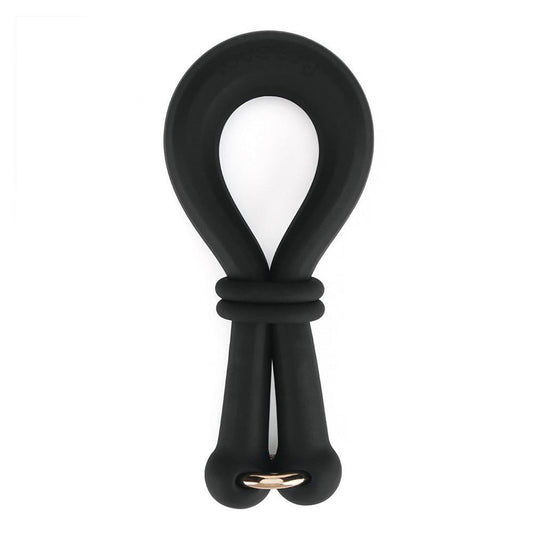
Lovetoy Pinnacle Pro Anyfit Plus Stretcher Cock Ring
Lovetoy Pinnacle Pro Anyfit Plus Stretcher Cock Ring is an adjustable silicone cock ring designed for customizable pressure around the shaft or testicles. Measuring 10.24 inches outside circumference with movable 0.57-inch diameter silicone rings, it stretches to fit various sizes while maintaining secure placement....
- $19.99
$24.99- $19.99
- Unit price
- per
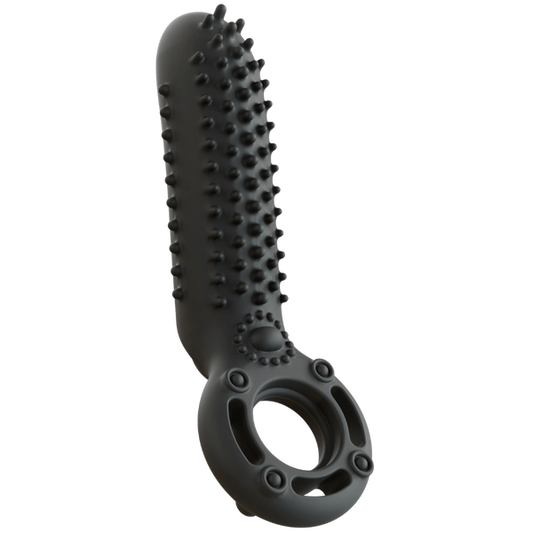
Screaming O OYeah Rechargeable Rideable Vibrating Cock Ring
- Black
Screaming O OYeah Rechargeable Rideable Vibrating Cock Ring is a premium silicone ring with a vertical bullet vibrator featuring five speeds and one pulse mode. Delivering 60+ minutes of rechargeable power with IPX5 waterproof rating, it measures 1.75 inches in diameter with a snug...
- $44.99
$54.99- $44.99
- Unit price
- per
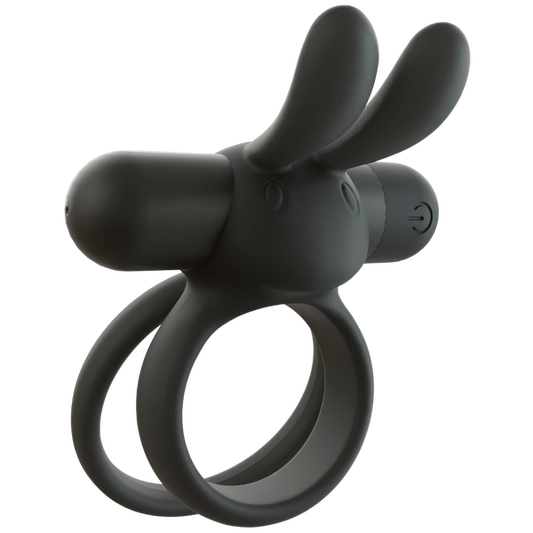
Screaming O Ohare XL Rechargeable Rabbit Vibe Penis Ring
- Black
Screaming O Ohare XL Rechargeable Rabbit Vibe Penis Ring is a rechargeable couples' vibrator designed for partnered penetrative play. Featuring a 5-speed bullet motor with pulse mode and extra-stretch silicone construction, it accommodates larger fits while delivering 60+ minutes of runtime. The flexible rabbit...
- $44.99
$54.99- $44.99
- Unit price
- per
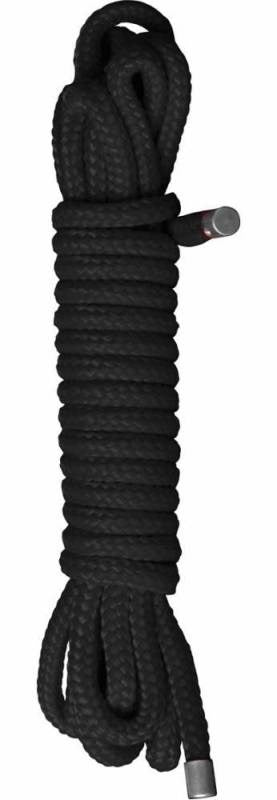


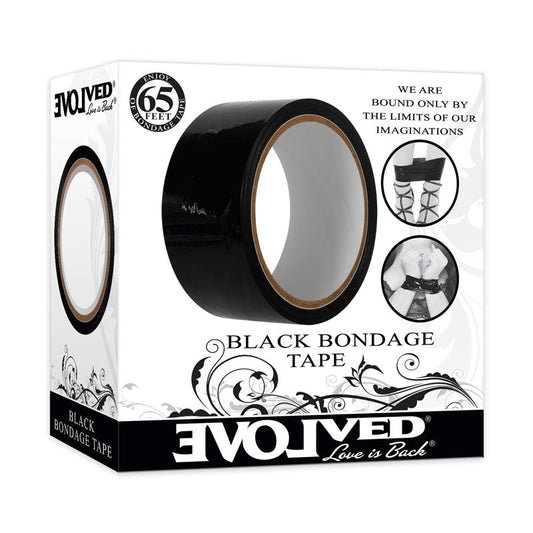


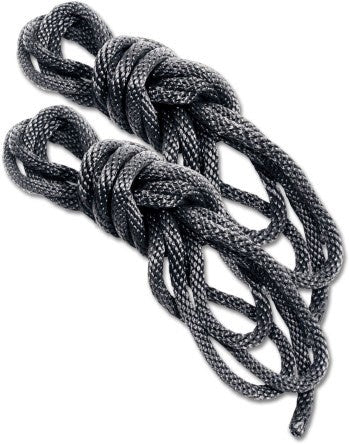

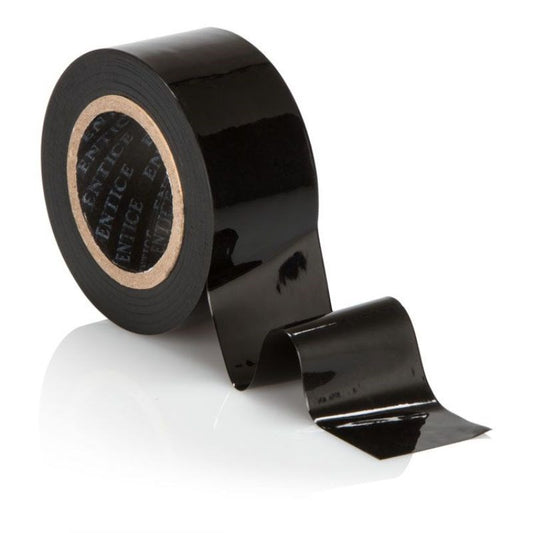

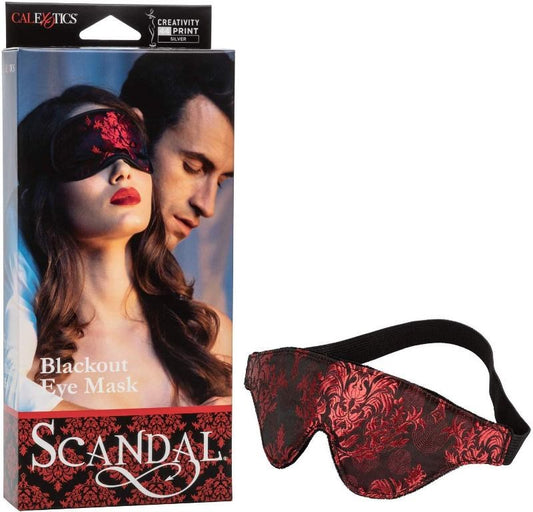


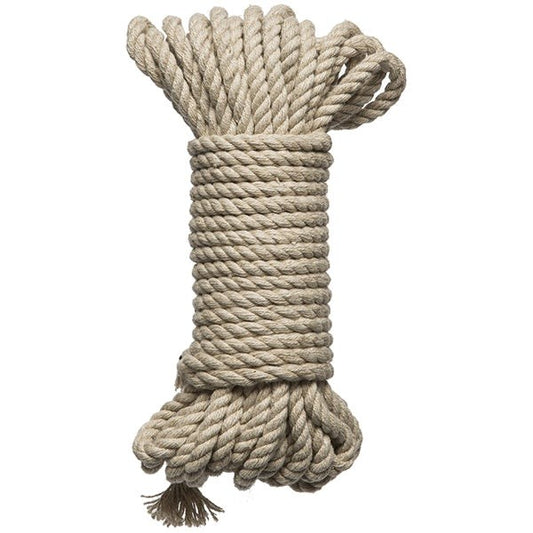


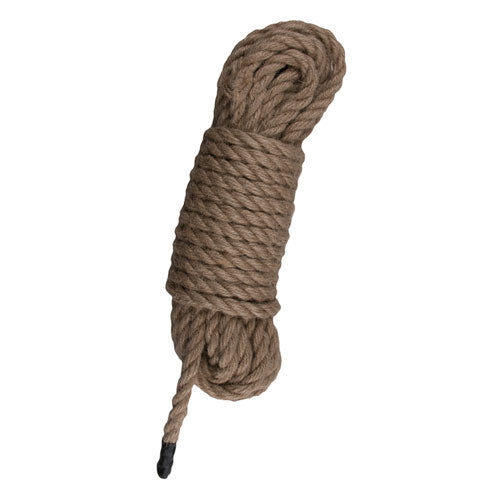

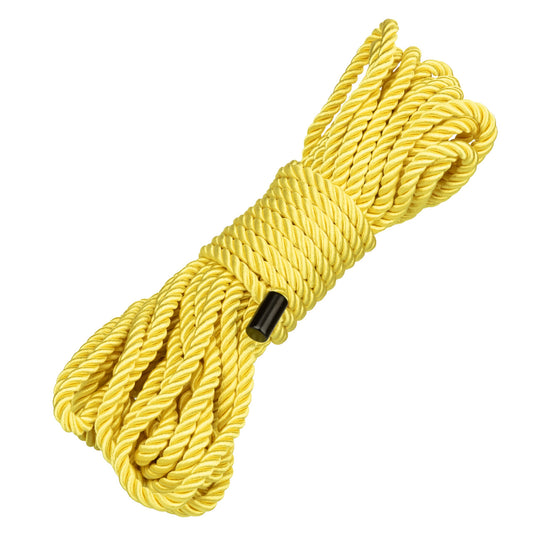


Rope for bondage includes natural fiber and synthetic cords designed for restraining, decorative tying, and suspension play. These materials range from soft cotton for comfort-focused restraint to grippy hemp for secure knots and specialized shibari rope for intricate Japanese-style rope work.
About Rope for Bondage
Rope transforms bondage from simple restraint into art form, enabling everything from quick wrist ties to elaborate full-body harnesses. Unlike cuffs or restraints with fixed configurations, rope adapts infinitely—the same length creates dozens of different ties depending on technique and creativity.
Rope work ranges from functional restraint focused purely on immobilization to decorative shibari emphasizing aesthetic beauty of rope patterns across skin. The material choice dramatically affects experience: soft ropes prioritize comfort during extended sessions, textured ropes provide sensory stimulation through friction, and grip-focused ropes hold knots securely without slipping. Rope diameter, length, and treatment all influence handling properties and suitable applications.
Who Is It For
Beginners exploring bondage choose rope for its versatility and lower cost compared to extensive restraint collections. A few rope lengths replicate dozens of specialty restraints. Couples wanting creative variety use rope because each session can employ completely different tie configurations rather than repeating identical cuff positions. Shibari enthusiasts specifically seeking Japanese rope bondage aesthetics require appropriate rope treating and diameter for authentic technique.
Experienced riggers building comprehensive skills invest in multiple rope types since different materials suit different applications—soft cotton for bedroom scenes, grippy hemp for suspension, quick-release tape for predicament bondage. The learning curve appeals to people enjoying skill development, while those wanting instant results without study may prefer ready-made restraints.
How to Use Bondage Rope
Start with simple two-column ties around wrists or ankles before attempting complex body harnesses—foundational knots build skills for advanced work. Practice on yourself or inanimate objects before tying partners, developing muscle memory for knot sequences without pressure of someone waiting. Keep safety shears immediately accessible during all rope scenes for emergency release if circulation becomes compromised. Monitor restrained areas constantly for color changes, numbness, or temperature shifts indicating restricted blood flow—untie immediately if these appear.
Natural fiber ropes require conditioning before first use through washing and breaking in to remove manufacturing residues and soften fibers. Start with 25-30 foot lengths for learning basic ties; advanced work requires 50+ foot lengths for full body harnesses. Never leave tied individuals unattended regardless of experience level.
Rope Materials and Their Properties
Hemp delivers excellent grip through slightly rough texture that holds knots securely without constant retightening. The natural fiber breathes well during extended wear and develops desirable softness through use while maintaining strength. Cotton provides soft, comfortable contact ideal for sensitive skin or long sessions where rope burns concern users. The smooth texture slides easily during tying but requires careful knot selection since some slip in cotton.
Jute offers traditional shibari properties with good grip and accepts conditioning treatments well, though some find the fiber rougher than hemp. Synthetic ropes like nylon or polyester resist moisture and clean easily but can create friction burns more readily than natural fibers during struggling or dynamic movement. Bondage tape provides reusable alternative adhering only to itself without knots—ideal for quick restraint or situations where knot-tying skill isn't available.
Diameter, Length, and Treatment
6mm (1/4 inch) rope suits detailed decorative work and face/neck ties where bulk would interfere with aesthetics or safety. 8mm (5/16 inch) represents the versatile standard diameter balancing secure grip with comfortable contact—most general bondage uses 8mm successfully. 10mm+ (3/8 inch+) creates bold visual lines and distributes pressure across wider surface areas, reducing discomfort during suspension or stress positions.
Rope length determines applications: 15-20 feet handles basic wrist/ankle ties, 25-30 feet accommodates simple body harnesses, 50+ feet enables complex multi-point ties or full suspension rigs. Treated rope has been pre-conditioned through boiling, breaking in, or coating application improving handling properties. Untreated rope requires user conditioning but allows customization of final properties through personal treatment methods.
Rope for Bondage Comparison
| Material Type | Comfort Level | Knot Security | Learning Curve | Maintenance |
|---|---|---|---|---|
| Cotton | Very Soft | Moderate | Easy | Machine Wash |
| Hemp | Moderate | Excellent | Moderate | Hand Wash |
| Jute | Moderate-Firm | Excellent | Moderate-High | Hand Wash |
| Synthetic | Smooth | Good | Easy | Machine Wash |
| Bondage Tape | Very Soft | N/A (No Knots) | Very Easy | Wipe Clean |
Traditional Japanese Rope Techniques
Shibari emphasizes aesthetic rope patterns and emotional connection through deliberate, meditative tying practice. The shibari rope collection features treated jute and hemp specifically processed for authentic Japanese rope bondage with appropriate diameter, texture, and handling properties traditional techniques require.
Grippy Natural Fiber Options
Hemp's slightly rough texture holds knots securely without constant adjustment during active scenes. The hemp bondage rope range provides durable natural fiber that maintains knot integrity under stress while developing desirable softness through conditioning and repeated use.
No-Knot Quick Restraint
Self-adhesive tape eliminates knot-tying knowledge requirements while providing instant restraint. The bondage tape selection sticks only to itself, wrapping limbs or bodies quickly for spontaneous scenes without rope skills or removal time.
Who Buys Rope for Bondage
Beginners purchase rope for versatile, economical entry into restraint play. Shibari students invest in appropriate materials for Japanese rope techniques. Experienced riggers maintain diverse rope collections since different materials suit varied applications from comfort-focused bedroom scenes to demanding suspension work requiring maximum grip and strength.
Buy at Adultsmart
Rope listings specify material composition, diameter, length, and treatment status. Breaking strength ratings appear for suspension-intended ropes while softness ratings help assess comfort levels for extended wear. Pre-conditioning details clarify whether rope requires user treatment before first use.
Rope For Bondage FAQ
Does rope diameter significantly affect knot holding strength or primarily influence comfort?
Diameter affects both—thicker rope (10mm+) distributes pressure comfortably but creates bulkier knots harder to tighten precisely. Thinner rope (6mm) enables tight, secure knots but concentrates pressure uncomfortably during extended wear. 8mm balances both factors effectively.
Should beginners start with cotton or hemp rope for learning basic bondage techniques?
Cotton suits beginners better—softer texture forgives mistakes causing less discomfort, slides easily during learning, and cleans simply. Hemp's grip frustrates beginners still developing smooth tying motions. Progress to hemp after mastering fundamentals on forgiving cotton.
Can I machine wash natural fiber bondage rope or will it damage the material?
Cotton tolerates machine washing in mesh bags on gentle cycles. Hemp and jute require hand washing—machine agitation damages fibers and accelerates deterioration. Hang dry all natural fiber rope; never use dryers which cause shrinkage and weakening.
Will untreated rope cause more friction burns than pre-conditioned rope during use?
Significantly—untreated rope has manufacturing residues and stiff fibers creating friction during movement. Conditioning softens fibers and removes irritating particles. Always condition natural fiber rope before skin contact to prevent burns.
Do synthetic ropes hold knots as securely as natural fiber ropes?
Synthetic ropes are slipperier, requiring careful knot selection emphasizing friction-based ties rather than compression knots. Natural fibers grip inherently better. However, quality synthetics work adequately for non-suspension applications when proper knots are used.
Can bondage tape be reused multiple times or does it lose adhesion after first use?
Quality bondage tape reuses 5-10 times if kept clean and stored properly without stretching. Adhesion gradually weakens with use. Contamination from lubricants or oils reduces reusability dramatically. Budget tape typically manages 2-3 uses.
Will hemp rope become softer with use or maintain its initial texture permanently?
Hemp softens considerably through conditioning and repeated use, developing desirable suppleness while retaining grip. Expect 10-15 sessions before noticing significant softening. Proper conditioning accelerates this process versus letting rope break in naturally.
Do suspension-rated ropes differ from standard bondage rope beyond breaking strength specifications?
Suspension rope features tighter construction, consistent diameter throughout length, and rigorous testing for weak points. Standard rope may have diameter variations or construction inconsistencies acceptable for floor bondage but dangerous for weight-bearing applications.
Can I cut longer rope lengths into shorter pieces or does this compromise rope integrity?
Cutting works but requires proper end treatment—whip or melt cut ends to prevent fraying. Natural fibers need whipping (wrapping with thread); synthetics can be carefully melted. Untreated cut ends unravel rapidly making rope unusable.
Will colored or dyed bondage rope bleed onto skin during use or after washing?
Quality rope uses colorfast dyes that don't bleed. Cheap dyed rope may transfer color when wet or during sweaty scenes. Test new colored rope by rubbing damp white cloth across it—color transfer indicates bleeding risk.
Recently Viewed Products
Example product title
- $19.99
- $19.99
- Unit price
- per
Example product title
- $19.99
- $19.99
- Unit price
- per
Example product title
- $19.99
- $19.99
- Unit price
- per
Example product title
- $19.99
- $19.99
- Unit price
- per
Example product title
- $19.99
- $19.99
- Unit price
- per
Example product title
- $19.99
- $19.99
- Unit price
- per
Example product title
- $19.99
- $19.99
- Unit price
- per
Example product title
- $19.99
- $19.99
- Unit price
- per
Example product title
- $19.99
- $19.99
- Unit price
- per
Example product title
- $19.99
- $19.99
- Unit price
- per
Why Shop With Adultsmart?
- Choosing a selection results in a full page refresh.