




-
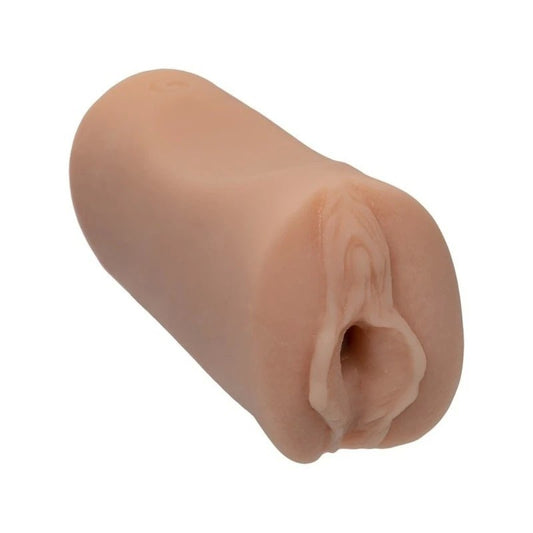
All Star Porn Stars Remy LaCroixAll Star Porn Stars Remy LaCroix Realistic Stroker - The Ultimate Premium Male Pleasure Device The All Star Porn Stars Remy LaCroix Realistic Stroker brings the award-winning star's signature sensation directly to your private collection. Precisely molded from Remy herself, this masterfully crafted stroker...
- $49.99
$54.99- $49.99
- Unit price
- per
-
Doc Johnson Porn Stars Karla Kush Squirting Pussy StrokerDoc Johnson Porn Stars Karla Kush Squirting Pussy Stroker Transform your intimate moments with the incredibly authentic Doc Johnson Porn Stars Karla Kush Squirting Pussy Stroker. This meticulously crafted intimate pleasure product brings together premium craftsmanship and innovative design to deliver an unmatched experience...
- $40.99
$44.99- $40.99
- Unit price
- per
-
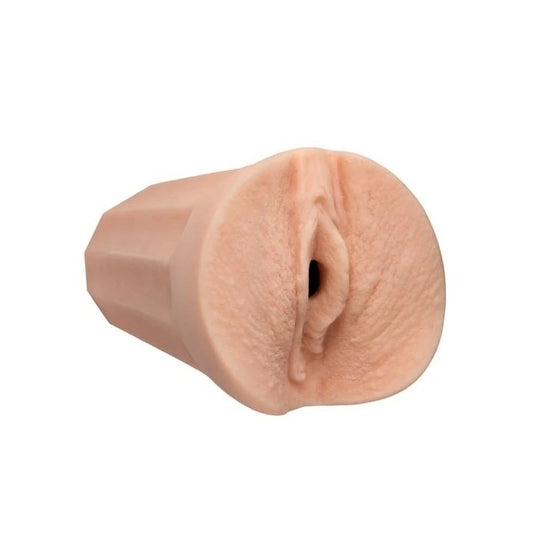
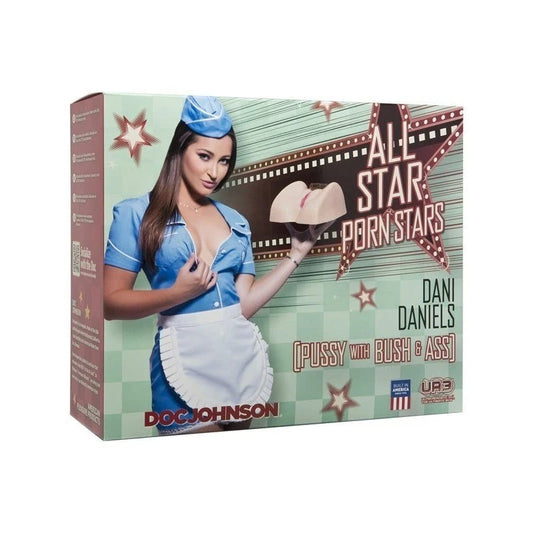
Doc Johnson Dani Daniels Pussy with Bush and AssDoc Johnson Dani Daniels Pussy with Bush and Ass - A Premium Adult Pleasure Product The Doc Johnson Dani Daniels Pussy with Bush and Ass represents the pinnacle of realistic adult pleasure products, crafted with meticulous attention to detail and anatomical accuracy. This life-sized...
- $179.99
$199.99- $179.99
- Unit price
- per
-
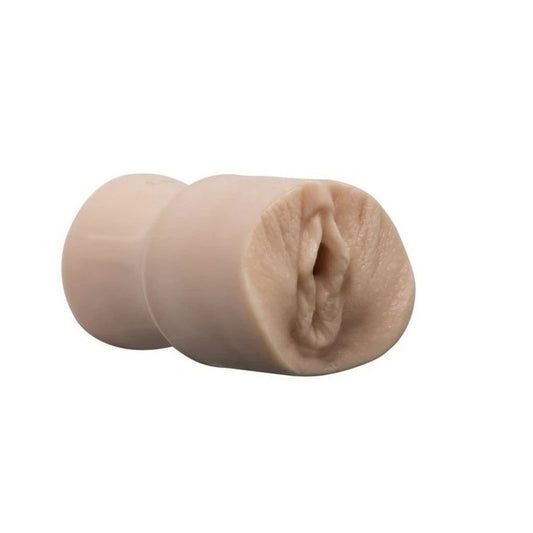
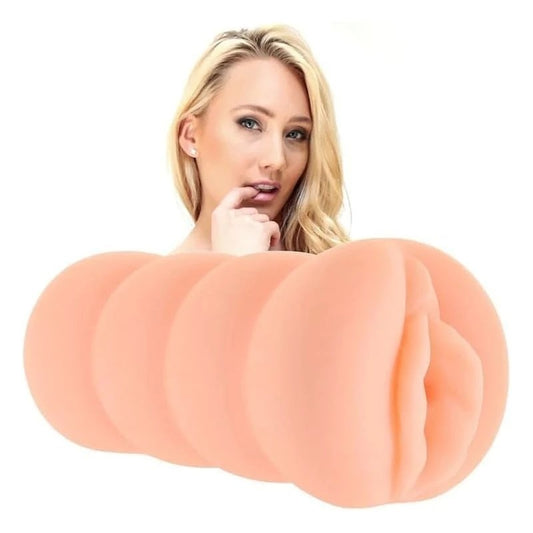
All Star Porn Stars Dani Daniels PussyDoc Johnson Dani Daniels Ultraskyn Pocket Pussy Stroker - A Premium Solo Experience The Doc Johnson Dani Daniels Ultraskyn Pocket Pussy Stroker represents the pinnacle of intimate pleasure technology, bringing fantasy to life through precise anatomical replication. This masterfully crafted stroker captures every detail...
- $49.99
$54.99- $49.99
- Unit price
- per
-
All Star Porn Stars Dana DeArmondDoc Johnson Dana DeArmond Pocket Pussy Masturbator - Ultimate Solo Pleasure Reimagined Doc Johnson Dana DeArmond Pocket Pussy Masturbator brings the authentic experience of adult entertainment star Dana DeArmond into your private collection. This premium masturbator perfectly captures Dana's intimate details through advanced molding...
- $39.99
$44.99- $39.99
- Unit price
- per
-
Alexis Winston Extra Long Cyberskin Pussy and Ass StrokerAlexis Winston Extra Long Cyberskin Pussy and Ass Stroker - Premium Pleasure by Topco The Alexis Winston Extra Long Cyberskin Stroker combines authentic detail with innovative design to create an unmatched intimate experience. Molded directly from Penthouse Pet Alexis Winston, this premium implement captures...
- $71.99
$79.99- $71.99
- Unit price
- per
-
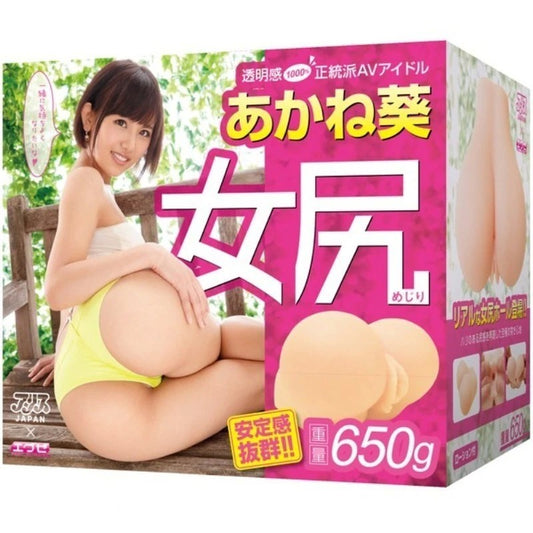
Akane Aoi Hipper Realistic Mens StrokerAkane Aoi Hipper Realistic Mens Stroker - A Premium Japanese-Inspired Intimate Companion The Akane Aoi Hipper Realistic Mens Stroker represents the pinnacle of Japanese craftsmanship in adult pleasure products. This meticulously designed stroker, inspired by celebrated Japanese AV idol Akane Aoi, brings together anatomical...
- $98.99
$109.99- $98.99
- Unit price
- per
-
Cousins Group - AJ Applegate's Intimate Stroker DelightProduct Description of AJ Applegate Pussy Stroke Introducing the AJ Applegate Pussy Stroke, a captivating adult toy designed to provide an unparalleled sensual experience. Inspired by the iconic adult film star, this stroke offers a realistic and immersive encounter that will leave you craving...
- $31.99
$34.99- $31.99
- Unit price
- per
-
Aimee Sweet Extra Long Cyberskin Pussy and Ass StrokerAimee Sweet Extra Long Cyberskin Pussy and Ass Stroker - Ultimate Realistic Experience The Aimee Sweet Extra Long Cyberskin Stroker represents the pinnacle of intimate simulation technology, precisely molded from Penthouse Pet Aimee Sweet. This premium pleasure device from Topco Sex Toys combines advanced...
- $49.99
$54.99- $49.99
- Unit price
- per
-
Ai Uehara Wrapping HipExperience Premium Design with the Ai Uehara Wrapping Hip The Ai Uehara Wrapping Hip represents the pinnacle of intimate product engineering, combining sophisticated design with premium materials to deliver an exceptional experience. This compact personal device features advanced internal architecture and meticulous attention to...
- $89.99
$99.99- $89.99
- Unit price
- per
-
Ai Uehara Plus MasturbatorAi Uehara Plus Masturbator: Experience Unparalleled Intimacy Ready to elevate your solo sessions to extraordinary heights? The Ai Uehara Plus Masturbator offers an experience so lifelike, so intensely pleasurable, it'll leave you breathless. Modeled after the sensational Ai Uehara, this premium male masturbator promises...
- $44.99
$49.99- $44.99
- Unit price
- per
-
Ai Chan Forest Fairy Onahole Mens MasturbatorAi Chan Forest Fairy Onahole Experience premium quality with this thoughtfully designed personal care device. Crafted from body-safe TPE material, this product delivers comfort and durability in a compact form factor measuring 190mm x 120mm x 70mm. The ergonomic design ensures easy handling during...
- $76.99
$84.99- $76.99
- Unit price
- per
-
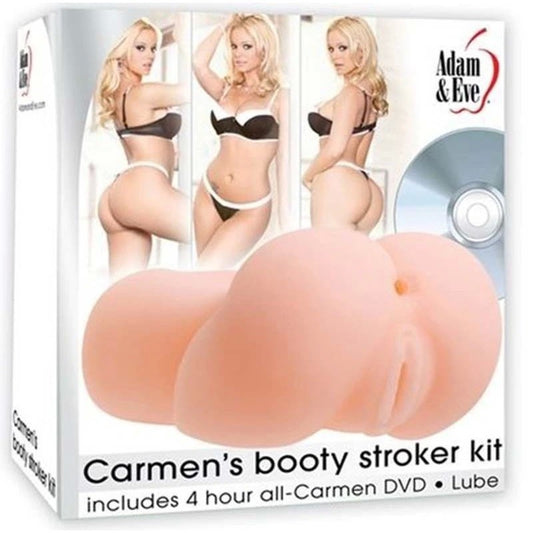
Adam & Eve Carmen's Booty Stroker KitAdam & Eve Carmen's Booty Stroker Kit Experience the ultimate in lifelike pleasure with Adam & Eve's Carmen's Booty Stroker Kit. This comprehensive package brings you up close and personal with adult star Carmen Luvana, offering a meticulously crafted stroker molded directly from her...
- $49.99
$54.99- $49.99
- Unit price
- per
-
Adam & Eve Bree's Big Tit Stroker KitExperience Enhanced Realism and Satisfaction Adam & Eve presents an advanced intimate accessory that combines anatomical accuracy with sophisticated texture engineering. This comprehensive kit delivers an immersive experience through its premium flesh-feel TPR material and thoughtfully designed stimulation features. The complete package includes both...
- $35.99
$39.99- $35.99
- Unit price
- per
-
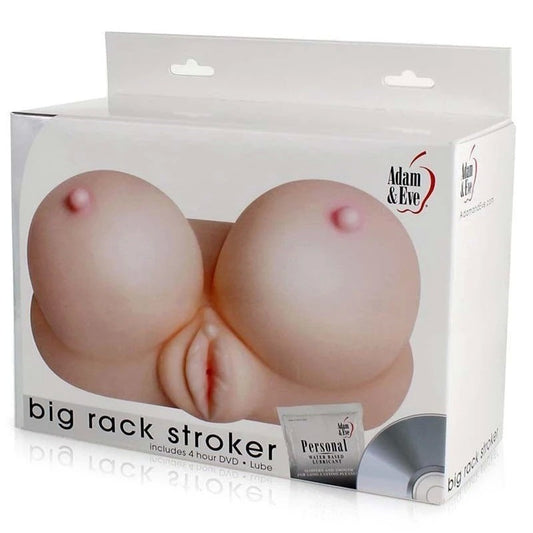
Adam & Eve Big Rack StrokerPrepare to elevate your solo adventures with the Adam & Eve Big Rack Stroker, a masterfully crafted male pleasure device that offers an immersive and multi-sensory experience. This innovative stroker combines the allure of generous breasts with the intense satisfaction of a tight vaginal...
- $68.99
$79.99- $68.99
- Unit price
- per
VISIT XVIDEO FOR ADULT DVDS



Zero Tolerance PROSTATE POWER PACK Massager With Remote
- Green
Zero Tolerance PROSTATE POWER PACK Massager With Remote is a dual-component prostate stimulator with vibrating plug and ridged C-ring harness. The insertable plug measures 8.3 cm long with 2.8 cm diameter, delivering 10 vibration speeds via 9.8-meter remote control. Liquid silicone construction ensures body-safe...
- $89.99
$99.99- $89.99
- Unit price
- per
LELO LIFEGUARD Originals Male Vibrating Penis Ring
- Pink
LELO LIFEGUARD Originals is a vibrating penis ring crafted from premium silicone, designed for couples' shared stimulation. Measuring 63 x 48 x 23 mm and weighing 32 grams, it features four standard vibration patterns plus four additional app-unlocked modes. The stretchy, body-safe silicone adapts...
- $74.99
$79.99- $74.99
- Unit price
- per
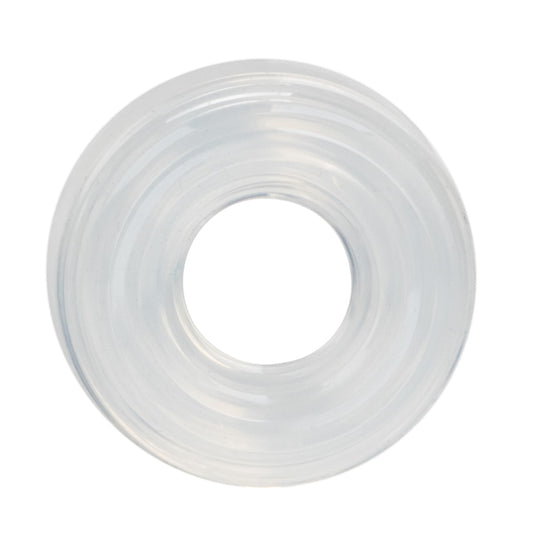
California Exotics Premium Silicone Cock Ring Medium
- Clear
California Exotics Premium Silicone Cock Ring Medium is a seamless silicone erection ring with a 0.75-inch diameter designed for girth enhancement and endurance support. Made from phthalate-free premium silicone, it delivers comfortable compression without restricting circulation. The thick, durable construction maintains shape through repeated...
- $9.99
$14.99- $9.99
- Unit price
- per



















Realistic Masturbators FAQ
Do anatomically-accurate internal chambers provide less intense sensations than fantasy texture designs?
Anatomical chambers typically deliver moderate friction approximating natural experiences rather than maximized intensity that fantasy textures achieve through exaggerated patterns. Users seeking authentic simulation find anatomical designs satisfying despite gentler sensations, while those prioritizing maximum stimulation may prefer hybrid realistic exteriors paired with enhanced fantasy internal textures that sacrifice anatomical accuracy for intensity.
Do life-size realistic masturbators justify their larger storage footprint through enhanced immersion benefits?
Accurate scale proportions create stronger psychological immersion by eliminating size disconnects that might break mental engagement when dimensions obviously deviate from natural references. The authentic sizing benefits users highly responsive to visual accuracy, though practical storage and handling challenges may outweigh immersion advantages for users with limited space or discretion concerns. The footprint justification depends heavily on individual immersion sensitivity and practical constraint tolerance.
How does cleaning complexity for highly-detailed realistic exteriors compare to simplified generic strokers?
Detailed anatomical molding creates surface complexity with contours and texture variations that trap residue more readily than smooth generic exteriors, requiring additional cleaning time and attention. The intricate surfaces demand careful rinsing and potentially soft brush assistance to remove debris from detailed features, typically adding 2-3 minutes to maintenance routines compared to simplified stroker exteriors with minimal surface variation.
Can realistic masturbators accommodate effective stamina training comparable to actual partnered experiences?
Anatomically-inspired internal textures replicate natural friction patterns more closely than abstract designs, providing practice conditions better approximating partnered sensations. The realistic chambers help users develop control under familiar friction characteristics rather than adapting to fantasy textures bearing little relation to natural experiences, making anatomical designs more effective training tools for users wanting transferable stamina improvements.
Do skin-like soft materials in realistic masturbators degrade faster than firmer stroker compounds?
Very soft materials prioritizing tactile authenticity typically show wear faster than firmer compounds, with ultra-soft skin-like formulations degrading after 15-30 uses compared to 40-60 uses for moderately firm materials. The realistic touch properties come at durability costs, requiring users to balance authentic feel against replacement frequency when selecting between maximum realism and extended lifespan through firmer material compromises.
How does visual realism in masturbator exteriors affect psychological arousal compared to generic sleeve designs?
Anatomically accurate external details enhance psychological engagement for visually-responsive users by providing familiar references supporting immersive mental scenarios during use. The realistic appearance creates stronger mental associations with partnered experiences compared to clinical generic sleeves lacking contextual visual cues, though the psychological benefit varies significantly based on individual reliance on visual stimulation versus purely physical sensations.
Can compact realistic designs maintain sufficient anatomical detail for effective visual engagement?
Scaled-down realistic masturbators preserve recognizable anatomical features and proportional relationships despite reduced dimensions, maintaining psychological benefits of realistic appearance within portable formats. However, some fine detail loss occurs during size reduction, with compact versions showing less surface texture complexity than life-size counterparts. Most users find compact realistic designs provide adequate visual context despite detail compromises necessary for size reduction.
Do rear-entry realistic designs create distinctly different sensations from frontal anatomy masturbators?
Posterior anatomical chambers typically emphasize tighter more uniform compression throughout compared to frontal designs featuring varied tightness zones and texture progression. The friction pattern differences reflect actual anatomical variations between entry types, providing genuinely distinct experiences within realistic frameworks. Users wanting variety within anatomical authenticity find entry type selection creates meaningful sensation differences without requiring transition to abstract fantasy designs.
How does material warmth retention in realistic masturbators enhance authenticity during use?
Materials holding body heat longer create more authentic thermal sensations as the chamber warms during use, approximating natural temperature experiences better than compounds that remain cool throughout sessions. Premium skin-like materials warm within 2-3 minutes of contact, maintaining elevated temperature that enhances immersion through realistic thermal feedback complementing visual and tactile authenticity that cool-remaining materials cannot provide despite potentially superior durability.
Can hybrid designs combining realistic exteriors with fantasy interiors satisfy users wanting both visual authenticity and intense stimulation?
Hybrid configurations successfully serve users appreciating realistic external appearance for psychological engagement while preferring exaggerated internal friction over anatomically-accurate subtlety. The combination recognizes that visual and tactile preferences sometimes diverge, allowing manufacturers to provide immersive exteriors supporting mental engagement without limiting internal sensation intensity to naturally moderate levels that purely anatomical designs would impose through complete accuracy commitments.
Recently Viewed Products
Example product title
- $19.99
- $19.99
- Unit price
- per
Example product title
- $19.99
- $19.99
- Unit price
- per
Example product title
- $19.99
- $19.99
- Unit price
- per
Example product title
- $19.99
- $19.99
- Unit price
- per
Example product title
- $19.99
- $19.99
- Unit price
- per
Example product title
- $19.99
- $19.99
- Unit price
- per
Example product title
- $19.99
- $19.99
- Unit price
- per
Example product title
- $19.99
- $19.99
- Unit price
- per
Example product title
- $19.99
- $19.99
- Unit price
- per
Example product title
- $19.99
- $19.99
- Unit price
- per
Why Shop With Adultsmart?
- Choosing a selection results in a full page refresh.