



-
Precision Pump Advanced Cock Pump by California ExoticsCalExotics Precision Pump Advanced Cock Pump is a medical-grade vacuum enhancement system featuring integrated pressure gauge monitoring, quick-release safety valve, and universal measurement markings. The 9.5-inch cylinder with 3.25-inch diameter delivers professional-level enhancement control with phthalate-free materials. Designed for serious practitioners seeking objective feedback...
- $254.99
$319.99- $254.99
- Unit price
- per
-
Optimax Professional Power Pump With Gauge by Shots ToysOptiMax Professional Power Pump with Gauge is a penis pump designed for enhanced erectile function and performance. Featuring a 2.5-inch inner diameter cylinder and 11-inch length, it includes a precision pressure gauge for safe monitoring and a quick-disconnect hose that maintains vacuum after disconnection....
- $85.99
$94.99- $85.99
- Unit price
- per
-
Optimale Supreme Pump Penis Sleeve by Doc JohnsonOptimale Supreme Pump is a manual penis pump featuring a clear cylinder with integrated measurement markings and professional-grade PSI pressure gauge. The ergonomic pull ring enables one-handed operation with precise pressure control through a quick-release safety valve. It suits people seeking measurable enhancement results...
- $94.99
$99.99- $94.99
- Unit price
- per
-
Melo 5 Function Mens Penis PUmp by BDStyleMelo 5 is a premium penis pump with five distinct suction modes designed for enhanced blood flow and sensation. Measuring 9 inches long with a 3-inch diameter cylinder, it features a built-in pressure gauge, intuitive controls, and body-safe silicone construction. The ergonomic ABS plastic...
- $114.99
$129.99- $114.99
- Unit price
- per
-
Master Gauge Penis Pump by California ExoticsCalExotics Optimum Series Master Gauge Penis Pump is a vacuum enhancement system featuring an integrated analog pressure gauge for precise monitoring. The 8-inch clear cylinder with measurement markings enables visual progress tracking, while multi-material construction combines PS clarity, TPE sleeve comfort, and phthalate-free PVC...
- $71.99
$79.99- $71.99
- Unit price
- per
-
LuxaMax Power ABS Penis Pump by Shots ToysLuxaMax Power Penis Pump is a manual enhancement device featuring a 22.8 cm cylinder with 5.7 cm inner diameter and medical-grade ABS construction. The brass handle mechanism delivers smooth suction control with a precision pressure gauge for real-time monitoring. It includes a quick-release valve...
- $130.99
$144.99- $130.99
- Unit price
- per
-
Vaczilla X1 Penis Enlargement Pump by La VivaLaViva Vaczilla X1 is a penis enlargement pump featuring a 90mm x 40mm medical-grade ABS cylinder with 7.9 inches of functional length. The specialized TPR chamber sleeve creates an optimal seal while maintaining comfort during extended sessions. It includes an integrated pressure gauge for...
- $54.99
$69.99- $54.99
- Unit price
- per
-
Colt Vacuum Penis Pump with Pressure GaugeColt Vacuum Penis Pump with Pressure Gauge is a manual enhancement pump featuring integrated pressure monitoring and heavy-duty metal construction. At 8 inches with dual ergonomic handles, it delivers real-time vacuum feedback through a calibrated gauge while preventing excessive pressure through scientific design. The...
- $254.99
$319.99- $254.99
- Unit price
- per
VISIT XVIDEO FOR ADULT DVDS



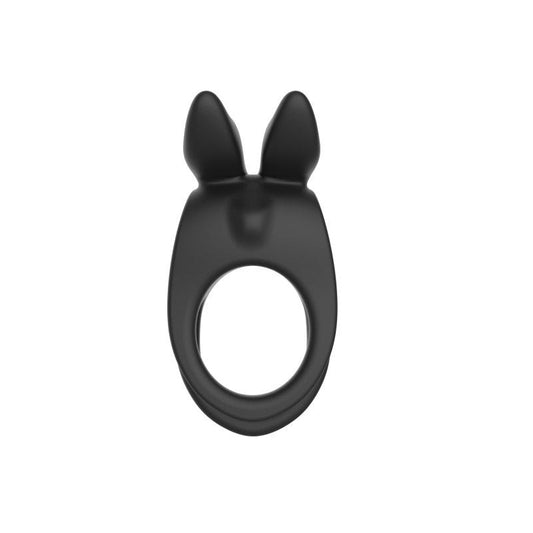
Men 10 Mode Vibrating Rabbit Cock Ring by Ashella
- Black
Ashella Men 10 Mode Vibrating Rabbit Cock Ring is a dual-ring vibrator designed for partnered stimulation and performance enhancement. Measuring 45.2 x 91.1 x 43.1mm with 10 vibration modes across 3 speed settings, it combines a supportive shaft and ball ring with external bunny...
- $34.99
$39.99- $34.99
- Unit price
- per
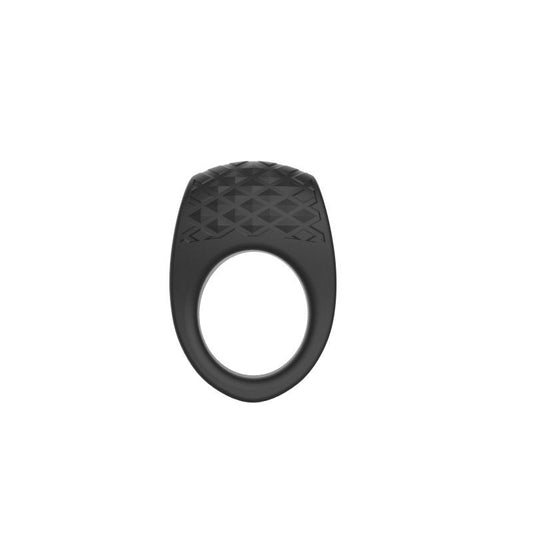
Men 10 Mode Vibrating Cock Ring by Ashella
- Black
The Ashella Men Vibrating Cock Ring is a silicone erection ring featuring 10 vibration modes across 3 speed settings. Measuring 45.5 x 66.7 x 29.4mm with rechargeable USB power lasting one hour per charge, it delivers customizable stimulation for solo or partnered play. The...
- $34.99
$39.99- $34.99
- Unit price
- per
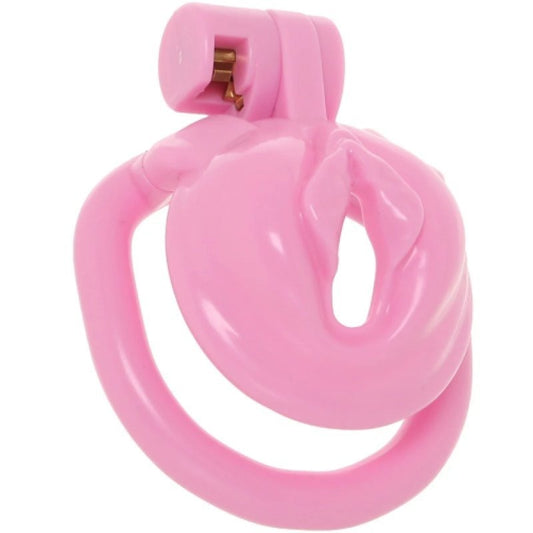
Bitchboy Degrading Mini Chastity Cage by Electric EEL Inc
- Pink
Bitchboy Degrading Mini Chastity Cage by Electric EEL Inc is a compact chastity cage featuring a pussy-shaped design with 1-inch insertable length. Constructed from lightweight, smooth material, it measures 3.23 x 2.68 x 1.3 inches and delivers open-design breathability. The cage combines visual humiliation...
- $129.99
$139.99- $129.99
- Unit price
- per


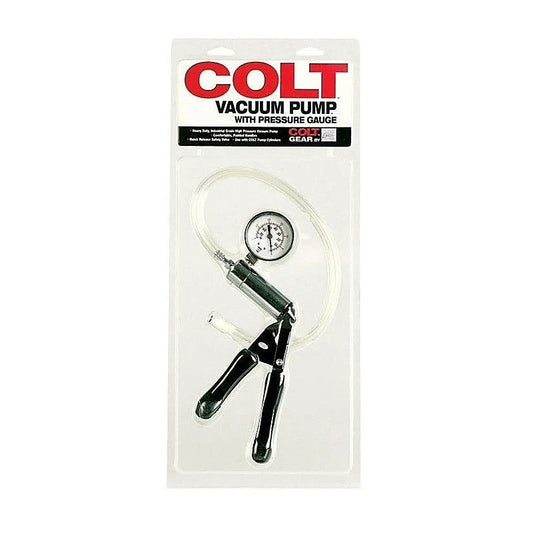

Pressure-gauge penis pumps are vacuum devices fitted with real-time dial displays that measure suction in millimetres of mercury (mmHg). They come in manual hand-pump and electric motor versions, both letting you monitor and control negative pressure safely throughout each session.
At a glance
|
🚚 Plain, discreet packaging • 🔒 Discreet billing • 🔁 Hygiene-conscious returns |
About Pressure-Gauge Penis Pumps
Pressure-gauge penis pumps are vacuum training devices built around a transparent cylinder with a built-in dial that shows the exact suction level during use. The gauge sits between the valve and connector, letting you see pressure readings as air is drawn out. This feedback system prevents over-suction and mechanical strain while keeping the shaft aligned and force evenly distributed through each cycle. Penis Pumps in general work on the same vacuum principle, but the gauge version adds the safety and tracking advantage of visible, measurable control.
These pumps are made from durable, non-porous materials: polycarbonate cylinders for visibility, silicone or TPE seals for airtight contact, and stainless-steel or aluminium gauge assemblies. Manual versions use a hand pump attached via short hoses; electric models integrate the gauge within the motor housing for a more compact design. Both types are built for hygiene, durability, and consistent pressure readings under load.
What makes Pressure-Gauge Penis Pumps different
The key difference is the integrated dial gauge, which gives you live feedback on vacuum levels. Instead of guessing or relying on sensation alone, you can see exactly how much pressure you're applying and adjust safely. This measurable control reduces the risk of sudden over-suction and lets you repeat the same safe conditions session after session. Unlike Penis Sleeves, which focus on girth and sensation during penetration, pressure-gauge pumps are designed for progressive training with visual, real-time data.
Types of Pressure-Gauge Penis Pumps
Pressure-gauge pumps come in several practical formats:
Manual hand-pump models. You control suction by squeezing a bulb or lever, watching the dial respond in real time. These offer direct tactile feedback and no batteries or charging needed.
Electric motor pumps. A rechargeable or mains-powered motor draws air automatically, leaving your hands free and pressure steady. The gauge sits in the motor housing or on a side panel.
Dual-gauge advanced models. Two dials measure pressure at different points in the cylinder, giving expert users finer control and more detailed tracking. Penis Extenders work on a different principle—lengthening rather than vacuum training—but many users combine both for comprehensive progression.
Portable travel-size pumps. Compact gauge models designed for discreet use or carry, with smaller cylinders and simplified dial readouts.
How they compare
| Model | Material | Best for | Control or Base | Safety |
|---|---|---|---|---|
| Manual hand-pump with dial | Polycarbonate cylinder, silicone seals, stainless-steel gauge | Beginners and users who prefer direct control | Hand-squeezed bulb; 50–150 mmHg range | Visible gauge prevents over-suction; release valve for slow decompression |
| Electric motor pump, rechargeable | Polycarbonate cylinder, TPE seals, aluminium gauge housing | Extended sessions and hands-free consistency | Motor-driven; USB or battery rechargeable; 50–200 mmHg | Auto-shutoff and pressure limits; integrated release valve |
| Dual-gauge advanced model | Heavy-duty polycarbonate, reinforced seals, dual stainless dials | Experienced users tracking detailed progression | Manual or electric; dual readouts for fine adjustment | Dual feedback prevents uneven pressure; calibration check essential |
| Portable compact gauge pump | Lightweight polycarbonate, TPE seals, compact dial | Travel, discretion, and lighter training sessions | Hand-pump or small battery motor; 50–120 mmHg | Smaller size limits extreme pressure; easy release mechanism |
How to choose a pressure-gauge penis pump
Start by deciding between manual and electric. Manual pumps give you hands-on control and require no charging, making them ideal if you want to feel the vacuum building and adjust on the fly. Electric models are better if you prefer hands-free sessions or longer training periods—just check battery life or mains compatibility.
Consider your experience level. Beginners should start with a manual pump in the 50–150 mmHg range; the visual feedback helps you learn safe limits without rushing. If you're already familiar with vacuum training, a dual-gauge or high-range electric model lets you progress further. Check that the cylinder fits comfortably on your body and that the gauge is easy to read. Pairing these pumps with Penis Enhancement Creams can improve seal contact and comfort during longer sessions. Always verify the seal quality—worn O-rings will cause pressure fluctuations and inaccurate readings—and make sure replacement parts are available.
Tips from the Adultsmart team
Hard-won pointers from the Adultsmart team, alongside our panel of sexologists, educators, and adult-industry contributors. Meet our experts →
After years of helping customers with pressure-gauge pumps, the most common mistake is starting too high. Many people see the 200 mmHg maximum and think they should jump there. Start at 50 mmHg, stay there for five to ten minutes, and only increase by 10–20 mmHg per session as your body adapts. The gauge is your safety tool, not a target to chase.
Watch the needle closely during your first few uses. A steady, smooth movement means you have a good seal. If the needle wavers or drops unexpectedly, stop and check your O-rings and seals—a worn ring is the most common culprit. We've seen customers waste weeks thinking they're doing something wrong when really the seal just needs replacing. It's a five-minute fix and costs almost nothing.
Log your sessions. Write down the pressure level, duration, and how you felt. This isn't just for fun—it gives you real data to track progress and helps you spot if your body responds better to certain ranges or timings. Many customers find they plateau at one level until they switch to slightly longer sessions at lower pressure, then suddenly progress again. The gauge lets you be scientific about it.
| Please read — safety first. Charge only with the supplied cable and keep the charging port dry unless the sex toy is waterproof-rated. Pair and update through the official app, and switch the device off fully between sessions so the motor and battery aren't left under load. As porous materials can harbour bacteria, use a condom over them for sharing or easy clean-up. This information is general in nature only and is not medical advice; it does not account for your individual circumstances. If you have a relevant health condition or experience any persistent discomfort, discontinue use and seek advice from a qualified medical professional. |
Care and cleaning
Clean the cylinder and seals with warm soapy water after every use, then dry thoroughly before storage. Check the O-rings monthly for cracks, hardening, or visible wear—replace them if you notice any damage or if pressure readings become inconsistent. Calibrate the gauge regularly by checking that the needle sits on zero when no vacuum is applied, then returns accurately after decompression. Store in a cool, dry place away from direct sunlight to protect the polycarbonate and seals.
Learn more
Pressure-gauge pumps are one approach to penis training. If you're curious about other techniques and tools, What Is A Penis Wand explores a different method that many users combine with pumping for varied results.
Why shop Pressure-Gauge Penis Pumps at Adultsmart
Looking for a piece that actually fits how you play? Adultsmart stocks a range of pressure-gauge penis pumps from trusted brands, with clear specs and honest advice to help you pick the right one. All orders ship in discreet, unmarked packaging with private billing. Trusted Australian adult retailer — discreet, knowledgeable, and here to help.
Pressure-Gauge Penis Pumps FAQ
What is the function of the gauge in a Penis Pump?
The gauge measures internal vacuum pressure in mmHg, allowing users to monitor real-time suction levels. It helps ensure pressure remains within safe and repeatable limits during training.
How often should seals and hoses be replaced?
Inspect after every few sessions. Replace if they appear brittle, cracked, or if vacuum loss occurs. New seals ensure airtight performance and accurate gauge readings.
Why is pressure monitoring important?
Monitoring prevents excessive suction, which can cause discomfort or tissue strain. The gauge provides instant feedback and supports gradual, controlled increases in vacuum strength.
How do I calibrate a mechanical gauge?
Ensure the needle rests at zero before use. If it does not, gently tap the gauge or reset using the built-in valve release. Clean fittings and check for leaks to restore accurate readings.
What pressure range is considered safe for most users?
Stay below 150 mmHg, starting near 80 to 100 mmHg. The exact range varies by experience, seal quality, and user comfort. Always prioritise steady readings over high vacuum values.
How should the gauge be positioned during use?
Keep it visible but not in contact with the body. Ensure the hose is straight and the gauge face is easy to read during vacuum cycles to avoid misinterpretation of readings.
Can the gauge be cleaned with water?
No. Wipe it gently with a soft cloth. Never submerge mechanical or digital gauges. Clean only the non-electronic components like the cylinder and seals with soap and water.
How do I know if the gauge is faulty?
If readings fluctuate rapidly, stick, or fail to return to zero, the gauge may be damaged or blocked. Clean fittings or replace the gauge to maintain accuracy.
Are Pressure Gauge Pumps suitable for beginners?
Yes. They are useful for beginners because the gauge provides visual feedback that prevents over-suction and supports safe, structured training progression.
How do I maintain the gauge’s accuracy over time?
Avoid dropping the device, store upright, and keep threads clean. Periodically check that readings return to zero and confirm stable pressure at familiar settings.
Recently Viewed Products
Example product title
- $19.99
- $19.99
- Unit price
- per
Example product title
- $19.99
- $19.99
- Unit price
- per
Example product title
- $19.99
- $19.99
- Unit price
- per
Example product title
- $19.99
- $19.99
- Unit price
- per
Example product title
- $19.99
- $19.99
- Unit price
- per
Example product title
- $19.99
- $19.99
- Unit price
- per
Example product title
- $19.99
- $19.99
- Unit price
- per
Example product title
- $19.99
- $19.99
- Unit price
- per
Example product title
- $19.99
- $19.99
- Unit price
- per
Example product title
- $19.99
- $19.99
- Unit price
- per
Why Shop With Adultsmart?
- Choosing a selection results in a full page refresh.