



-
Doc Johnson Black Rose Spank and Soothe Erotic CreamsDoc Johnson Black Rose Spank and Soothe Erotic Creams - Your Perfect Partner for Intimate Adventures Doc Johnson's Black Rose Spank and Soothe Erotic Creams represent a sophisticated approach to intimate play, offering a perfectly balanced duo of stimulation and comfort. This premium set...
- $19.99
$24.99- $19.99
- Unit price
- per
-
Bijoux Indiscrets Aphrodisia Orgasm Enhancer Balm for HerExperience Enhanced Pleasure with Bijoux Indiscrets Aphrodisia The Bijoux Indiscrets Aphrodisia Orgasm Enhancer Balm combines nature's finest botanicals to create an exceptional intimate experience. This carefully crafted 13ml balm harnesses the power of natural extracts and essential oils to elevate sensitivity and deepen pleasure....
- $26.99
$29.99- $26.99
- Unit price
- per
-
Bijoux Indiscrets Aphrodisia Body MistEnchanting Sensory Experience The Bijoux Indiscrets Aphrodisia Body Mist presents an exquisite aromatic experience in a generous 100 ml bottle. This sophisticated fragrance combines precious floral essences in an alcohol-free formulation, delivering a gentle yet lasting scent that enhances both personal and ambient spaces....
- $38.99
$44.99- $38.99
- Unit price
- per
VISIT XVIDEO FOR ADULT DVDS



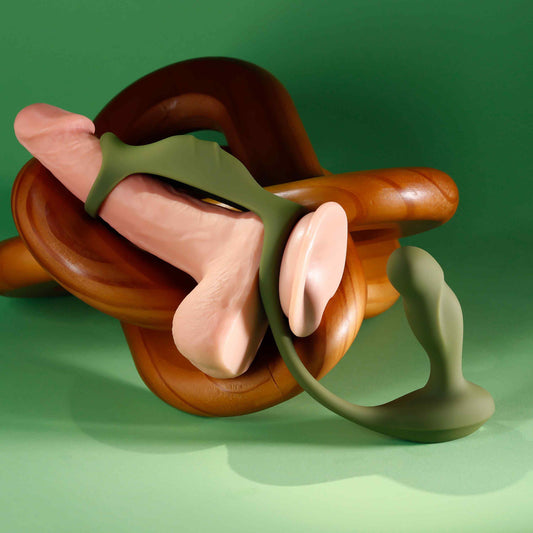
Zero Tolerance PROSTATE POWER PACK Massager With Remote
- Green
Zero Tolerance PROSTATE POWER PACK Massager With Remote is a dual-component prostate stimulator with vibrating plug and ridged C-ring harness. The insertable plug measures 8.3 cm long with 2.8 cm diameter, delivering 10 vibration speeds via 9.8-meter remote control. Liquid silicone construction ensures body-safe...
- $89.99
$99.99- $89.99
- Unit price
- per
LELO LIFEGUARD Originals Male Vibrating Penis Ring
- Pink
LELO LIFEGUARD Originals is a vibrating penis ring crafted from premium silicone, designed for couples' shared stimulation. Measuring 63 x 48 x 23 mm and weighing 32 grams, it features four standard vibration patterns plus four additional app-unlocked modes. The stretchy, body-safe silicone adapts...
- $74.99
$79.99- $74.99
- Unit price
- per
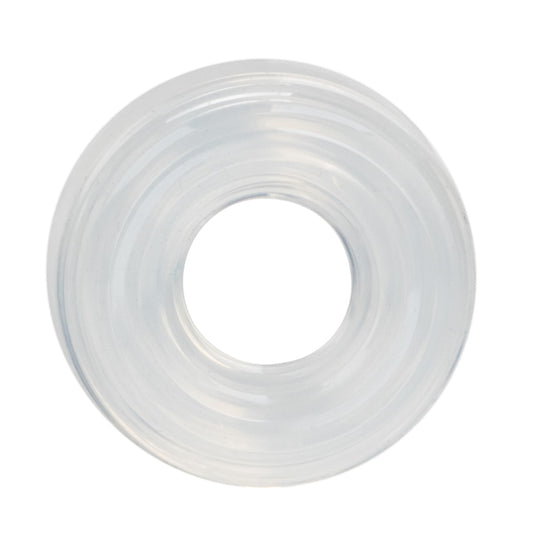
California Exotics Premium Silicone Cock Ring Medium
- Clear
California Exotics Premium Silicone Cock Ring Medium is a seamless silicone erection ring with a 0.75-inch diameter designed for girth enhancement and endurance support. Made from phthalate-free premium silicone, it delivers comfortable compression without restricting circulation. The thick, durable construction maintains shape through repeated...
- $9.99
$14.99- $9.99
- Unit price
- per


Massage Oils FAQ
What is the difference between massage oils and lubricants?
Massage oils and lubricants serve different purposes, though both enhance sensual experiences. Massage oils are designed for skin hydration and glide, making them ideal for body massages and foreplay. They are thicker, slower to absorb, and often contain nourishing ingredients like coconut, almond, or jojoba oil. Lubricants, on the other hand, are formulated for reducing friction during sexual activity, are often water or silicone-based, and are safe for internal use. While some natural massage oils can double as a lubricant, many contain fragrances or additives that may cause irritation when used for penetration.
How should I store massage oils and lubricants to keep them fresh?
Store massage oils and lubricants in a cool, dry place, away from direct sunlight and extreme temperatures. Exposure to heat can break down the ingredients, affecting the consistency and effectiveness. Most products last between 1-3 years, but if a lubricant or oil changes color, develops a strange odor, or separates, it’s best to discard it. Keeping the bottle tightly sealed helps prevent contamination and extends shelf life.
Can massage oils be used as a sexual lubricant?
Some natural massage oils, like coconut or jojoba oil, can be used as lubricants, but many massage oils contain fragrances, preservatives, or essential oils that may irritate sensitive areas. Additionally, oil-based products are not safe for latex condoms, as they can weaken the material and increase the risk of breakage. If using massage oil as a lubricant, choose a pure, unscented, body-safe formula, and always do a patch test before use to check for sensitivity.
What type of massage oil is best for sensual play?
For sensual play, natural, body-safe oils like coconut, sweet almond, grapeseed, or jojoba oil are ideal. These oils offer a smooth, long-lasting glide without absorbing too quickly, allowing for extended massage sessions. Some formulas also include aphrodisiac essential oils like ylang-ylang or sandalwood to enhance arousal. Avoid massage oils with artificial fragrances, alcohol, or menthol, as they can cause irritation if they come into contact with intimate areas.
How does the thickness of a massage oil or lubricant affect performance?
The thickness and viscosity of a product determine its duration and feel. Massage oils are usually thicker and slower to absorb, making them perfect for long-lasting glide during sensual touch. Water-based lubricants tend to be lighter and absorb faster, requiring reapplication during prolonged activity, while silicone-based lubricants are thicker and more slippery, lasting much longer without drying out. If you prefer a thicker, silkier glide for both massage and intimacy, a silicone-based lube or a hybrid formula (a mix of water and silicone) may be the best option.
Are silicone-based lubricants better than massage oils for sex?
Silicone-based lubricants are better suited for penetration and sexual activity because they are long-lasting, hypoallergenic, and safe for internal use. Unlike massage oils, they do not absorb into the skin as quickly, providing a smooth glide without stickiness. Massage oils, while great for external use and foreplay, can trap bacteria in sensitive areas, increasing the risk of infections. Additionally, silicone lubes are safe for condoms (unlike oils) but should not be used with silicone sex toys, as they can degrade the material.
What is the best lubricant for a sensual massage that transitions into intimacy?
For a massage that transitions into sex, a hybrid lubricant (a mix of water and silicone) is a great choice, as it provides both a long-lasting glide for massage and a body-safe formula for penetration. Some silicone-based lubricants can also double as massage oils due to their smooth, non-sticky feel. If using natural oils, fractionated coconut oil is a good option since it's lightweight, non-greasy, and free from irritating additives. Always ensure that the product is safe for internal use before transitioning from massage to intimacy.
How do I clean up after using massage oils or lubricants?
Water-based lubricants are the easiest to clean, as they rinse off with water and don’t leave residue. Silicone-based lubes and massage oils require soap and warm water to break down their slippery texture. For sheets and clothing, use warm water and mild detergent to remove oil stains. If using massage oils on your body, a mild body wash or a towel wipe-down helps prevent excess residue from lingering on the skin.
Can I use massage oils and lubricants with sex toys?
Not all oils and lubricants are compatible with sex toys. Water-based lubricants are the safest choice, as they are compatible with all toy materials, including silicone, glass, and metal. Silicone-based lubricants should not be used with silicone toys, as they can degrade the material over time. Massage oils are generally not recommended for toy use, as they can be difficult to clean and may cause bacterial buildup. Always check the manufacturer’s recommendations for toy-safe lubricants.
What ingredients should I avoid in massage oils and lubricants?
Avoid massage oils or lubricants that contain parabens, glycerin, petroleum, artificial fragrances, and menthol if you have sensitive skin. These ingredients can disrupt vaginal pH, cause irritation, or increase infection risks. In particular, glycerin-based lubes may increase the likelihood of yeast infections. For safe and enjoyable play, choose paraben-free, body-safe, and hypoallergenic formulas that are designed for intimate use.
Recently Viewed Products
Example product title
- $19.99
- $19.99
- Unit price
- per
Example product title
- $19.99
- $19.99
- Unit price
- per
Example product title
- $19.99
- $19.99
- Unit price
- per
Example product title
- $19.99
- $19.99
- Unit price
- per
Example product title
- $19.99
- $19.99
- Unit price
- per
Example product title
- $19.99
- $19.99
- Unit price
- per
Example product title
- $19.99
- $19.99
- Unit price
- per
Example product title
- $19.99
- $19.99
- Unit price
- per
Example product title
- $19.99
- $19.99
- Unit price
- per
Example product title
- $19.99
- $19.99
- Unit price
- per
Why Shop With Adultsmart?
- Choosing a selection results in a full page refresh.