



-
Baci Bustier and Gstring Black by Baci LingerieWhite Label Baci Women Bustier and G-string Set in Black is a structured lace lingerie ensemble designed for curves and confidence. The bustier features adjustable straps, hook-and-eye closure, and intricate lace detailing across premium soft fabric. The coordinating G-string offers minimal coverage with matching...
- From $59.99
$74.99- From $59.99
- Unit price
- per
-
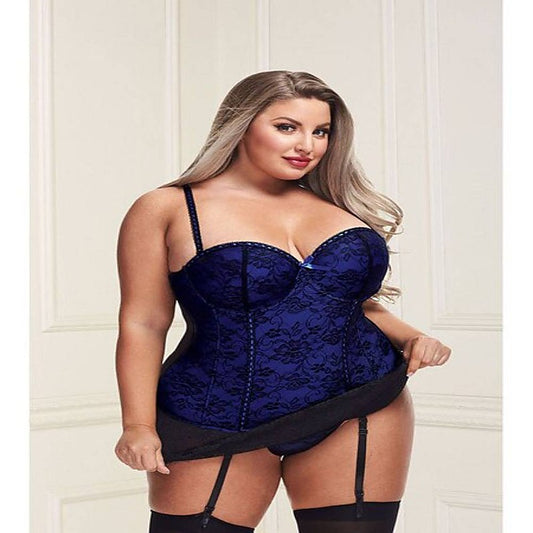
Women Bustier and G-string Set by Baci LingerieWhite Label Baci Women Bustier and G-string in Blue is a structured lace lingerie set featuring adjustable straps and hook-and-eye closure. The bustier combines soft lace and mesh fabric with intricate detailing, while the matching G-string provides minimal coverage. Designed for intimate occasions or...
- From $59.99
$74.99- From $59.99
- Unit price
- per
-
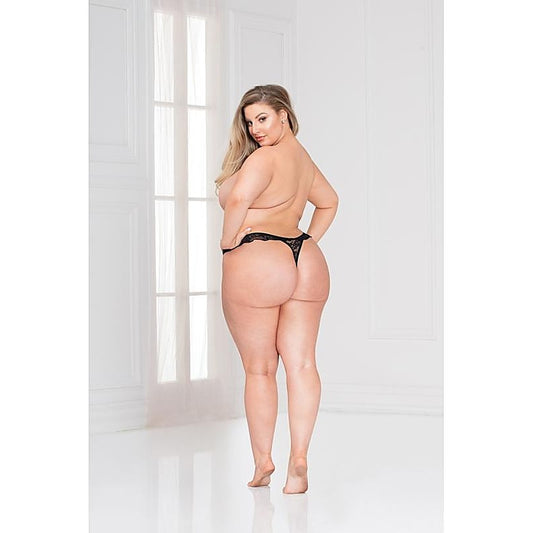
Lace Ruffle Thong by Seven 'til MidnightSeven Til Midnight Lace Ruffle Thong 11145X is a plus-size thong featuring delicate lace construction with playful ruffle detailing. Designed for 1X/2X sizes, it delivers a seamless silhouette under clothing while celebrating curves with confidence-boosting elegance. The classic black colorway pairs with soft lace...
- $13.99
$19.99- $13.99
- Unit price
- per
-
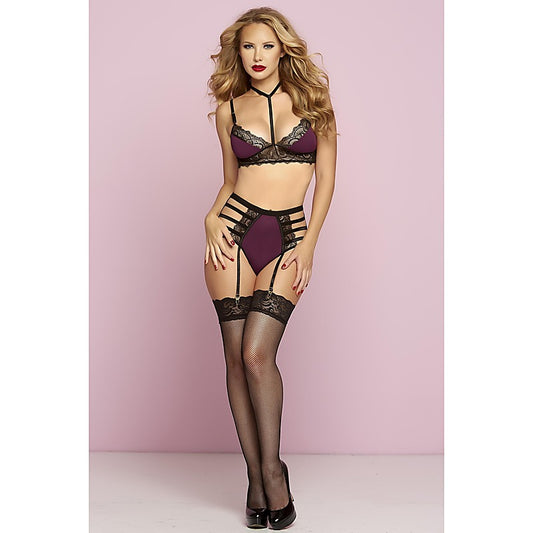
Rock Star Bra Set by Seven 'til Midnight - PurpleSeven Til Midnight Rock Star Bra Set is a studded lace lingerie set featuring a bra and matching G-string. Made from 90% polyester and 10% elastane, it delivers edgy elegance with intricate lace detailing and strategically placed studs. Available in sizes S through XL...
- $39.99
$49.99- $39.99
- Unit price
- per
-
Glow Synthesize Women Seamless Keyhole DressThe Glow Synthesize Women Seamless Keyhole Dress is a neon green body stocking and G-string set by Fantasy Lingerie featuring glow-in-the-dark fabric that illuminates under black light. The seamless, stretchy construction fits a wide range of body types with a keyhole cutout detail. The...
- $44.99
$49.99- $44.99
- Unit price
- per
-
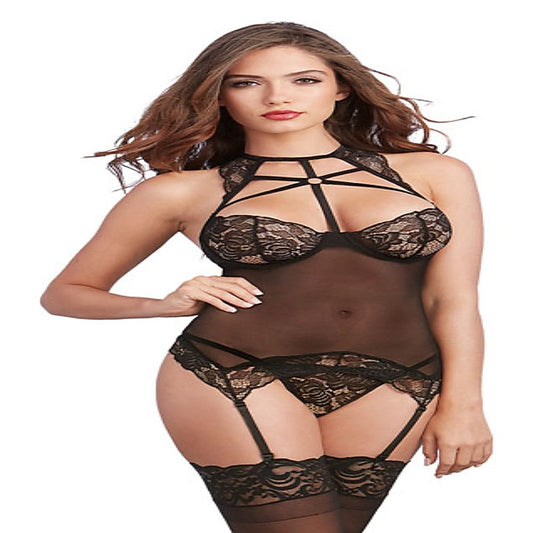
Seductive Mesh & Lace Lingerie Set by Dream GirlDream Girl's Seductive Mesh & Lace Lingerie Set is a two-piece bustier and G-string ensemble combining sheer mesh with delicate lace construction. The adjustable straps and underwire support create a customizable, uplifted silhouette that flatters curves while maintaining comfort. The set suits those seeking...
- $59.99
$69.99- $59.99
- Unit price
- per
-
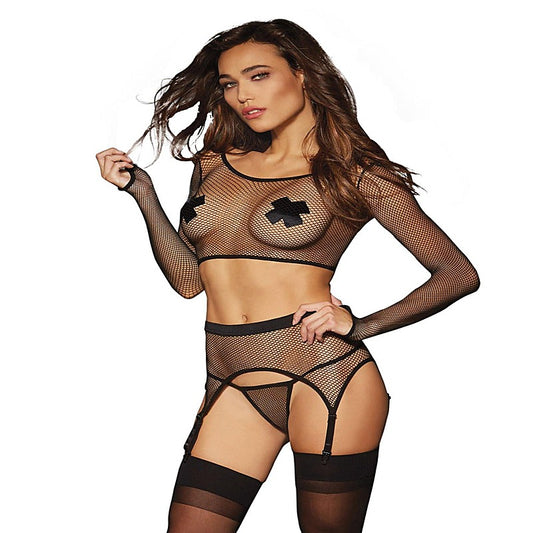
Dream Girl Women Lingerie Top Short Set BlackDream Girl's Seductive 3-Piece Black Fishnet Lingerie Ensemble is a three-piece set featuring a crop top with thumbholes, garter belt, and G-string in black fishnet and lace. The adjustable straps accommodate various sizes while the stretchy materials provide a comfortable, flattering fit. This set...
- $49.99
$54.99- $49.99
- Unit price
- per
-
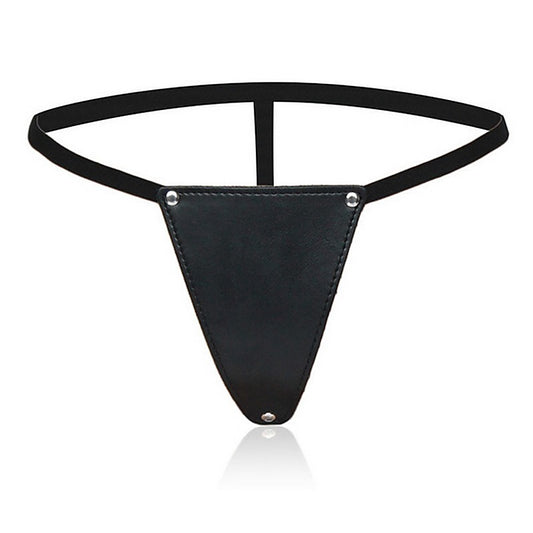
G-String Faux Leather Bikini Panty by BDStyleBDStyle's G-String Faux Leather Bikini Panty is a provocative lingerie piece constructed from luxurious faux leather material. Measuring one-size-fits-most with elastic banding for adjustable fit, it features a revealing G-string design combined with bikini-cut styling in classic black. The smooth faux leather surface creates...
- $8.99
$9.99- $8.99
- Unit price
- per
-
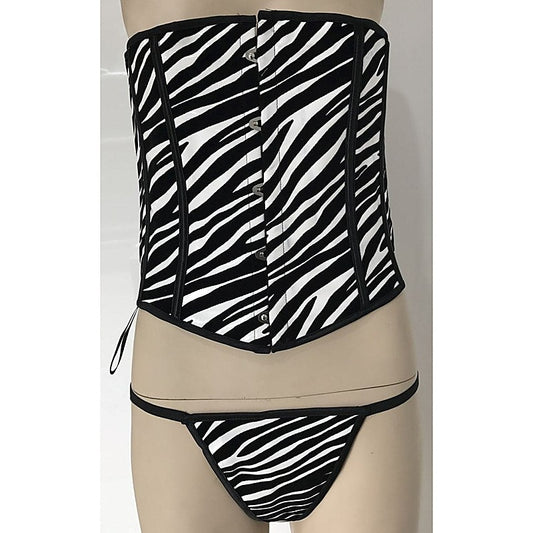
Zebra Print Vinyl Corset with G-string by Ella BidoeElla Bidoe Zebra Print Vinyl Corset is a strapless corset featuring bold zebra patterning in premium vinyl with felt comfort inserts. Sized Small through XL with adjustable lace-up back and plastic boning for structure, it includes a matching G-string. The design delivers striking visual...
- $14.99
$49.99- $14.99
- Unit price
- per
-
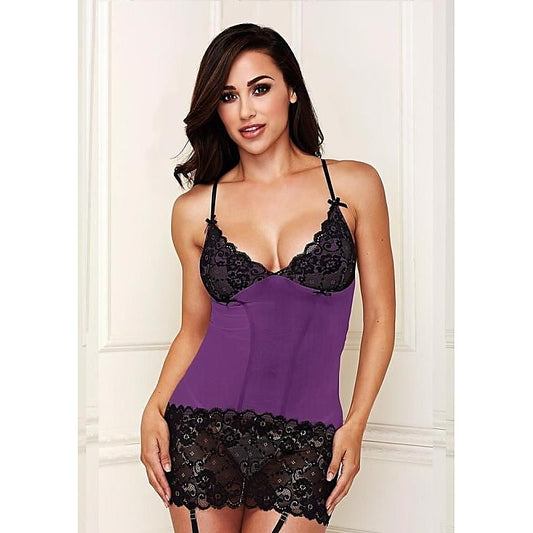
Enchanting Purple Lace Chemise and G-String EnsembleBaci Lingerie's Enchanting Purple Lace Chemise and G-String Ensemble is a two-piece lingerie set featuring delicate lace construction with adjustable straps. The chemise measures approximately 24 inches in length with a plunging neckline and high-cut leg design. The matching g-string provides seamless support, creating...
- $44.99
$54.99- $44.99
- Unit price
- per
-
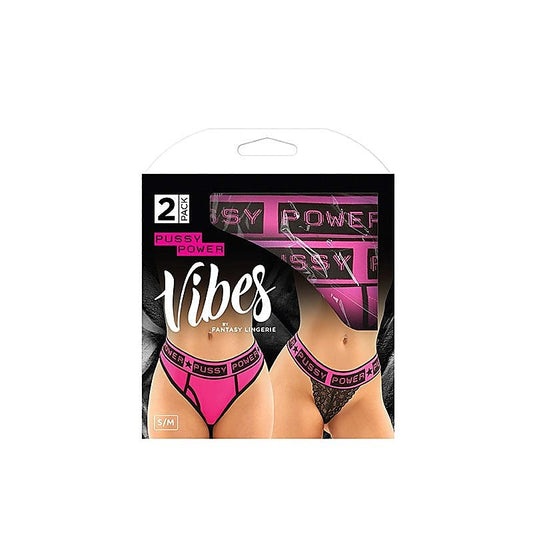
Pussy Power Brief & Thong by Fantasy LingerieVibes Pussy Power Brief & Thong is a two-piece lingerie set featuring bold statement-making design with signature elastic waistbands. The brief combines 95% polyester and 5% spandex for secure coverage, while the thong uses 90% polyamide and 10% spandex for seamless wear. Available in...
- $34.99
$39.99- $34.99
- Unit price
- per
-
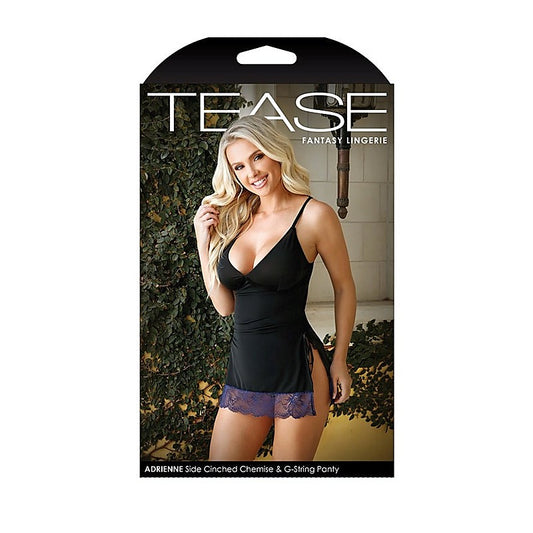
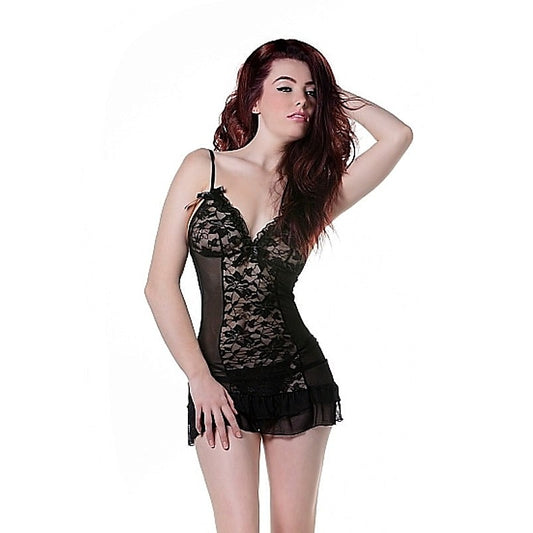
TEASE ADRIENNE Cinched Chemise & G-StringTEASE ADRIENNE Cinched Chemise & G-String is a two-piece lingerie set designed to accentuate curves through structured cinching and flattering silhouettes. Crafted from luxurious stretch fabric with intricate floral lace trim, it features adjustable straps for customizable fit and a matching G-string. Available in...
- $54.99
$64.99- $54.99
- Unit price
- per
-
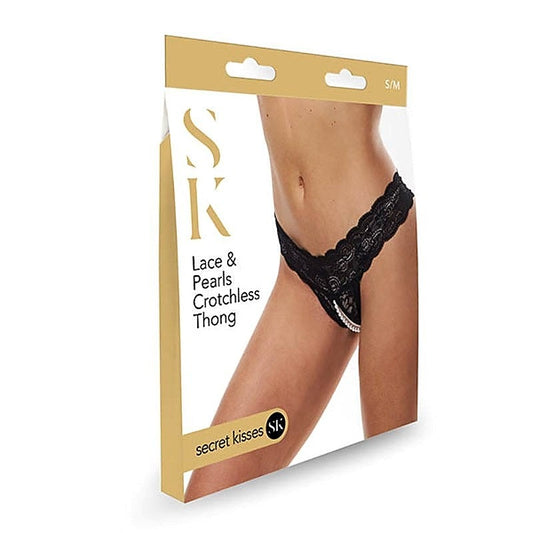
Secret Kisses Lace & Pearls Crotchless Thong BlackSecret Kisses Lace & Pearls Crotchless Thong is black lace lingerie featuring pearl accents for sensory stimulation. Available in three size ranges with a crotchless design for uninhibited access, the thong combines hand-wash delicate construction with visual appeal. It suits people seeking luxury intimate...
- From $29.99
$39.99- From $29.99
- Unit price
- per
-
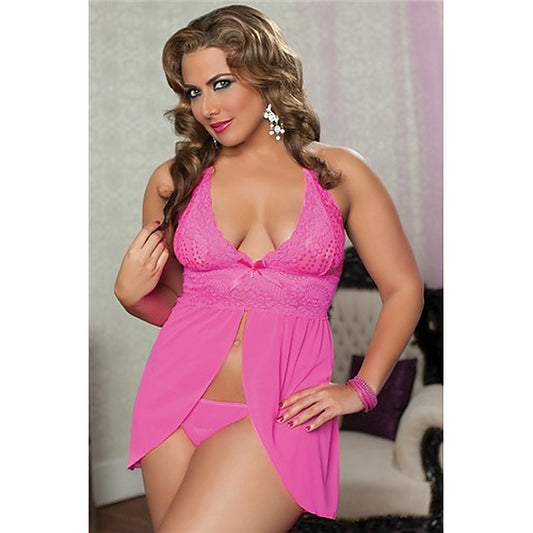
Scandalous Neon Babydoll & Thong by Seven 'til MidnightScandalous Neon Babydoll & Thong is a two-piece lingerie set crafted from 65% nylon and 35% spandex, featuring neon coloring with delicate lace triangle cups and a matching thong. The adjustable halter straps and empire waistline with satin bow and rhinestone accent create a...
- $26.99
$29.99- $26.99
- Unit price
- per
-
Pure Instincts Panties by Penthouse LingeriePure Instincts Black Panty is a vibrating lingerie piece by Penthouse Lingerie featuring adjustable straps and remote-controlled vibration modes. The water-resistant design includes a discreet remote control, instruction manual, and storage pouch. It suits people seeking sensual lingerie that combines elegance with customizable vibration...
- From $13.99
$19.99- From $13.99
- Unit price
- per
-
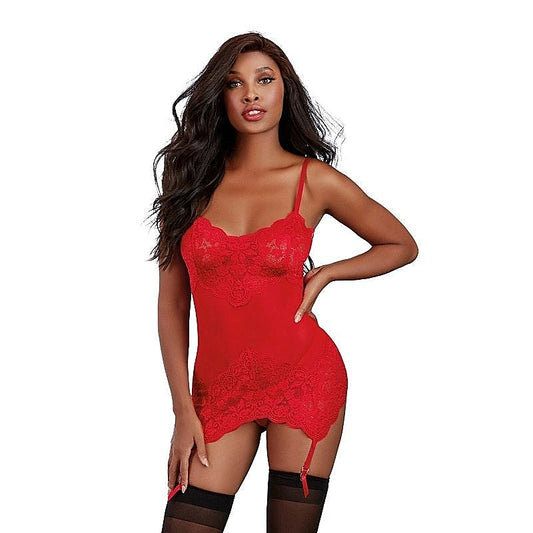
Pure Embroidered Garter Chemise & G-StringPure Embroidered Garter Chemise & G-String is a two-piece lingerie set featuring delicate embroidery and sheer fabric with adjustable garter straps. The set includes a chemise and matching g-string, both crafted from high-quality materials with intricate lace and satin details. Adjustable straps allow customization...
- $53.99
$59.99- $53.99
- Unit price
- per
-
Hot Getaway Red Crotchless Thong by Penthouse LingeriePenthouse HOT GETAWAY RED is a crotchless thong crafted from 92% nylon and 8% elastane in vibrant red. Featuring delicate lace detailing and playful bows, it measures to fit Small/Medium, Medium/Large, or Large/XL sizes. The crotchless design provides uninhibited access while maintaining sensual elegance...
- $4.99
$9.99- $4.99
- Unit price
- per
-
Hot Getaway Black by Penthouse LingeriePenthouse HOT GETAWAY BLACK is a crotchless string in black lace, crafted from 92% nylon and 8% elastane for a soft, stretchy fit. Featuring intricate lace design with subtle bow accents, it measures adjustable across multiple sizes. This piece allows intimate access without removal,...
- $4.99
$9.99- $4.99
- Unit price
- per
-
All Yours Black by Penthouse LingeriePenthouse All Yours Black is a two-piece lace bustier and thong set designed for intimate wear and seduction. Made from 100% polyester with mesh inserts, it's available in three sizes accommodating bust measurements from 82 to 110 cm with cup sizes ranging from A/B...
- $11.99
$14.99- $11.99
- Unit price
- per
-
Mermaid Fantasy Black Panty by Penthouse LingeriePenthouse Mermaid Fantasy Black Panty is a decorative lingerie brief featuring lace panels and satin accents in black. The seamless construction with adjustable straps delivers a form-fitting silhouette that accentuates curves. Hand-wash care maintains the delicate materials, while water-resistant construction supports confident wear during...
- From $13.99
$19.99- From $13.99
- Unit price
- per
-
Lace Thong White Flower by Baci LingerieLace Thong White Flower by Baci Lingerie is an intricate filigree lace thong featuring delicate white floral patterns and wide lace borders. Designed with close-cut styling to complement natural curves, it measures comfortably in Small and Large sizes. The breathable fabric composition ensures all-day...
- From $7.99
$19.99- From $7.99
- Unit price
- per
-
Lace Thong w/Bow Black/Red by Baci LingerieBaci Lingerie's Lace Thong w/Bow Black/Red is a delicate thong featuring sheer black lace with contrasting red satin bands and ribbon accents. Available in Medium, Large, and XL sizes, it combines premium materials with a playful bow detail for romantic appeal. This piece suits...
- $7.99
$19.99- $7.99
- Unit price
- per
-
Lace Thong Light Pink Flower by Baci LingerieBaci Lingerie's Lace Thong Light Pink Flower is a delicate thong featuring intricate filigree lace with an intricate floral pattern. The wide lace borders provide comfortable support while maintaining an elegant silhouette, and the breathable lightweight fabric ensures all-day comfort. Available in Small and...
- From $7.99
$19.99- From $7.99
- Unit price
- per
-
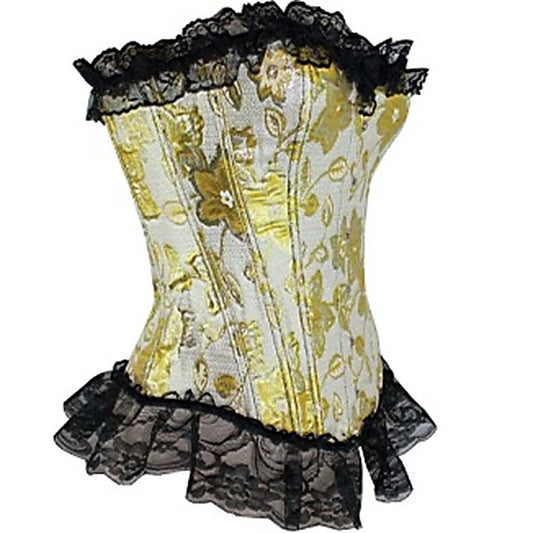
Gold and Black Floral Corset & G-String by Ella BidoeThe Gold and Black Floral Corset & G-String by Ella Bidoe is a decorative lingerie set designed to accentuate curves through structured corsetry. Featuring intricate gold and black floral patterns with a lace-up back, the corset offers adjustable sizing from Small to Xtra Large....
- $29.99
$49.99- $29.99
- Unit price
- per
-
Fishnet Open Crotch Thong Red by Seven 'til MidnightSeven 'til Midnight Fishnet Open Crotch Thong in red combines bold fishnet fabric with strategic openness for accessible intimacy. Available in XL and XXXL/XXXXL sizes, elastic side straps and picot detailing create a comfortable, adjustable fit. The metal key charm adds playful detail to...
- $11.99
$14.99- $11.99
- Unit price
- per
-
Fishnet Open Crotch Thong Purple by Seven 'til MidnightFishnet Open Crotch Thong Purple by Seven 'til Midnight is a provocative thong designed for visual appeal and intimate access. The fishnet texture hugs curves while the open crotch design offers both visual teasing and practical ease. At a vibrant purple shade, it suits...
- $11.99
$14.99- $11.99
- Unit price
- per
-
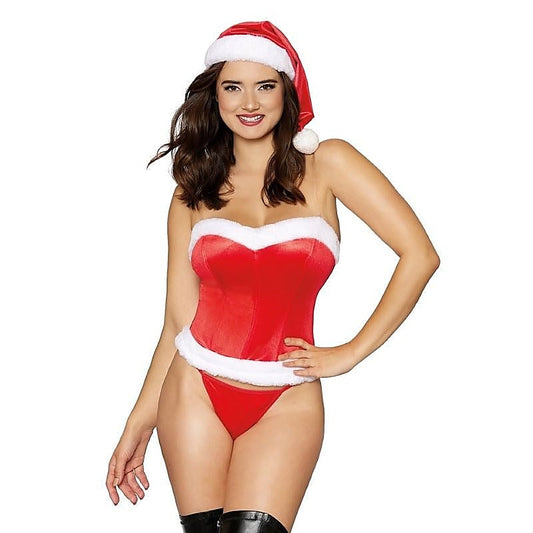
Bustier G-String & Hat by Dream Girl LingerieDreamgirl Bustier G-String & Hat is a three-piece festive lingerie set featuring premium stretch velvet construction with faux fur trim. The strapless bustier includes structured boning, removable clear shoulder straps, and hook-and-eye closure, available in sizes Small through XL. This coordinated ensemble delivers holiday-themed...
- $29.99
$109.99- $29.99
- Unit price
- per
-
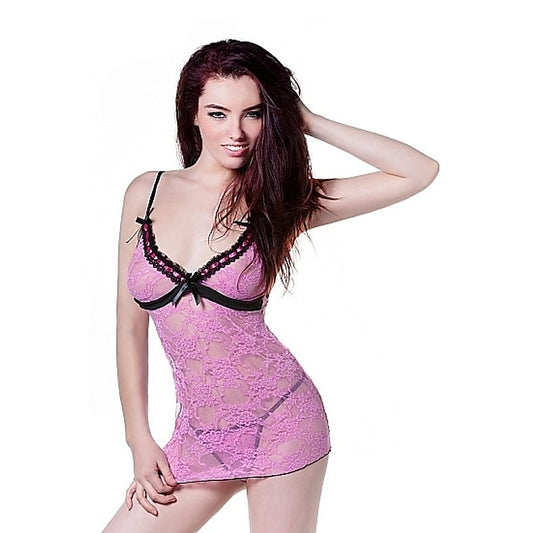
De Namour Pink/Black Babydoll & G-String by Shots ToysDe Namour Pink/Black Babydoll & G-String is a two-piece lingerie set crafted from 90% nylon and 10% spandex with intricate floral lace detailing. The set features a babydoll with double-ruffled hemline and coordinated G-string, combining baby pink and bold black accents. Architectural design elements...
- $49.99
$59.99- $49.99
- Unit price
- per
-
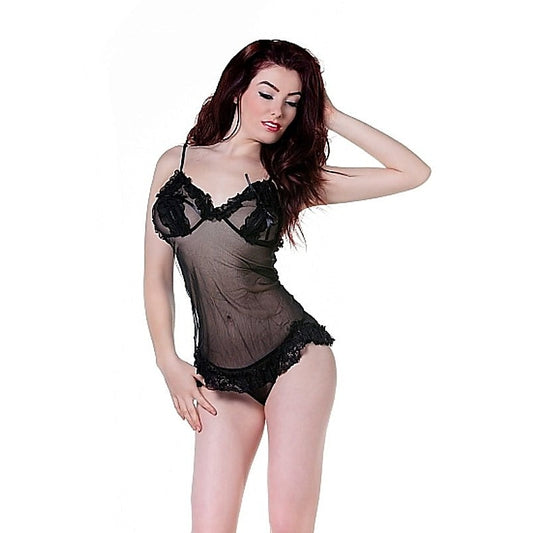
De Namour Black Babydoll G-String by Shots ToysDe Namour Black Babydoll & G-String is a sheer nylon-spandex lingerie set combining European sophistication with playful femininity. The 90% nylon, 10% spandex blend features an open back design, delicate ruffle trim, and matching G-string in Small/Medium and Large/XL sizes. It delivers peek-a-boo appeal...
- $49.99
$59.99- $49.99
- Unit price
- per
-
De Namour Babydoll Set With G-String Tiger PrintDe Namour Babydoll Set with G-String Tiger Print is a two-piece lingerie ensemble featuring bold tiger print fabric with black accents. Sized in Small/Medium and Large/XL, the set includes a flowing babydoll top paired with a matching G-string for coordinated coverage. Crafted from high-quality...
- $53.99
$59.99- $53.99
- Unit price
- per
-
De Namour Babydoll & G-String by Shots ToysDe Namour Babydoll & G-String Black is a two-piece lingerie set featuring a flowing babydoll top paired with a matching G-string. Crafted from 90% nylon and 10% spandex, it delivers a soft, stretchy fabric that moves with your body. Available in Small/Medium and Large/XL...
- $49.99
$59.99- $49.99
- Unit price
- per
-
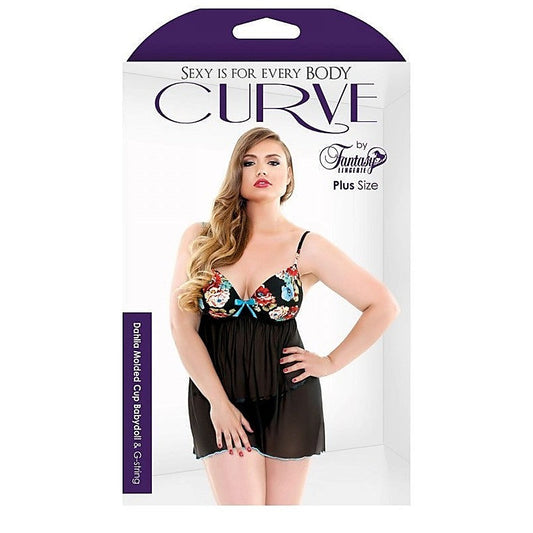
Curve Dahlia Molded Cup Babydoll and G-StringCurve Dahlia Molded Cup Babydoll and G-String is a plus-size lingerie set by Fantasy Lingerie featuring molded cups with hook-and-eye closure. Available in sizes 1X/2X and 3X/4X, the babydoll combines 90% polyester and 10% spandex with a vibrant multi-color floral print. The coordinated G-string...
- $59.99
$69.99- $59.99
- Unit price
- per
-
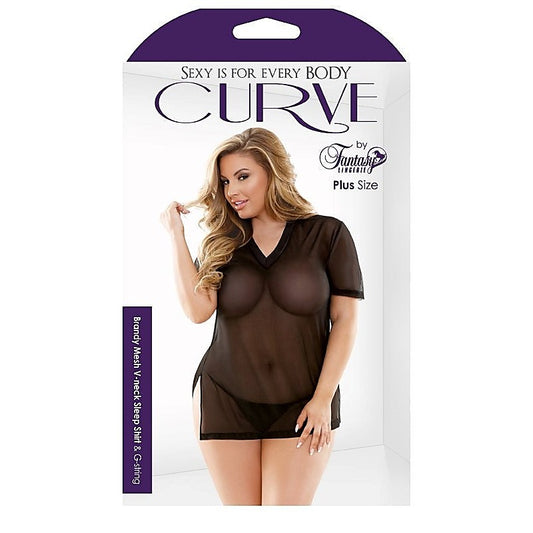
Curve Brandy Mesh Sleep Shirt and G-StringCurve Brandy Mesh Sleep Shirt and G-String is a sheer mesh lingerie set designed for fuller figures. Crafted from 88% polyester and 12% spandex, the sleep shirt features a V-neck cut and daring side slit, available in XL/XXL and XXXL/XXXXL sizes. The matching G-string...
- $53.99
$59.99- $53.99
- Unit price
- per
-
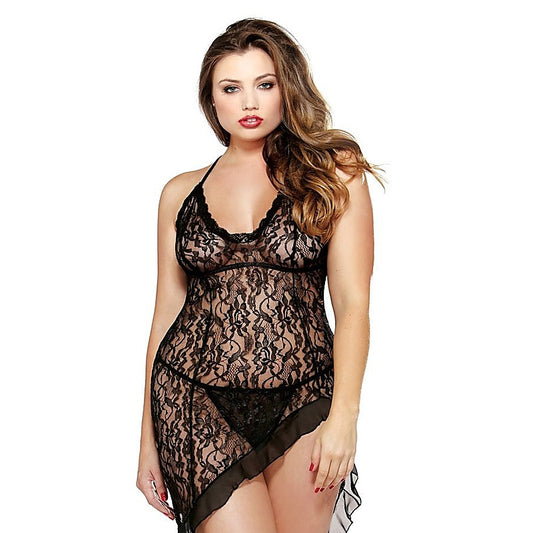
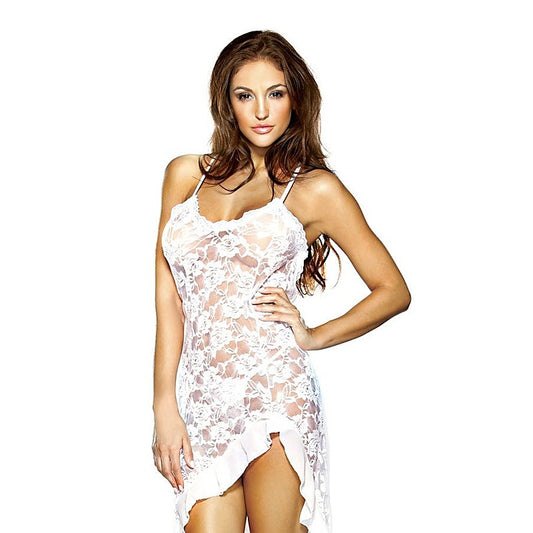
Curve Asymmetrical Lace Dress G-String by Fantasy LingerieCurve Asymmetrical Lace Dress & G-String is a two-piece lingerie set featuring sheer lace construction with adjustable straps and an asymmetrical hemline design. The ensemble includes a flowing dress and matching G-string crafted from soft, stretchy lace blend materials. It suits people seeking decorative...
- $34.99
$44.99- $34.99
- Unit price
- per
-
Captivating Crotchless Lace Thong by Baci Lingerie - Light PinkCrotchless Lace Thong Diva by Baci Lingerie is a provocative open-crotch thong designed for confident wearers seeking accessible intimacy wear. Featuring delicate lace panels with a 2-inch waistband and breathable stretch material, it adapts to various body types. The open design provides uninterrupted access...
- $9.99
$19.99- $9.99
- Unit price
- per
-
Radiance Size Crotchless Thong Panties - BlackRadiance Plus Size Adjustable Crotchless Thong is a crotchless lingerie piece designed for curvy bodies up to 3X. Made from 92% nylon and 8% spandex with adjustable nickel-free iron straps, it delivers a customizable fit with rhinestone embellishments. The breathable fabric and crotchless design...
- $23.99
$34.99- $23.99
- Unit price
- per
-
Radiance Crotchless Thong Panties by California Exotics - BlackRadiance Adjustable & Sexy Fit Crotchless Thong is a crotchless lingerie piece made from 92% nylon and 8% spandex with adjustable nickel-free iron straps. Featuring sparkling glass rhinestone accents and breathable mesh fabric, it weighs just 0.5 ounces and accommodates various body types through...
- $23.99
$34.99- $23.99
- Unit price
- per
-
Boundless Harness Compatible Thong with Garter 2XL/3XLBoundless Harness Compatible Thong with Garter 2XL/3XL is a nylon-spandex blend thong designed for fuller figures with attached adjustable garter straps. Measuring 8.5 x 4 x 2 inches, it features reinforced O-rings, a double panel interior, and nickel-free iron garter hooks. The 78% nylon,...
- $64.99
$89.99- $64.99
- Unit price
- per
-
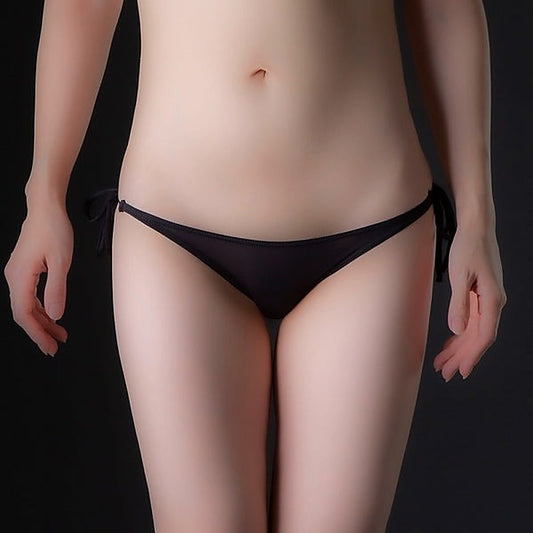
EXECUTE Seamless T-back Panties by Execute LingerieExecute Seamless T-back Panties are ultra-thin stretchy underwear designed for everyday comfort and invisible lines beneath clothing. Made from premium Japanese elastic fabric with seamless construction, they conform to your body for a second-skin fit. At just ultra-thin thickness with high elasticity, these panties...
- $19.99
$29.99- $19.99
- Unit price
- per
-
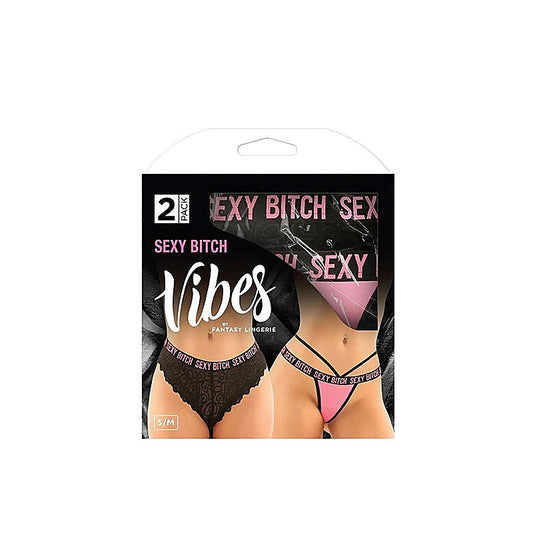
Sexy Bitch Brief & Thong by Fantasy LingerieVibes Sexy Bitch Brief & Thong Set in S/M is a two-piece lingerie ensemble combining a lace brief with elastic accents and a strappy microfiber thong. The brief features 90% Polyamide and 10% Spandex, while the thong uses 95% Polyester and 5% Spandex for...
- $34.99
$39.99- $34.99
- Unit price
- per
-
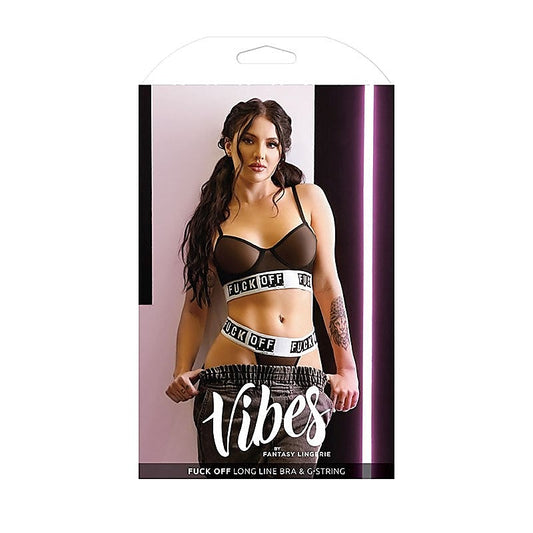
Vibes Longline Lingerie Set by Fantasy LingerieVibes Fuck Off Longline Bra & G-String is a two-piece lingerie set featuring a supportive longline bra with adjustable straps and matching g-string. Available in S/M sizing, the set combines soft, luxurious fabric with a structured silhouette designed to enhance curves and provide confident...
- $54.99
$79.99- $54.99
- Unit price
- per
-
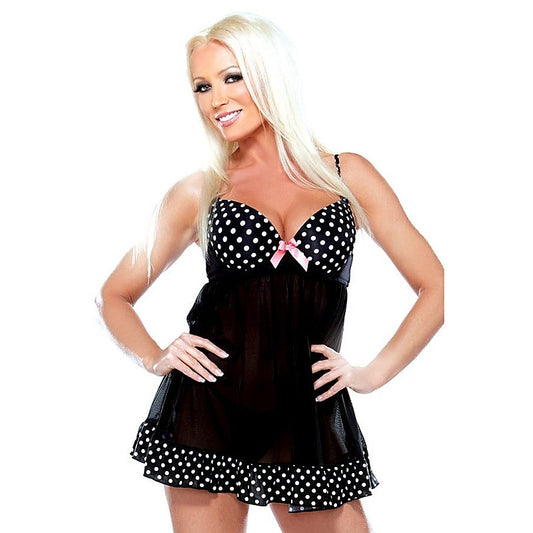
Tease Polka Dot Babydoll & G-String by Fantasy LingerieTease Polka Dot Babydoll & G-String is a vintage-inspired lingerie set featuring black fabric with white polka dots, underwire cups, and adjustable straps. Made from 90% polyester and 10% spandex in Small/Medium sizing, it includes a matching sheer G-string. The peek-a-boo back and pink...
- $34.99
$44.99- $34.99
- Unit price
- per
-
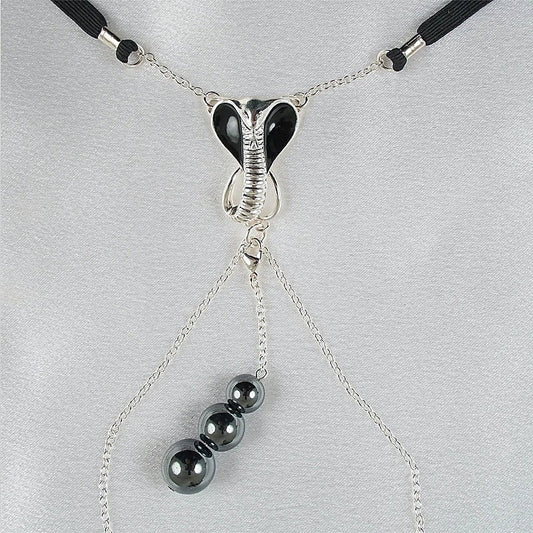
G-string Jewel Sacred Cobra Pleasure by Sylvie MonthuleSylvie Monthule G-string Jewel Sacred Cobra Pleasure in Silver is a handcrafted intimate accessory featuring 10-micron silver-plated construction with a striking cobra motif and hematite beads. Available in Medium size, this luxury piece combines Parisian craftsmanship with sensory embellishment, offering both visual allure and...
- $143.99
$159.99- $143.99
- Unit price
- per
-
Stretch Lace and Mesh Garter Slip by Dream Girl LingerieDream Girl Lingerie's Stretch Lace and Mesh Garter Slip is an elegant two-piece lingerie set combining 92% nylon and 8% spandex lace with polyester mesh. Featuring a sweetheart neckline, adjustable straps, and removable garter system, it fits sizes 41kg–73kg with intricate floral lace detailing....
- $19.99
$64.99- $19.99
- Unit price
- per
-
Pure Asymmetrical Lace Dress & G-StringPure Asymmetrical Lace Dress & G-String by Fantasy Lingerie is a two-piece lingerie set featuring delicate lace construction with an asymmetrical silhouette. The ensemble includes adjustable straps and sheer panels designed to flatter various body types. Hand-wash care maintains the delicate fabric, making it...
- $34.99
$49.99- $34.99
- Unit price
- per
-
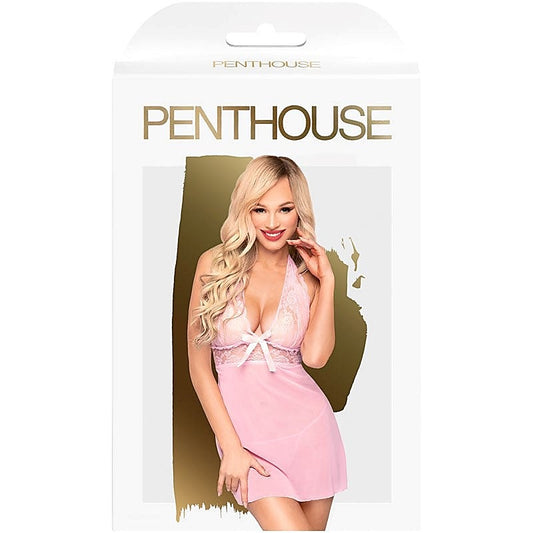
Sweet & Spicy L/XL by Penthouse LingeriePenthouse Sweet & Spicy Lingerie Set is a mesh mini dress with lace V-neck detailing in white and pink, sized L/XL. Crafted from 73% polyester and 27% elastane, it accommodates cup sizes C/D with bust measurements of 95–110 cm. The set includes a matching...
- $9.99
$19.99- $9.99
- Unit price
- per
-
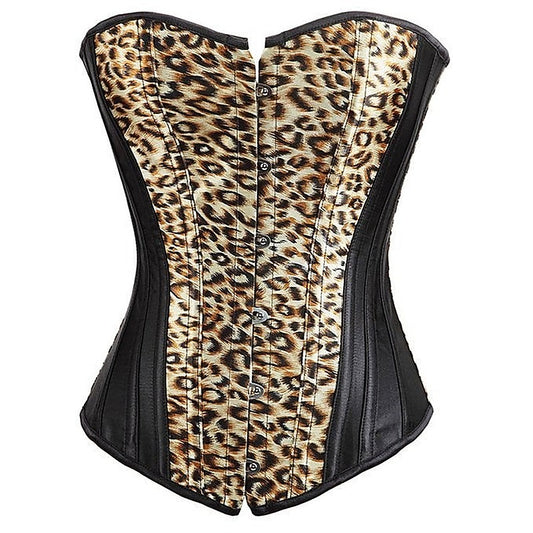
Leopard Slimming Corset & G-String by Ella BidoeElla Bidoe Leopard Slimming Corset & G-String is a steel-boned corset set designed for waist definition and body sculpting. Featuring professional-grade steel boning and strategic compression zones, it delivers visible waistline reduction and enhanced curves. The matching leopard print G-string completes the ensemble. Ideal...
- $24.99
$49.99- $24.99
- Unit price
- per
-
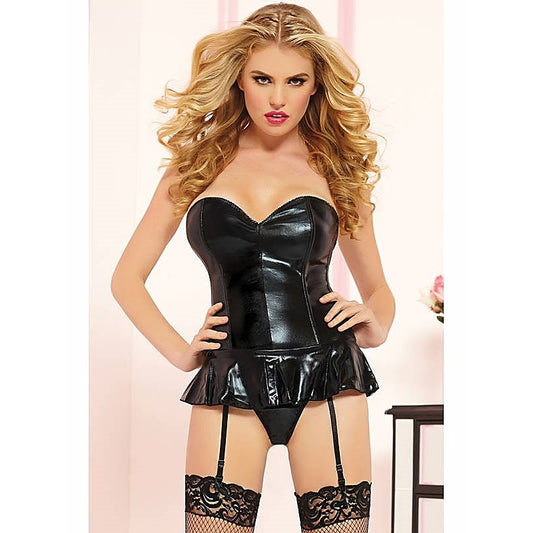
Lame Bustier, Garter & Thong by Seven 'til MidnightSeven 'til Midnight's Lame Bustier, Garter & Thong is a three-piece lingerie set featuring a shimmering metallic bustier with side boning, adjustable garter straps, and coordinating thong. The lame fabric delivers a lustrous finish that catches light with movement, while stretchy side panels provide...
- $49.99
$69.99- $49.99
- Unit price
- per
-
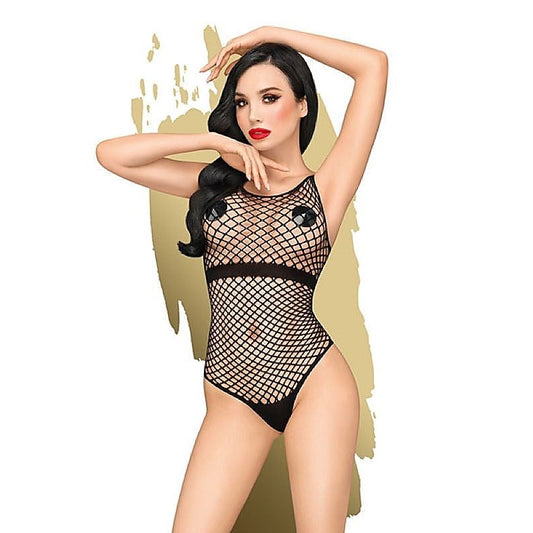
Enjoy The Moment Black Women Lingerie Set by PenthouseEnjoy The Moment Black Women Lingerie Set by Penthouse Lingerie is a mesh bra and G-string ensemble featuring coarse mesh construction with opaque stripe detailing beneath the bust. Available in Small and Large sizes, the set emphasizes natural curves through precision-engineered tailoring and breathable...
- $13.99
$19.99- $13.99
- Unit price
- per
-
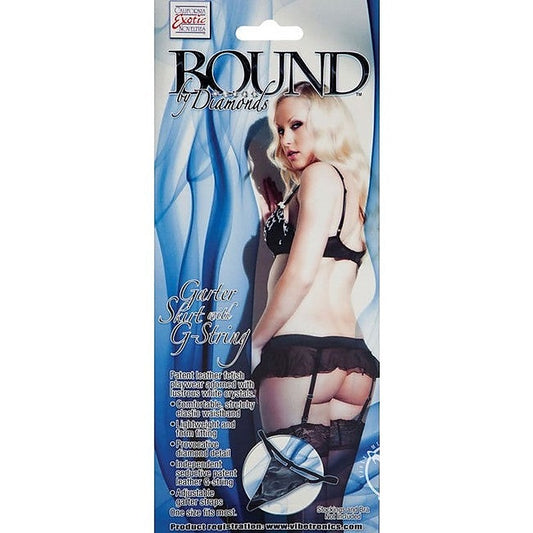
Bound by Diamonds Garter Skirt With G-StringCalExotics Bound By Diamonds Garter Skirt With G-String is a luxury patent leather lingerie set featuring crystal embellishments and adjustable garter straps. The handcrafted ensemble includes a matching G-string, stretch waistband, and one-size-fits-most design. The supple patent leather with white crystal accents creates dramatic...
- $22.99
$24.99- $22.99
- Unit price
- per
VISIT XVIDEO FOR ADULT DVDS



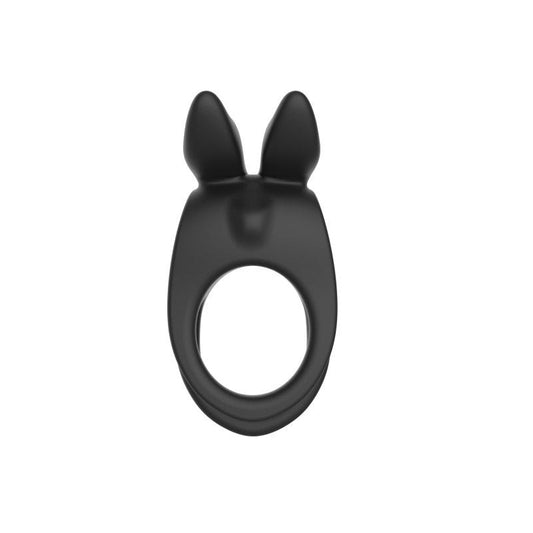
Men 10 Mode Vibrating Rabbit Cock Ring by Ashella
- Black
Ashella Men 10 Mode Vibrating Rabbit Cock Ring is a dual-ring vibrator designed for partnered stimulation and performance enhancement. Measuring 45.2 x 91.1 x 43.1mm with 10 vibration modes across 3 speed settings, it combines a supportive shaft and ball ring with external bunny...
- $34.99
$39.99- $34.99
- Unit price
- per
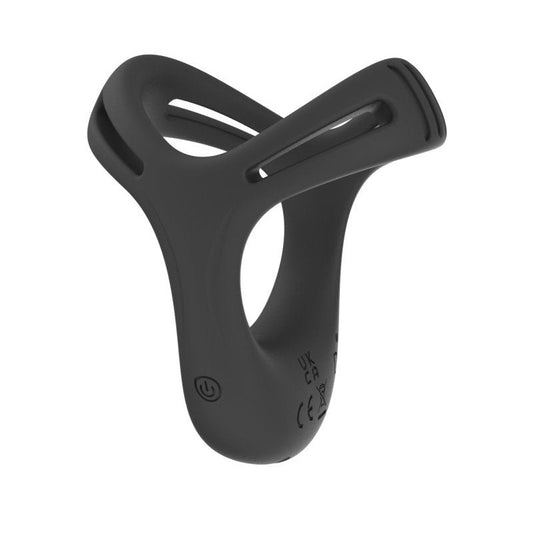
Men 10 Mode Vibrating Sling Ring by Ashella
- Black
Ashella Men 10 Mode Vibrating Sling Ring is a vibrating cock ring designed for enhanced support and dual-partner stimulation. Featuring 10 vibration modes across 3 speed settings, this silicone ring stretches to secure both shaft and balls for extended performance. At 63 x 55.5...
- $34.99
$39.99- $34.99
- Unit price
- per
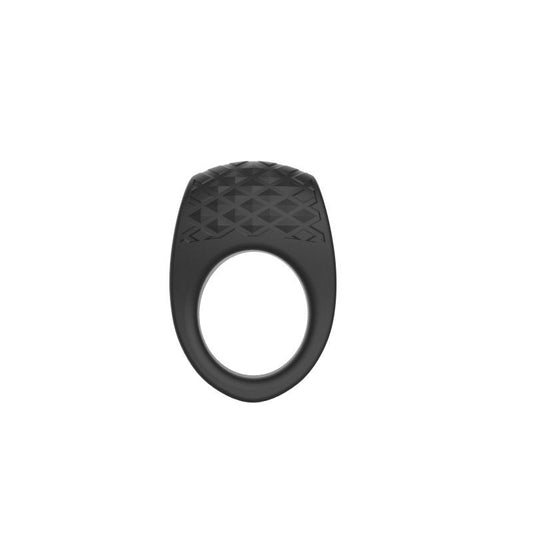
Men 10 Mode Vibrating Cock Ring by Ashella
- Black
The Ashella Men Vibrating Cock Ring is a silicone erection ring featuring 10 vibration modes across 3 speed settings. Measuring 45.5 x 66.7 x 29.4mm with rechargeable USB power lasting one hour per charge, it delivers customizable stimulation for solo or partnered play. The...
- $34.99
$39.99- $34.99
- Unit price
- per
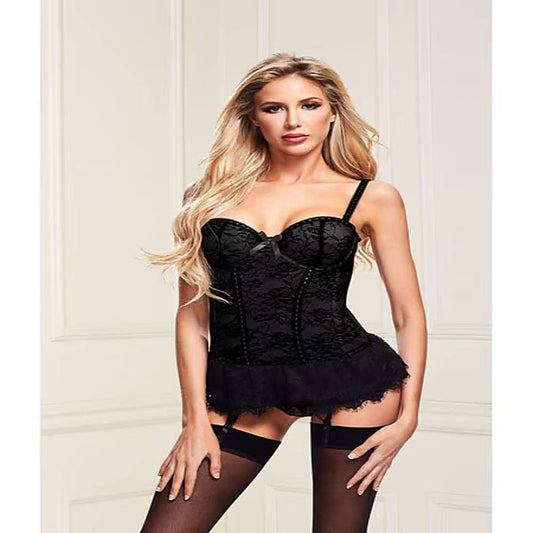














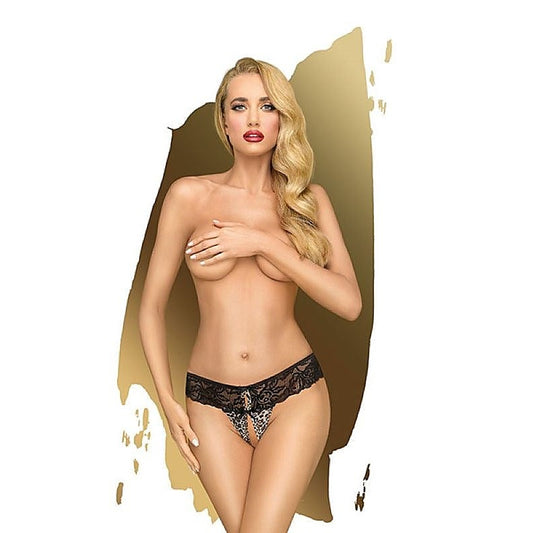

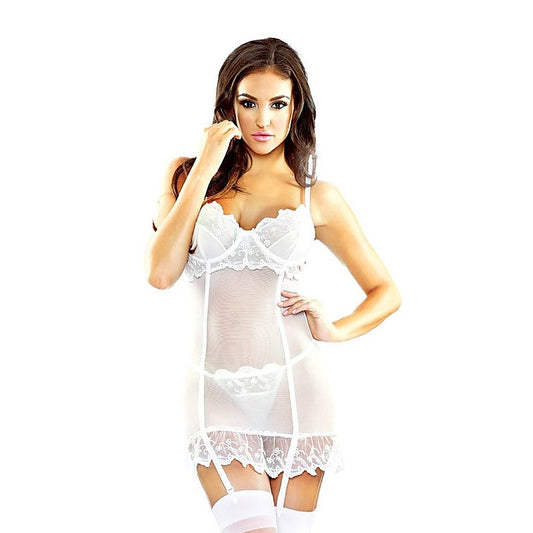

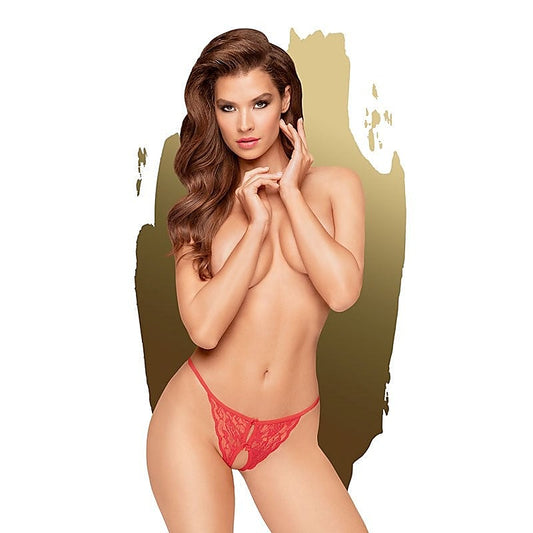

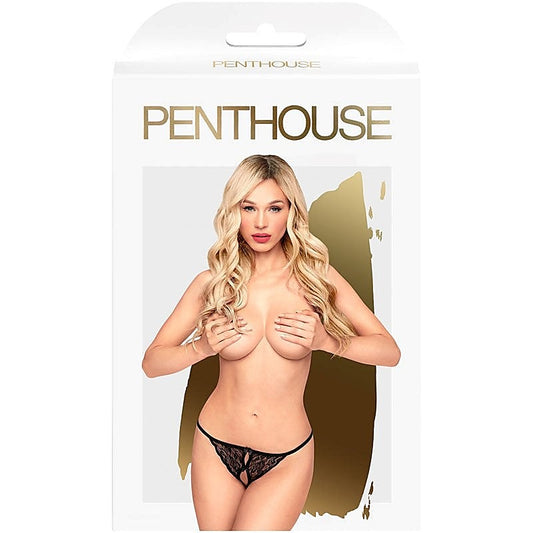

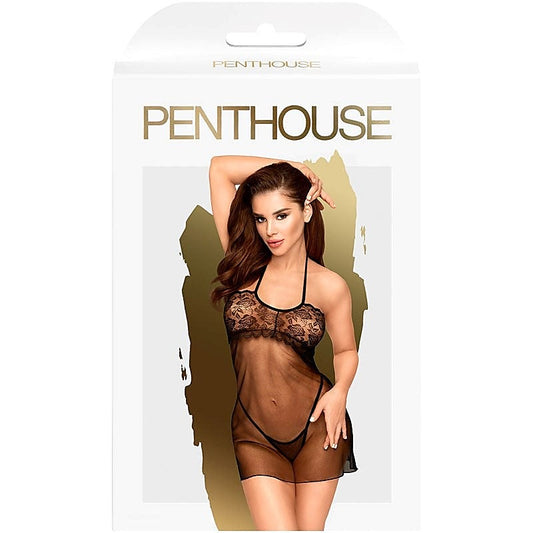


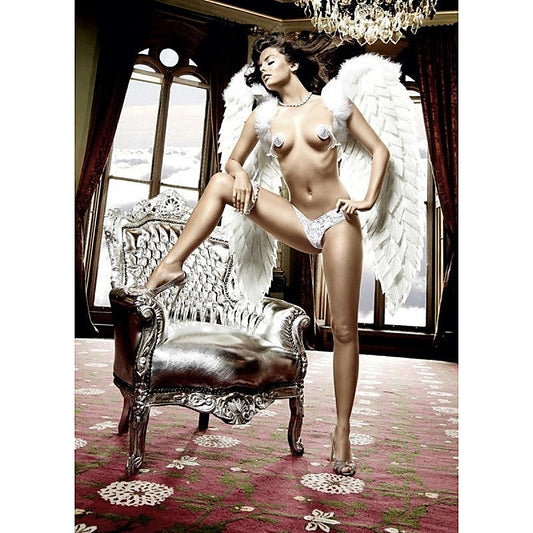

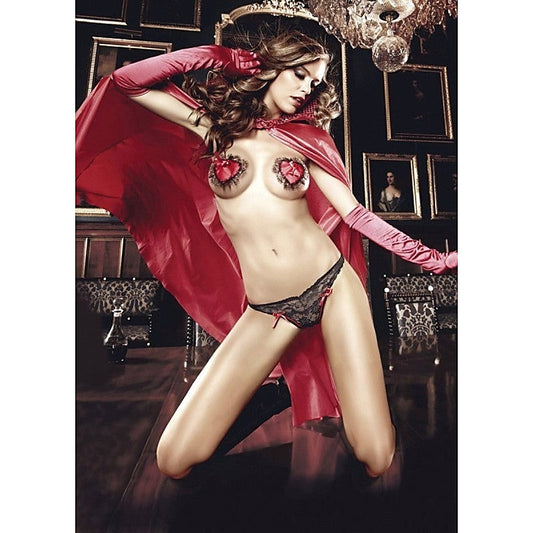

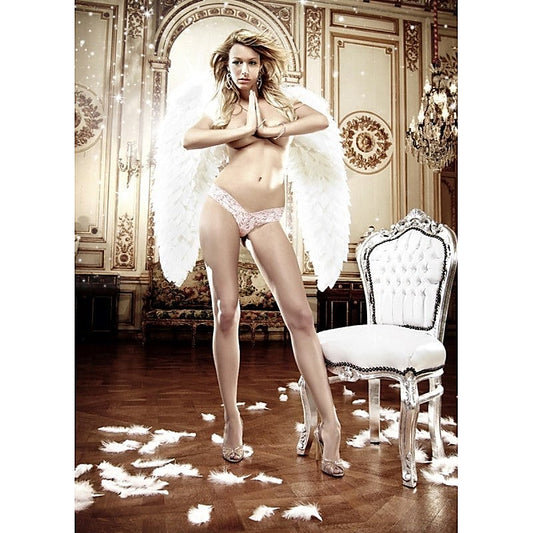











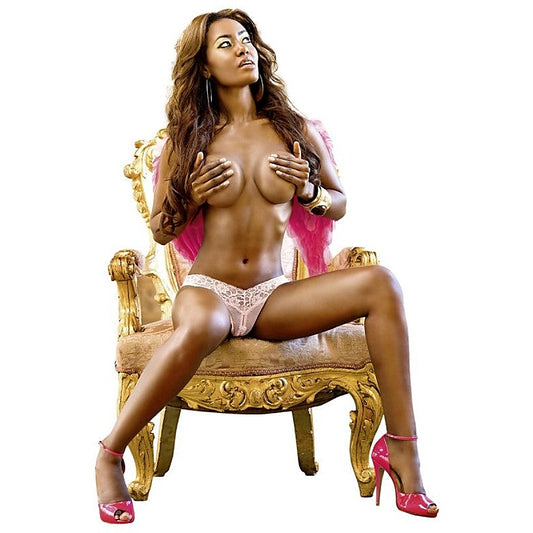

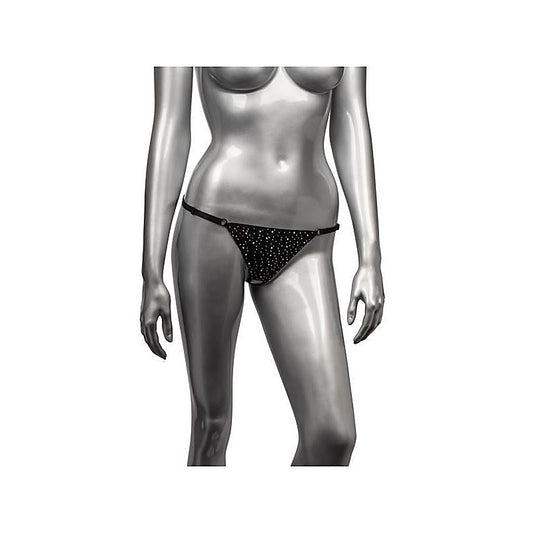

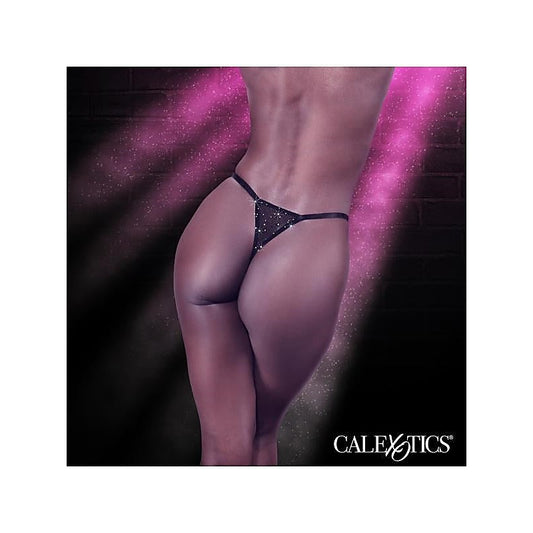

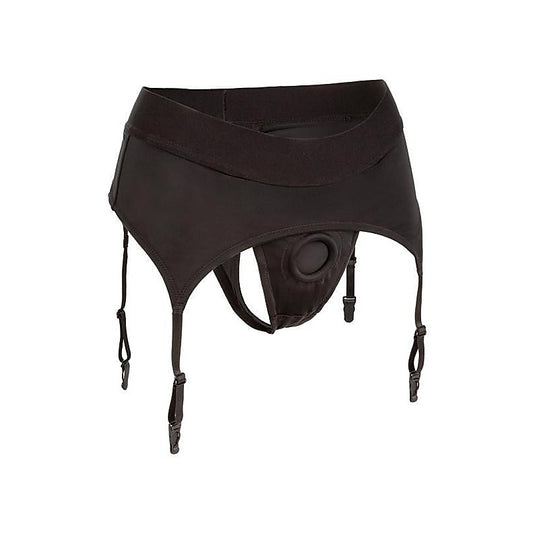













Ladies thongs are minimal-coverage underwear with a narrow back section running between the buttocks, designed to eliminate visible panty lines under tight clothing. They range from G-strings with thin elastic to wider T-back and classic thong styles, made from cotton, microfibre, lace, and blends suited to different comfort levels and occasions.
At a glance
|
🚚 Plain, discreet packaging • 🔒 Discreet billing • 🔁 Hygiene-conscious returns |
About Ladies Thongs
Thongs solve the visible panty line problem by eliminating fabric across the buttocks, creating smooth lines under any fitted outfit. The narrow back section—ranging from a thin string to a wider band—sits between the cheeks without bunching or showing through. Available in cotton for everyday breathability, microfibre for a smooth finish, lace for special occasions, or blended fabrics, thongs suit different skin sensitivities and wardrobe needs. Some people wear them daily without issue; others reserve them for specific outfits. Many find comfort improves significantly with proper sizing and the right fabric choice.
Thongs are a practical tool in your underwear wardrobe, not a must-have everyone needs to wear. They work best for work pants, gym leggings, formal wear, or any outfit where traditional panty lines would show or distract. Browse our Novelty Gifts section for fun additions to your collection, or stick with basics depending on your needs and comfort.
What makes Ladies Thongs different
Unlike briefs or boyshorts, thongs have minimal back coverage that prevents the fabric bunching or elastic edges visible under tight clothing. This makes them the go-to choice for outfits where any panty line shows. They're not for everyone—some find them uncomfortable—but for those who want a seamless look under fitted garments, thongs deliver. If you're curious about broader topics in adult fashion and lifestyle, our Erotic Books collection offers reading to match your interests.
Types of Ladies Thongs
Thongs come in several cuts and styles, each offering different coverage and feel.
G-strings. These have the narrowest back coverage—usually just a thin string or minimal elastic band between the buttocks. They provide absolute minimal coverage and work under the tightest clothing when you want zero visible lines.
T-back thongs. Also called T-strings, these have a slightly wider back section shaped like the letter T. They offer more coverage and support than G-strings while still eliminating panty lines completely.
Classic thongs. These feature wider waistbands and back sections, providing a more substantial feel while maintaining the no-VPL benefit. They suit people who want a bit more fabric without switching to a boyshort or brief.
Tangas and Brazilian thongs. These sit between full briefs and traditional thongs, with noticeably more back coverage than standard thongs but less than full underwear. They're ideal for people wanting less exposure than G-strings or T-backs provide, and they pair well with Hens Night Gifts for fun group events or celebrations.
How they compare
| Style | Material | Best for | Back Coverage | Comfort Level |
|---|---|---|---|---|
| G-string | Microfibre or nylon | Bodycon dresses, tight leggings | Minimal string only | Takes adjustment; not for all-day wear |
| T-back thong | Cotton or microfibre blend | Work pants, fitted skirts | Thin T-shaped band | Moderate; good balance for daily wear |
| Classic thong | Cotton, lace, or microfibre | Everyday wear, special occasions | Wider band, more support | Comfortable for extended periods |
| Tanga thong | Cotton or nylon blend | Casual outfits, gym wear | Substantial coverage, less exposure | Most comfortable for thong newcomers |
How to choose a ladies thong
Start by identifying what you're buying for: a single outfit where panty lines matter, or everyday rotation pieces. If you're new to thongs, try a classic or tanga style in cotton before jumping to G-strings, which require adjustment. Sizing is critical—too small causes discomfort and riding up; too large defeats the purpose. Check the brand's size guide and consider your usual underwear size as a starting point, then adjust based on fit feedback.
Material choice affects both comfort and longevity. Cotton breathes well and suits sensitive skin or all-day wear. Microfibre is smooth and slips under tight clothing invisibly, but doesn't breathe as well for extended periods. Lace looks good but can be less comfortable if worn constantly. If you wear thongs to events or parties, explore Fancy Dress Ups for coordinating pieces. Consider having a mix: everyday cotton thongs for regular wear and specialty fabrics for specific outfits or occasions.
Tips from the Adultsmart team
Hard-won pointers from the Adultsmart team, alongside our panel of sexologists, educators, and adult-industry contributors. Meet our experts →
After years of helping customers with thongs, we've found that sizing is the biggest comfort factor. Most people buy their regular underwear size and it fits fine, but some need to size up slightly in the back or down in the front depending on body shape. If your first thong rides up constantly or digs in, it's usually a sizing issue, not thongs themselves. Try the next size before deciding they're not for you.
New thong wearers often underestimate the adjustment period. Your body needs a few wears to adapt to the different sensation of minimal back coverage. Start with a classic thong or tanga in cotton for a few hours, then gradually increase wear time. Most people report that discomfort fades after three or four wears. G-strings take longer to adjust to, so save those for later once you've worn a standard thong comfortably.
Fabric choice matters more than people expect. Cotton thongs genuinely feel different from microfibre—softer and more breathable, but slightly less invisible under tight clothes. Microfibre feels silky and disappears under clothing, but can trap heat during exercise. If you're buying your first thong for gym wear, cotton is usually the safer bet. For special occasions or tight dresses, microfibre wins. Having both types in your drawer means you can match the thong to the outfit and activity.
| Please read — safety first. Charge only with the supplied cable and keep the charging port dry unless the sex toy is waterproof-rated. Pair and update through the official app, and switch the device off fully between sessions so the motor and battery aren't left under load. Never share between partners, or between anal and vaginal use, without cleaning the item first or using a fresh condom. This information is general in nature only and is not medical advice; it does not account for your individual circumstances. If you have a relevant health condition or experience any persistent discomfort, discontinue use and seek advice from a qualified medical professional. |
Care and cleaning
Hand wash your thongs in cool water with mild detergent to extend their lifespan, or use a gentle machine cycle in a mesh bag. Avoid fabric softener, which breaks down elastic over time. Air dry completely—heat from the dryer damages elastic and synthetic fibres. Thongs last longer with gentle care, especially lace styles. Rotate between multiple thongs rather than wearing the same one daily to reduce wear on the elastic and fabric.
Learn more
Thongs are just one part of a complete underwear wardrobe. If you're interested in broader conversations about style, confidence, and adult fashion choices, check out our blog post on Gay Men Ladies Best Friends for perspective and tips from the community.
Why shop Ladies Thongs at Adultsmart
Ready to shop with the details sorted? Adultsmart stocks a full range of ladies thongs in multiple styles, materials, and sizes, with clear product descriptions and sizing guidance so you find the right fit first time. We offer discreet packaging and billing on every order, and deliver Australia-wide with privacy guaranteed. Real advice, body-safe products, and discreet delivery Australia-wide.
Ladies Thongs FAQ
Are thongs uncomfortable, or do you get used to them?
Comfort varies by individual, sizing, and fabric. Many people adjust within a few wears; others never find them comfortable. Proper sizing (often one size up) and quality fabrics improve comfort significantly. Not everyone needs to wear thongs.
How long do thongs typically last before needing replacement?
6–12 months with proper care. Replace when elastic loosens significantly, fabric thins, or gussets show wear. Hand washing and air drying extend lifespan. Inexpensive thongs may last shorter periods than quality construction options.
Are thongs uncomfortable, or do you get used to them?
They can increase risk by transferring bacteria and trapping moisture in a narrow area. Cotton or cotton-gusset thongs reduce risk. Change daily, avoid during active infections, and alternate with full-coverage underwear if you experience frequent infections.
Should thongs be tighter or looser than regular underwear?
Neither—they should fit comfortably without digging in or excessive tightness. Many people size up in thongs compared to regular underwear since minimal fabric means less give. Proper fit eliminates constant awareness of wearing them.
Can I wear thongs every day, or should I alternate with regular underwear?
Personal choice. Many wear them daily without issues; some gynecologists recommend alternating for better airflow. If you experience irritation or infections, try reducing frequency. Listen to your body rather than following rigid rules.
What color thongs should I own for practical everyday use?
Nude (matching your skin tone), black, and white cover most clothing needs. Nude works under light colors without show-through, black under dark clothing, white under white or very sheer fabrics. Add colors once basics are covered.
Do G-strings or classic thongs feel more comfortable?
Classic thongs (wider back sections) generally feel more comfortable due to more fabric and less minimal design. G-strings work for tightest clothing but take more adjustment. Start with classic thongs before trying G-strings.
How do I prevent thongs from riding up constantly?
Usually indicates incorrect size (too small) or style not suiting your body shape. Try sizing up or different thong styles (classic vs G-string vs tanga). Seamless styles with proper elastic stay in place better than poorly constructed options.
Can you wear thongs during exercise or workouts?
Yes, athletic thongs in moisture-wicking fabrics work well for exercise. Avoid cotton (stays wet) and choose seamless styles under tight workout clothes. Some prefer regular athletic underwear for more coverage and security during movement.
Are lace thongs less comfortable than cotton thongs?
Generally yes—lace can feel scratchy or irritating during extended wear. Look for lace thongs with cotton gussets (crotch section) combining aesthetic appeal with practical comfort. Save full-lace thongs for shorter wear periods or special occasions.
Recently Viewed Products
Example product title
- $19.99
- $19.99
- Unit price
- per
Example product title
- $19.99
- $19.99
- Unit price
- per
Example product title
- $19.99
- $19.99
- Unit price
- per
Example product title
- $19.99
- $19.99
- Unit price
- per
Example product title
- $19.99
- $19.99
- Unit price
- per
Example product title
- $19.99
- $19.99
- Unit price
- per
Example product title
- $19.99
- $19.99
- Unit price
- per
Example product title
- $19.99
- $19.99
- Unit price
- per
Example product title
- $19.99
- $19.99
- Unit price
- per
Example product title
- $19.99
- $19.99
- Unit price
- per
Why Shop With Adultsmart?
- Choosing a selection results in a full page refresh.